
Introduction
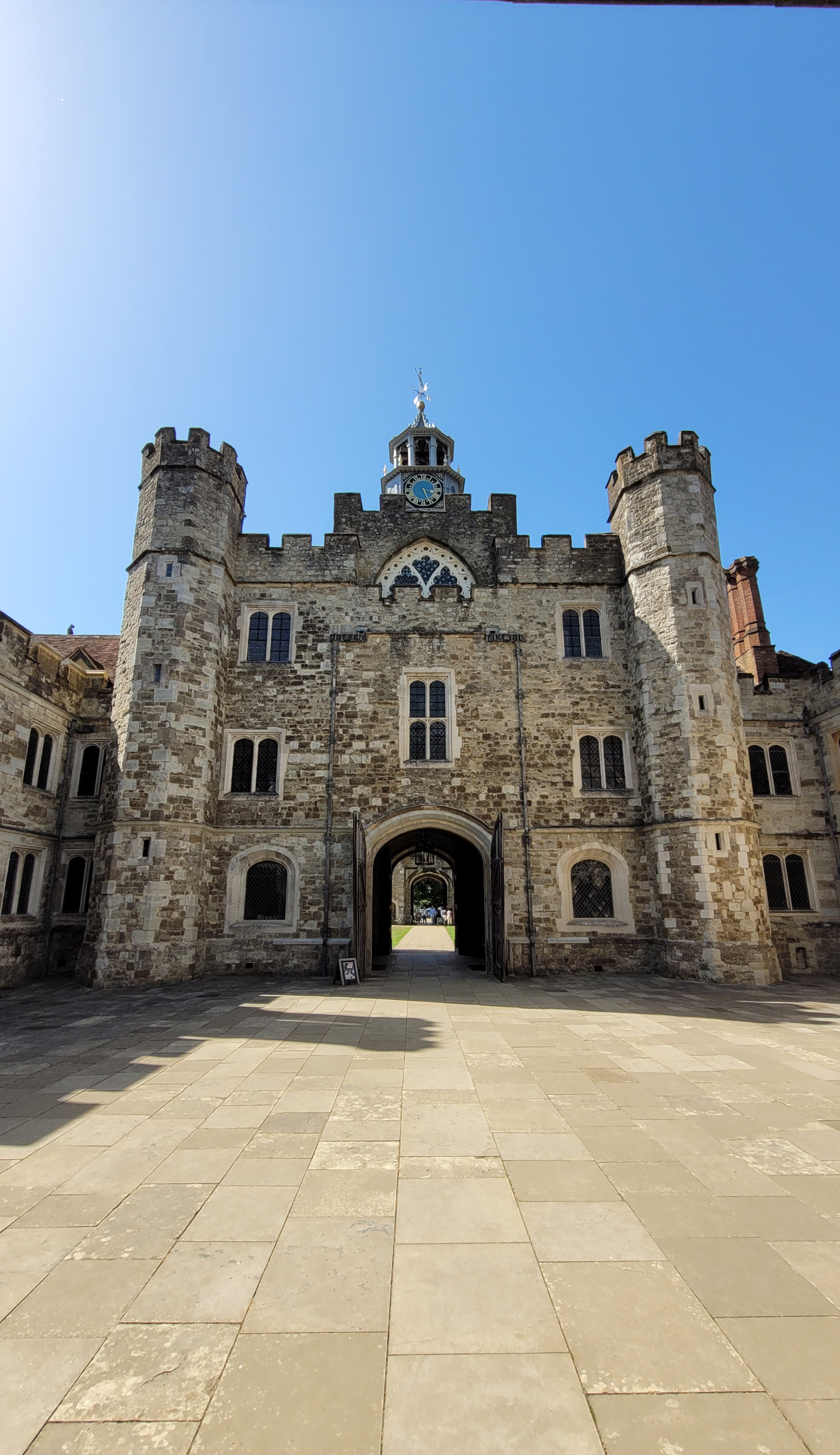
Kent is a veritable heaven for the National Trust, and Knole is the crown jewel of the many sites in Kent. So much so that the National Trust’s main Conservation Studio (the Royal Oak) is located on-site, and is visitable Wednesday-Sunday. Knole itself is a 600 year old palace, set in a deer-inhabited estate, just outside of London, and is certainly worth a visit.
Quick Facts
- Location: Sevenoaks, Kent
- Price for Adult: £19.00 (prebooking necessary)
- Time Needed: 2 hours for house, more for grounds
- Getting There: Driving is best, but Sevenoaks train station is only a mile and a half away
- Website Link
History
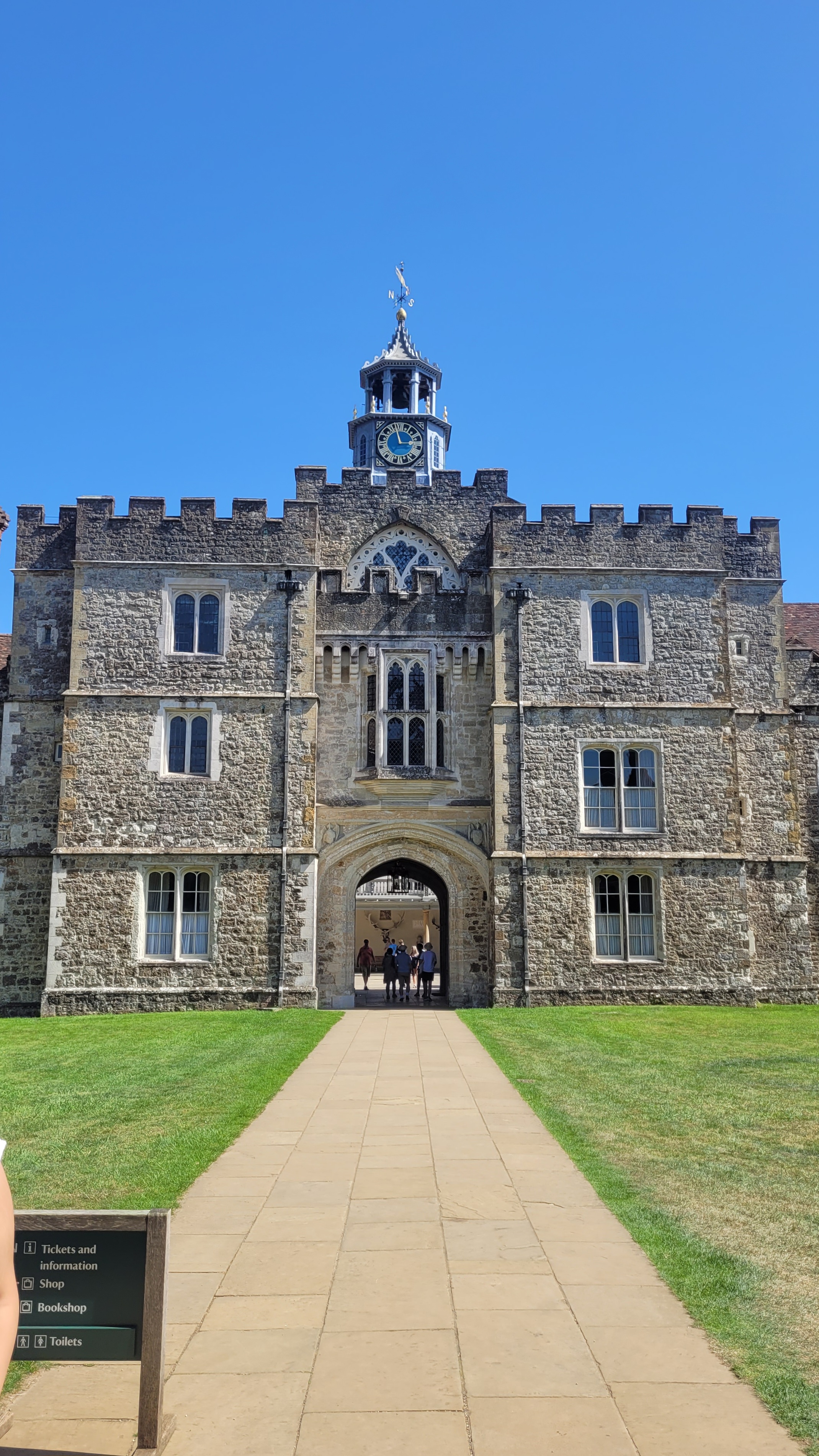
Knole began it’s life as manor separated from neighbouring Sevenoaks around the 14th century. It passed through a few hands, but ended up owned by the Archbishop of Canterbury. Thomas Bourchier, the Archbishop in question, built was it now the oldest parts of the house to serve as a residence, thanks to Knole’s proximity to London and high quality land.
The 16th century brought chaos to church wealth in England, as the English Reformation brought much of it under the English Crown. Knole was one of those properties. It pingponged between various nobles favoured by the current Tudor monarch, until it was eventually granted to Thomas Sackville, a cousin to Elizabeth I.
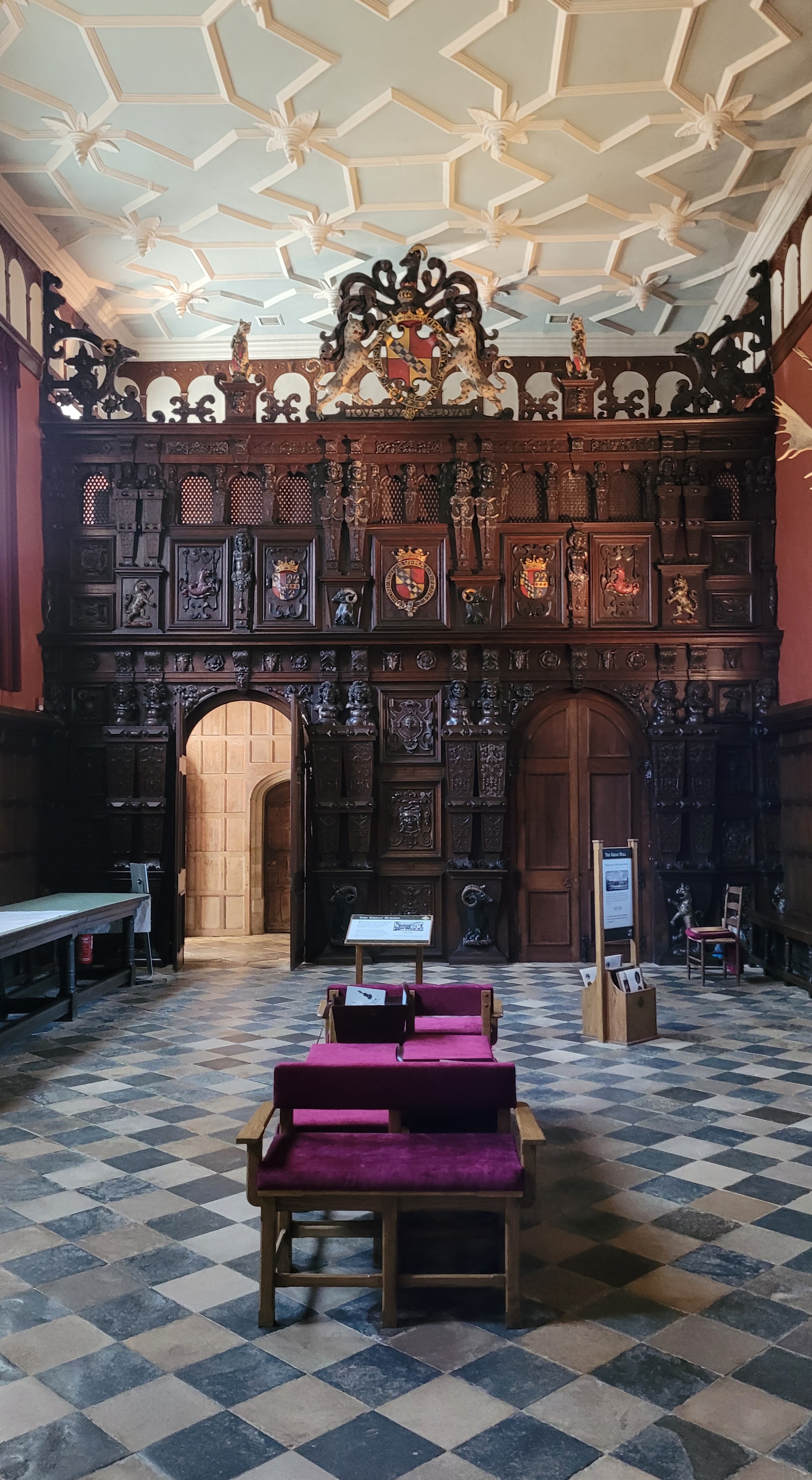
Sackville sought to completely renovate the manor and it’s grounds, and most of the modern property dates back to his restoration. He expanded the manor greatly, and retrofitted the interior to suit the taste of early modern nobility.
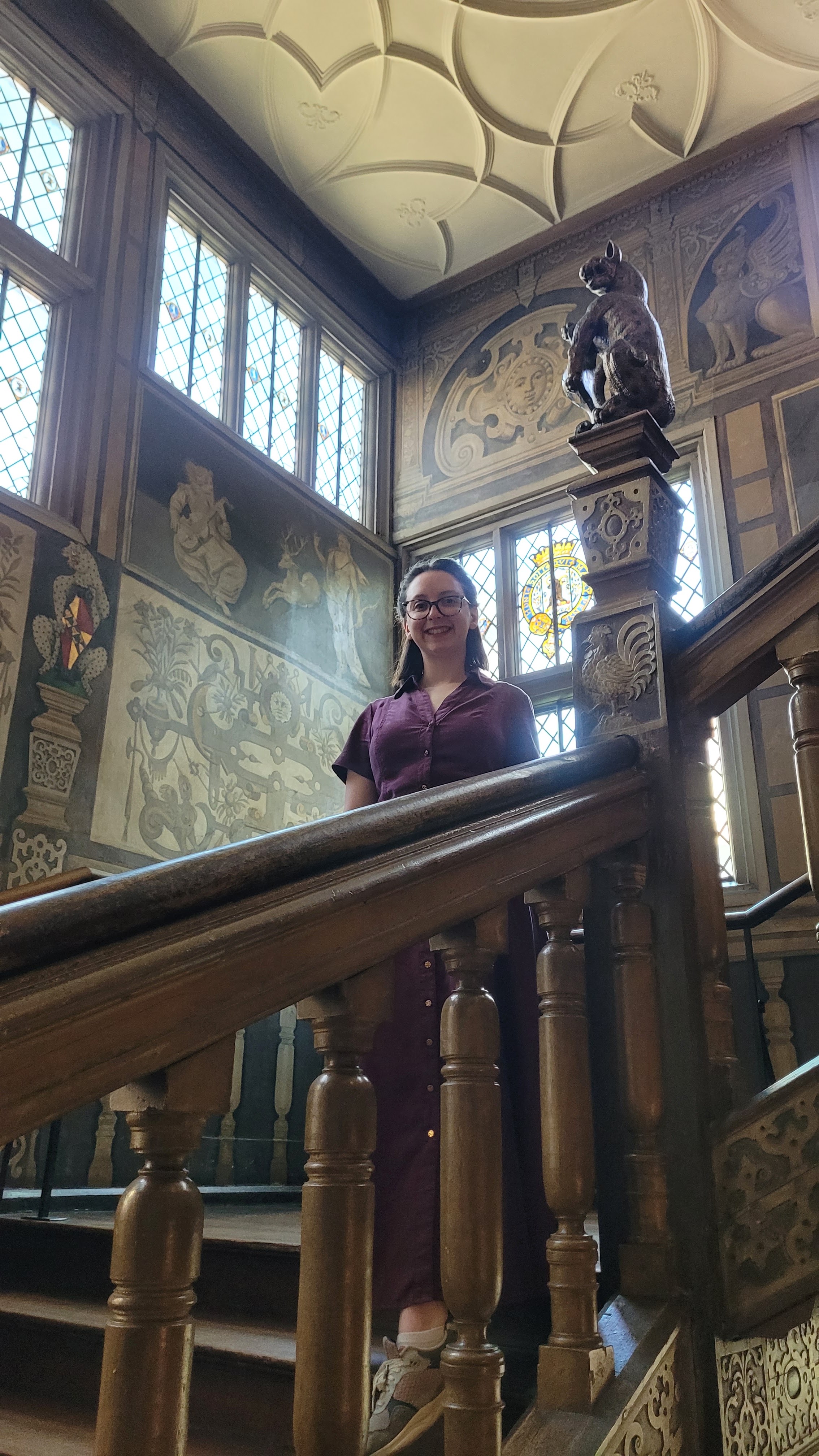
Knole remained in the possession of the Sackvilles through the turbulent centuries that followed, their custodianship surviving the English Civil War, the Napoleonic Wars and the World Wars. It was eventually donated to the National Trust (in 1947), but only the manor and a small portion of the grounds. Most of the house is still lived in to this day by the Sackvilles, though it’s more historic portions are open to the public.
Our Visit
We came to Knole when we were driving back from London Gatwick airport, on what was the hottest day of the year so far (2026 – though later heatwaves in that year were even more brutal). Sadly, 14th century architecture didn’t really have 21st century heat in mind when it was built, so the house was very hot. Tayla was certainly thankful for her hand fan.
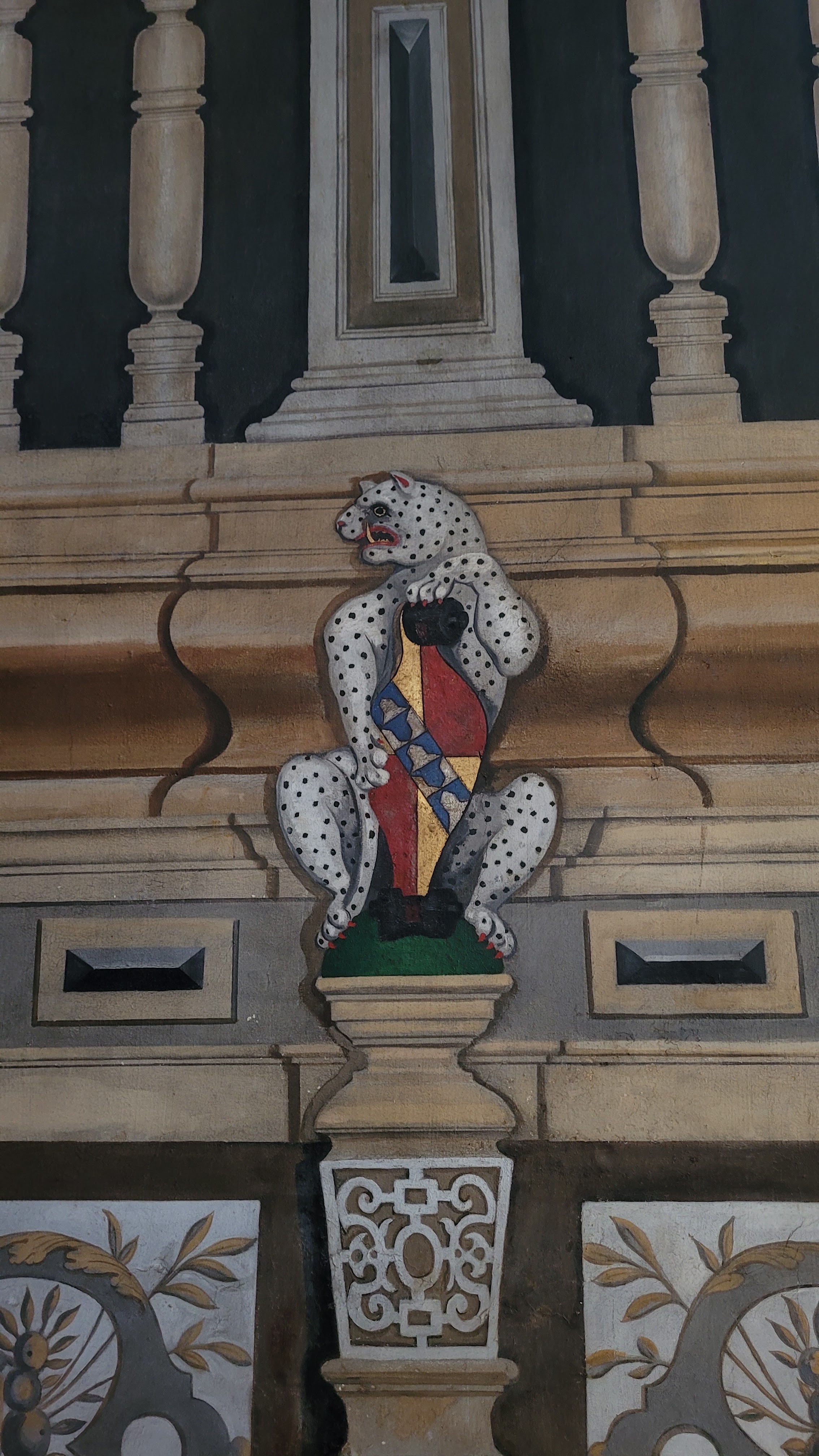
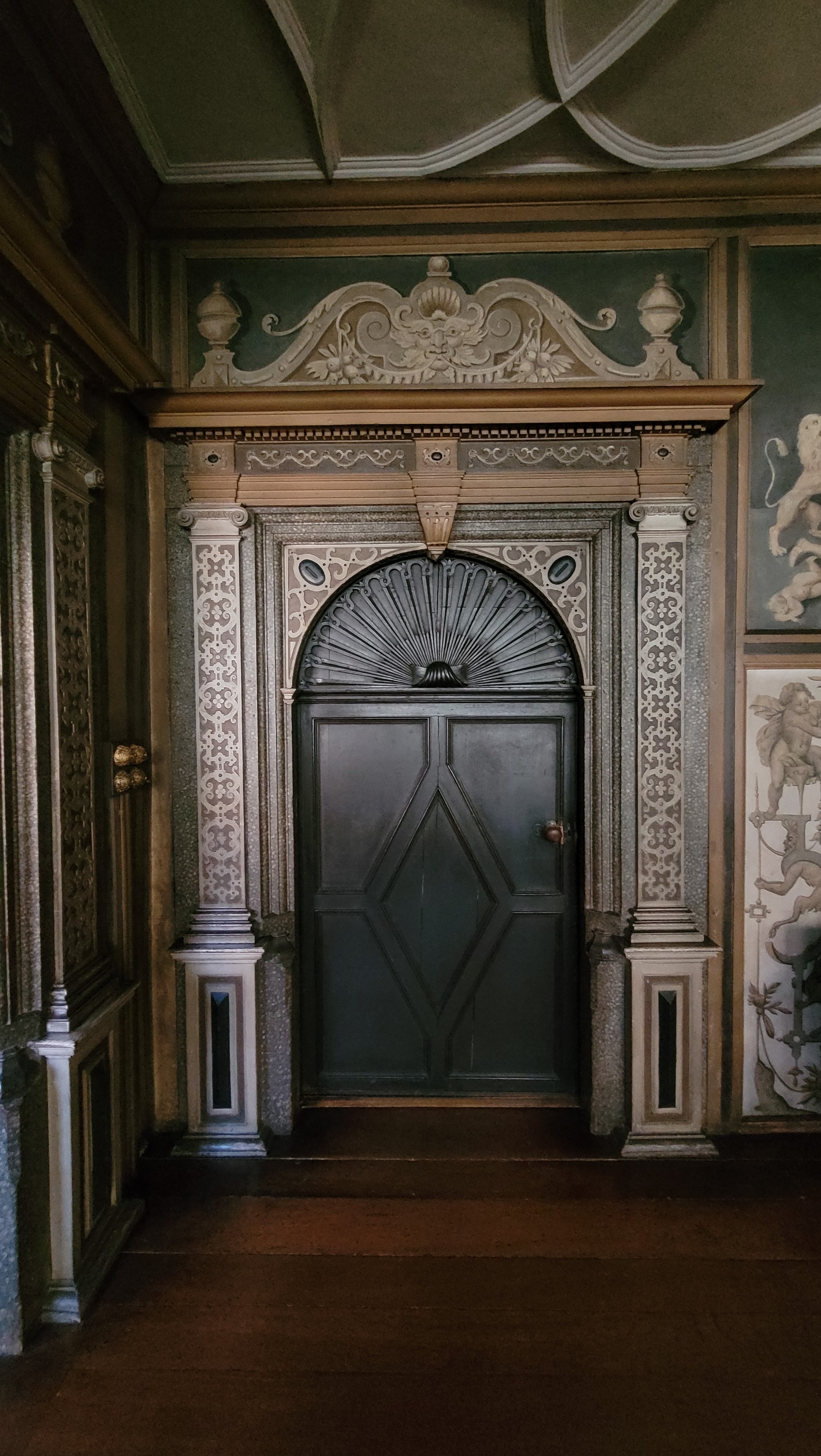
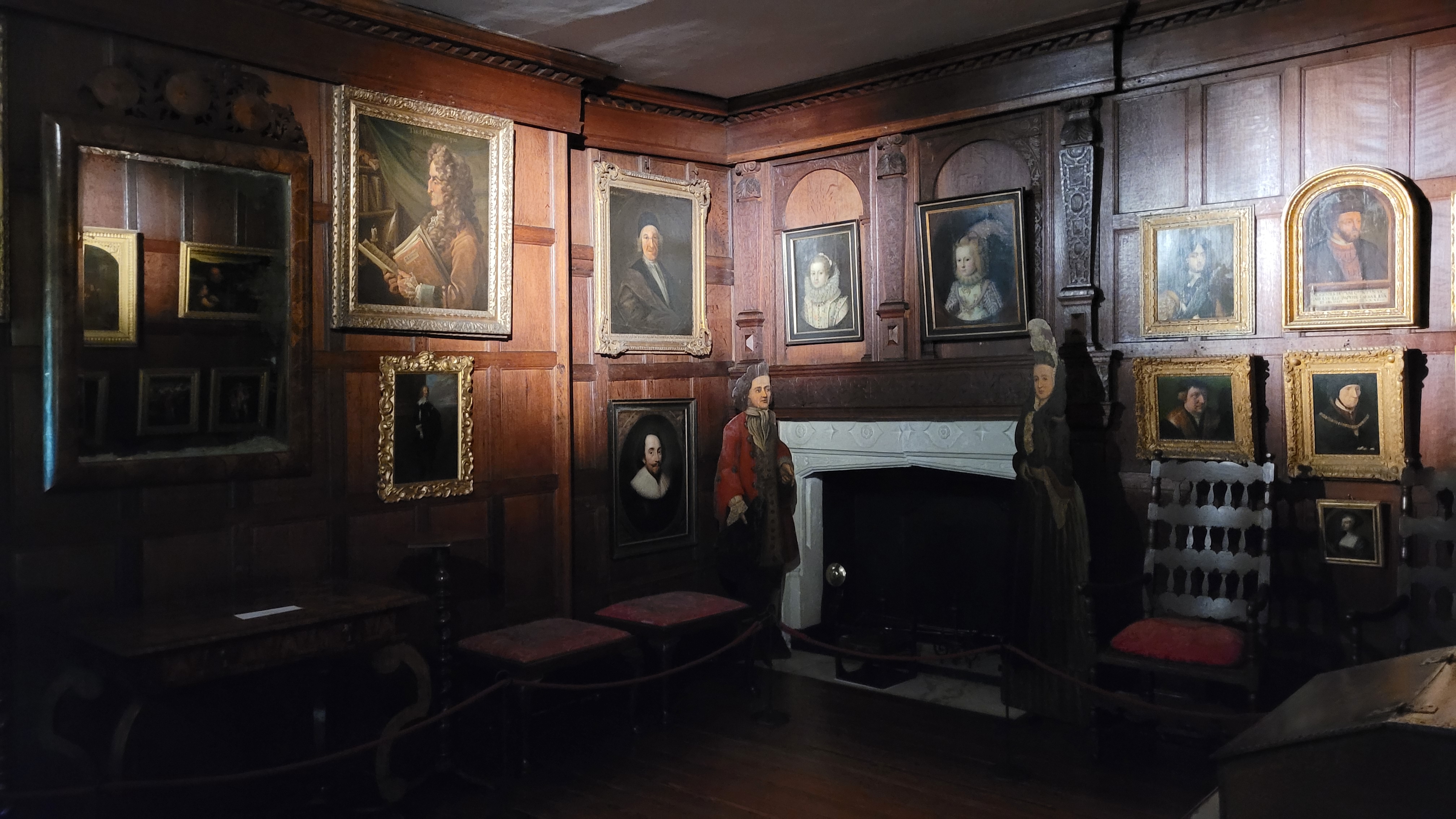
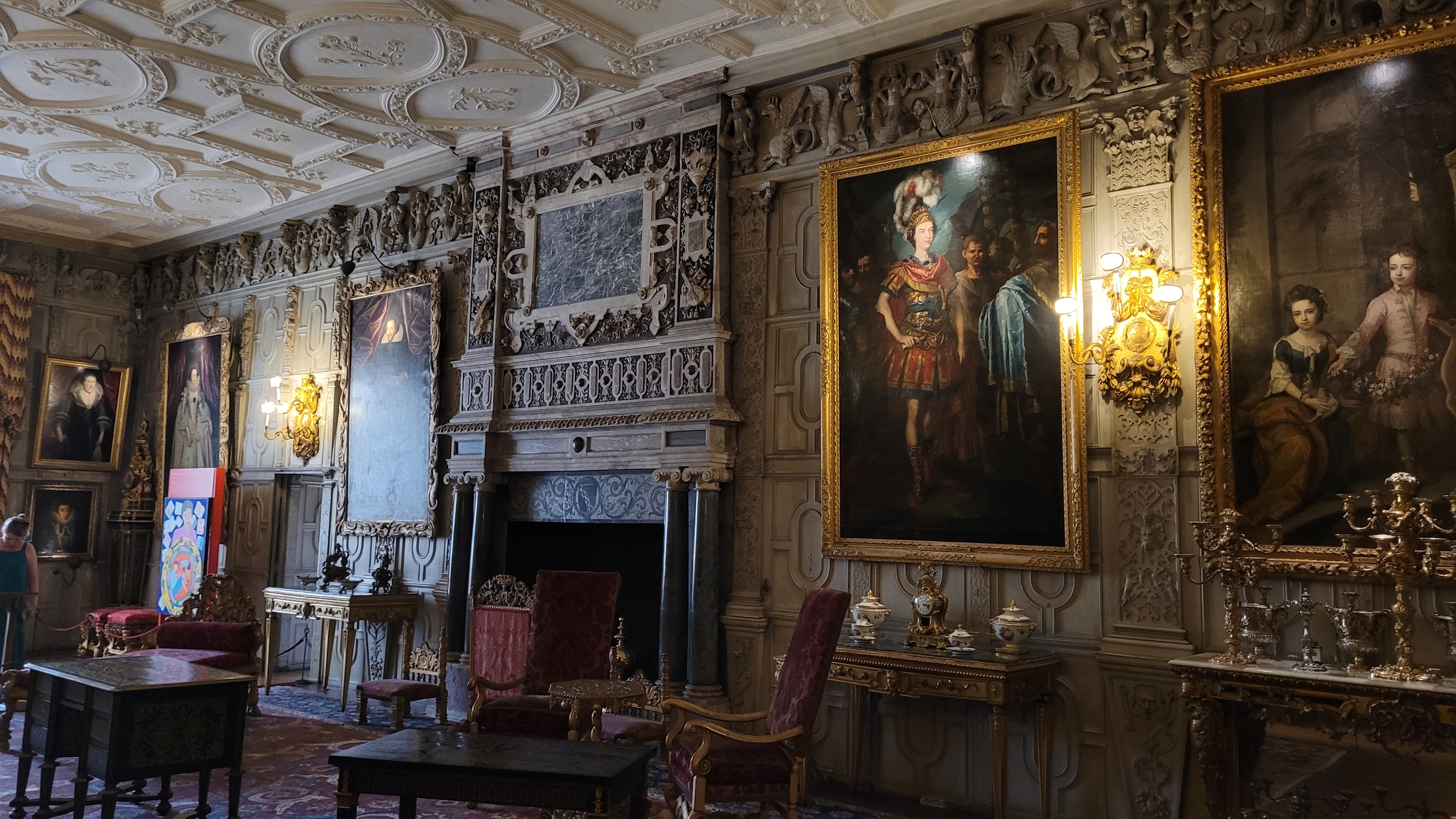
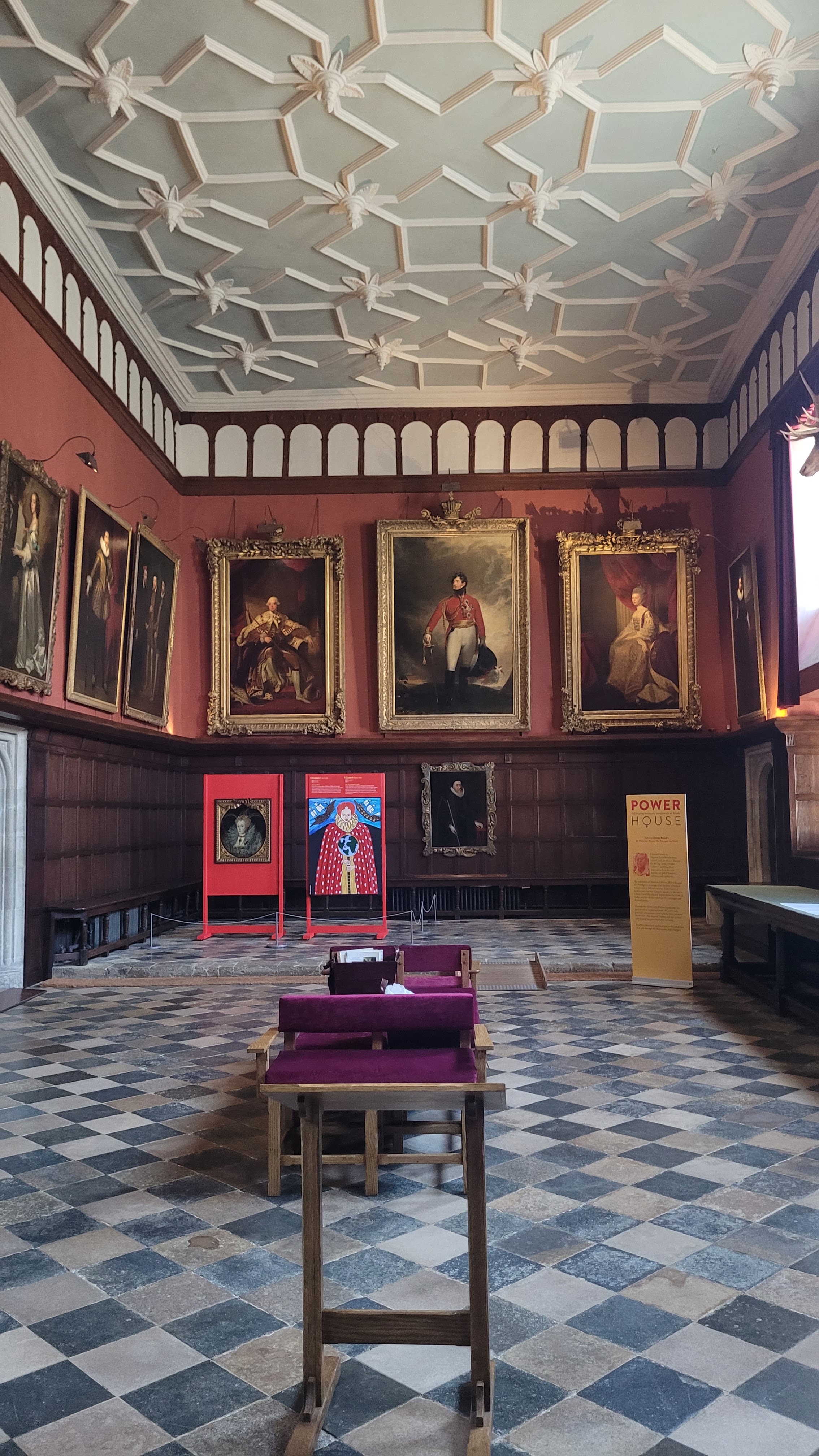
We began our visit with the main halls of the house. There were National Trust volunteers in the more important rooms, telling us about the most important features, such as the pridefully and prominently displayed leopards (an honour bestowed on one of the Sackvilles by the Crown).
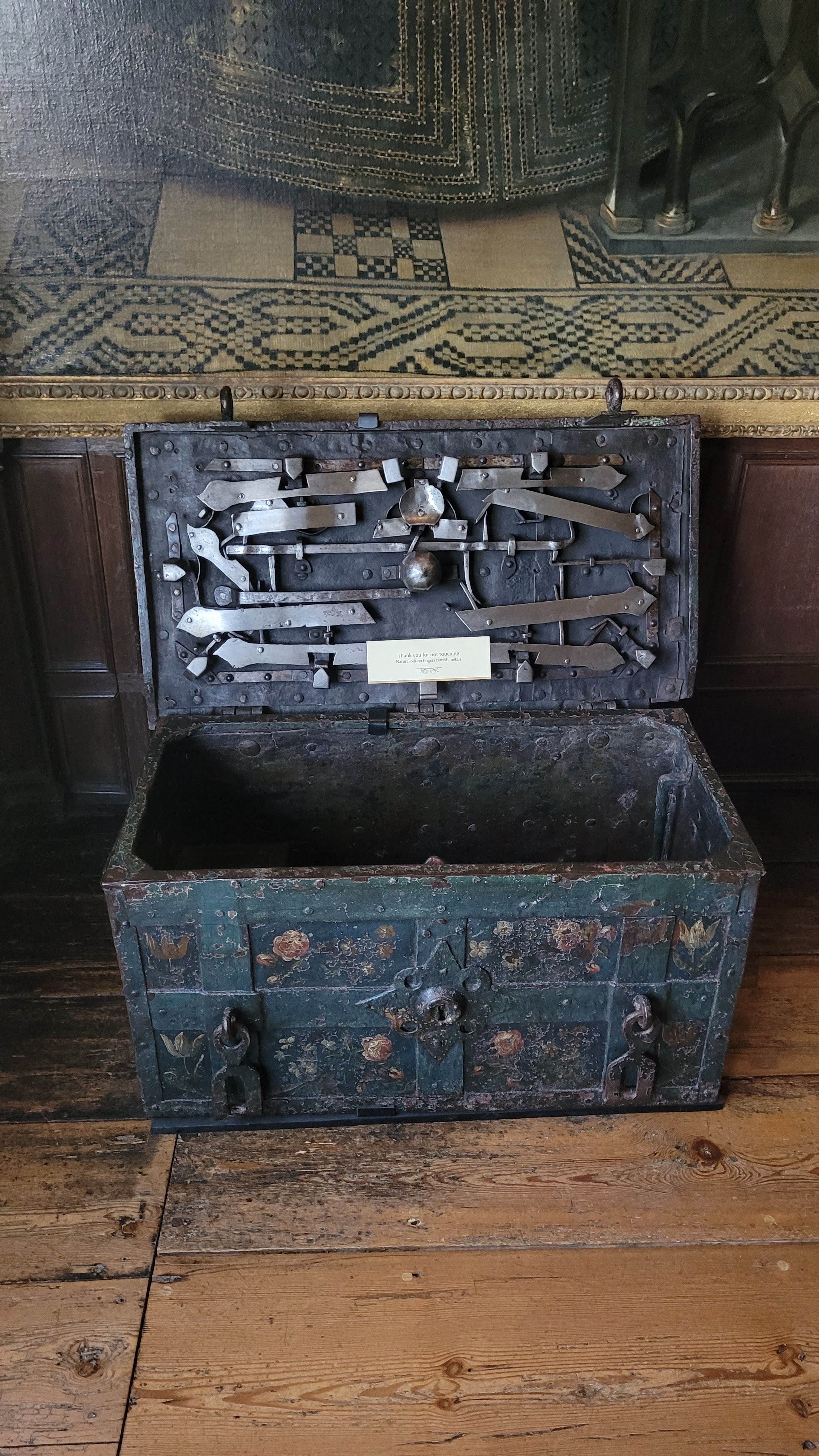
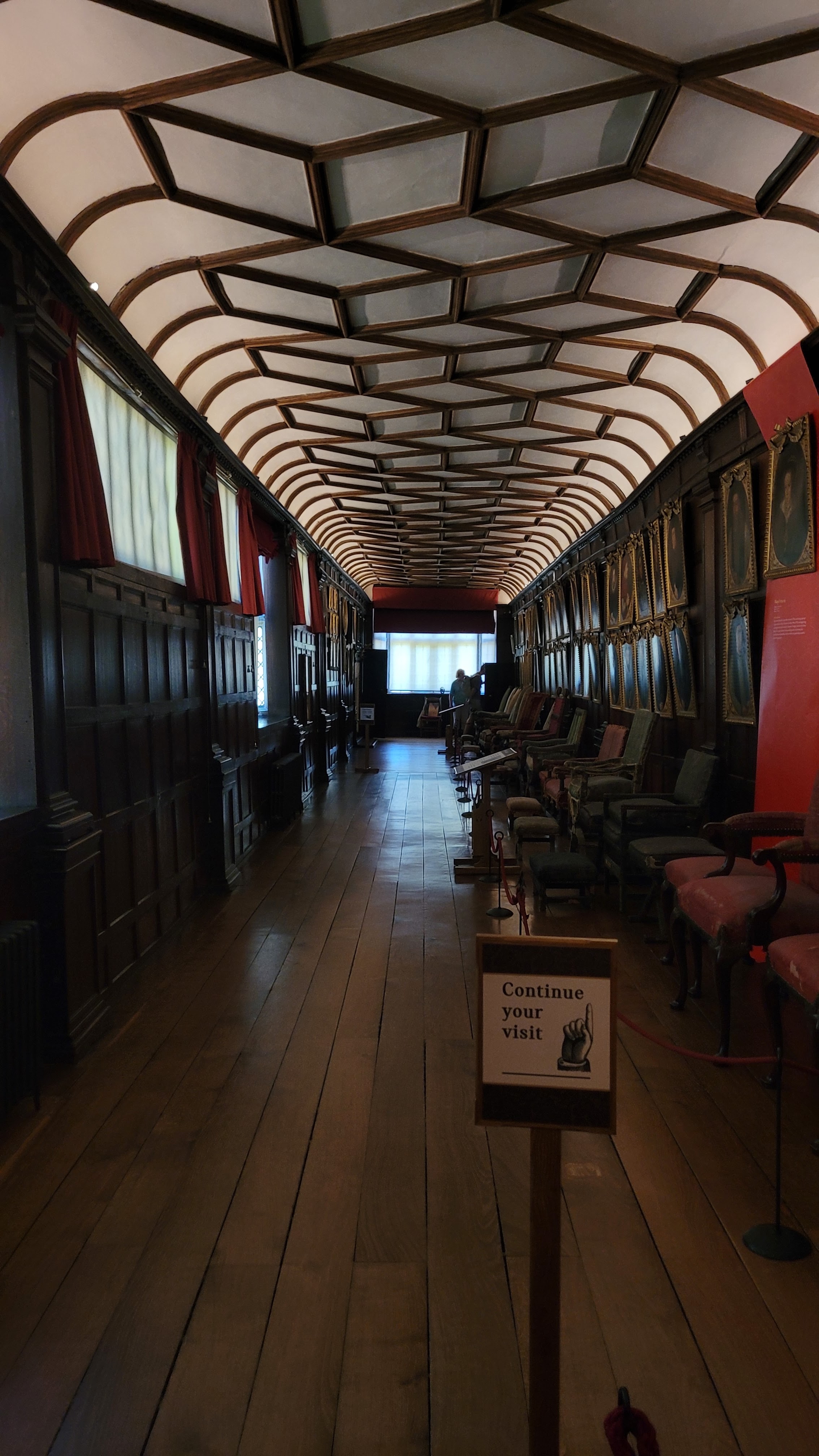
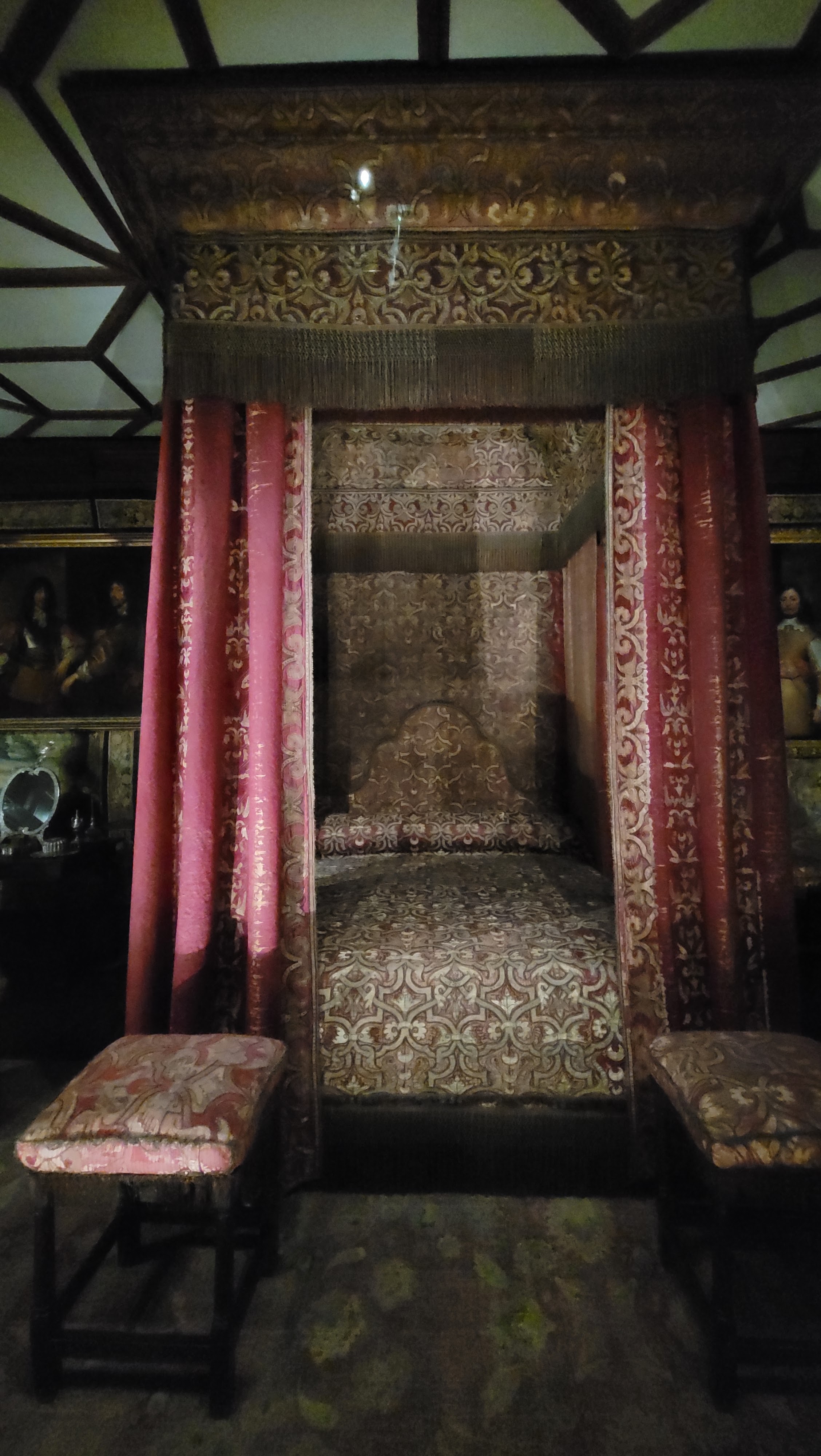
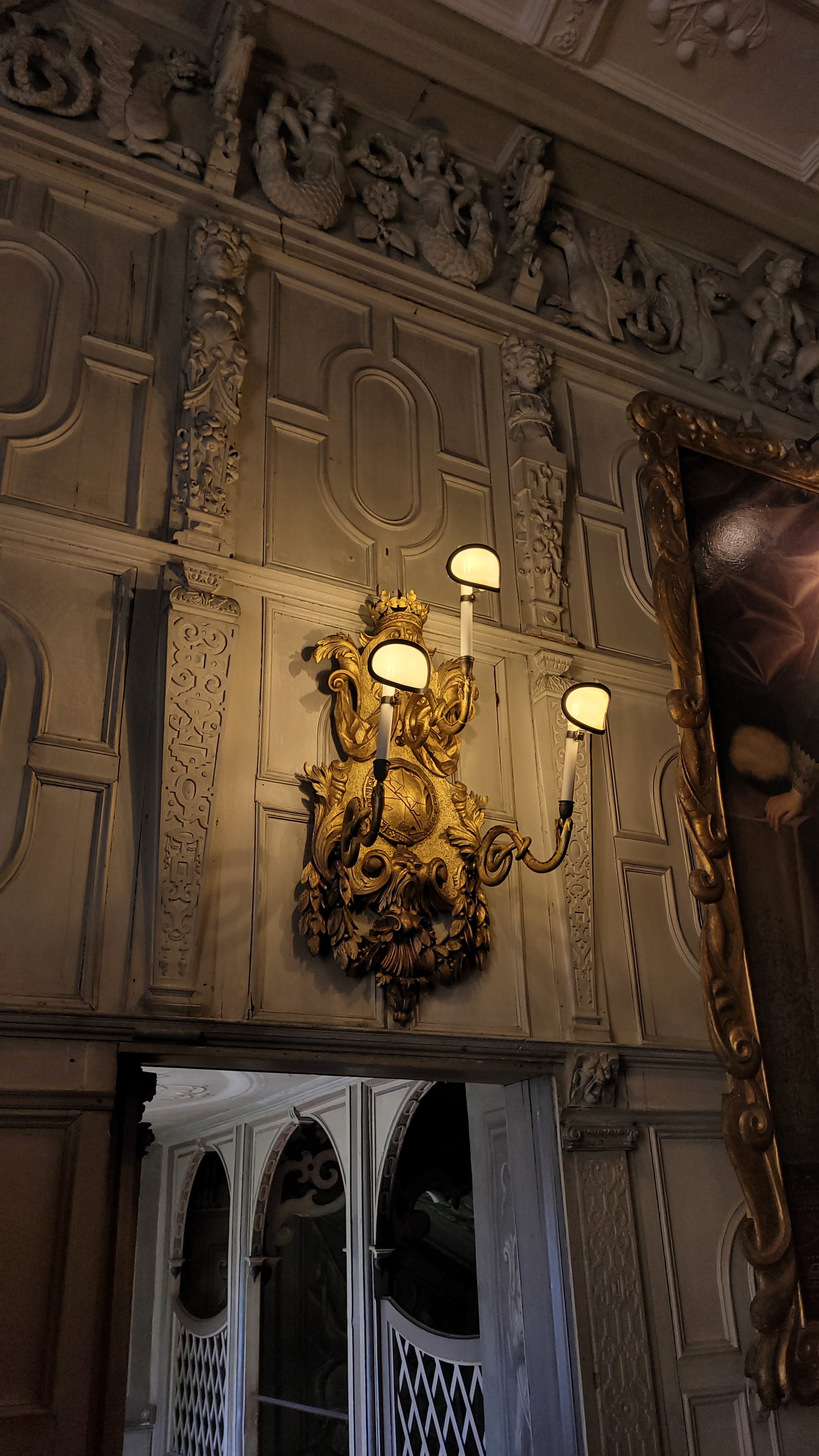
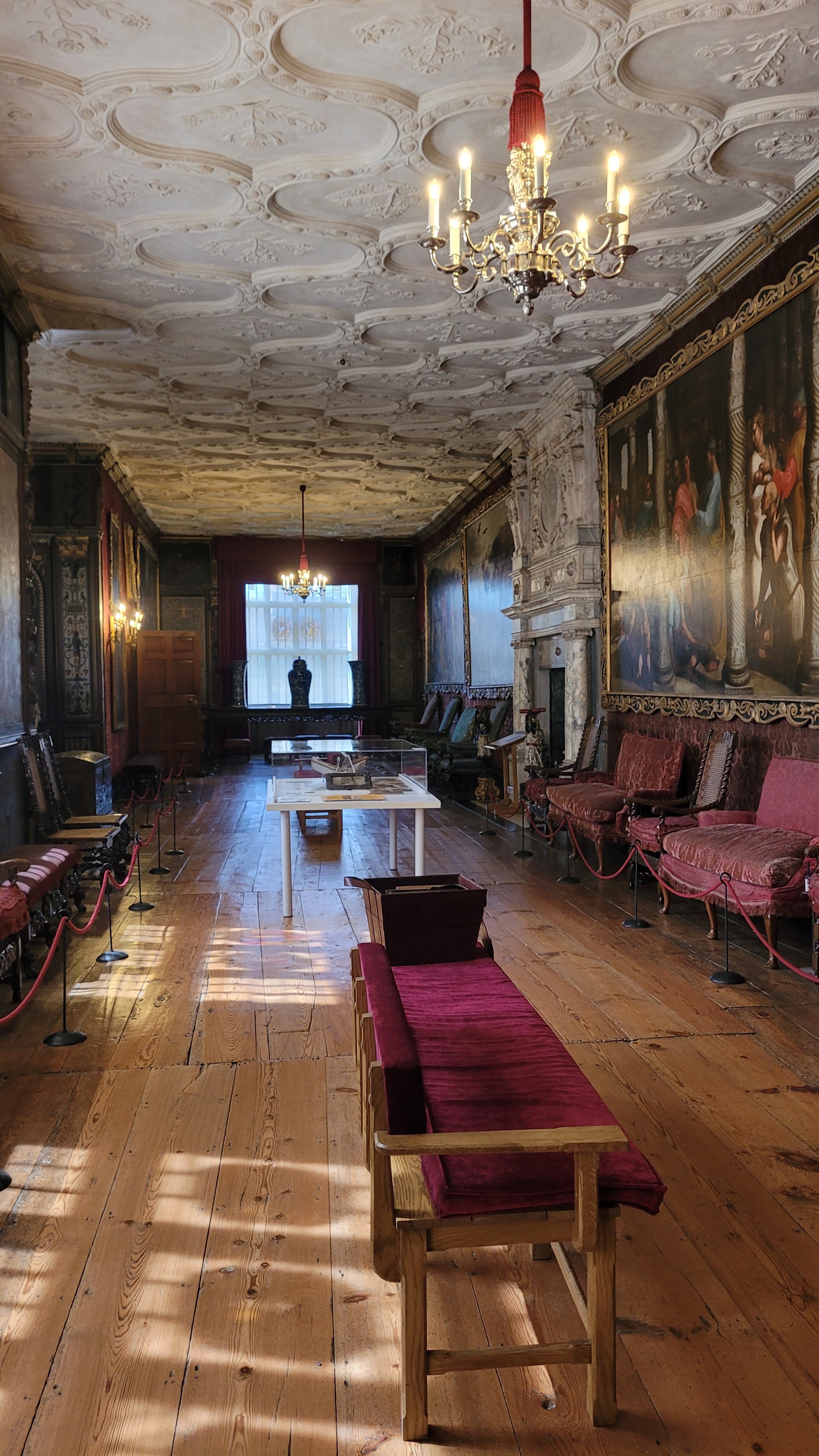
We walked through the halls containing various historical artifacts and paintings, and even a room that was specifically furnished to host the King (though he never came to Knole, much to the chagrin of the resident Sackville).
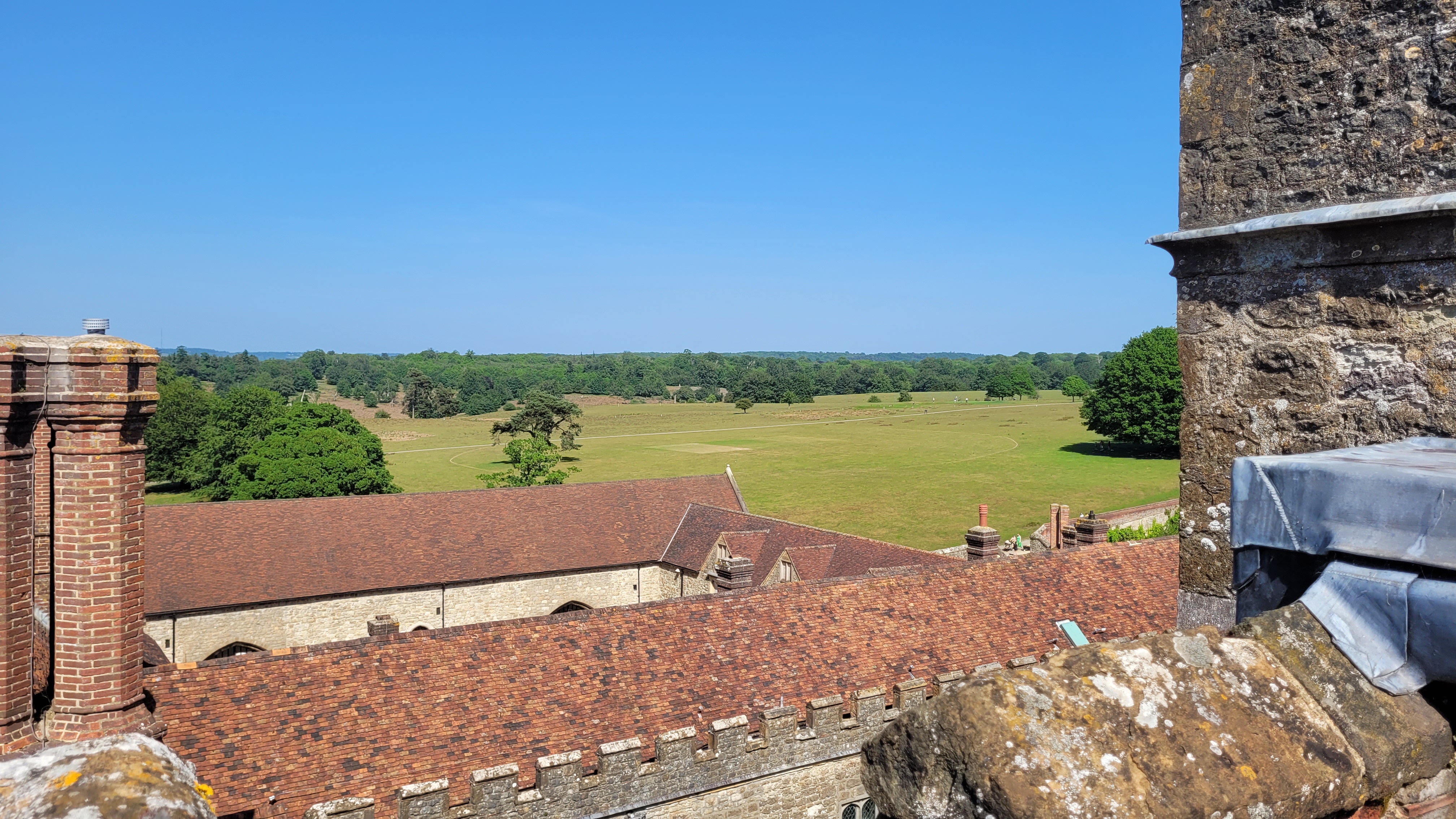
After the main hall, we went up the tower just before closing time. Usually there’s a reasonably fast-moving queue, as the amount of people who can go up it is strictly limited. However, as we were the close to closing time, we managed to get in without waiting. Upstairs, there are a few apartments furnished as they would have been in the 20th century, and the top presented nice views over the estate.
Conclusion
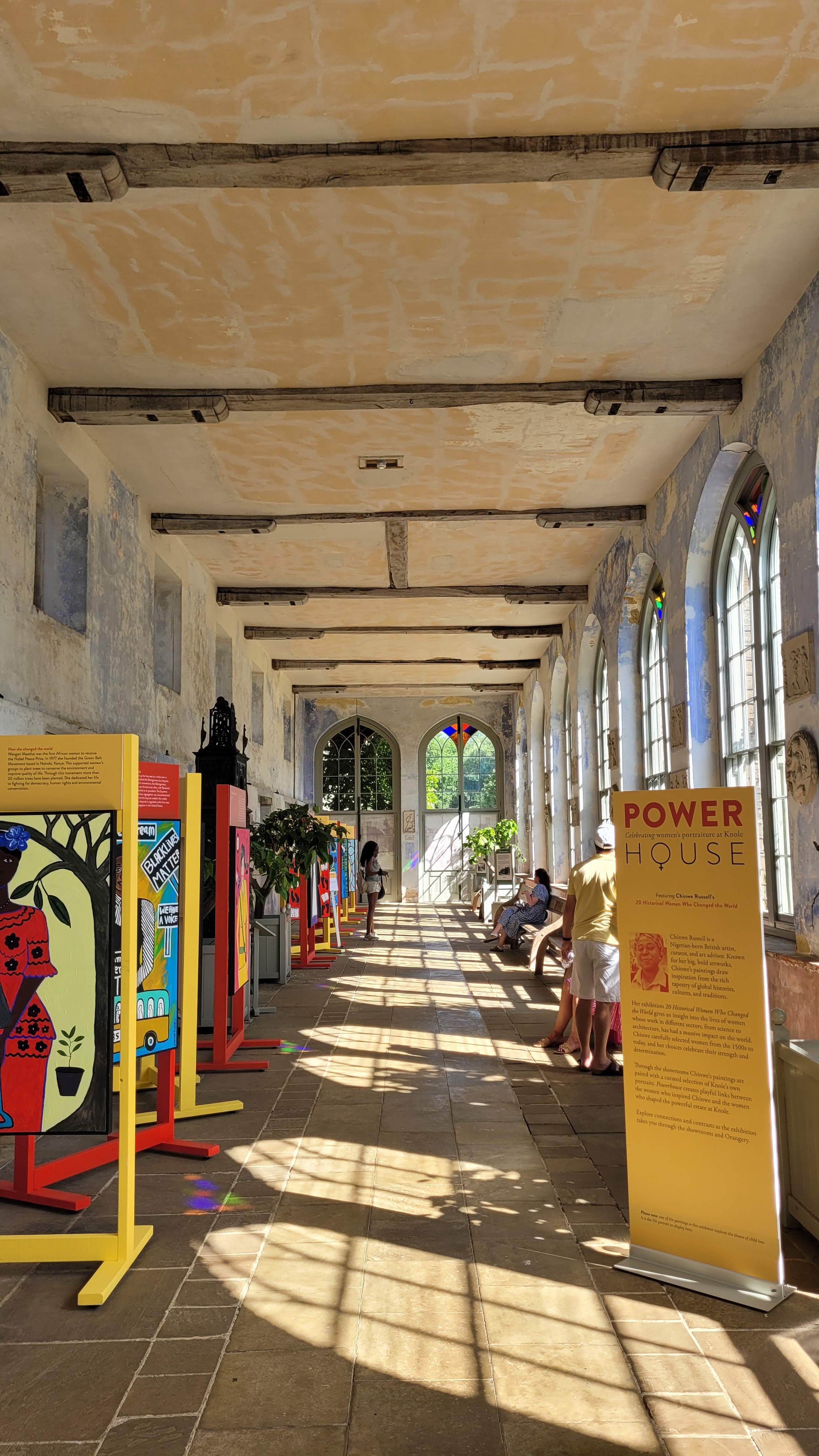
Knole is a sort of flagship for the National Trust: beautiful inside and out, and located within easy reach of London. It’s the epitome of a National Trust site, and well worth a visit.
 We May Roam