
Once a prospering wool-trading village, nowadays Coggeshall is host to a few historical attractions, and the epitome of rural life in England.
At a glance…
- Days To Spend: A few hours
- Get Around: By walking
- Get In and Out: Drive there!
- Pay: Using a card or cash in Pounds
- Speak: English
- See: Paycocke’s House and Garden, St Peter ad Vincula Church
- Should you go?: If you live nearby
General Impressions
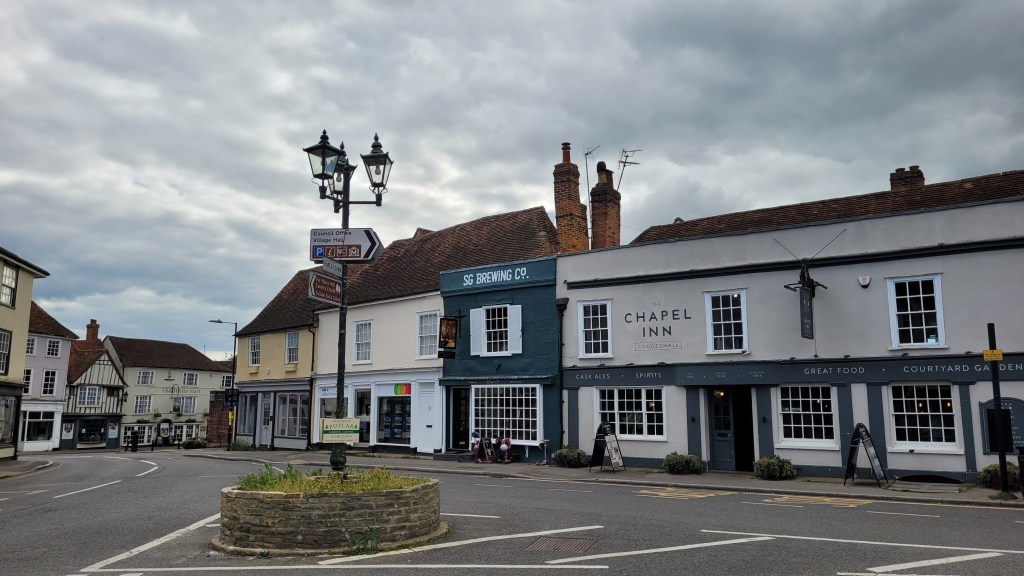
Coggeshall is rich in history for it’s small size. It was once an important centre for the wool trade, and Coggeshall White cloth was sold as far as Constantinople. I doubt many people living in Istanbul now would know Coggeshall’s name, let alone point it out on a map. Nevertheless, it’s a quiet, pretty, and historical village that is well worth a visit if you live nearby.
Public Transport
Getting Around
Coggeshall is about a mile across – it is entirely walkable.
Getting In and Out
Coggeshall is not the easiest village to get to by public transport. Buses exist from the following towns with train stations nearby:
- Colchester
- Marks Tey
- Kelvedon (only on weekdays, and in the morning and evening (set to train arrival times))
- Braintree
It is far easier to arrive to Coggeshall by car, and there are plenty of places to park. In fact, you can park for free on Sundays and Bank Holidays in the Village Hall car park.
Food
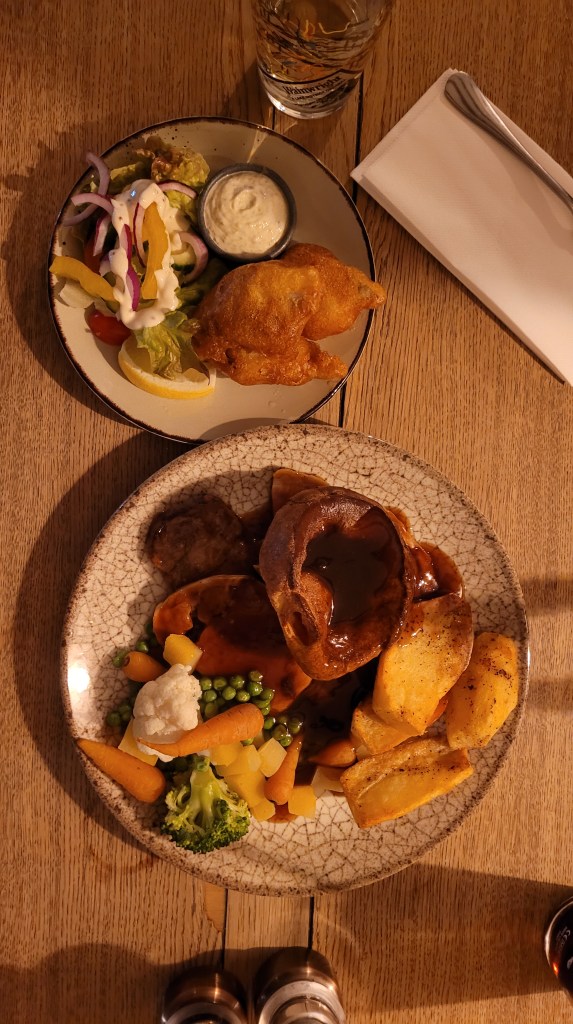
Being a village in rural England, there aren’t that many places to eat. We did, however, have a delicious roast dinner at the Chapel Inn pub.
Drink
Surprising for it’s size, Coggeshall is host to a small craft brewery (SB Brewery), with a tap room right in the centre. Though the variety of beer is not amazing, they taste quite well indeed!
Money
Card payment is accepted anywhere, in British Pound Sterling, of course. Cash payment is welcomed warmly in small business though!
Language
English is the language to use!
Time
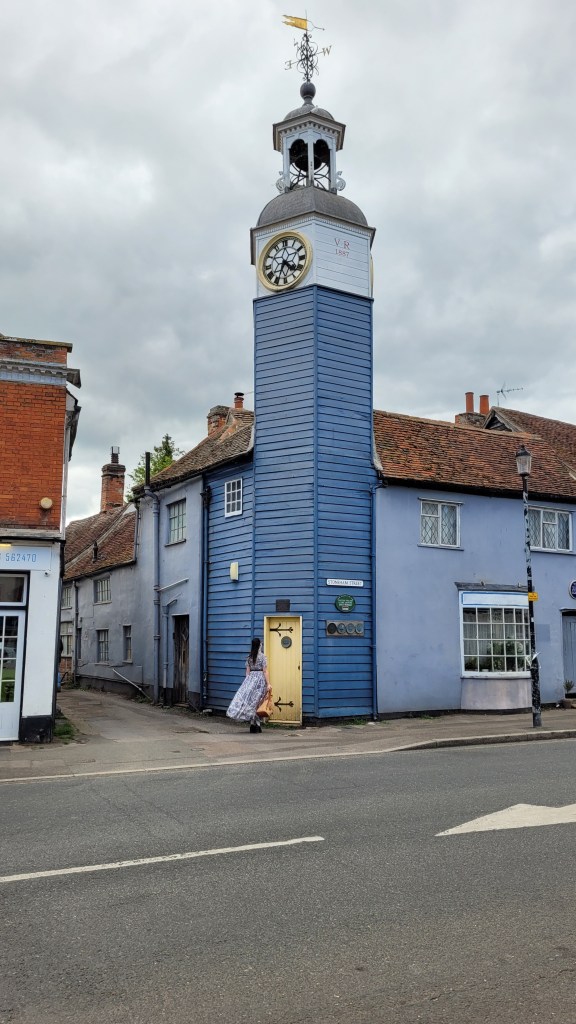
Coggeshall makes the perfect day trip if you live in one of the surrounding places. There’s enough to do to keep you busy for the better part of a few hours.
Safety
It’s rural England – there are few places in the world safer (except for drunk drivers on weekend nights after dark).
My Favourite Spots
Paycocke’s House and Garden
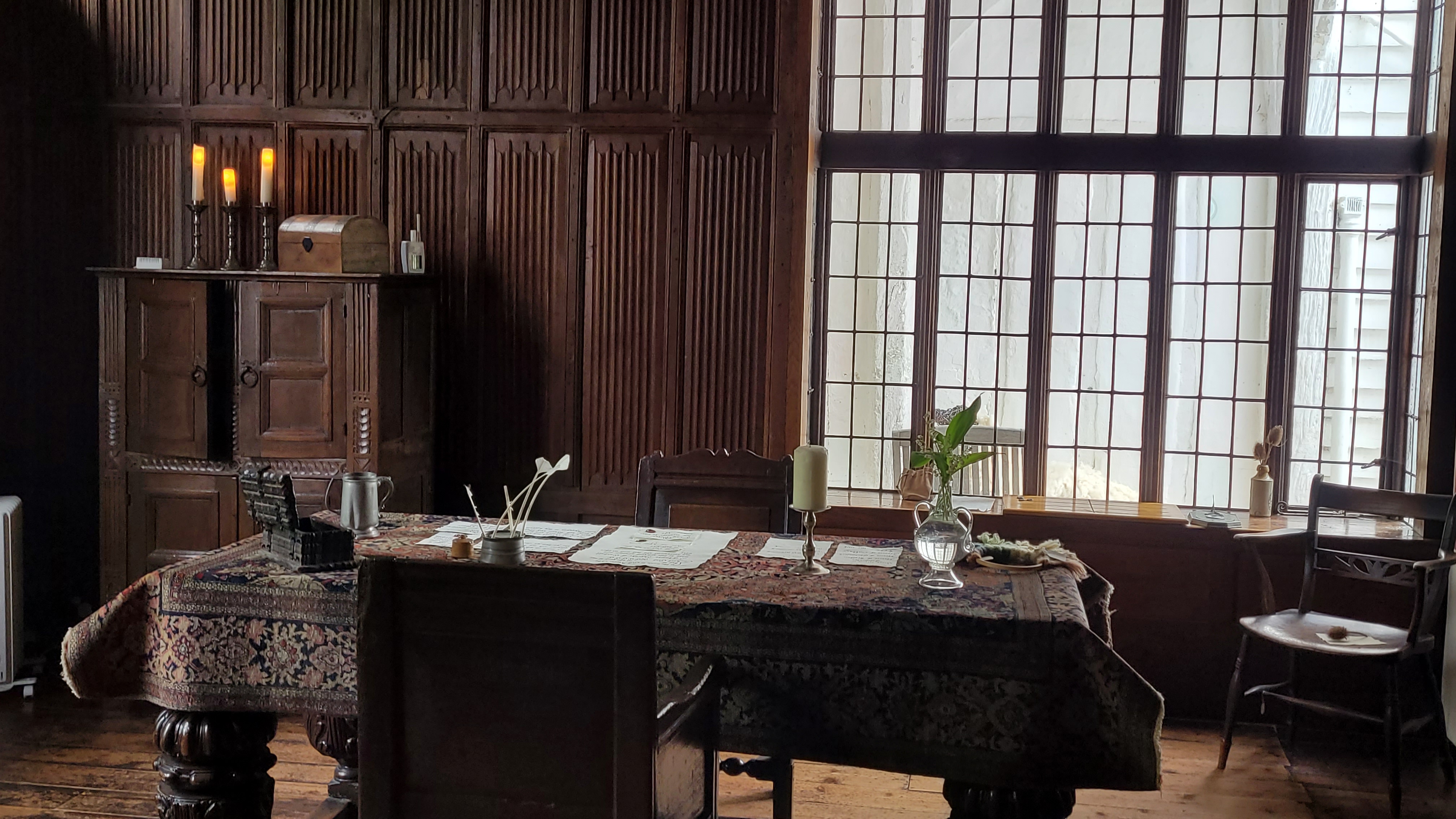
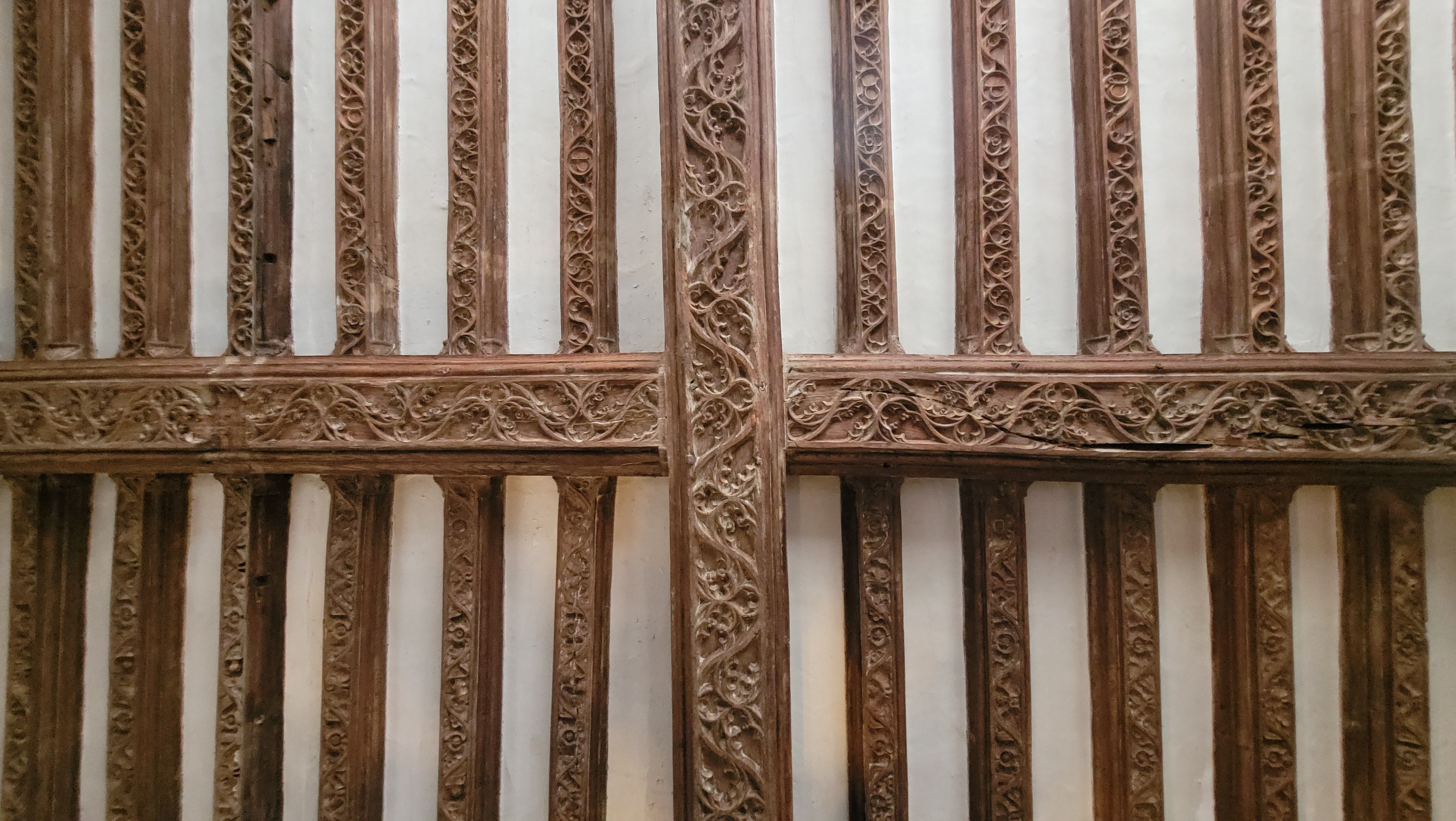
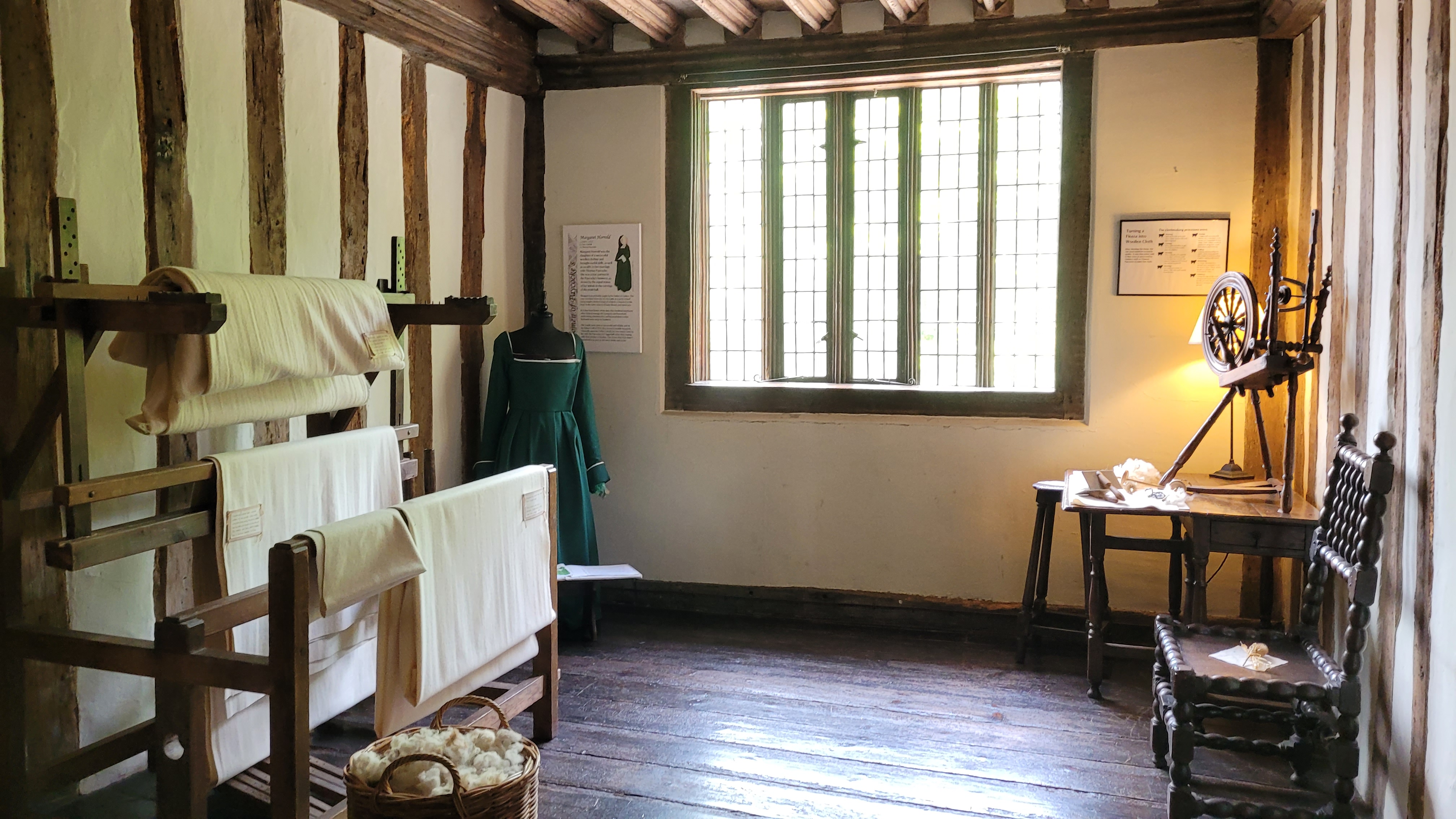
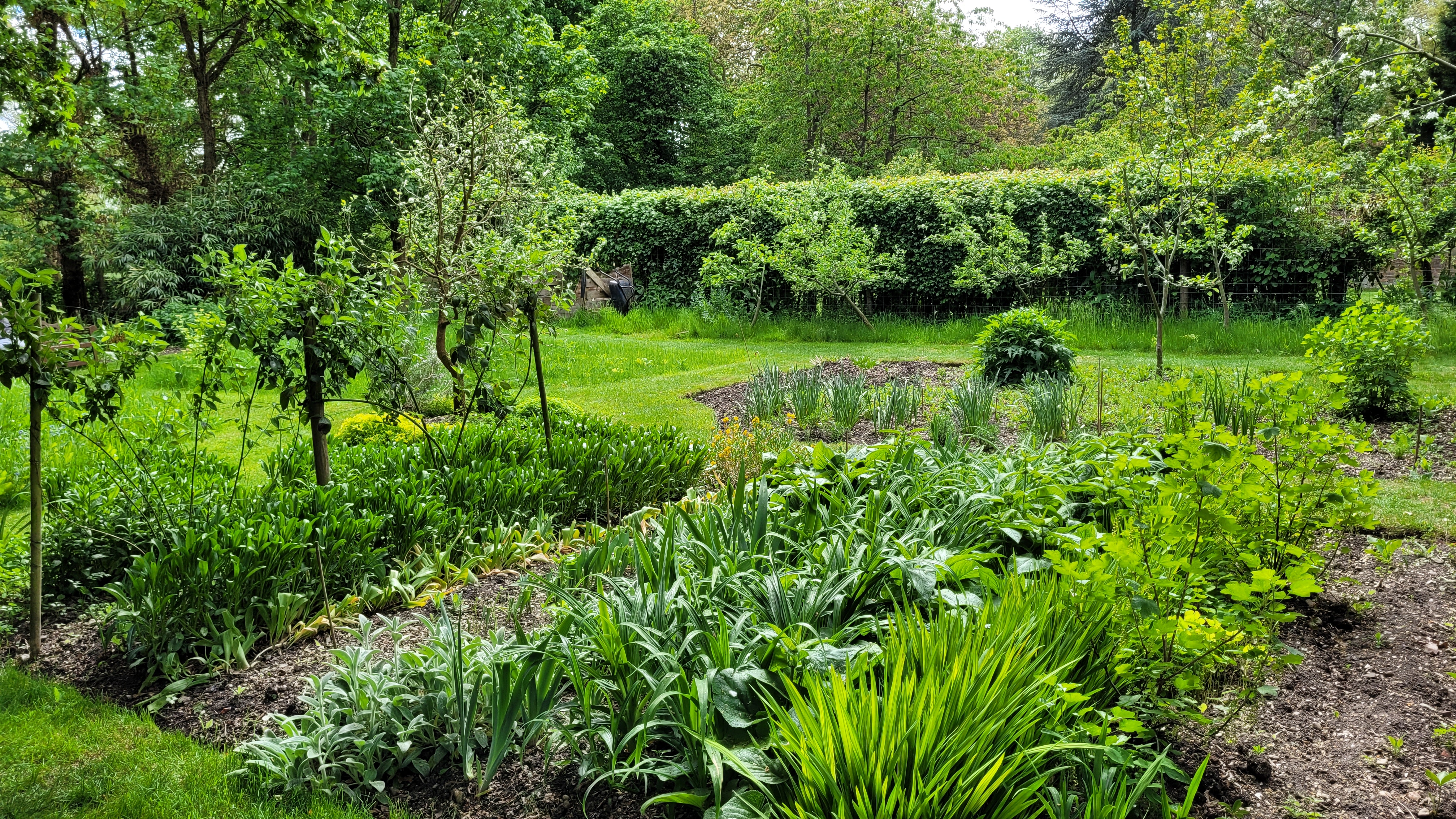
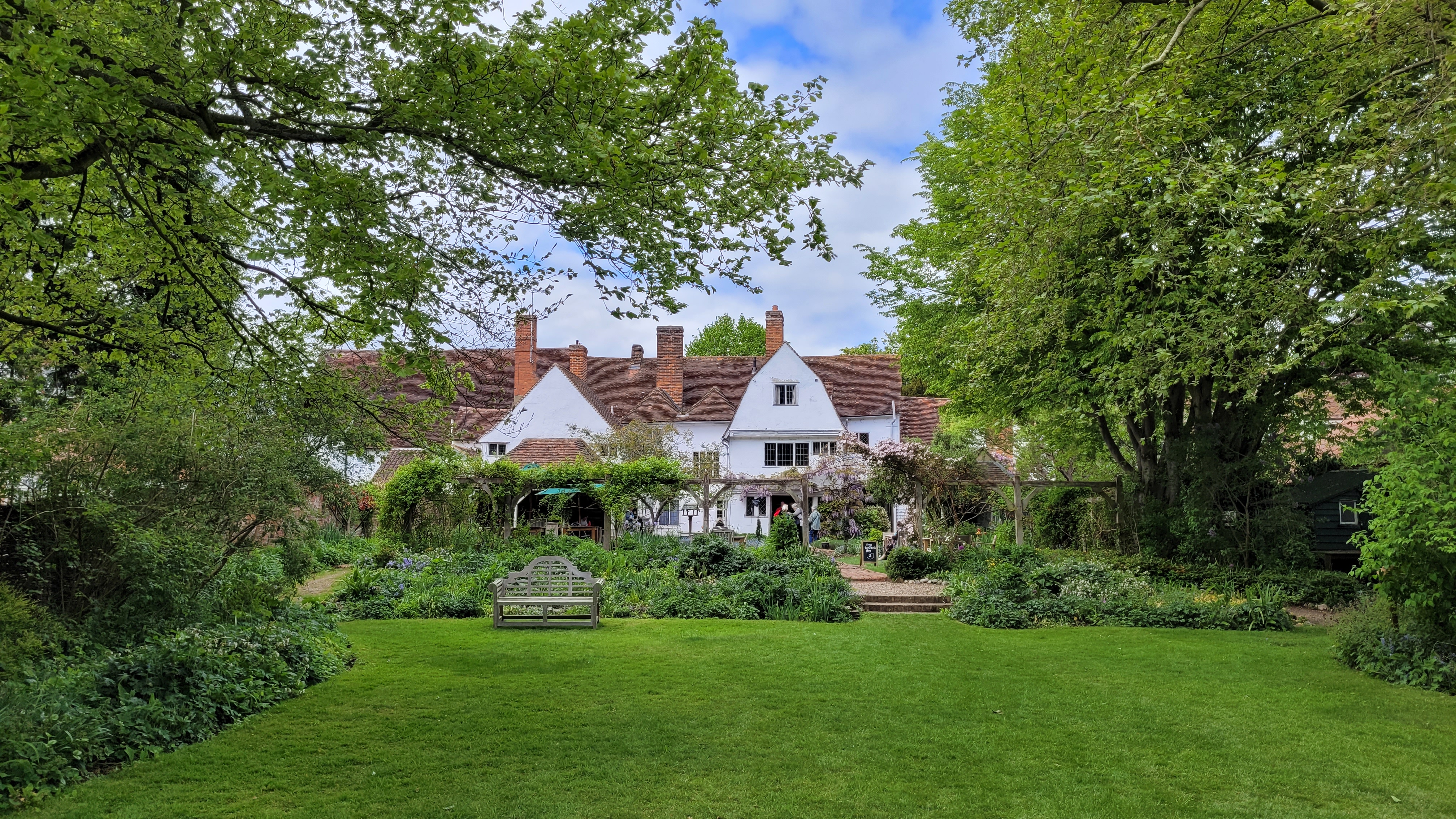
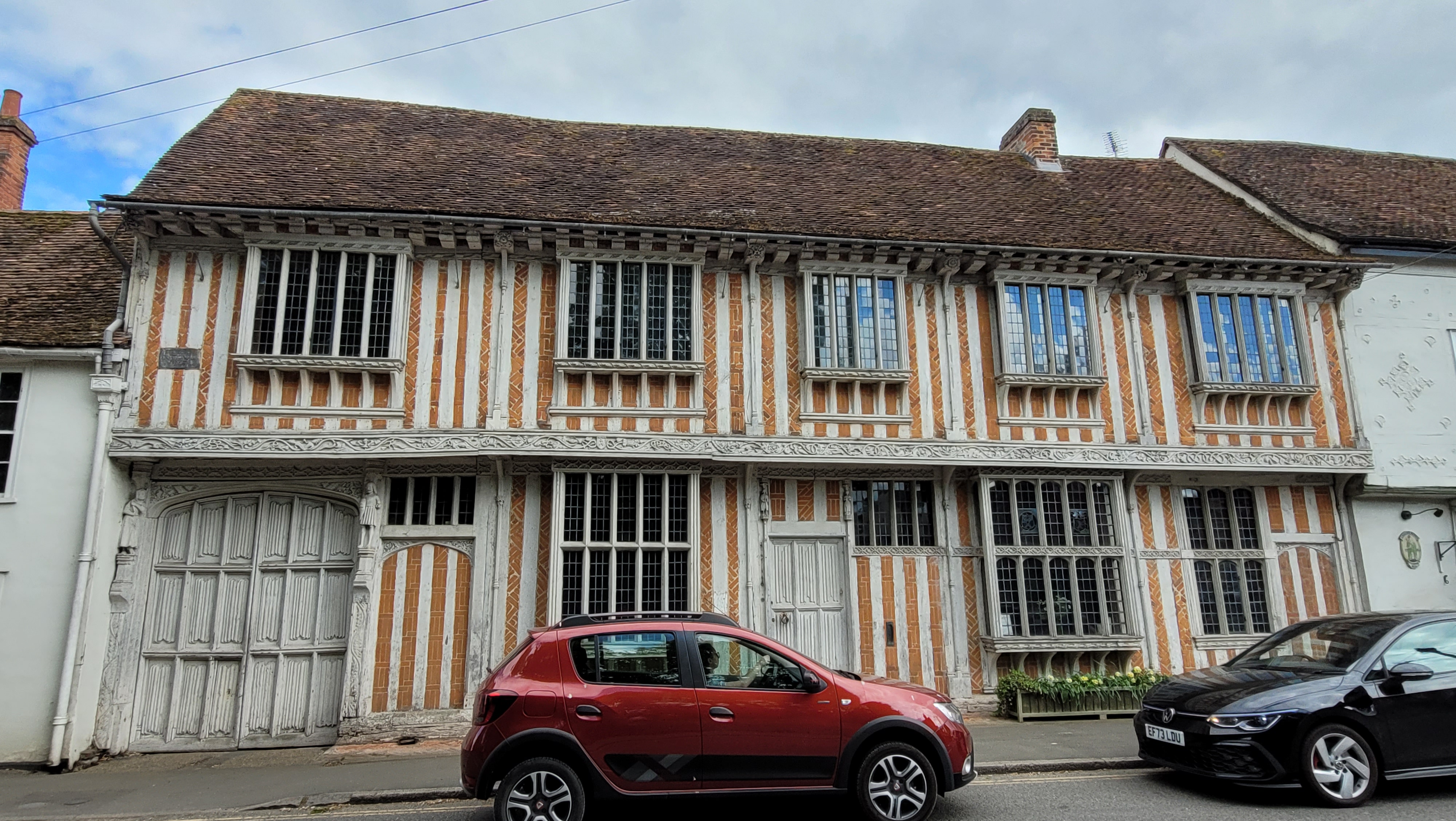
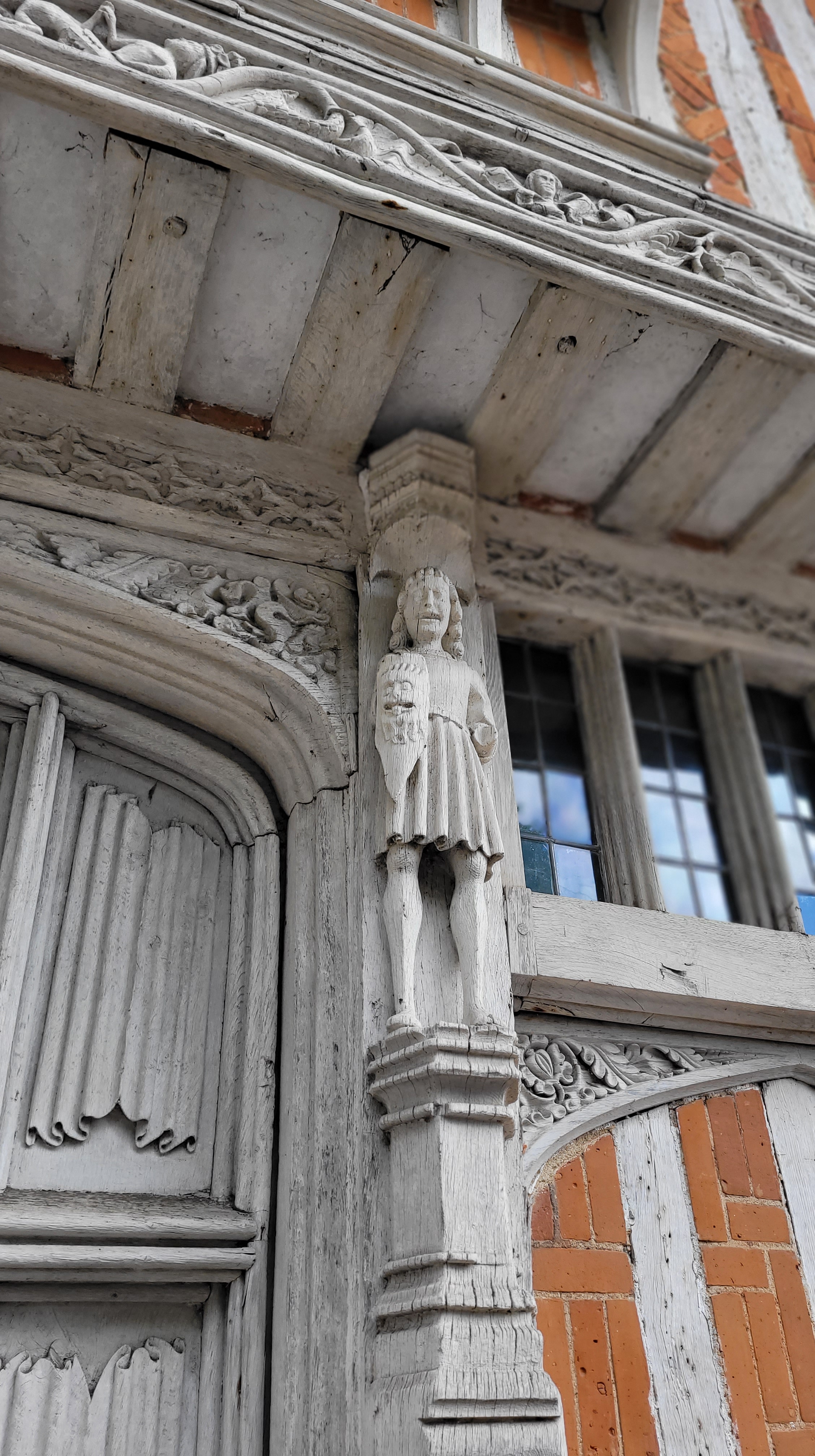
The crown jewel of Coggeshall would be the house of the Tudor merchant Paycocke, who was instrumental in the wool trade during his life. The house wasn’t originally built for habitation – rather it was an office/workshop/warehouse. Despite a poor history (the house was almost torn down in the early 20th century), it has been lovingly restored to how it would have looked like when it was originally built, and is cared for by the National Trust. There are numerous guided tours running daily, which give an insight into the house itself, the Coggeshall wool trade, and life in medieval England in general.
Spots That Might Be Good
St Peter ad Vincula Church
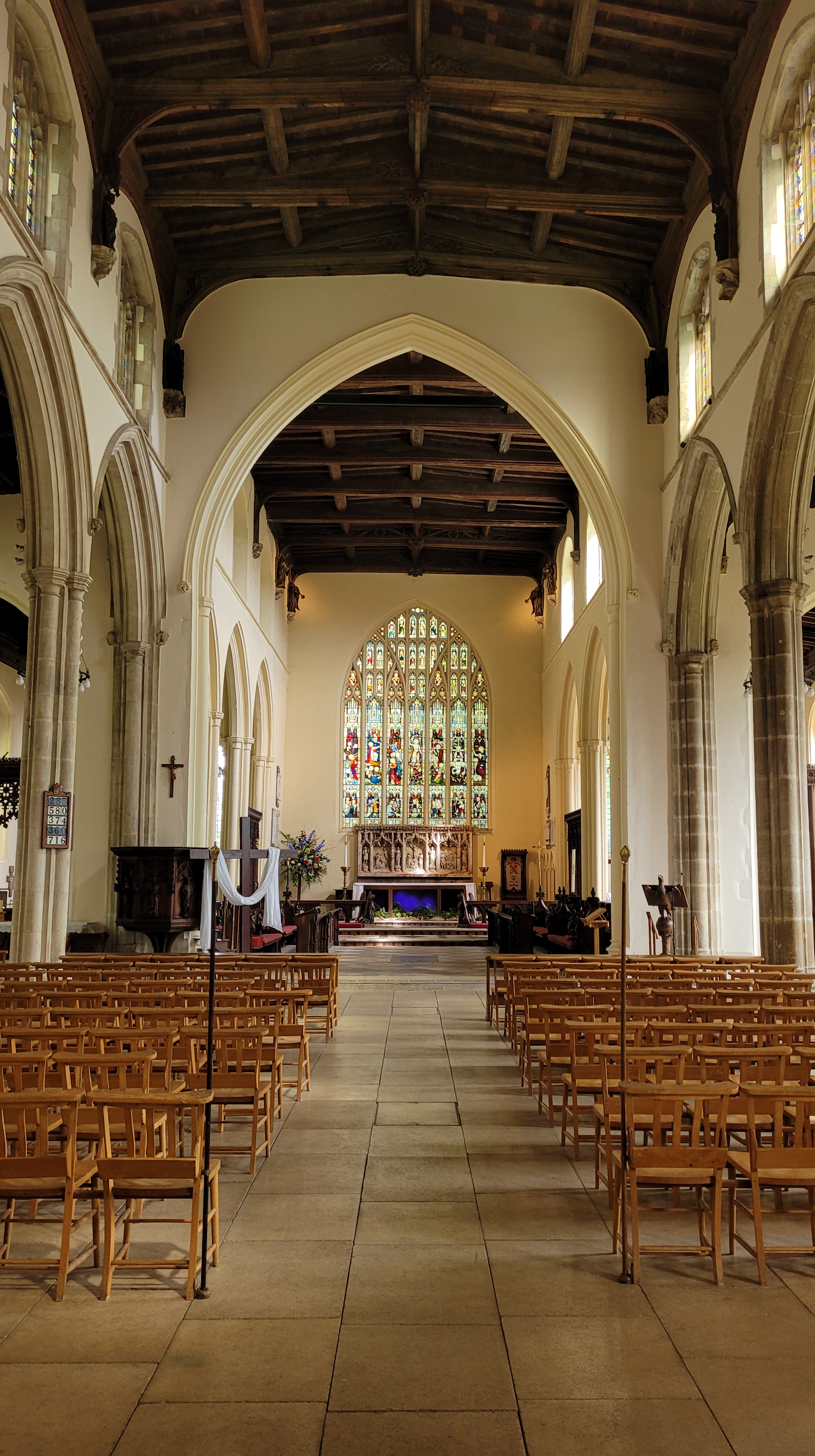
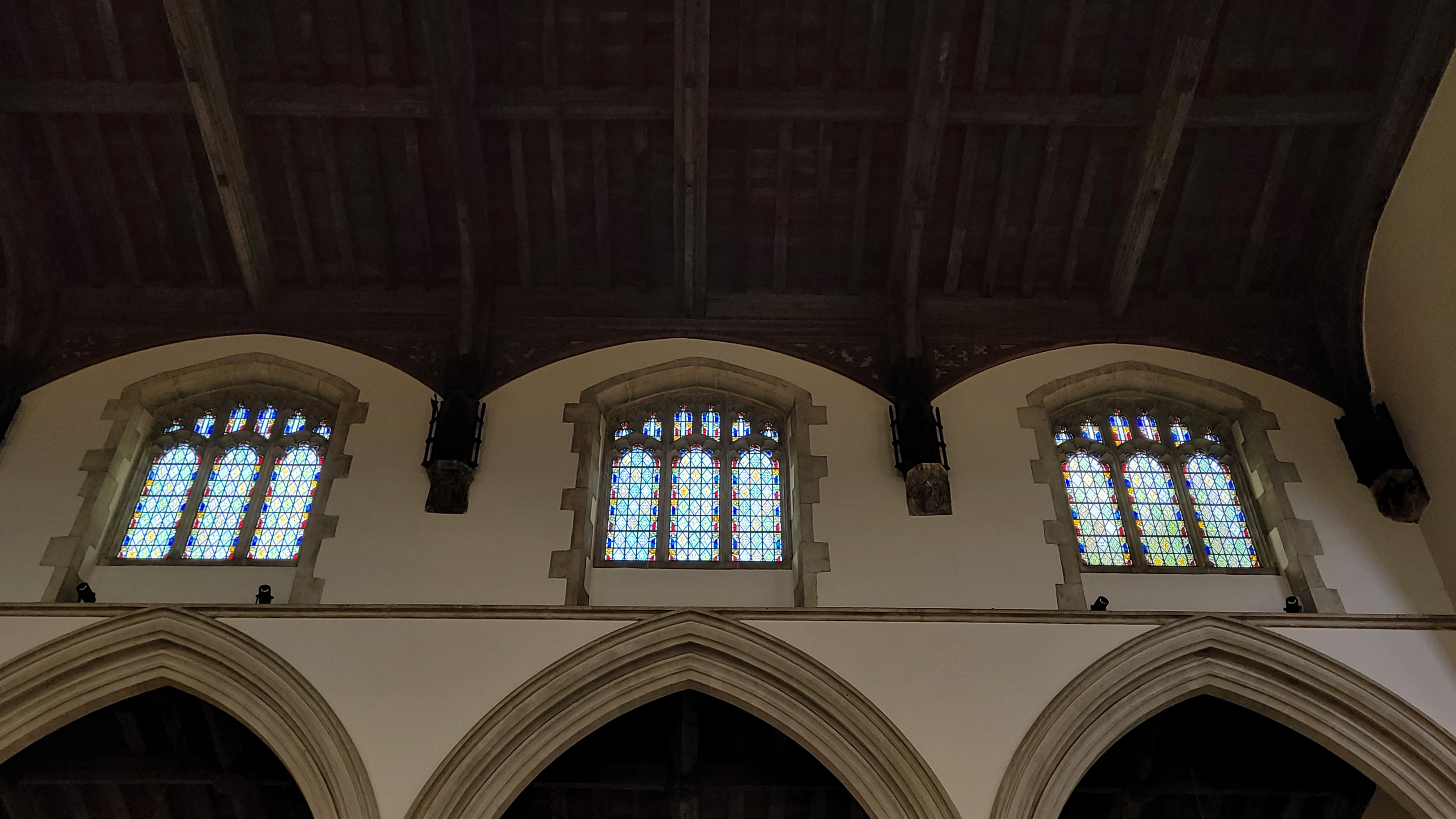
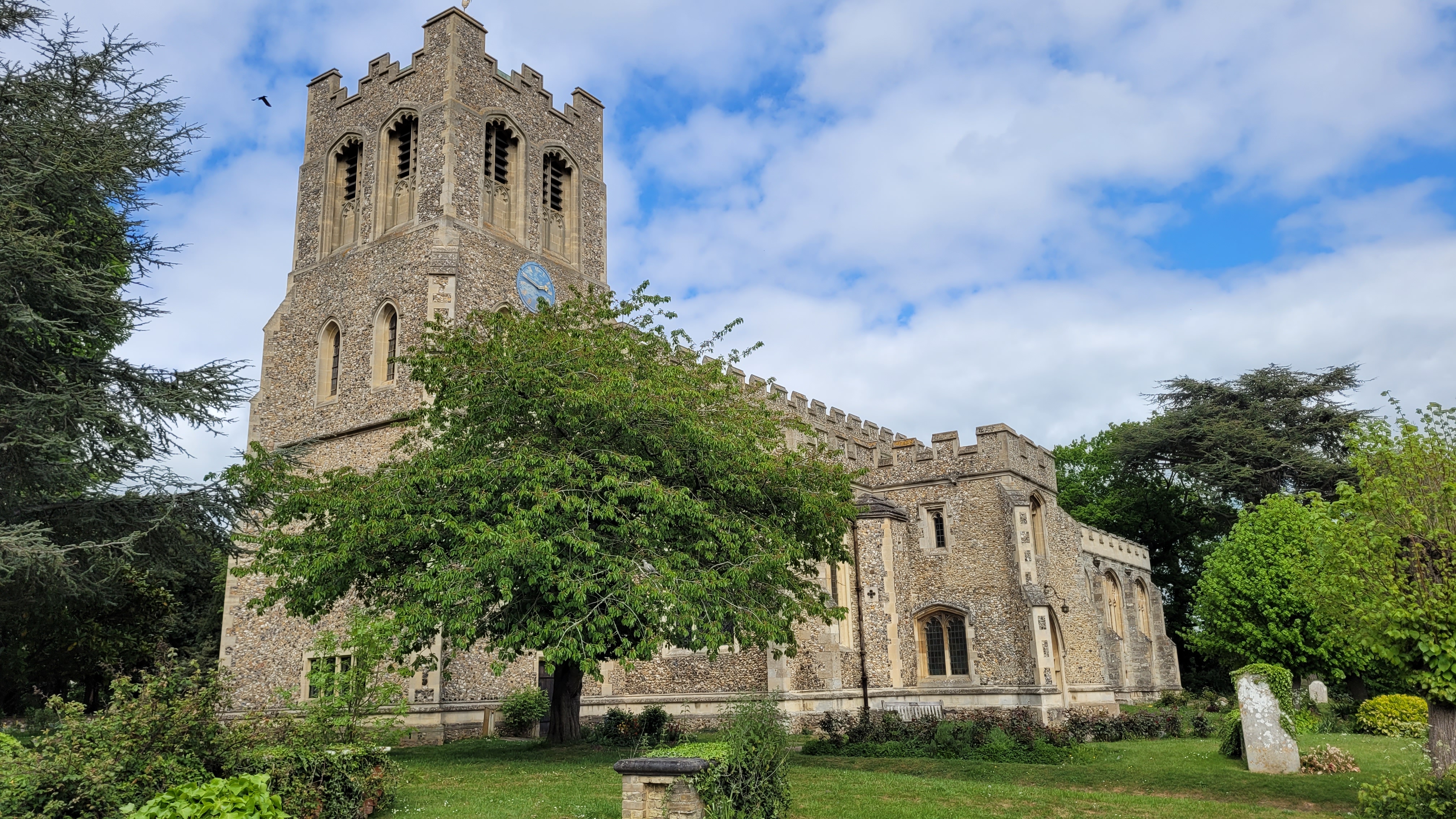
As Coggeshall was quite prosperous until the Industrial Revolution, it could afford quite a large church (in fact, the third largest in Essex). It’s a quintessential English church, and worth a quick visit.
Grange Barn
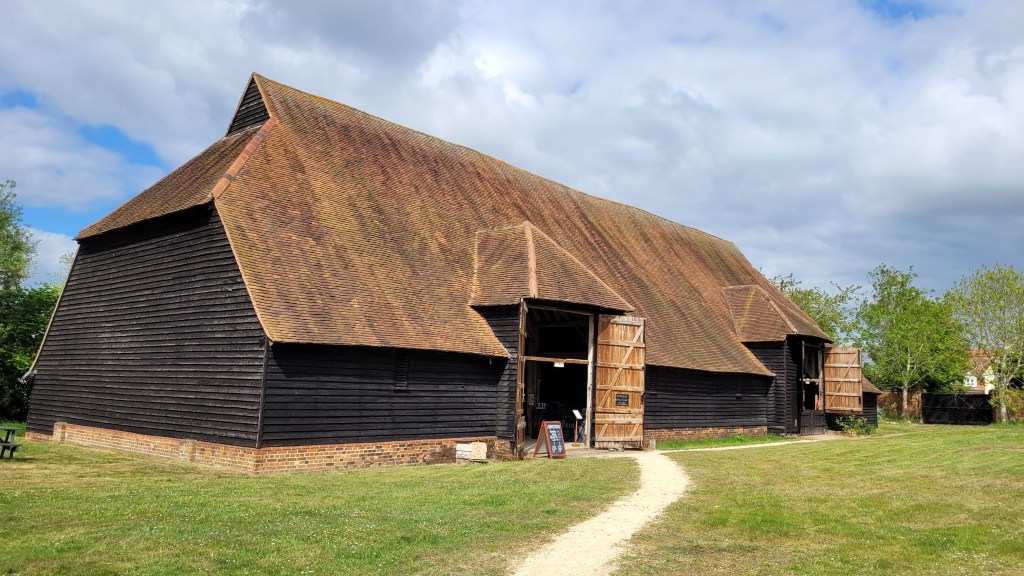
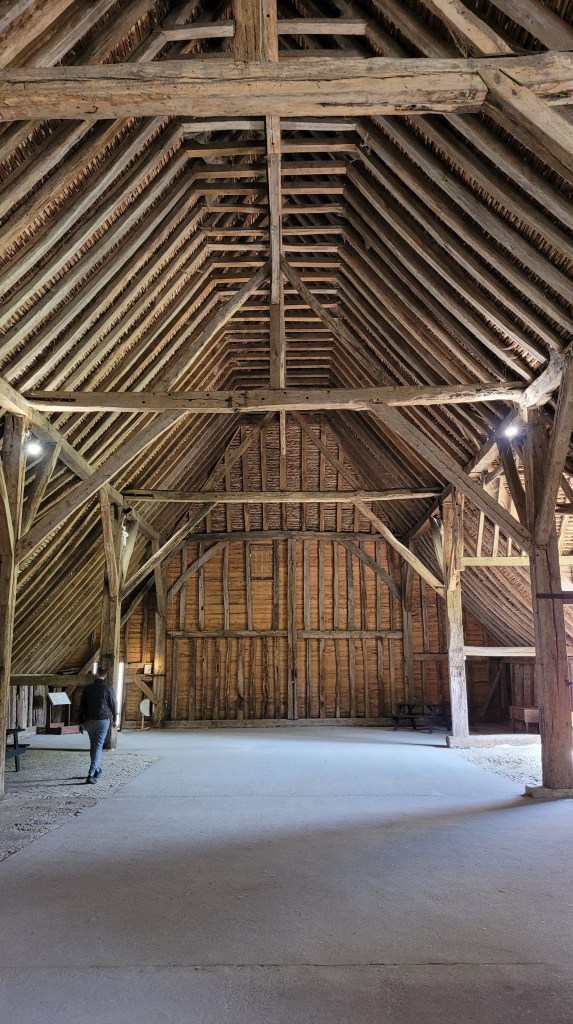
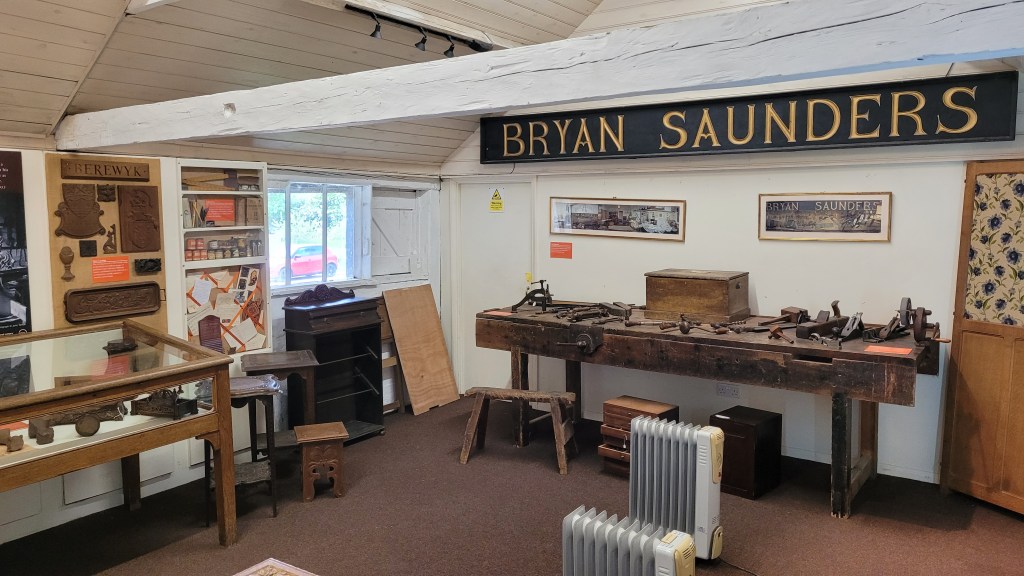
Another remnant of Coggeshall’s medieval past, the Grange Barn has been standing since the 13th century, making it one of England’s oldest timber structures. Outside of that, it’s not that notable, and is only really worth a visit if you’re a National Trust member, and can go in for free.
St Nicholas’ Chapel
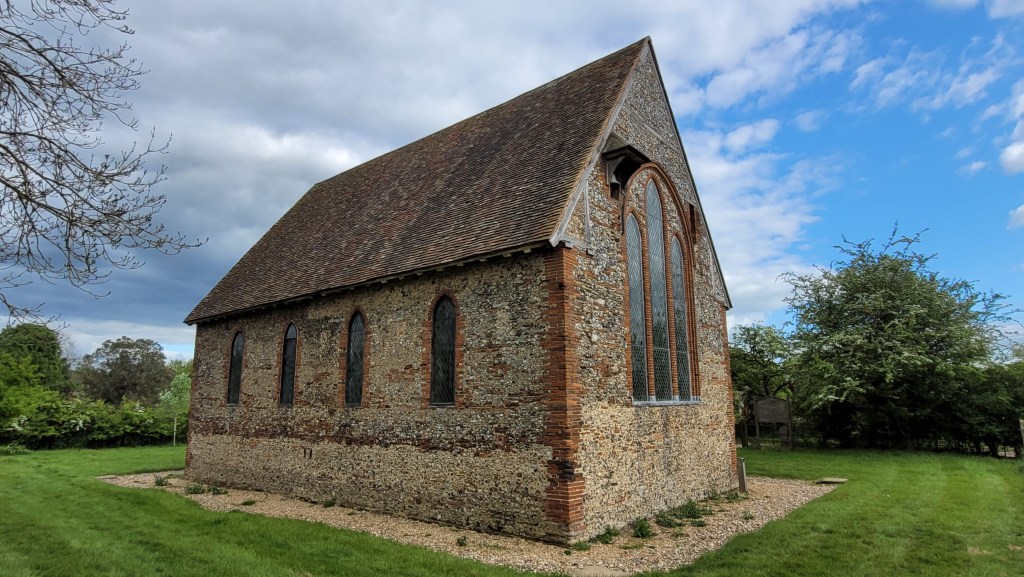
Coggeshall was once home to an abbey, but it suffered the same fate as all other English abbeys under Henry VIII. Now all that remains is St Nicholas’ Chapel, which was once the gatehouse of the abbey. Sadly,. when we arrived, it was locked, and it appeared some kind of internal restoration was going on inside.
Conclusion
Coggeshall is absolutely worth a short visit if you live nearby. It’s rich in history and attractions, and a visit will leave you far richer in knowledge than you had before.
 We May Roam