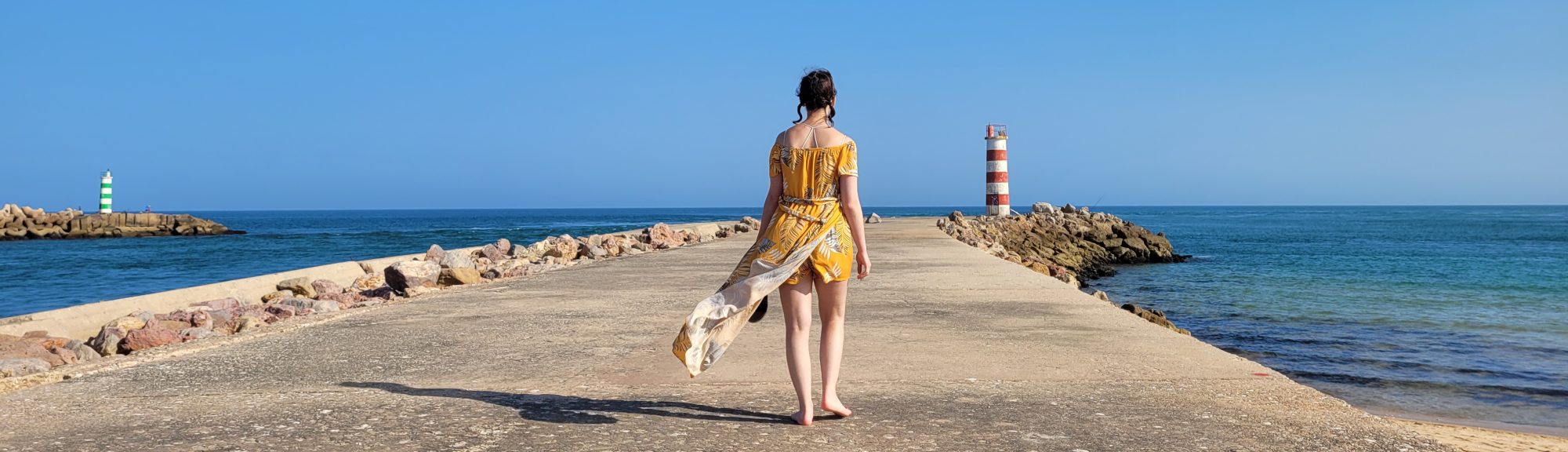

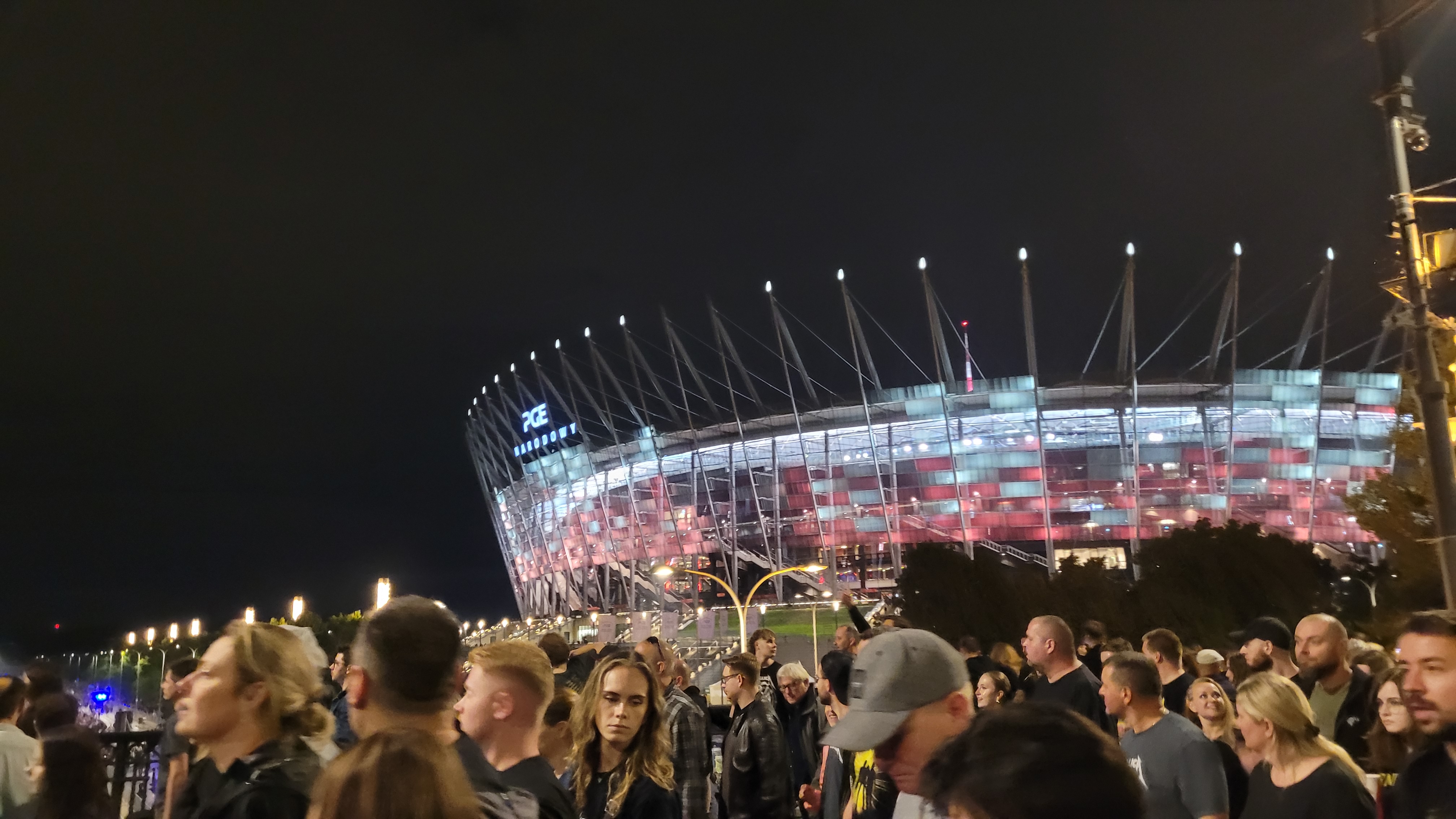
Poland’s capital, Warsaw is a modern, exciting city with plenty to do for nearly any travellers (except for those looking for a beach).
At a glance…
- Days To Spend: 3-4 days
- Get Around: Metro, tram, or bus
- Get In and Out: By train or flying
- Pay: Card generally preferred in Zloty
- Speak: Polish is great, English will be fine basically anywhere
- See: The Royal Castle, Vodka Museum, Warsaw Uprising Museum
- Should you go?: I definitely would!
General Impressions
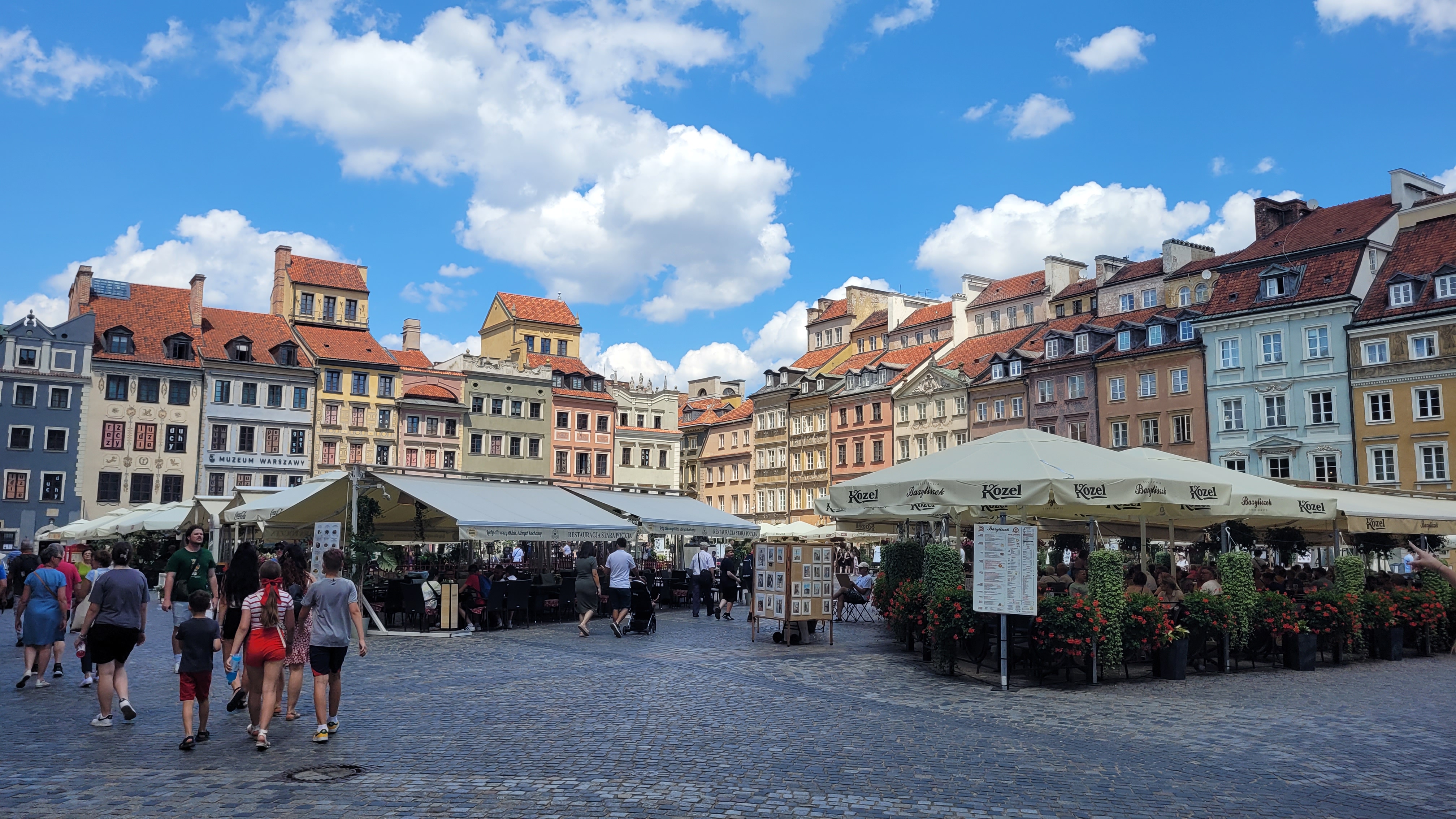
Warsaw was practically levelled by the Germans during World War 2. There was practically nothing left, and it was only inhabited by a few thousand stubborn survivors. Warsaw has gone through a massive revival, reconstructing its Old Town to almost exactly as it was. Despite being relatively “new”, Warsaw manages to maintain, and even expand, its charm.
Public Transport
Getting Around
Warsaw has a great public transport network consisting of buses, trams and a metro. The metro is still quite small, but it connects a few of the major locations together, though the tourist Old Town is better served by buses and trams.
Getting In and Out
Being the capital of Poland, Warsaw is incredibly well connected to other Polish cities, and is a hub for rail travel all over Poland. There are also international connections to cities like Berlin. There also used to be connections to Minsk and Moscow, and those might return if the political situation changes.
Food
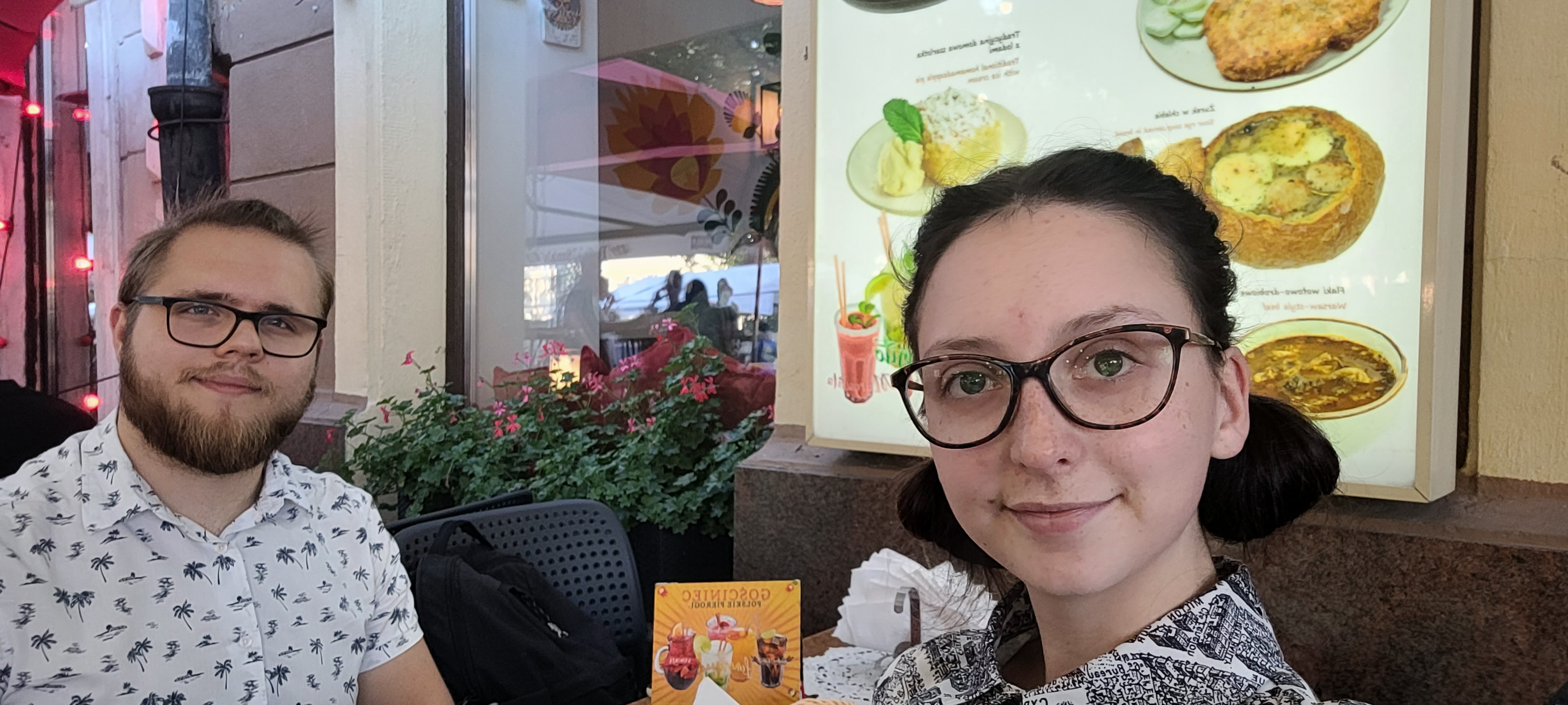
Polish is food is rich and hearty, and nearly every traveller leaves with a love affair for pierogi. Pierogi are dumplings with a number of different fillings ranging from savoury to sweet. There are a few pierogi restaurants in Warsaw, and many of these offer some kind of sampling platter, or at least the ability to order multiple different types of pierogi, which makes for a great deal.
Drink
Vodka was invented in Poland, and is both cheap and good in this country. It is traditionally drank neat at ice cold temperatures. The Vodka Museum in Poland is also worth visiting, but more on that later.
Money
You use the Polish Zloty in this country. Card payment is ubiquitous, and it is unlikely you’ll come across a shop that doesn’t take it, though having a small amount of emergency cash is always a good idea. Most Polish museums have a free day once a week, so it’s worth checking out when they free days are.
Language
Polish is the spoken language in Warsaw. Attempting Polish can have varied reactions, from happiness to incredulousness. English will be spoken by nearly anyone you interact in Warsaw though.
Time
Warsaw is a big city, and there’s quite a lot to do. It’s definitely worth at least 3 days, but 1 or 2 more wouldn’t hurt. It’s definitely possible to do some day trips from Warsaw as well, for instance to Lodz. Be aware, most Polish museums are shut on a Monday, or some other day in the week, so check opening hours before you go.
My Favourite Spots
Royal Castle
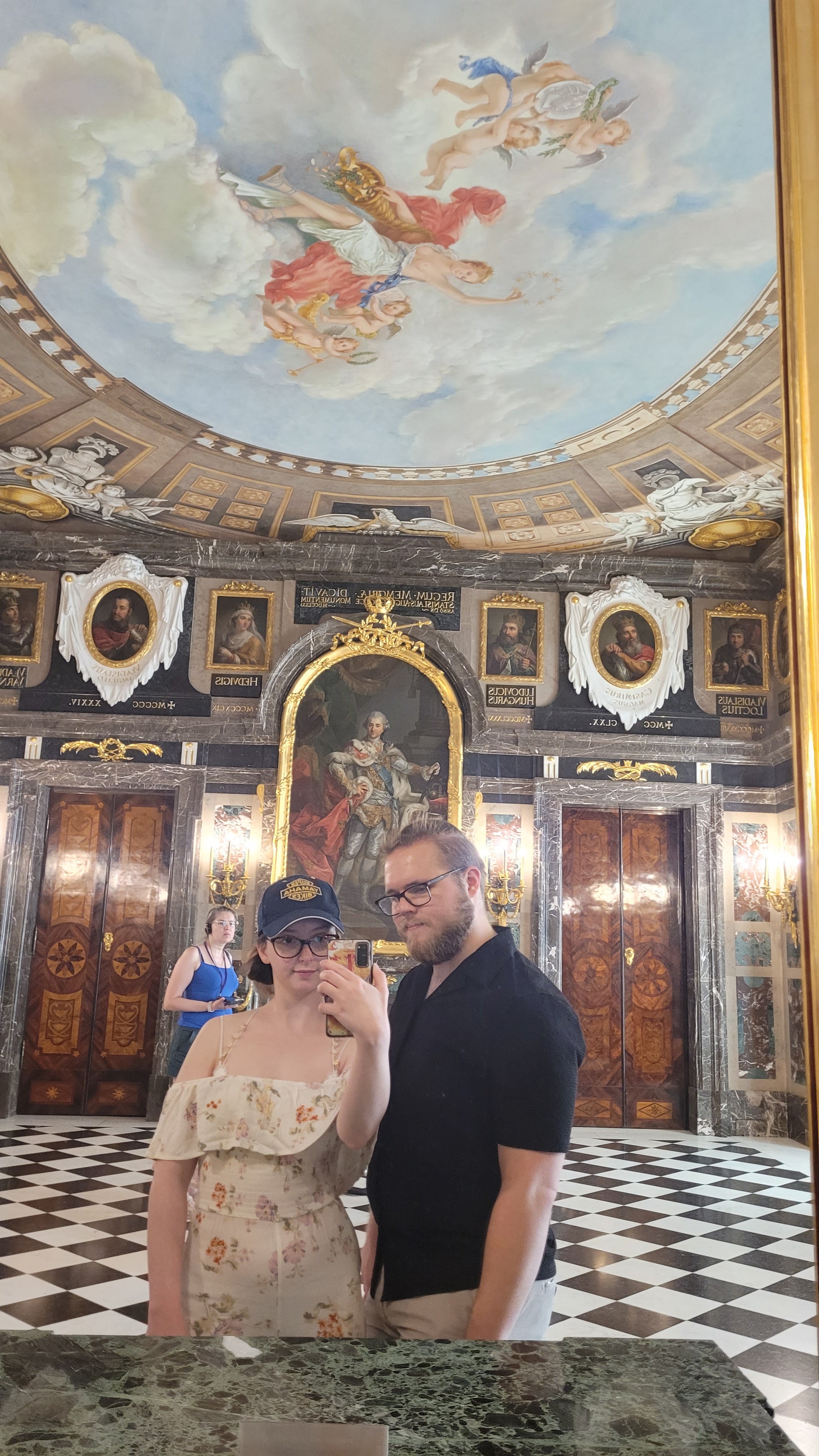
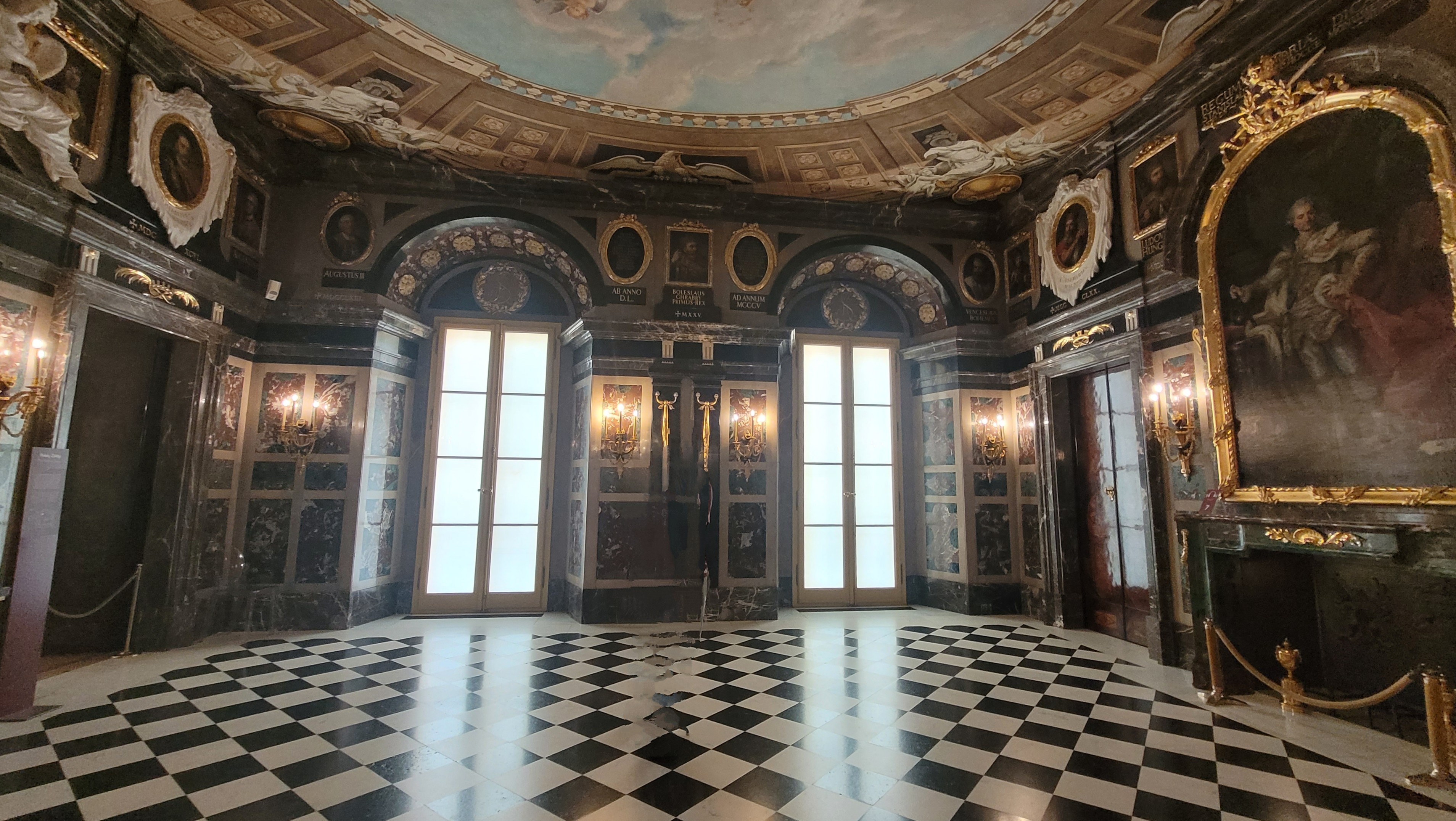
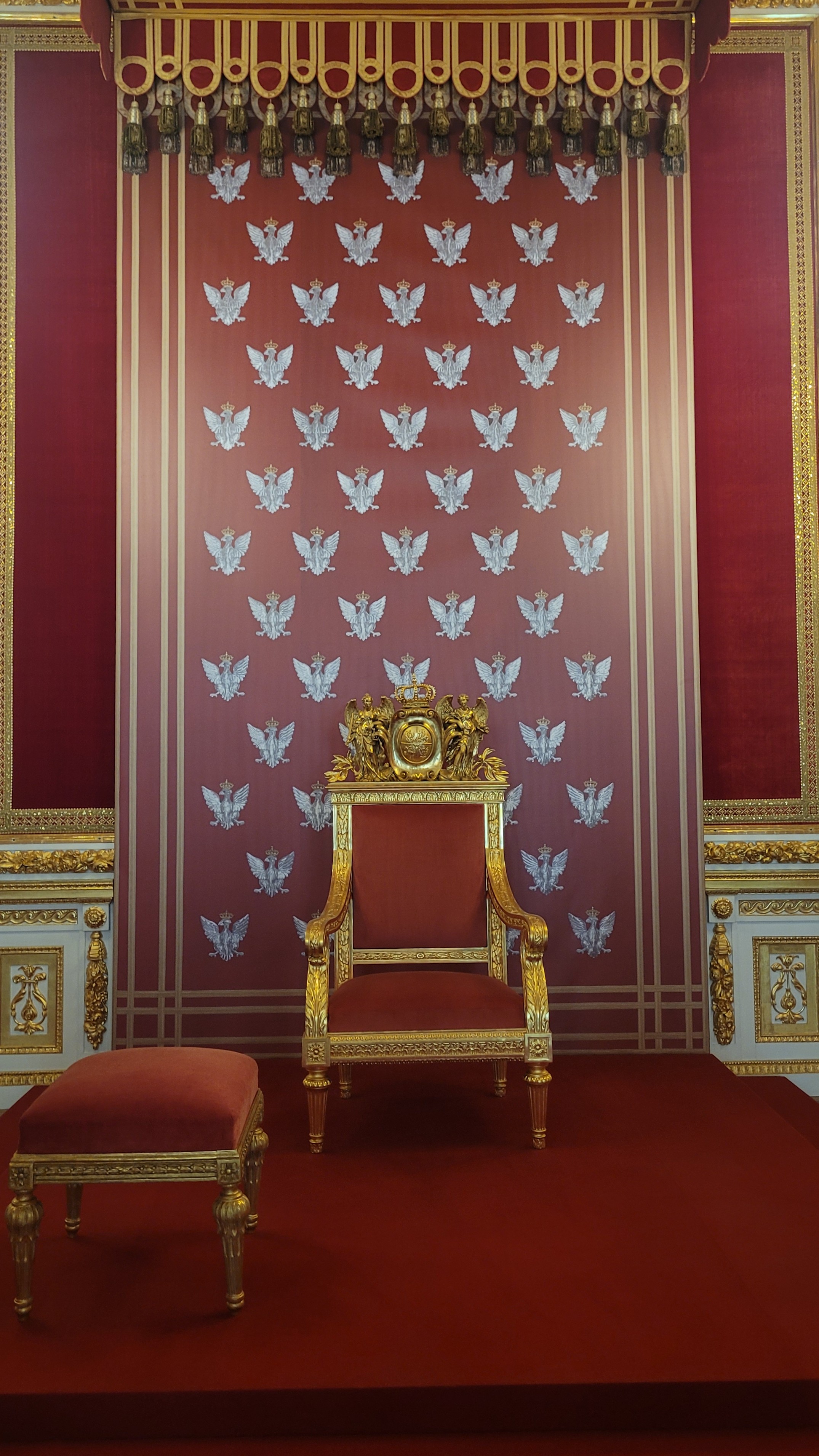
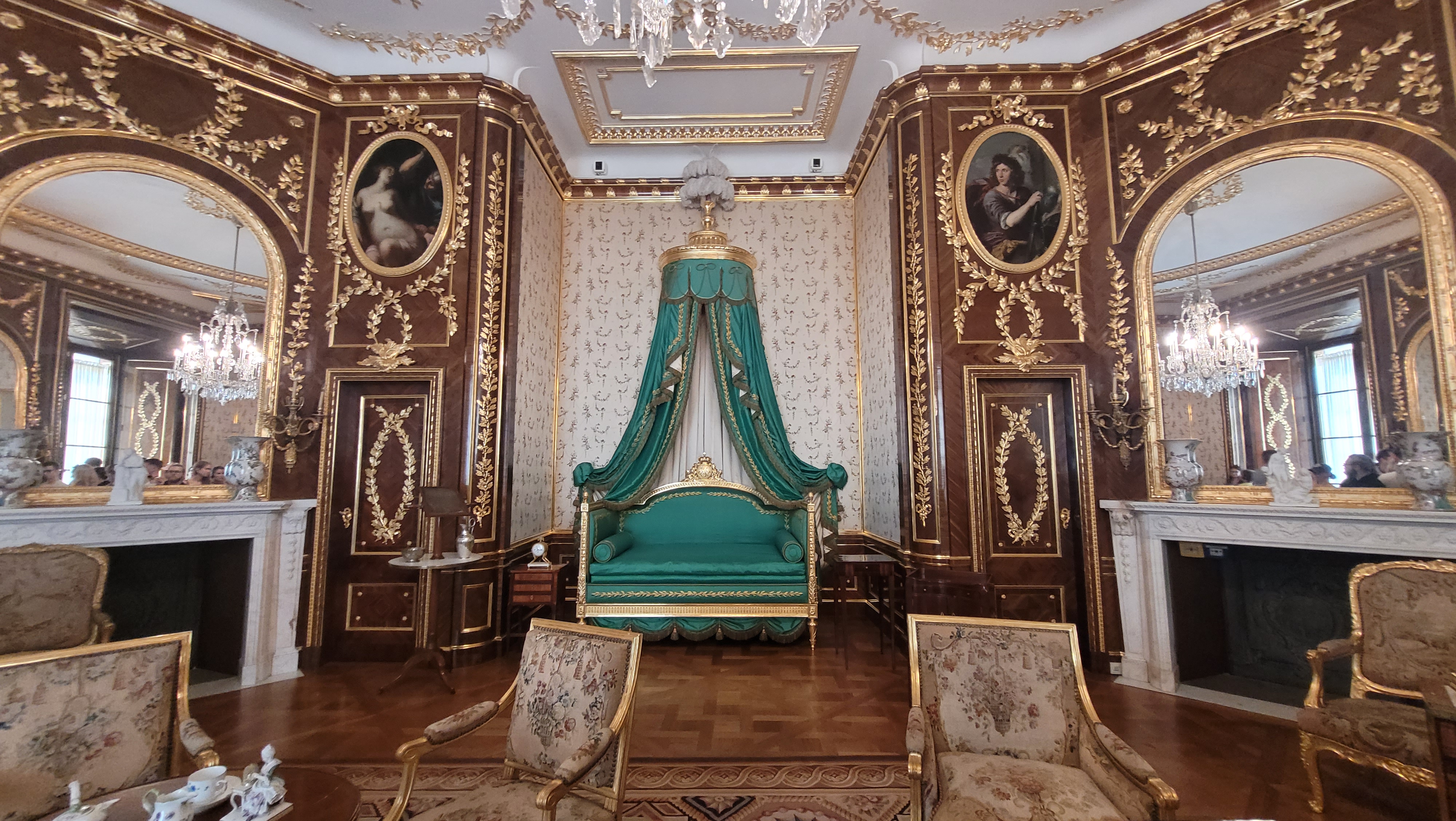

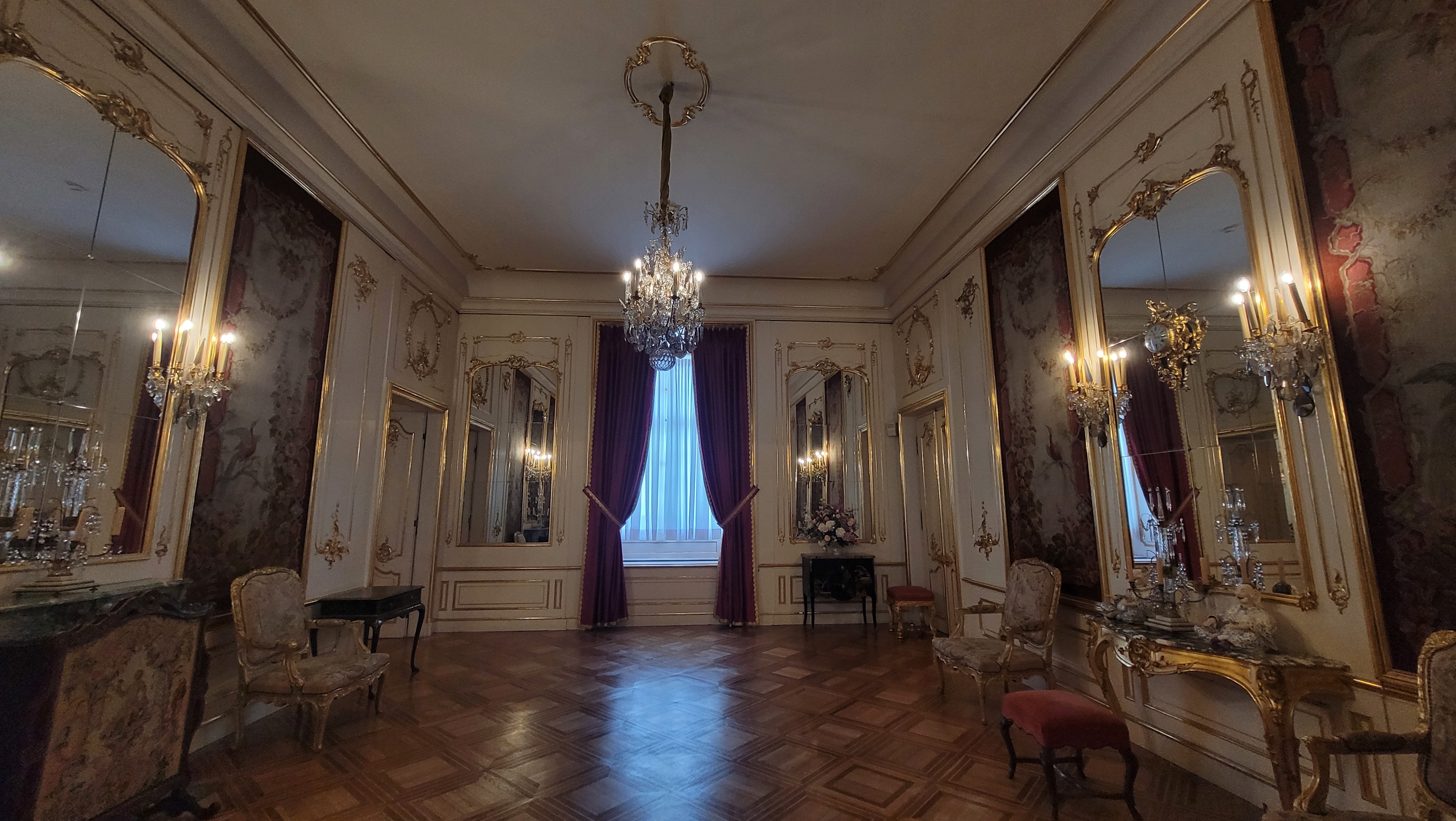
Though it was entirely destroyed during WW2, the Royal Castle has been lovingly restored to it’s former glory. It’s a great insight into how the monarchy lived in the twilight of the Polish Lithuanian Commonwealth.
Vodka Museum
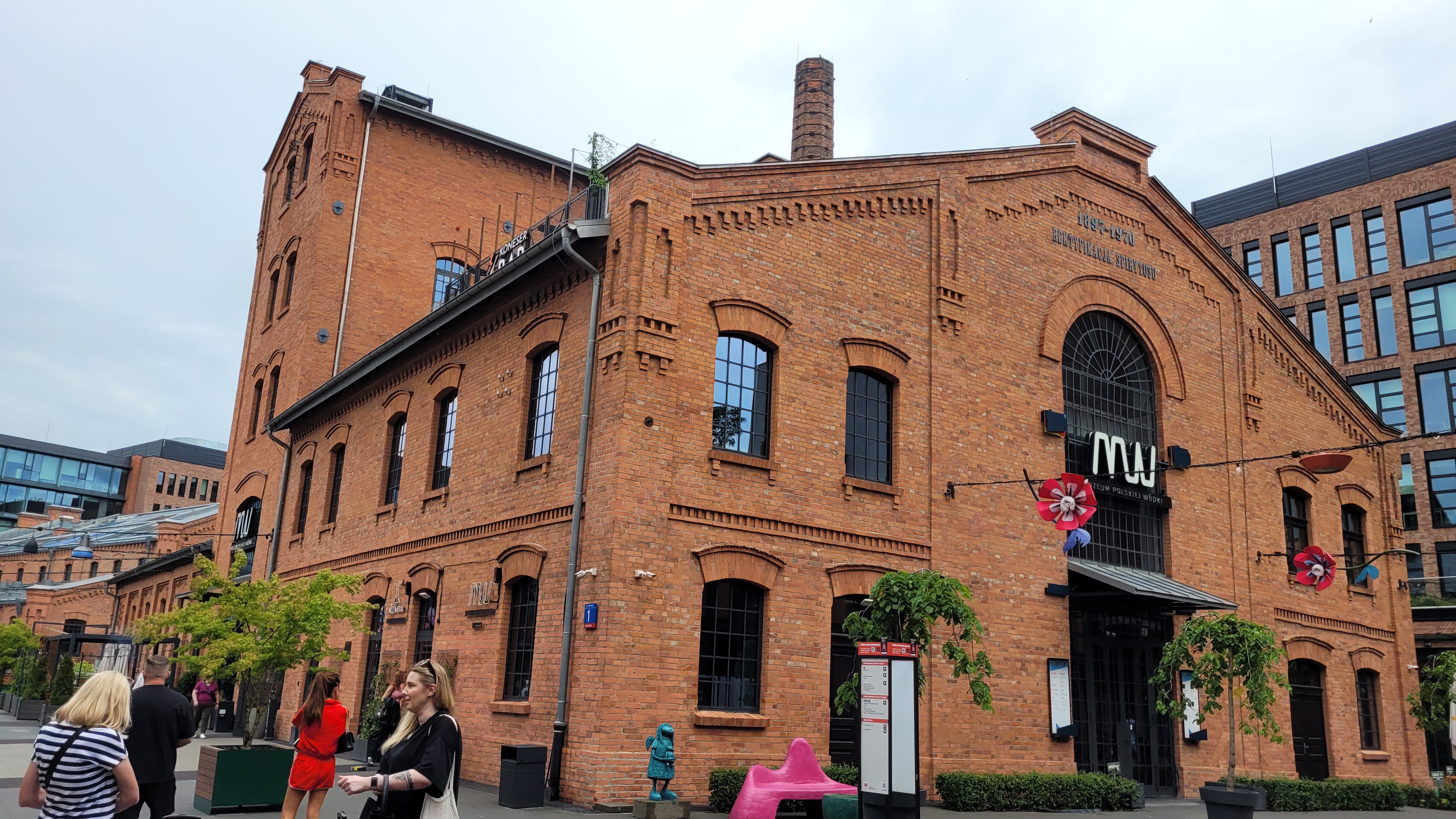

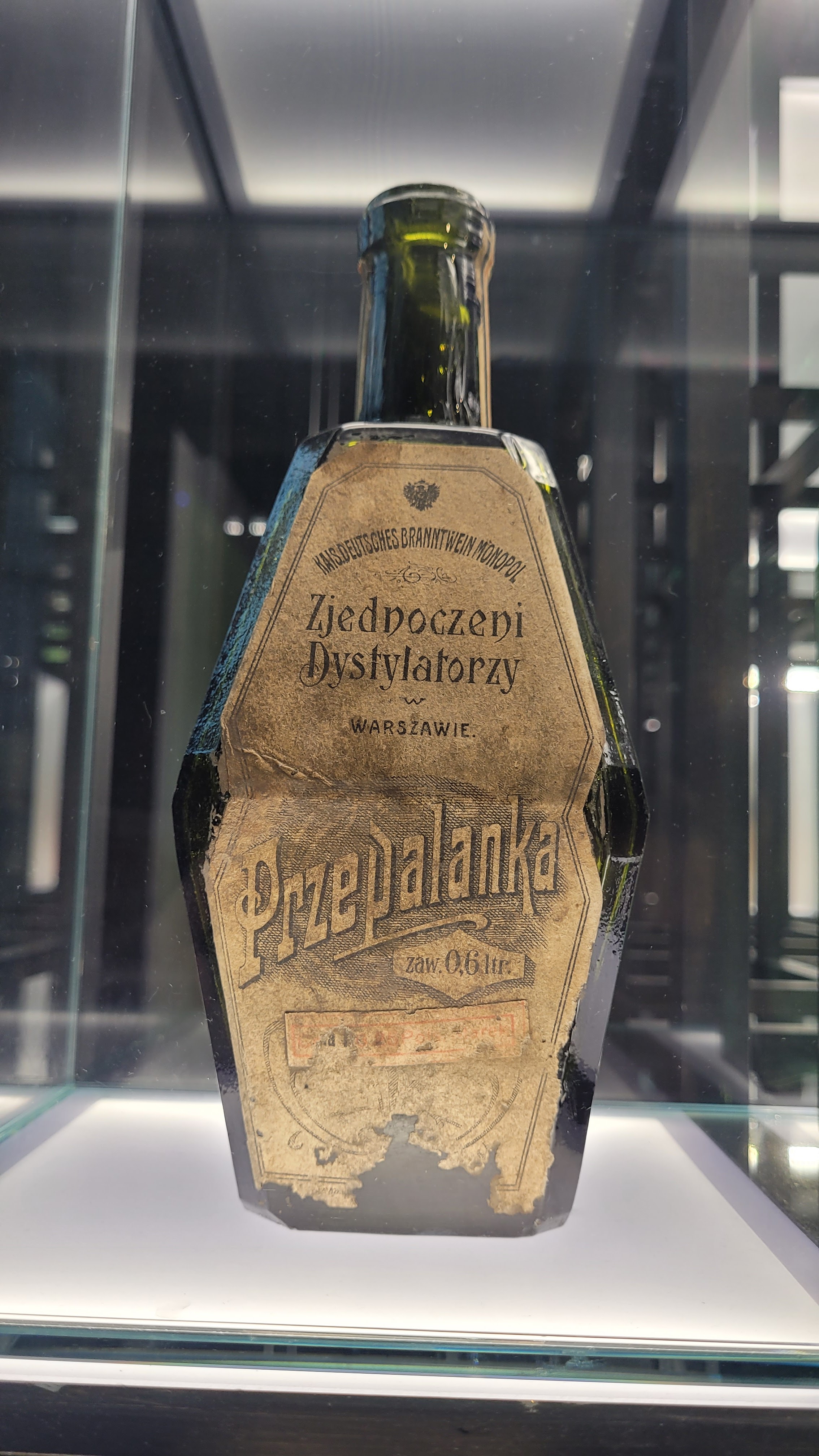

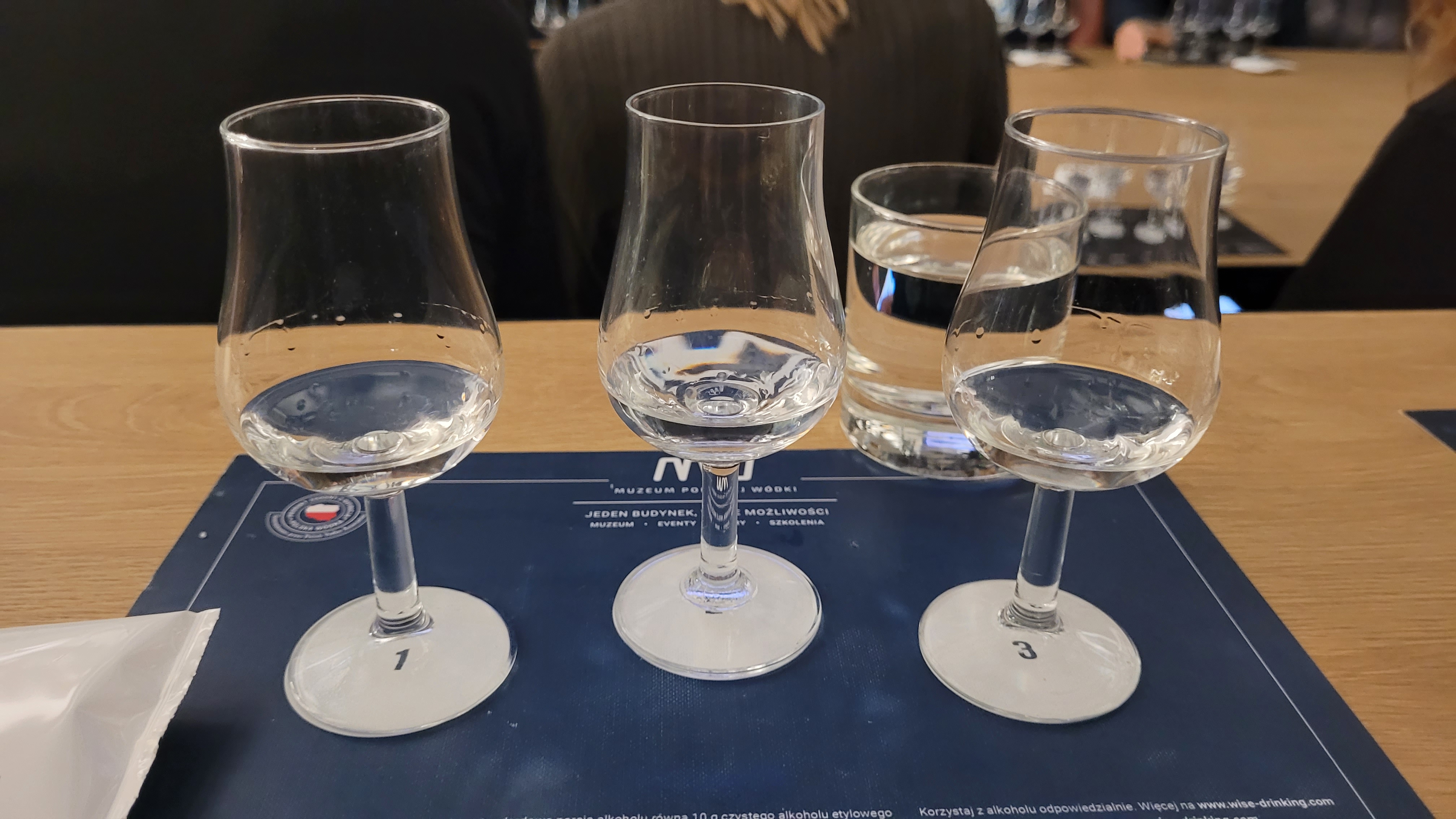
How could you not want to learn more about Poland’s national drink? The museum starts with a tour detailing the history of the former distillery it is located in, as well as the history and process of making vodka. You finish off with a tasting of 3 or 4 different vodkas, depending on whether you pay for the premium ticket or not. I think it’s generally a better deal to just go with the standard one, but if you’re a vodka connoisseur, you might want the premium version. Just be aware the tasting measures are not a full shot – you get about 15ml of vodka.
Warsaw Uprising Museum
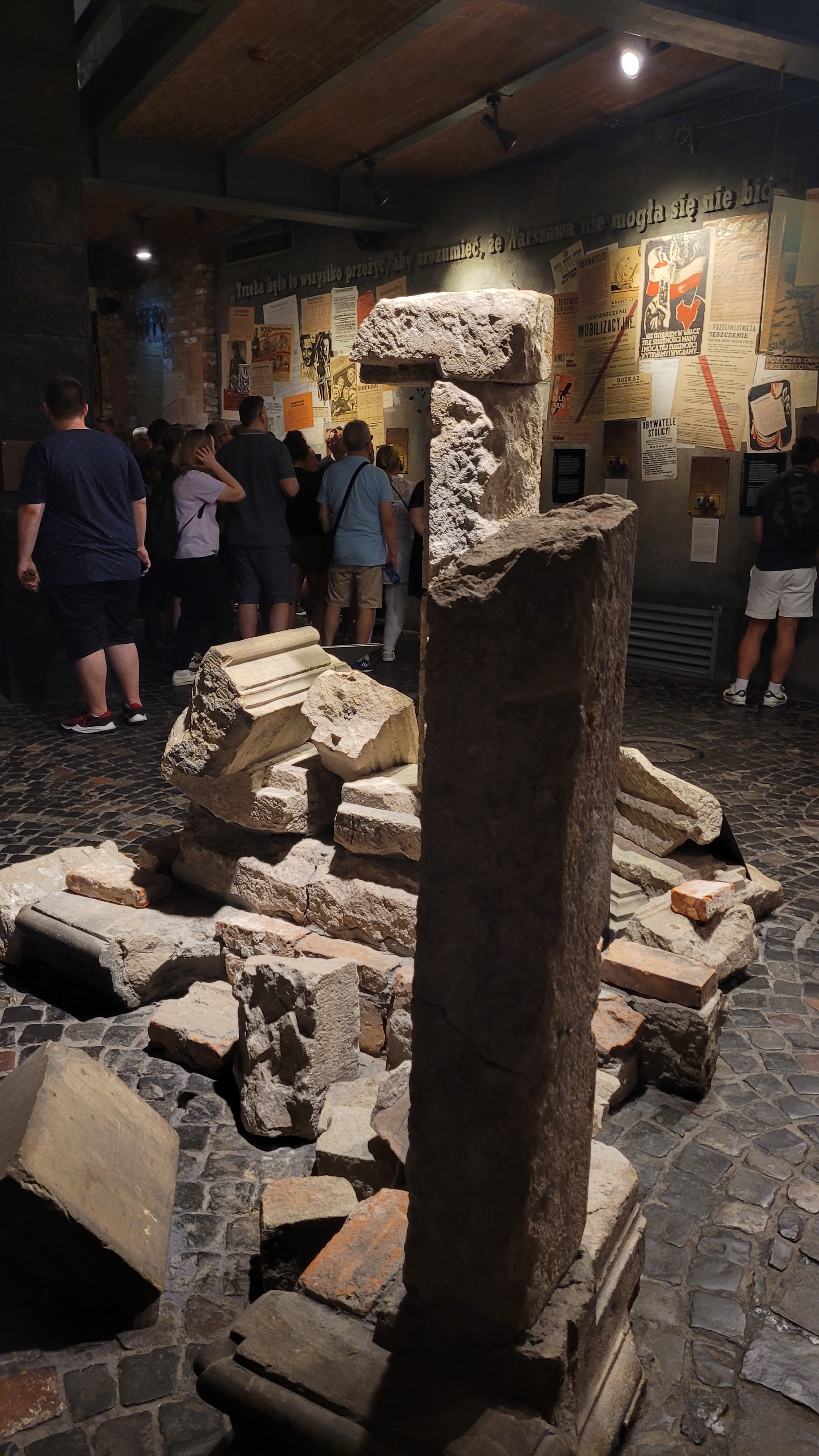
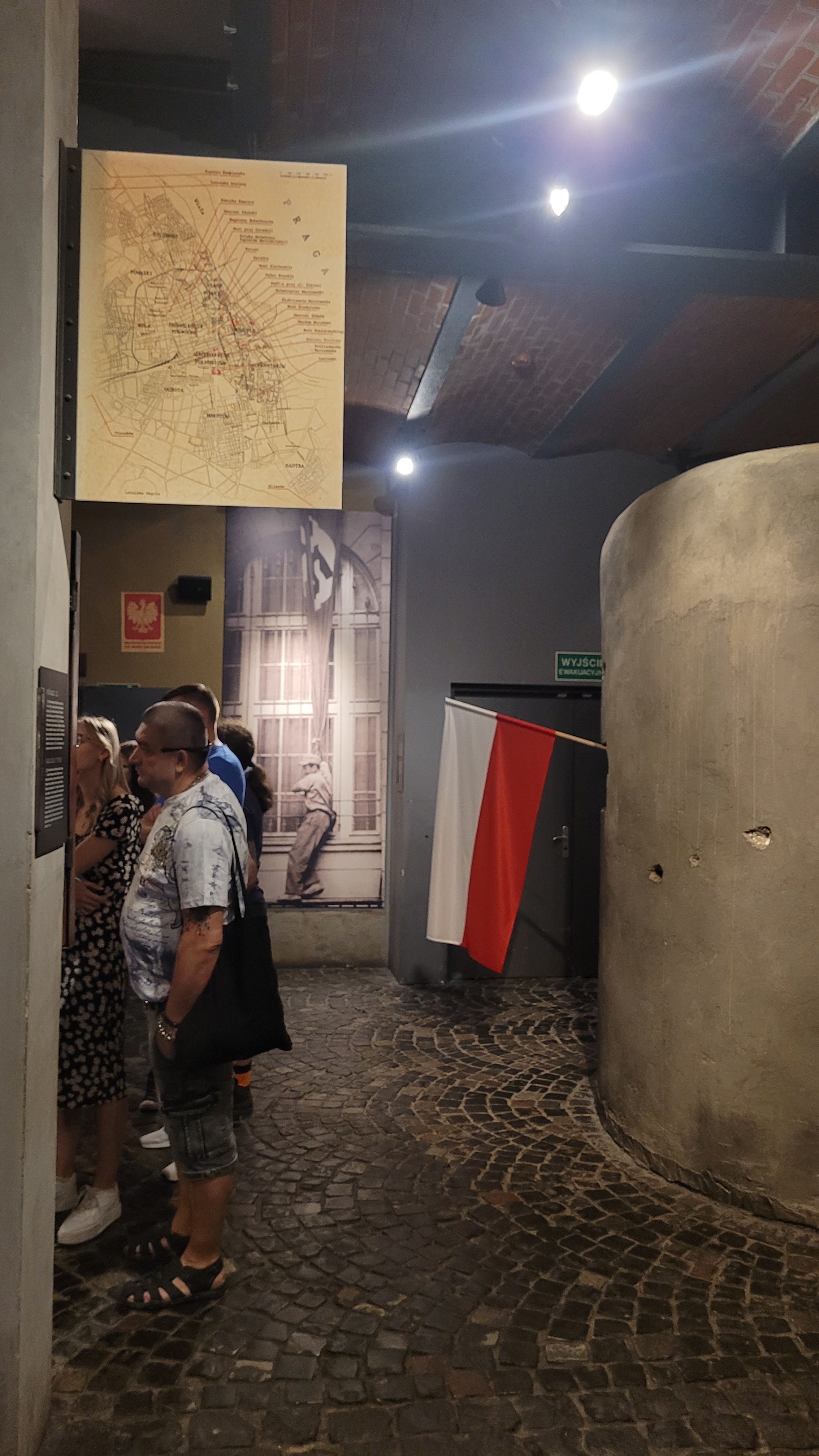
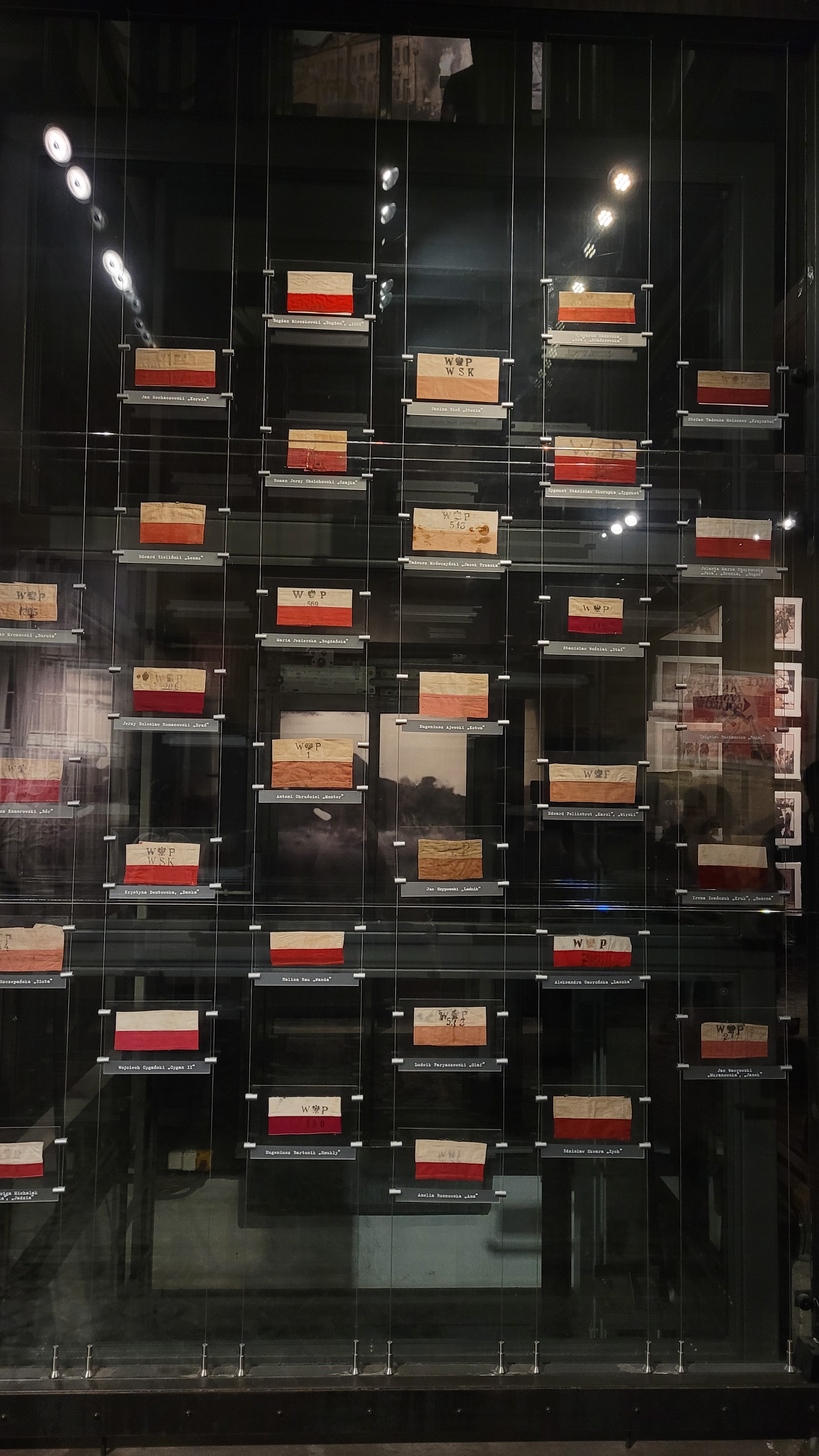
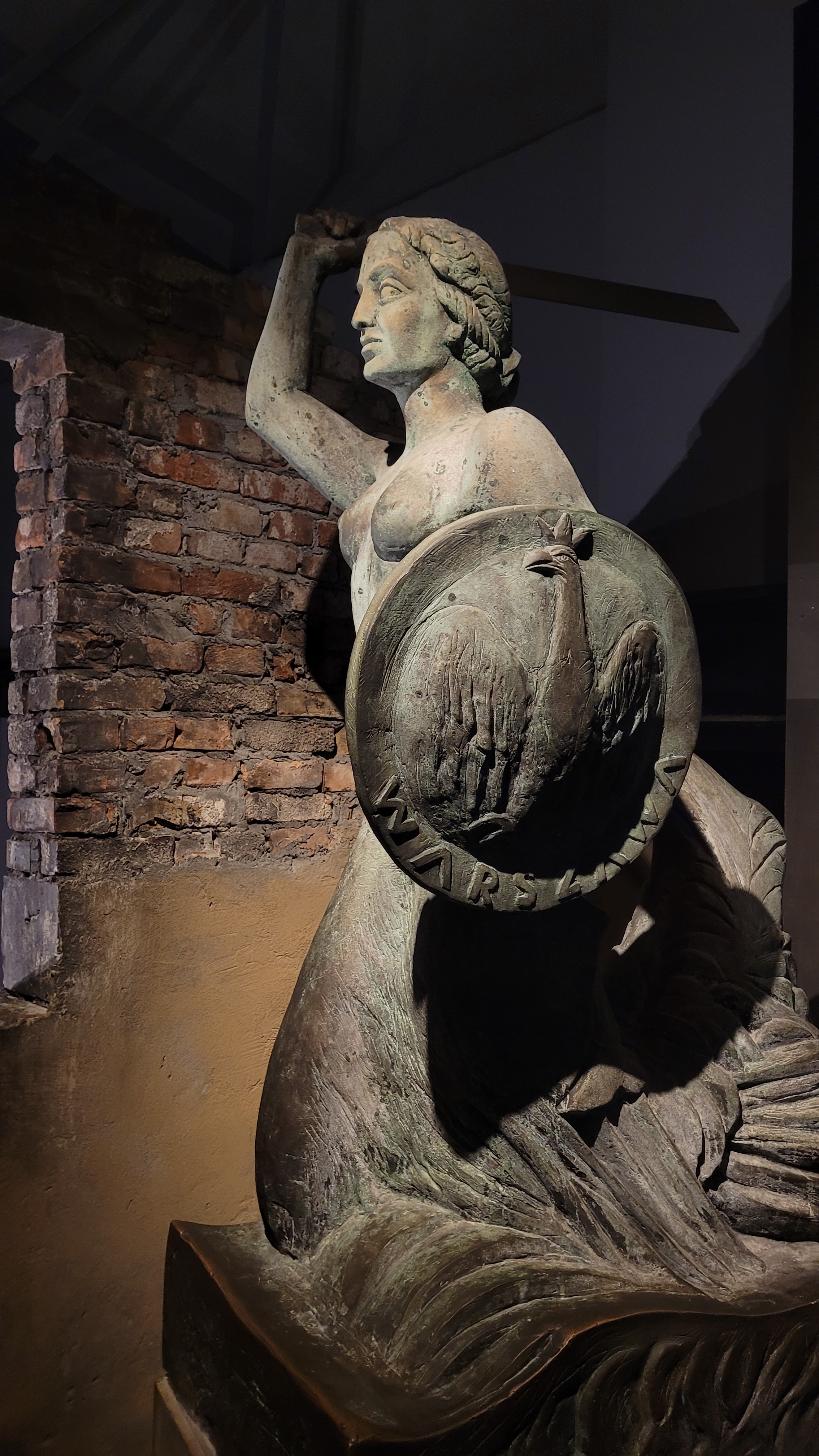
The Warsaw Uprising is probably the most tragically heroic event in a history of tragic heroism. During WW2, the Polish resistance staged a massive uprising against the German forces occupying the city, which eventually led to the city’s destruction, all the while Poland’s Soviet “allies” waited across the Vistula despite promises to aid the partisans. The Warsaw Uprising Museum tells the story of this event in a modern and somewhat interactive way.
Churches
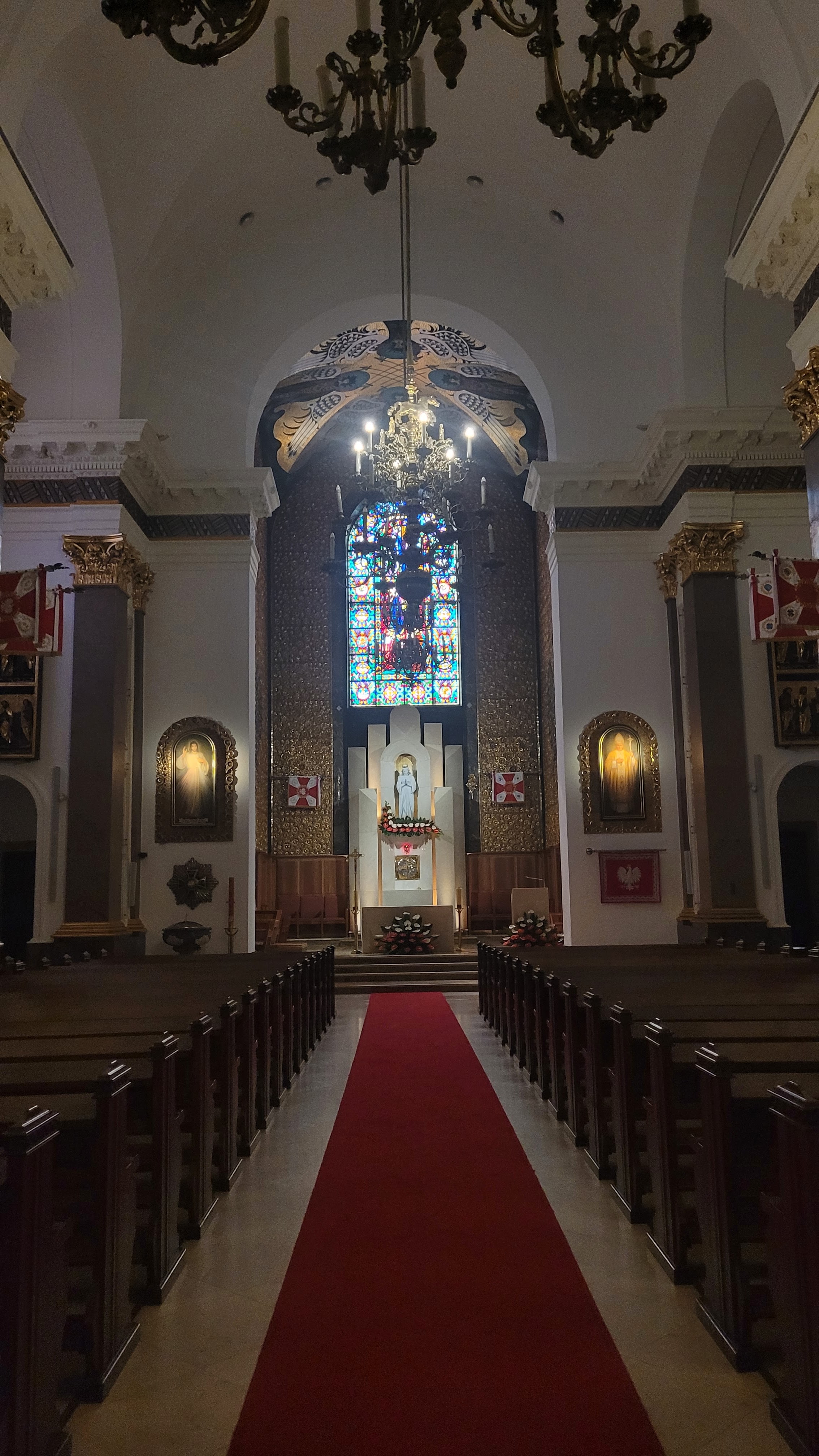
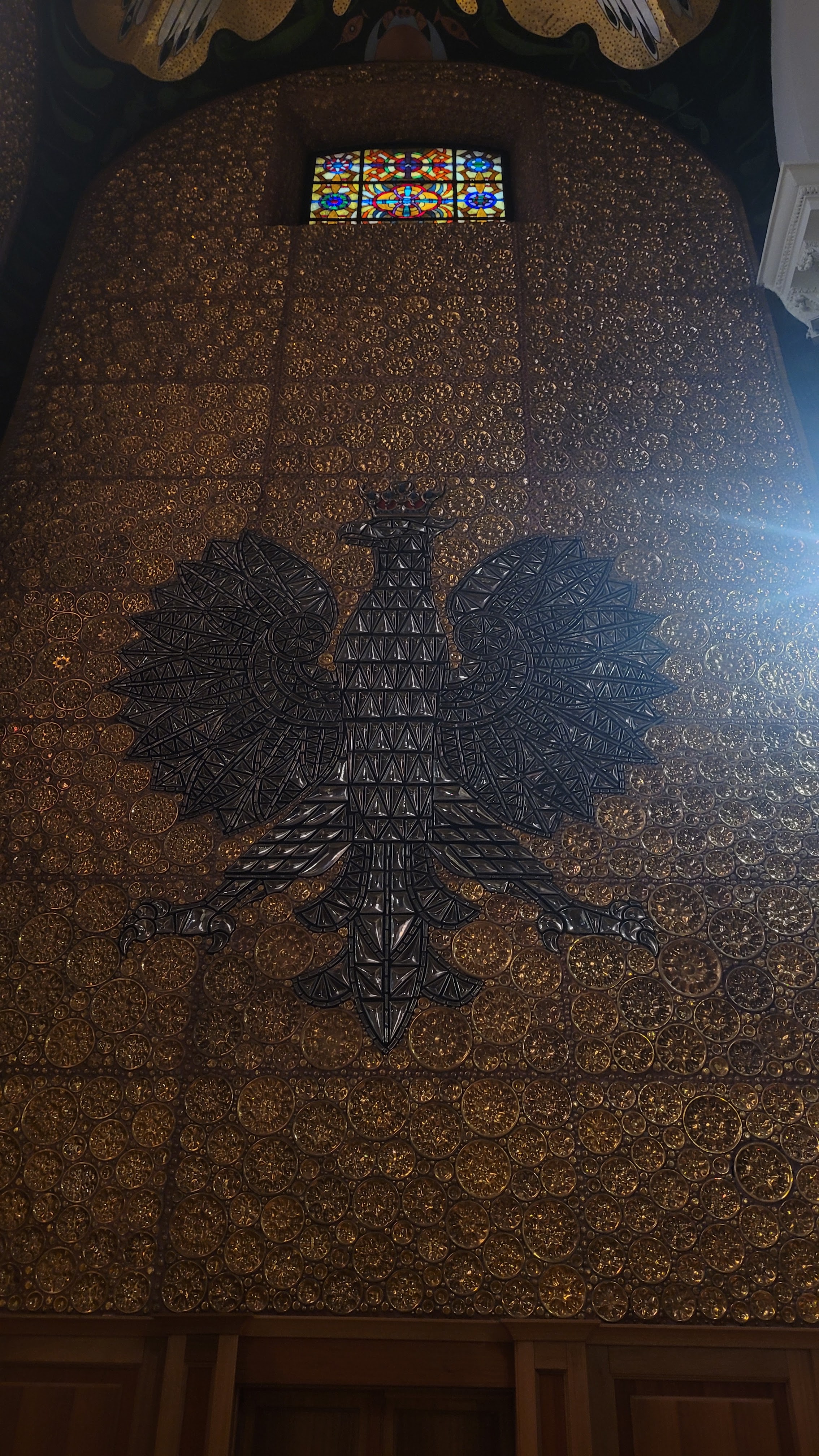
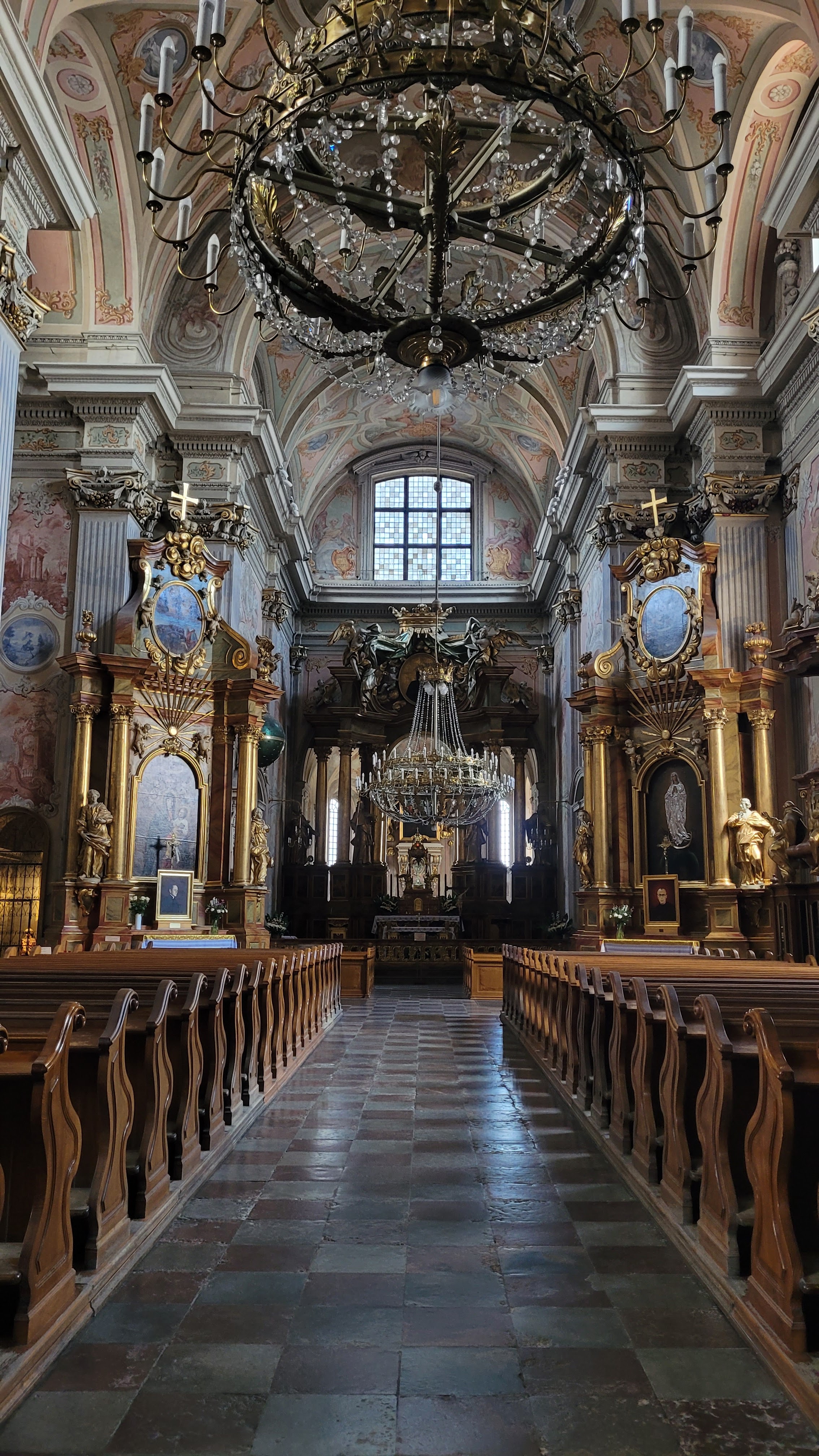
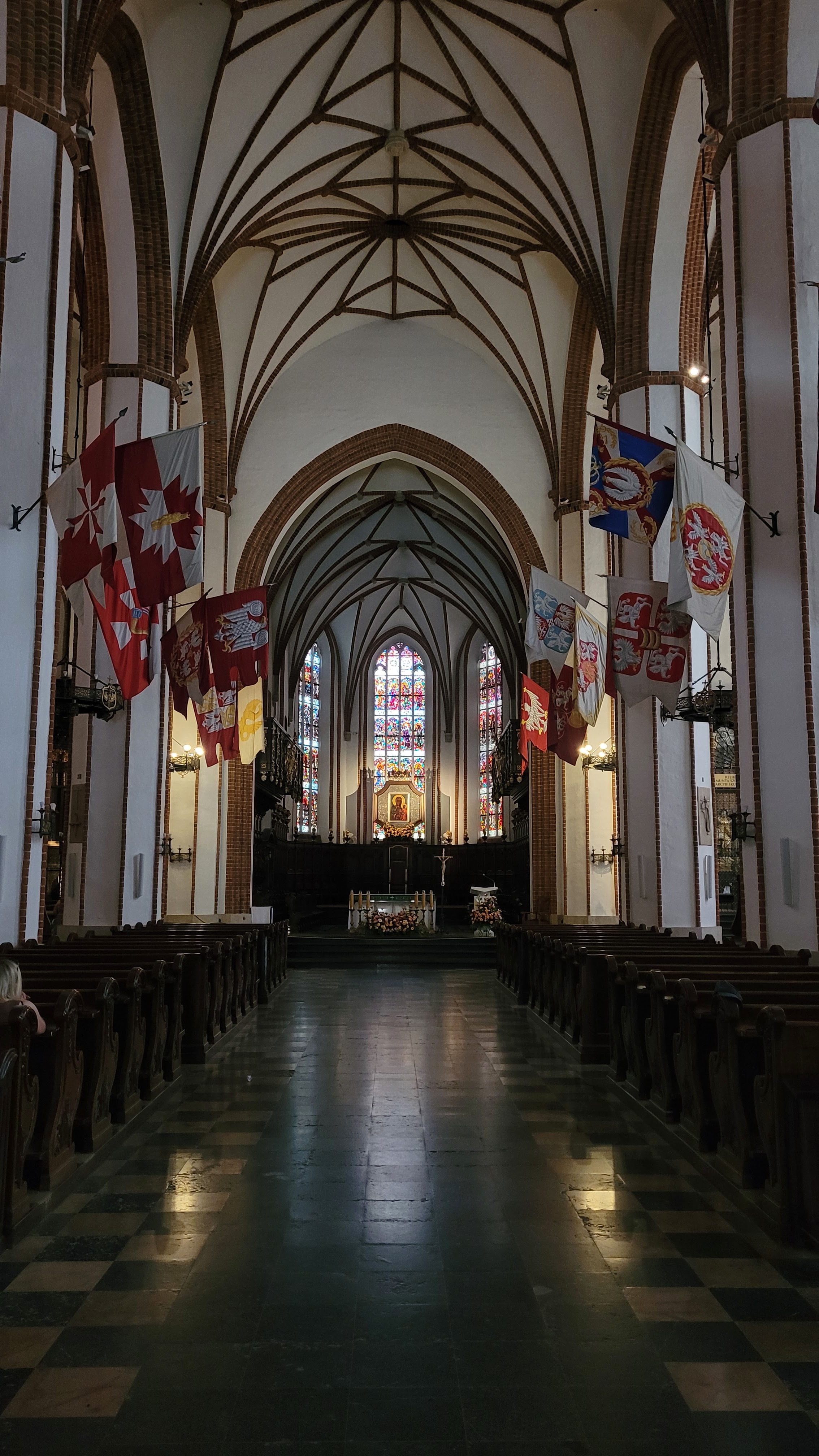
As with most Catholic countries, the churches are always worth vising. It’s hard to pick specific ones to visit, but here are some of our favourites in Warsaw:
- The Field Cathedral of the Polish Army
- The Academic Church of St Anna
- The Archcathedral Basilica of St John the Baptist
Spots That Might Be Good
Neon Museum
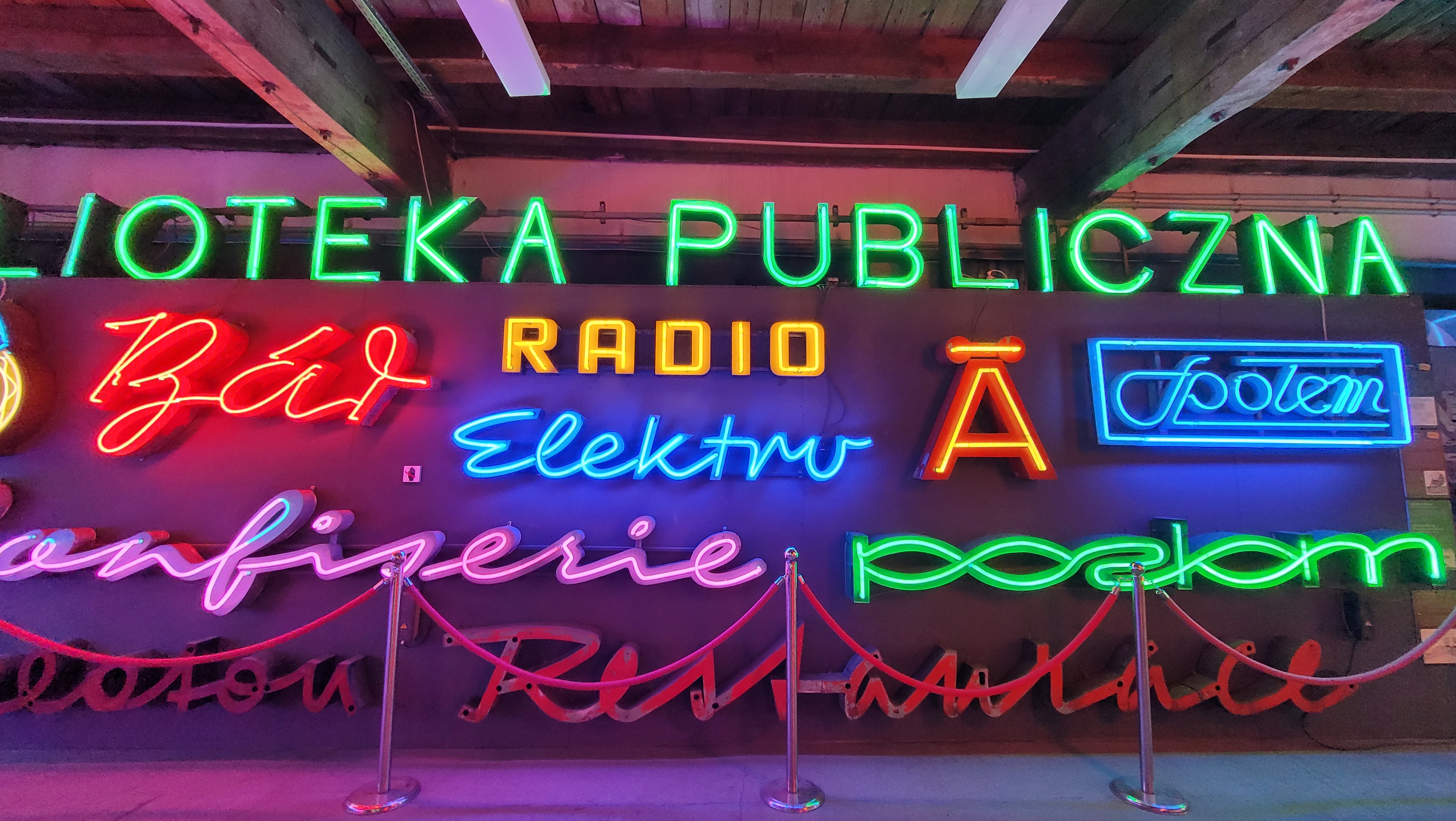
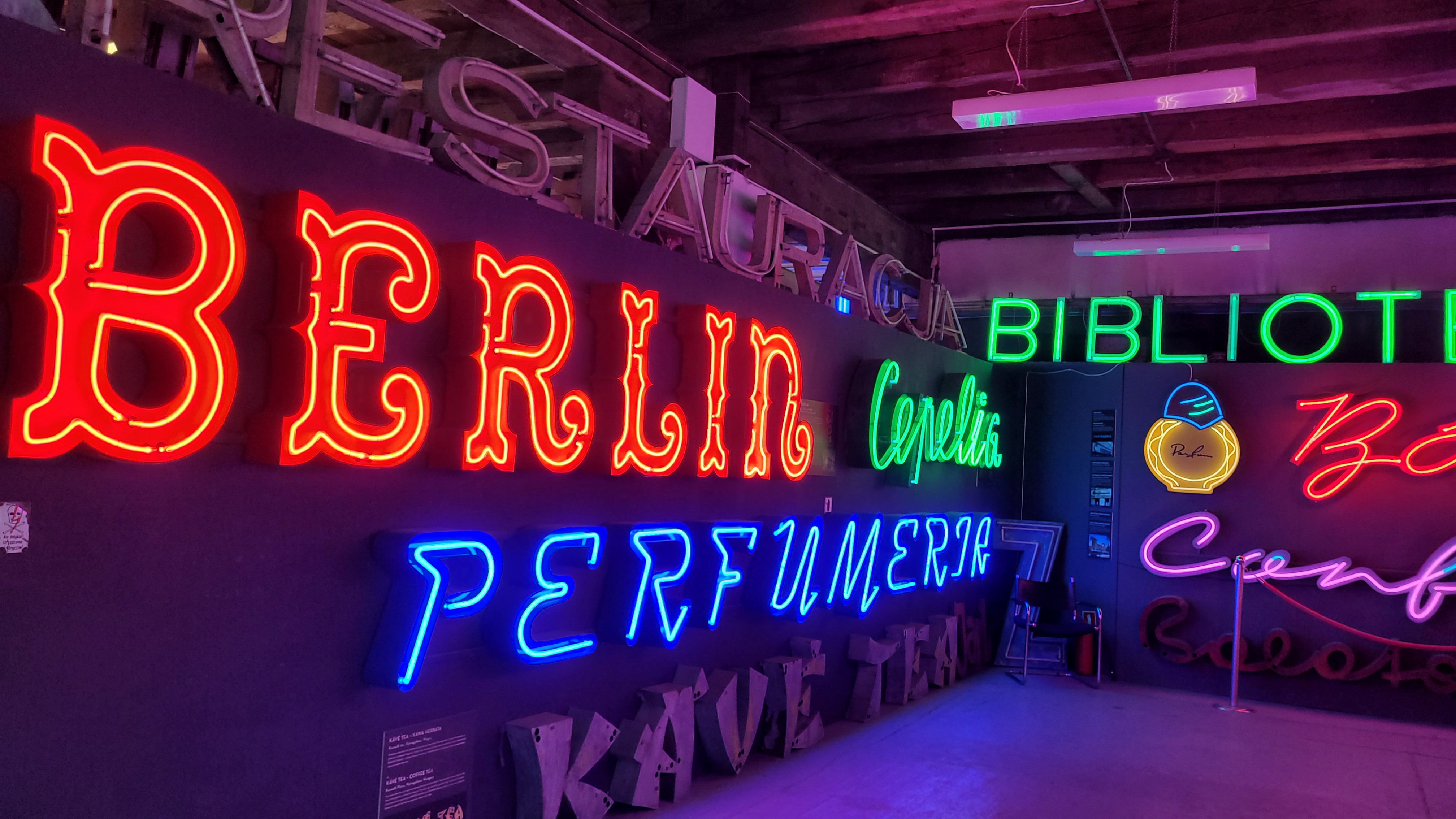
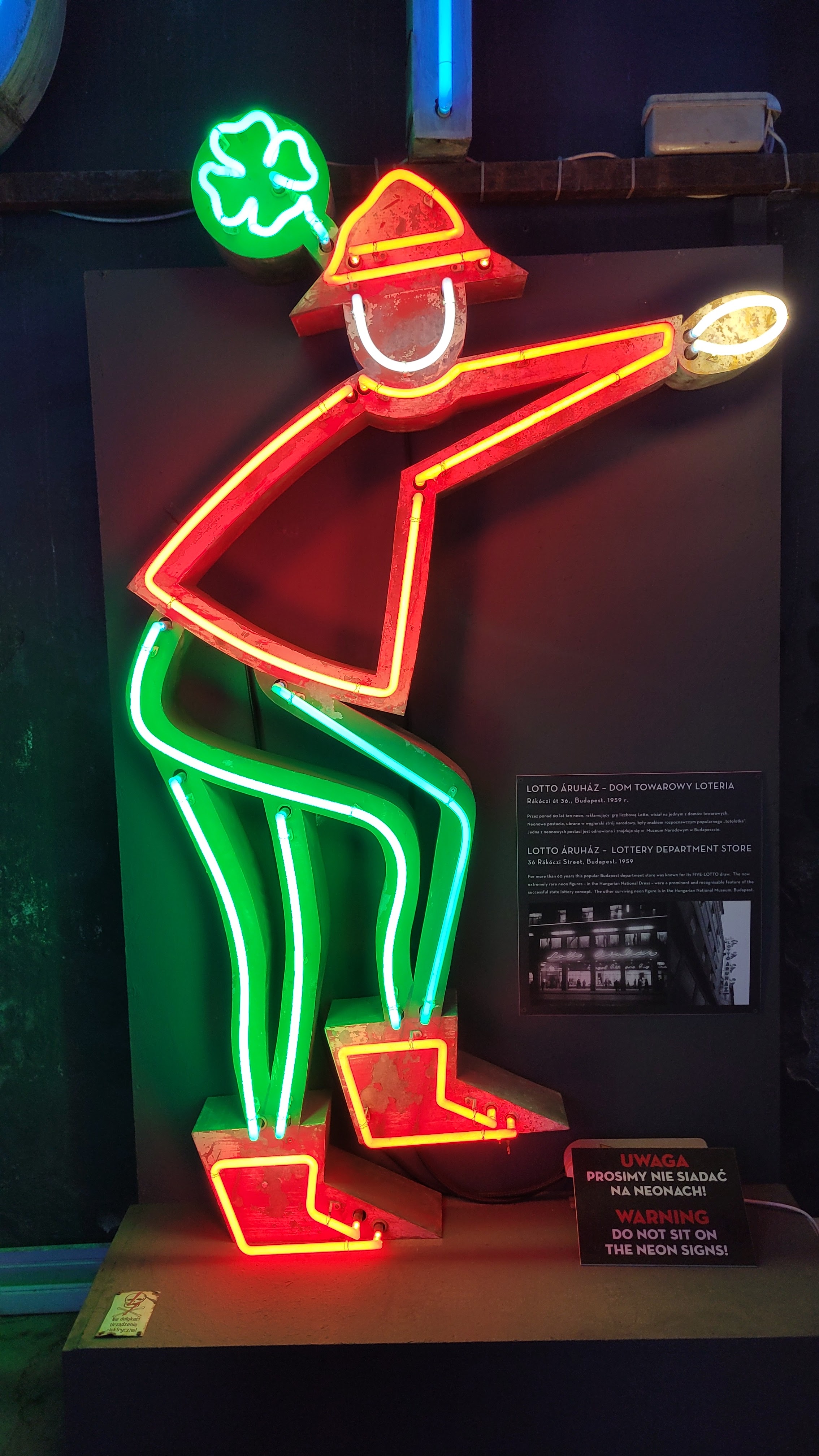
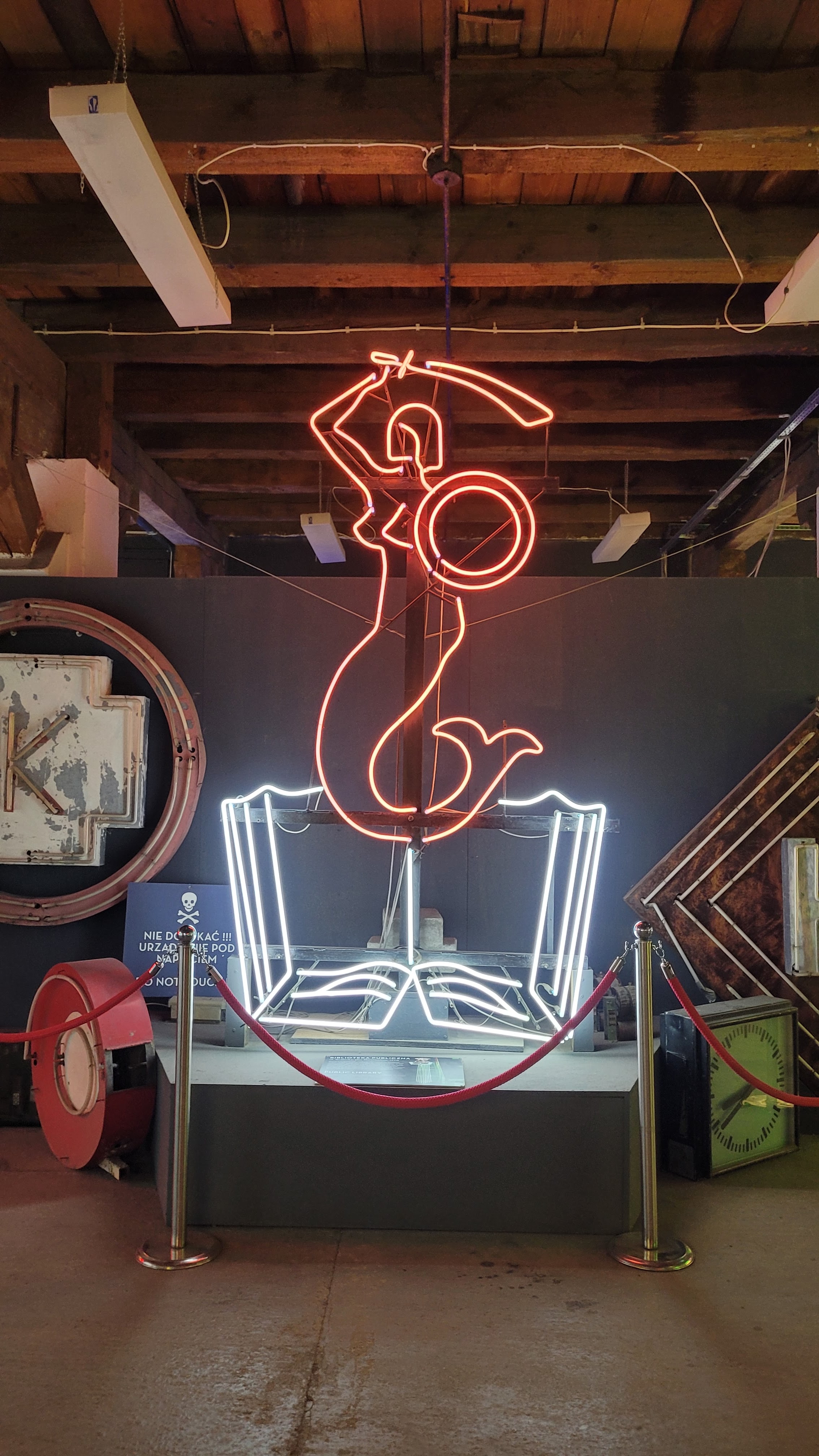
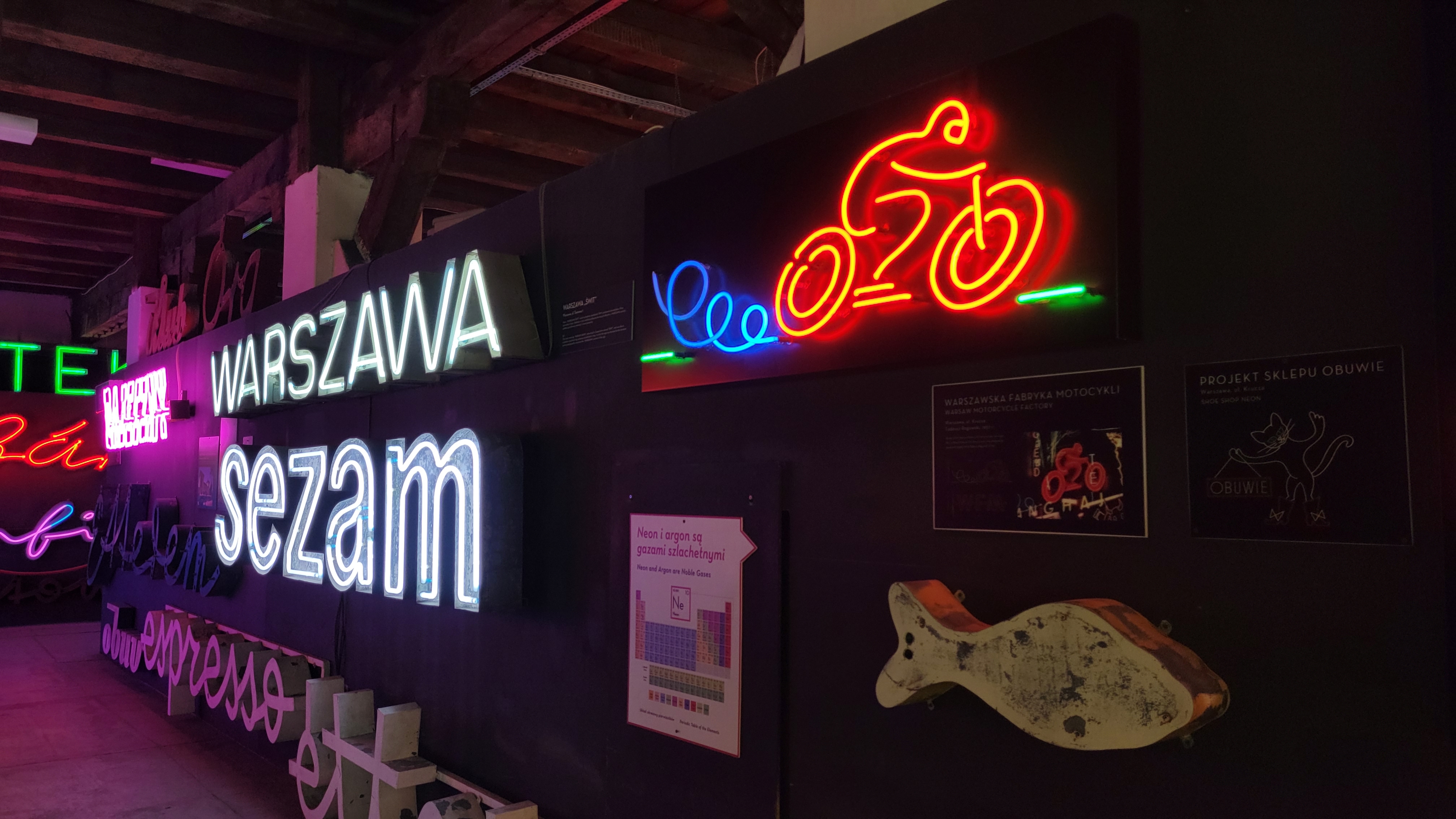
A museum dedicated to various neon signs gathered from around the Eastern bloc. It’s fairly interesting and cool to look at, but it’s quite a small museum.
Tomb of the Unknown Soldier and the Saxon Garden
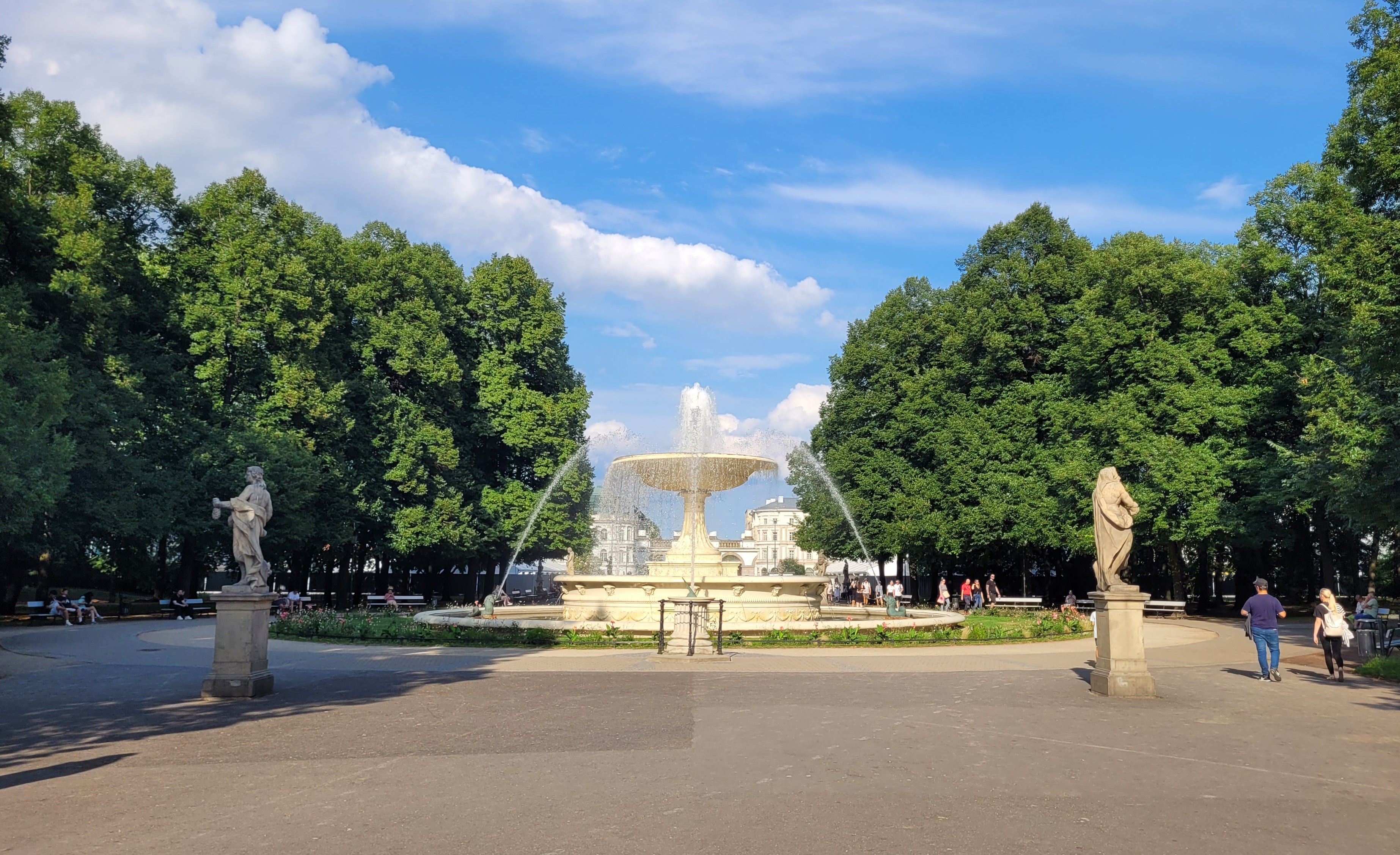
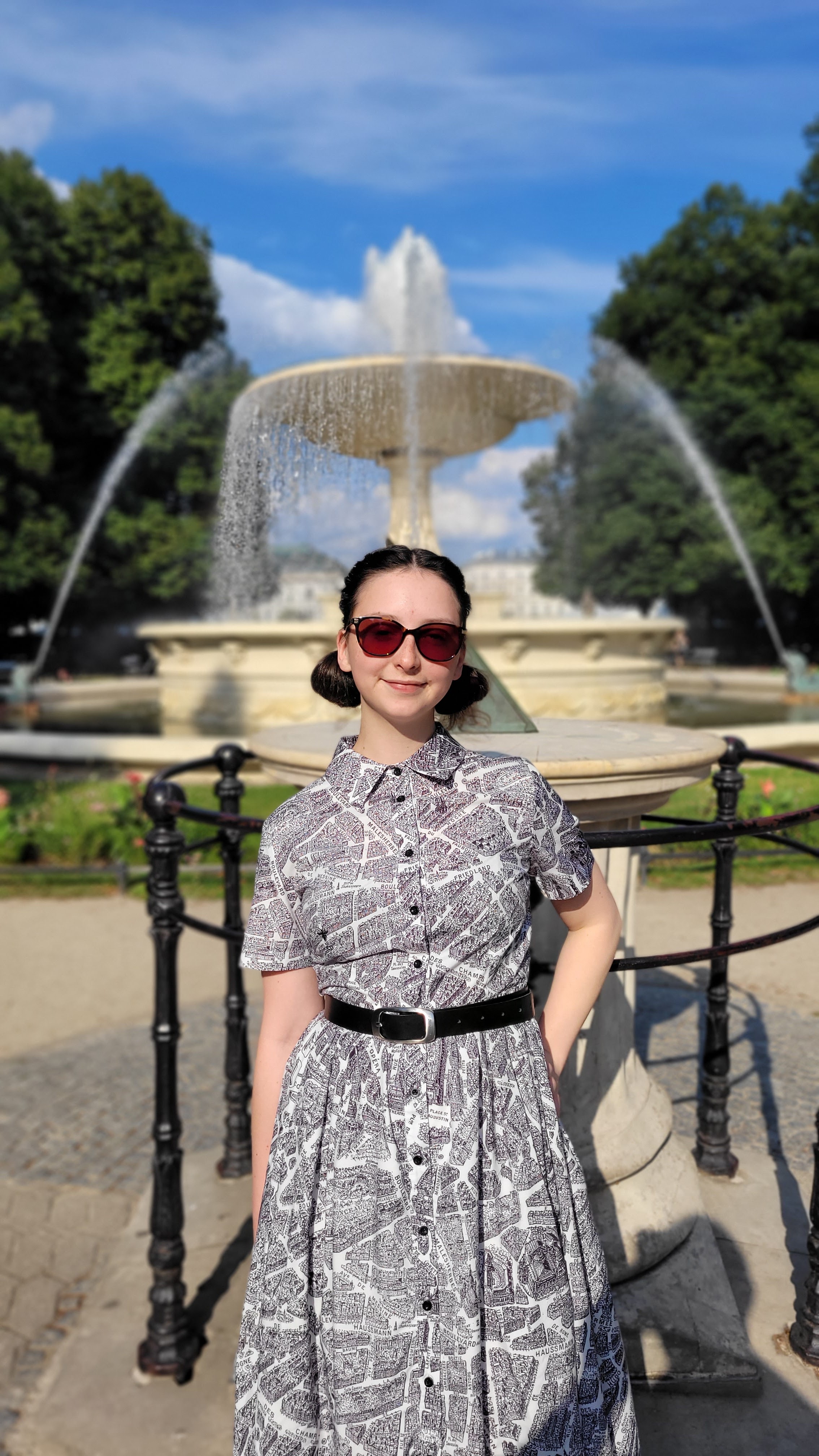
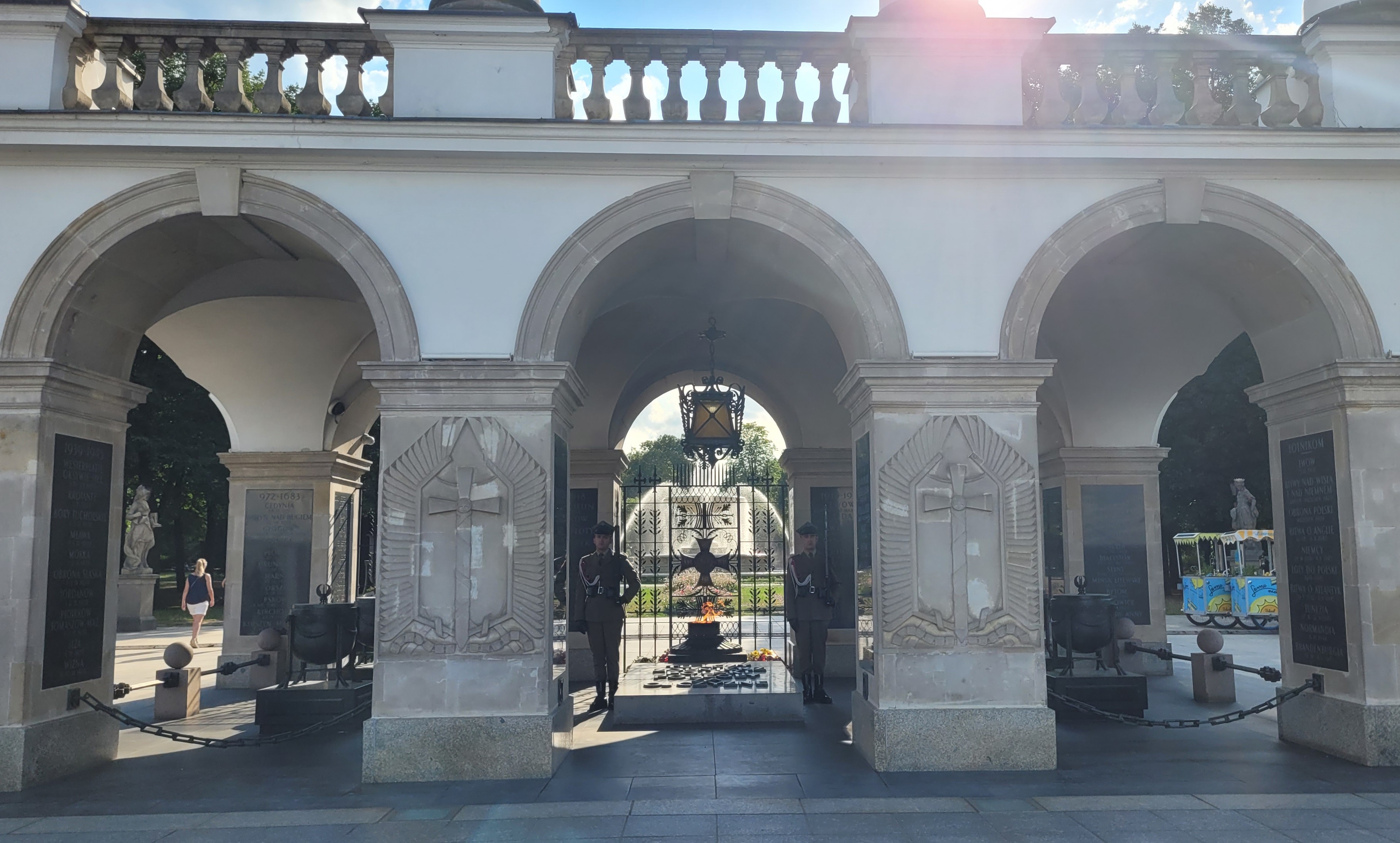

The only surviving part of the Saxon Place, a few arches from the arcades, now serve as the tomb of an unknown soldier, a monument to Polish sacrifice in wartime. It’s also surrounded by a small but pretty park, which is worth a visit. It’s not an amazing spot, but worth a visit if you’re close to it.
Conclusion
The Polish capital is large, beautiful and exciting. I would recommend nearly anyone to visit it, and spend a few days here.
 We May Roam
This is a really helpful and well-written guide. I love how you balance practical tips with history and local flavor; it makes Warsaw feel very approachable. Thanks for sharing these wonderful pictures
LikeLike