
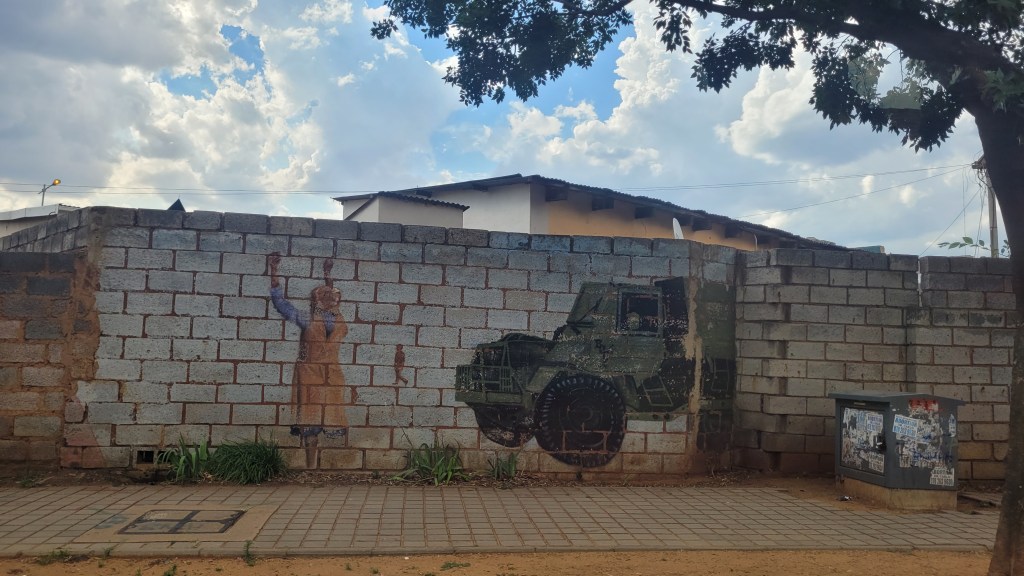
On the 16th of June 1976, the Johannesburg Township of Soweto (an abbreviation for South Western Township), caught the world’s headlines when the Apartheid government of South Africa brutally put down a demonstration by black students, resulting in potentially hundreds of deaths. Soweto was a hotbed of resistance to the Apartheid government, and, to this day, is the most famous of South Africa’s Townships.
Townships, by the by, were a method employed by the Apartheid government to control their black populations. As blacks became forbidden from settling in certain parts of South African cities, the government forcibly evicted them into the Townships – poorly constructed, on the edges of towns, and with generally poor infrastructure. It’s no wonder, then, that they became the epicentres for the anti-Apartheid movement.
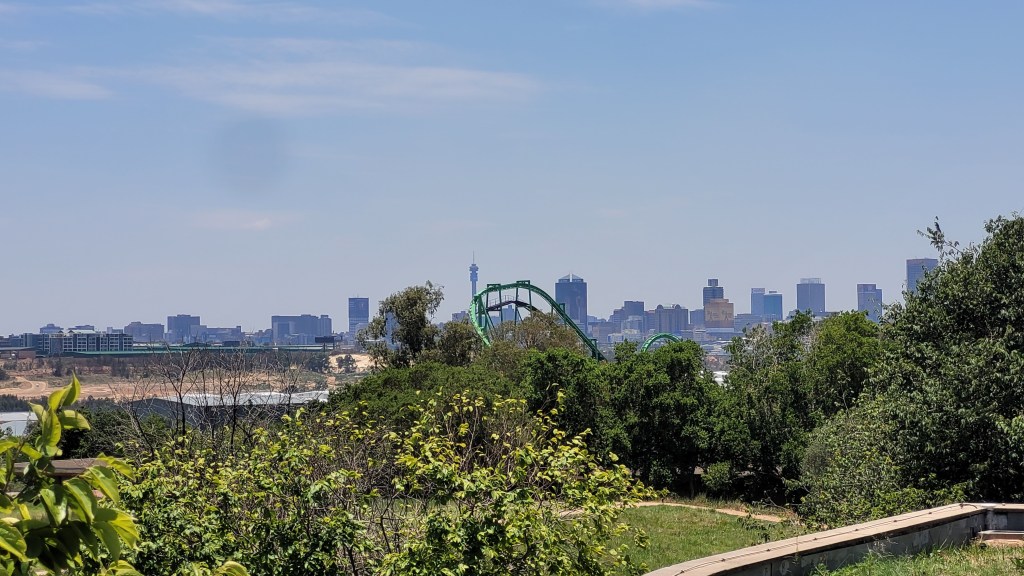
As such, no visit to Johannesburg is complete without seeing Soweto, and learning about it’s history – dark and bloody, on the one hand, hopeful and inspiring, on the other. The best way to do this is to book onto a day tour, as the guide will prove invaluable in explaining what life is, and was like in Soweto, and it’s rich history. Having a guide will also prevent you from accidentally ending up in the more dangerous parts of Soweto.
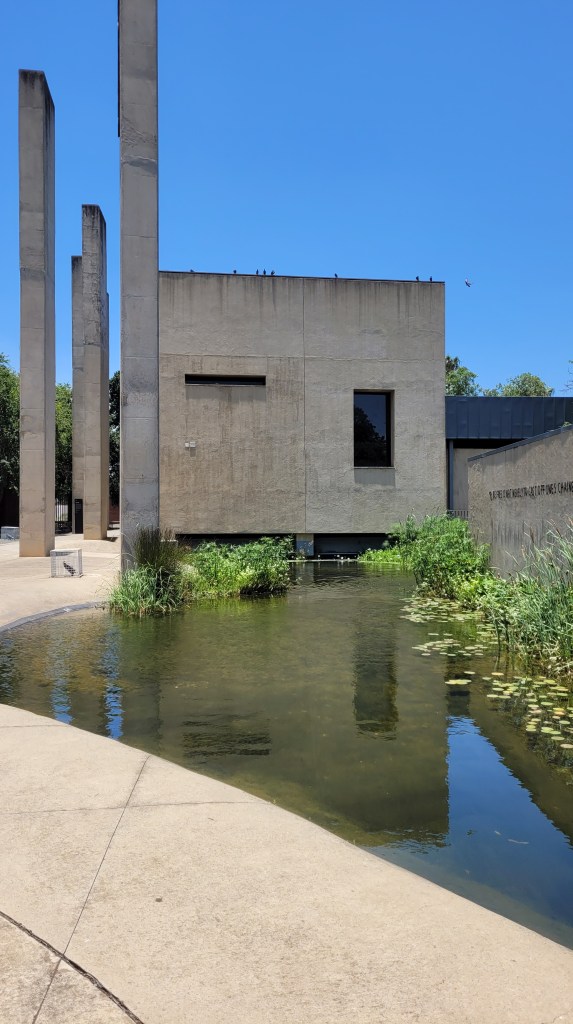
We began our day with a morning visit to the Apartheid Museum, from which we would be picked up by our guide. Many tours will offer to include the Apartheid Museum in their itineraries, but this is not worth it: we heard tour guides from other groups tell them to go through the museum by themselves.
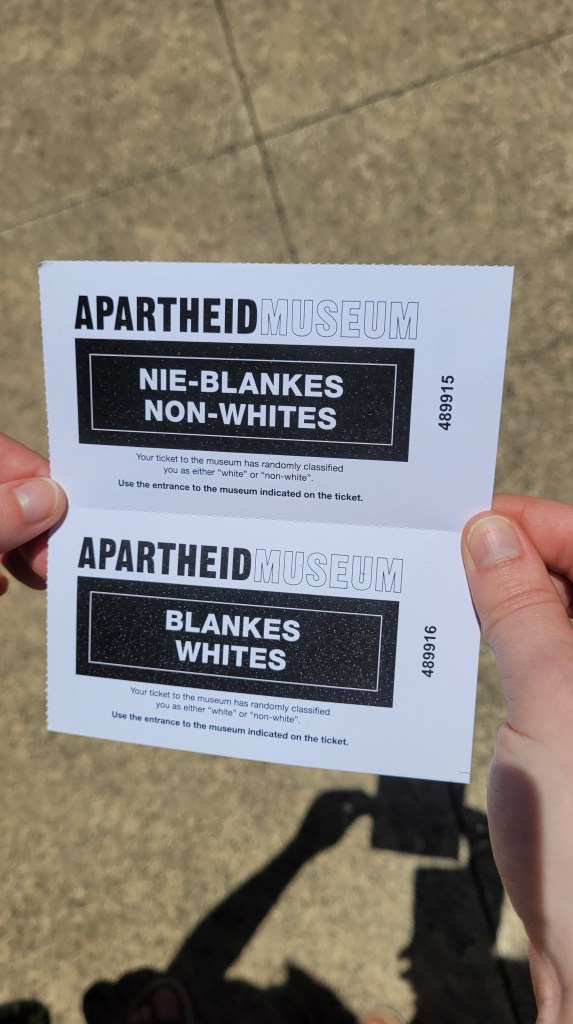
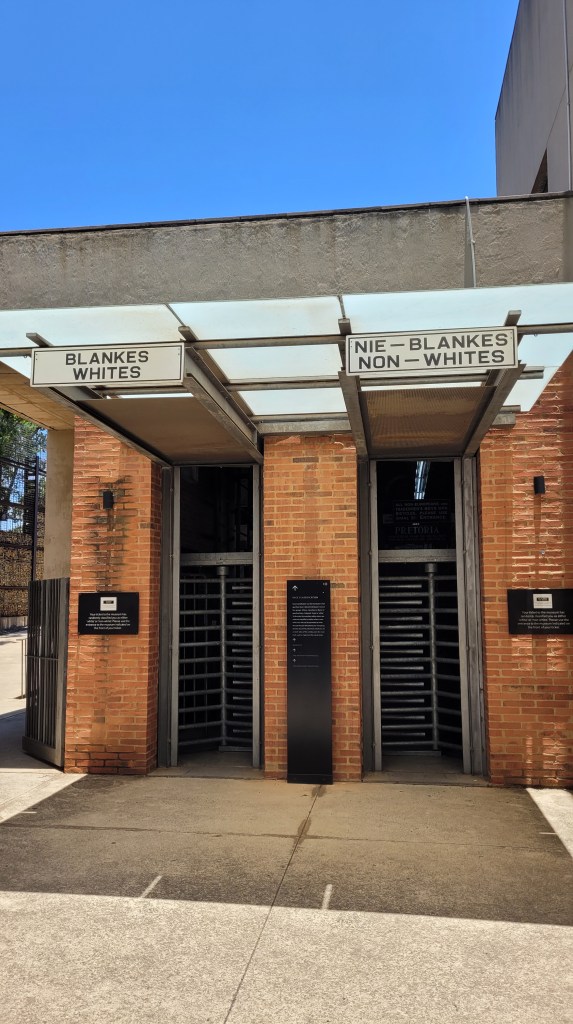
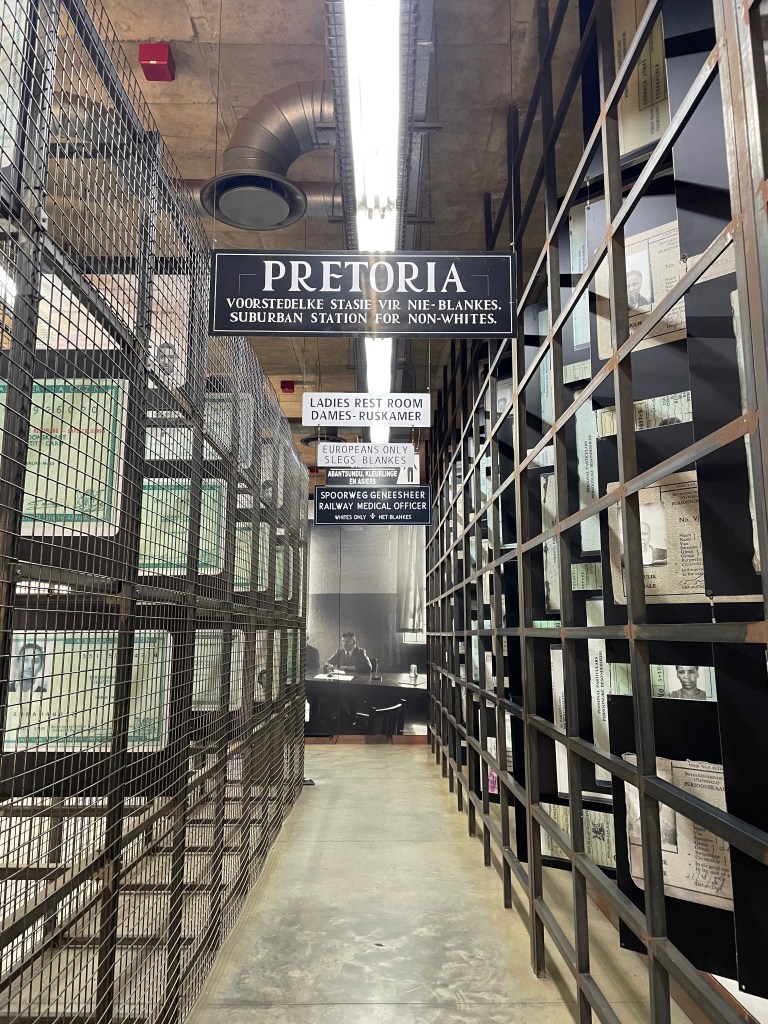
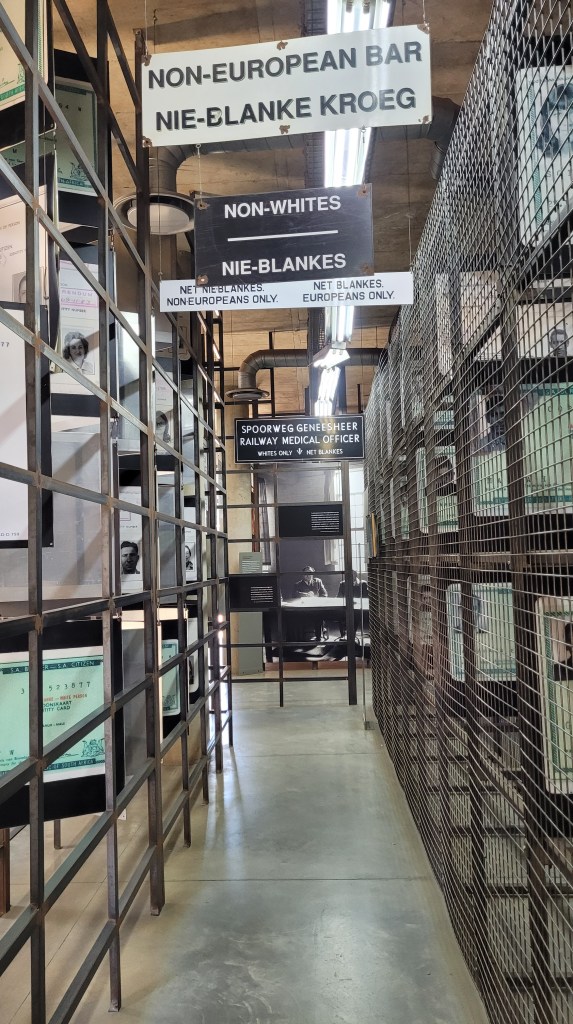
The museum is interesting, and details the history of Apartheid, and the struggle against it. One of the most powerful moments is at the very beginning, when you’re issued your tickets, half of you group will receive a Whites ticket, and the other a non-Whites tickets, and you’ll have to go in through separate entrances, and the very first bit of the museum will provide you with a different starting experience. You’ll get reunited shortly afterwards, and will go through the rather large museum together.
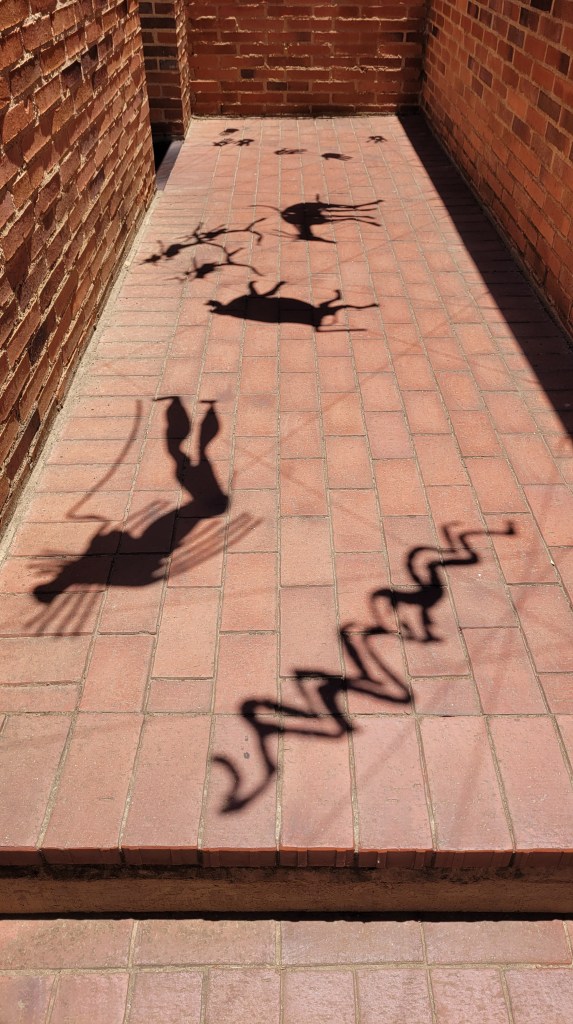
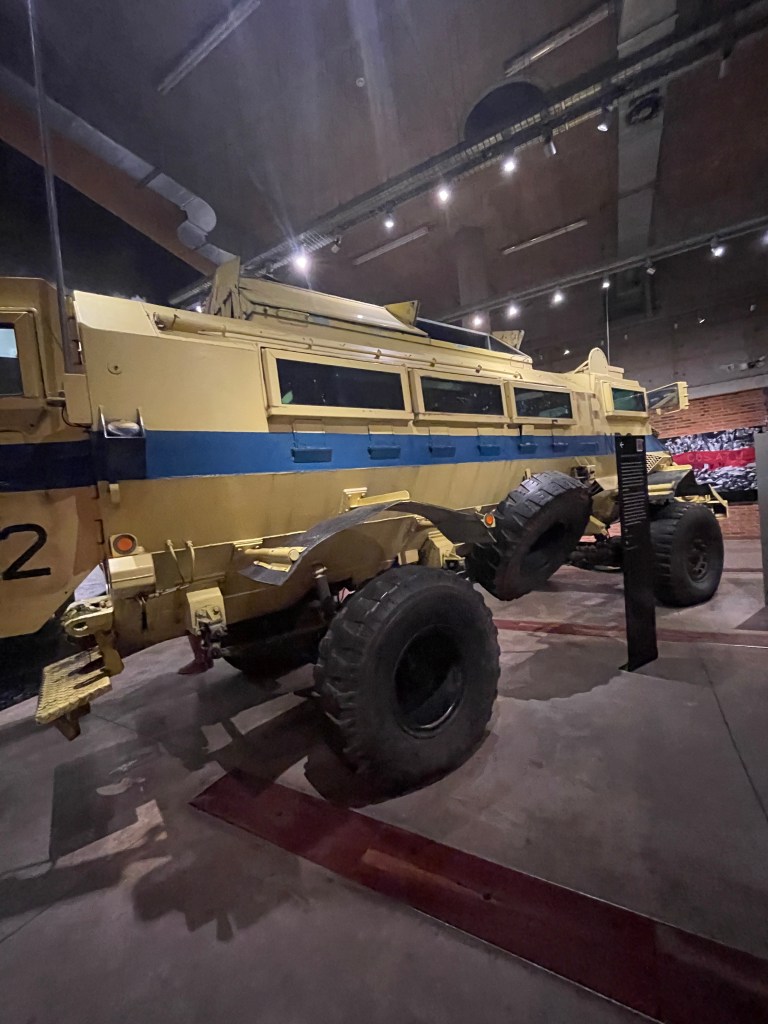
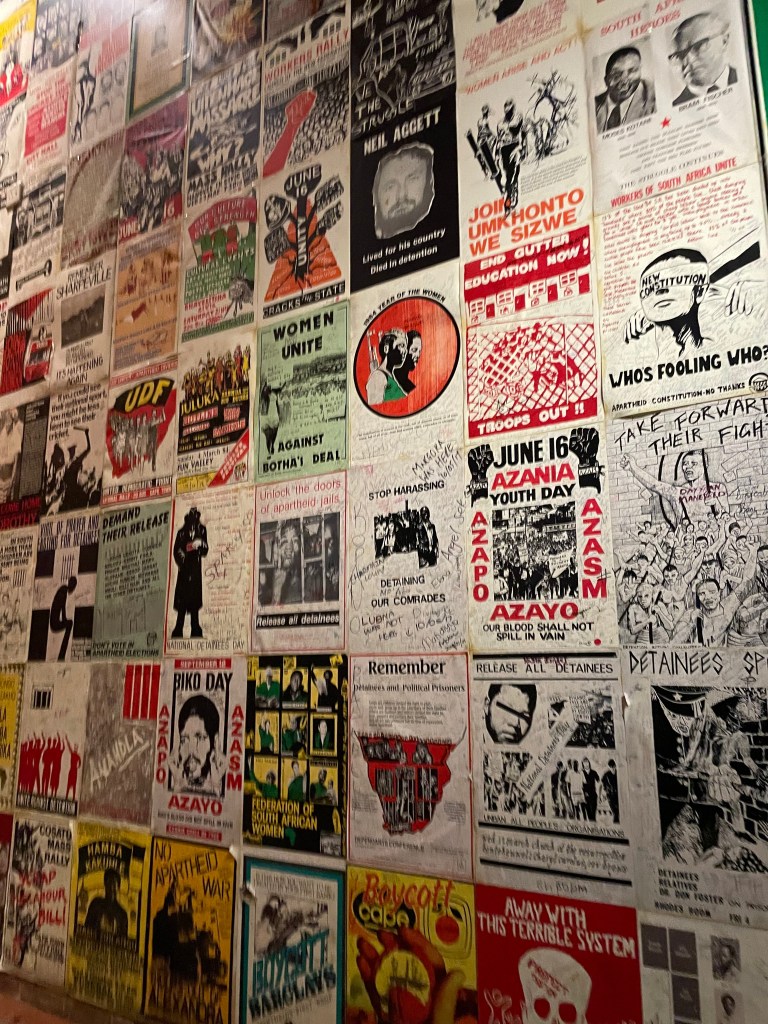
After getting a cool drink in the Museum café, we met up with our guide, who let us know we were the only people going on this trip – great, a private tour for the price of just 2 tickets! We climbed in the van (thankfully air conditioned) and set off to Soweto.
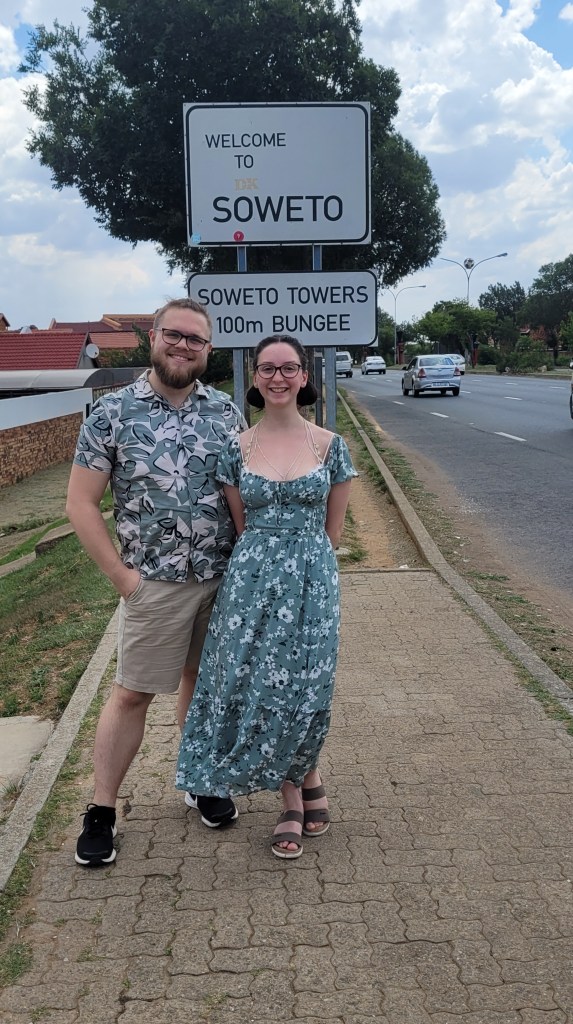
Our first stop was the welcome signs of Soweto. Cpho, our guide, explained the history of Soweto, and what it’s society looks like nowadays. Its population is still pretty much entirely black, and, though some blacks have grown more prosperous, many are still in damning poverty.
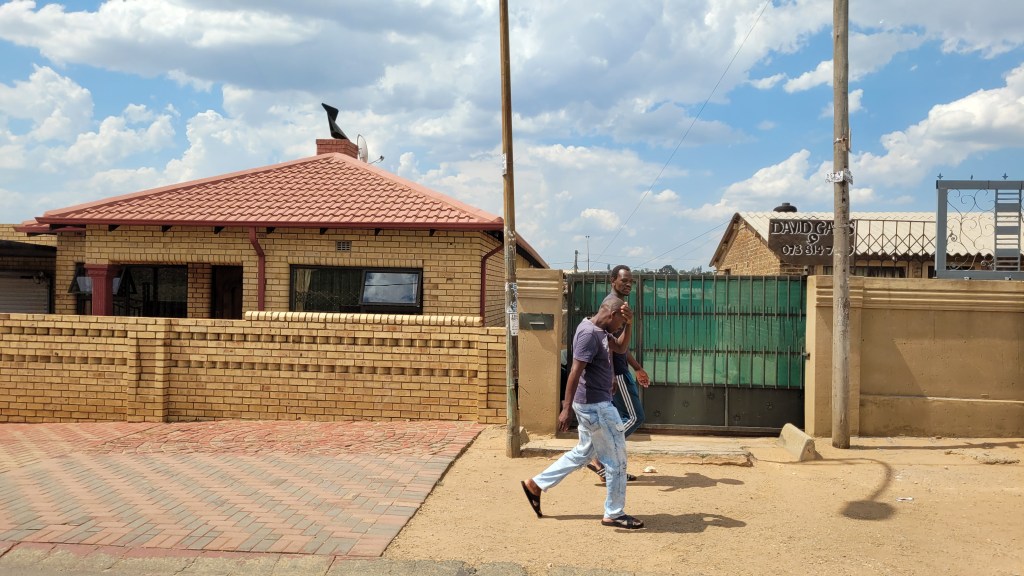
We would first see the former of these. The area of Diepkloof was described by Cpho as the “Beverly Hills of Soweto”. The houses generally have high walls and barbed wire (a status symbol more than practical protection), and fancy cars line the streets. This is a largely due to expensive house prices in South Africa – though young people have some money, allowing them to splurge on expensive cars, they struggle to reach the amounts needed to buy a house.
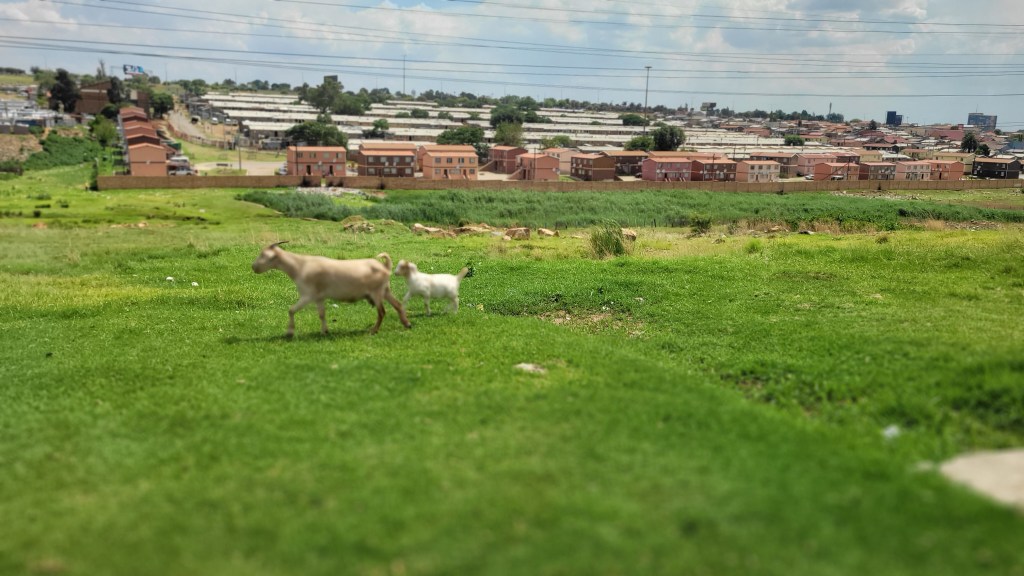
Despite some displays of wealth, the streets remind you starkly that you are not in a rich place. Animals, mostly goats freely roam the streets – these are used in business deals and weddings. Just past the houses are piles of rubbish, the remnants of recycling.
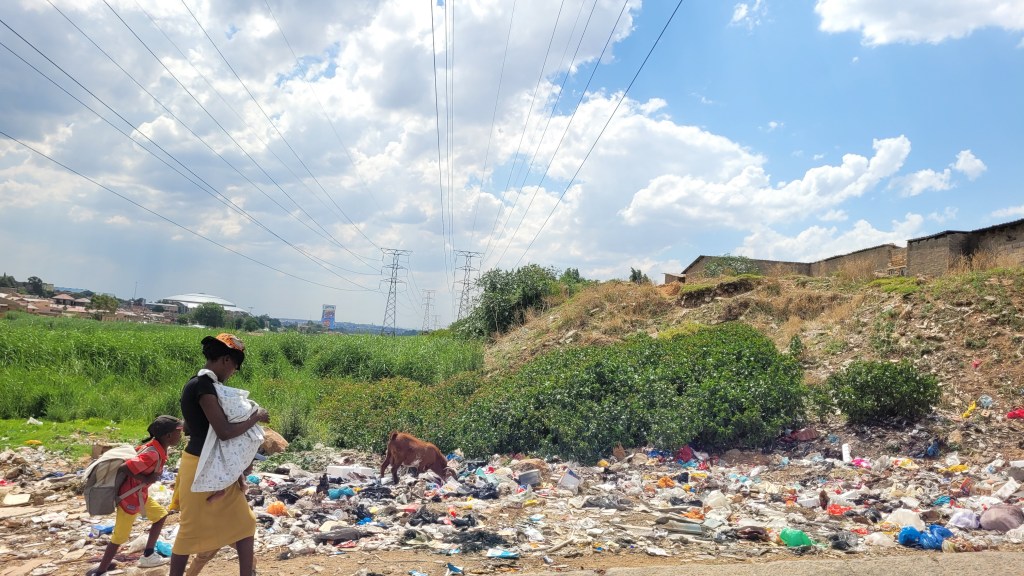
Recycling is one of the biggest jobs in Soweto. People pick through rubbish to find anything that is recyclable, which can then be sold onto government agencies for recycling. The rest of the rubbish remains discarded on the streets.
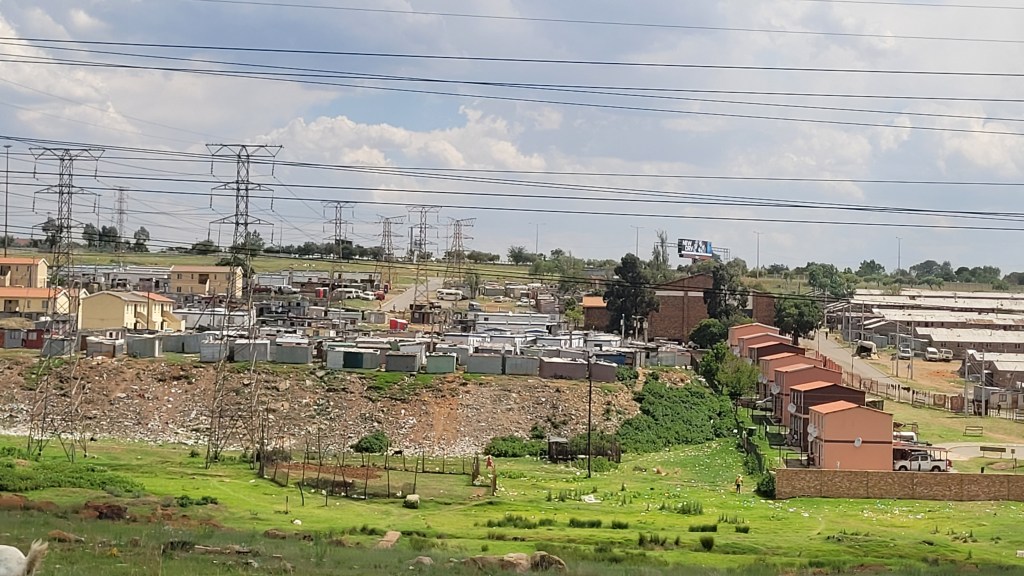
Across a large meadow from Diepkloof we could see the somewhat poorer accommodations. These are hostels. Historically, they were used to house seasonal workers in Johannesburg, whereas these days they provide some of the cheapest housing in the former townships. They are typically reserved only for men, with 2 men sharing a single bed – one works days, and uses it at night, the other the opposite. Tribe is still very important in the hostels: only a Zulu can stay in a Zulu hostel for example. Some things have however, changed since the end of Apartheid. A good number of hostels have been converted into family units, and house women and children as well.
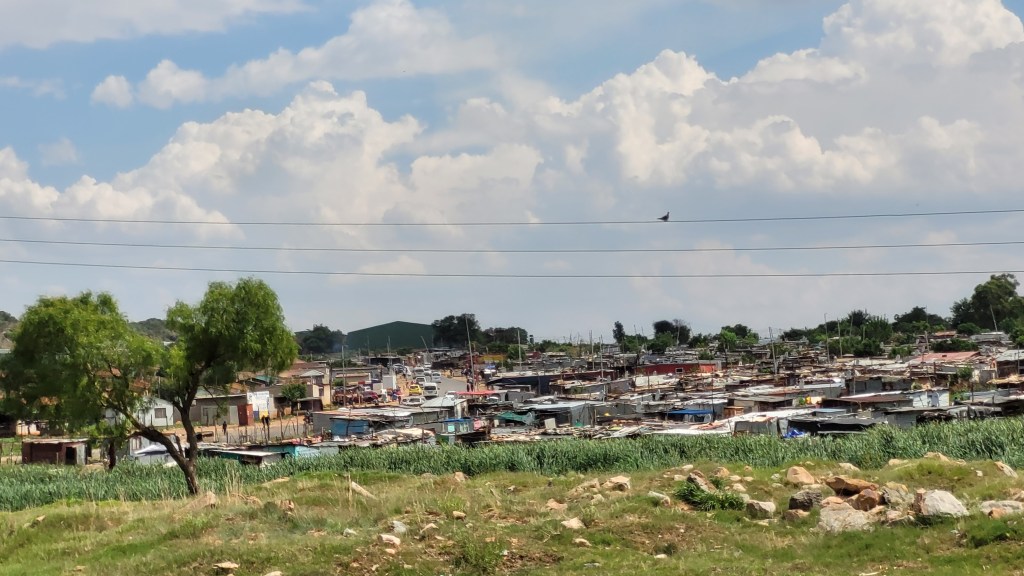
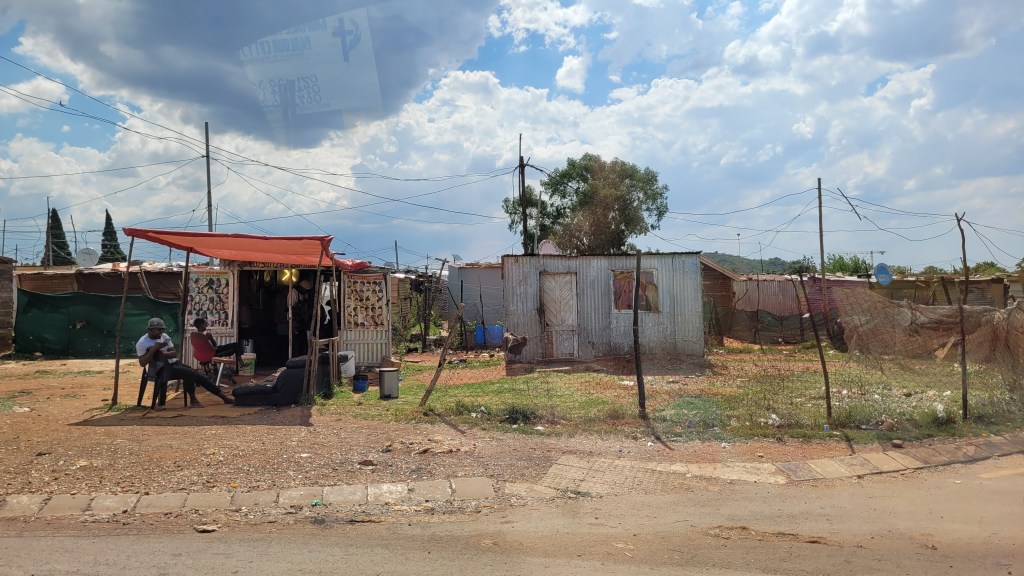
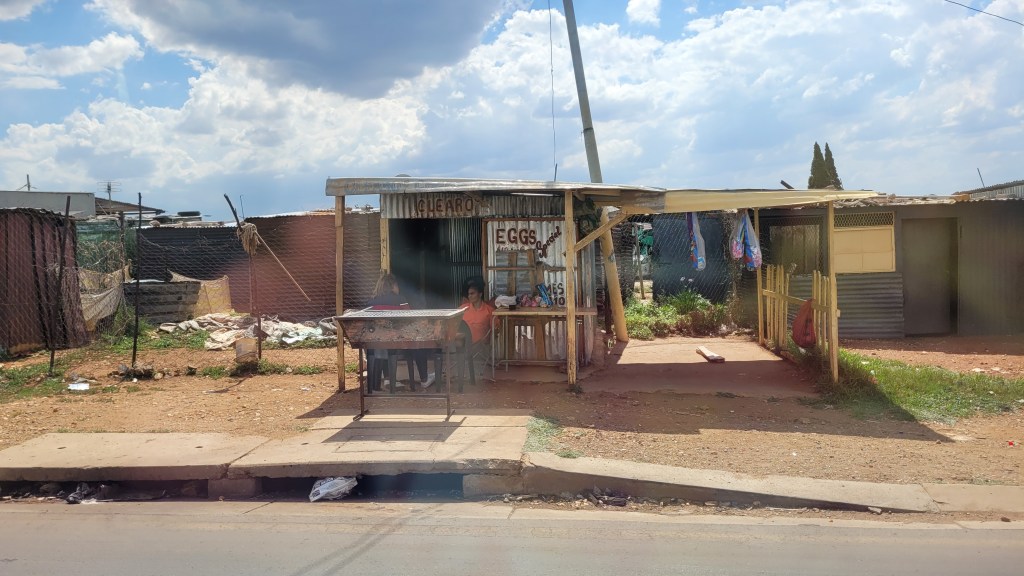
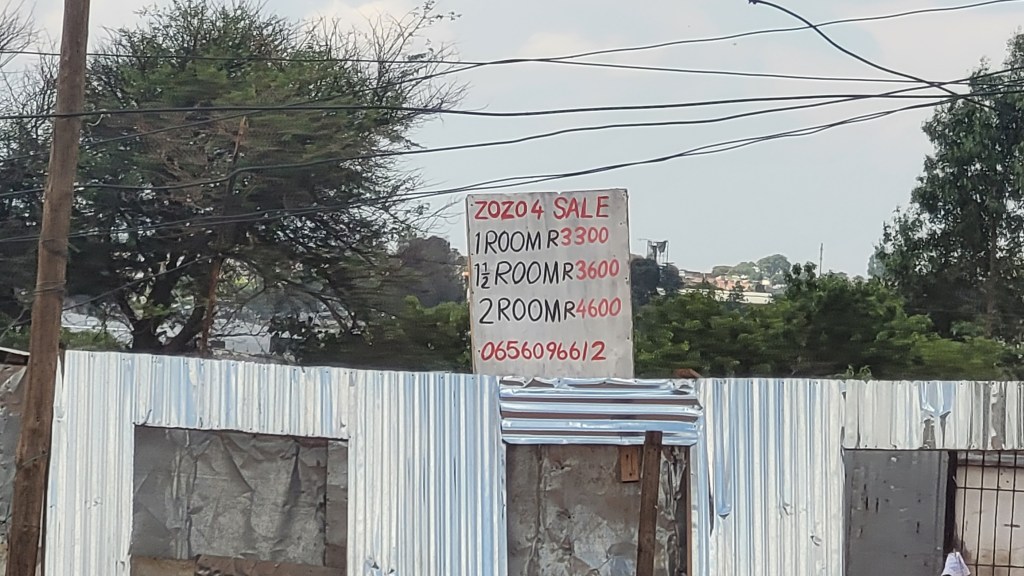
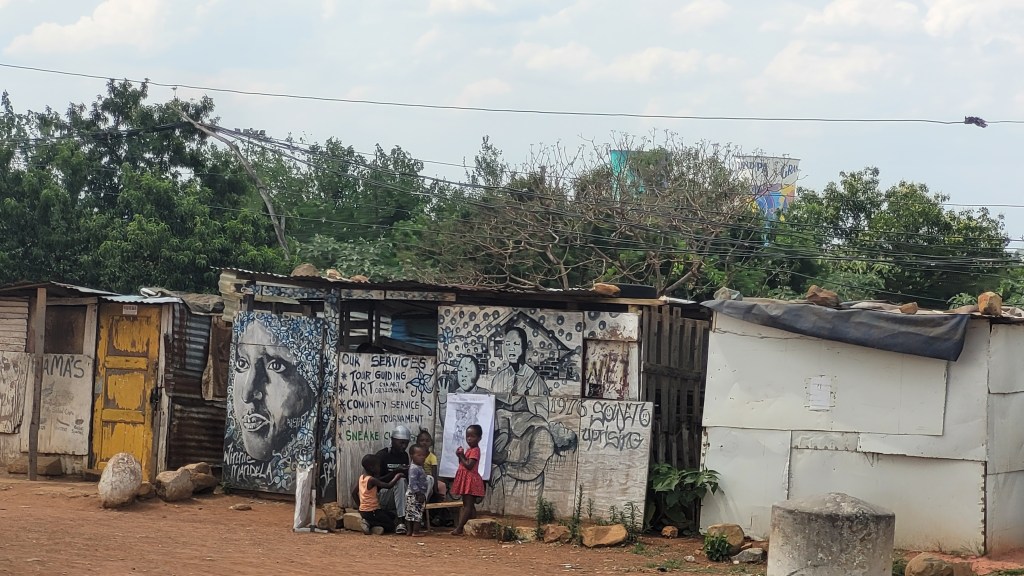
Our next stop was were the most destitute of South African’s live: the Squatter Camp. People from all walks of life live here – native South African who can’t find anything better and refugees and illegal migrants from other parts of Africa are the most common groups. They live in shoddily constructed metal shacks, and make their living either through recycling, owning a small business, or just straight up begging. Electricity is stolen from main powerlines that pass through the camp, and water is manually pumped from wells.
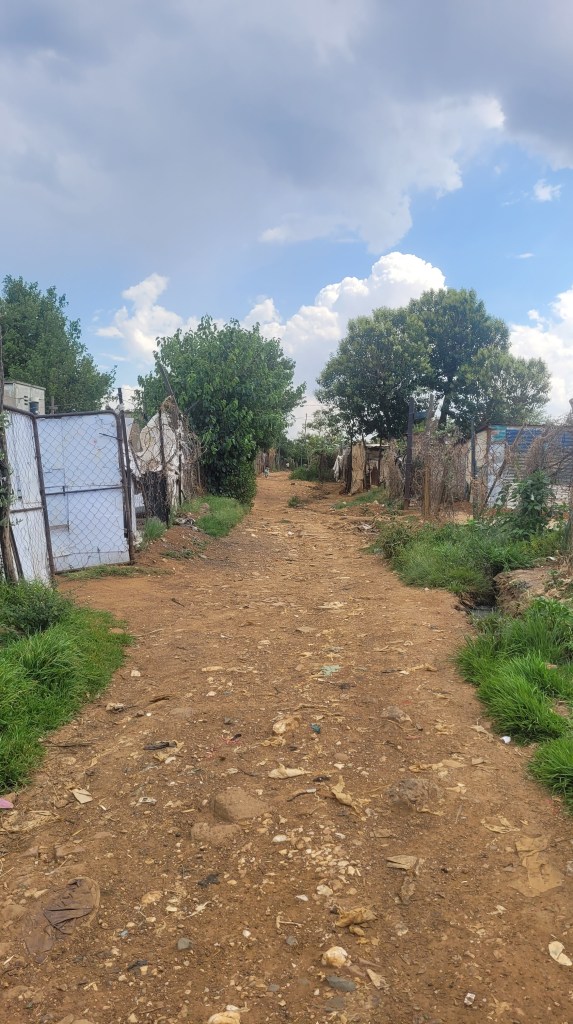
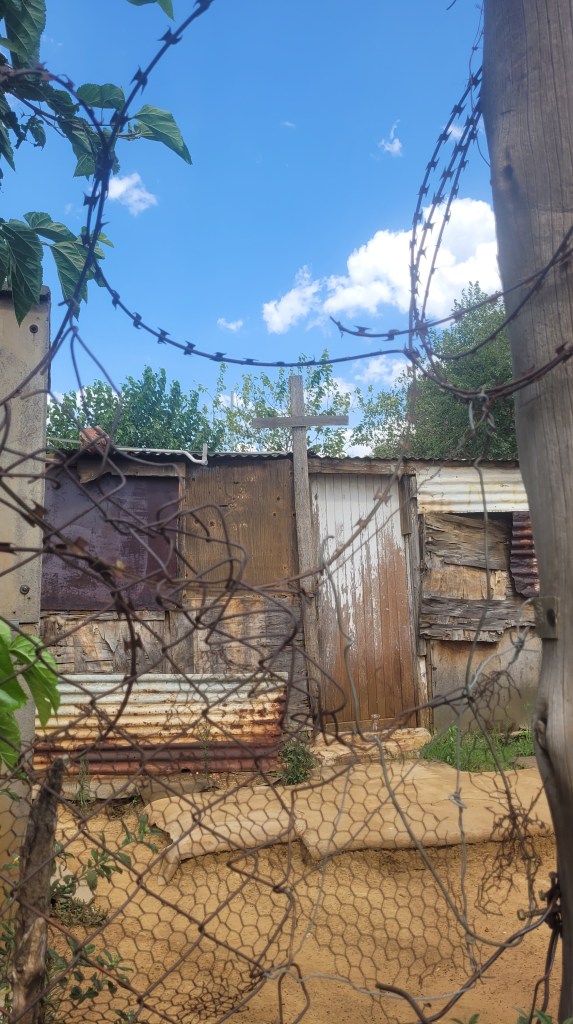
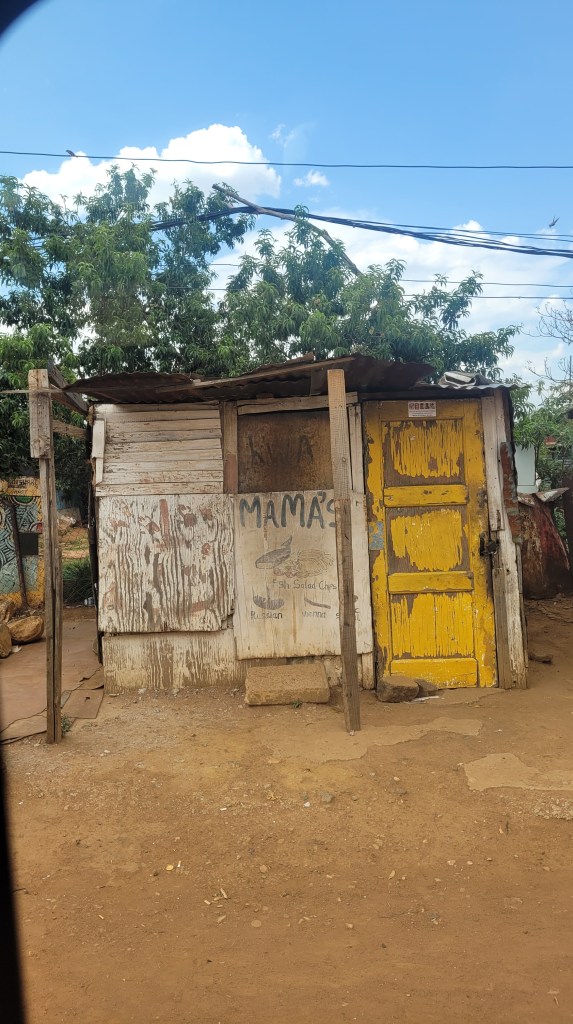
We walked around the camp itself, and spoke with one of the people living there. He was actually originally from Eswatini (Swaziland), and moved here in search of opportunity. As we walked around, we were bothered by a drunkard begging for money, who was quickly shooed off by our guide.
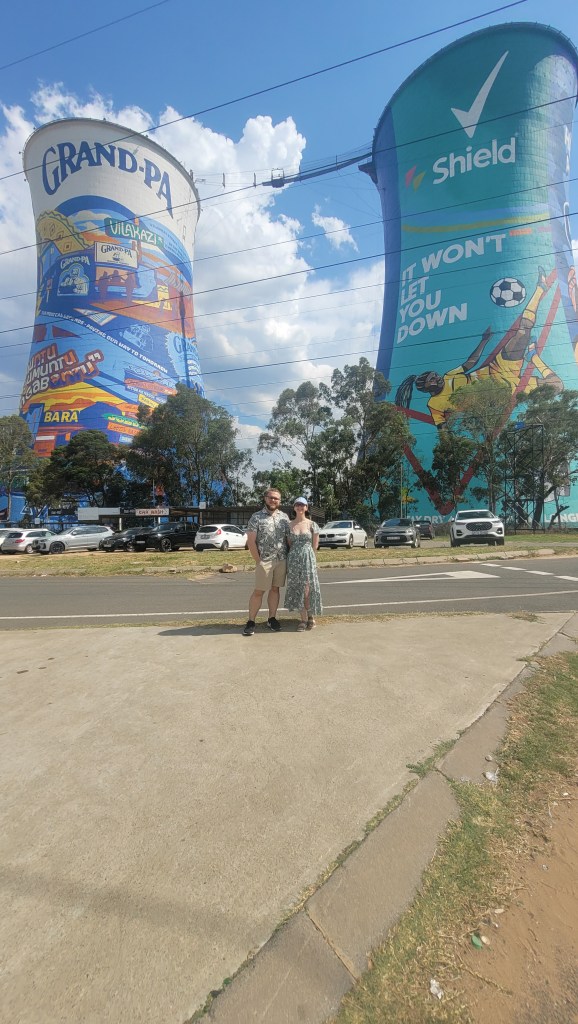
The remainder of the tour was more focused on history. Firstly, we stopped by the iconic Soweto Towers. Once these were part of a power plant, that has long been out of use. Now they are used to advertise whoever chooses to sponsor them at any given point in time. You can also bungee jump off the towers if you want, but we did not have the guts to try.
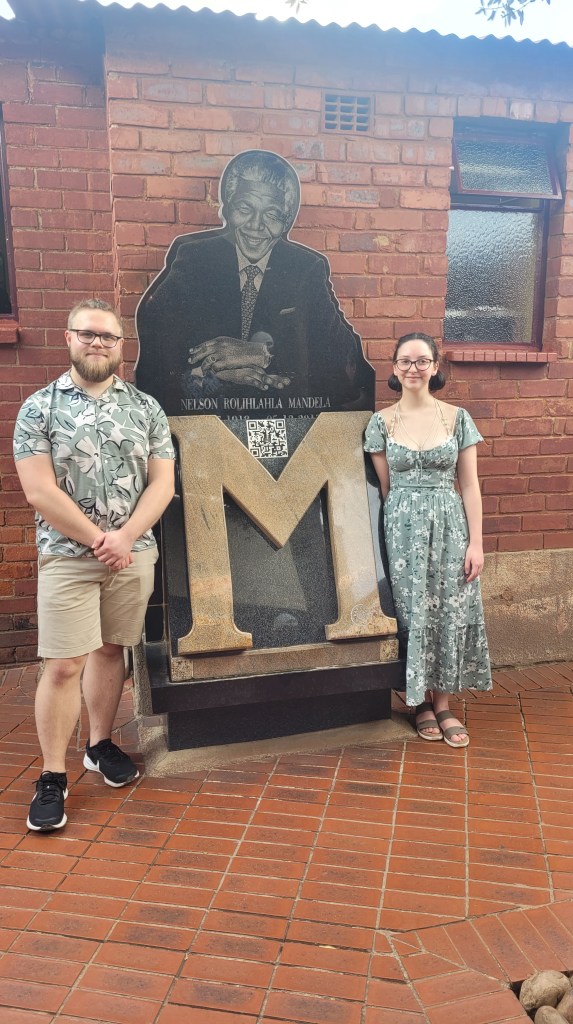
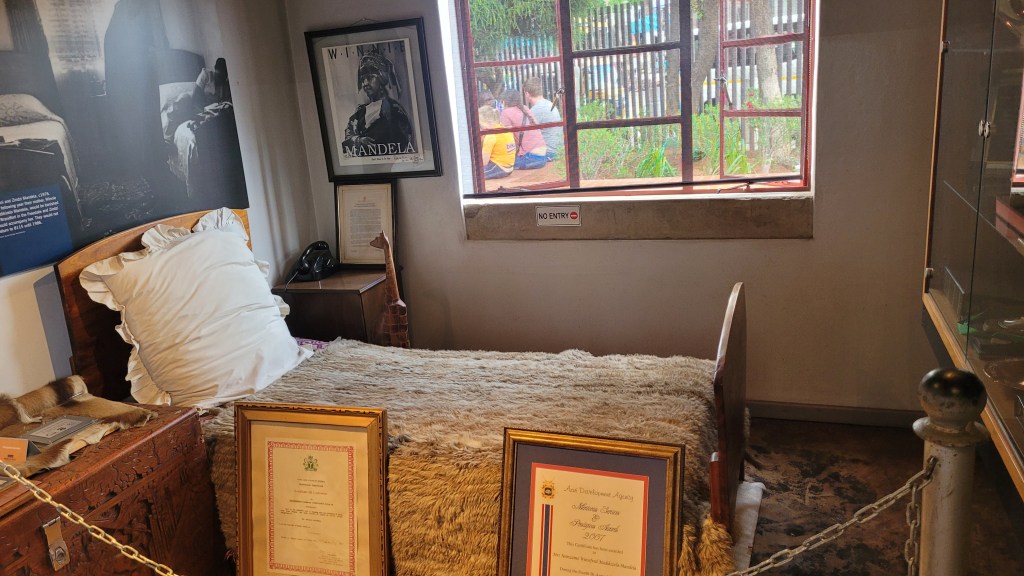
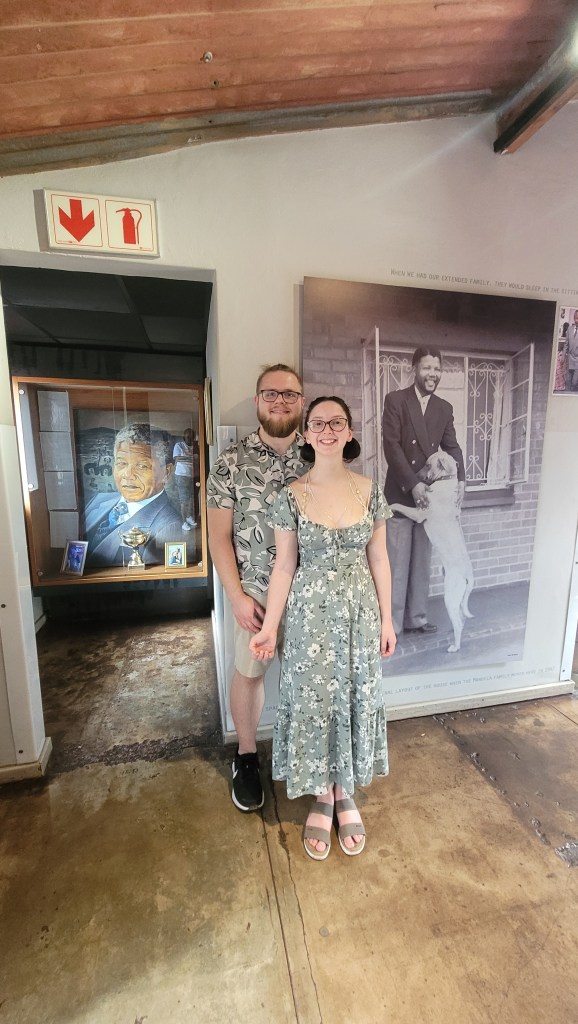
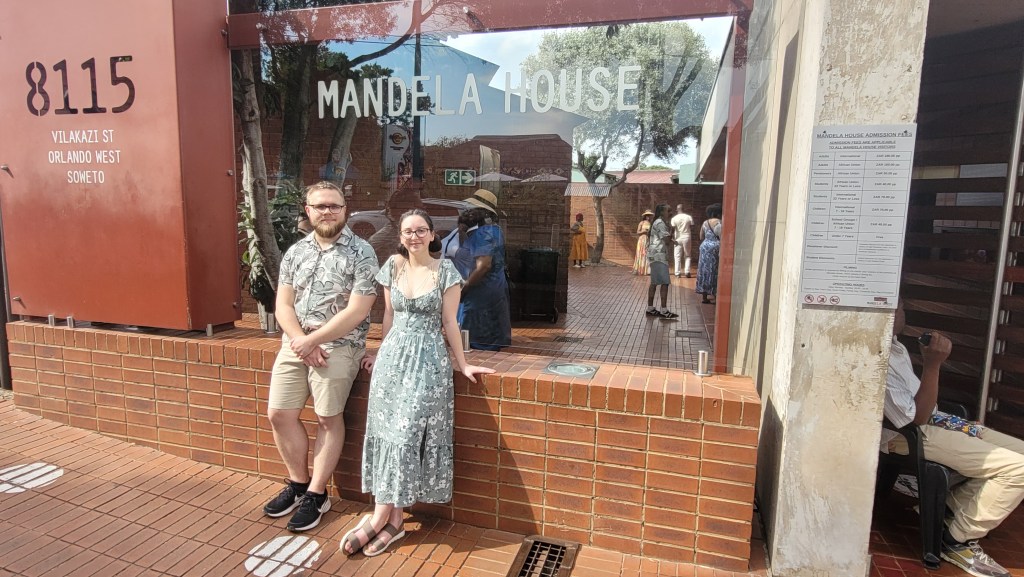
We made our way to what Cpho called “The Most Famous Street in the World” – Vilakazi Street (I could personally think of a few streets more famous). It’s main claim to fame is taht it once housed 2 Nobel Peace Prize winners (Nelson Mandela and Archbishop Desmond Tutu), the only street in the world to do so.
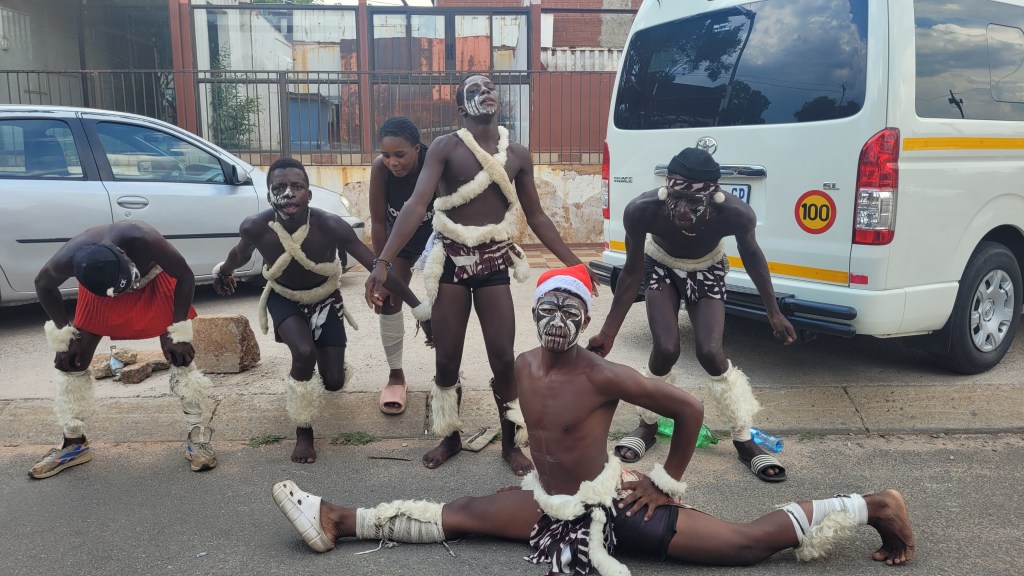
As soon as we got off our van, a group of “Zulu warriors” performed a dance for us. We were then given a short guided tour of Nelson Mandela’s old house, where we were given a brief talk about how he lived and some titbits about his life. We were getting quite tired by this point, but fortunately the tour was coming to an end.
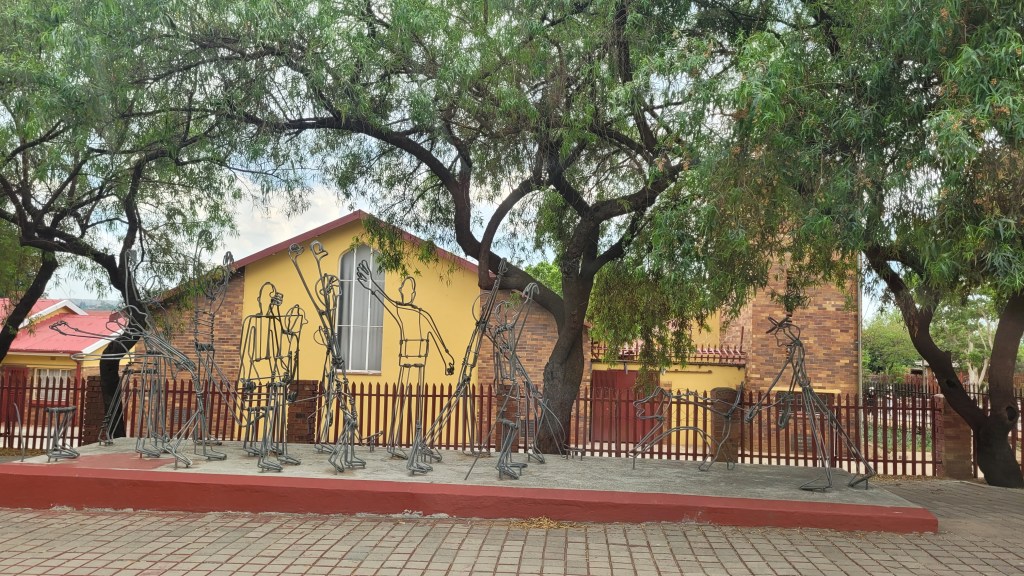
We were taken past the place where Hector Pieterson was shot (a 12 year old who was the first victim the government putdown of the Soweto Uprising, mentioned at the start of this post), where some copper statues commemorate that very moment. We finished our tour with a visit to the Hector Pieterson memorial, which was sadly shut and switched off due to load-shedding in the area (so no electricity was being provided).
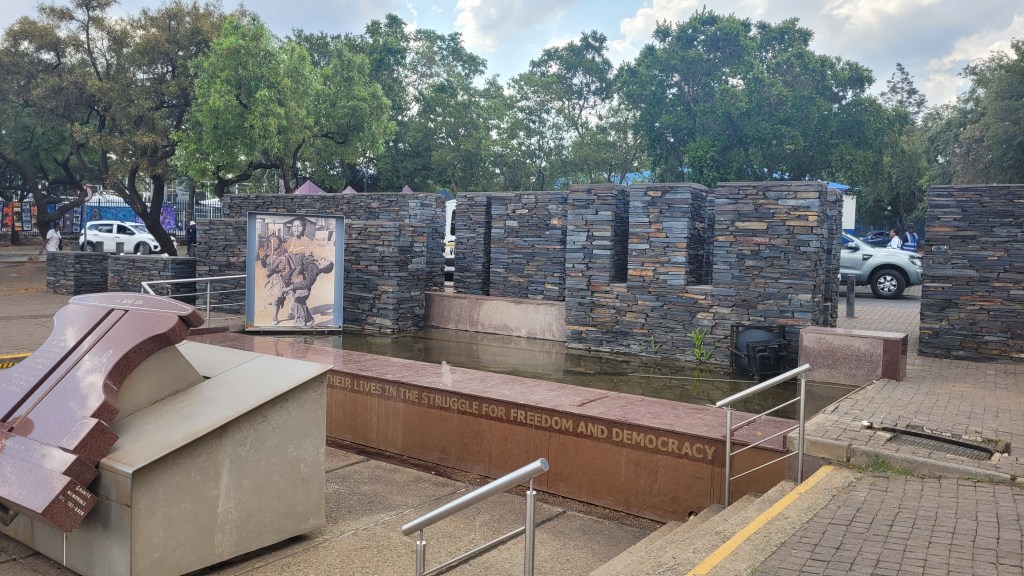
So ended our tour of Soweto – it was an enlightening experience. We learned much about history, and learned to appreciate our lot in life, when we saw how the poor of Soweto lived. This is a must-do experience when in Johannesburg.
 We May Roam