
In Central Bulgaria lies the former capital of Bulgaria, Veliko Tarnovo. It’s small, atmospheric, and visually stunning thanks to it’s unique geographic location and history.
At a glance…
- Days To Spend: 2
- Get Around: By walking
- Get In and Out: By coach
- Pay: With a bank card, in Bulgarian Lev
- Speak: In Bulgarian if you can, but English will suffice (learn to read Cyrillic though!)
- See: The Love Swing, Tsarevets Fortress, Sveta Gora Park, Interhotel Veliko Tarnovo
- Should you go?: Yes, absolutely
General Impressions
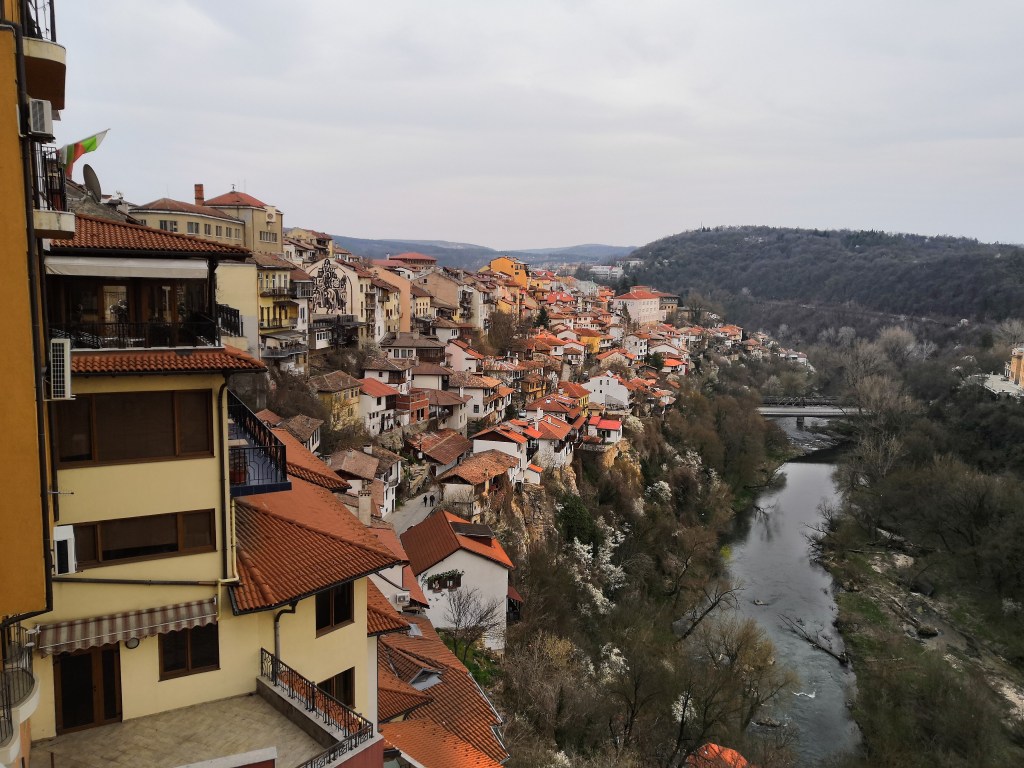
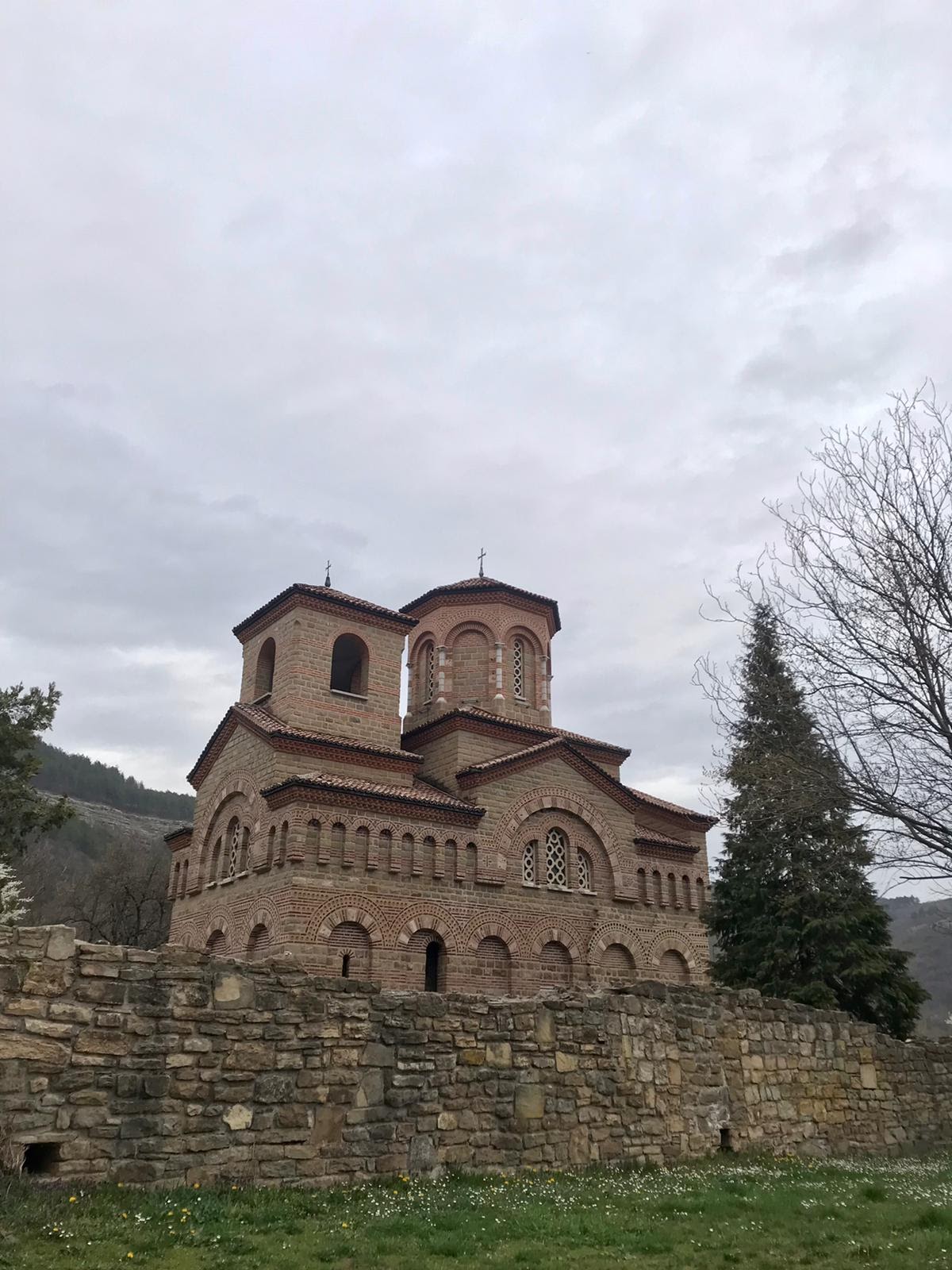
Bulgaria’s medieval capital straddles a river valley, which gives the Old Town a unique, almost spiral, shape. The Old Town is incredibly climactic, with narrow, multi-level streets carved into the hillside, practically begging to be photographed.
Transport
Getting Around
Veliko Tarnovo is small, and thus, very walkable, certainly in the parts that tourists are interested in. A bus network exists, but we didn’t use it. There’ll be no need to use public transport within Veliko Tarnovo itself, unless you live far from the historic centre, which I would advise against.
Getting In and Out
We arrived to the town by train. This was dirtier and much slower than what we were used to in England. The station was also a good distance away from the historic centre, and we had to walk for nearly 30 minutes in the dark to get to our hostel. It wasn’t the most pleasant experience, but we didn’t feel unsafe doing this.
We left by the somewhat more comfortable method of coach. The coach station is closer to the centre than the train station, and the coaches are cleaner, and the journey times are usually quicker, than their train alternatives. I would recommend taking coaches rather than trains where possible in Bulgaria, if you can stomach spending hours on a bus.
Money
Bulgaria uses the Bulgarian Lev as it’s currency. If you’re coming from the UK, most money changers won’t readily stock Levs, so if you want to exchange money in the UK, you’ll need to make enquiries before your trip. However, bank cards are taken in most places, and ATMs are ubiquitous, so I’d recommend just using your preferred international debit card instead.
Language
Unsurprisingly, Bulgaria speaks Bulgarian, a Slavic language that uses the Cyrillic alphabet. It’s a good idea to learn Cyrillic before you go, so you can read street signs, timetables, and restaurant menus. However, many people, especially those who work with tourists, speak enough English that you won’t have trouble communicating.
Time
Veliko Tarnovo is a town rich in history, but it is quite small. We spent about 2 days in this town, and we feel that’s about the right amount of time for it. You could fit in a third day if you are interested in some museums, but 4 days and above would be excessive.
My Favourite Spots
The Love Swing
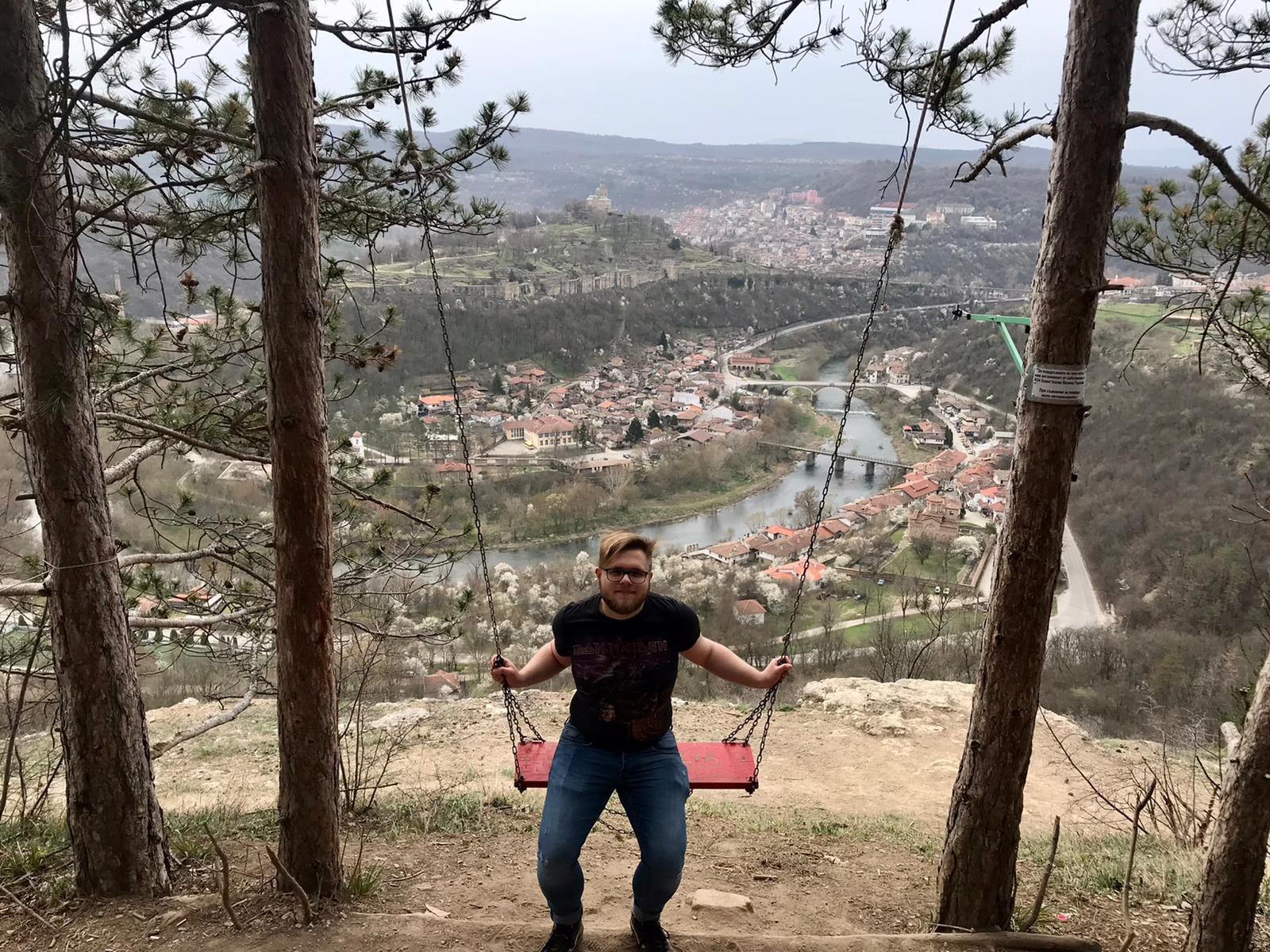
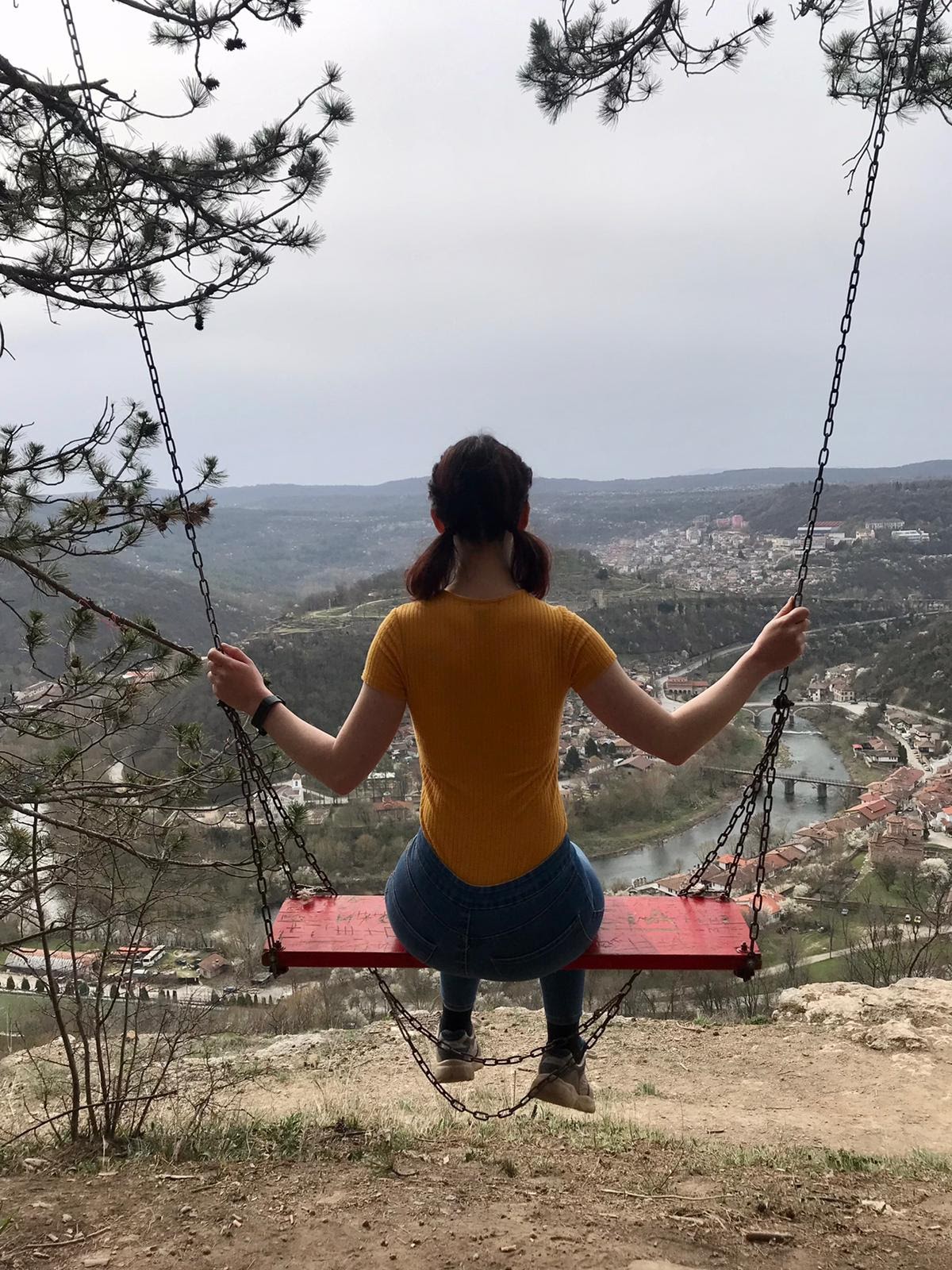
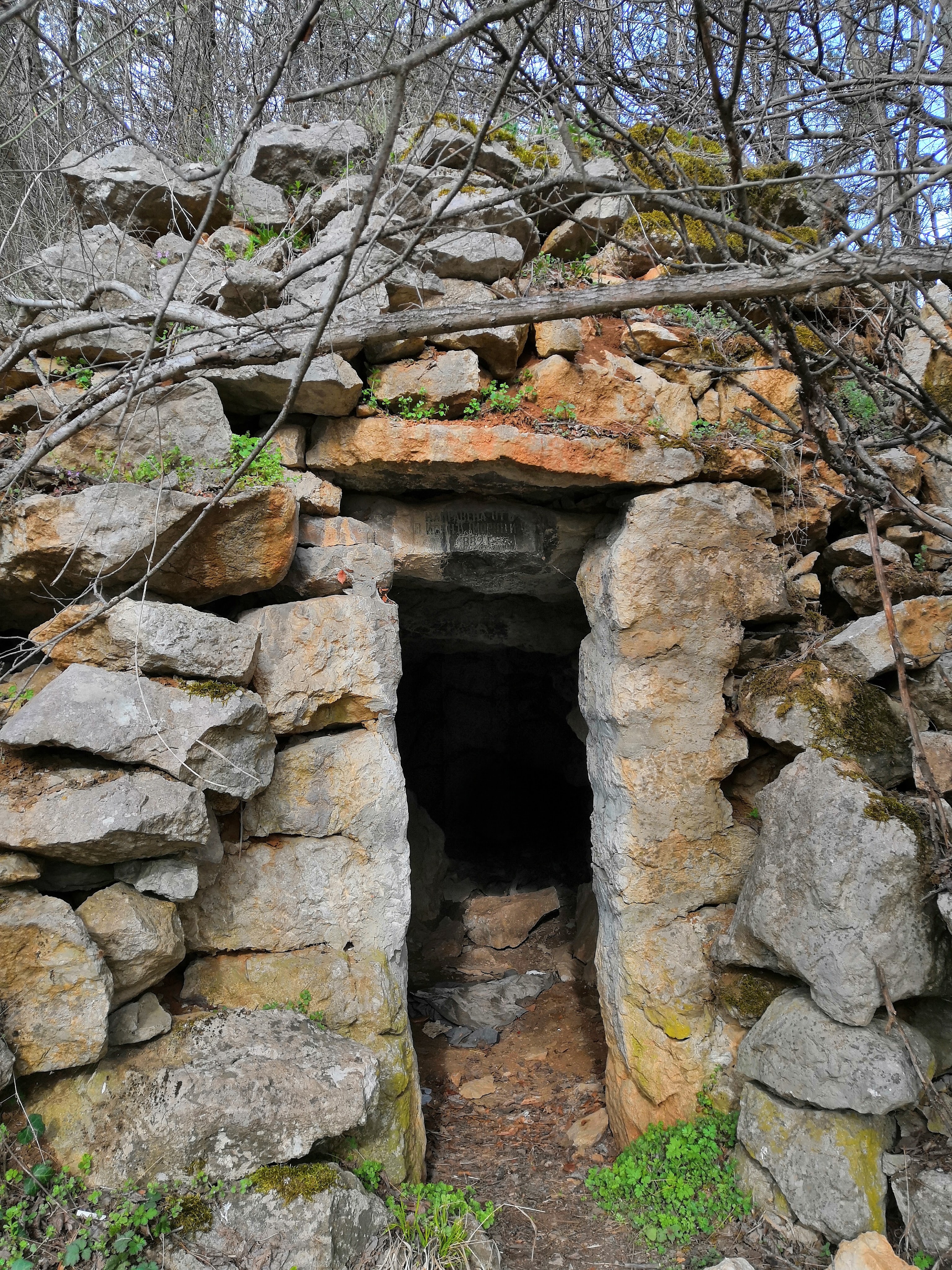
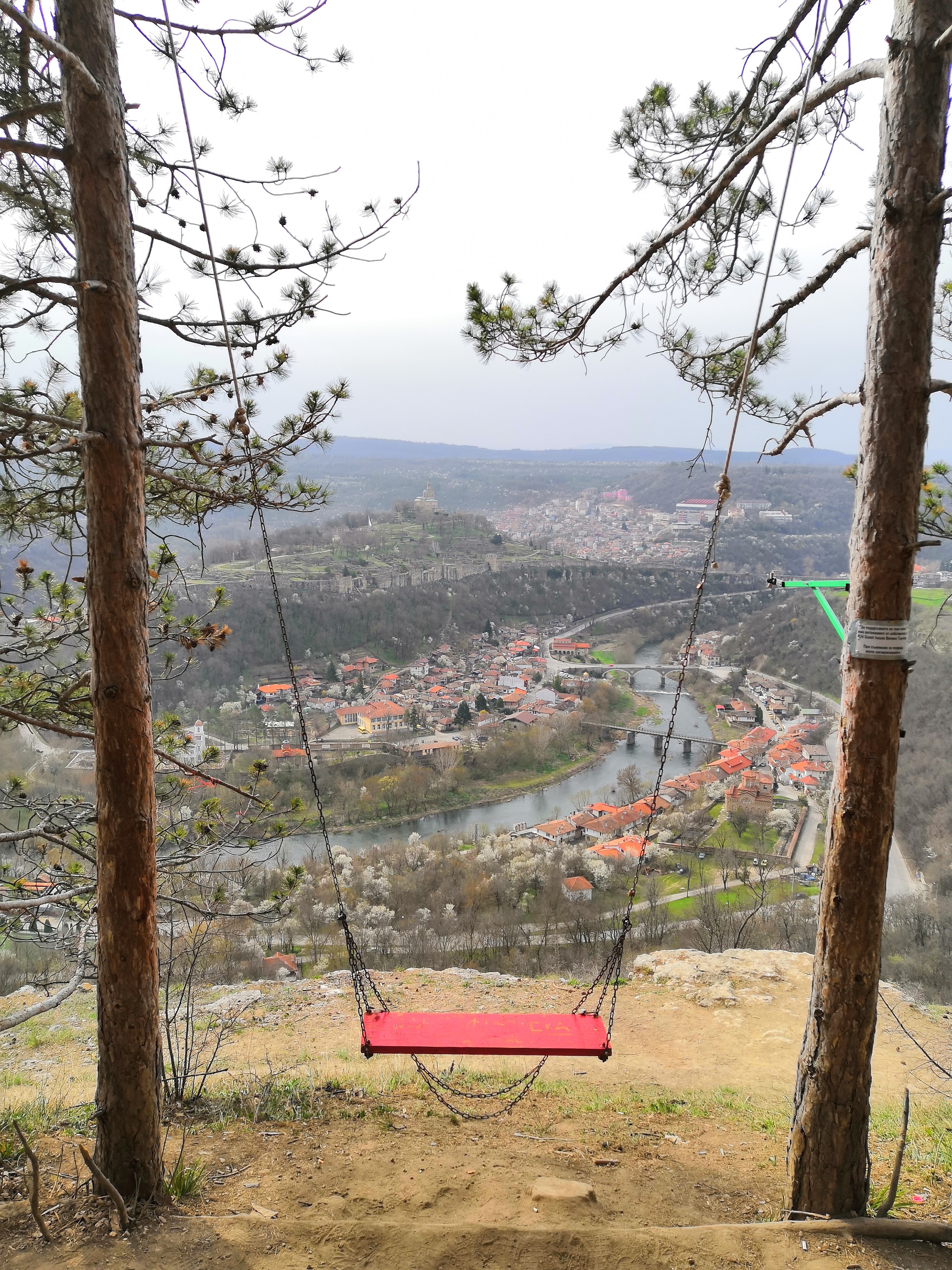
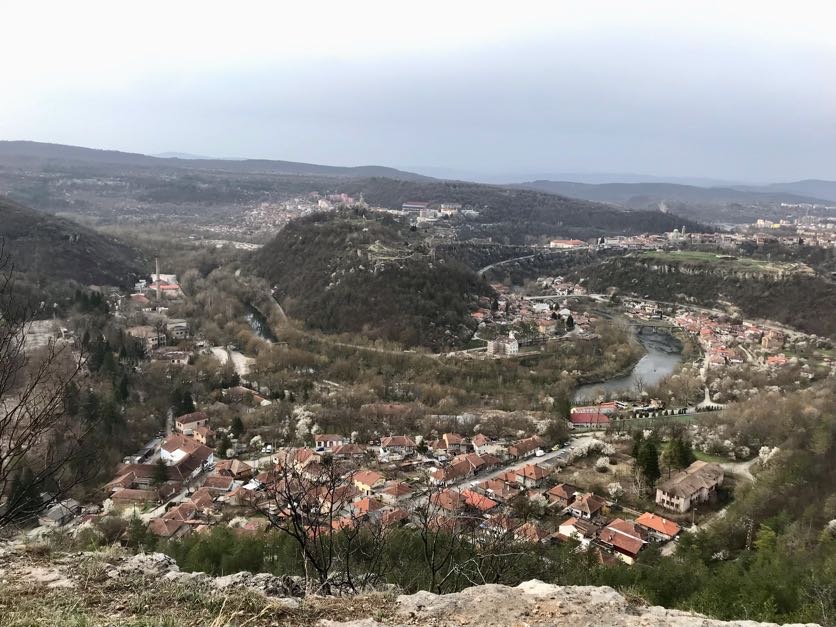
A short 1 hour long hike brings you to a small swing overlooking a breath-taking view of the medieval town, making this a must on any visit to Veliko Tarnovo. It is not easy to find this place, but I will, at one point, detail how we arrived at this amazing spot.
Tsarevets Fortress
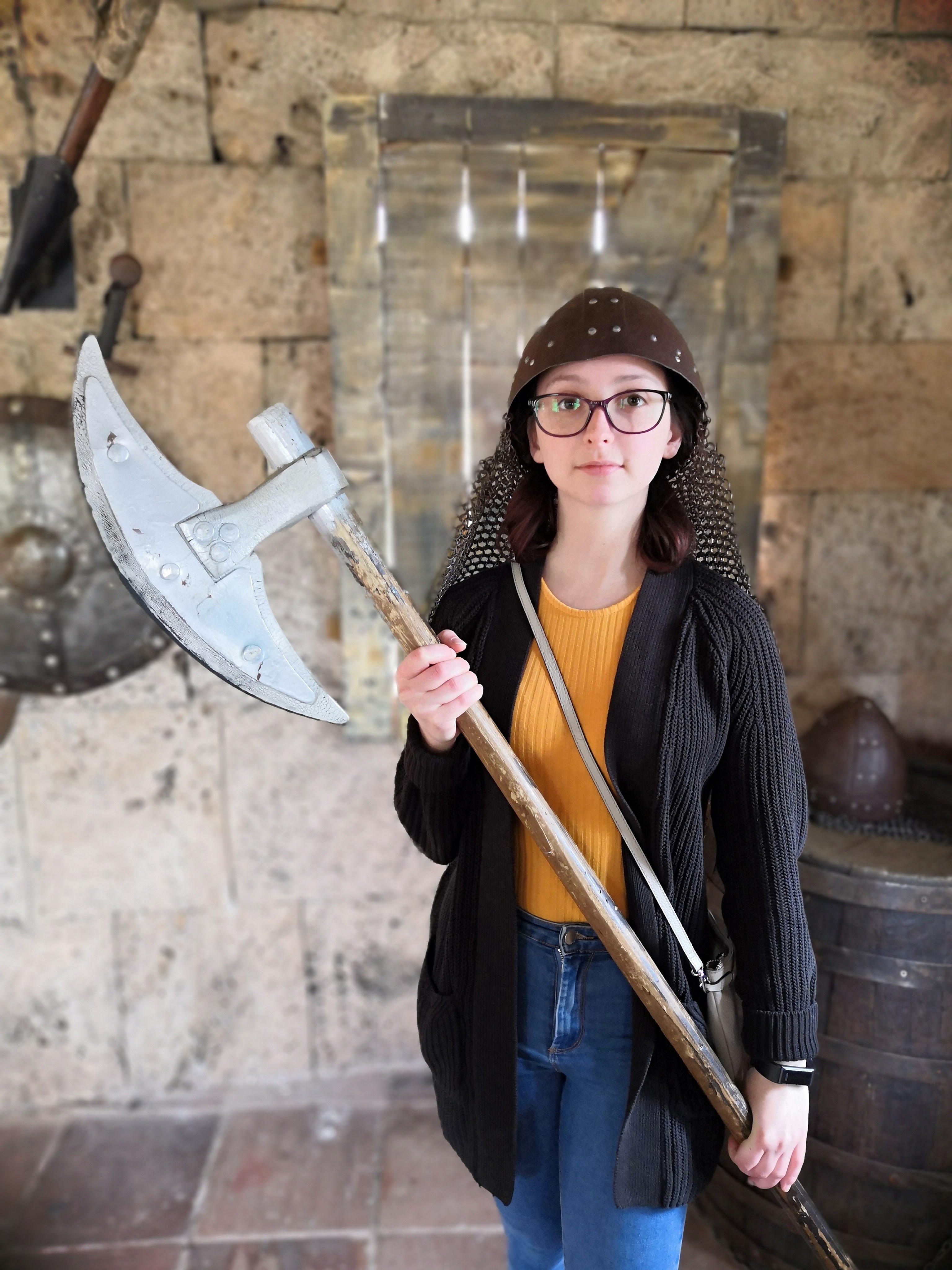
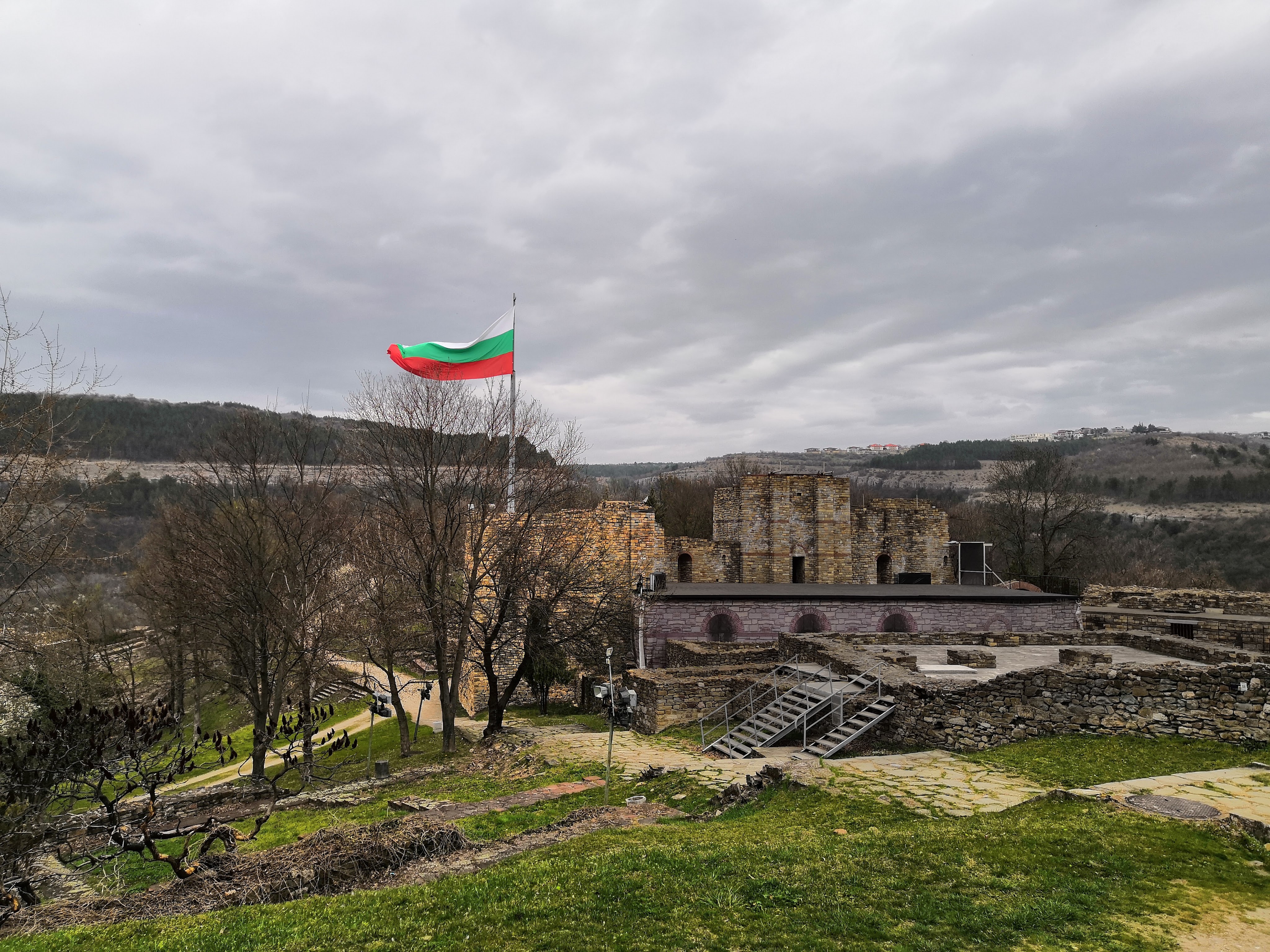
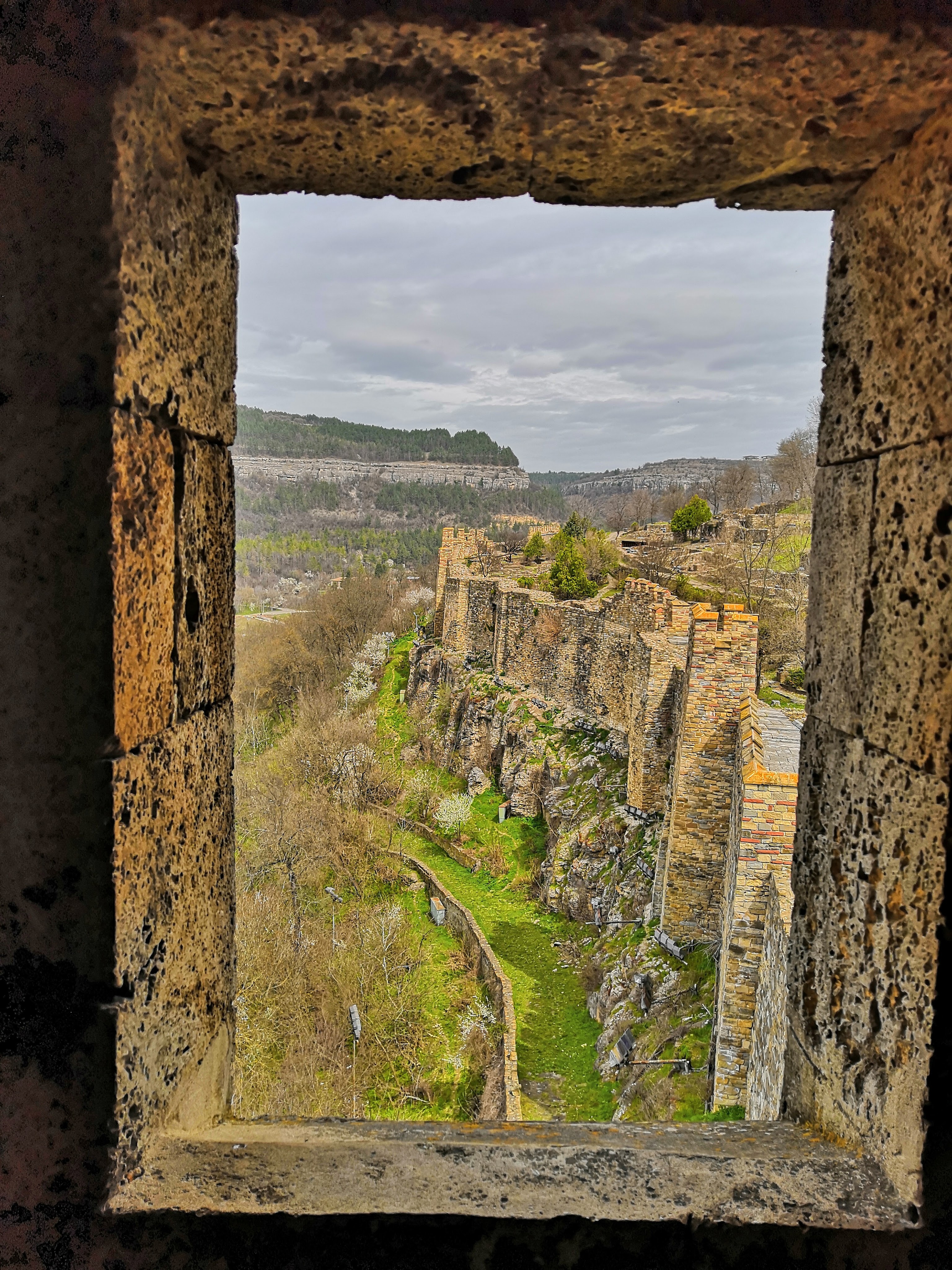
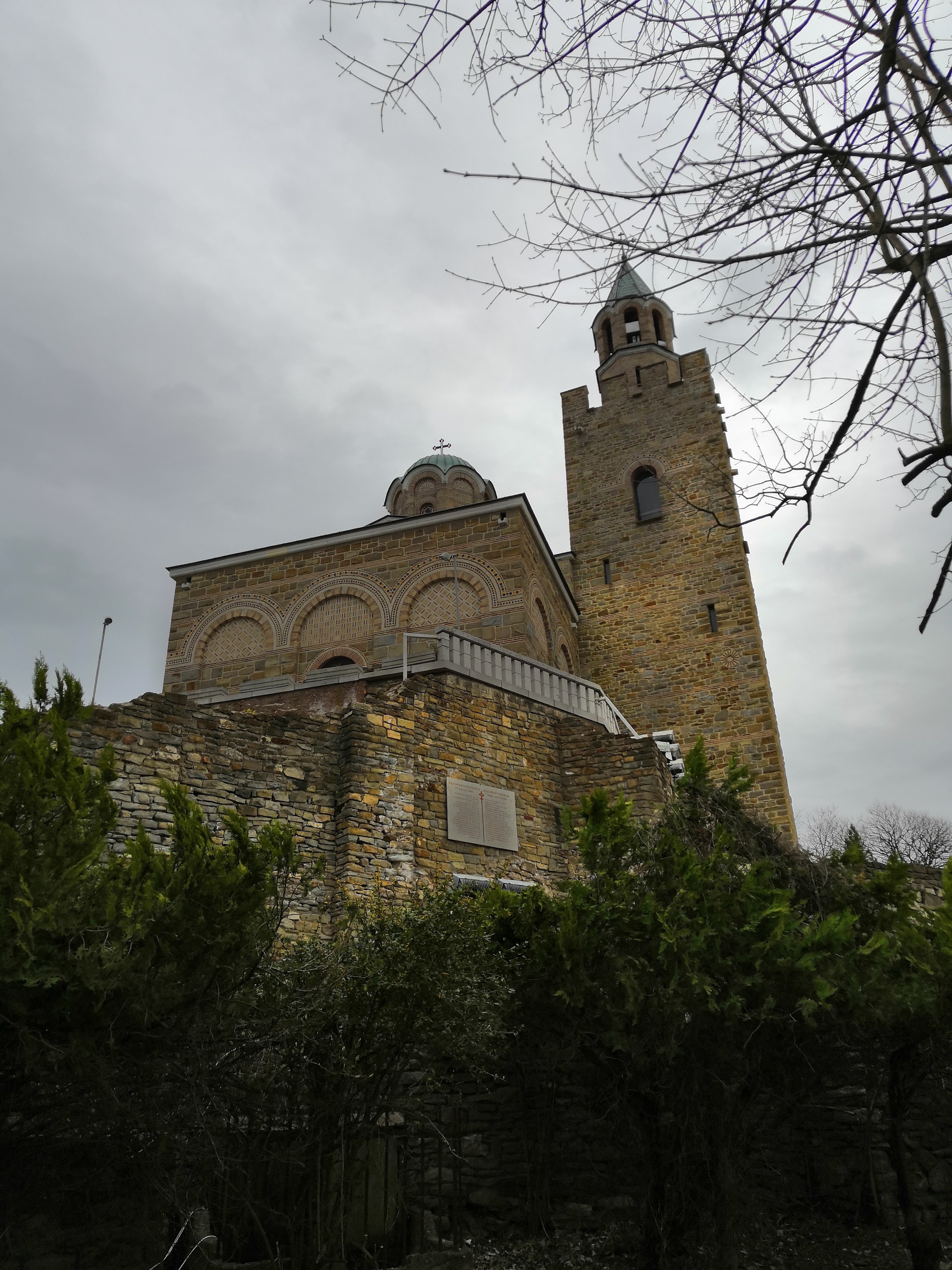
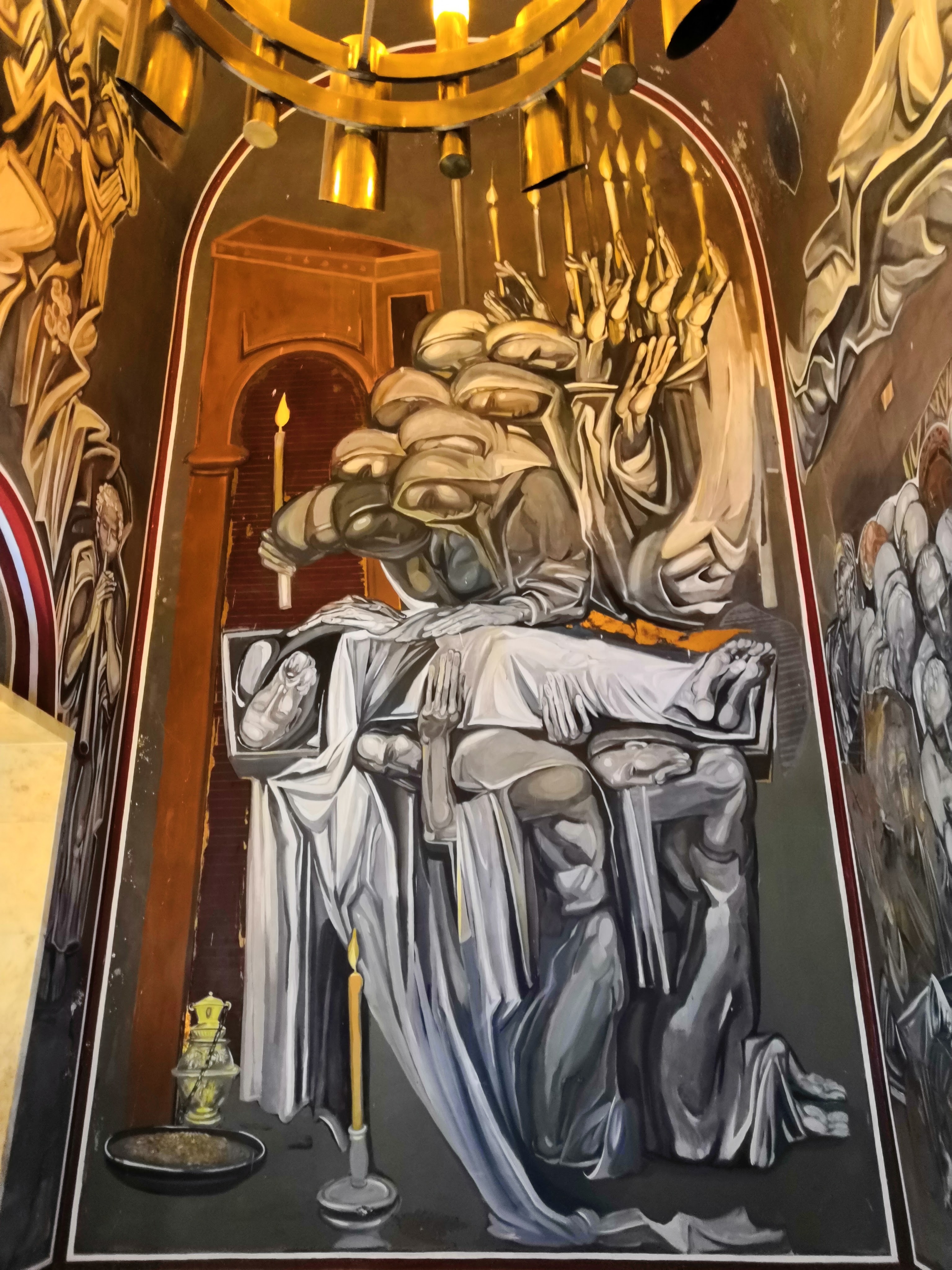
The fortress where the former Tsars of Bulgaria made their home. Nowadays, it is mostly ruins, with some parts (most notably it’s church), being somewhat restored. It’s a great place to wander around for an hour or so, and catch some lovely views of the city. Also, entrance was free for us, though there are ticket gates installed, making me think entry is paid in certain seasons.
Park “Sveta Gora”
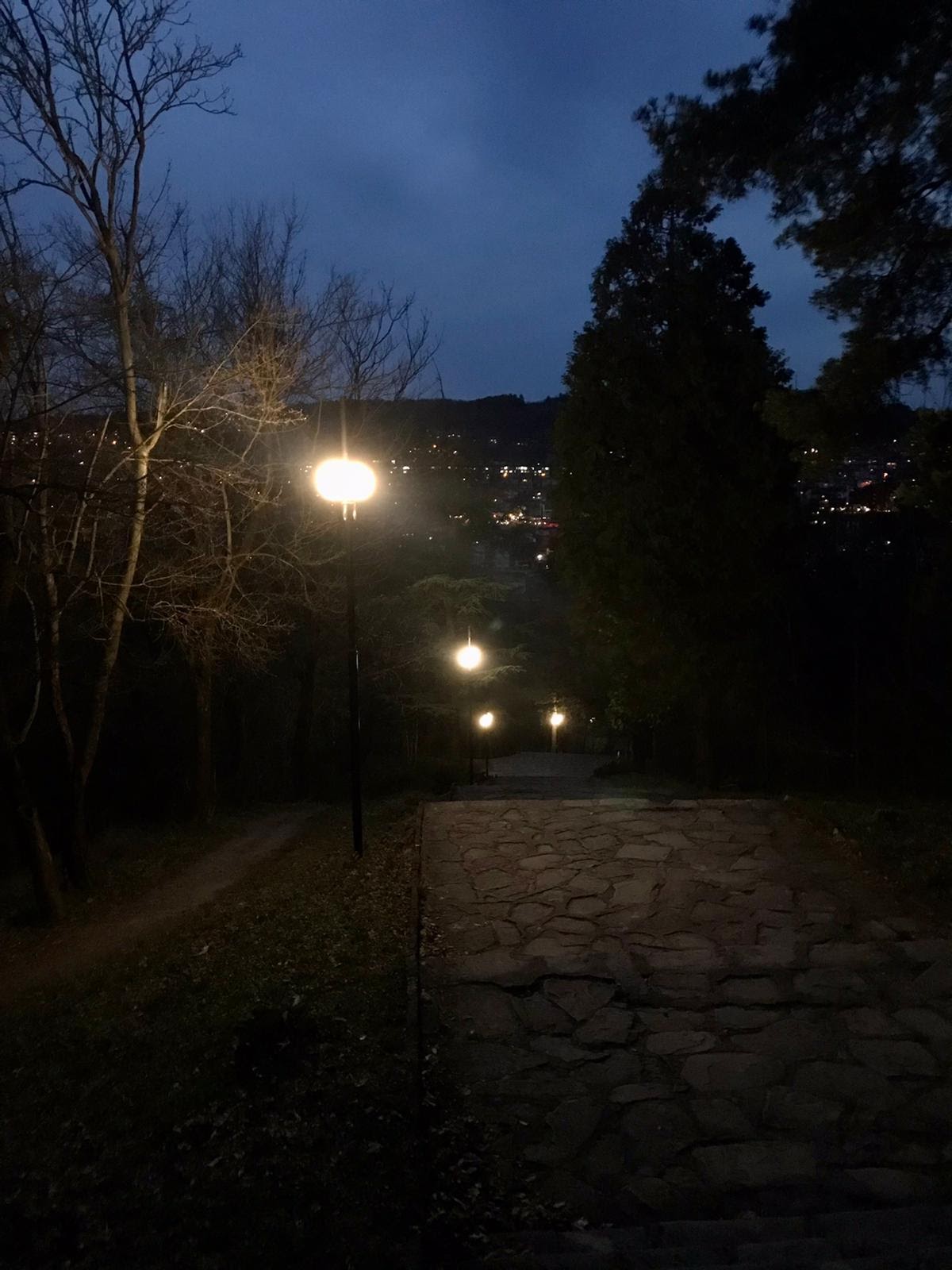

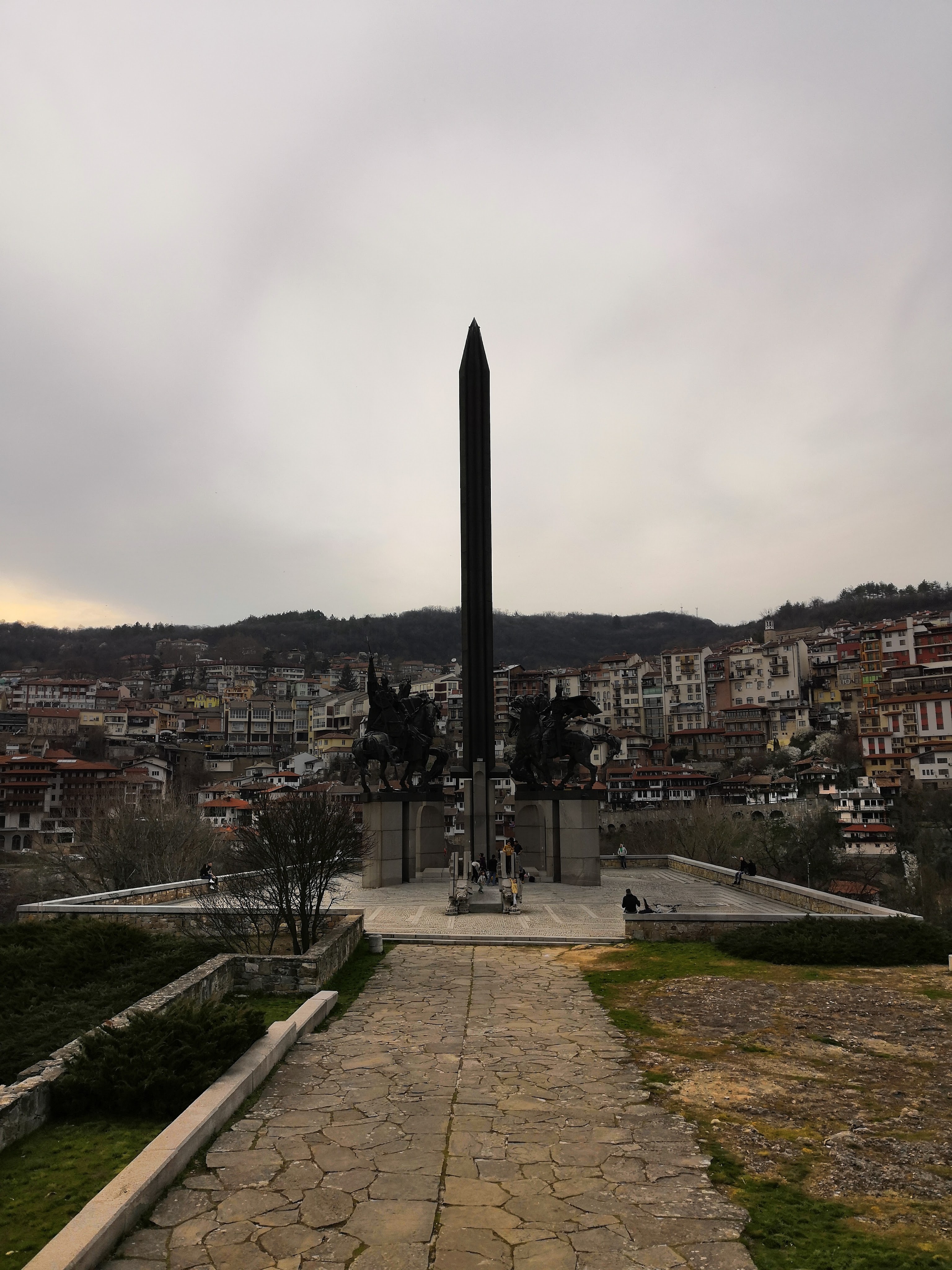
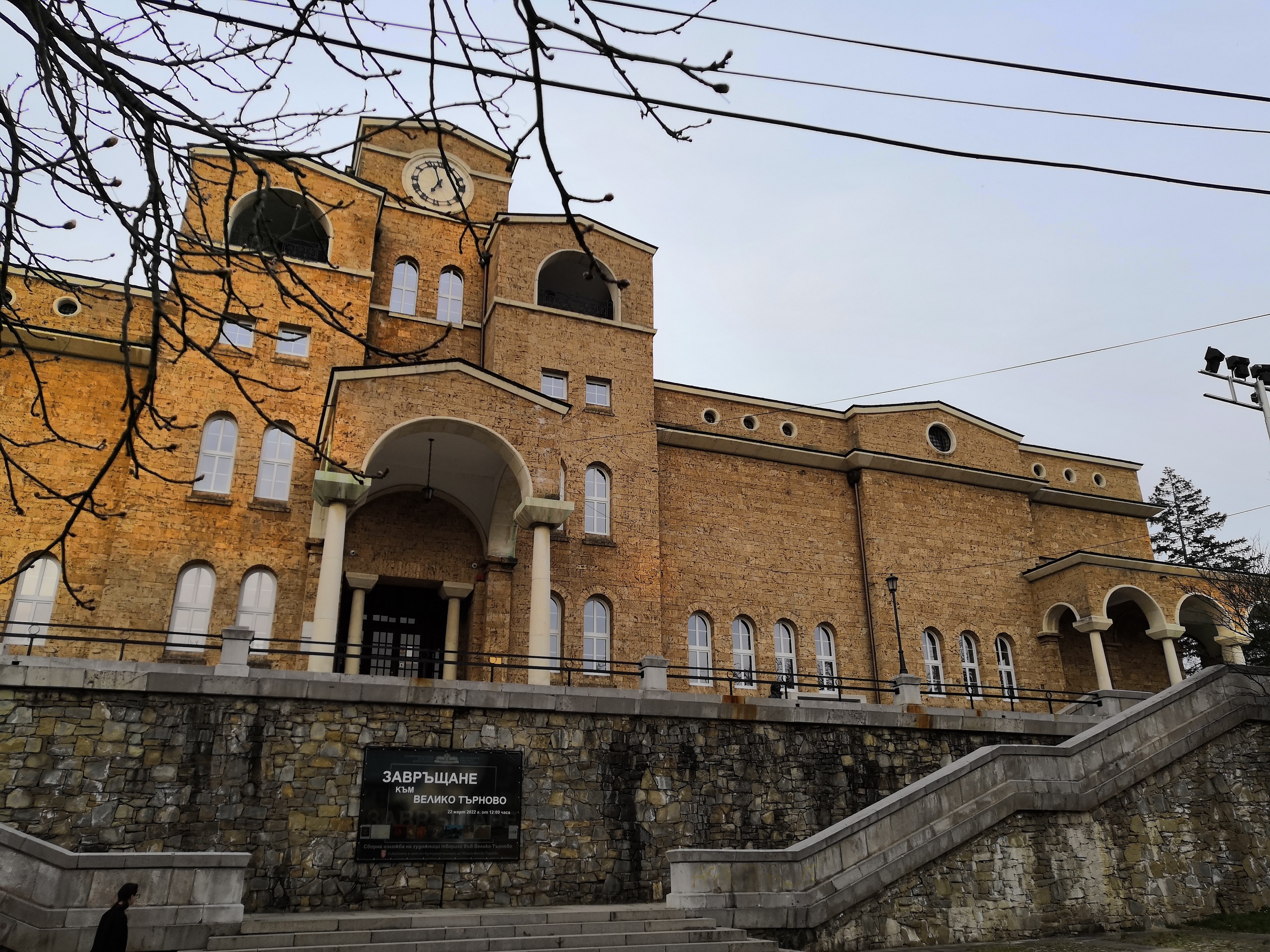
On the southern bank of the river Yantra, there lies a park which is dotted with numerous attractions, such as the monument to the Assen Dynasty, and a “sky bridge”, essentially a viewing platform.
Interhotel Veliko Tarnovo
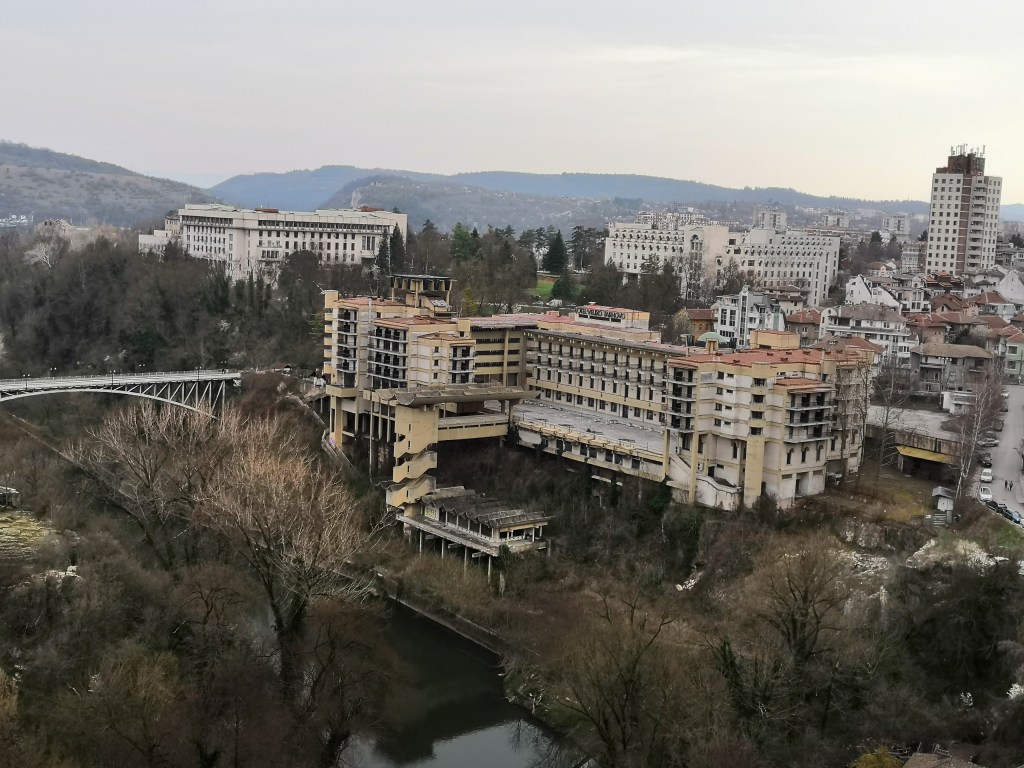
This is not so much a toursit attraction, but I wanted to write about the fascinating story behind this building. It was built in the 60s or 70s as a huge hotel complex designed to house hundreds of tourist in relative luxury. Unfortunately, with the fall of Communism, tourism and funding dried up, and it fell into disrepair and partial abandonment. Nowadays, it still (sometimes) operates as a hotel, though it seems to be closed as of the writing of this post, but still stands as an interesting monument to Bulgaria’s Communist past.
Conclusion
Veliko Tarnovo is a beautiful, atmospheric town that is well worth seeing. It’s geographically in the centre of Bulgaria, and so is worth a visit from any of the other major destinations in this country.
 We May Roam
I’ve not been there in decades. Your post made me want to visit Tarnovo again.
LikeLike
As well you should! It’s a beautiful city filled with so much history!
LikeLiked by 1 person