
Introduction
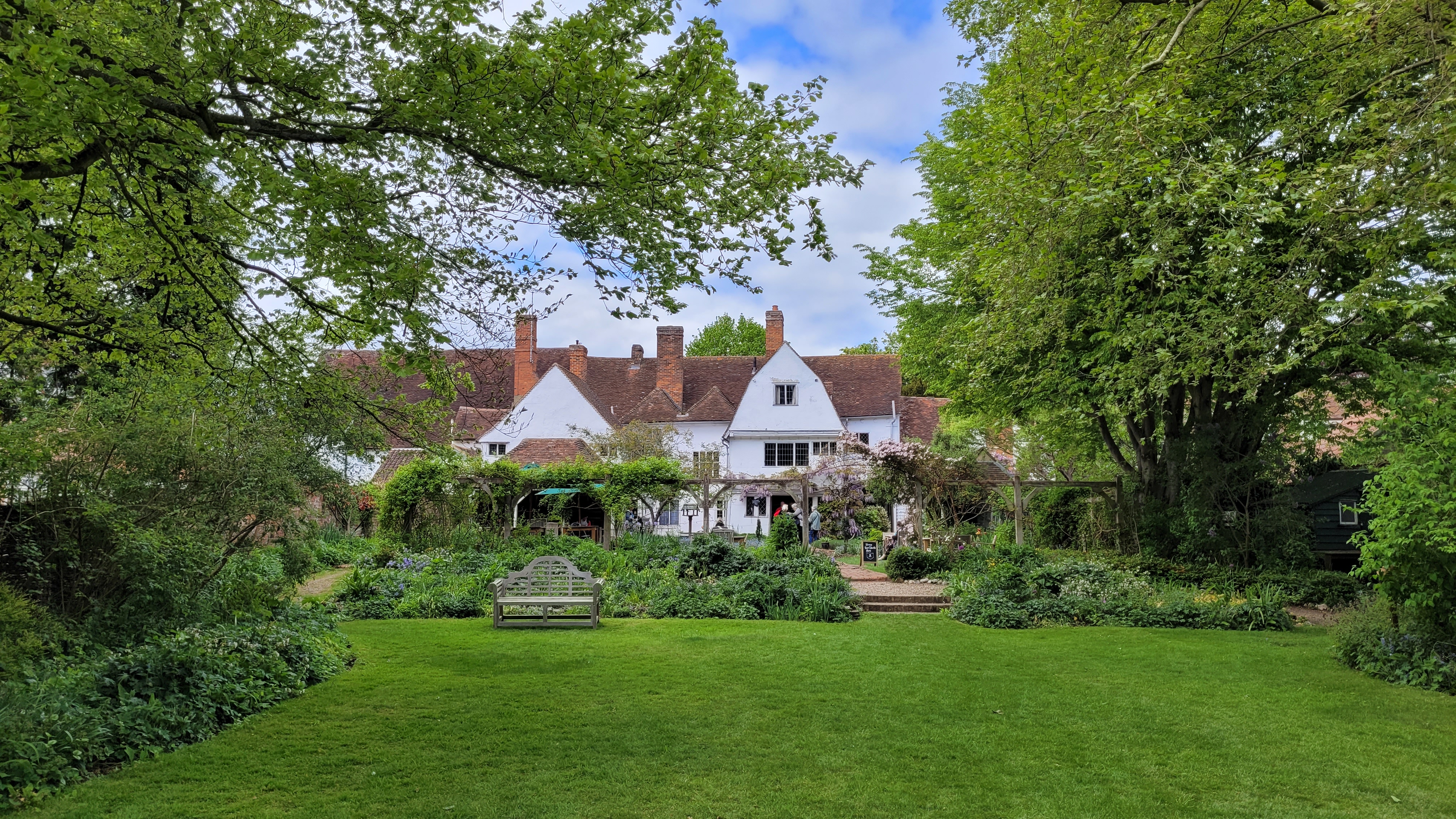
Coggeshall was at the apogee of it’s wealth and influence in the Medieval period thanks to it’s wool trade. This enabled merchants such as Thomas Paycocke to build houses such as these throughout the wool-rich parts of England. Now, they stand as reminders of such town’s more splendorous pasts.
Quick Facts
- Location: Coggeshall, Essex
- Price for Adult: £11.00
- Time Needed: 1 hour
- Getting There: Walk from the centre of Coggeshall, which is easiest to reach by driving
- Website Link
History
Coggeshall grew very rich from the production of cloth, which was desired and sold as far as Constantinople in the Ottoman Empire. Men like Thomas Paycocke made their fortunes from selling this cloth. Paycocke built this house in the 16th Century to serve as an office – there is plentiful evidence that it was never intended for residence: there was no fireplace in the original building, for example.
Being the Tudor equivalent of an office skyscraper, Paycocke built this house to impress. He was also a well-travelled man, and would have been aware of the architectural fashions on the Continent. The exterior is richly decorated with engraved wood and intricate carvings, presenting religious scenes, and important people.
As the wool trade died off, the house was converted into an actual residential structure, with an added fireplace and other changes. It passed through multiple owners, but by the 20th century, the house was falling into severe disrepair.
In 1906, the house was scheduled for demolition, but was rescued by Lord Noel Buxton, a descendant of the family who had once owned the house. He spent a fortune restoring it, and left it in the care of the National Trust, who look after it to this day.
Our Visit
You have to prebook a particular tour time, which we did on the very day we decided to go to Coggeshall. There were plenty of slots open. The tour starts with the most impressive and interesting part of the House, the exterior.
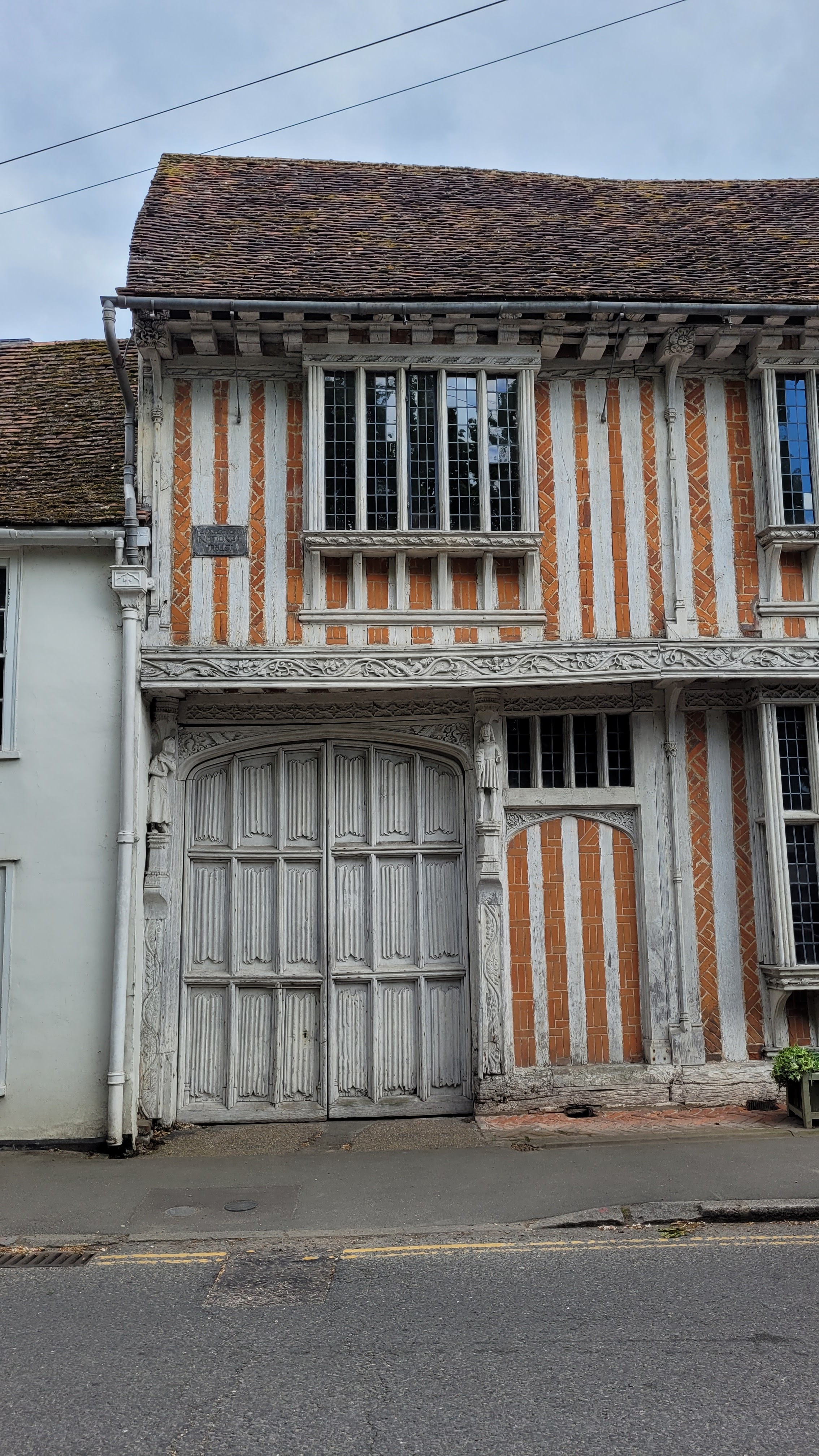
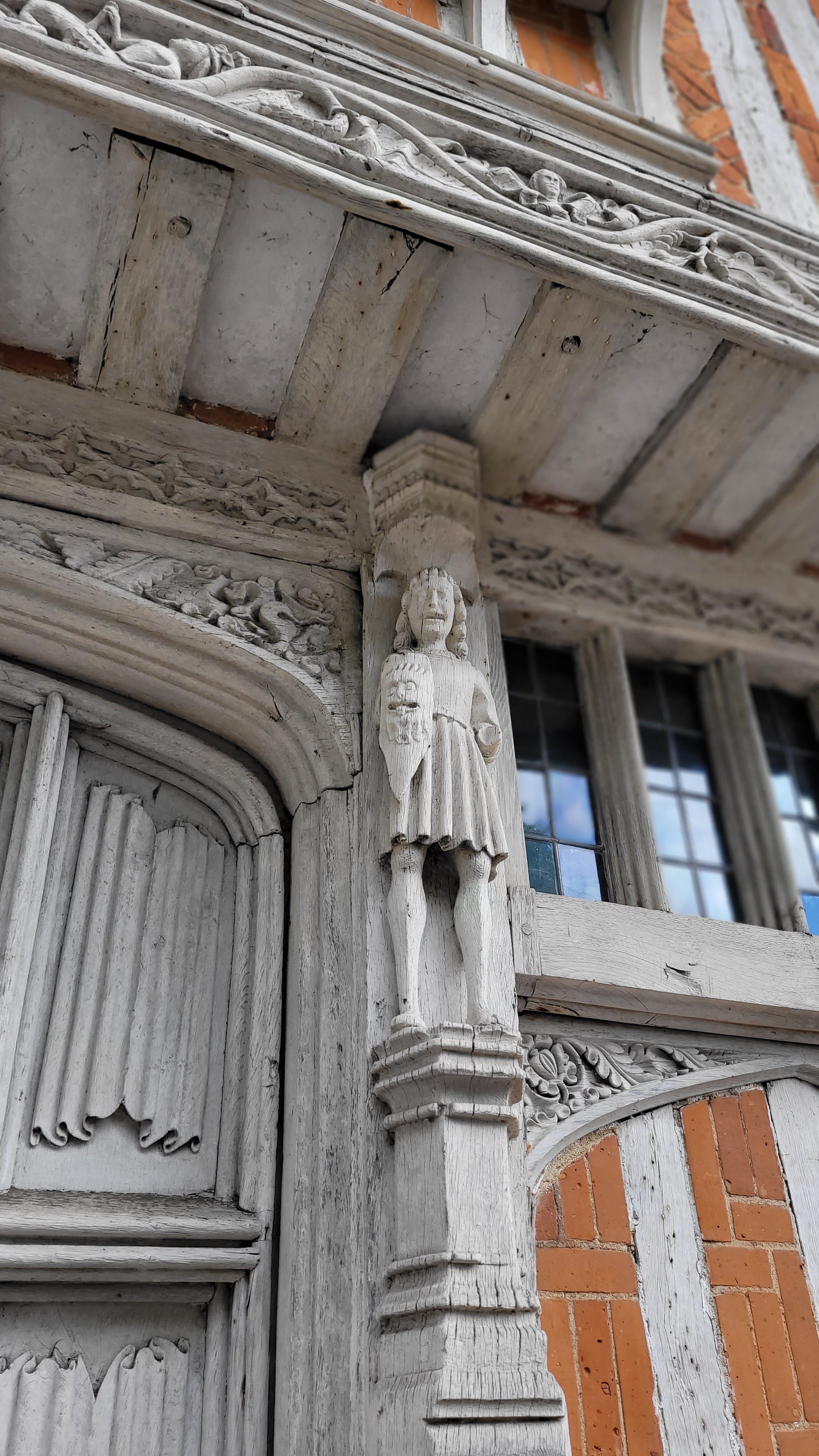
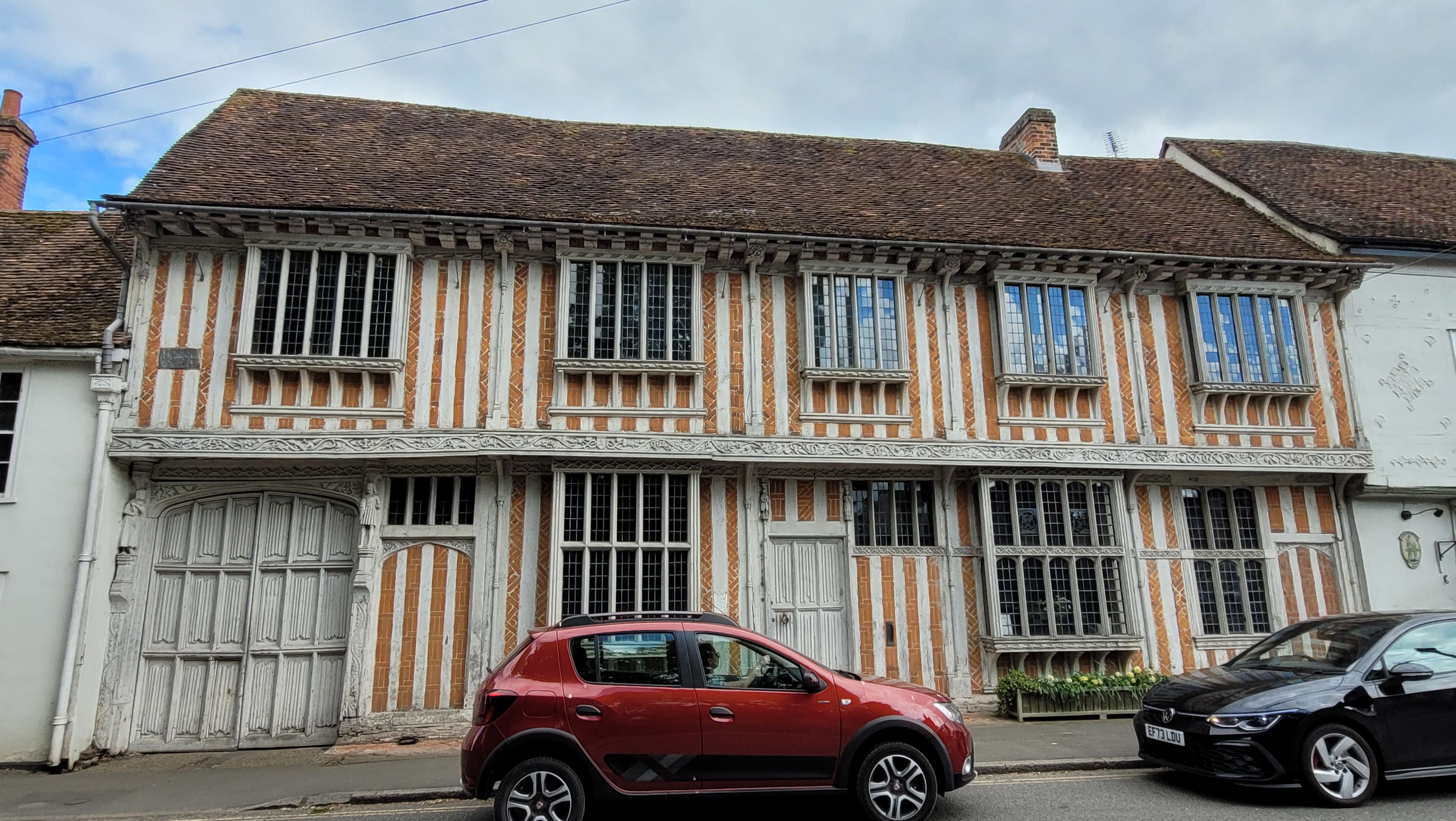
We were told some of the wider context behind the house, after which our tour guide went into a long explanation of the various carvings, statues, and reliefs adorning the outside of the house, emphasising how each of these displayed Thomas Paycocke’s wealth, status, and political loyalty to the Tudor monarchy.
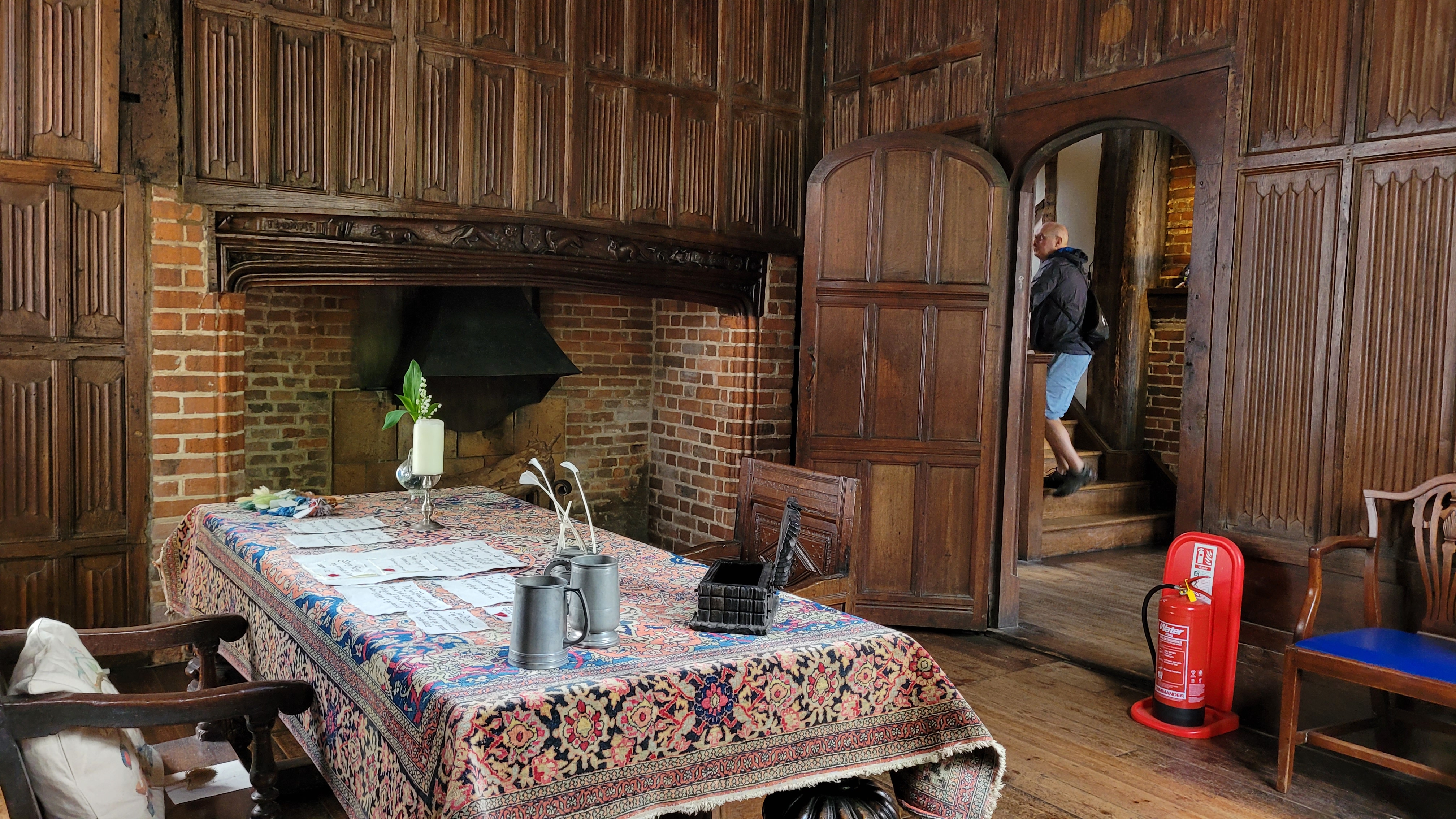
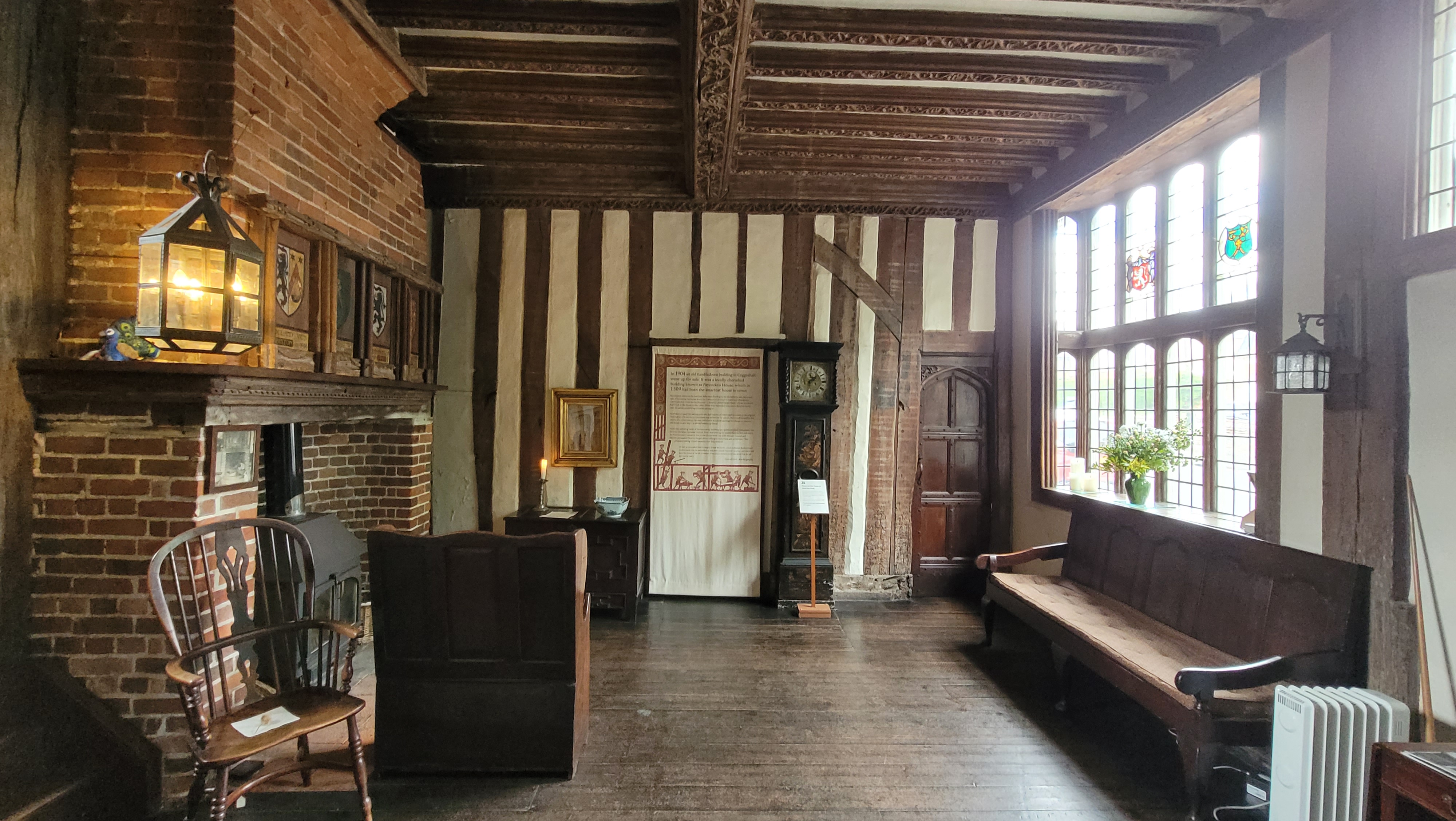
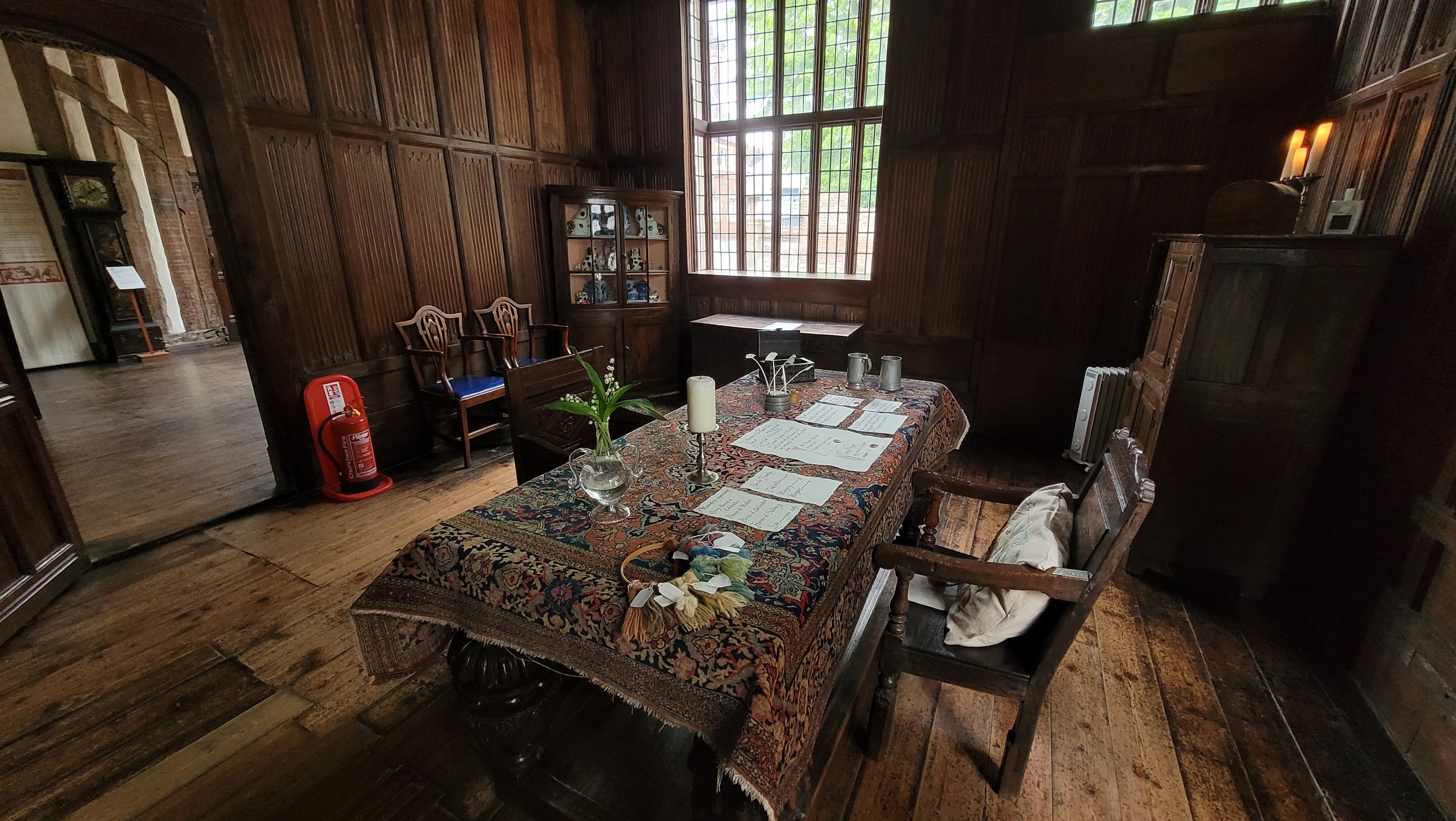
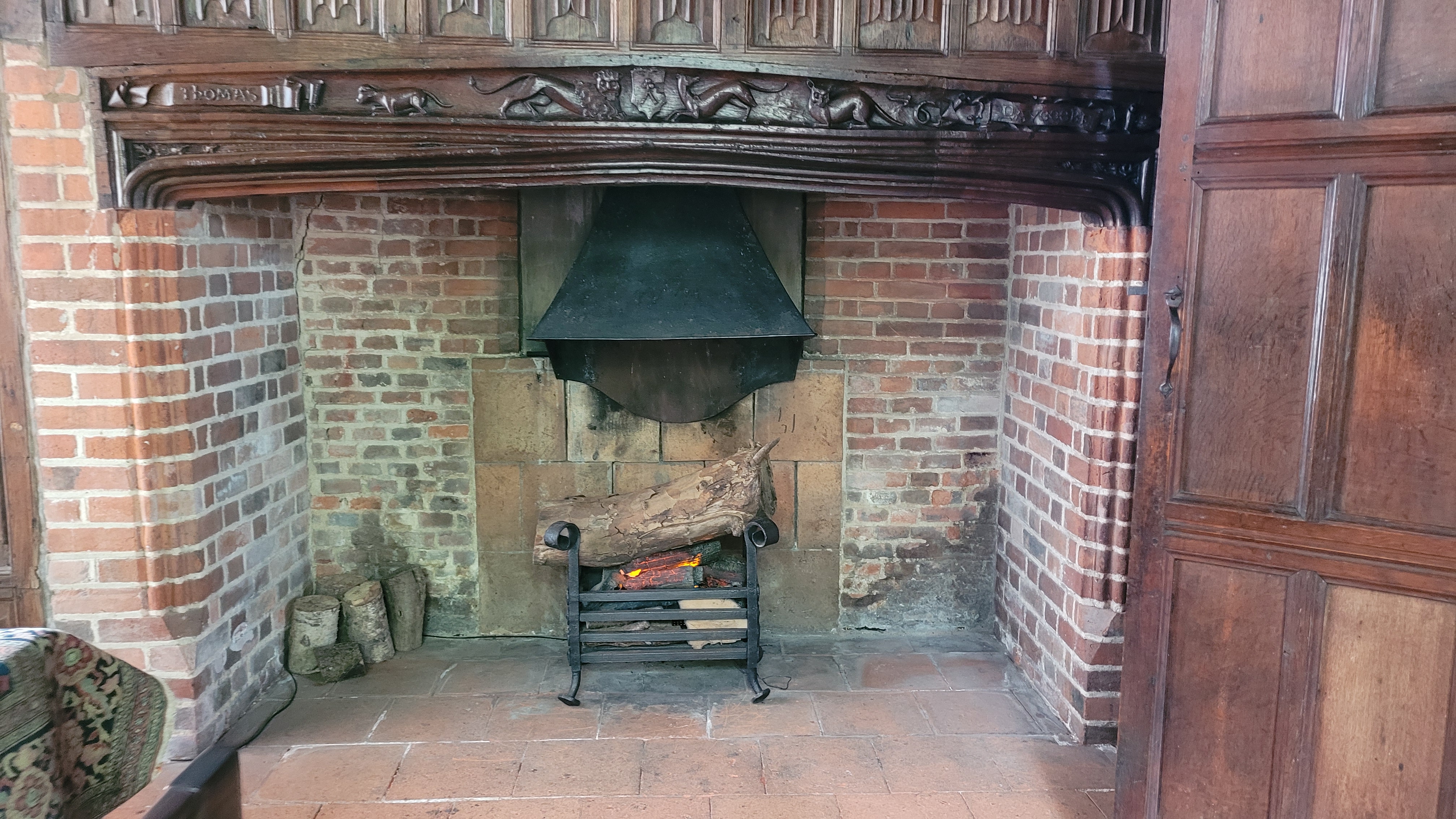
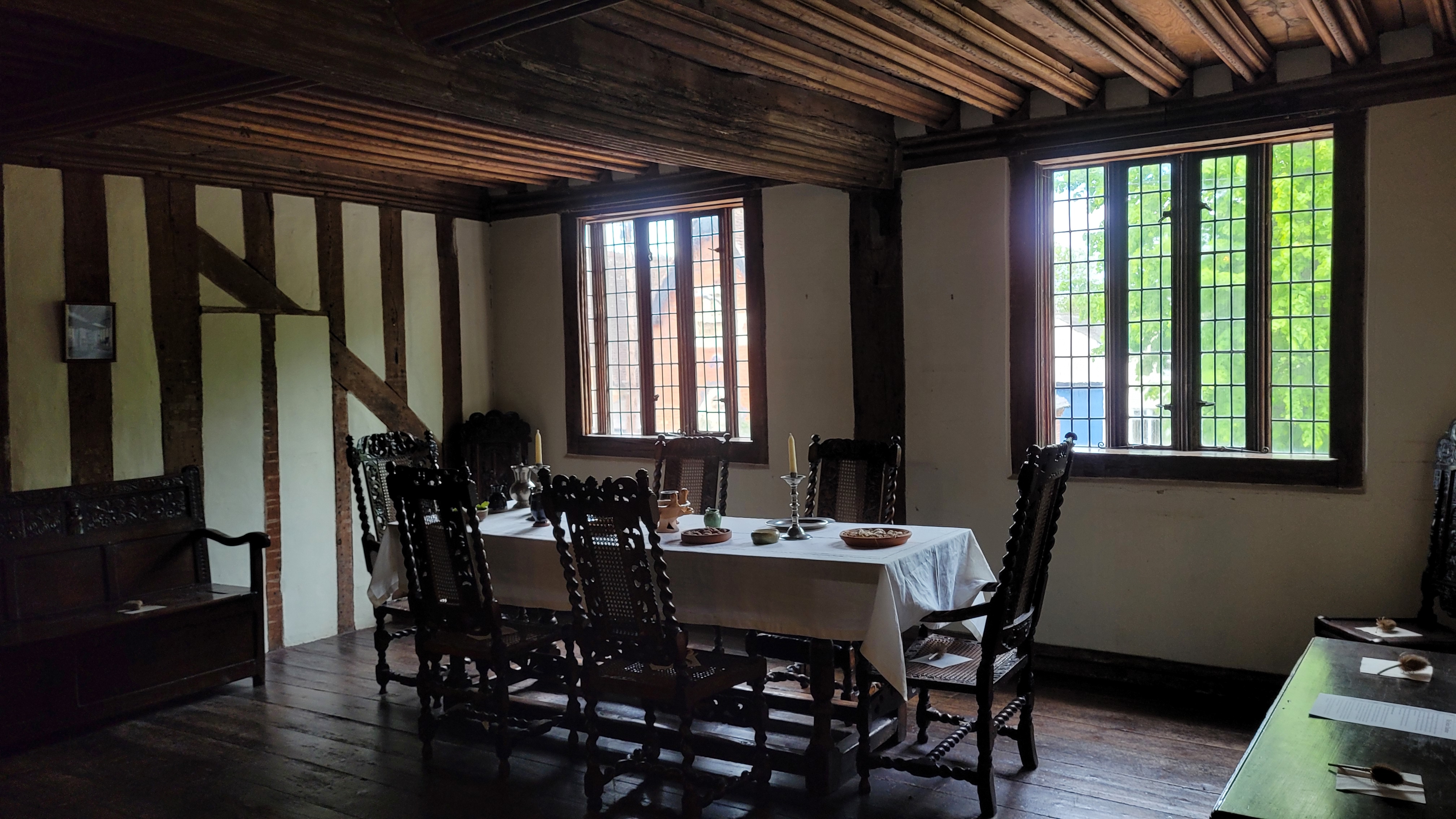
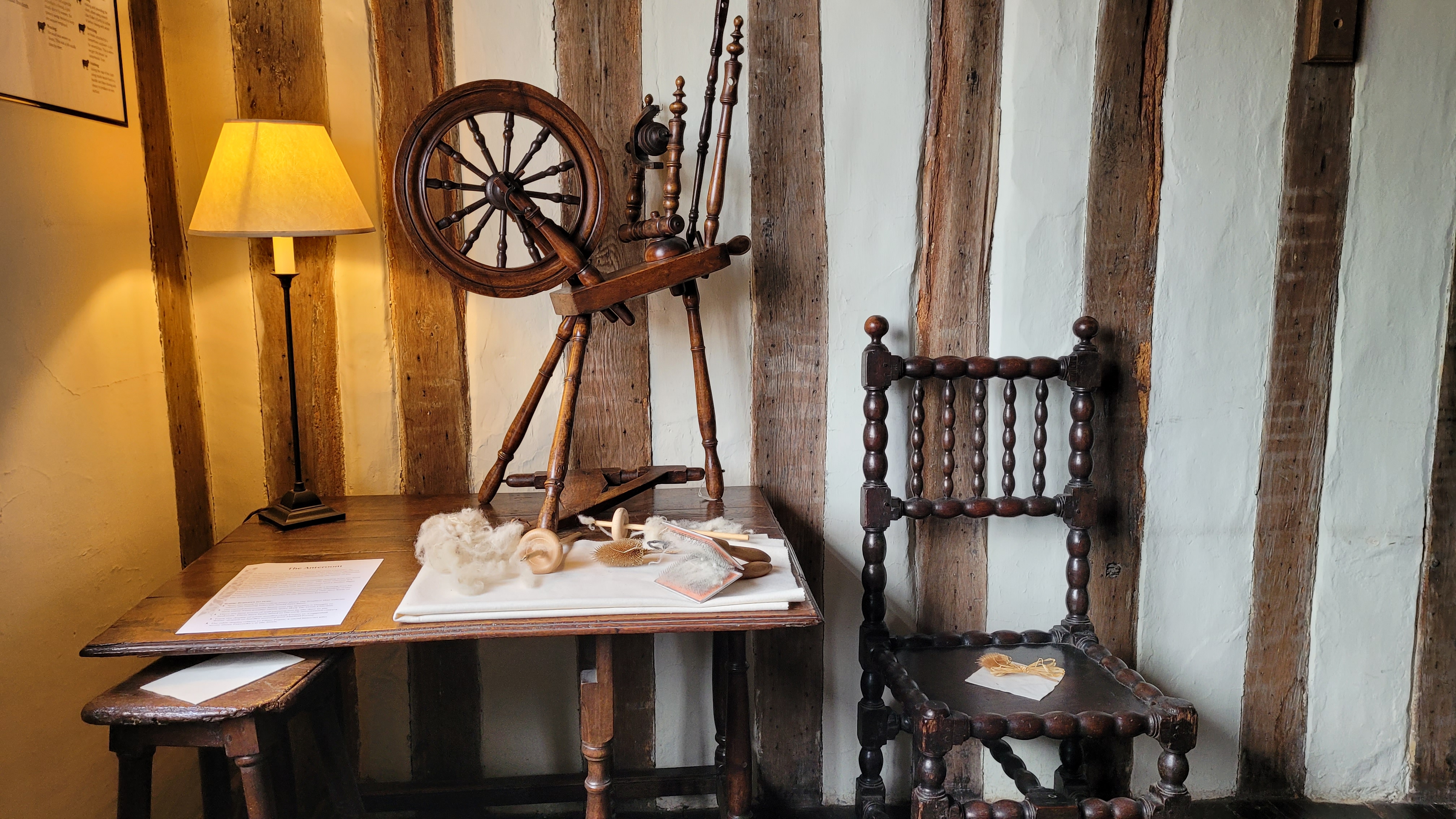
We were then taken inside and shown around the rooms, whilst the guide explained the history of the wool trade in Coggeshall, the particulars of Thomas Paycocke’s life, and finally the story of the house itself, and how it got into the hands on the National Trust.
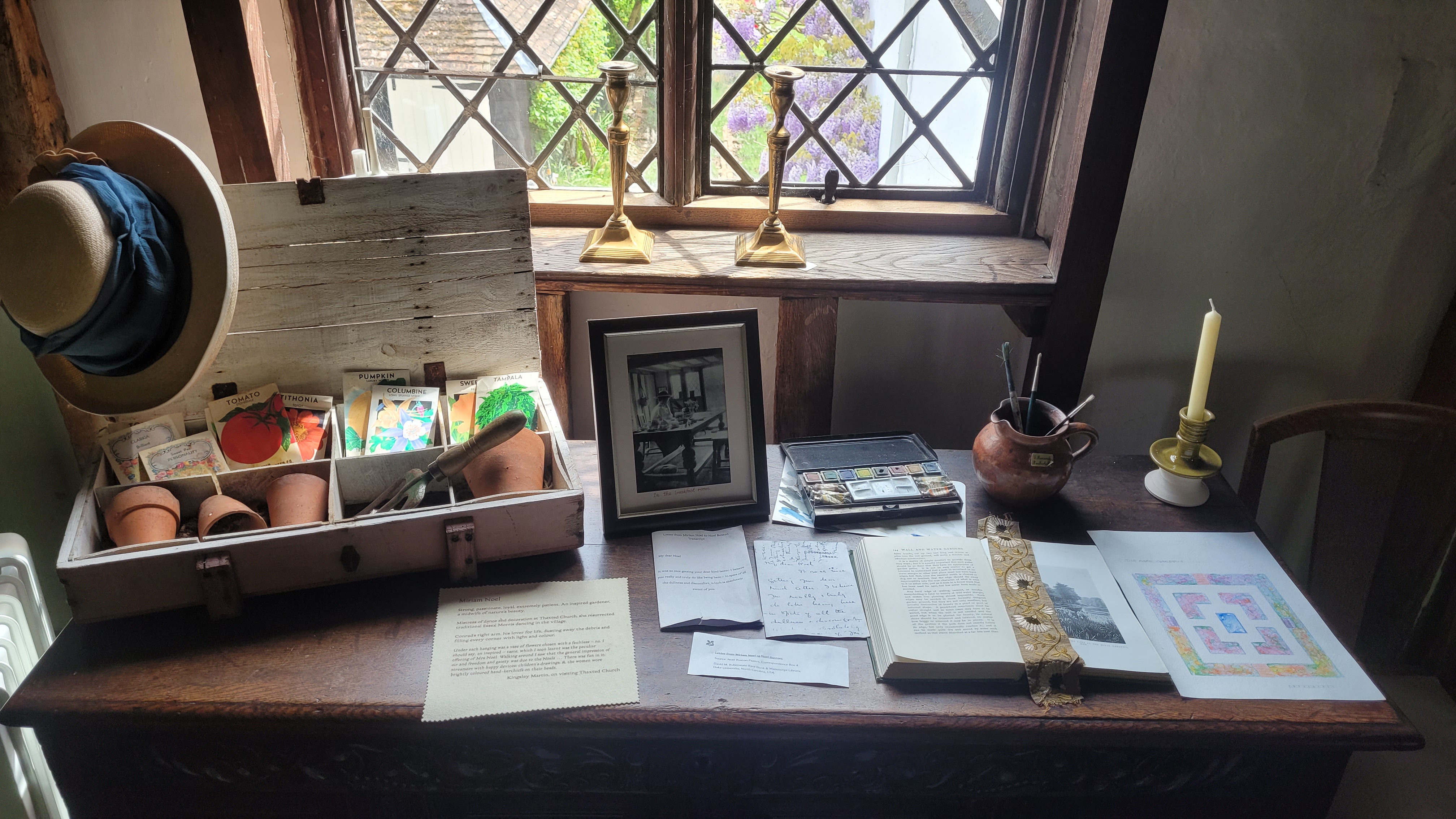
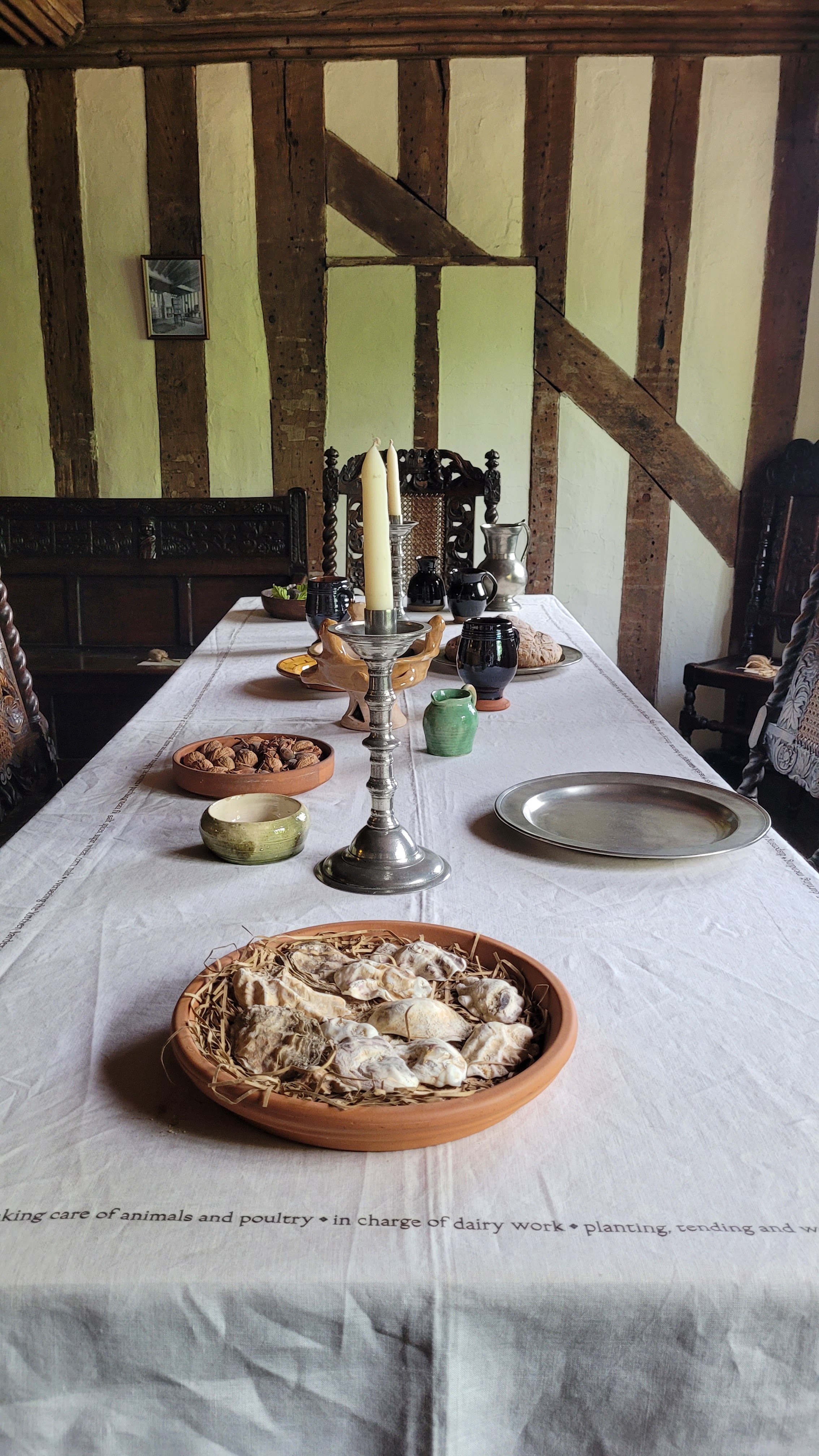
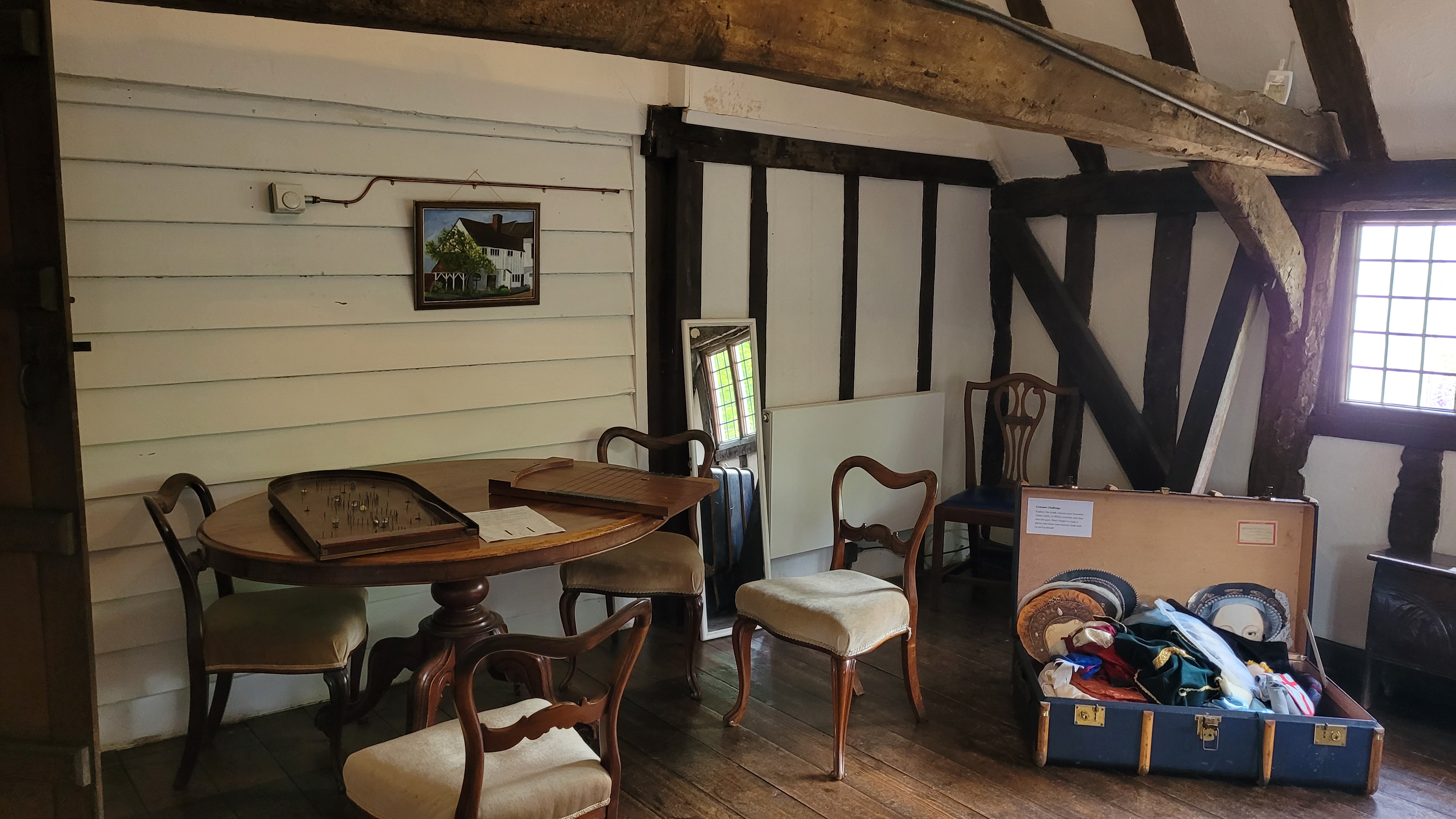
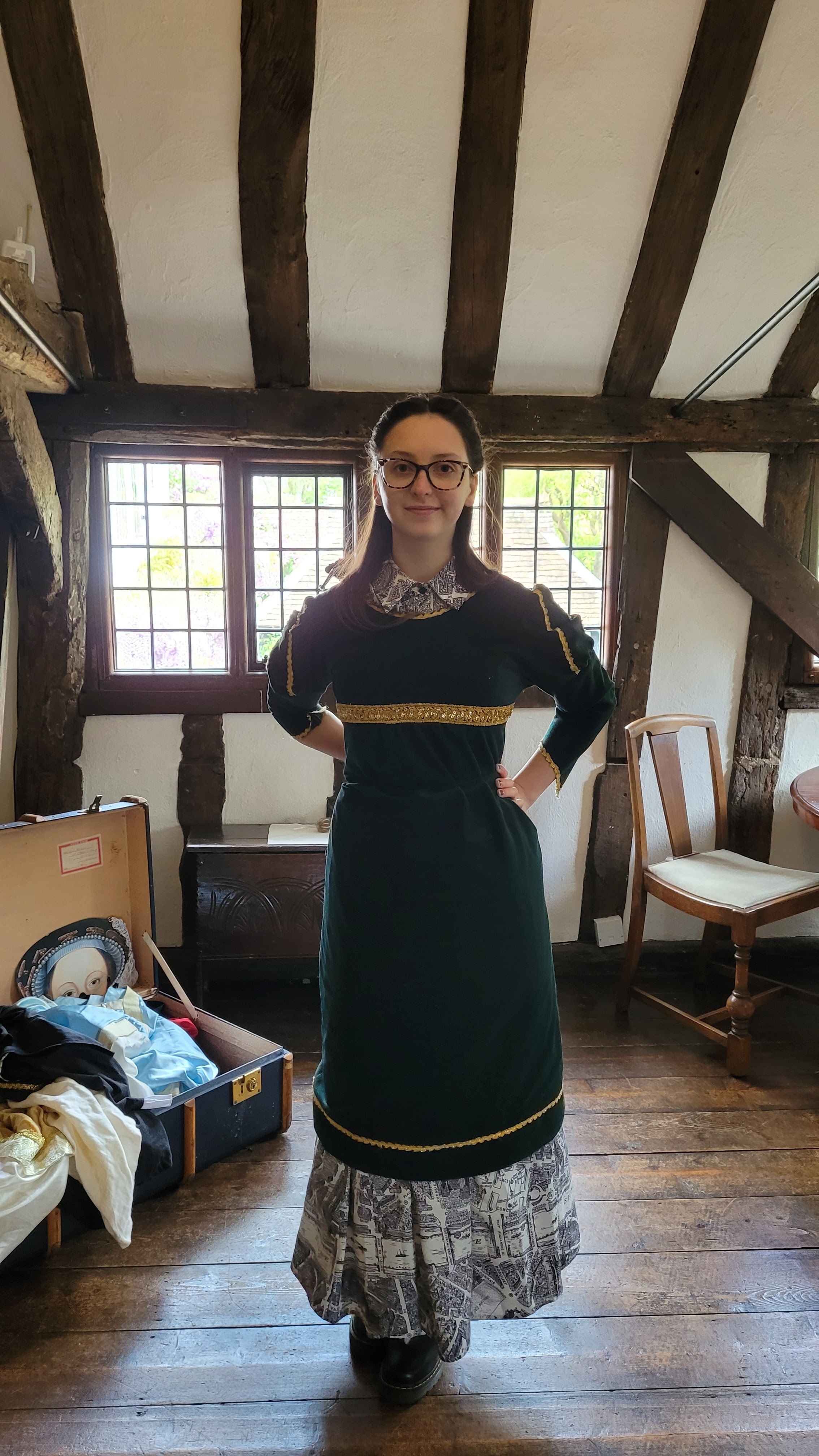
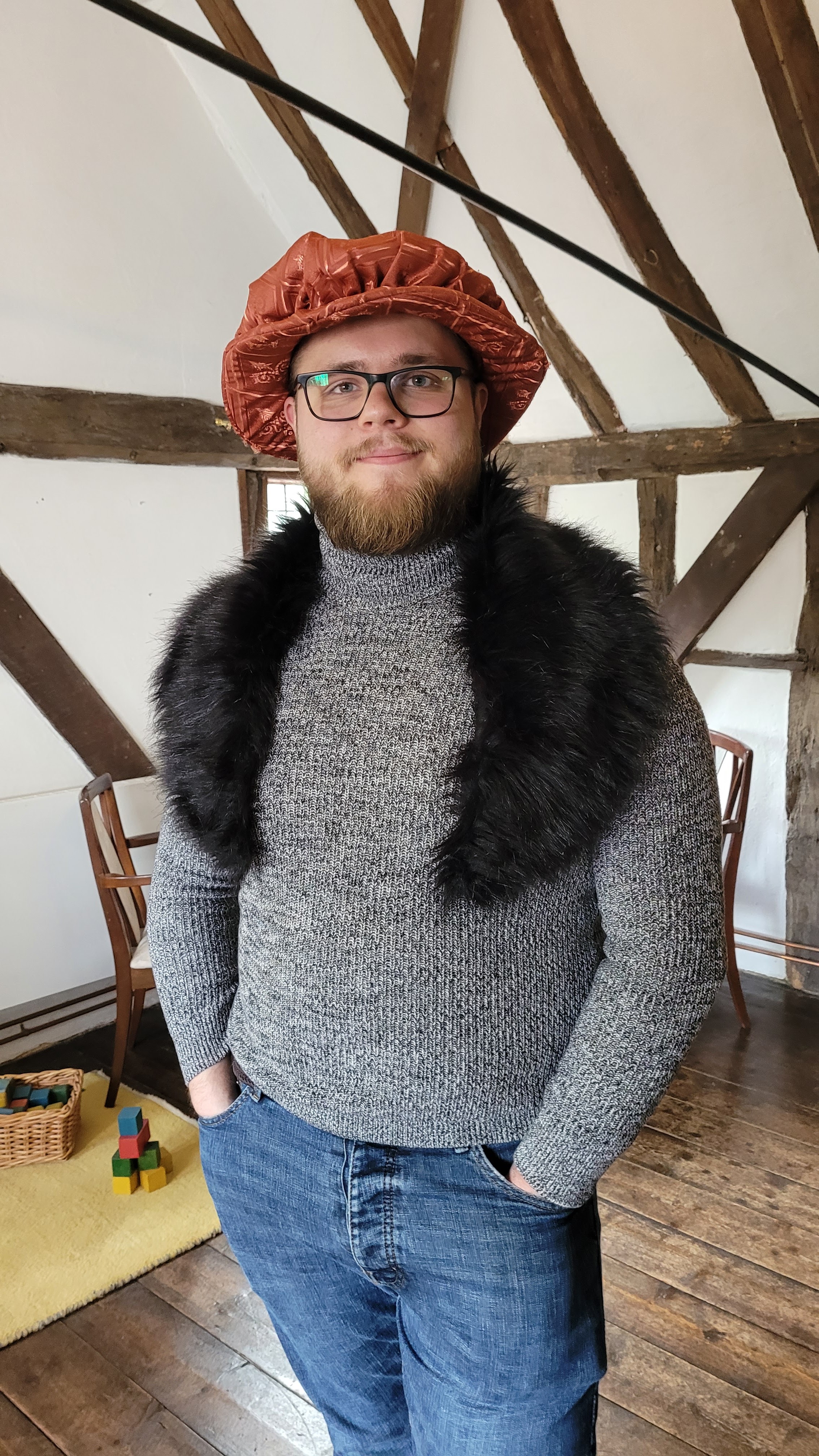
At the end, we could wander around the upper floors by ourselves, and explore a few displays they had about deeper history. We also took the opportunity to dress up as Tudors!
Conclusion
Though far-from ground-breaking, Paycocke’s House and Garden is very pretty, and very well-preserved for it’s age. It is well worth a visit if you are already nearby by Coggeshall for any reason!
 We May Roam