
The City of the World’s Desire, Istanbul has been an important city since it’s founding in the 4th century AD, and the centre of empire’s for the vast majority of it’s existence. It’s little wonder that it’s a city filled to the brim with culture, architecture, and religion.
At a glance…
- Days To Spend: 4 to 7
- Get Around: Metro, tram, bus, or your own two feet!
- Get In and Out: By flying most likely, or by train
- Pay: Best to use physical Turkish Lira
- Speak: Turkish is great to use, but most people speak English
- See: Mosques, Churches, Tokpapi Palace, Beyoglu District
- Should you go?: Yes, if you can deal with the harassment
General Impressions
Istanbul has always been one of my top cities to visit, and much of it failed to disappoint. The palaces are grand, the mosques are beautiful, and the Hagia Sophia practically takes your breath away. Not to mention, the city is huge and incredibly diverse – each district offers something slightly different. making it a city that you practically want to get lost in.
Unfortunately, this comes at a price. Food is generally quite expensive, with prices comparable to the UK, and, more importantly, be prepared to be harassed by shop keepers and restaurant staff trying to entice you to spend money at their establishment. We found the best way to deal with them is to ignore them unless you’re actually interested in what they’re offering. They might shout after you, but won’t generally walk away from their stores.
Public Transport
Getting Around
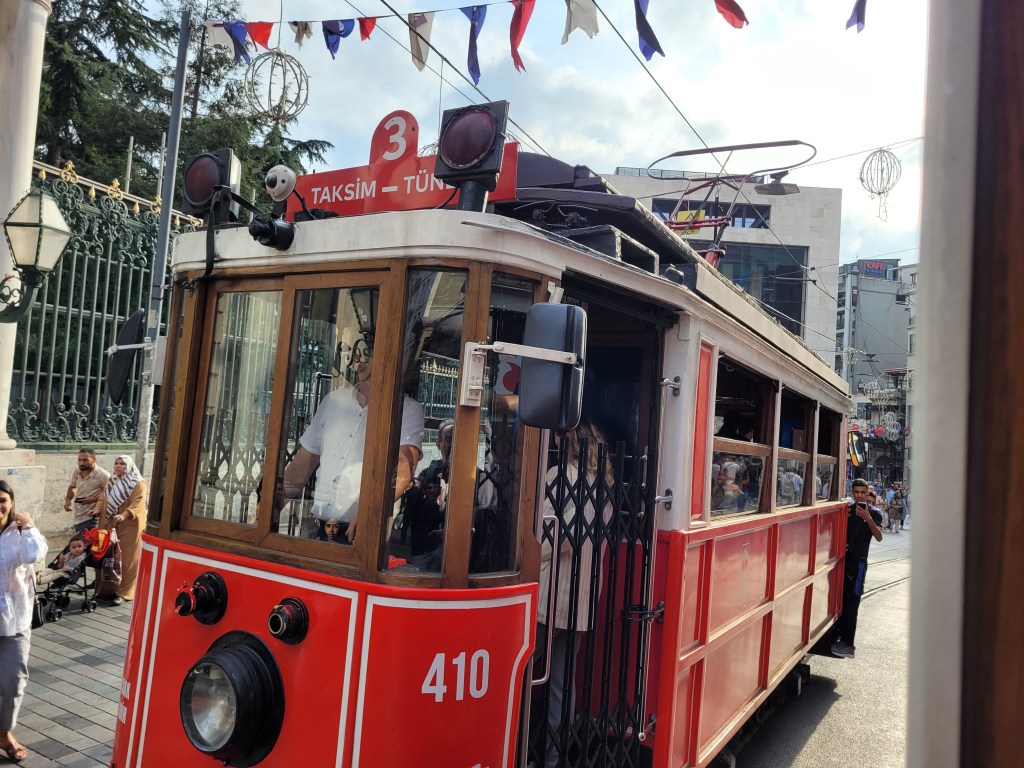
Istanbul is quite large, and thus necessitates the use of public transport. This is composed of buses, trams and various suburban rail networks comparable to metro networks of other cities.
Paying can be quite confusing, but for the majority of visitors, you’ll want to get an Istanbulkart, which is effectively a reloadable card you tap when you enter each new method of public transport. Make sure you buy the card yourself from the machine, as scammers will try to sell you used up or non-valid cards.
Getting In and Out
There isn’t a huge amount of international trains going to Istanbul, with a sleeper train coming from Sofia in Bulgaria, and a summer-only sleeper train from Bucharest. Otherwise, Istanbul is connected fairly well with the rest of Turkey, featuring several high speed connections to major Turkish destinations in Anatolia.
This makes flying the best way to reach Istanbul, unless you’re coming from Turkey. There are 2 major airport in Istanbul (one on the European side, the other on the Asian side). Both are well connected to Istanbul by metro or suburban train.
Food
Turkish food is generally tasty, but very samey. Practically every restaurant serves the same food, at least in the places we’ve seen. The lack of variety can get quite exhausting after a while.
Money
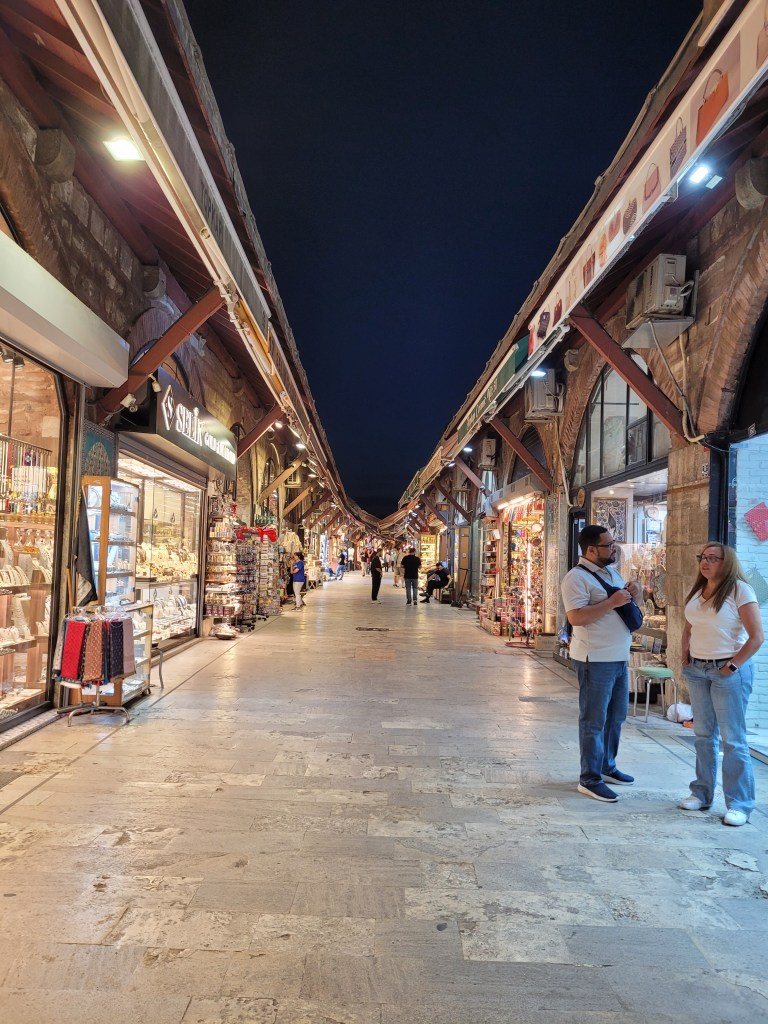
You’ll spend Turkish Lira here. Card payment is widely accepted, but cash is often preferable, as you can usually negotiate a 10% discount if paying in cash (on top of any other discount you can negotiate). It’s pretty common to haggle in markets, and at restaurants you can usually get free desserts or starters.
One other aspect to consider is that as a foreign tourist, you will have to pay for tourist tickets, which are generally 8 to 10 times as expensive as the tickets for Turks. Expect to pay the same price as for attractions on the UK or other Western/Northern European cities.
Language
Though Turkish in the main spoken language, nearly everyone will speak English, and many waiters speak at least a smattering of Russian (we were constantly mistaken for Russians, a source of quite some frustration).
Time
Istanbul is big, and super rich in history. It practically requires at least 4 days, but you’d have no trouble filling an itinerary for a week or even longer.
My Favourite Spots
Hagia Sofia and the Blue Mosque
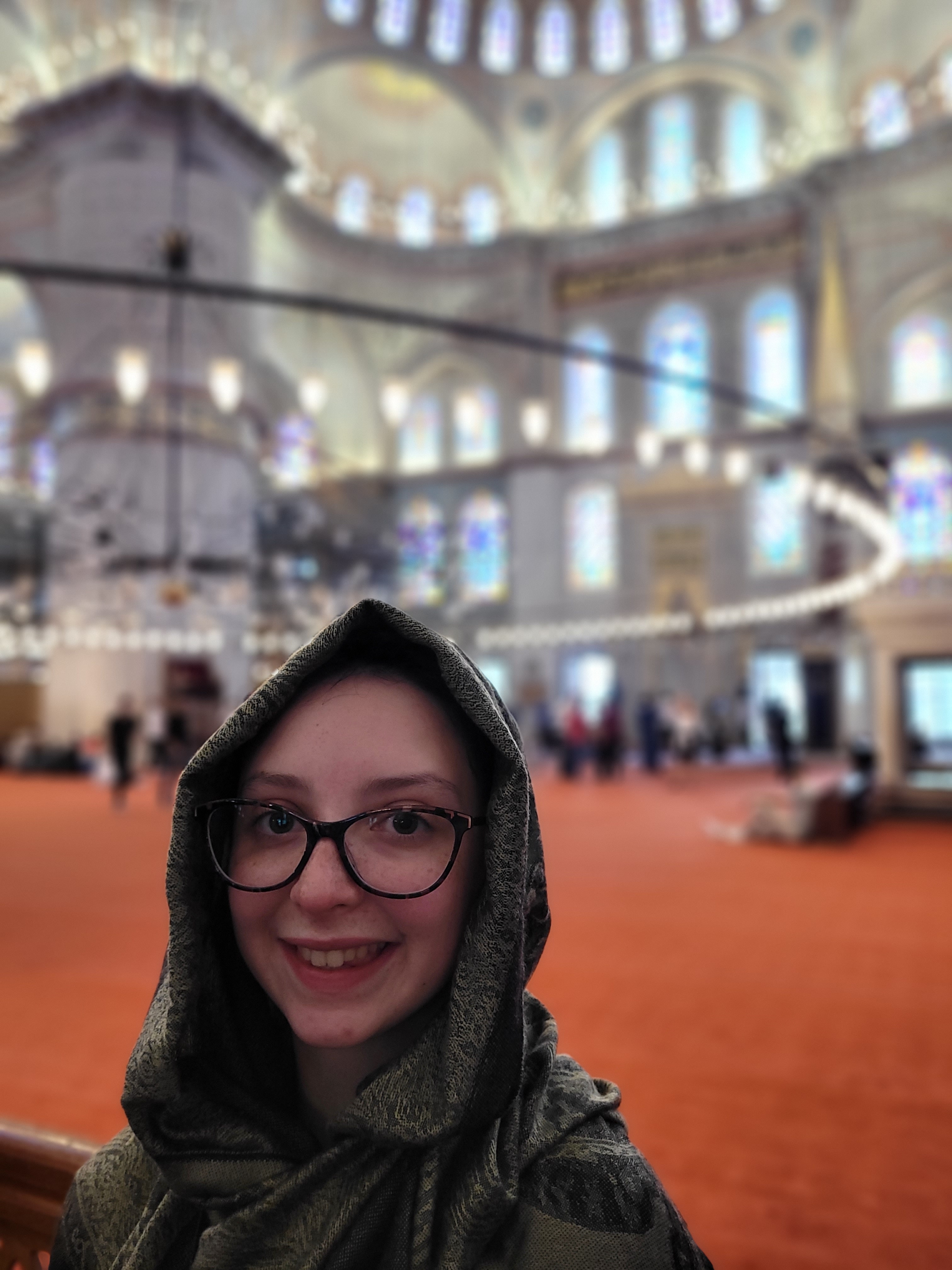
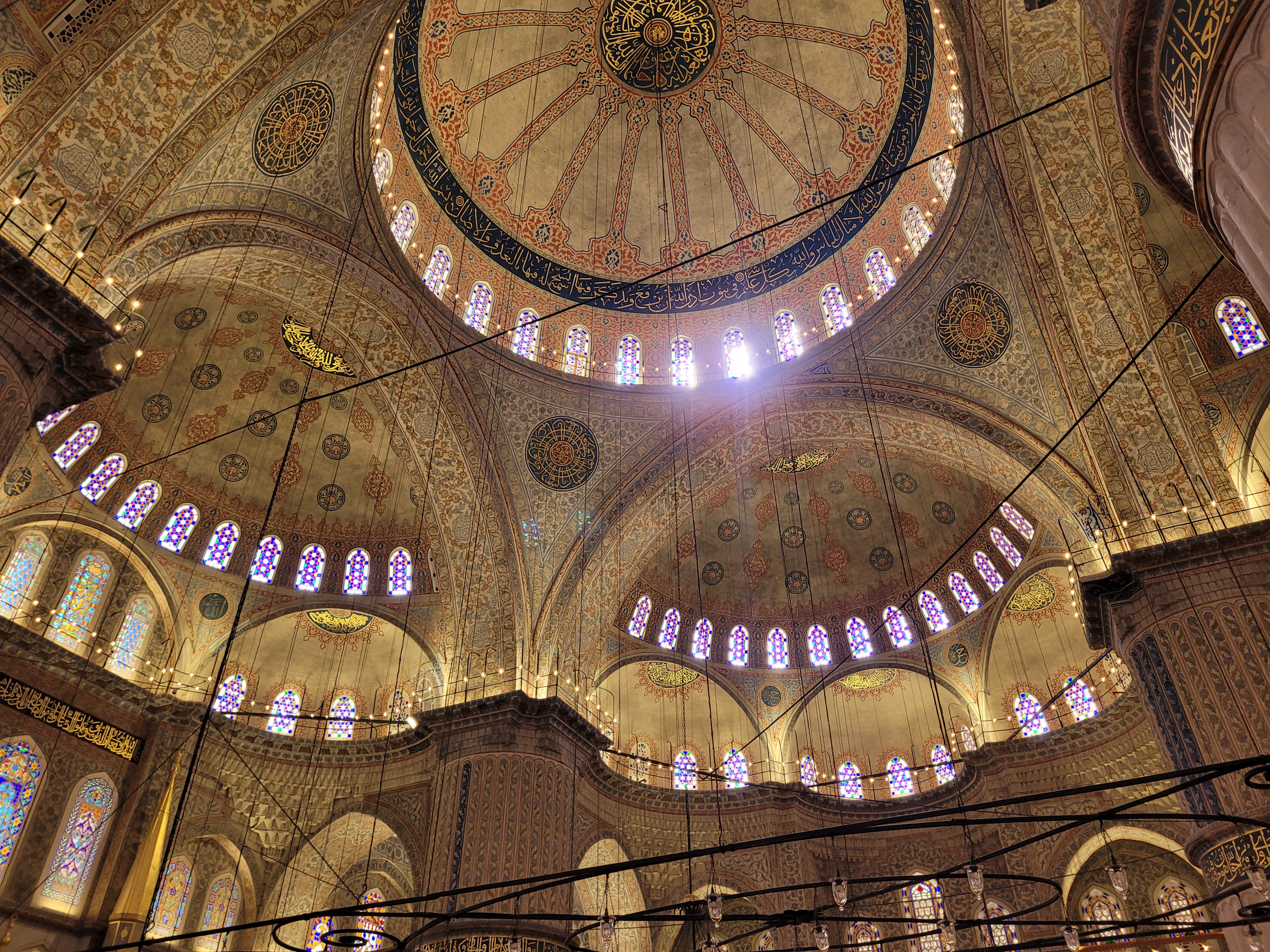
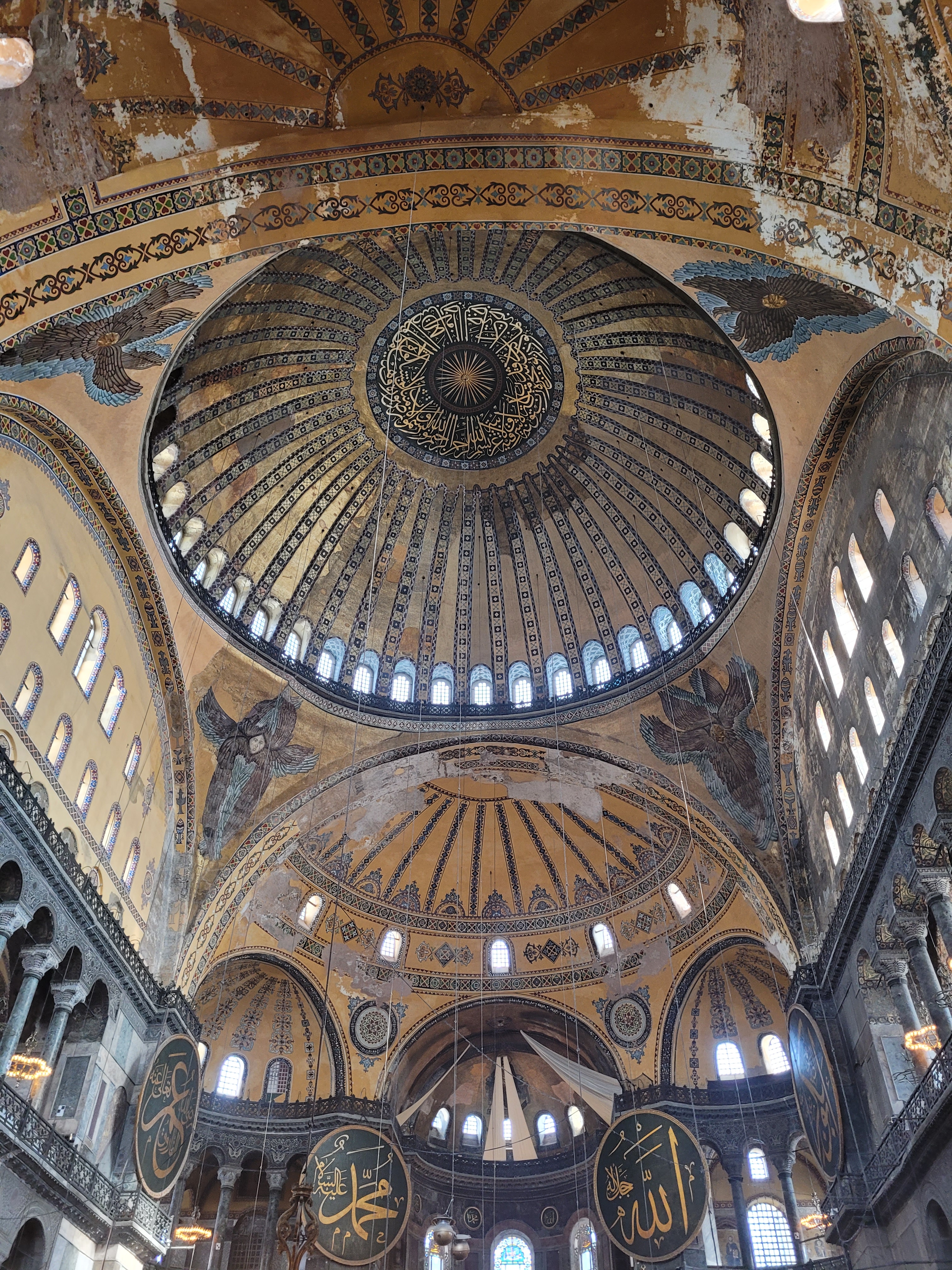
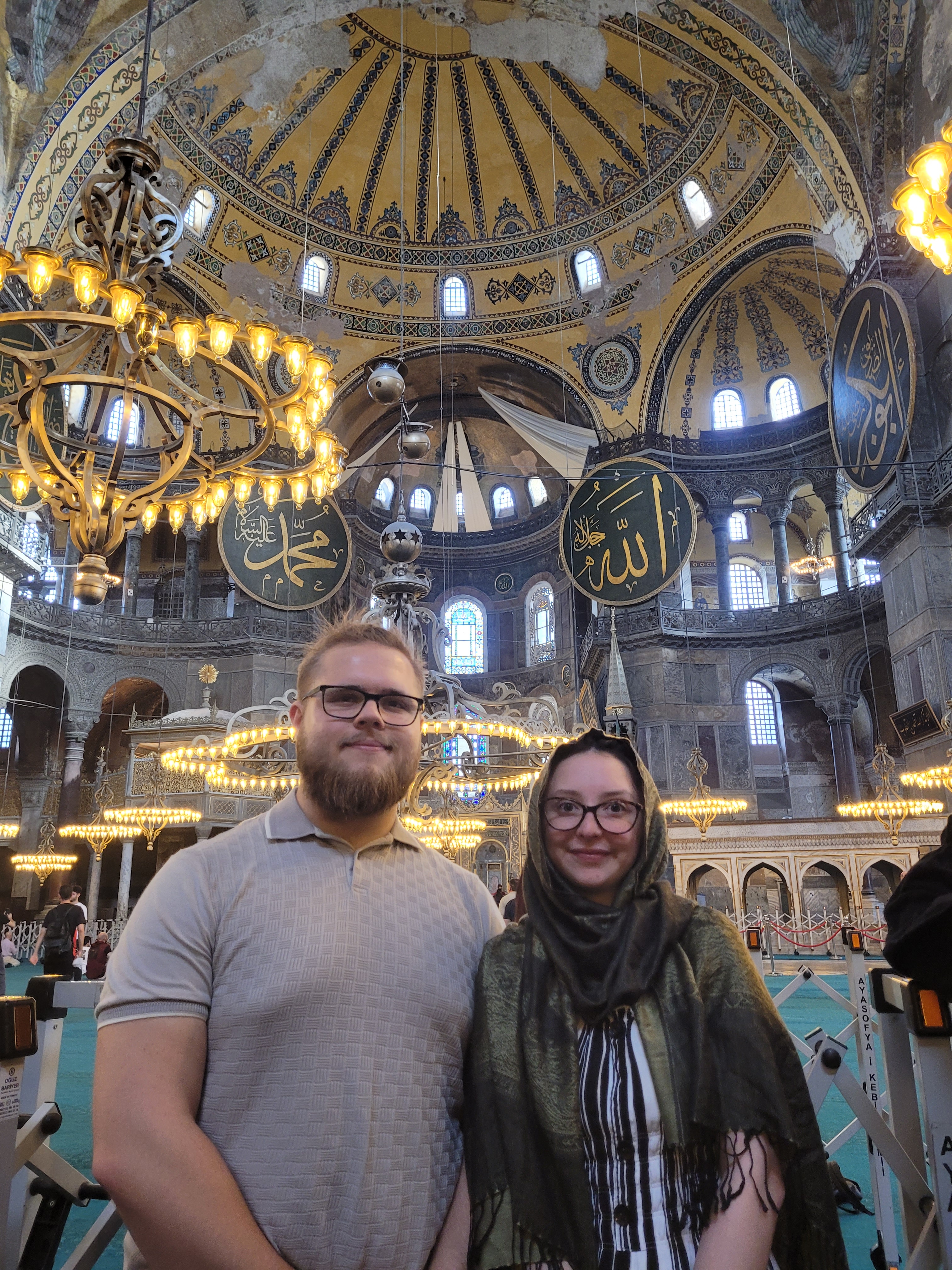
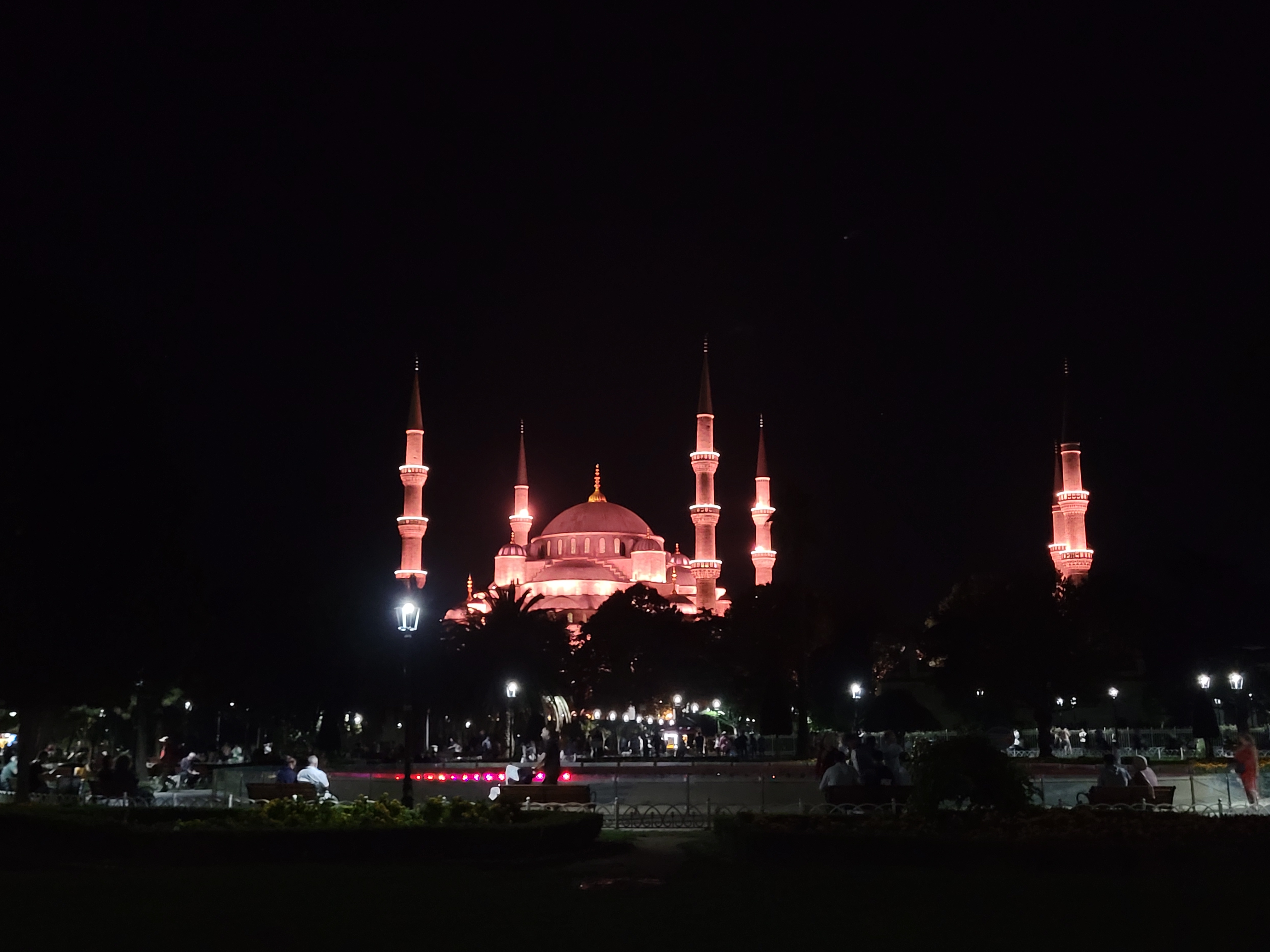
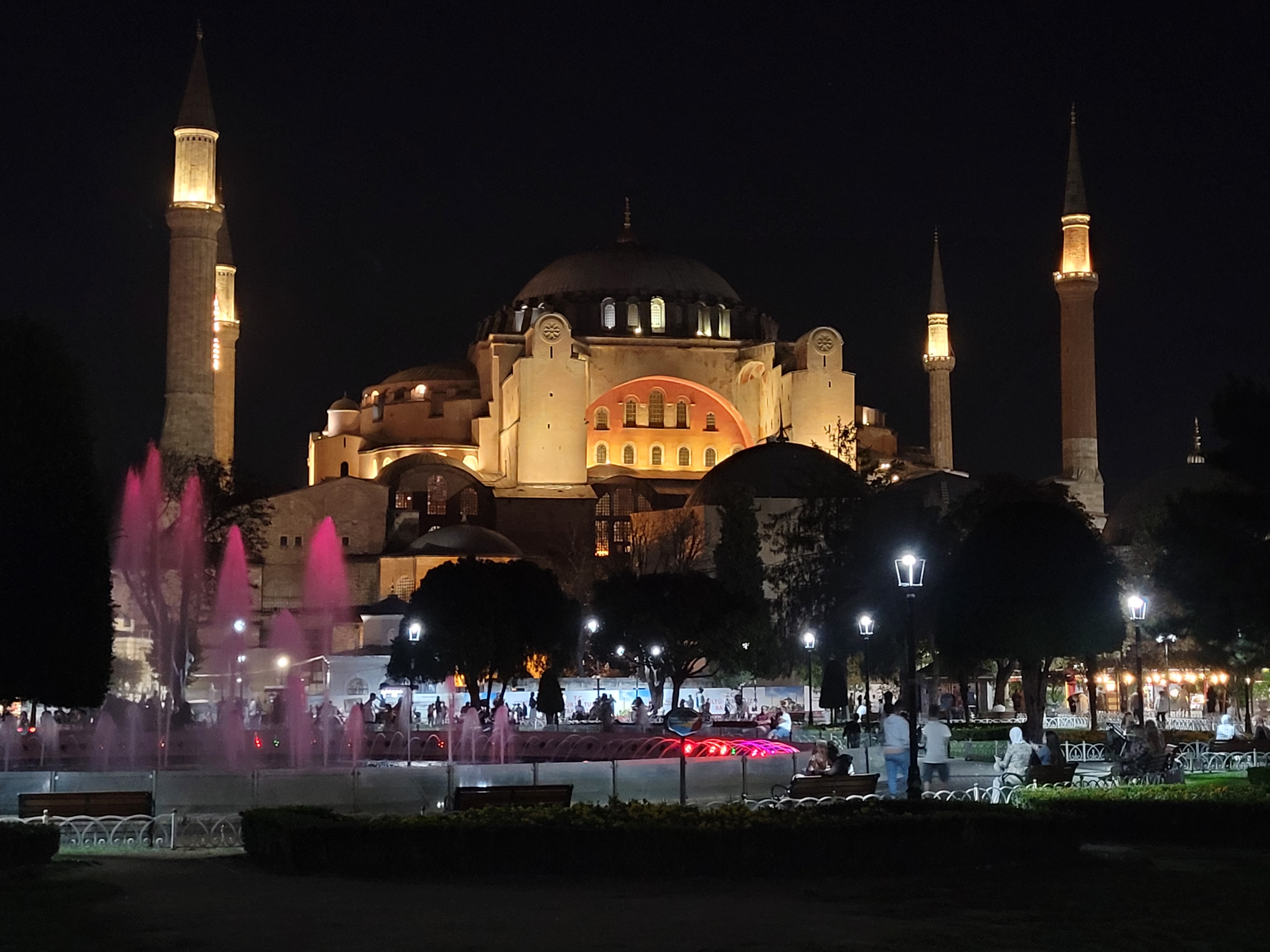
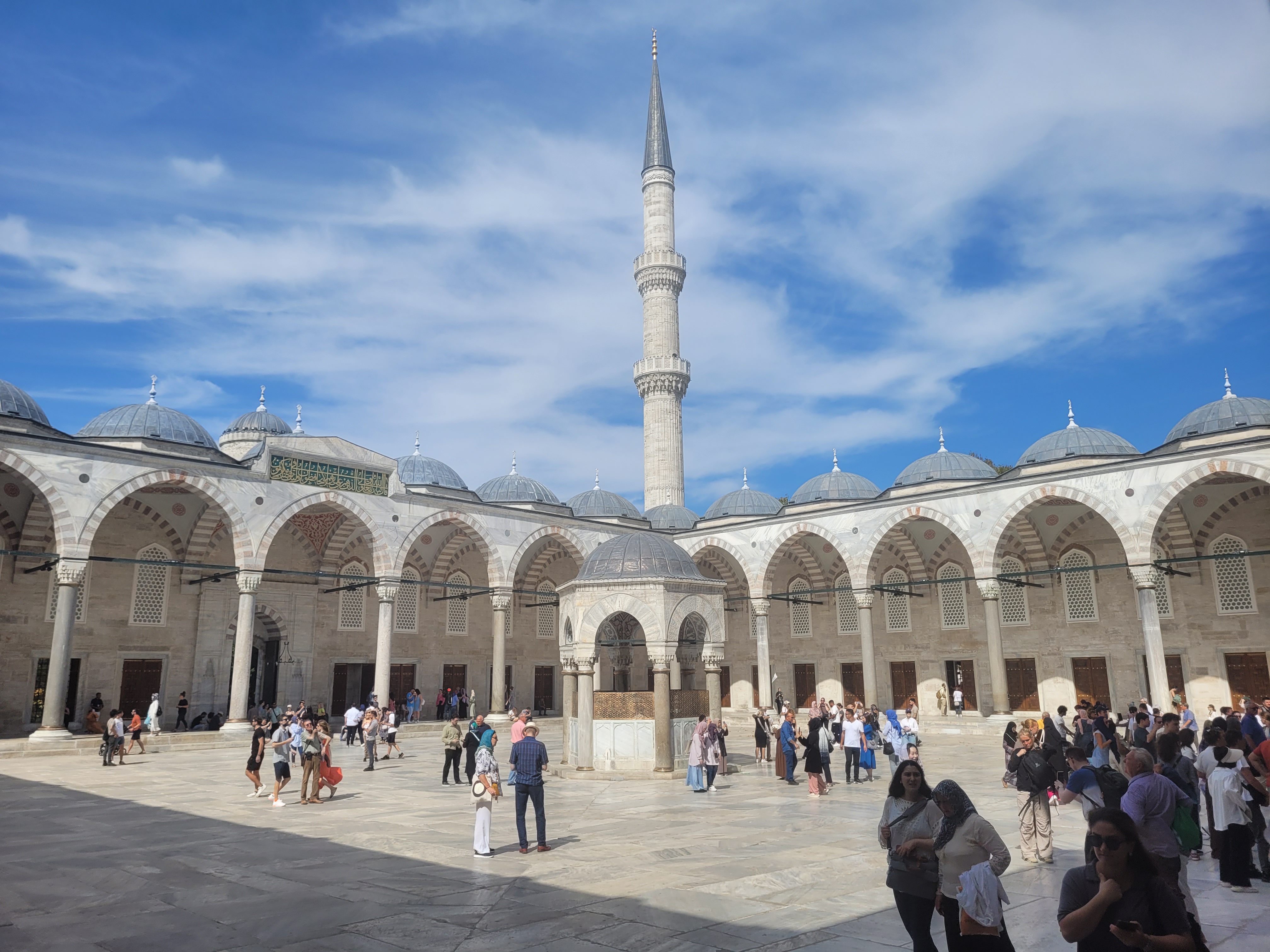
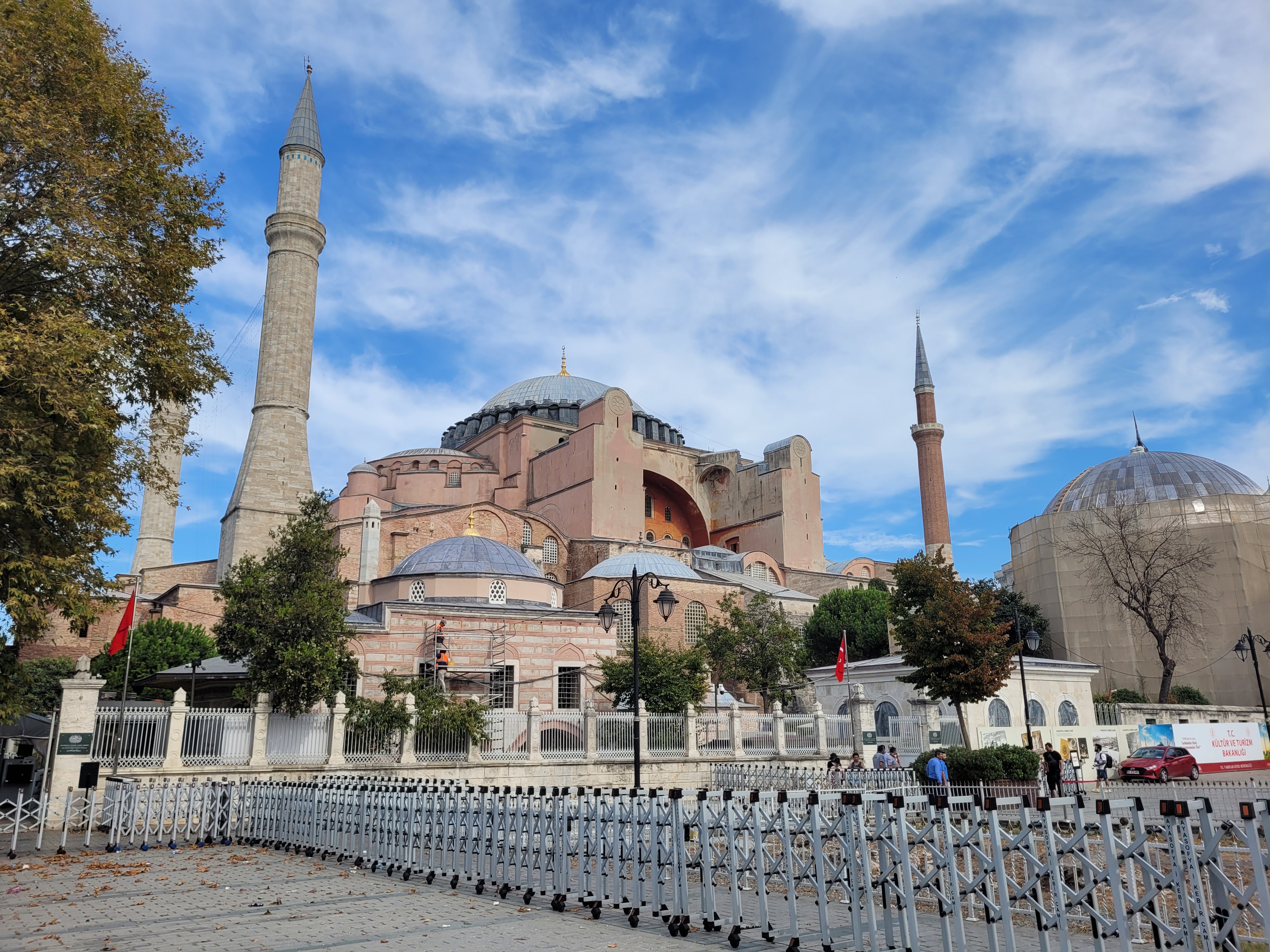
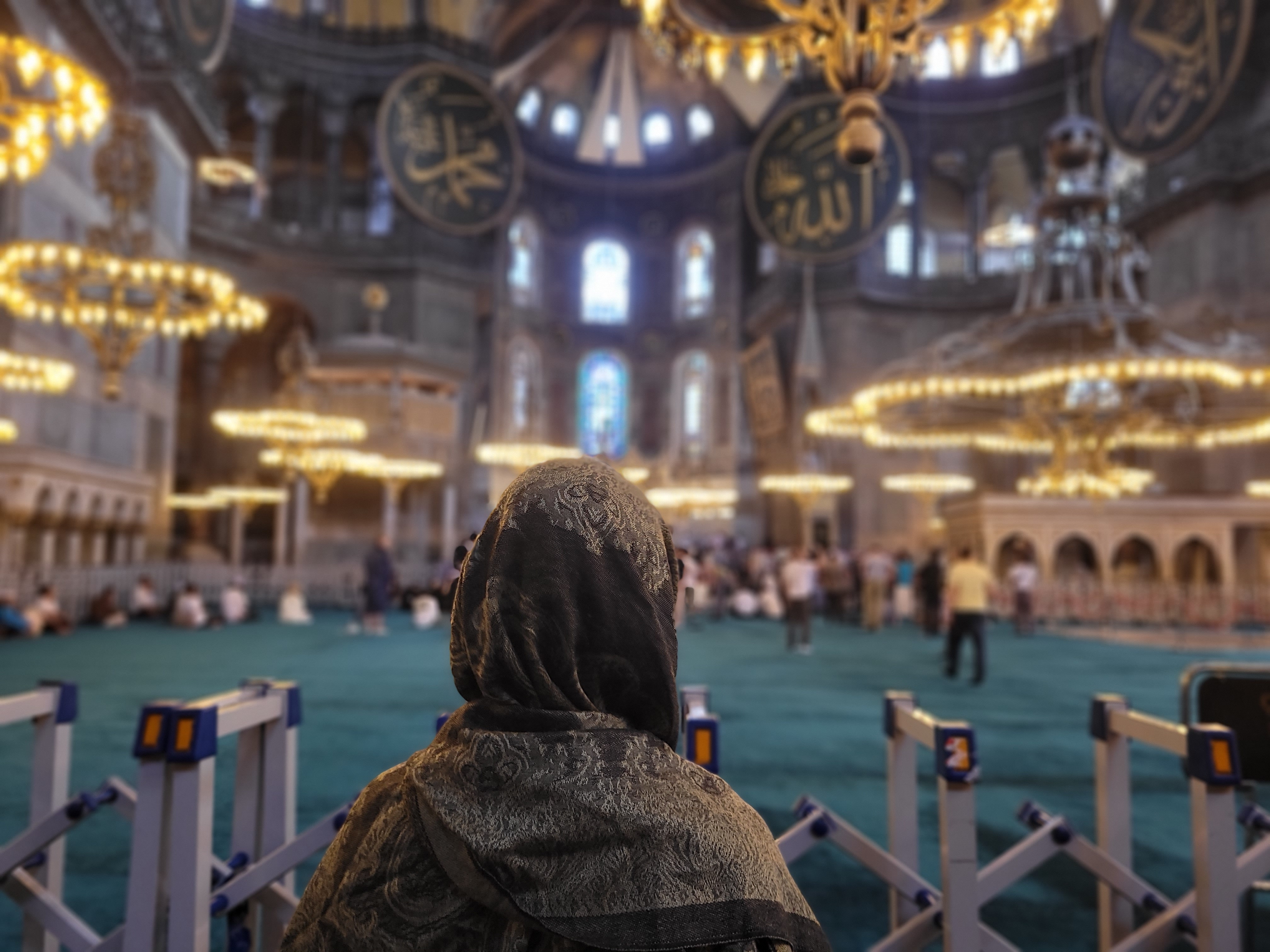
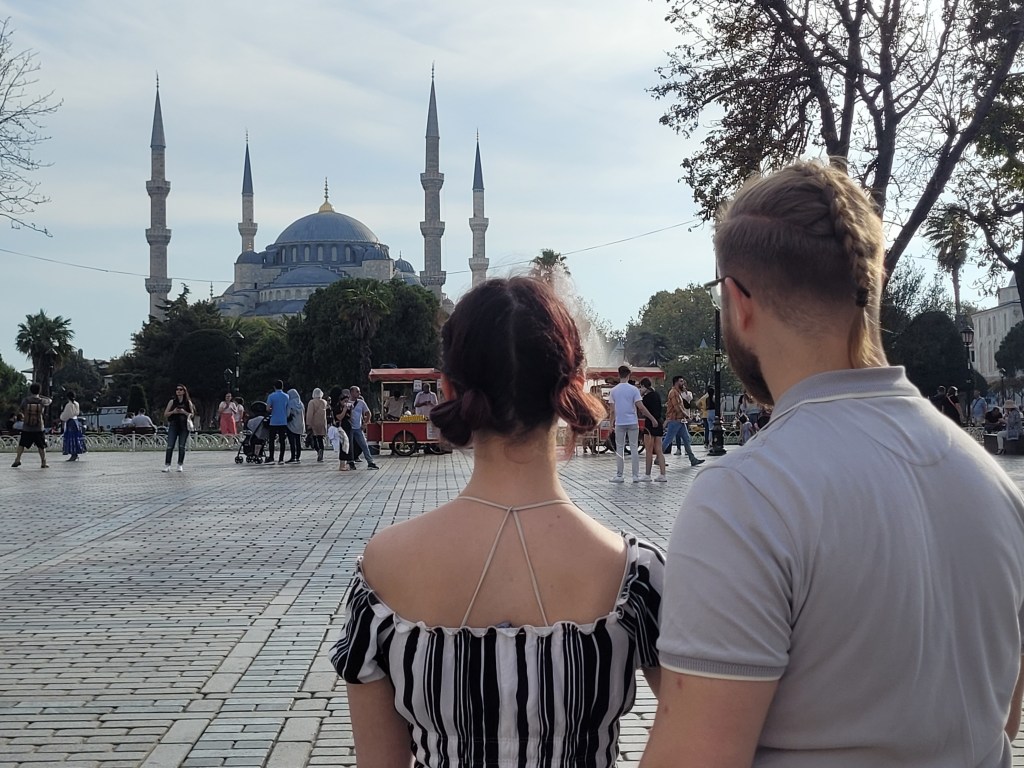
These 2 places of worship are located on opposite ends of the same square, and they are the most impressive and iconic parts of Istanbul. The Hagia Sofia is ancient and plain amazing, whereas the Blue Mosque is intricate and beautiful. Both are well worth a visit, though the Hagia Sofia is now paid entry for people who aren’t coming in to pray.
Prince’s Islands
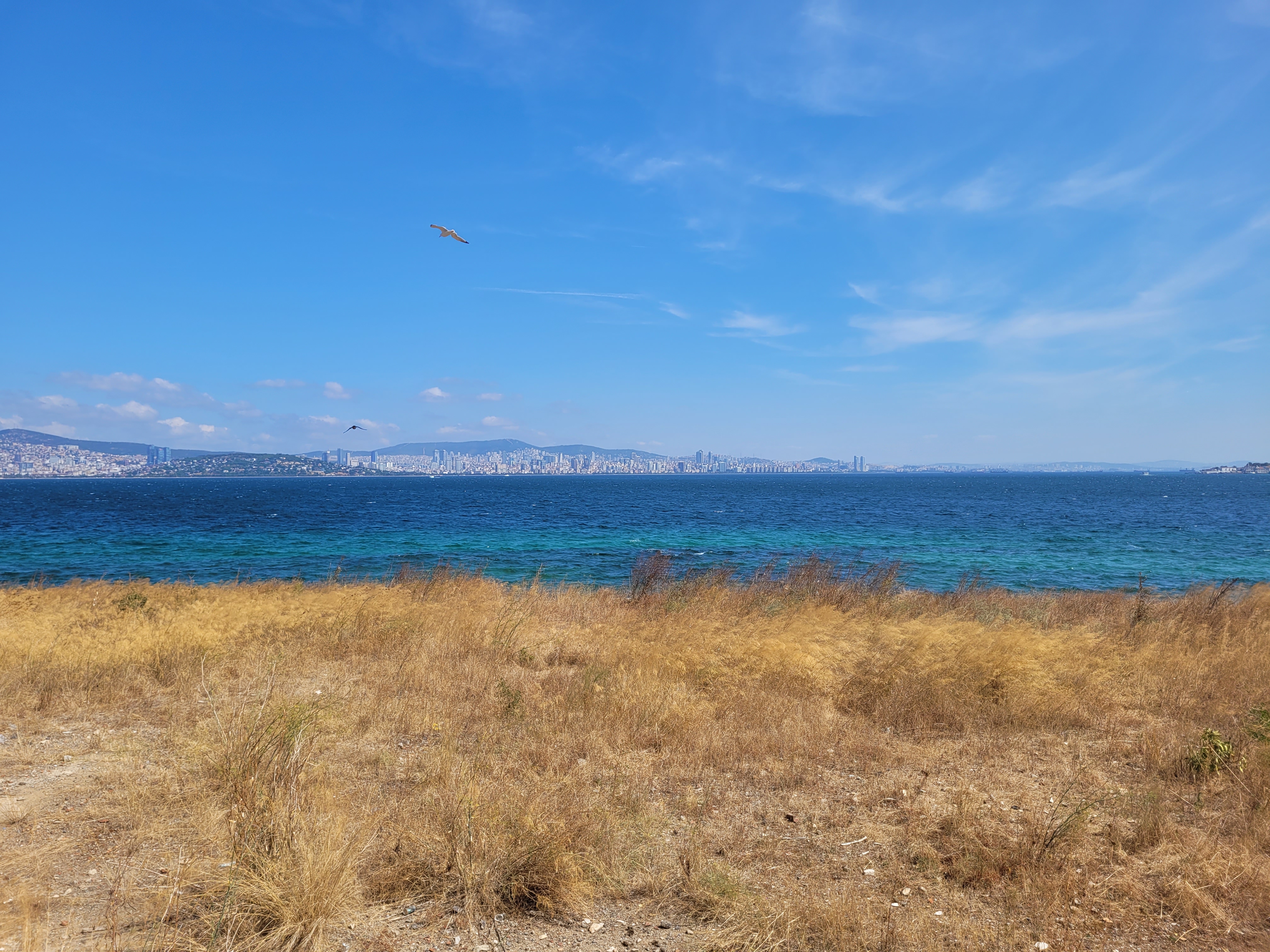
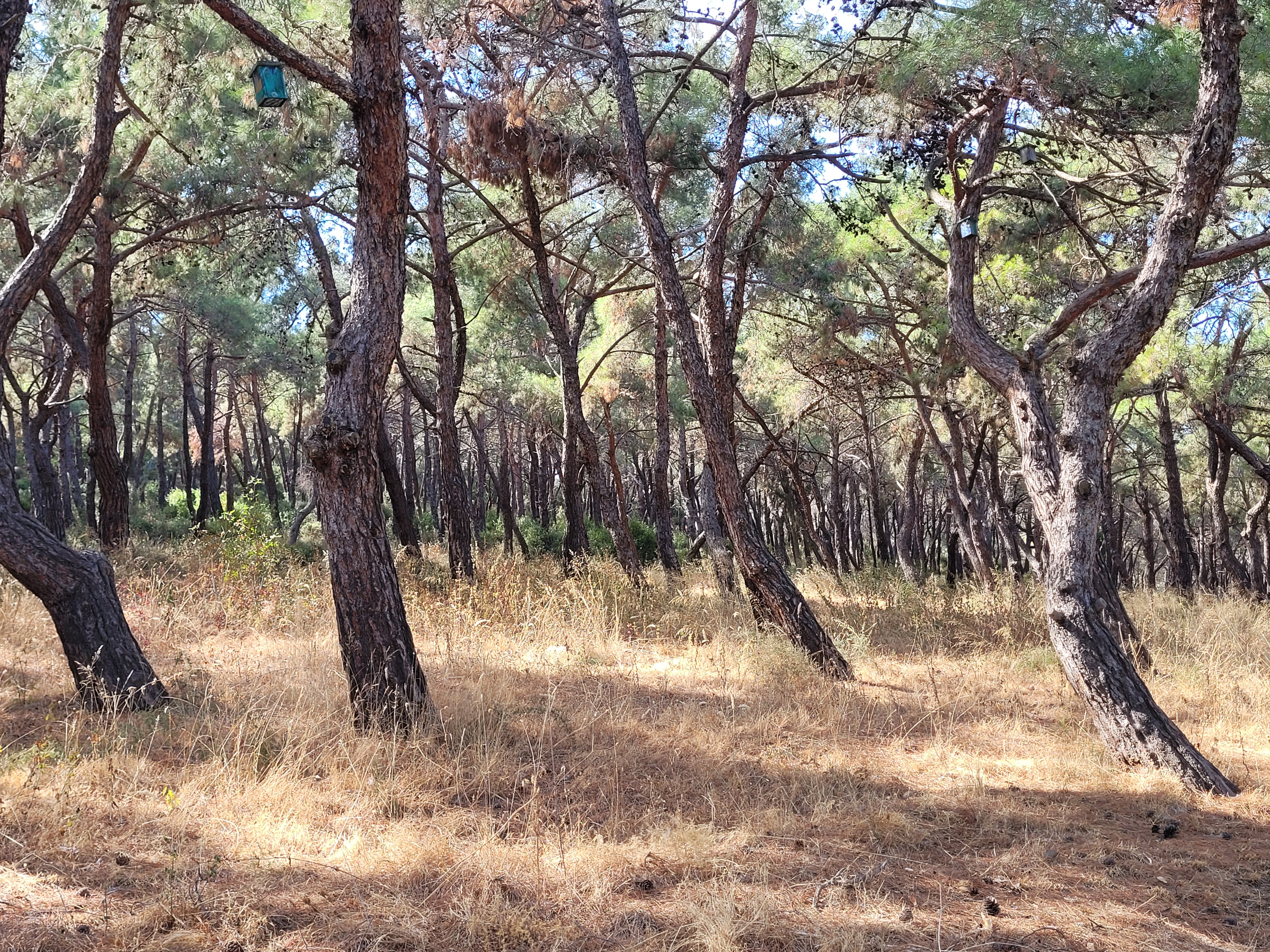
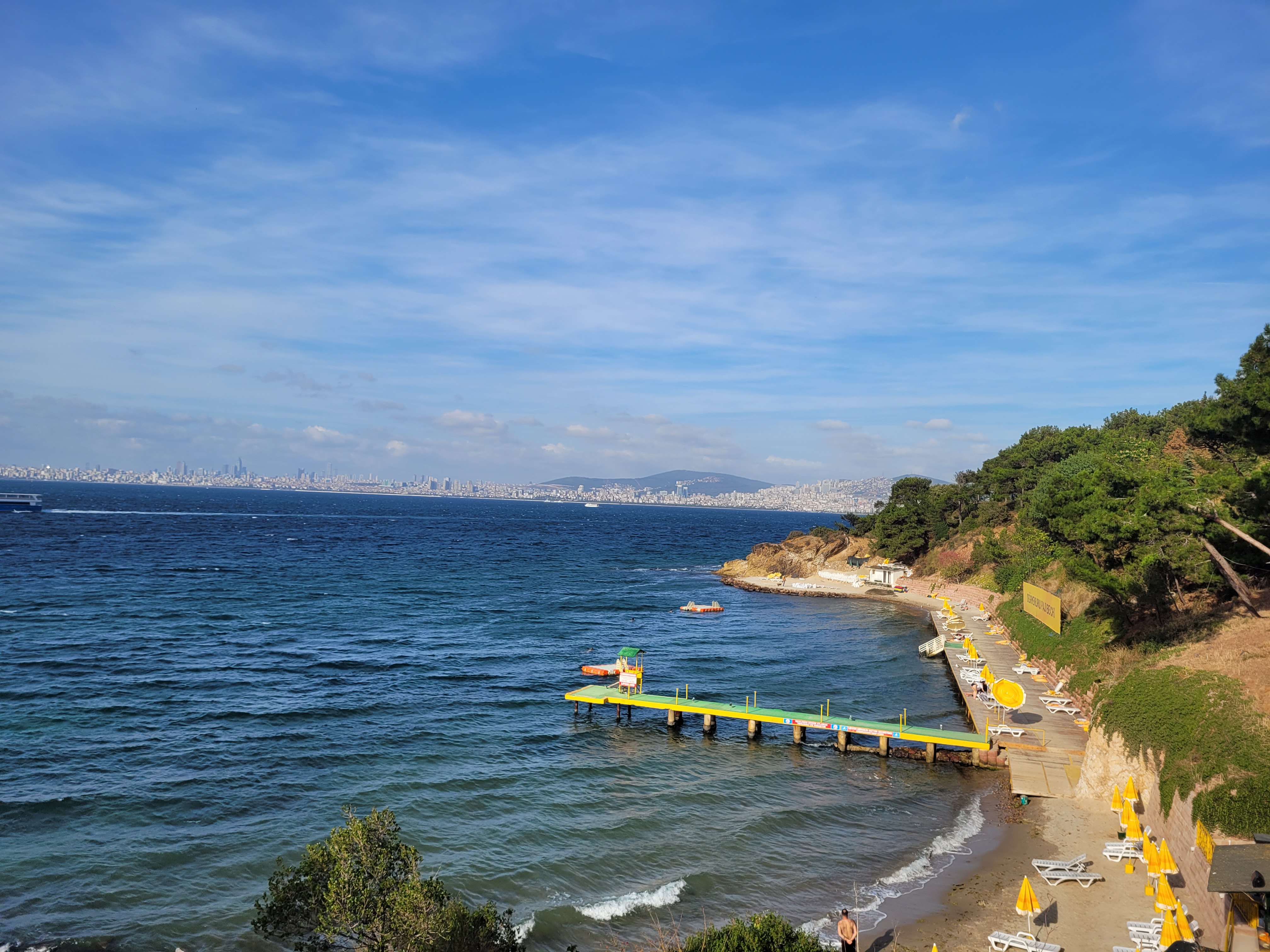
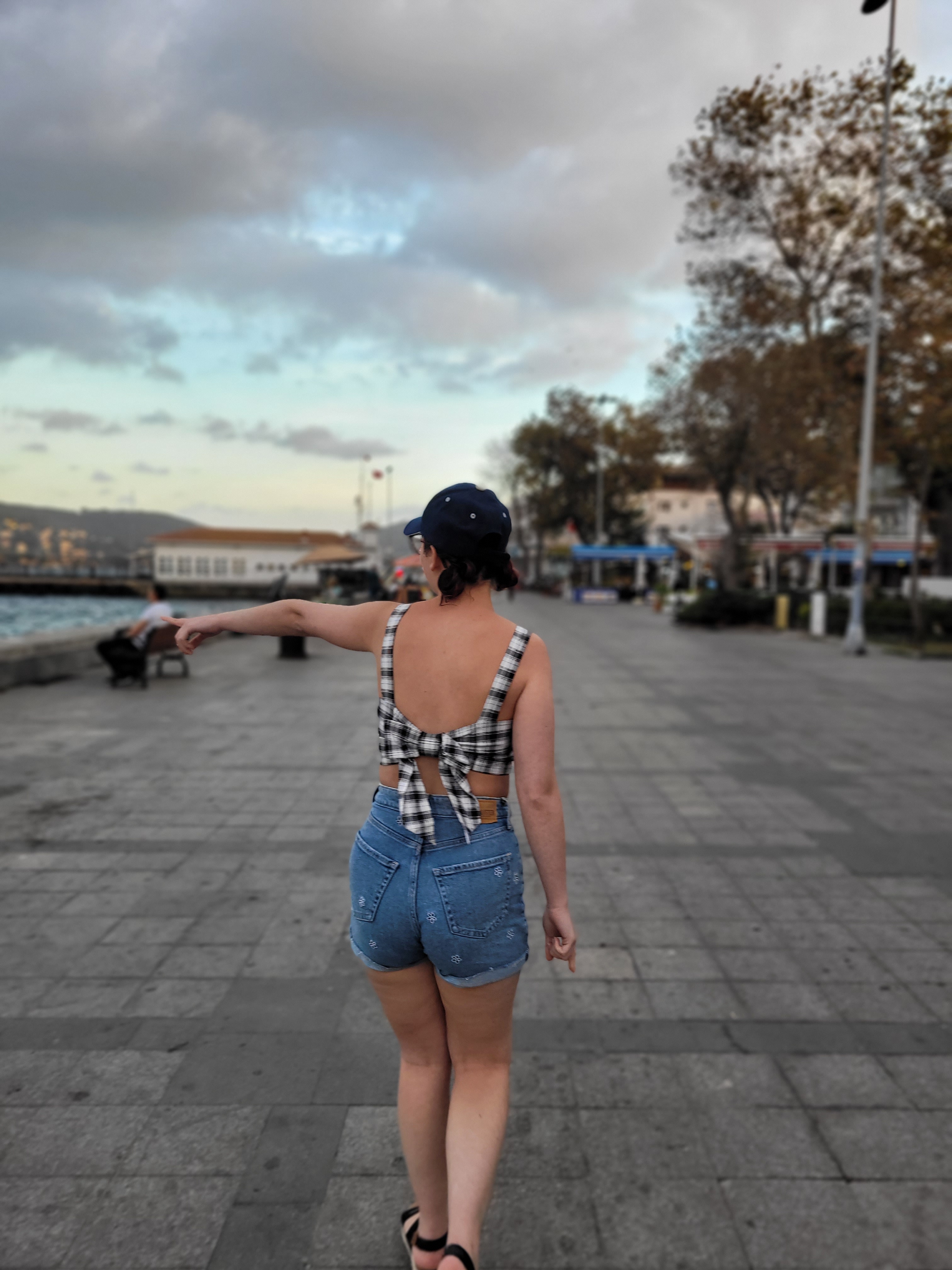
A series of islands in the Sea of Marmara, and the only destination around Istanbul for beaches. There’s a few of these, and they’re all accessible by commuter ferry. We went to Hyebeliada, and enjoyed wandering around the park on the island and the small beach.
Topkapi Palace
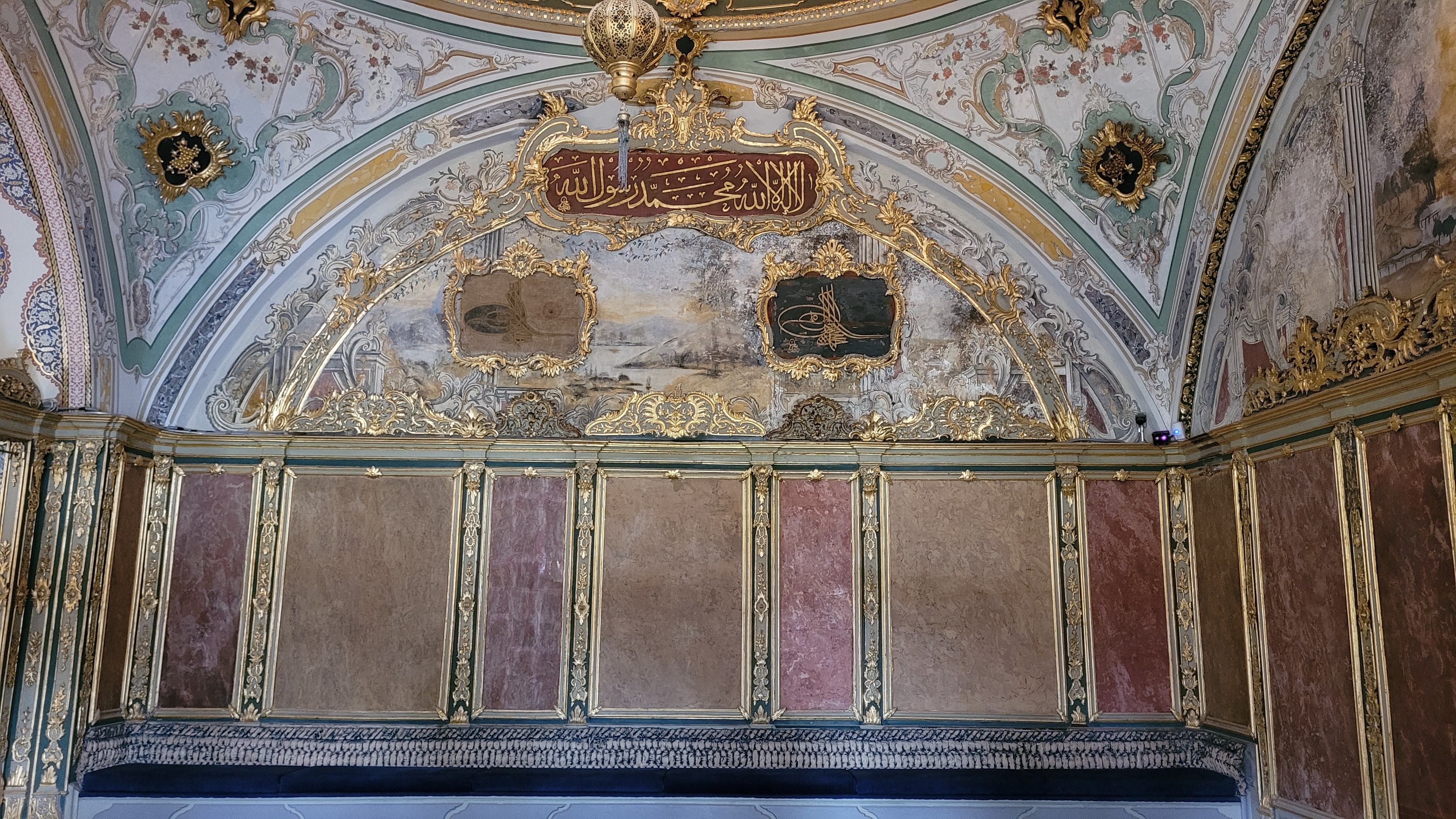
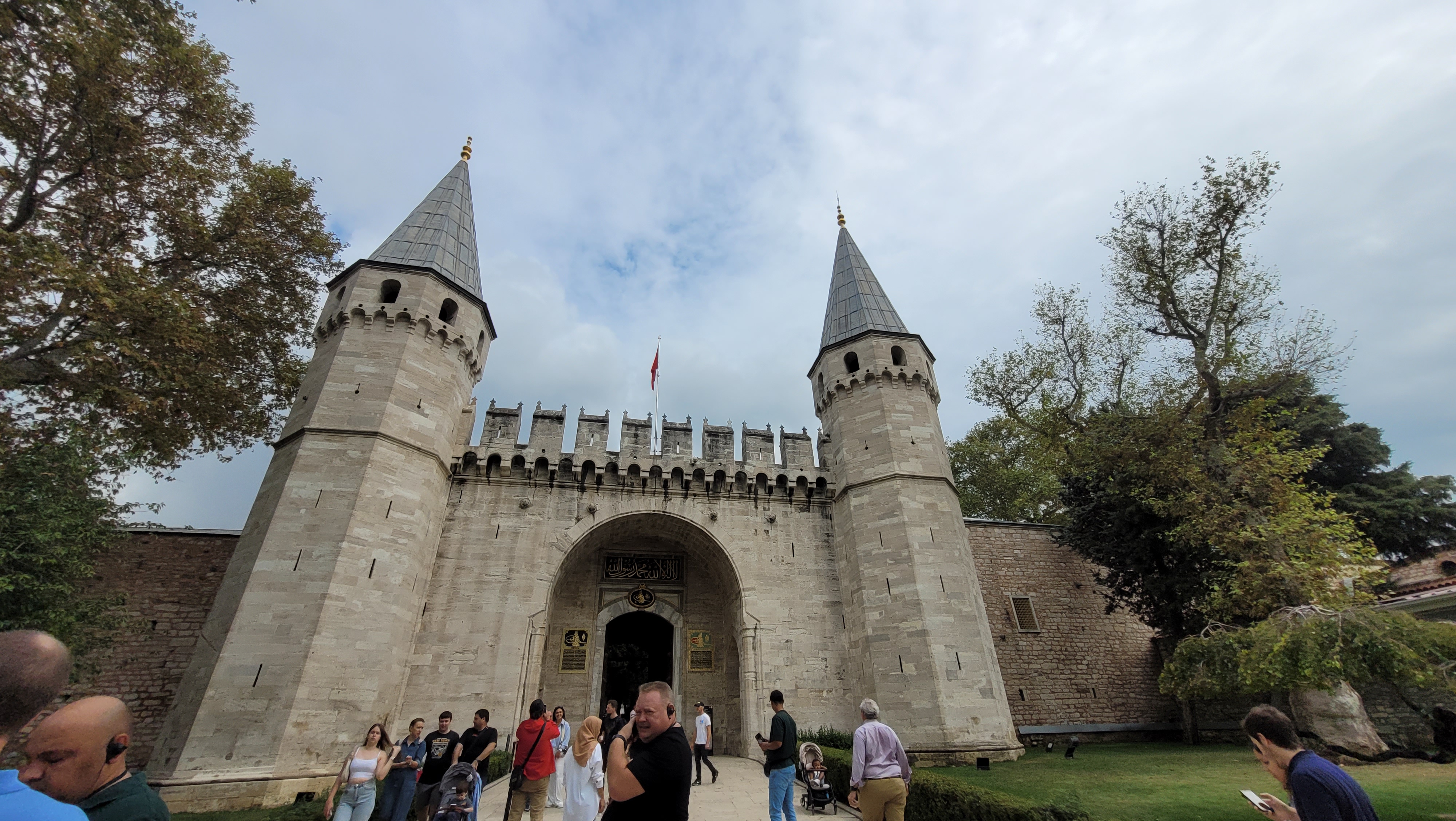
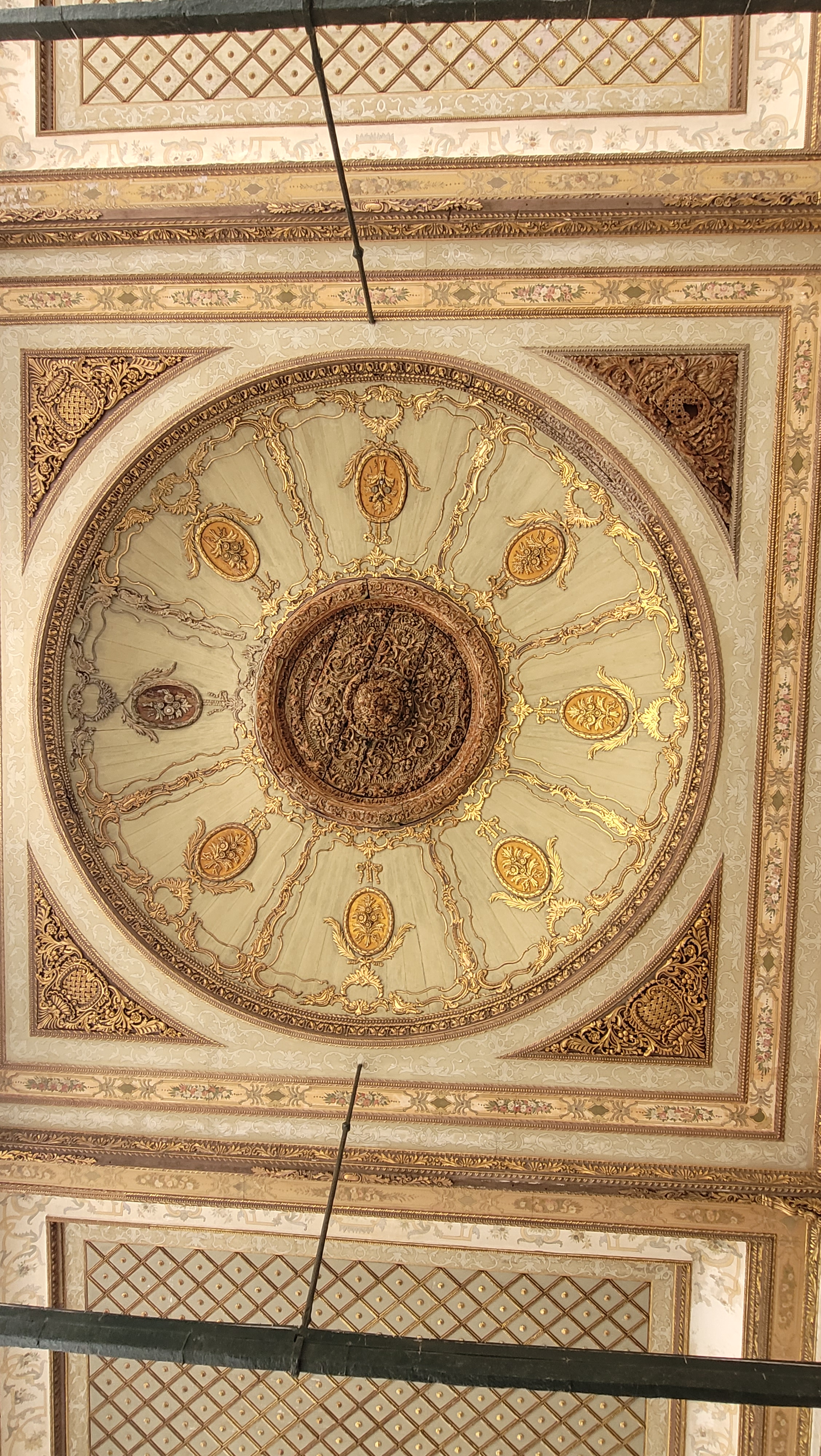
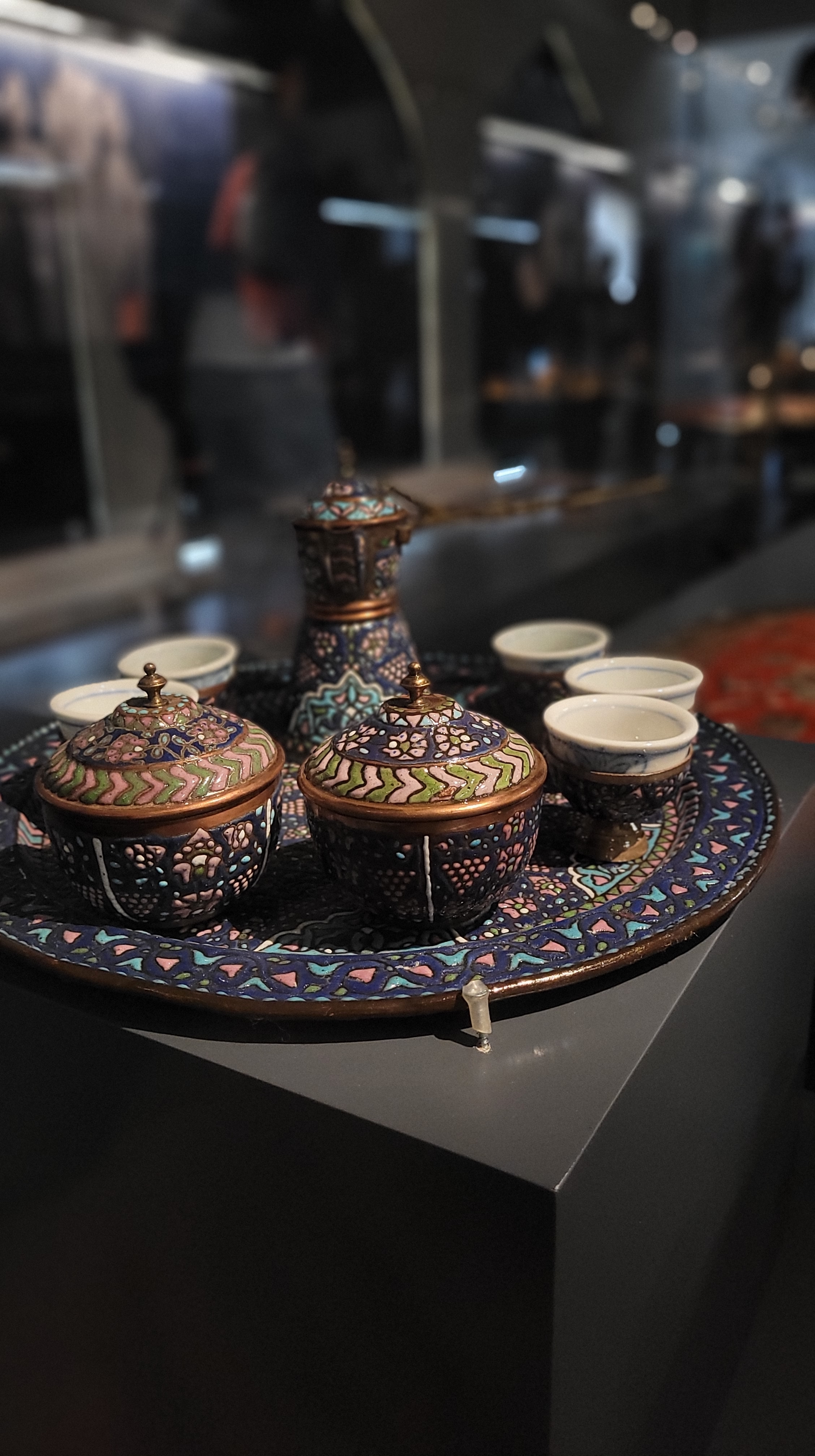
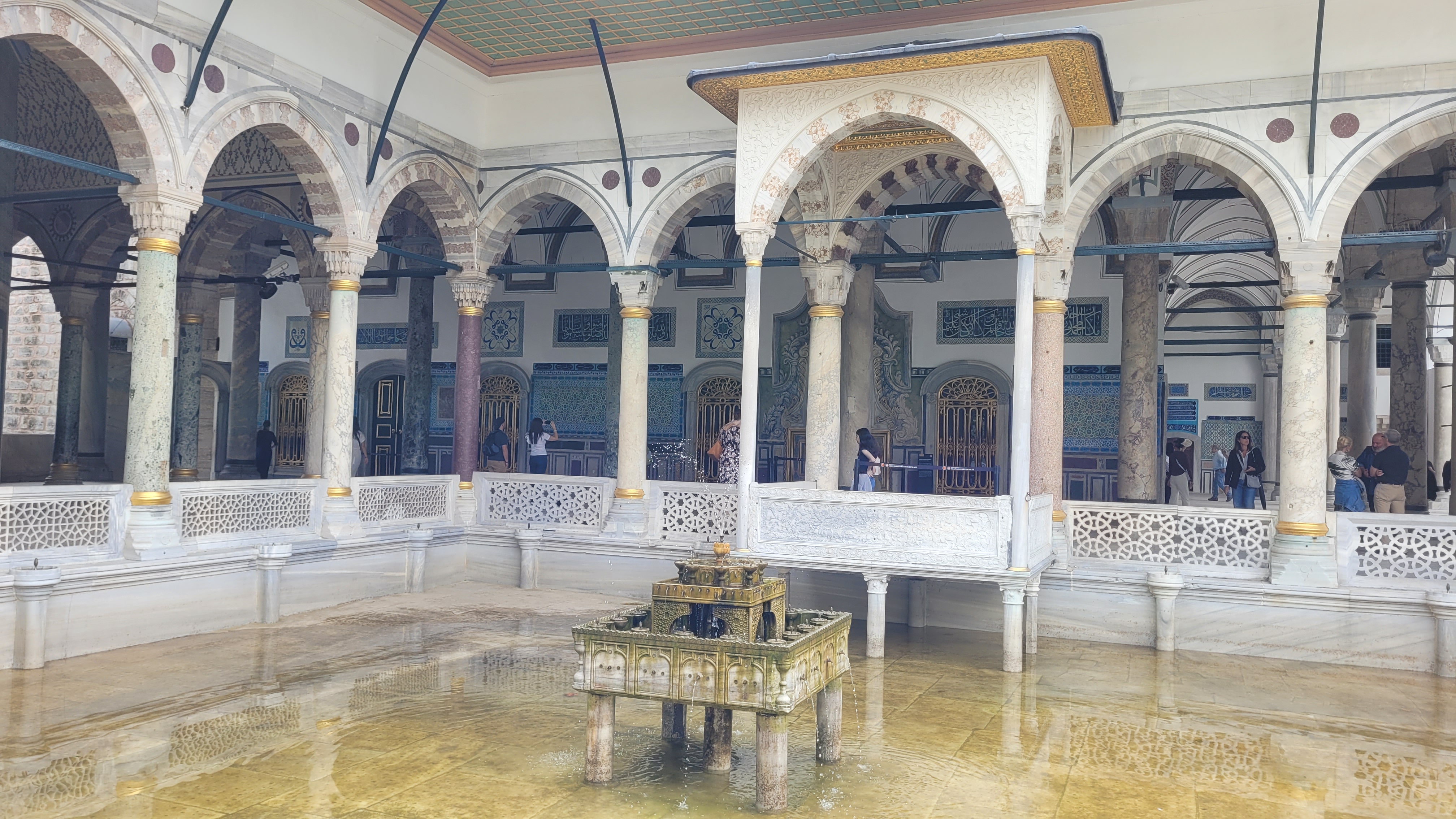
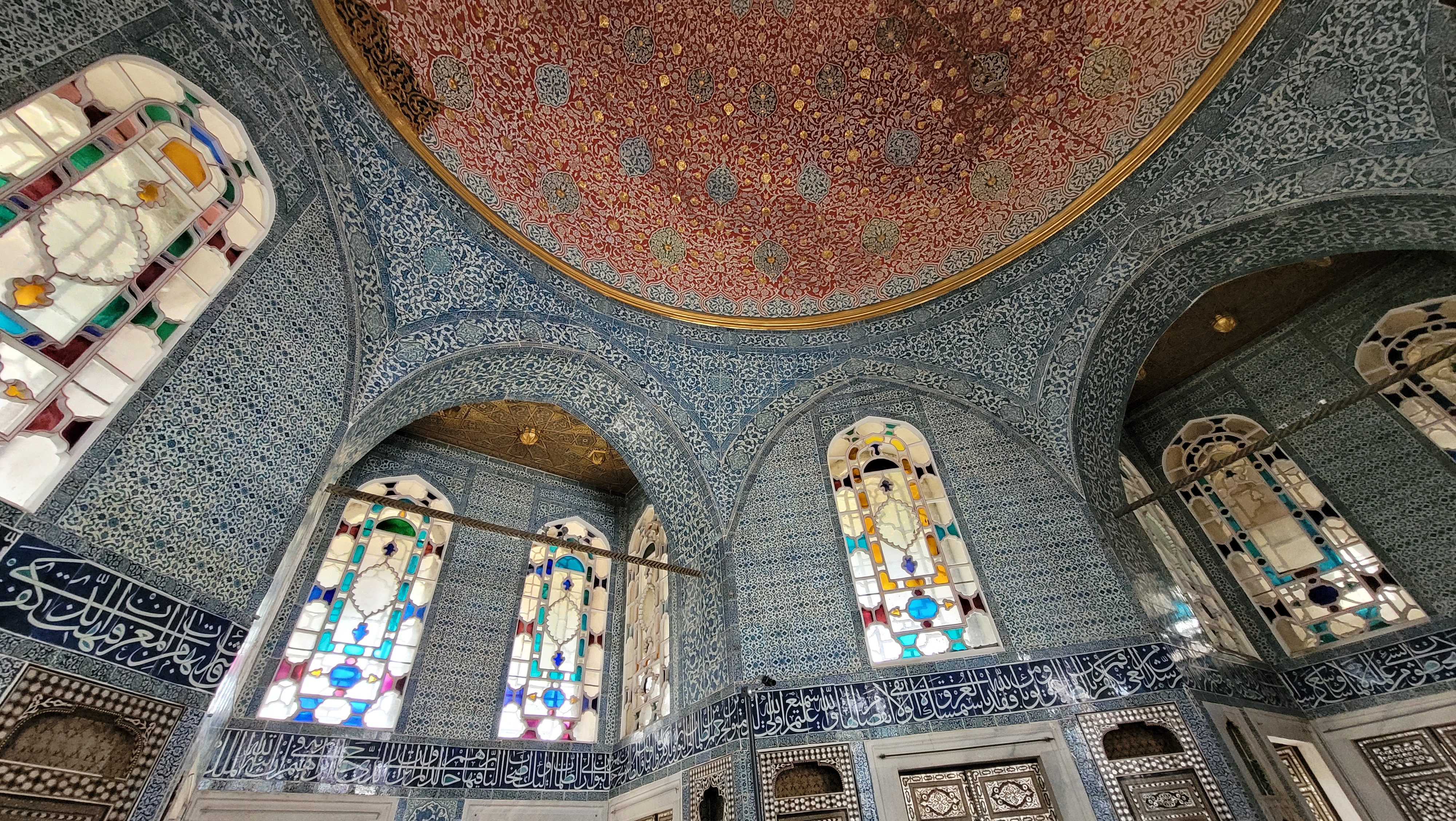
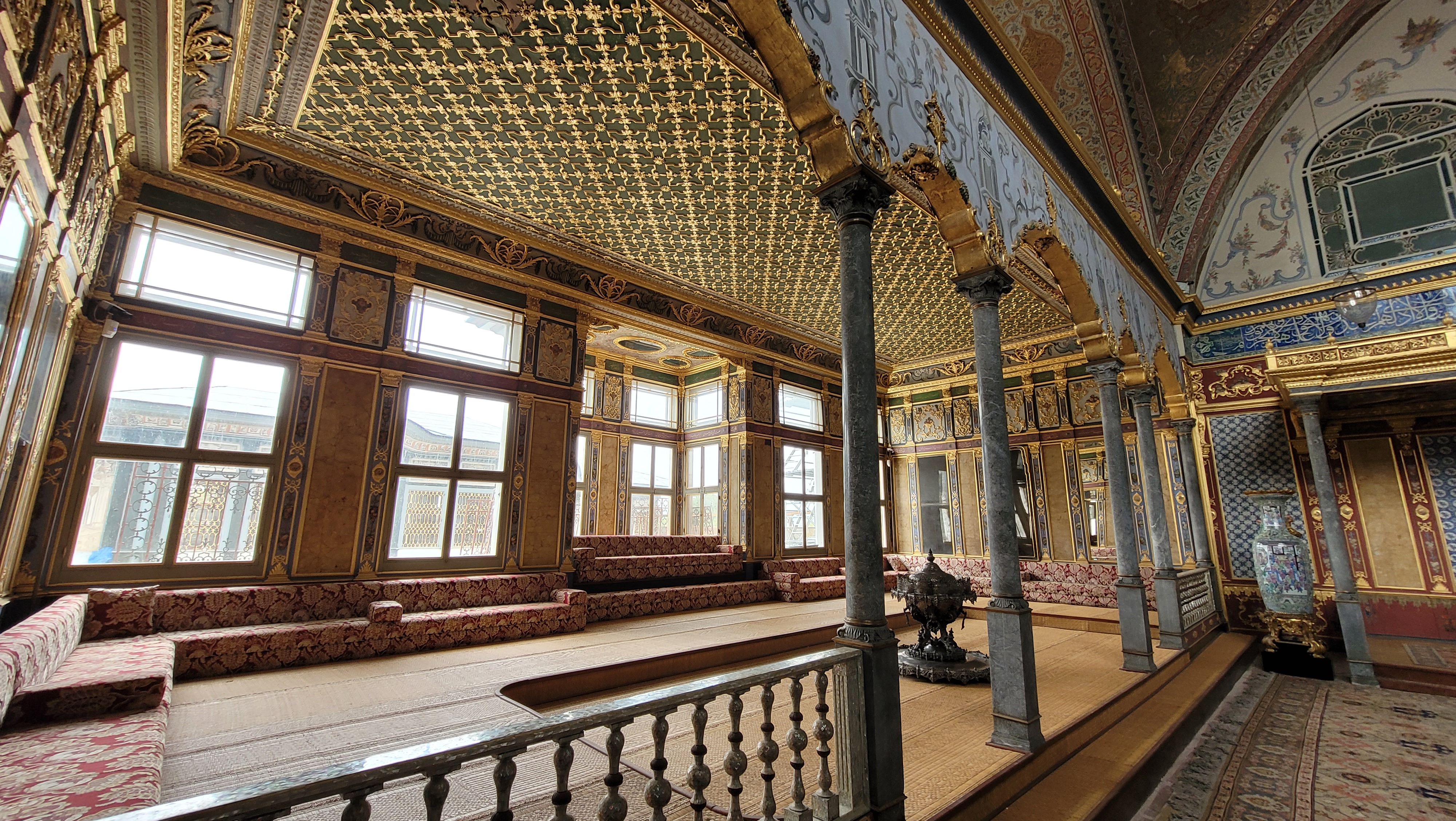
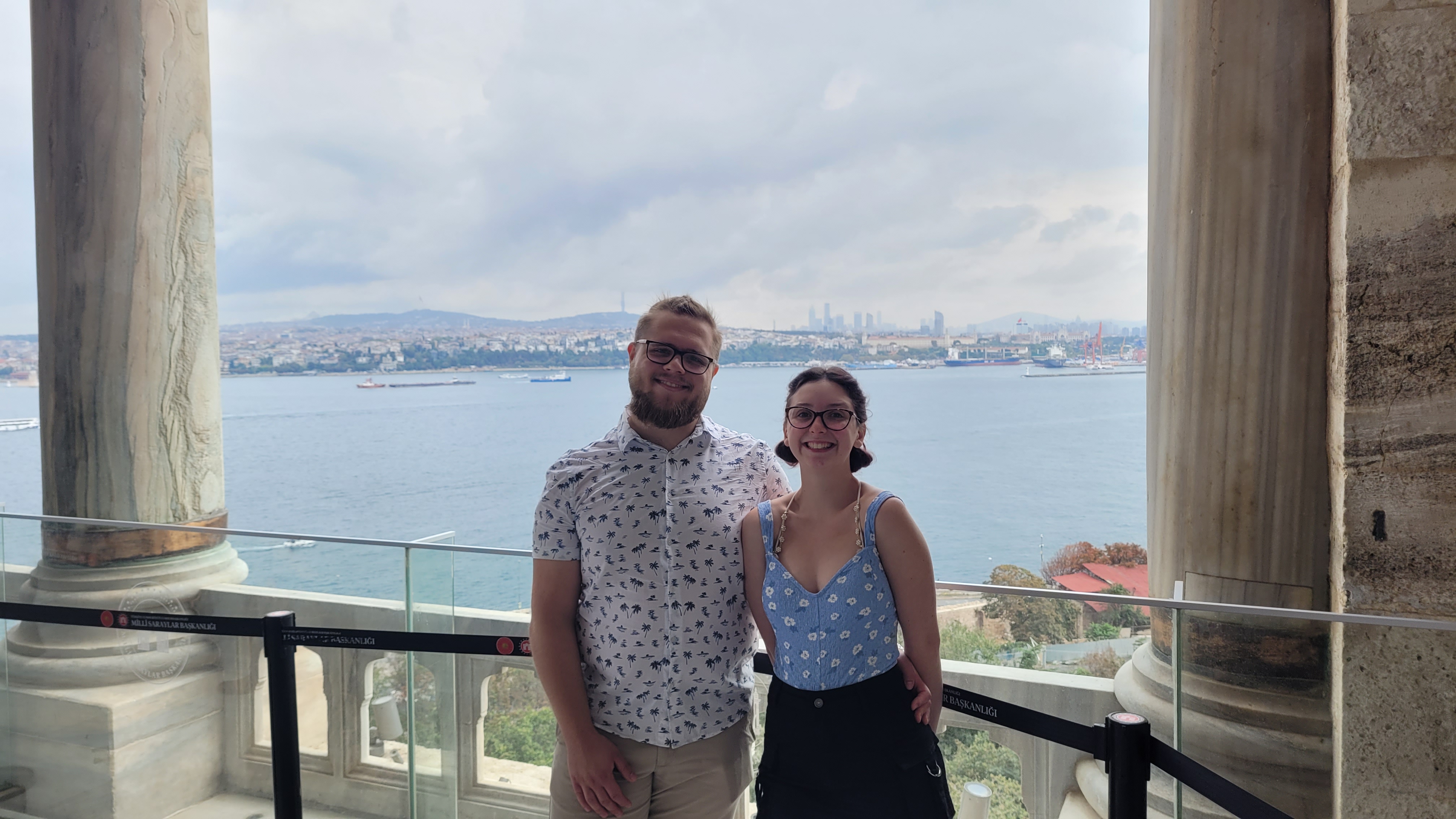
The former palace of the Ottoman Sultans, it’s a great example of Ottoman architecture. It’s a huge complex, the absolute highlight being the Sultan’s harem. If you’re going to only go to one palace in Istanbul, make sure it’s Topkapi.
Beyoglu
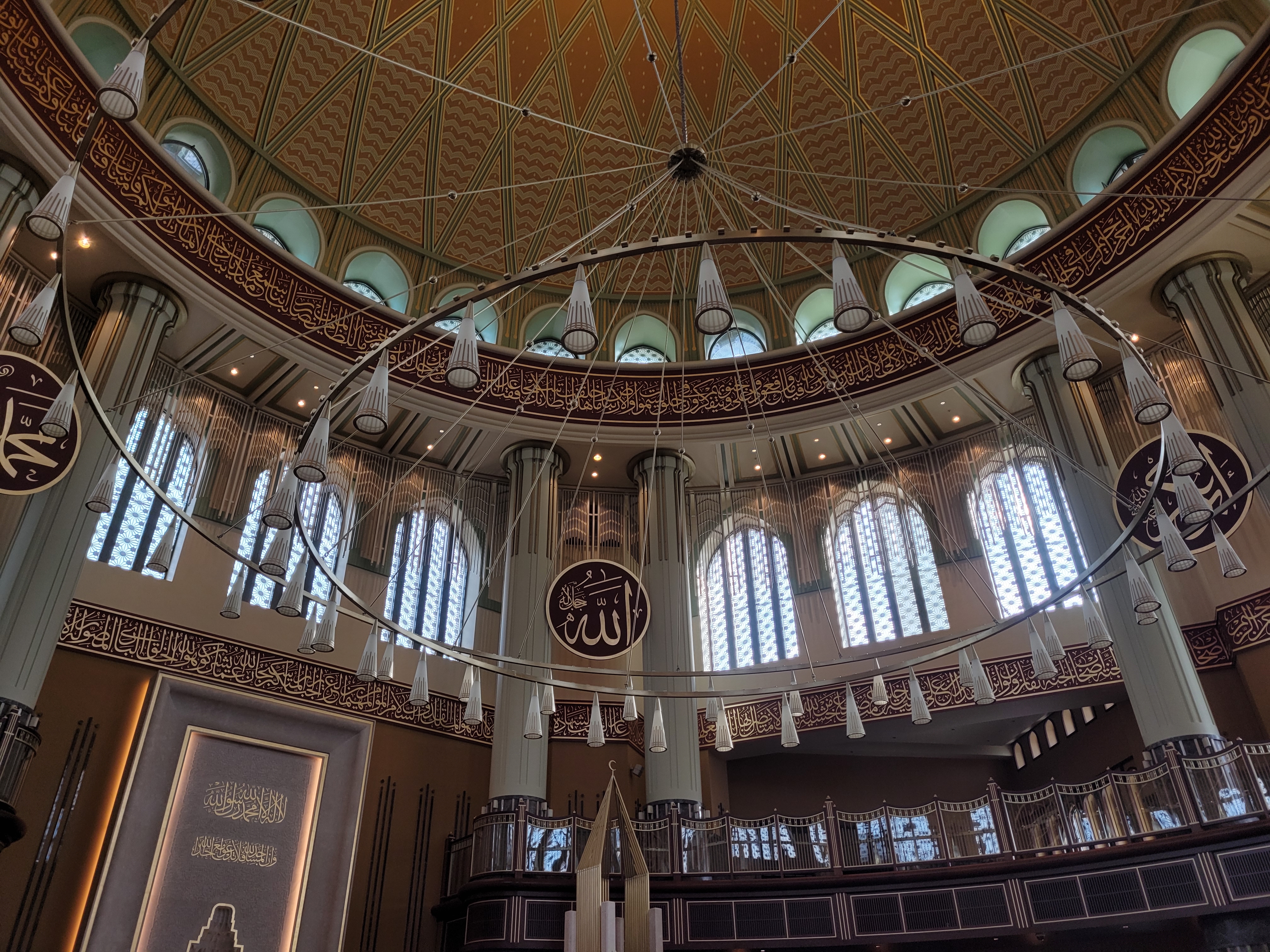
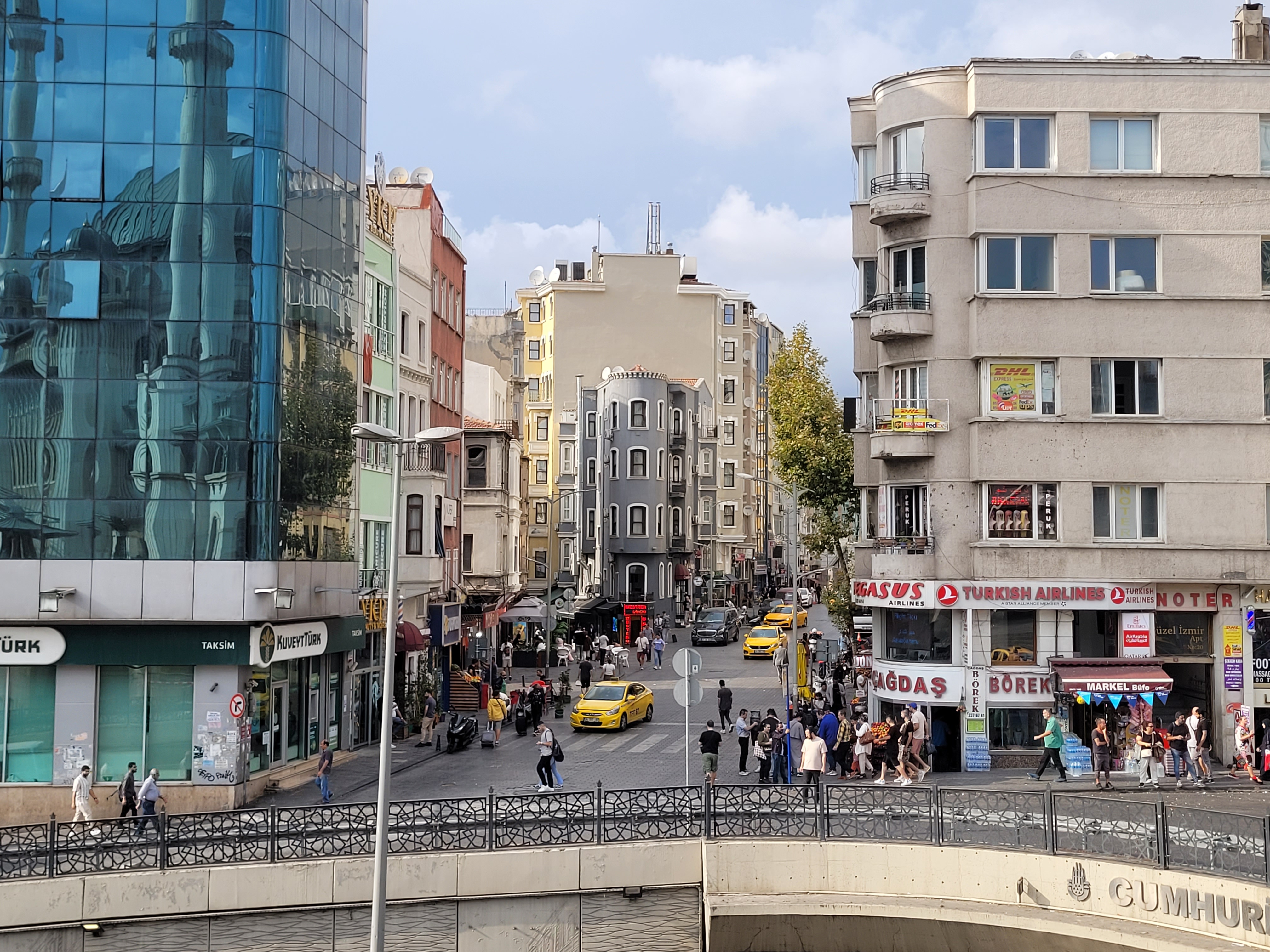
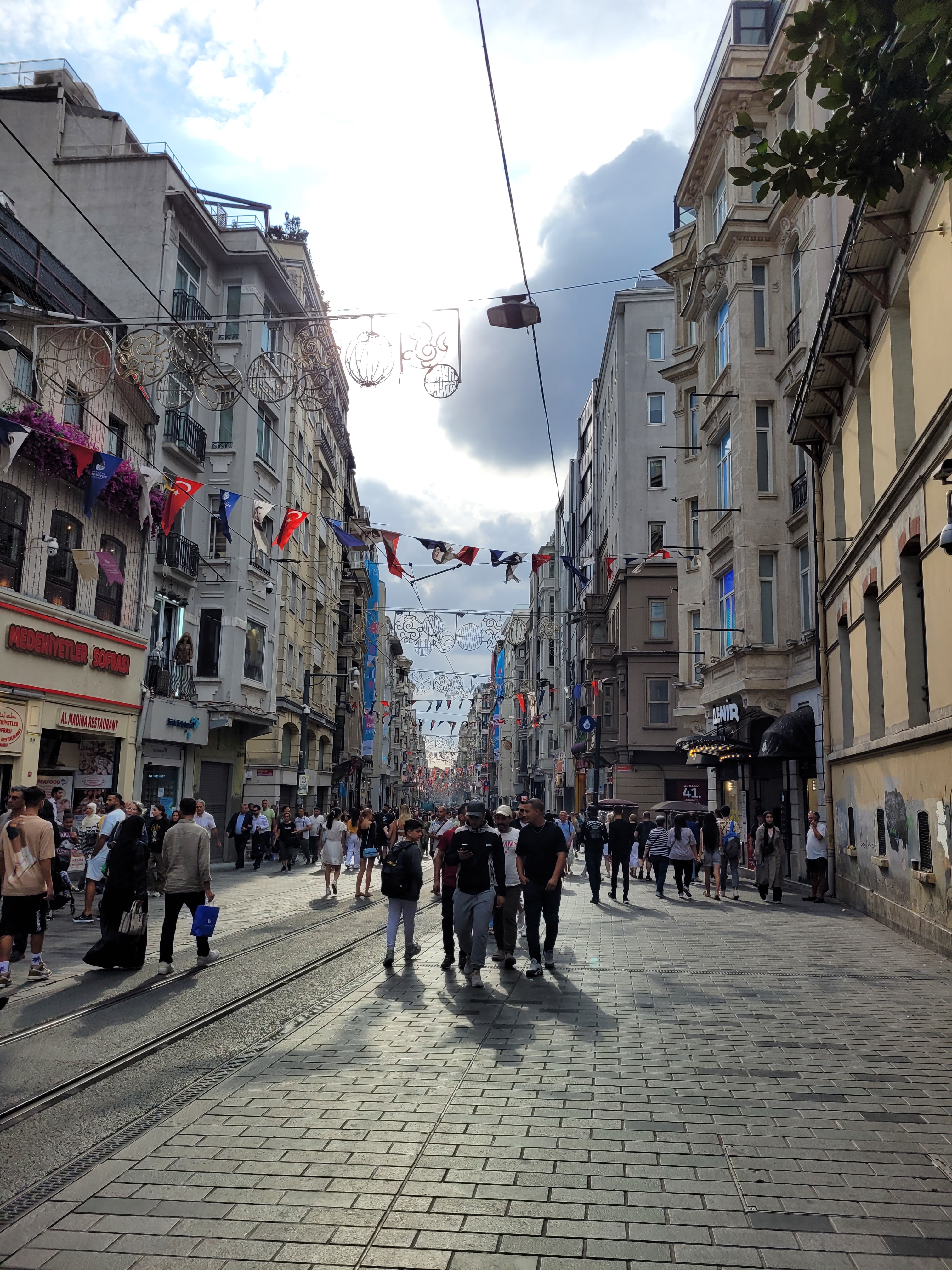
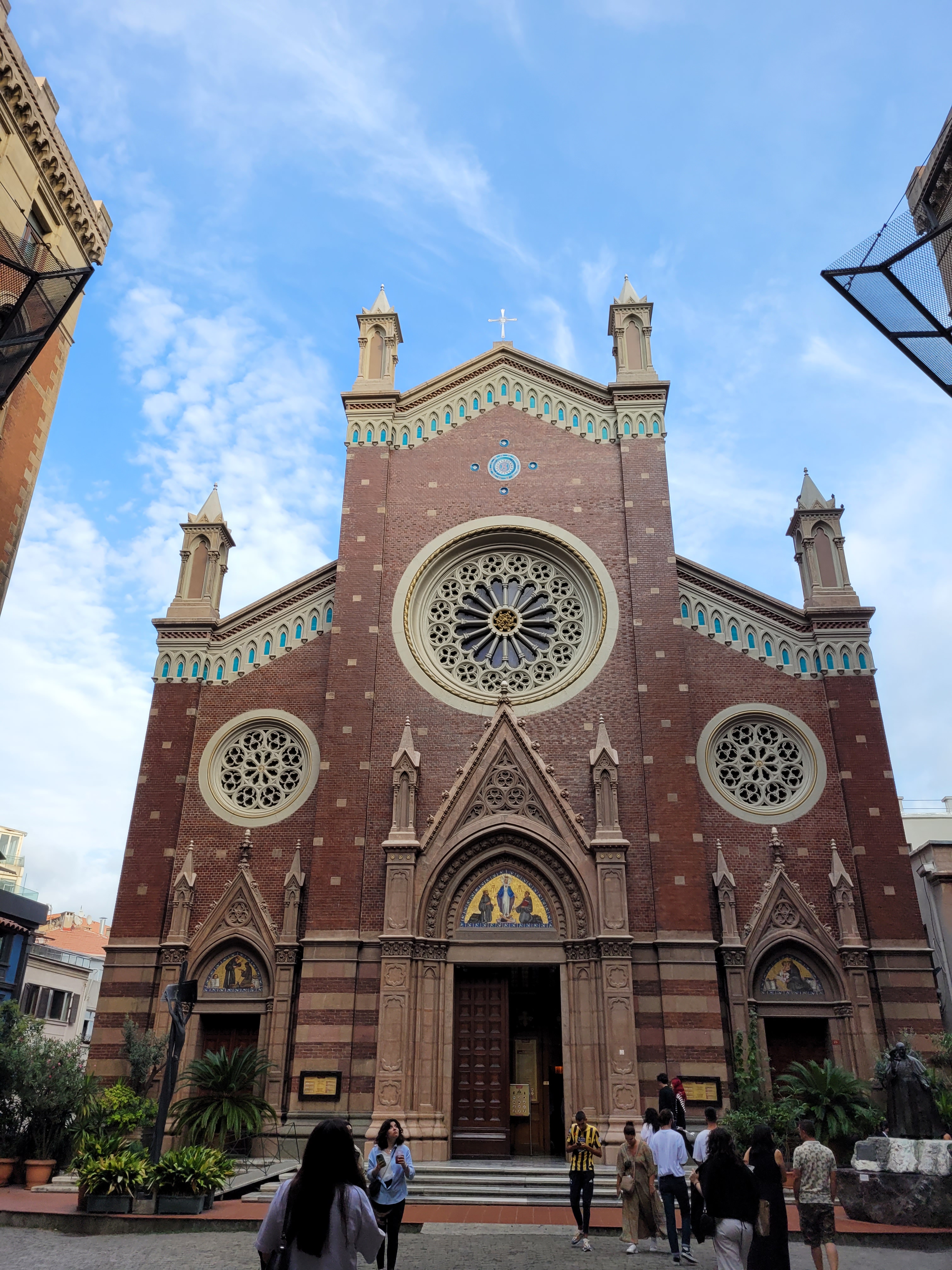
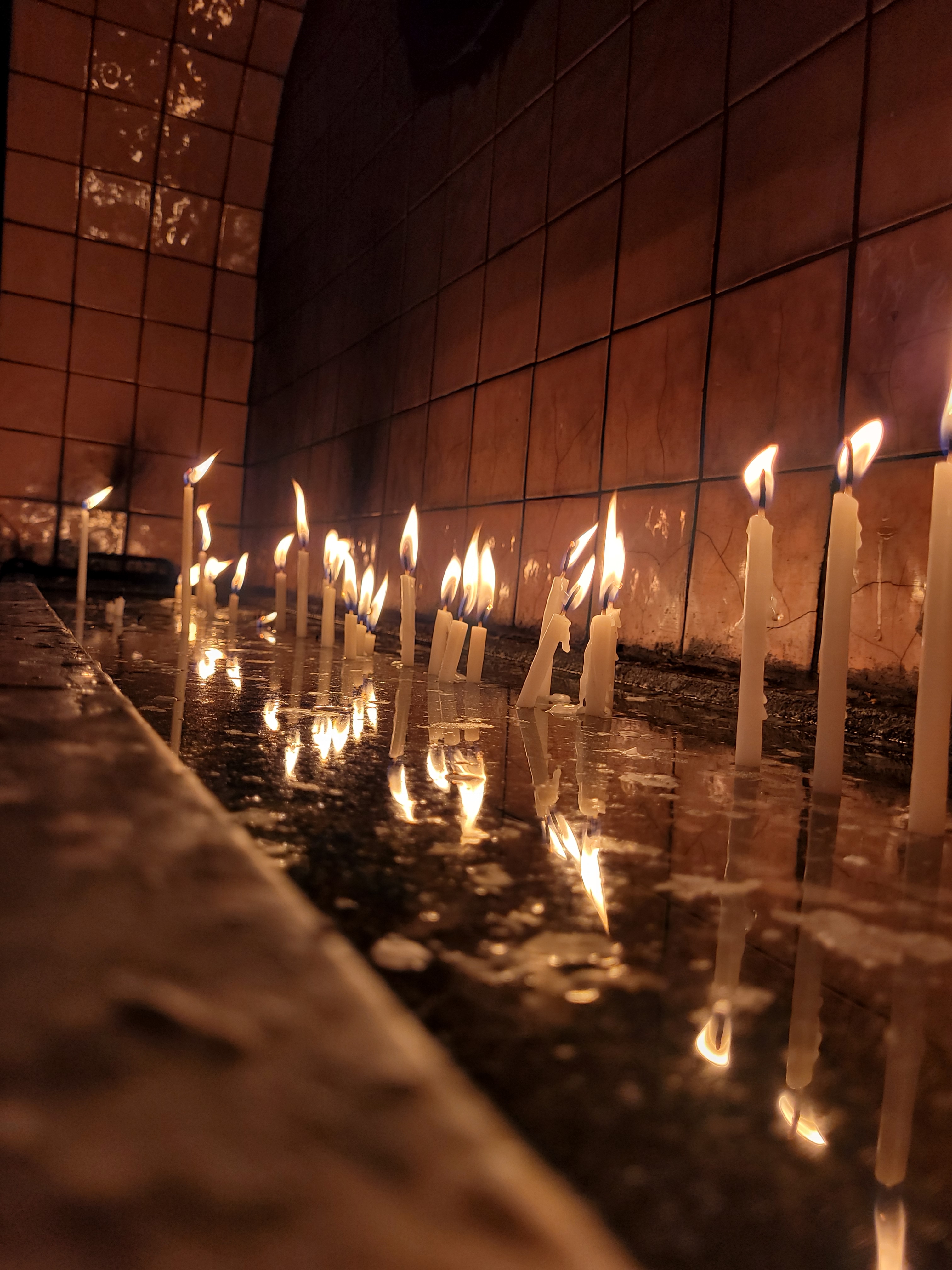
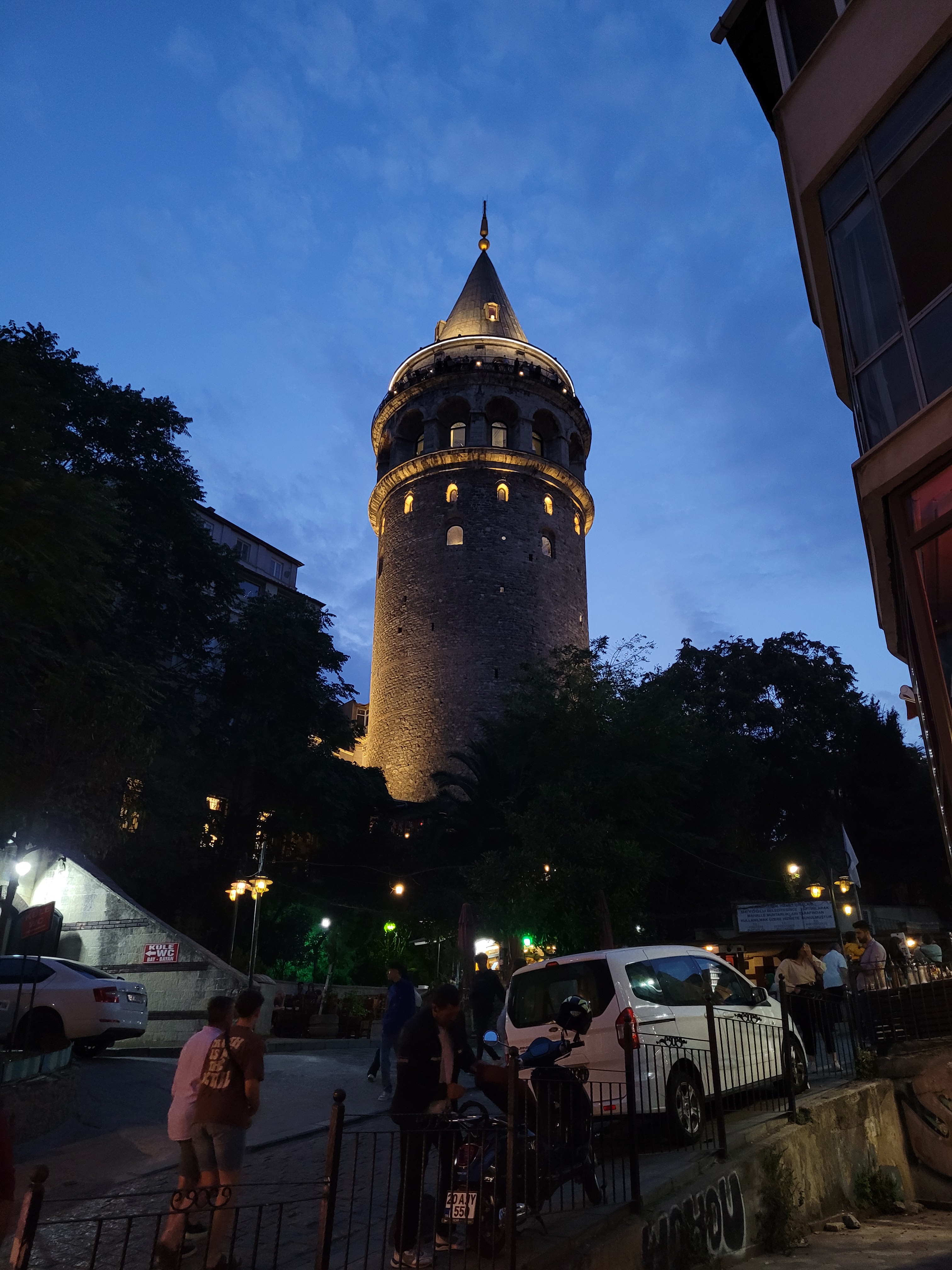
The district north of the Golden Horn feels much more alive and real than Fatih, the historical centre. It’s busy, and filled with interesting mosques, churches, and buildings. The famous Galata Tower is here as well, though we never went up it.
Fatih Mosque
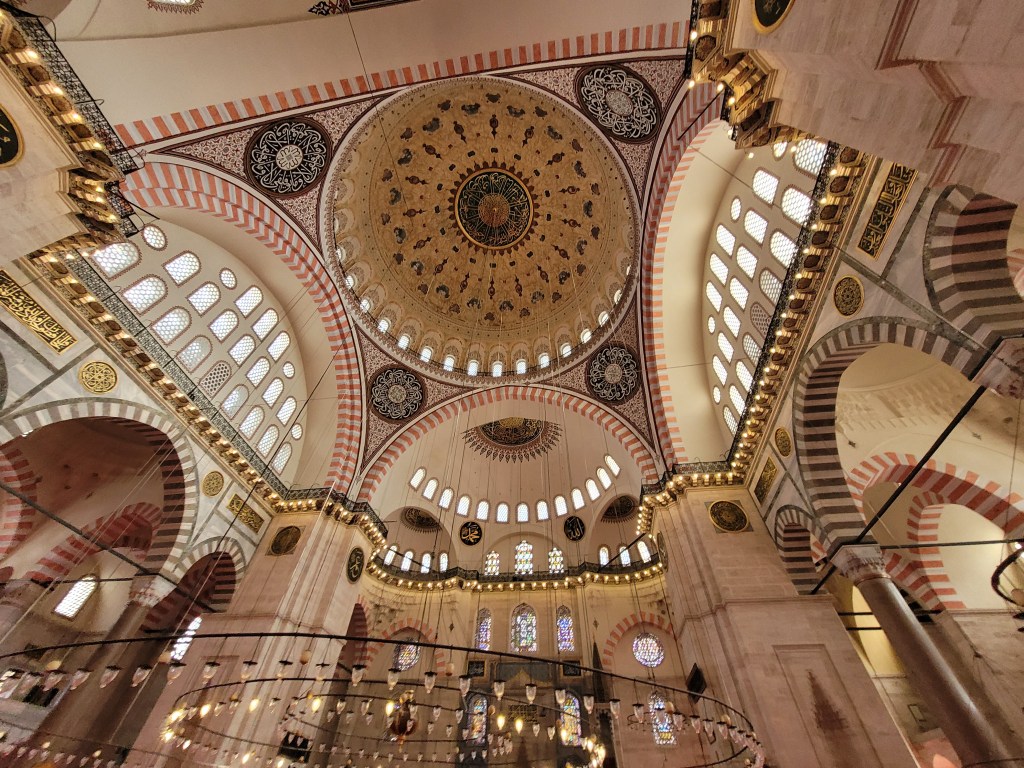
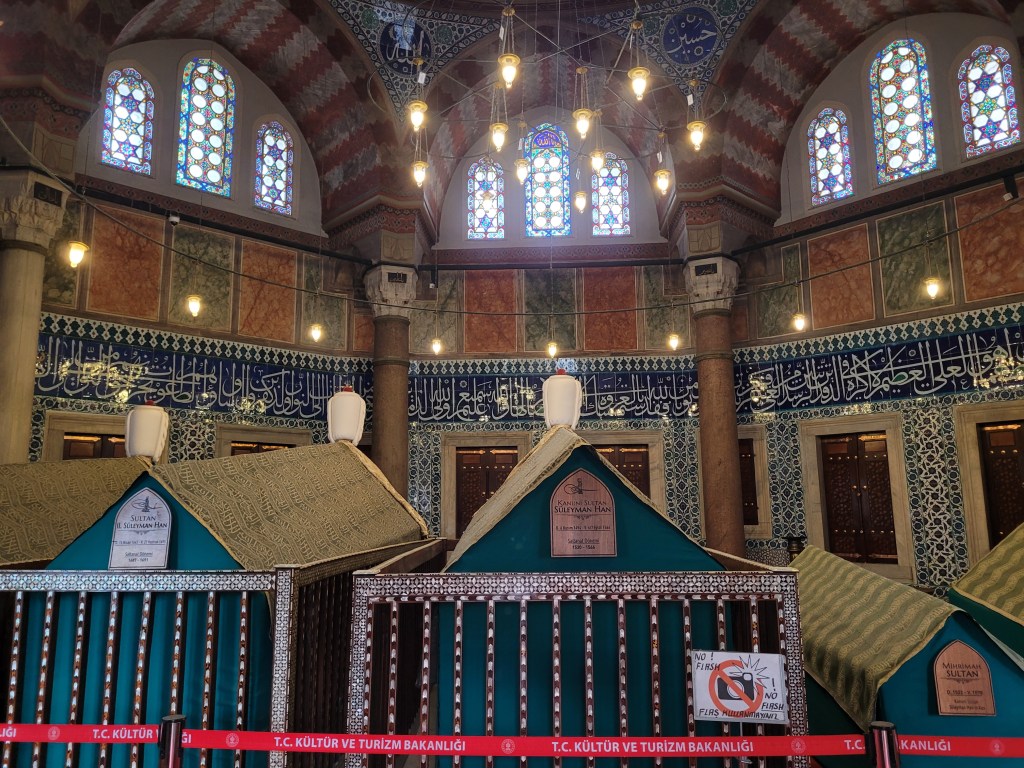
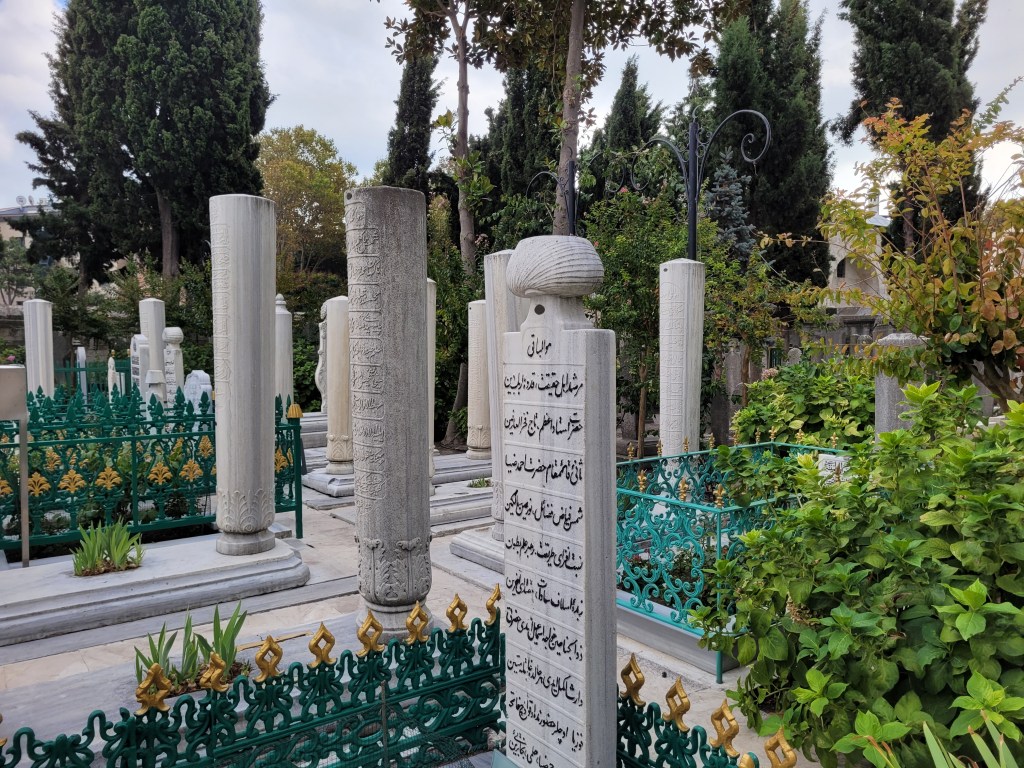
Another grand mosque located a bit out of town, it’s slightly less touristy than the Blue Mosque and Hagia Sofia, but just as beautiful. It does take a long walk uphill to get to it though!
St Stephen’s Orthodox Church
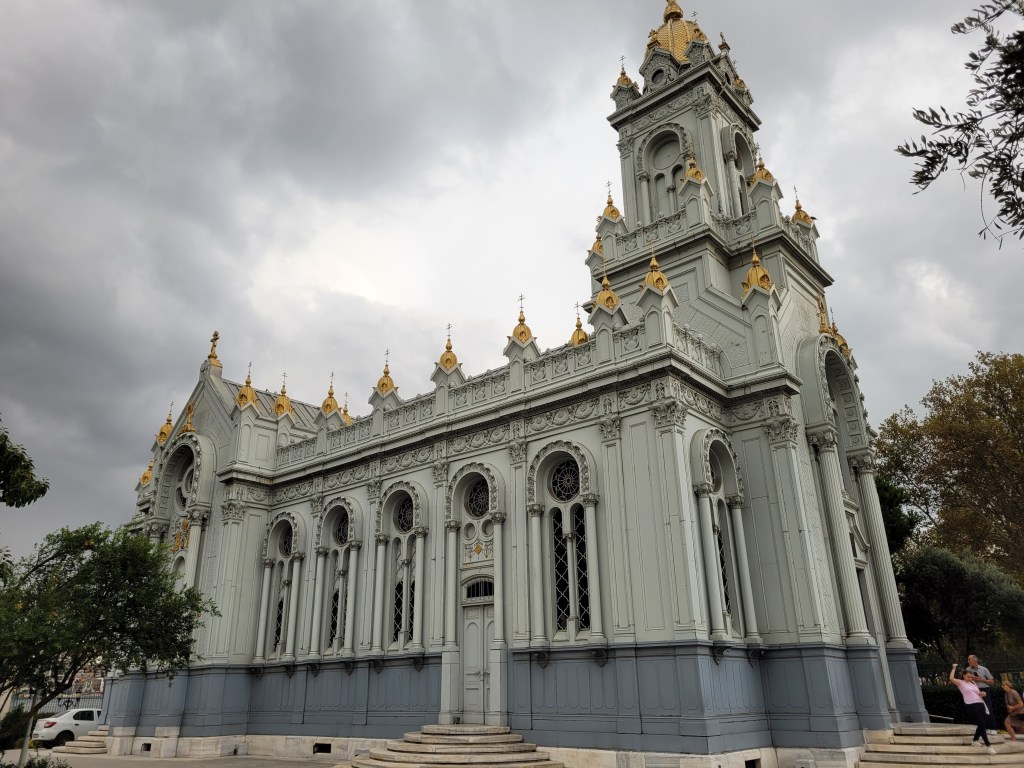
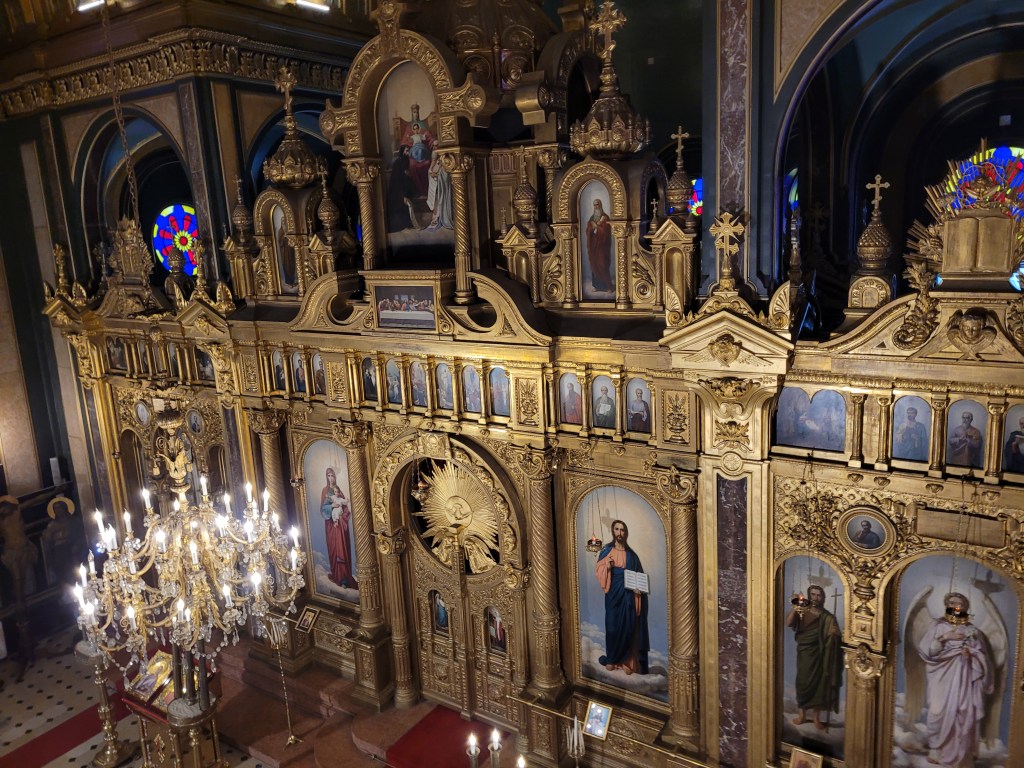
A Bulgarian Orthodox Church rendered in a unique grey-blue, this church is a particularly nice attraction that’s worth a stop.
Panorama 1453
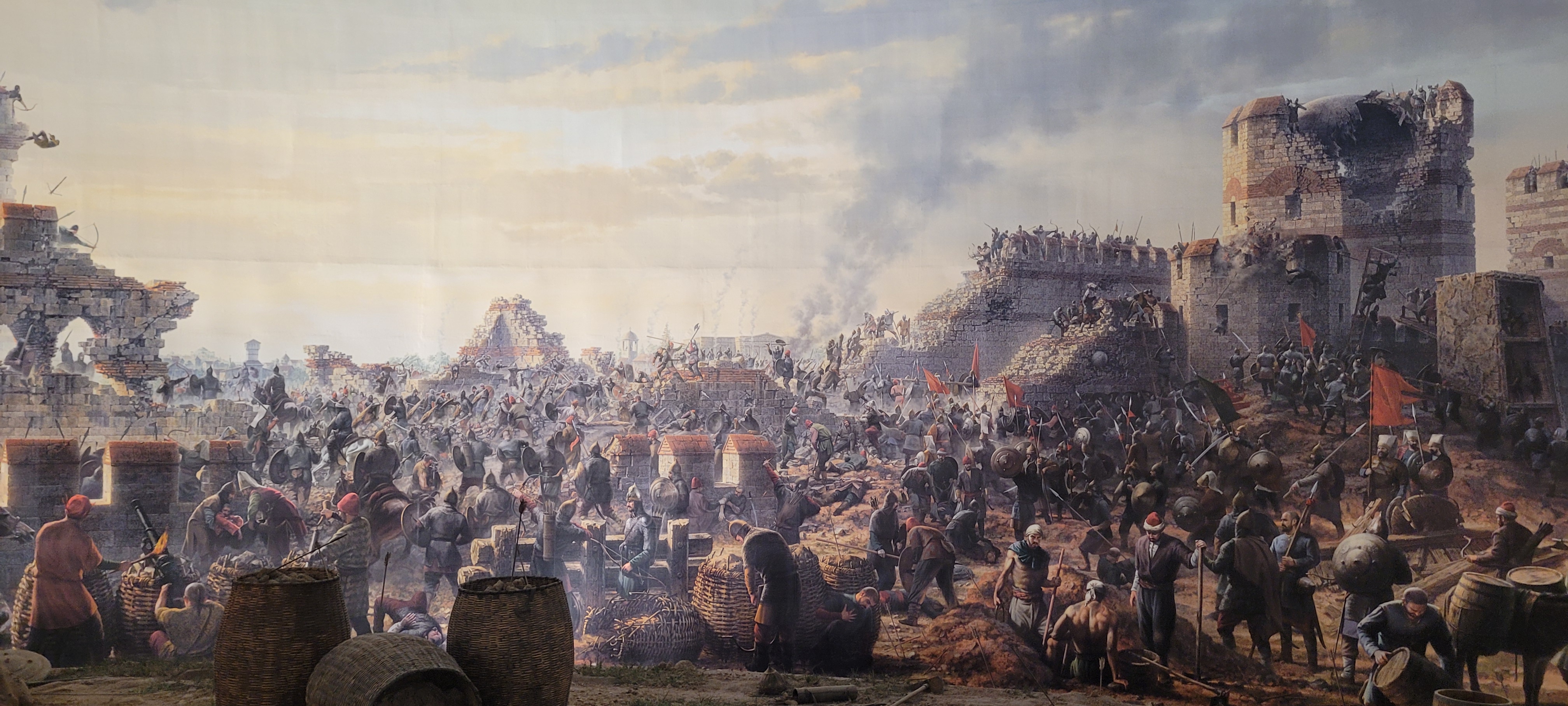
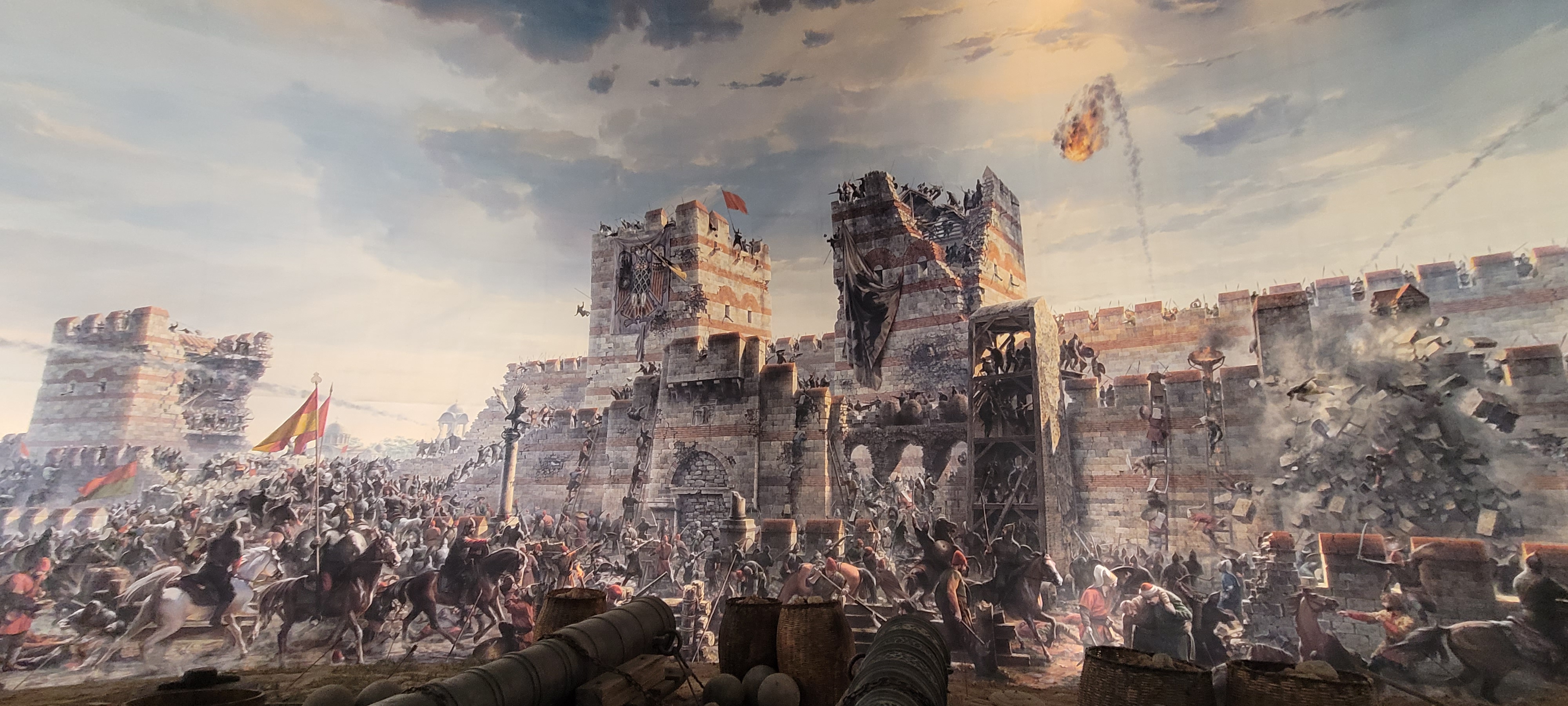
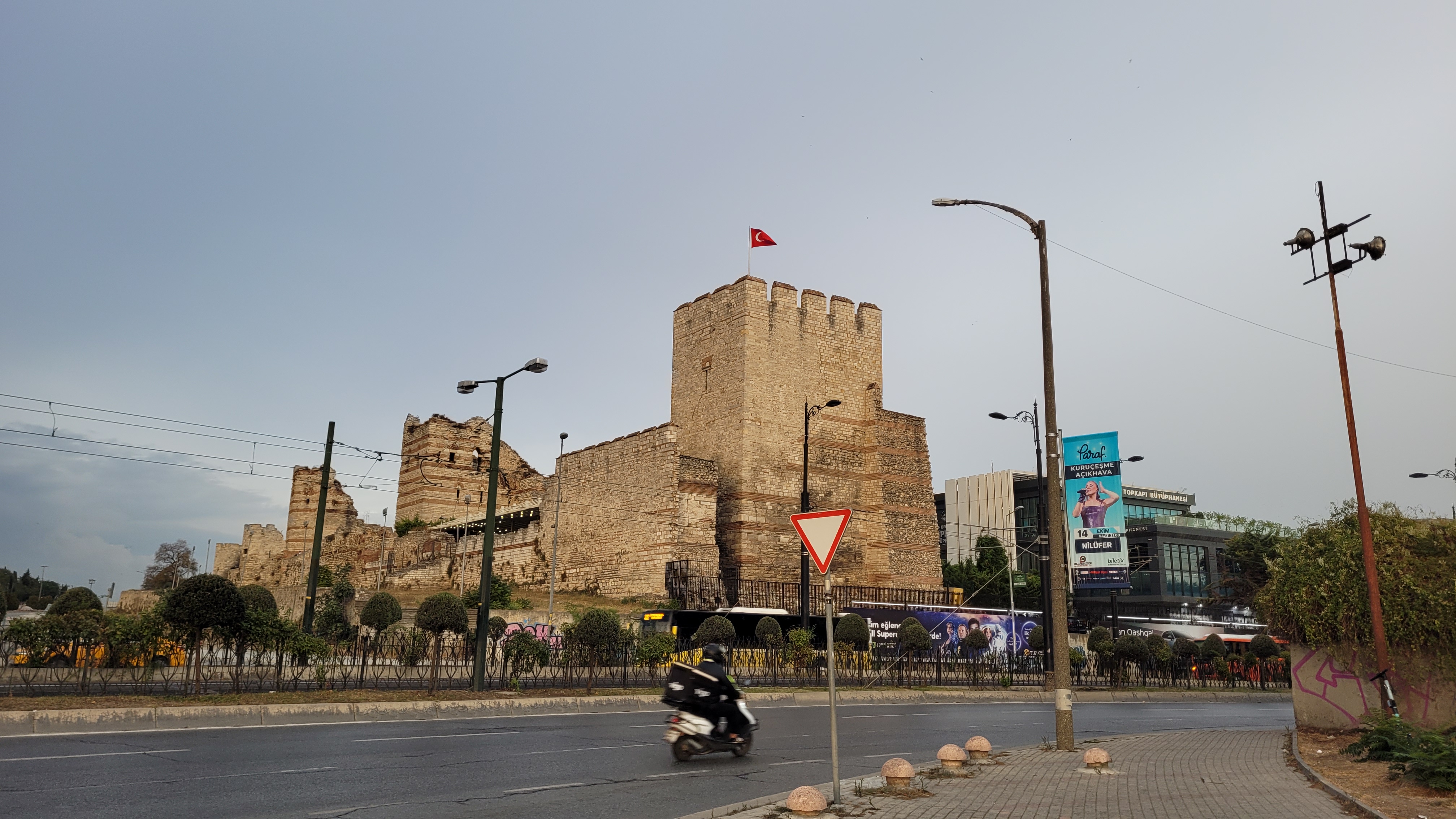
A painted panorama that illustrates the Fall of Constantinopole in 1453. You start the visit by looking through a small museum that explains the history behind the event pictured. Then, once up in the panorama itself, a small show is played showing exactly how it happened, followed by a some time to admire the Panorama by yourself, which is amazingly detailed. After finishing up there, you can go see the very same walls pictured in the Panorama just outside.
Turkish Lamp Making
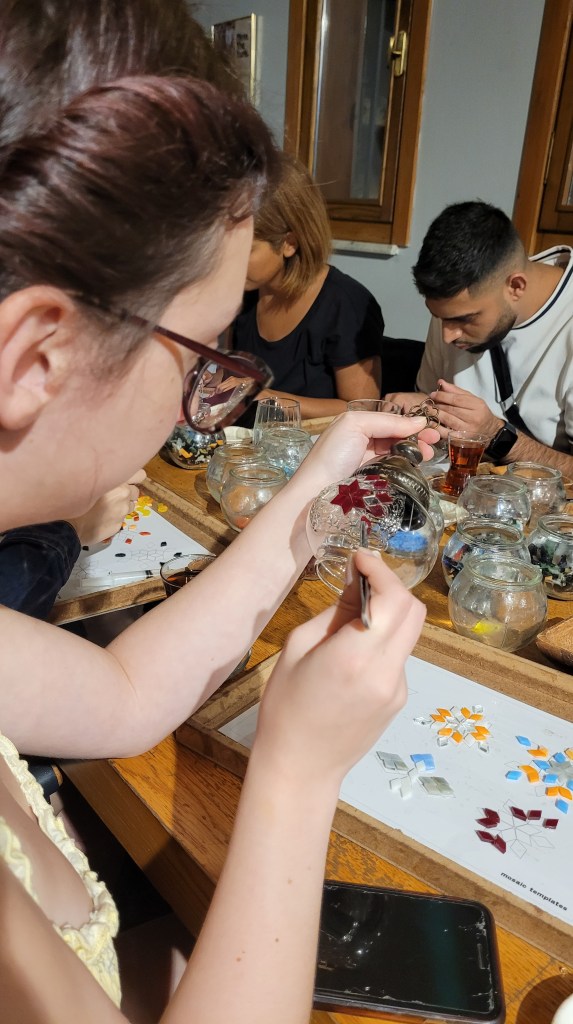
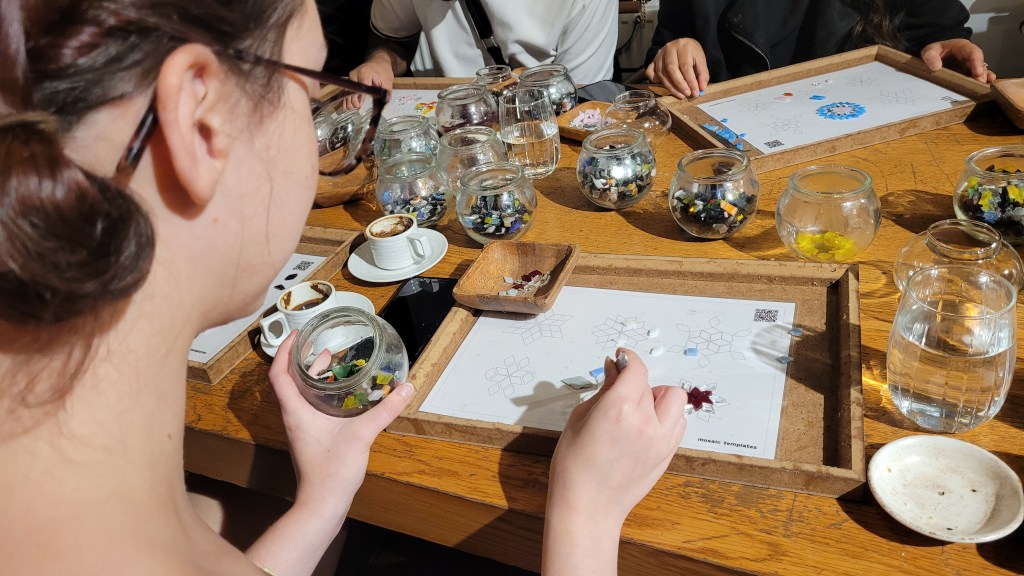
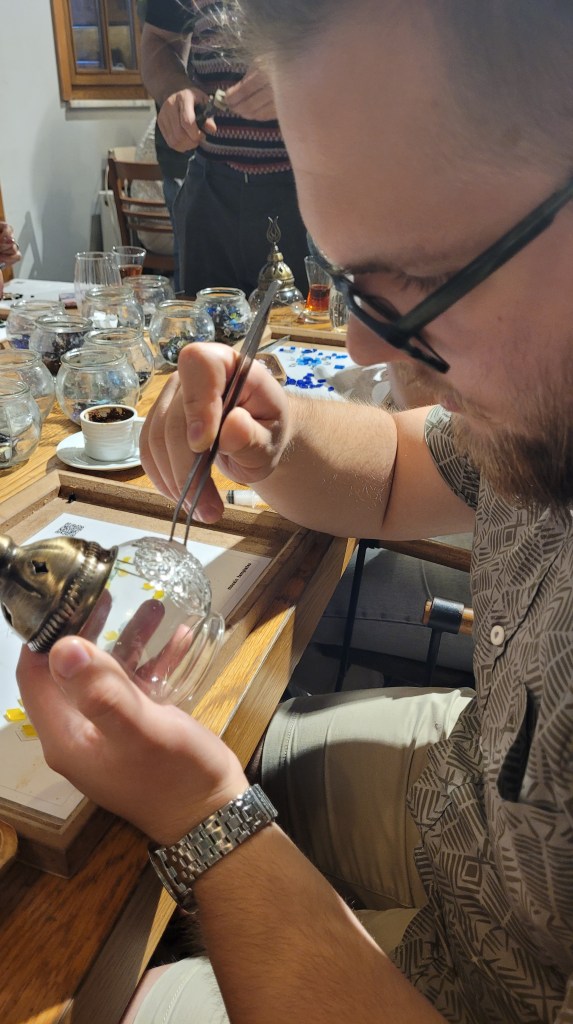
This was one of the most fun activities we did. You get to design a Turkish style lamp, creating your own tile patterns, sticking them on, then finishing it off with some beads. These lamps look better than the same lamps you can buy at markets, and they are very personal to you.
Spots That Might Be Good
Egyptian Bazaar and Grand Bazaar
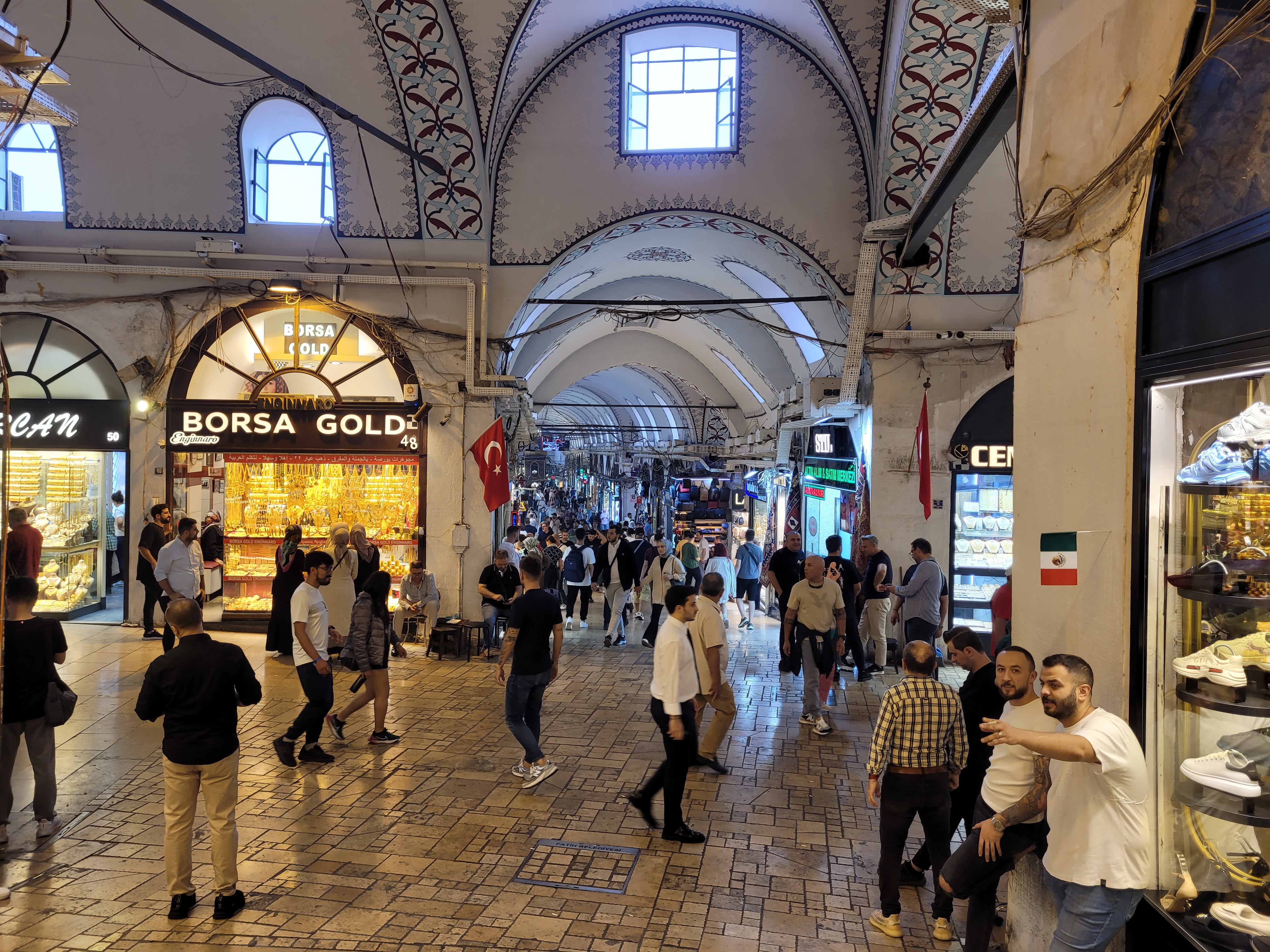
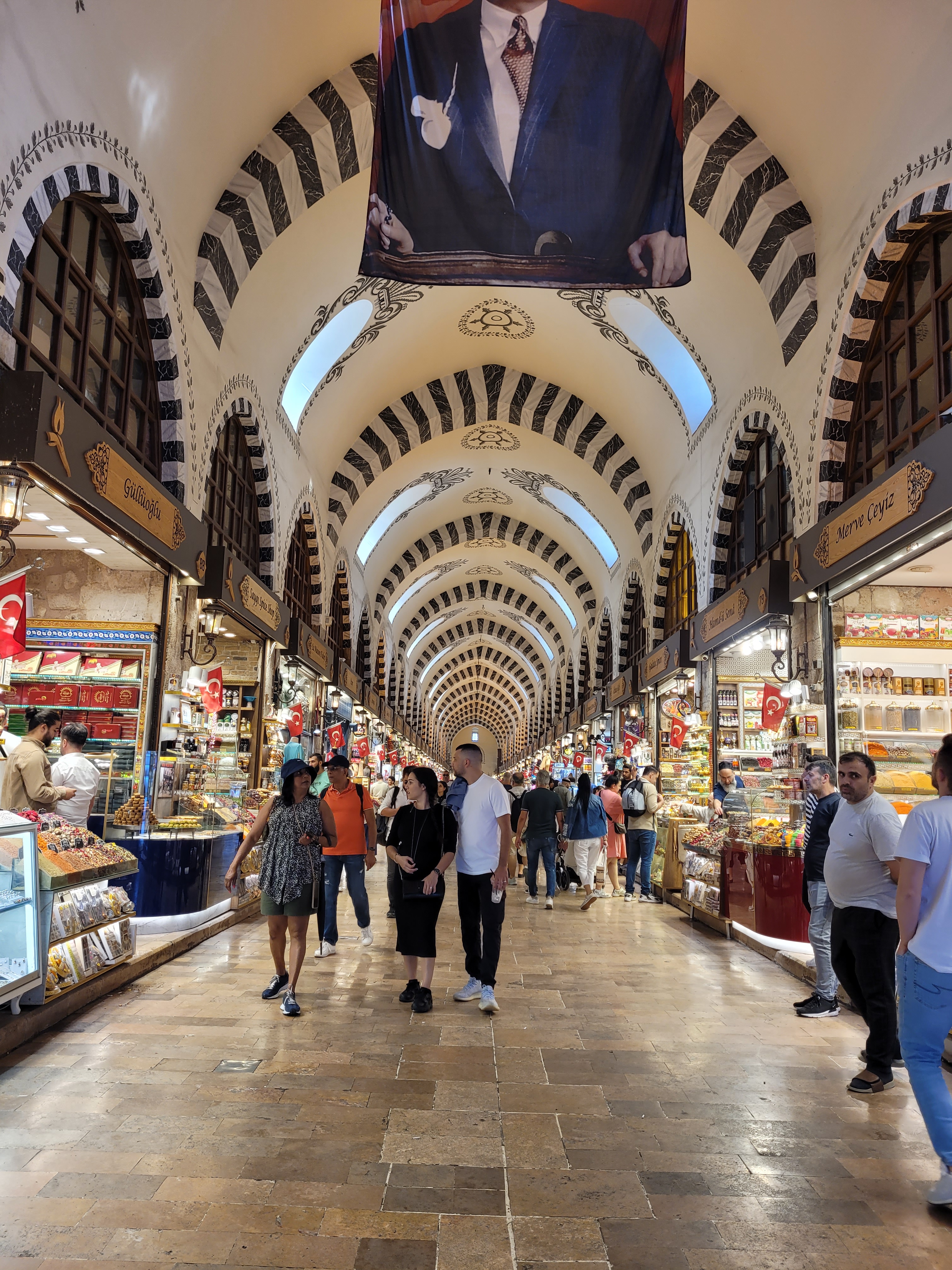
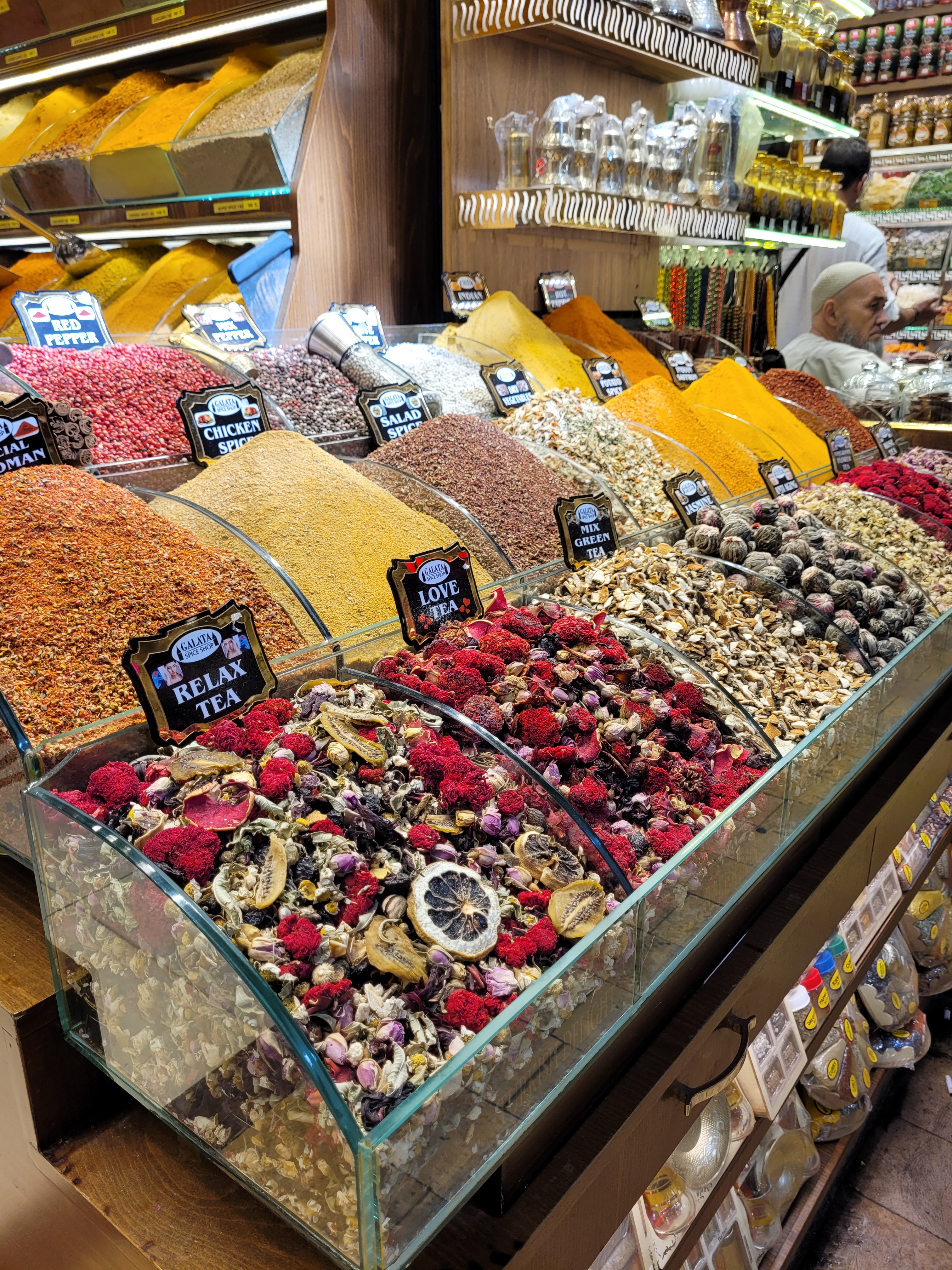
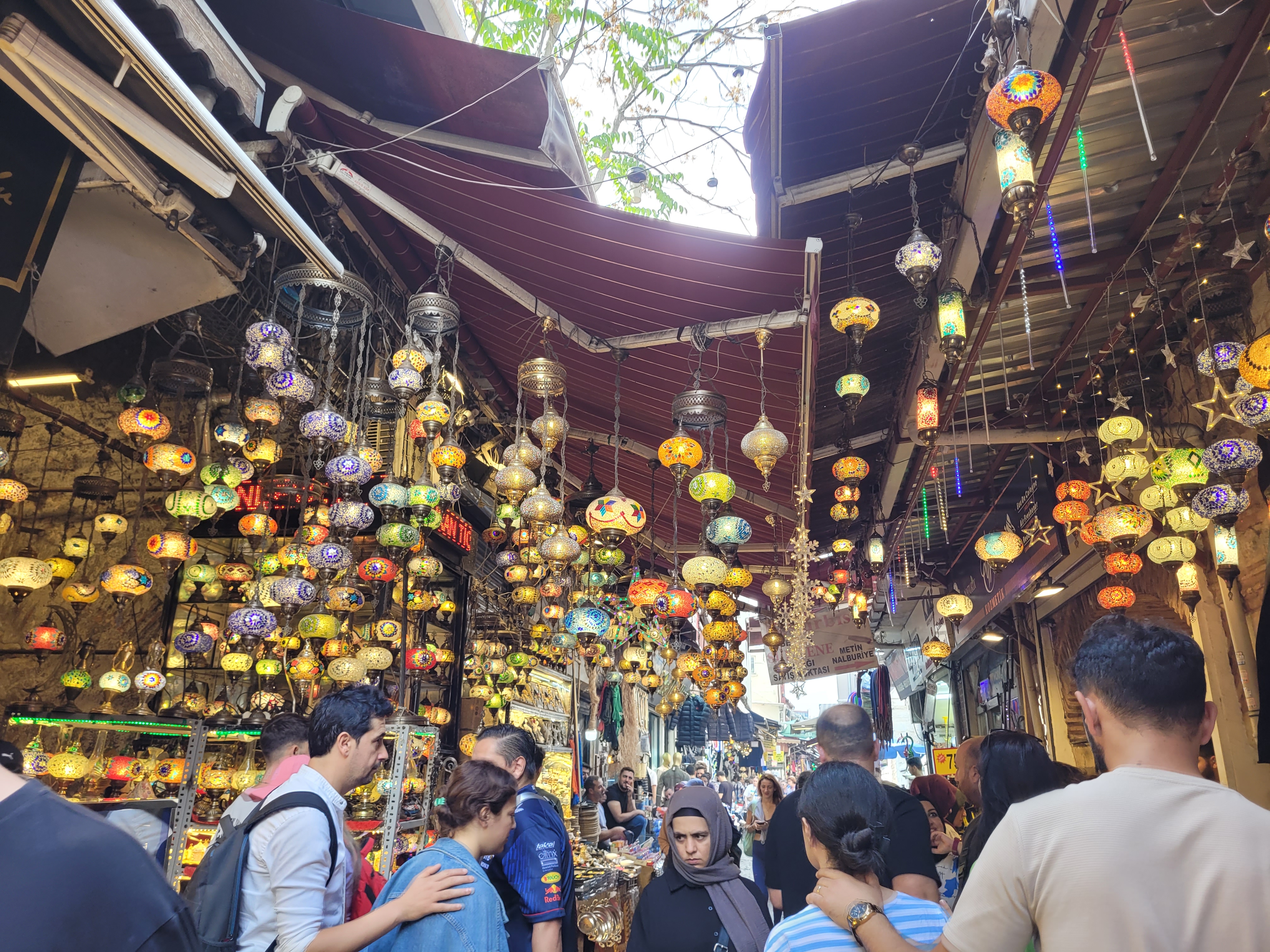
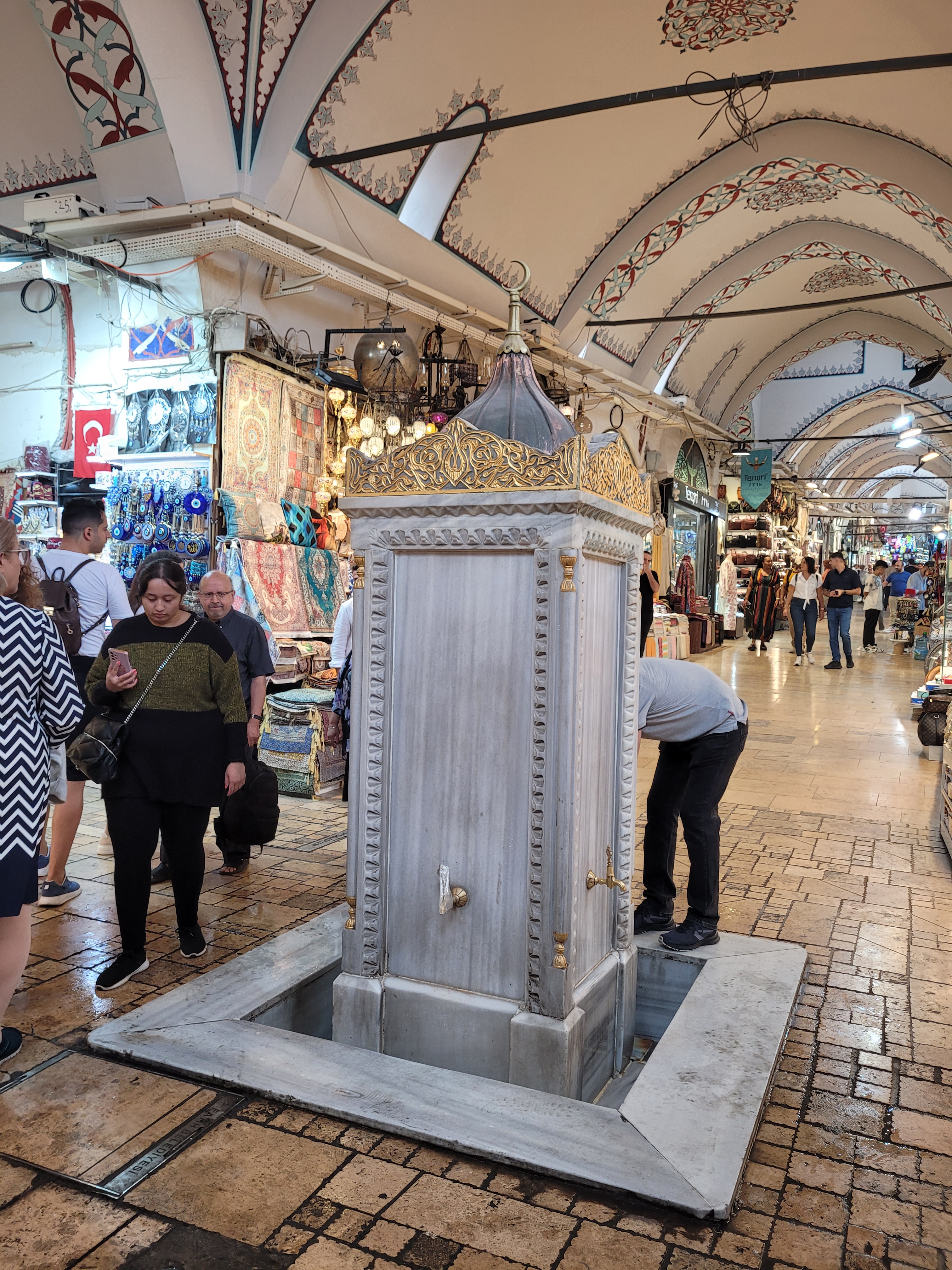
These 2 bazaars are impressive, especially the latter due to its size. They are a fascinating insight into how life in the Ottoman capital may have once been. However, nowadays the markets are filled with vastly overpriced knickknacks, making these places only good for taking some photos and imagining what they may have been like once.
Dolmabahce Palace
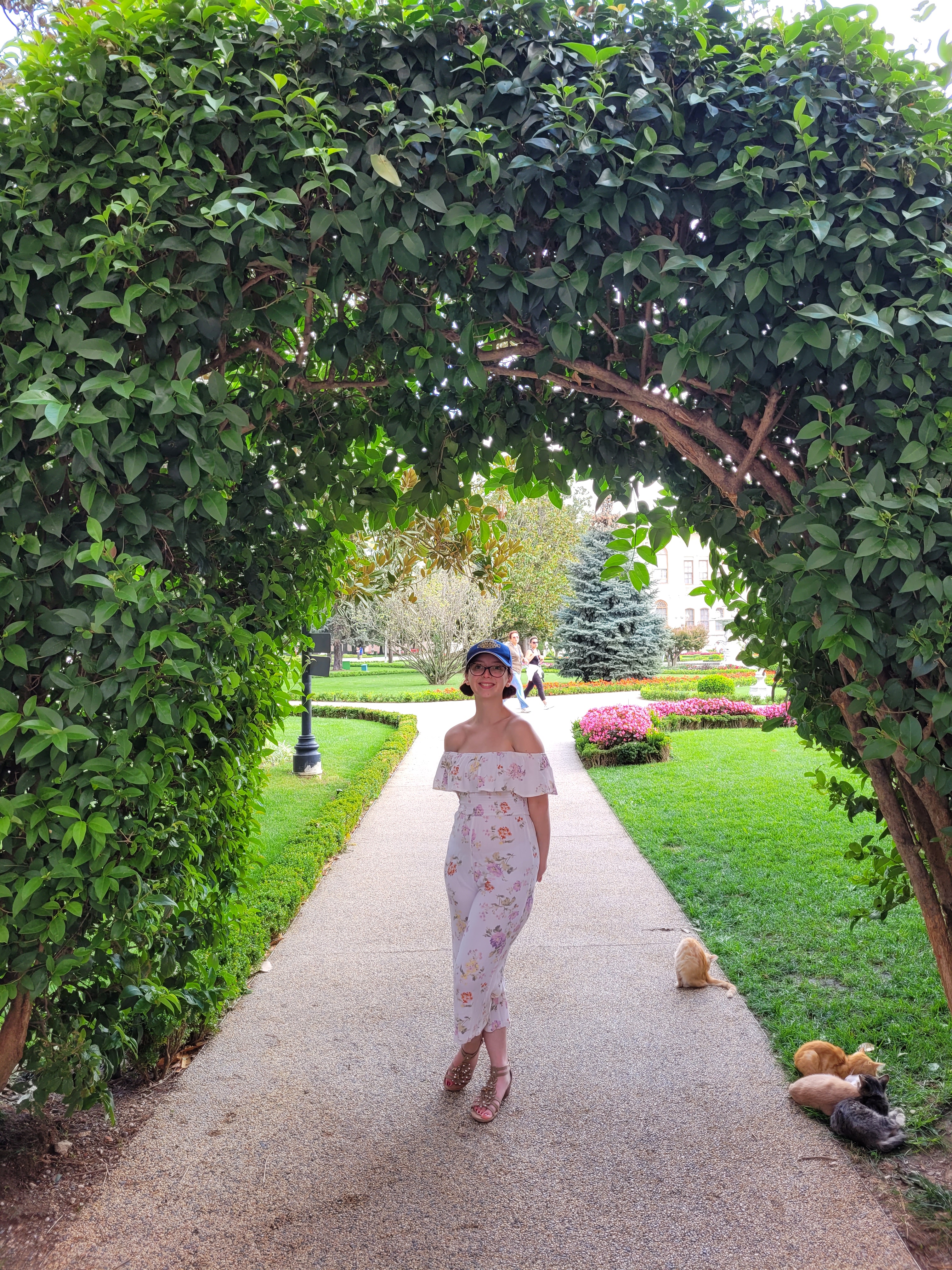
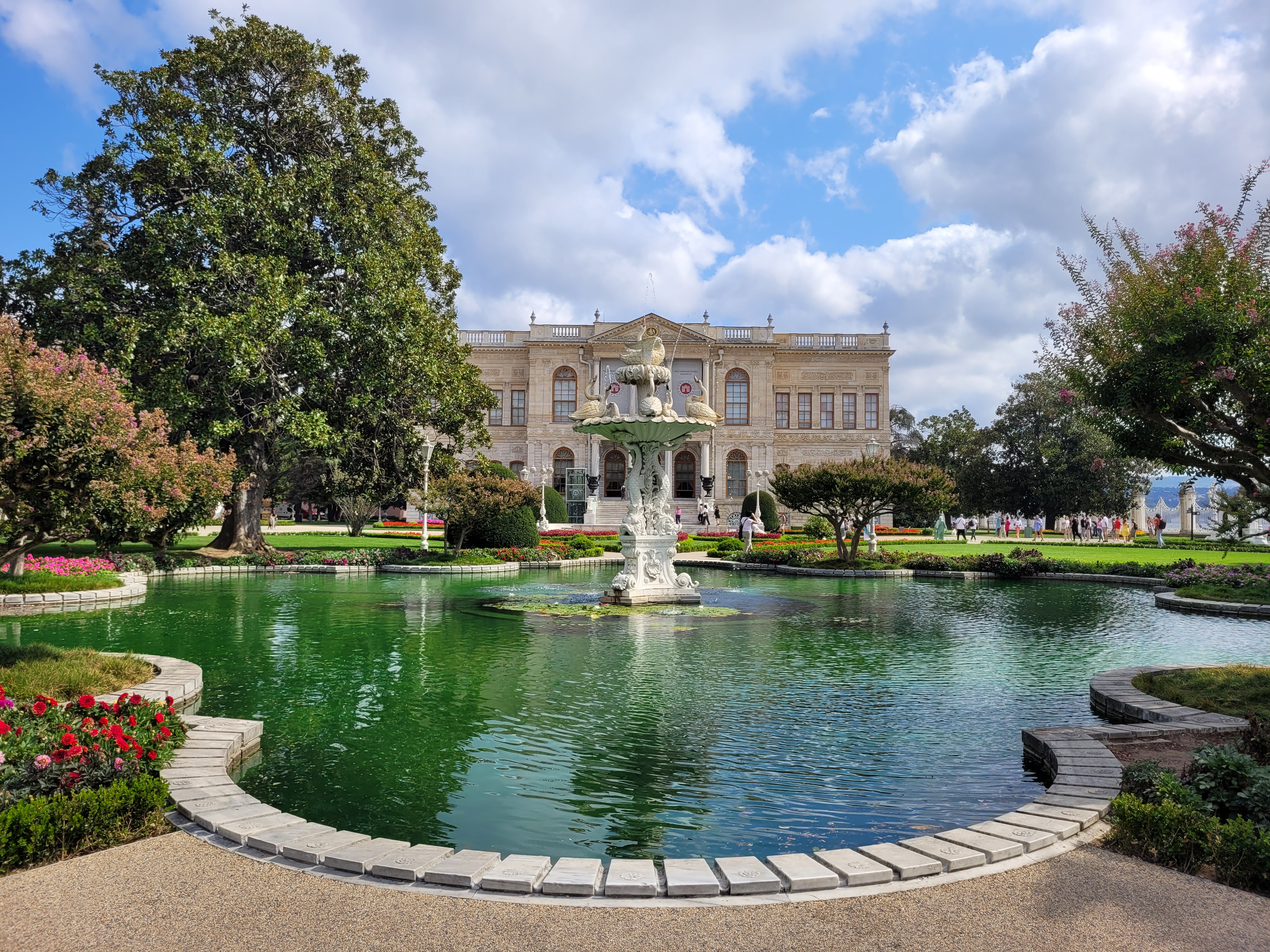
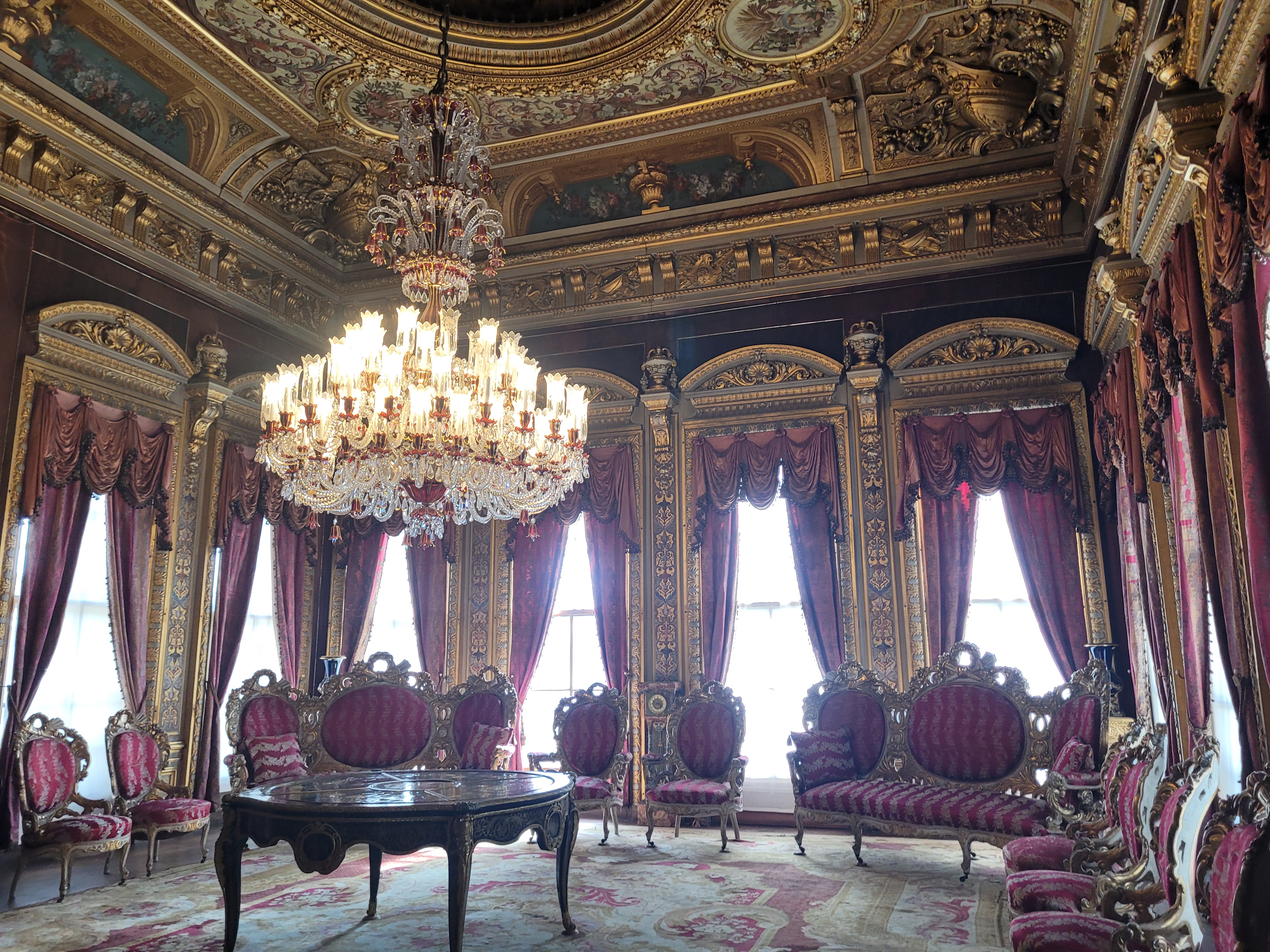
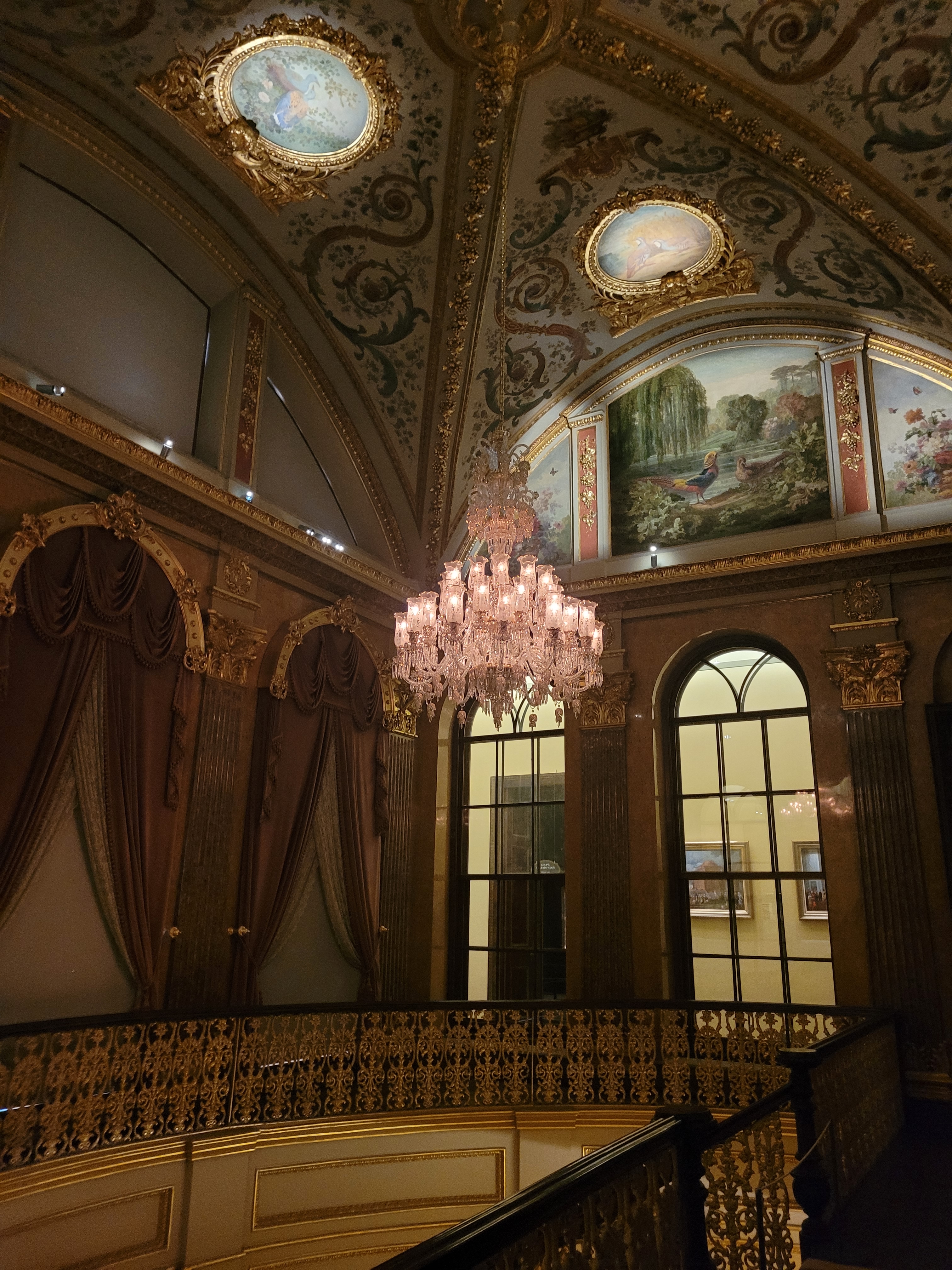
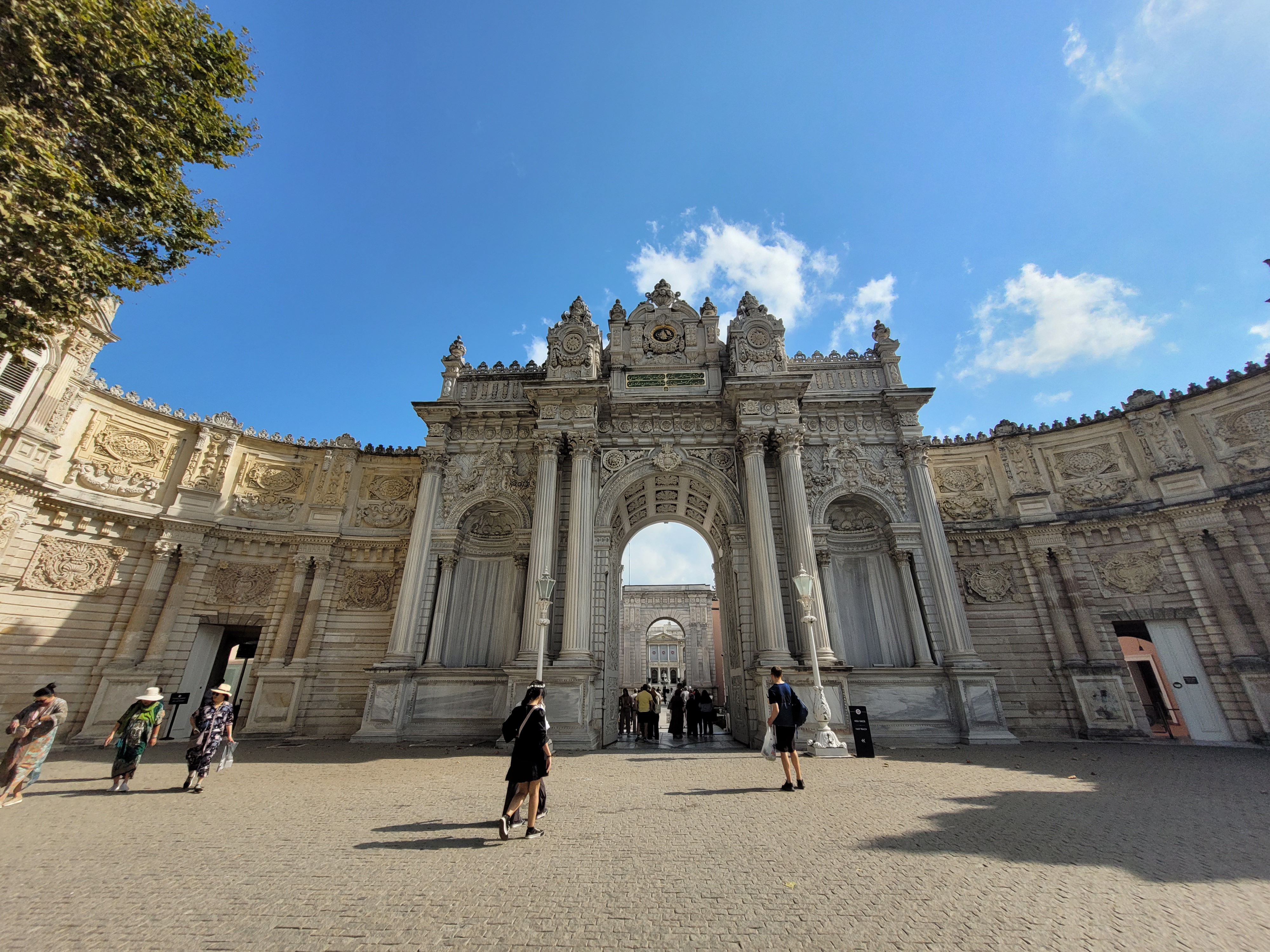
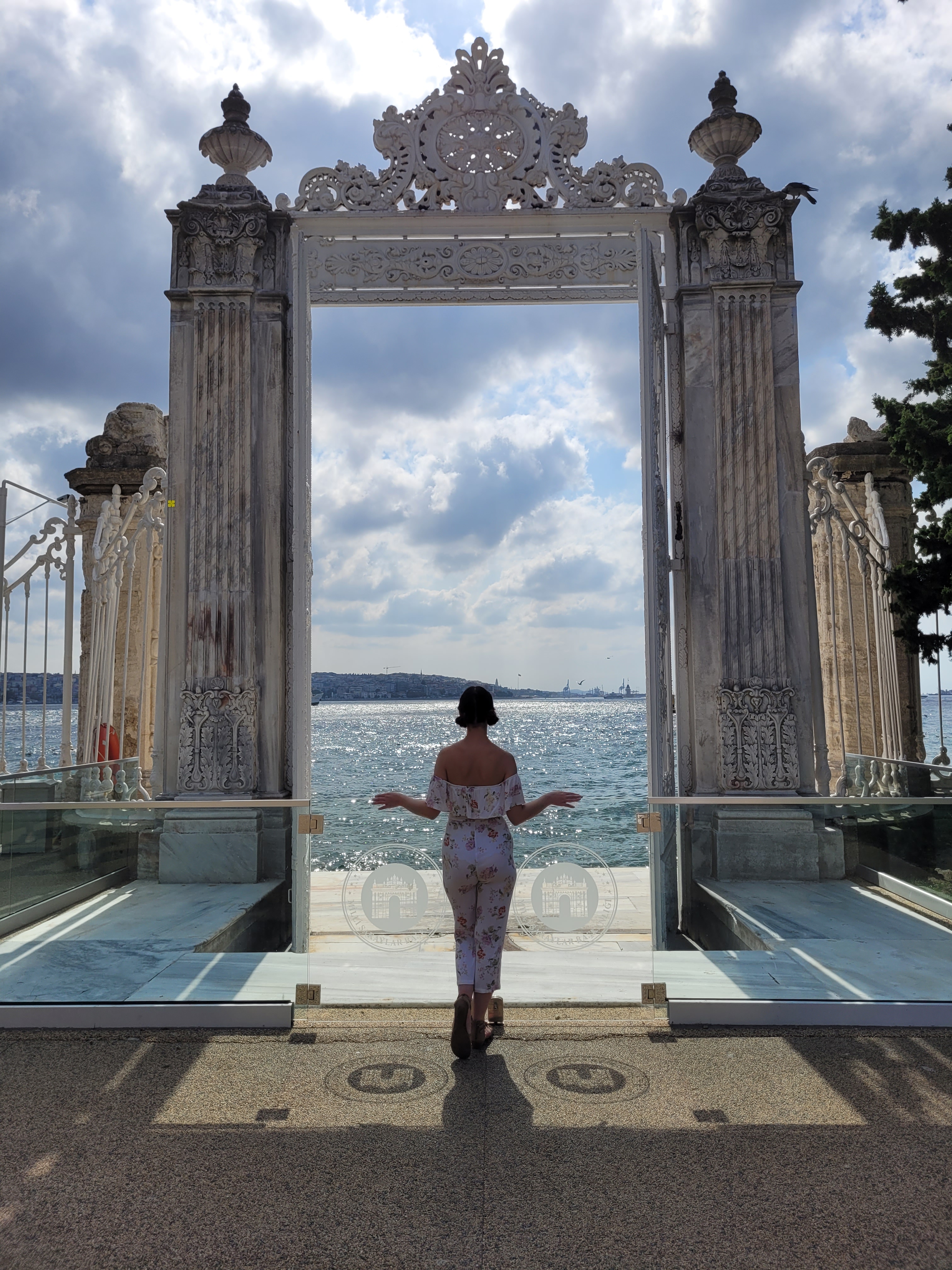
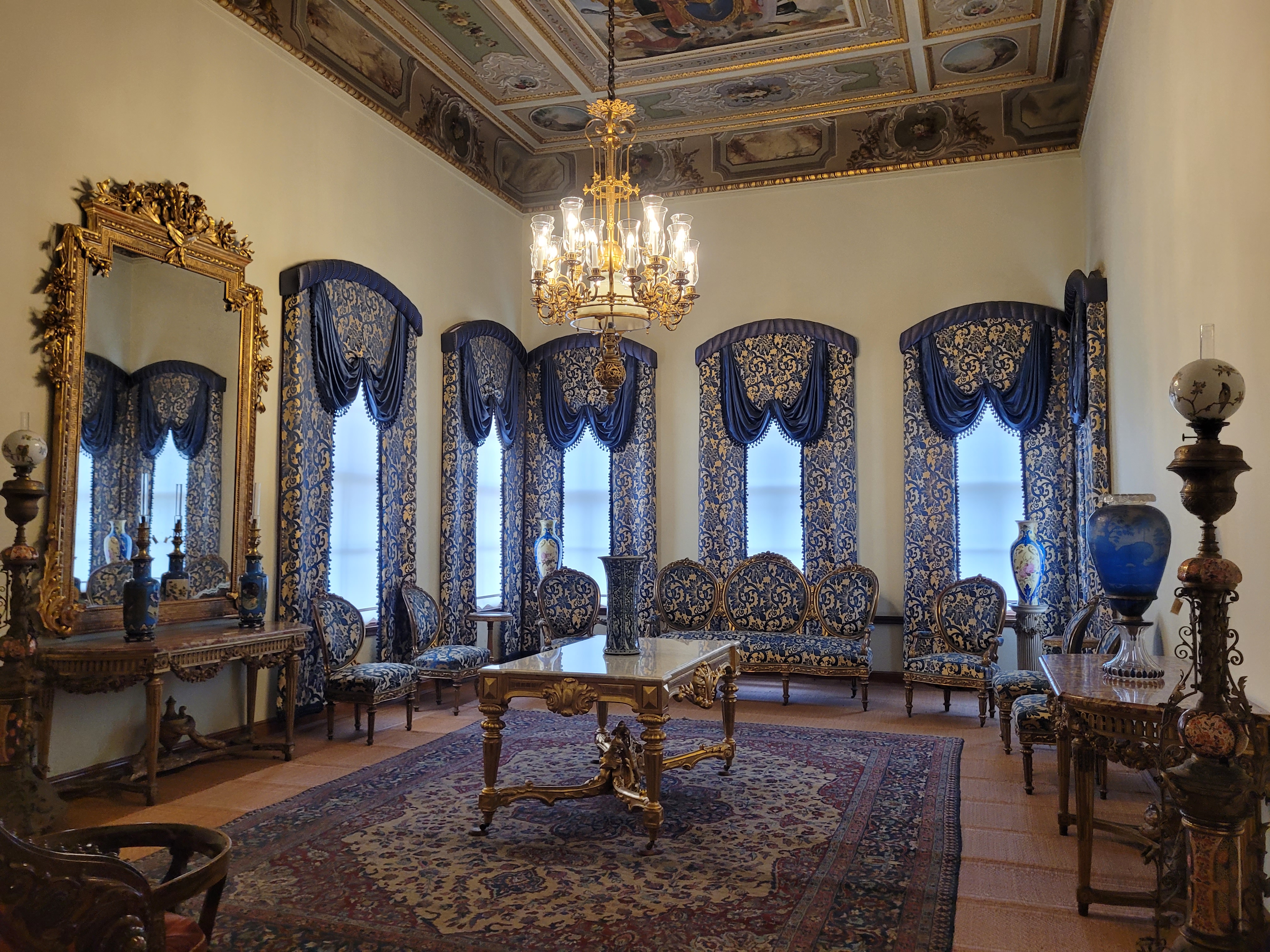
The second palace of the Ottoman Sultans. It was built much later than Topkapi, and is much closer in style to western palaces than the older Topkapi. It’s still beautiful, but if you’ve travelled around Europe a lot, it’s likely you’ve already seen many places like it. Worse still is the fact you can’t take photos inside.
Istanbul Archaeology Museum
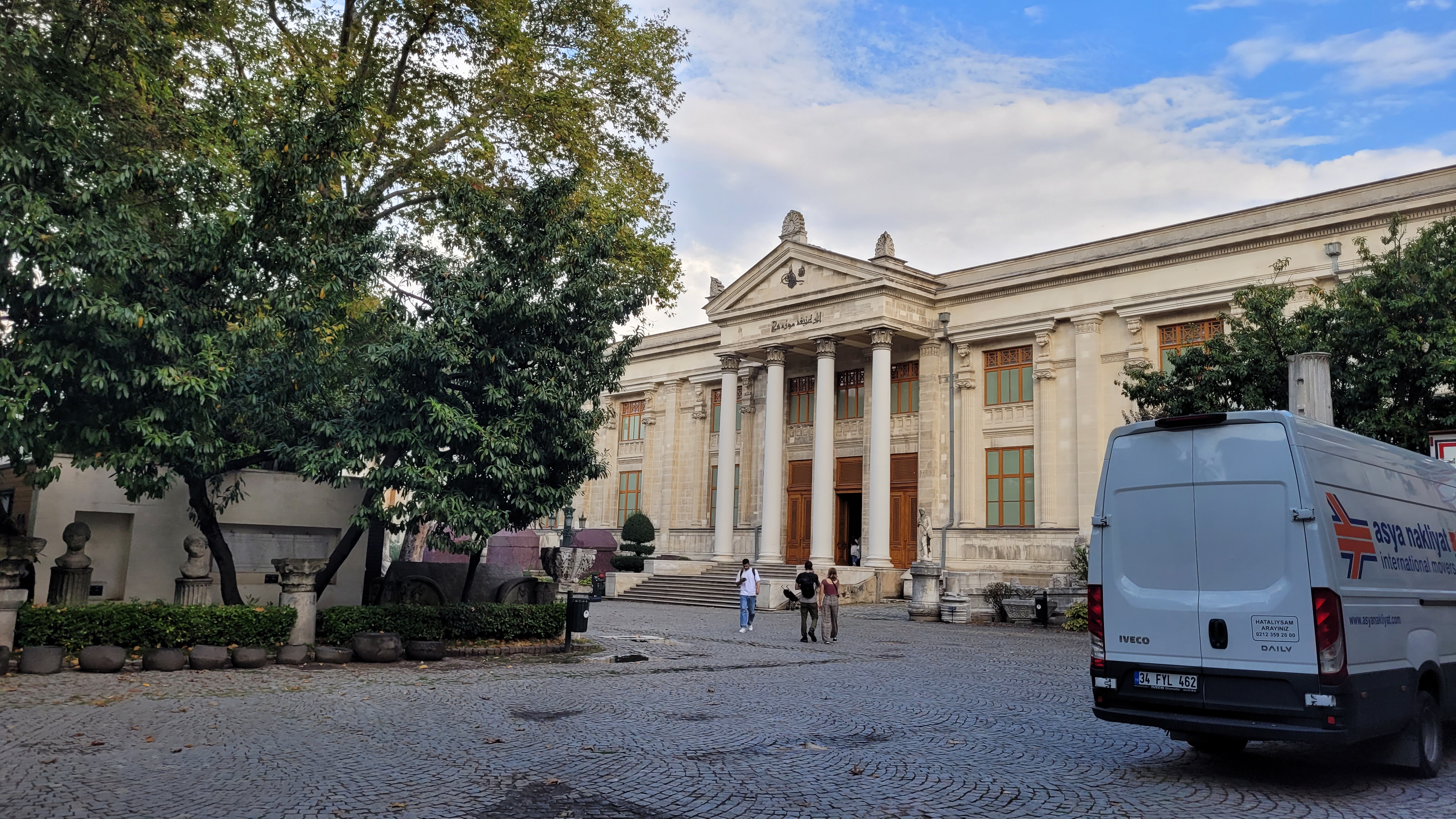
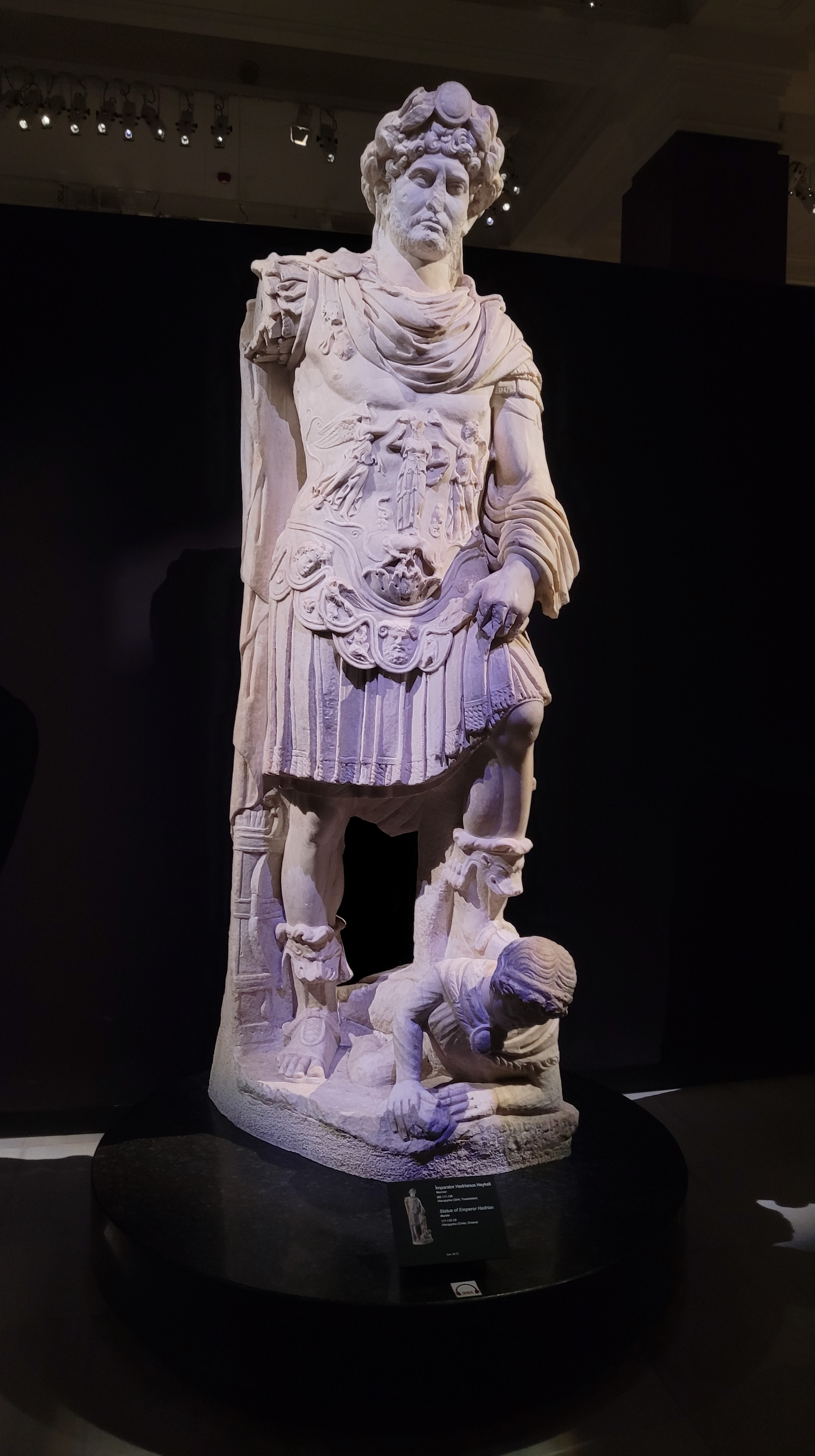
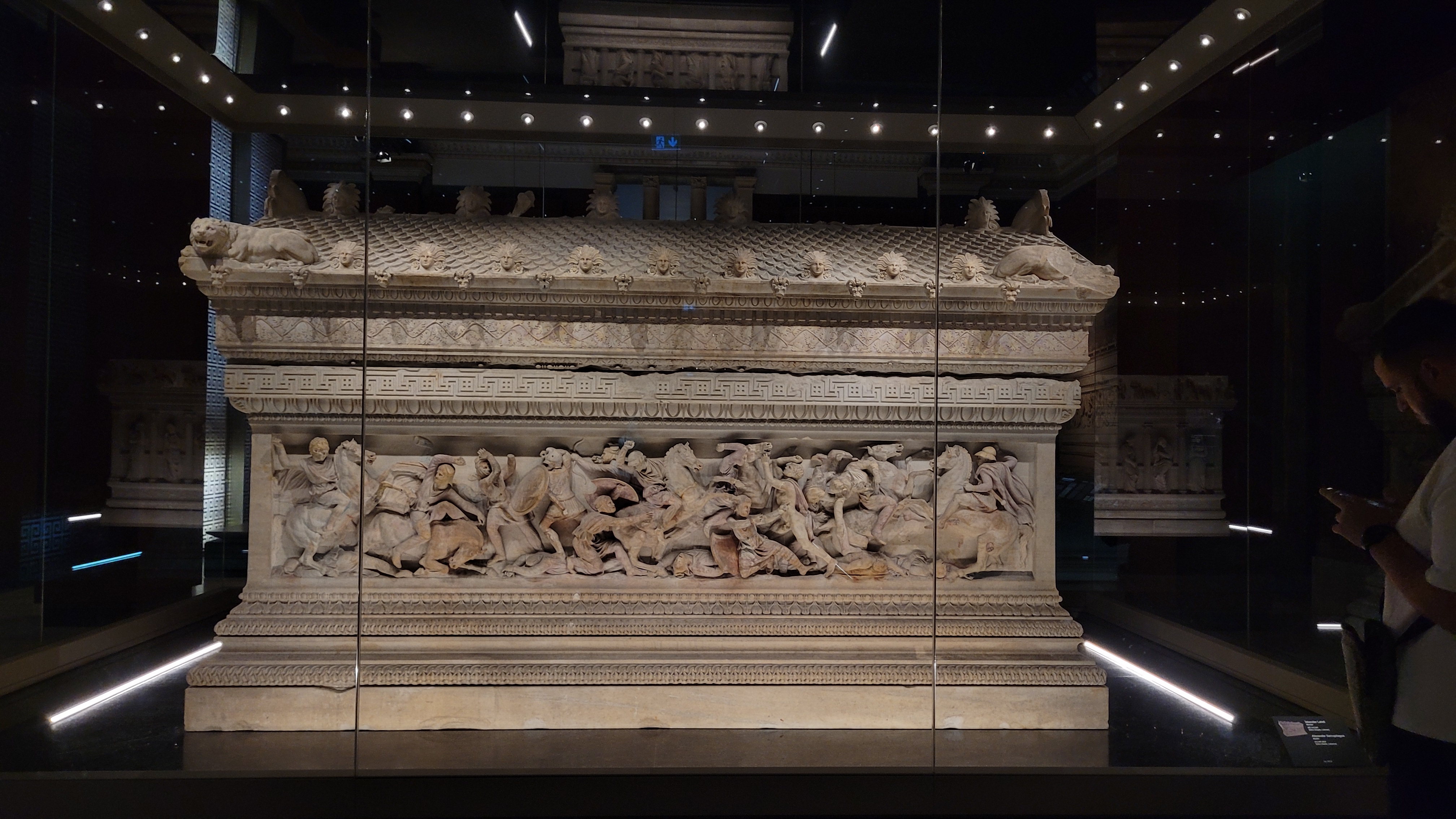
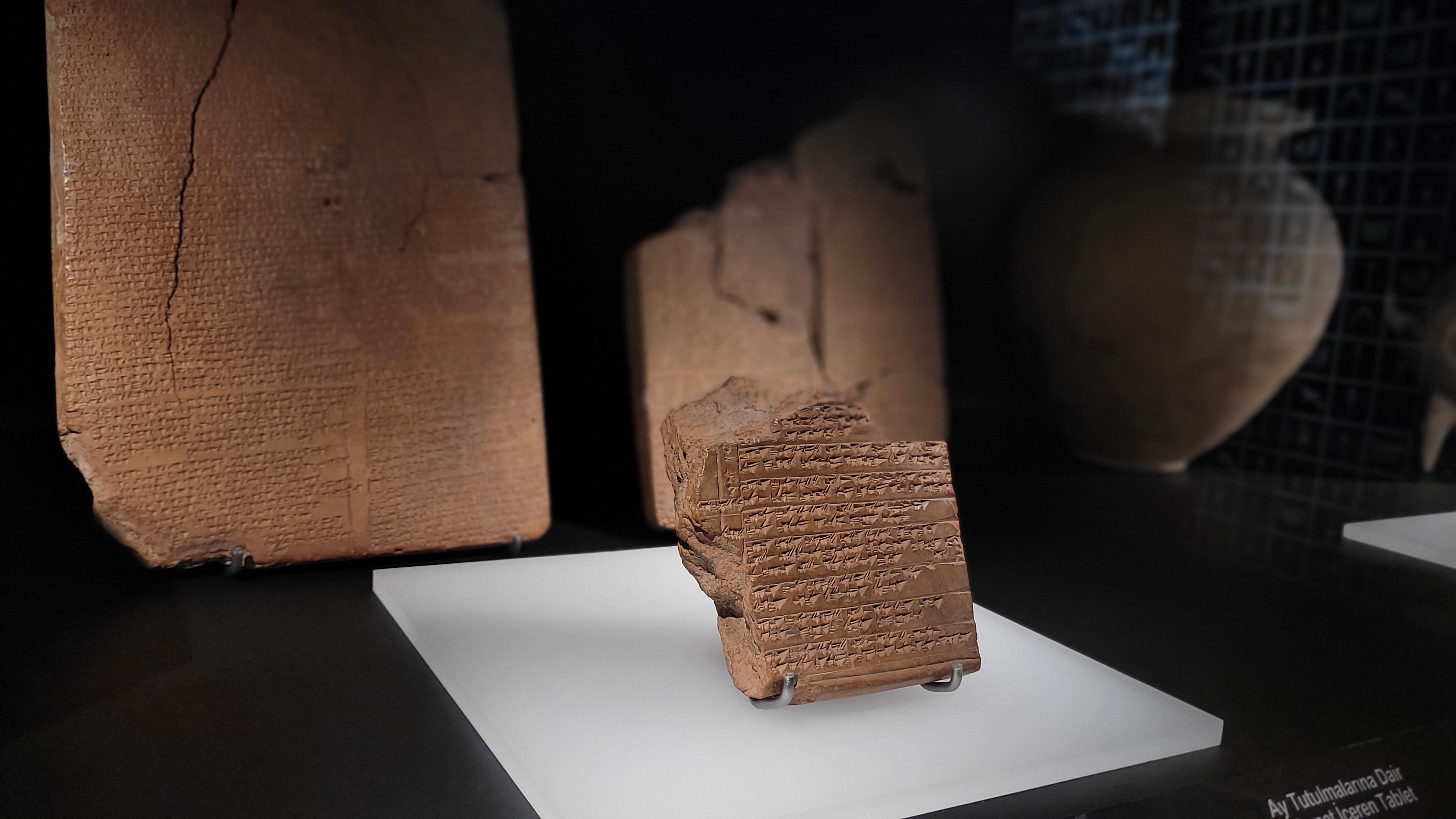
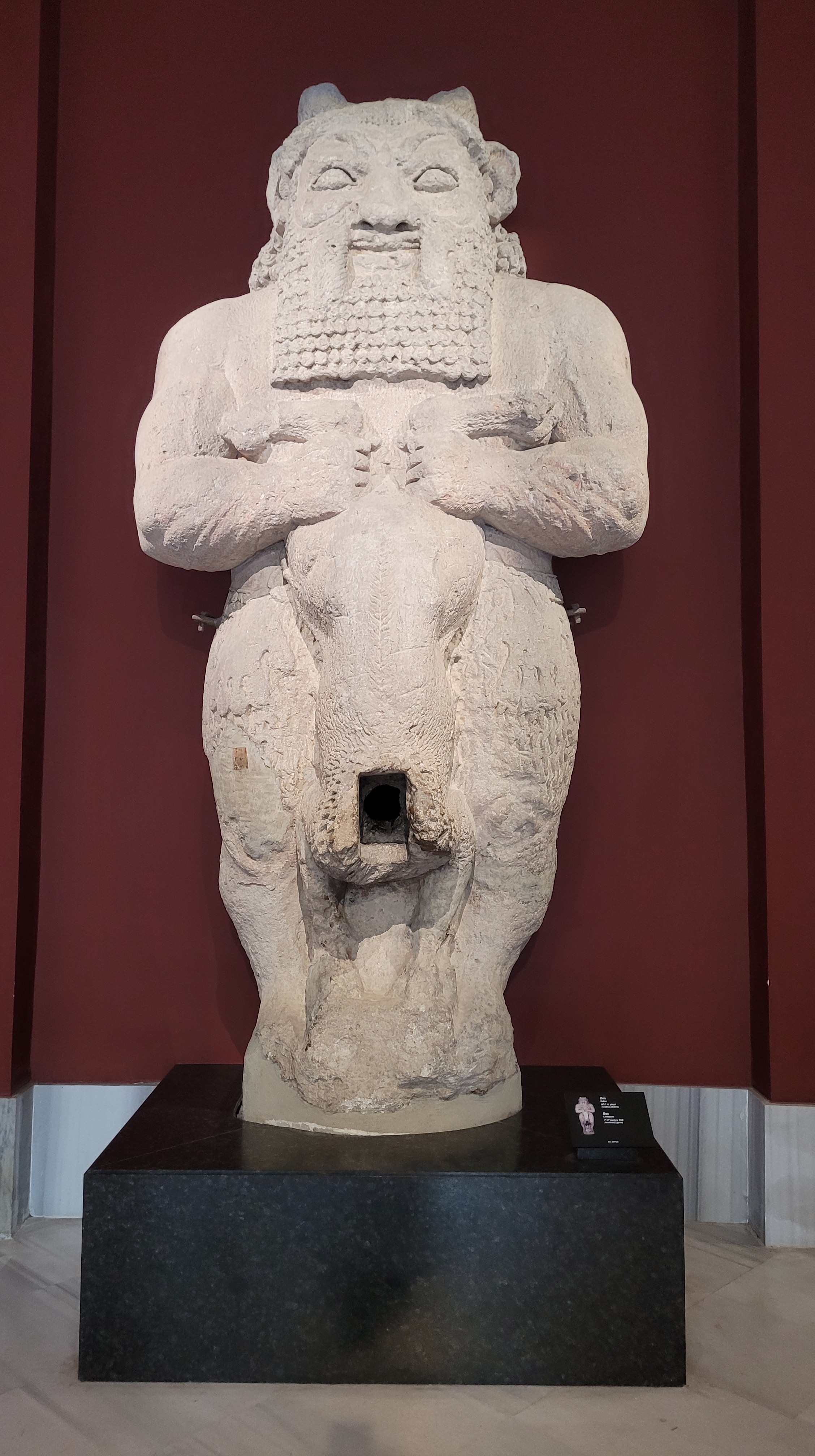
There’s a lot of archaeology in Turkey, and a lot of it is concentrated here. There are numerous fascinating objects, from ancient sarcophagi to giant statues from eras dating back thousands of years. Still, it is only really of interest to history buffs.
Places I’d Avoid
Basilica Cistern
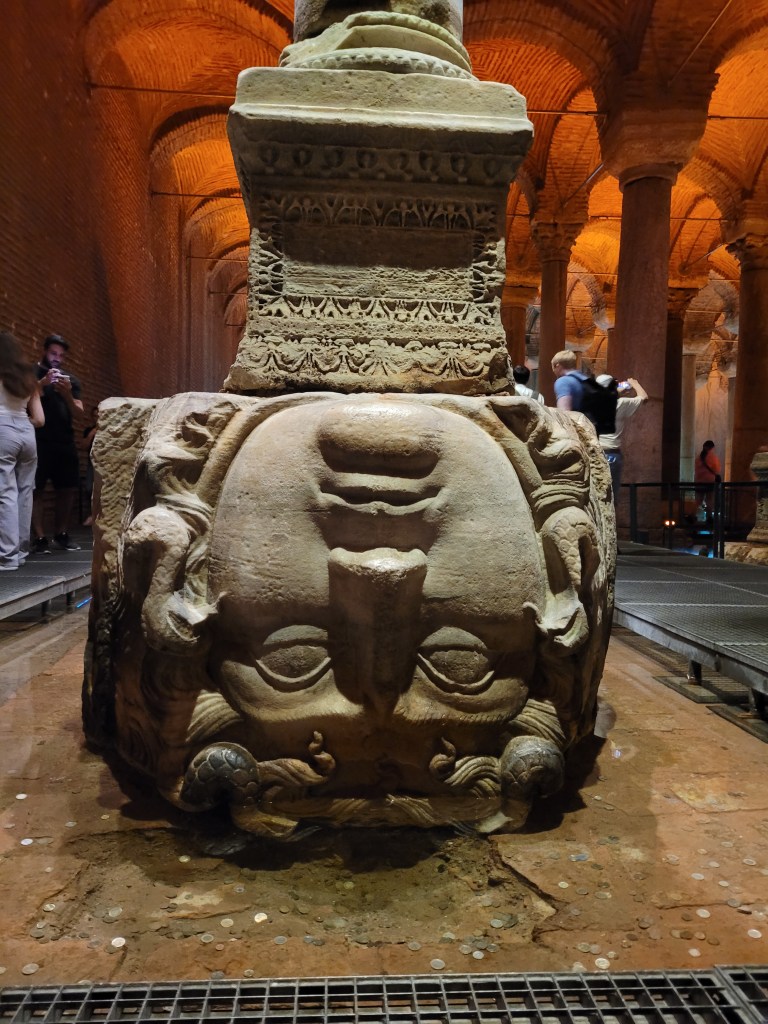
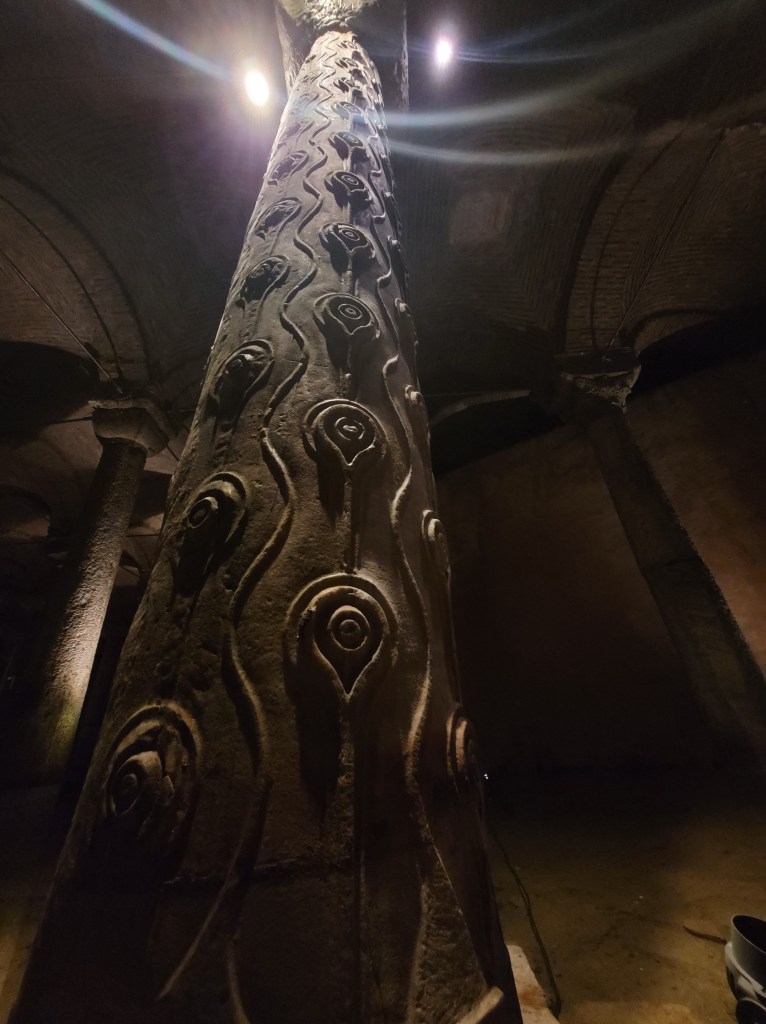
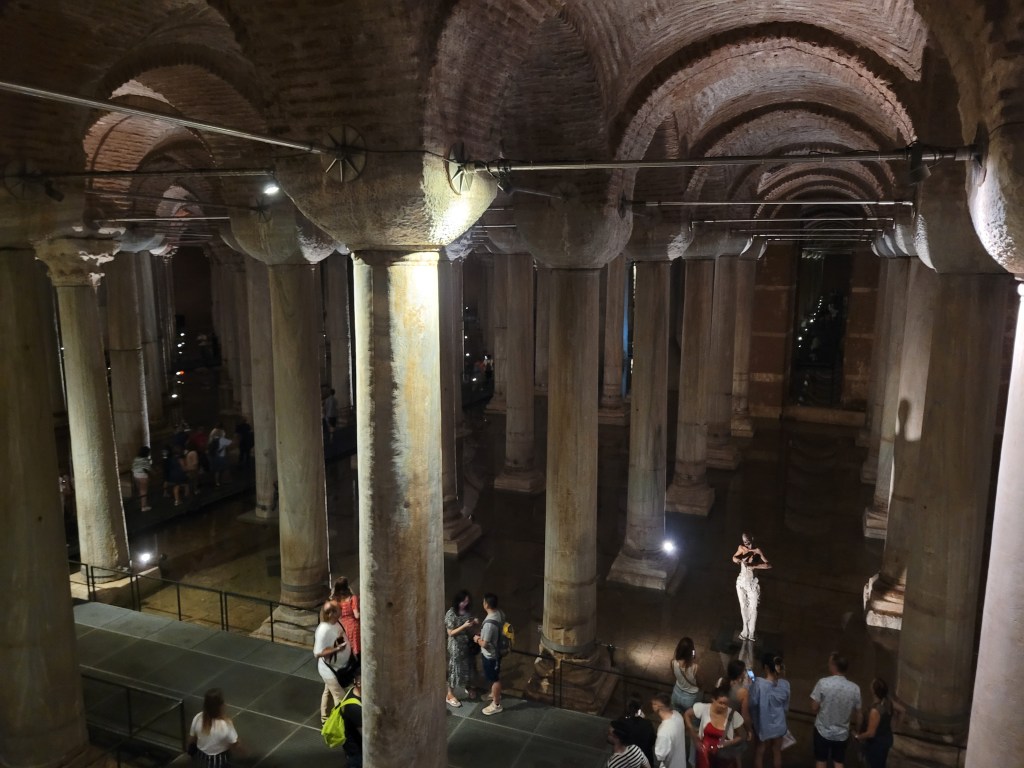
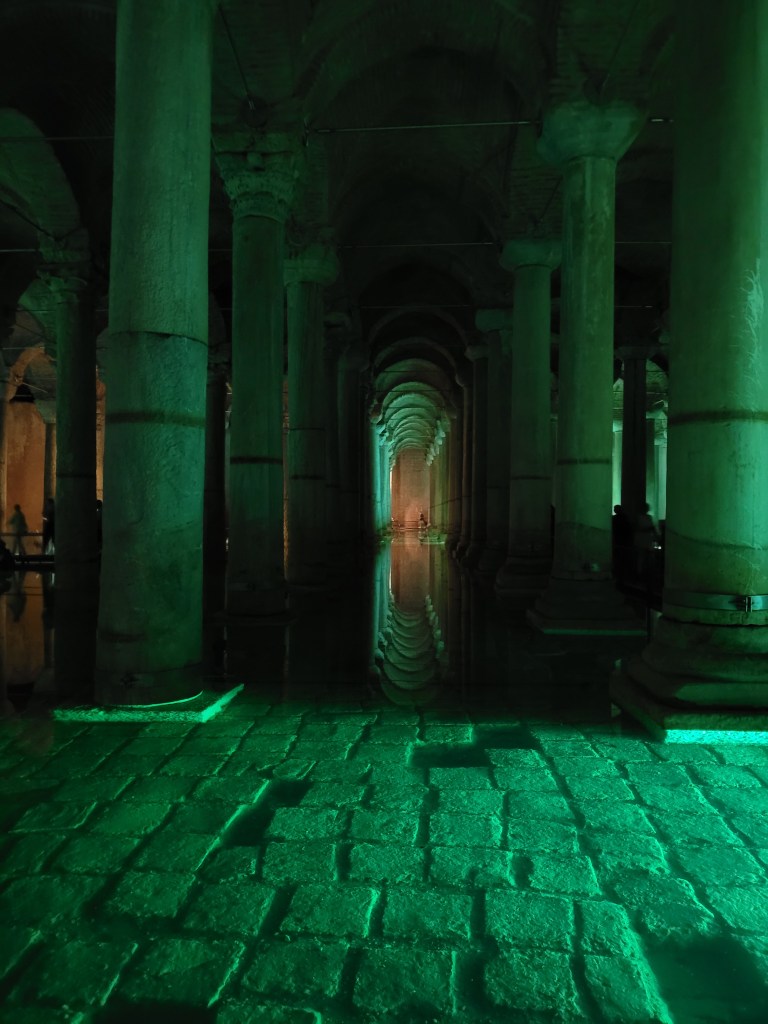
One of many cisterns once used to store clean drinking water to the city, when it was the capital of the Roman empire. It’s an engineering marvel, and an interesting place to see (there’s also some modern sculptures inside), but it’s very hard to justify the price for the experience.
Conclusion
Istanbul is a city like no other. A city filled with wonderment and awe, but one that is marred by over tourism and harassment. It is still a must-see city, but it fails to reach the soaring heights it could have if the experience of visiting was more pleasant.
 We May Roam