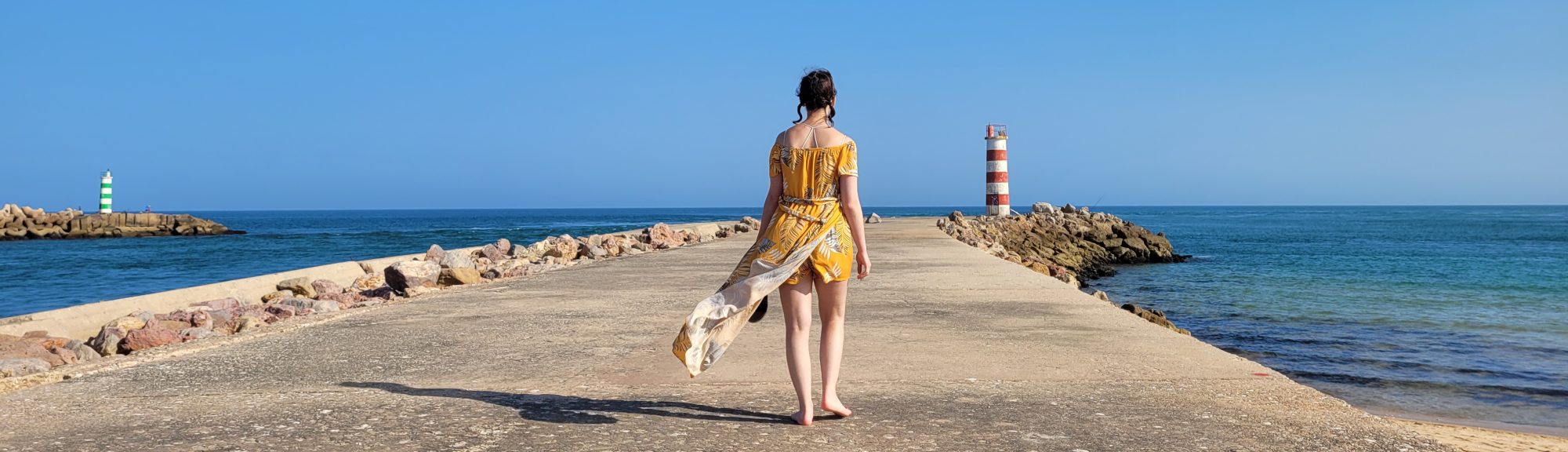

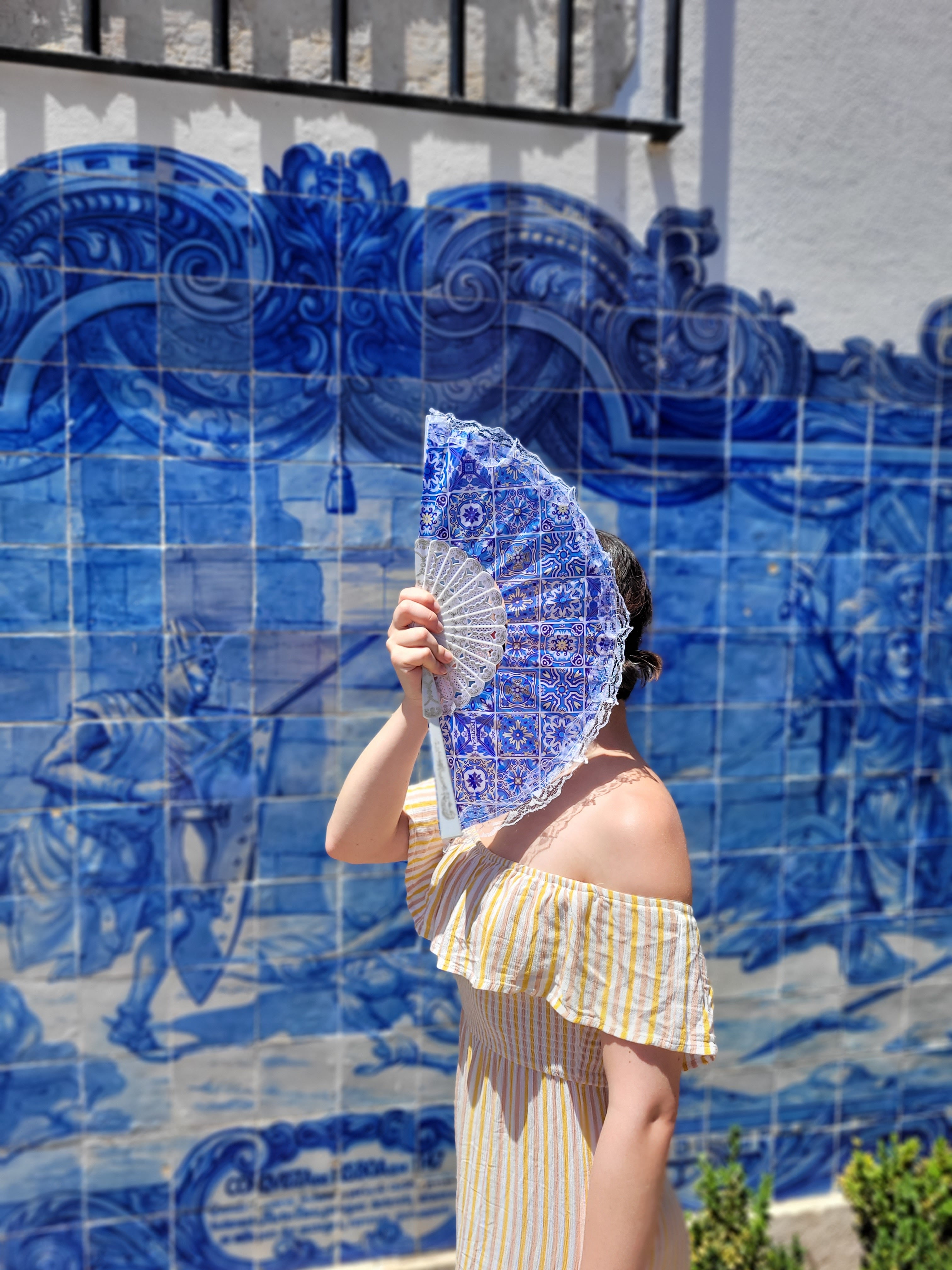
Nestled on the estuary of the Tagus river, Portugal’s capital is an impressive city with grandiose architecture, delightfully detailed by omnipresent Azulejo tiles.
At a glance…
- Days To Spend: About 4 should do it
- Get Around: Metro, tram or bus
- Get In and Out: By train or flying
- Pay: Cash and card are both acceptable
- Speak: Portuguese is good, but basically everyone speaks English
- See: National Tile Museum, Jeronimos Monastery, Quake, St George Castle
- Should you go?: For sure!
General Impressions
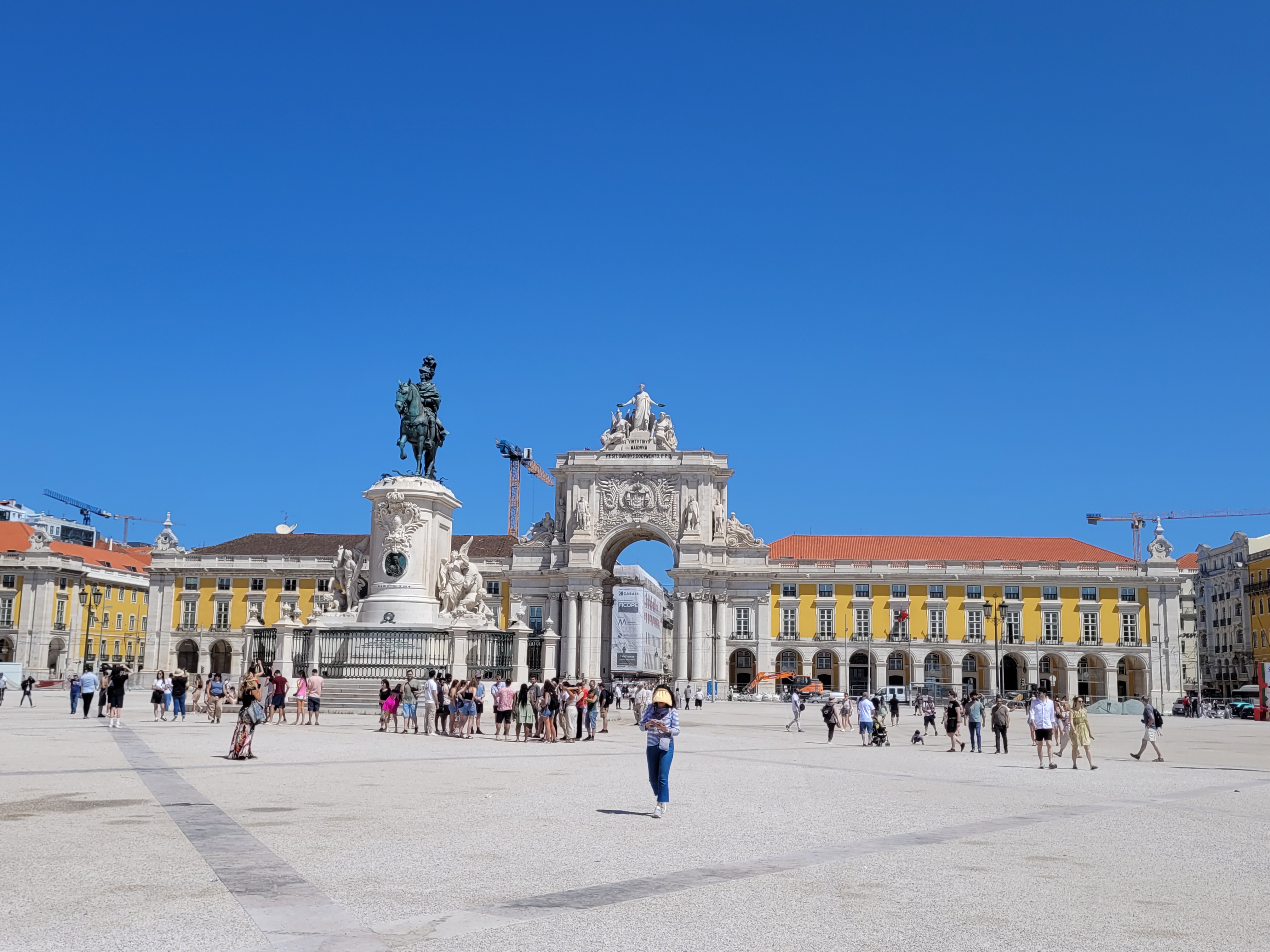
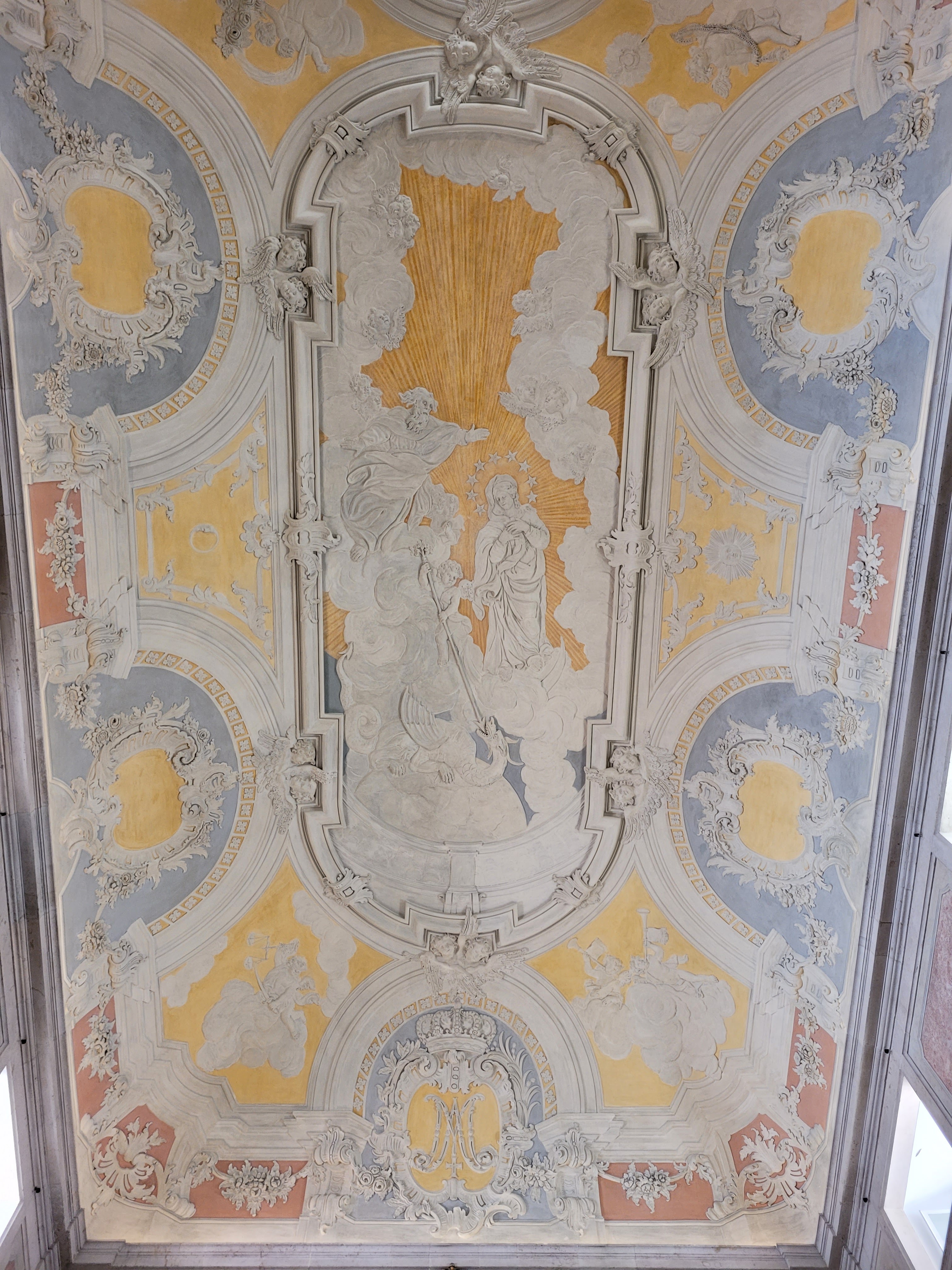
Lisbon suffered a terrible earthquake in in 1755 that left the city in complete ruins. The government at the time considered moving the capital permanently, but the king decided that Lisbon would be rebuilt as a modern capital. Lisbon is premier city for 18th century architecture, as practically the whole city was rebuilt in that time, with a focus on elegance and grandeur.
Though there is more to Lisbon than just that. It’s a city with a rich culture and history, and one can find buildings that date from before the earthquake, as well as a slew of more modern attractions. In short, Lisbon is a city you’d struggle to get bored in!
Public Transport
Getting Around
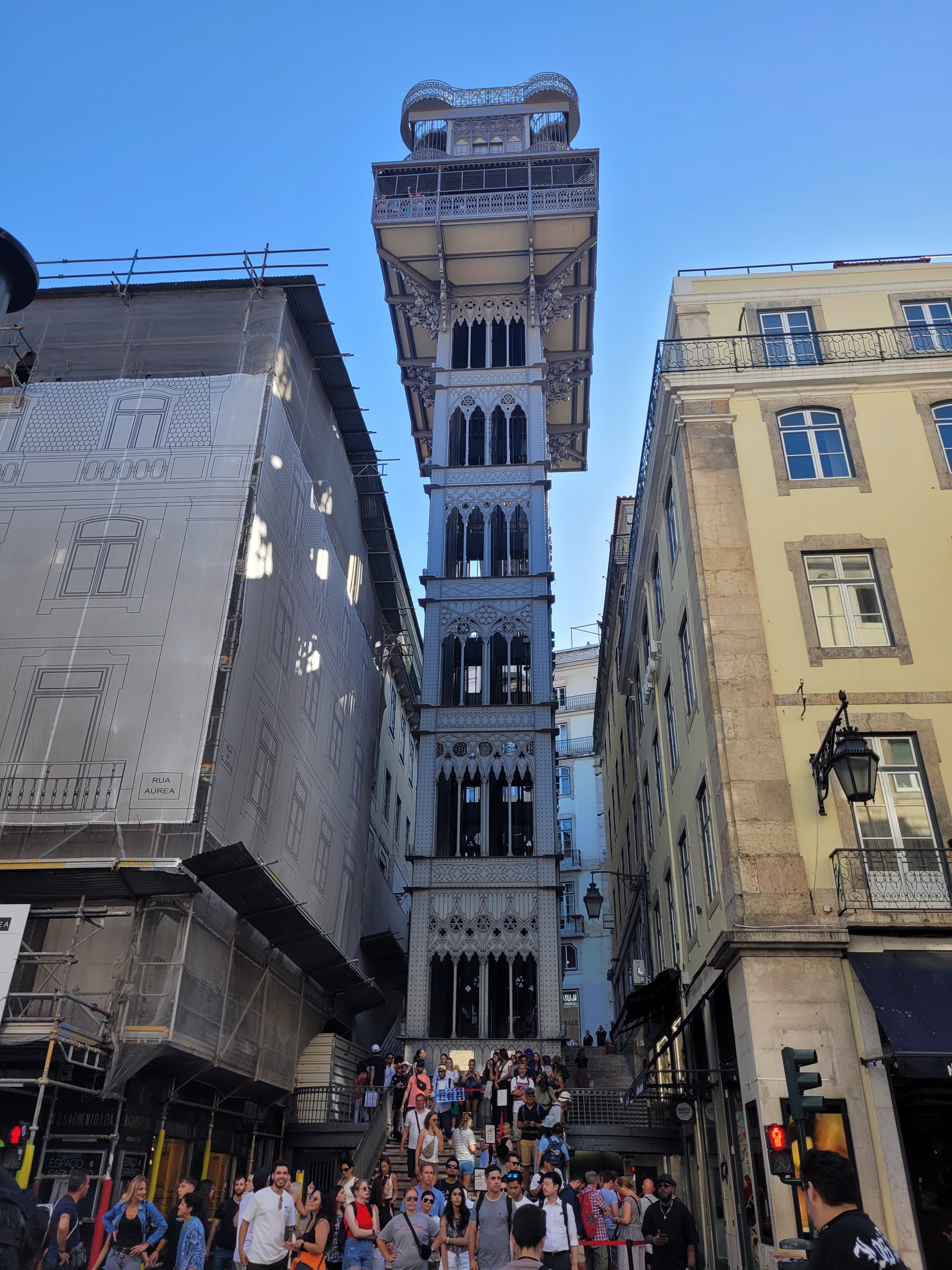
Lisbon has a decent public transport network, composed of metro, trams and buses (as well as ferries for reaching the neighbourhoods on the other side of the Tagus). These are not as reliable as in other countries (one metro line was completely shut for half a day whilst we were there for instance), but getting around is still cheap and easy.
Getting In and Out
Lisbon is connected by train to basically any other city in Portugal with a train station, and it also has connections to Spain, though these often include changes and are relatively slow. It’s better to spend more time in Portugal than to try to make it to Spain on the same trip!
Food
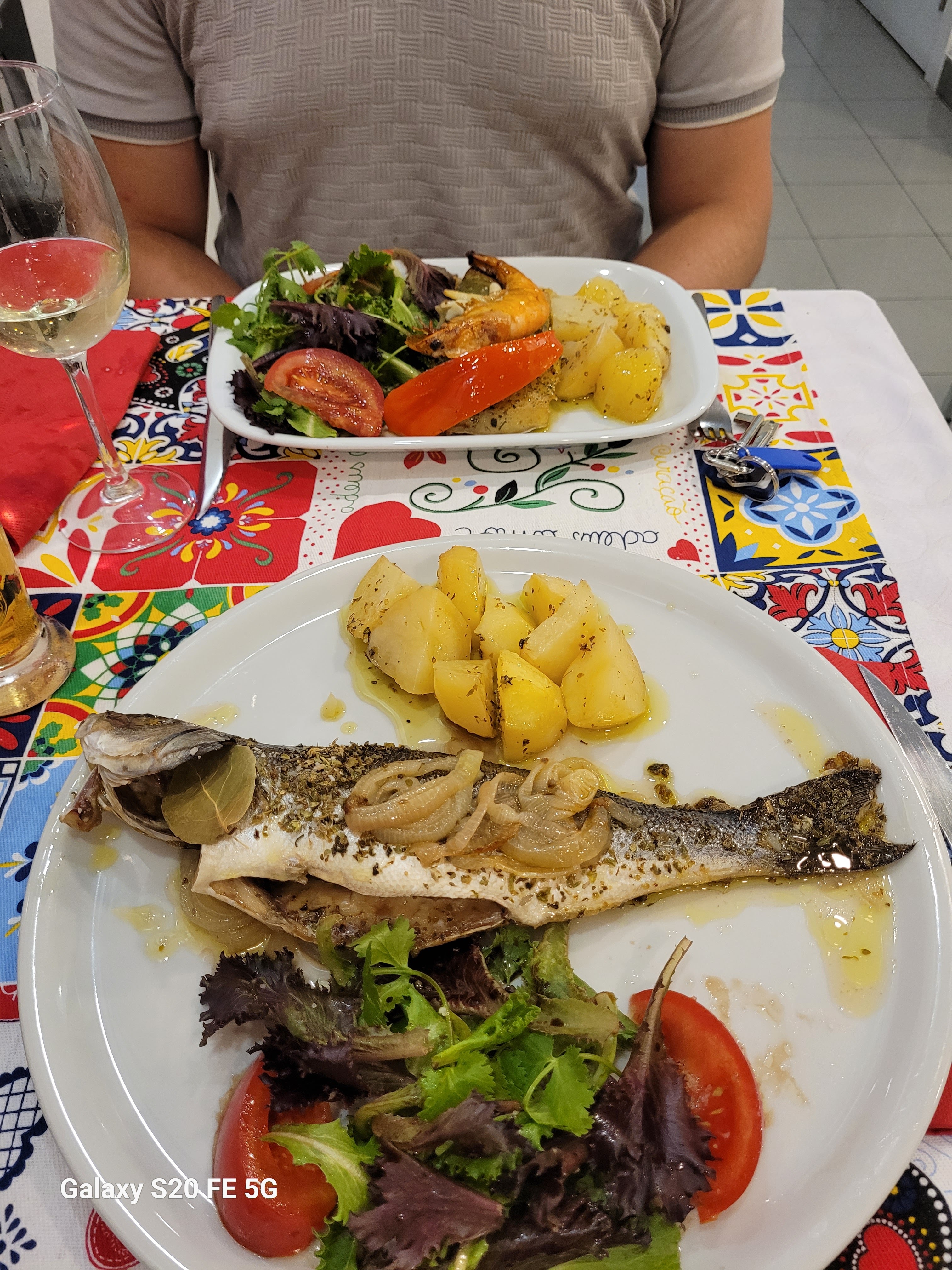
Rich in seafood, Portuguese food is tasty and reasonably cheap, especially for those of us used to northern European prices. Cod (called bacalhau in Portuguese) is ubiquitous, particularly salted cod that can be purchased in every supermarket. One of my favoruite dishes was Bacalhau a Bras, a mixture of salt cod, thinly sliced potatoes and eggs.
Money


Portugal used the Euro, and in Lisbon, both card and cash payments are widely accepted. As with most European cities, cards are slightly favoured, but you can find places that’ll only accept cash (though rarely).
You can purchase a Lisbon card, which includes entry into several attractions for free, as well as free public transport. We found the card ended up being worth it, but that’s only if you want to visit the attractions that are included on it.
Language
Speaking Portuguese or even Spanish can be helpful, but in general, most everyone you interact with will speak English.
Time
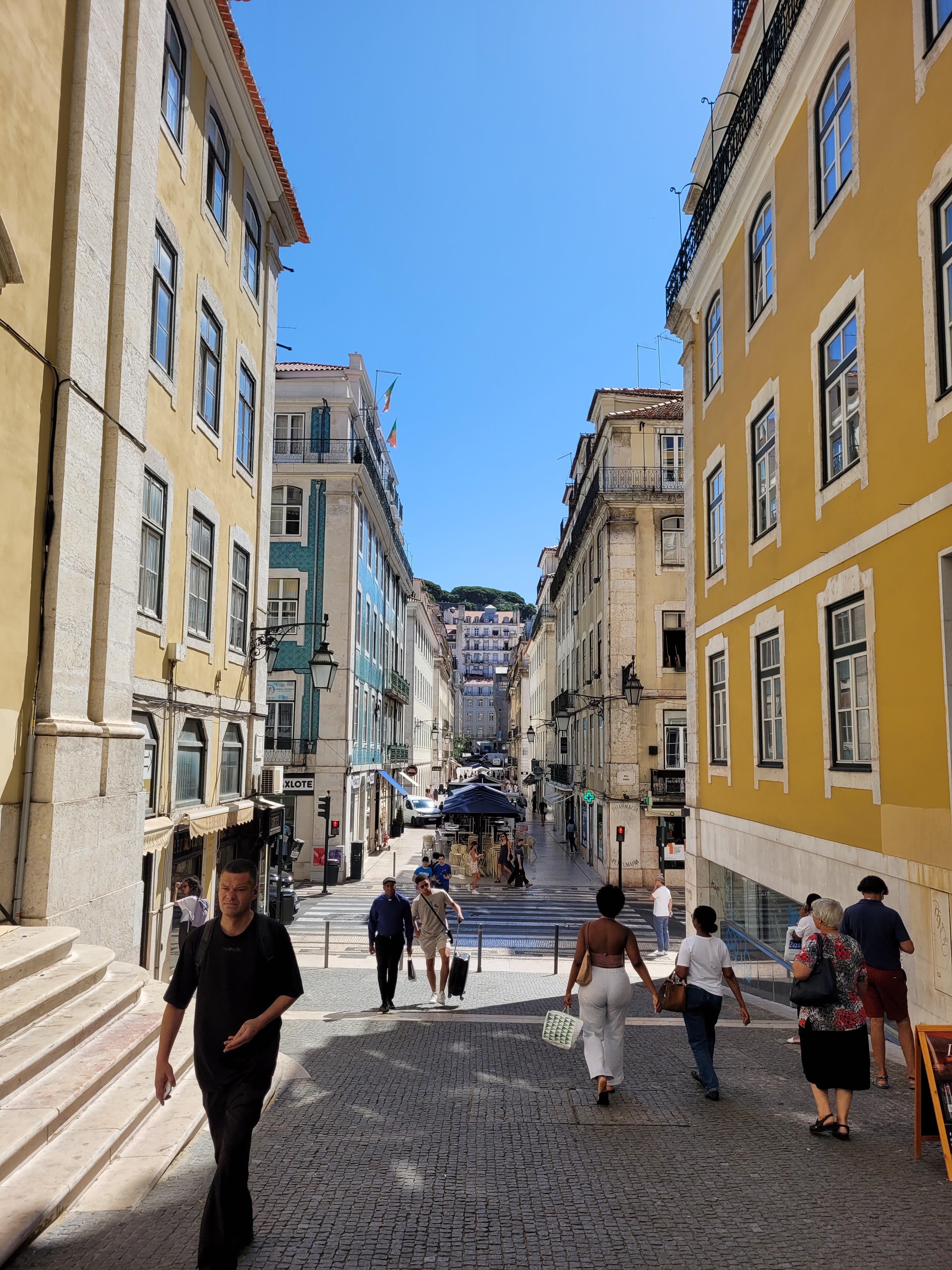
Lisbon is a big city with lots to do, and if you like museums, you could spend weeks in Lisbon. I’d say about 4 days is enough to see the best things, including one day spent as a day trip to Sintra (a must do whilst in Lisbon!)
My Favourite Spots
National Tile Museum
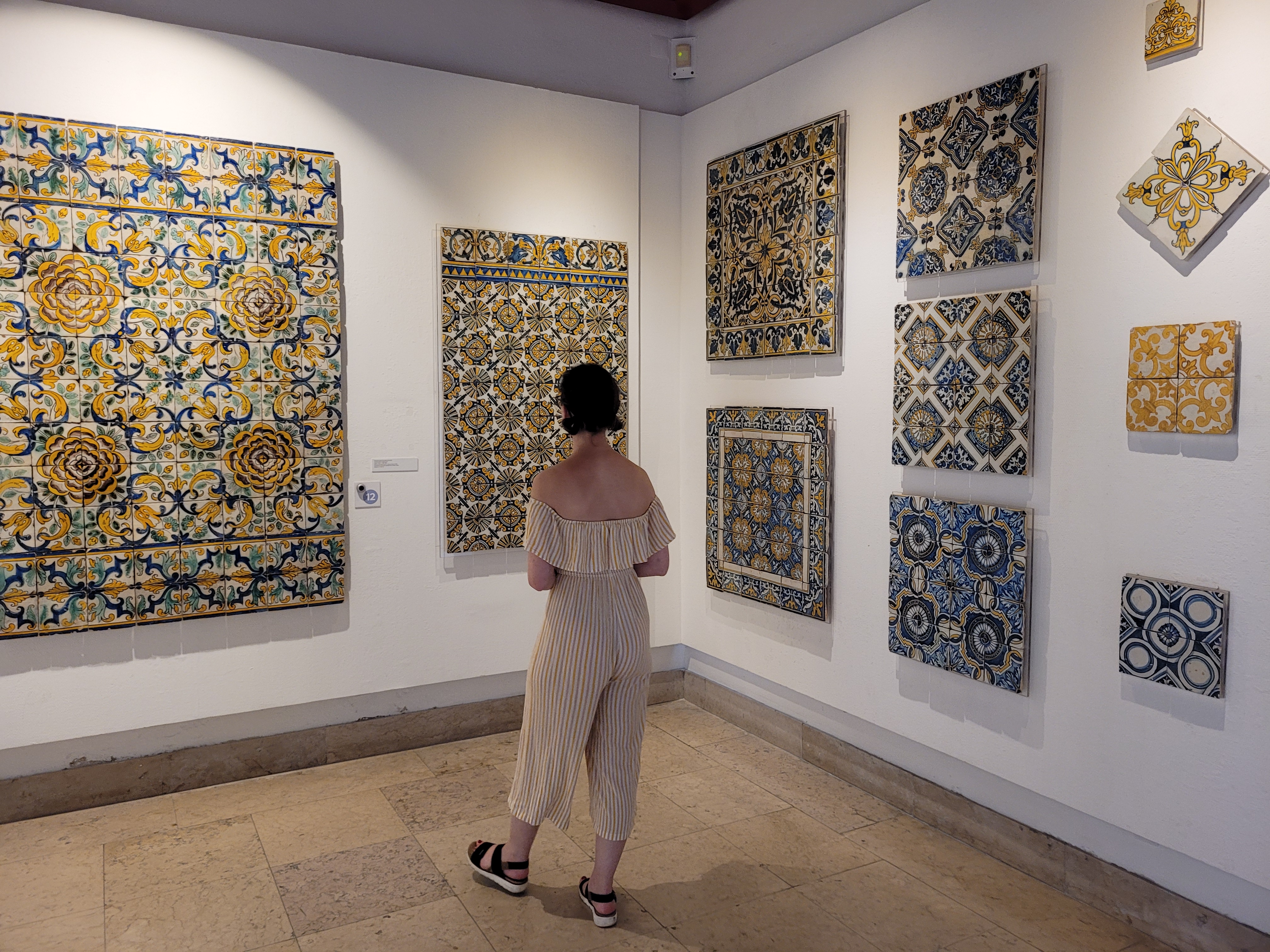

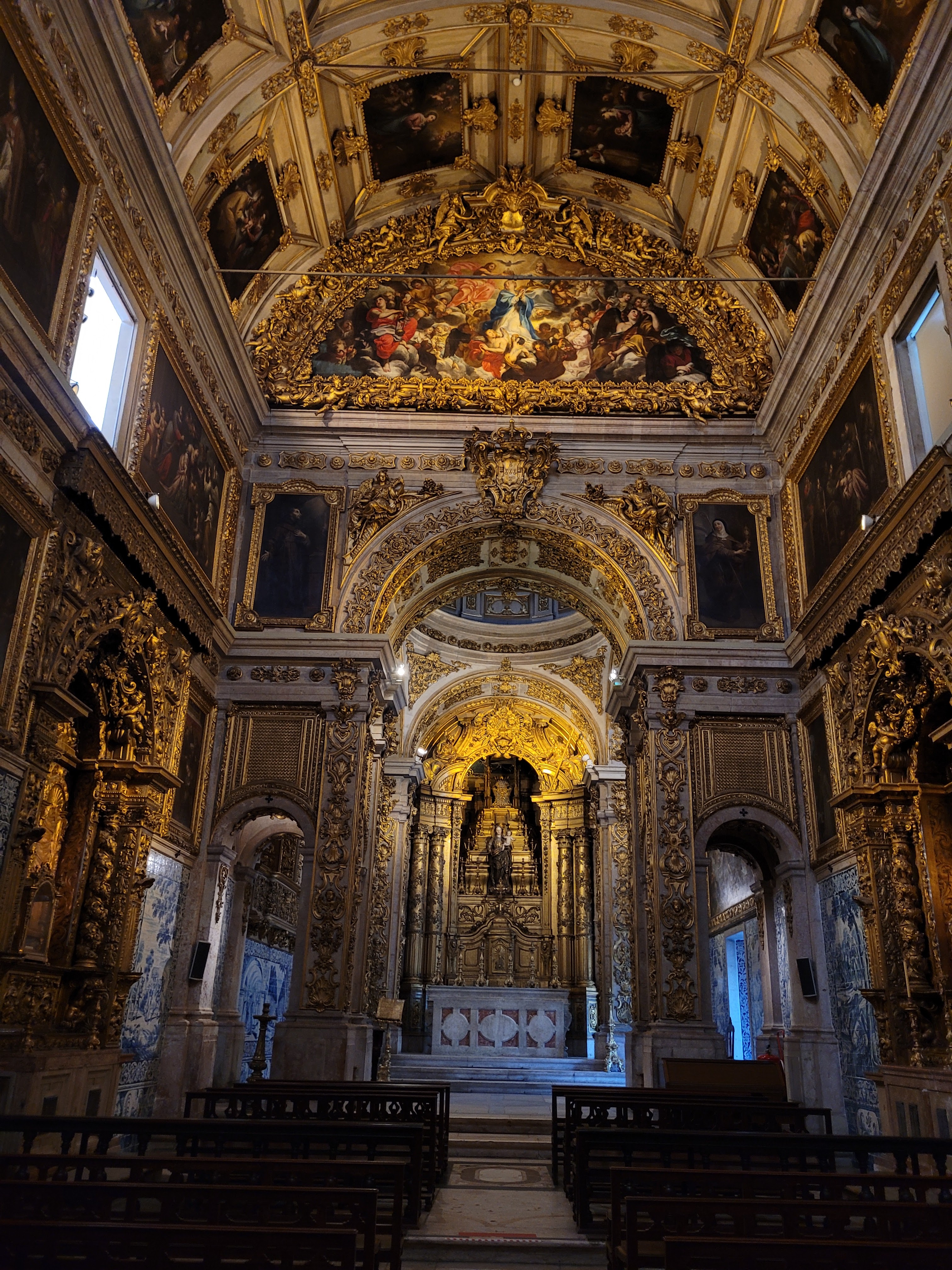
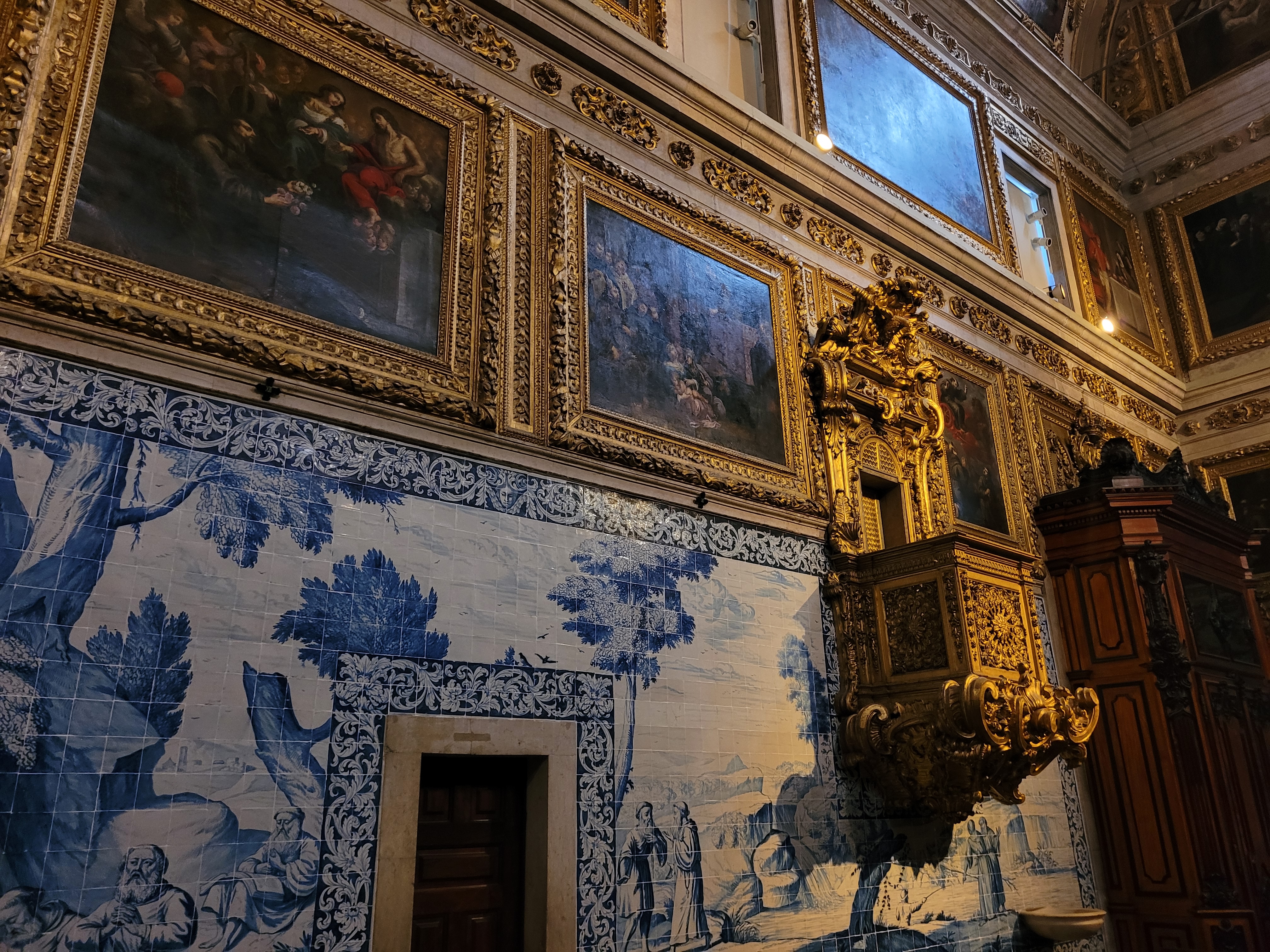
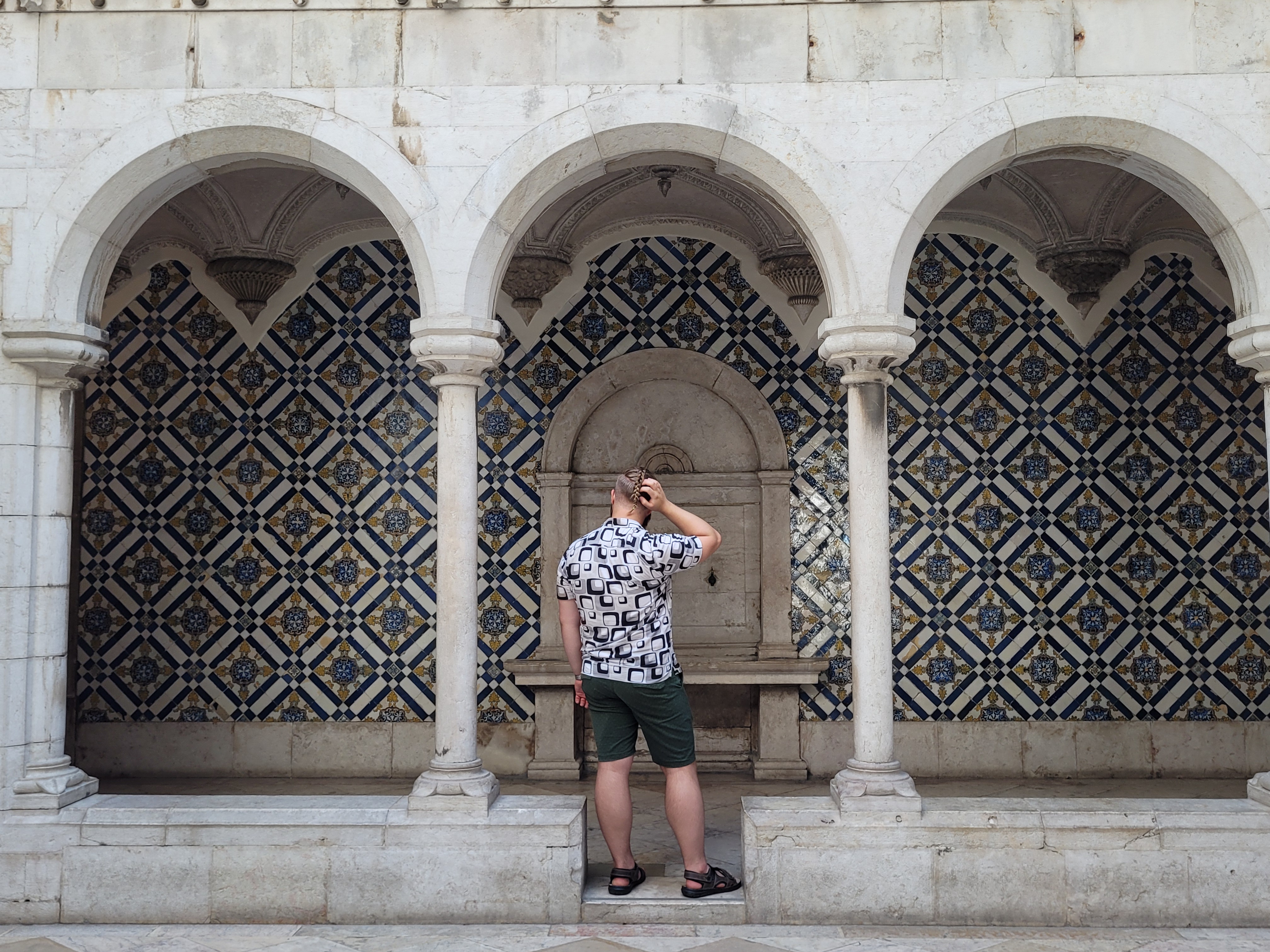
A museum dedicated to the famous Azulejos tiles you’ll find all over Lisbon. Inside, you’ll find countless displays of these tiles, some classic, some more modern. The highlight of the visit though is the Church of the Mother of God, located inside the museum itself, which is richly decorated by the Azulejos tiles.
Jeronimos Monastery

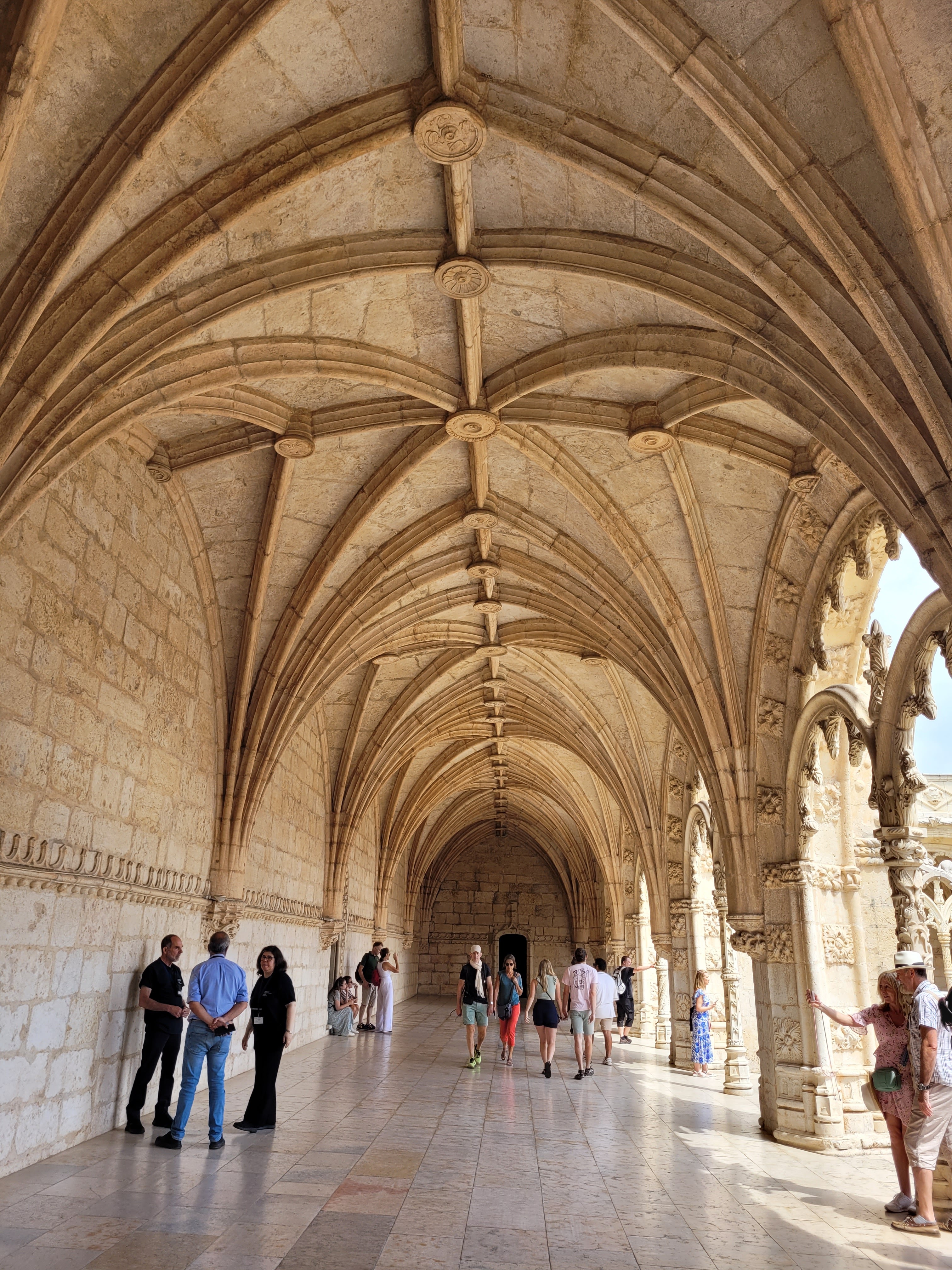

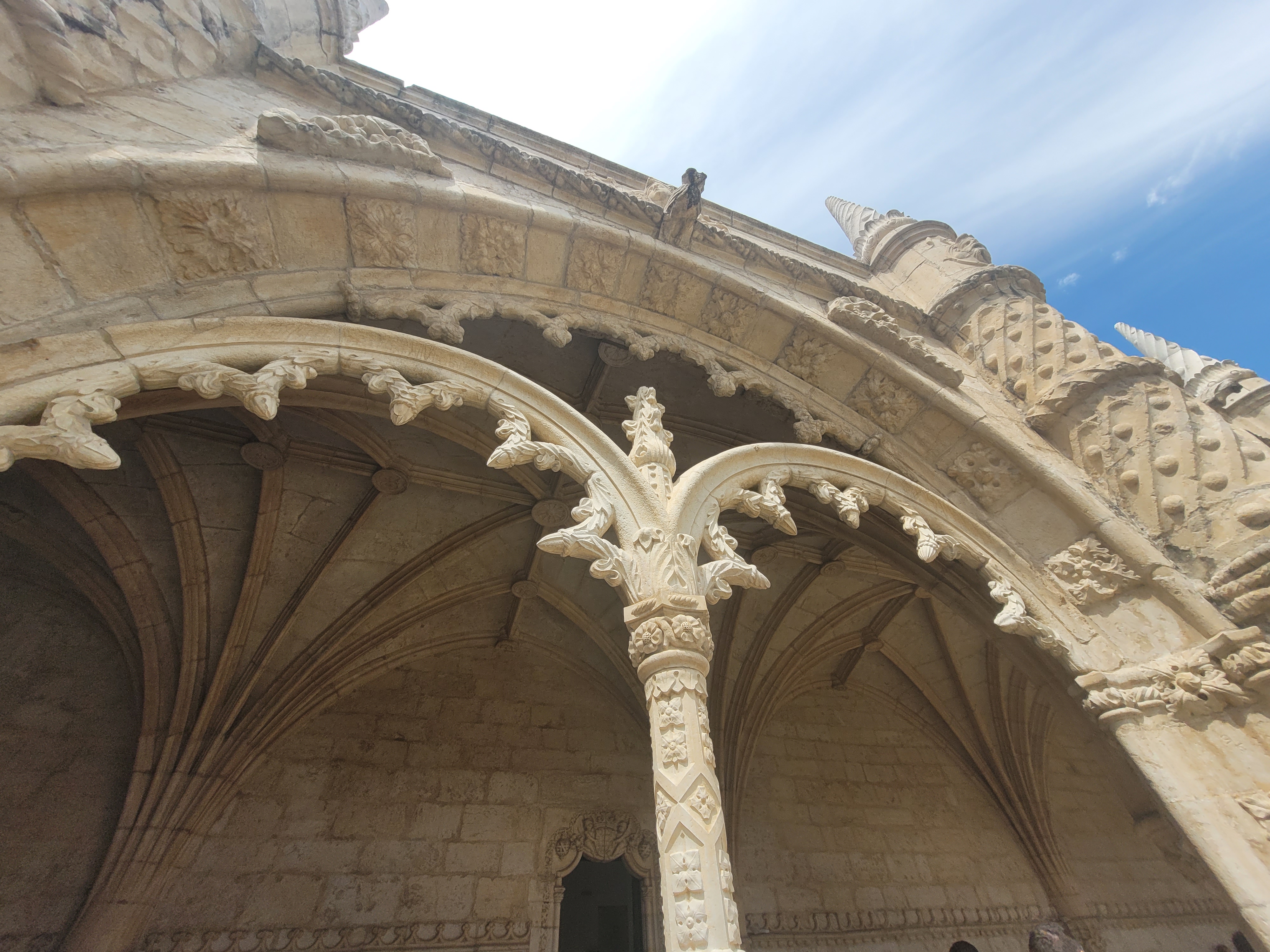
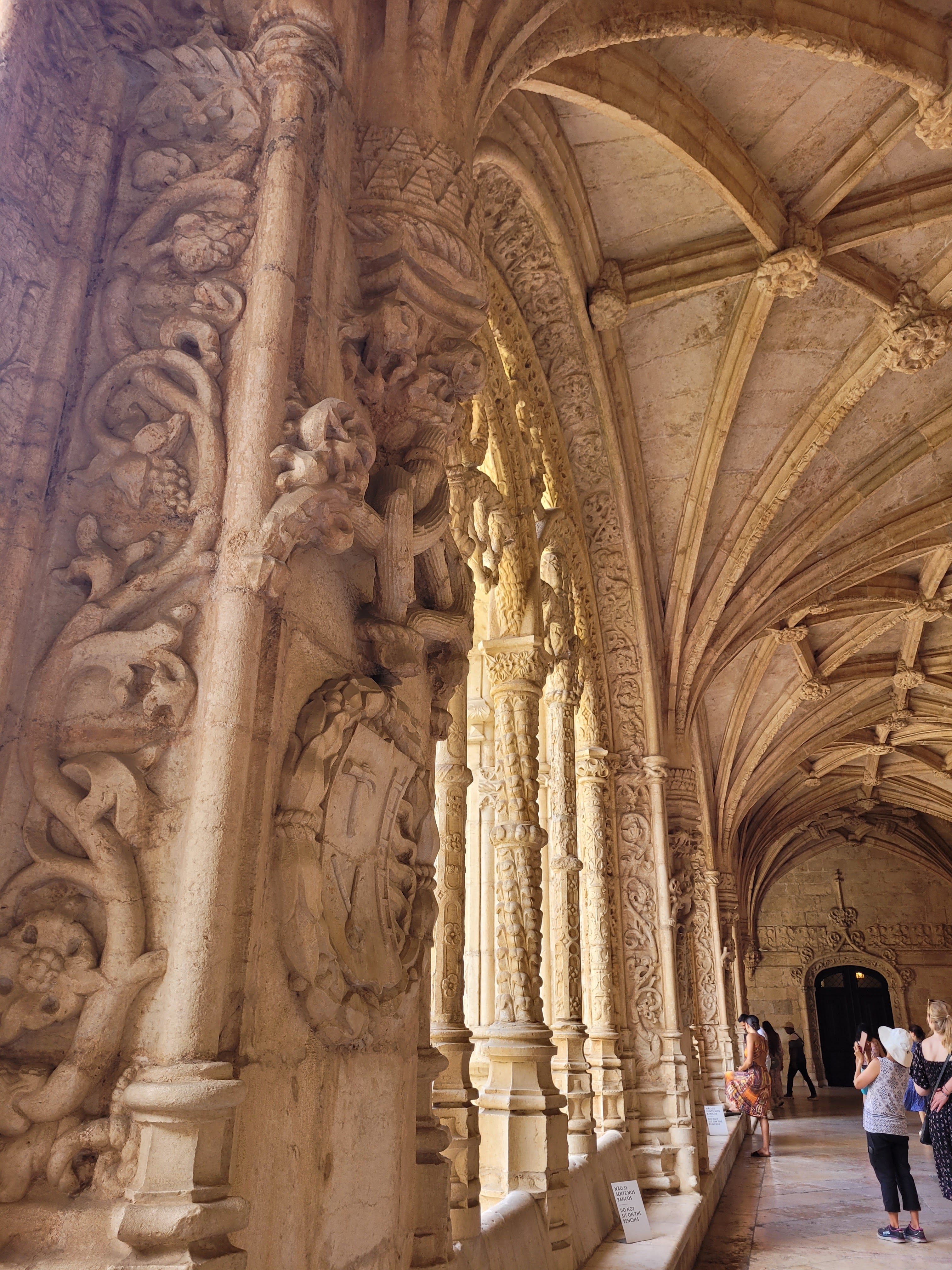
An excellent example of gothic architecture, and a building that survived the 1755 earthquake, the Jeronimos Monastery is one of the most popular attractions in Lisbon. It’s definitely worth visiting to see the captivating arches and stonework, but be aware long queues can form, so get here early.
Belem Tower
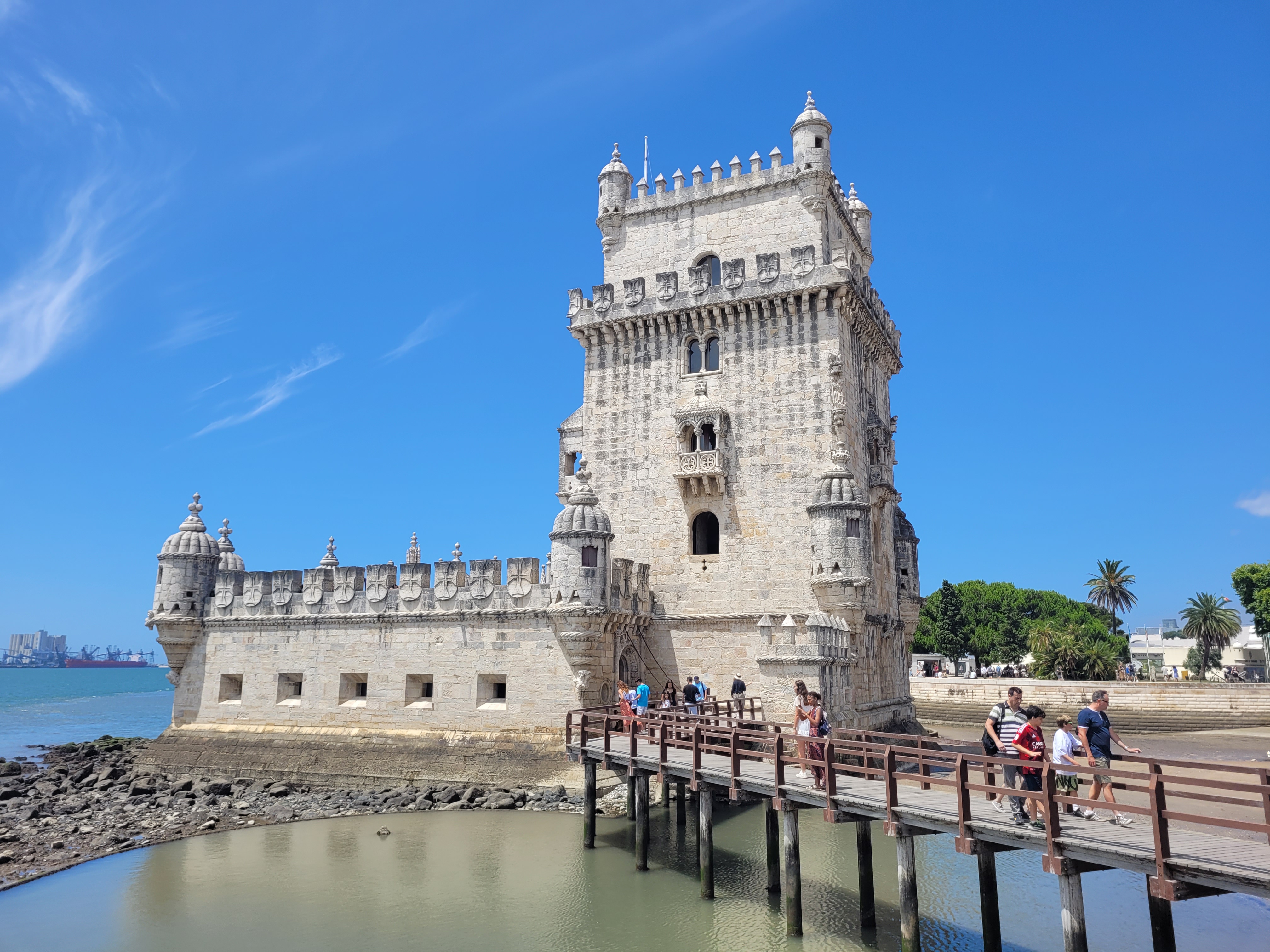
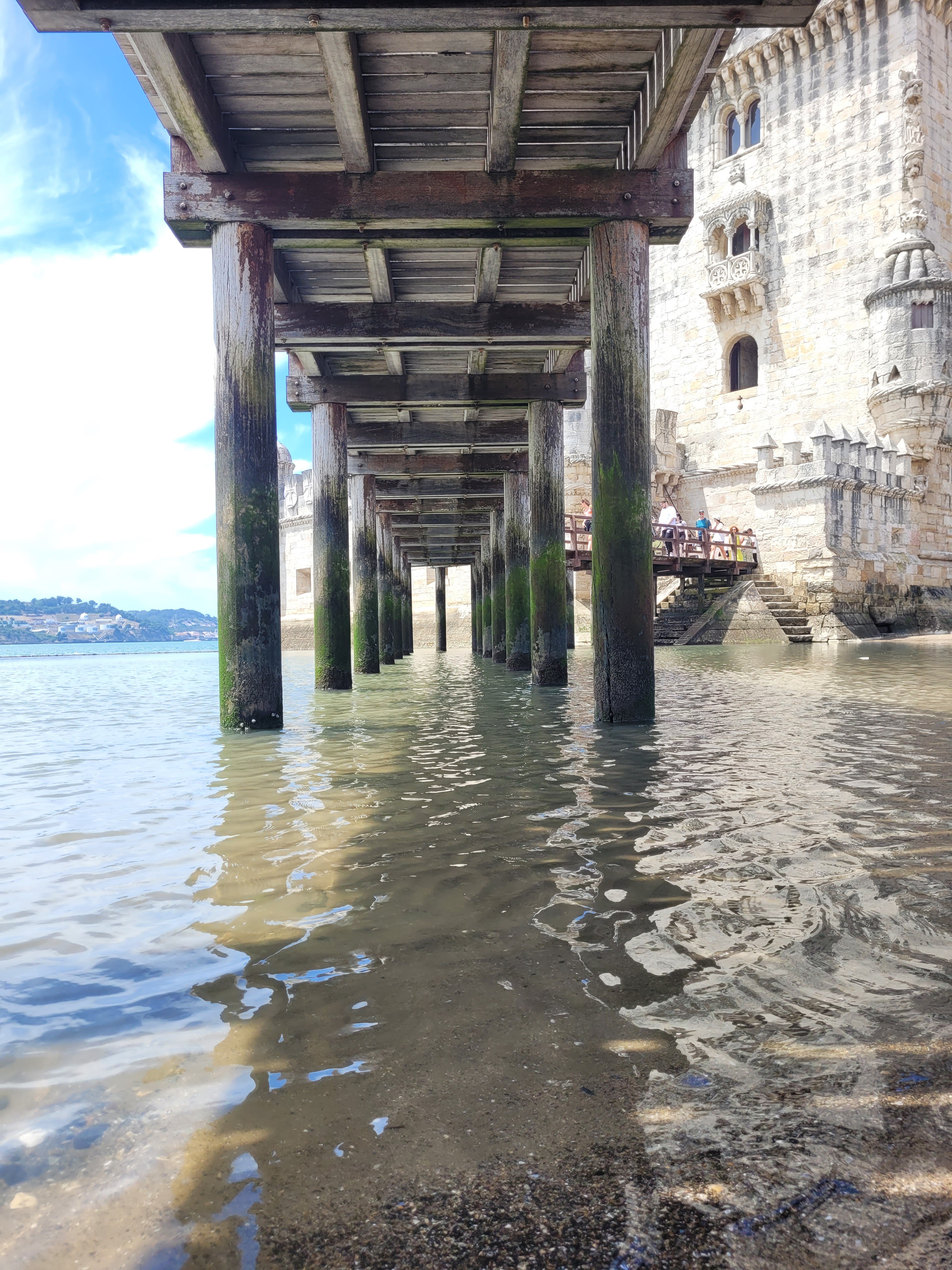
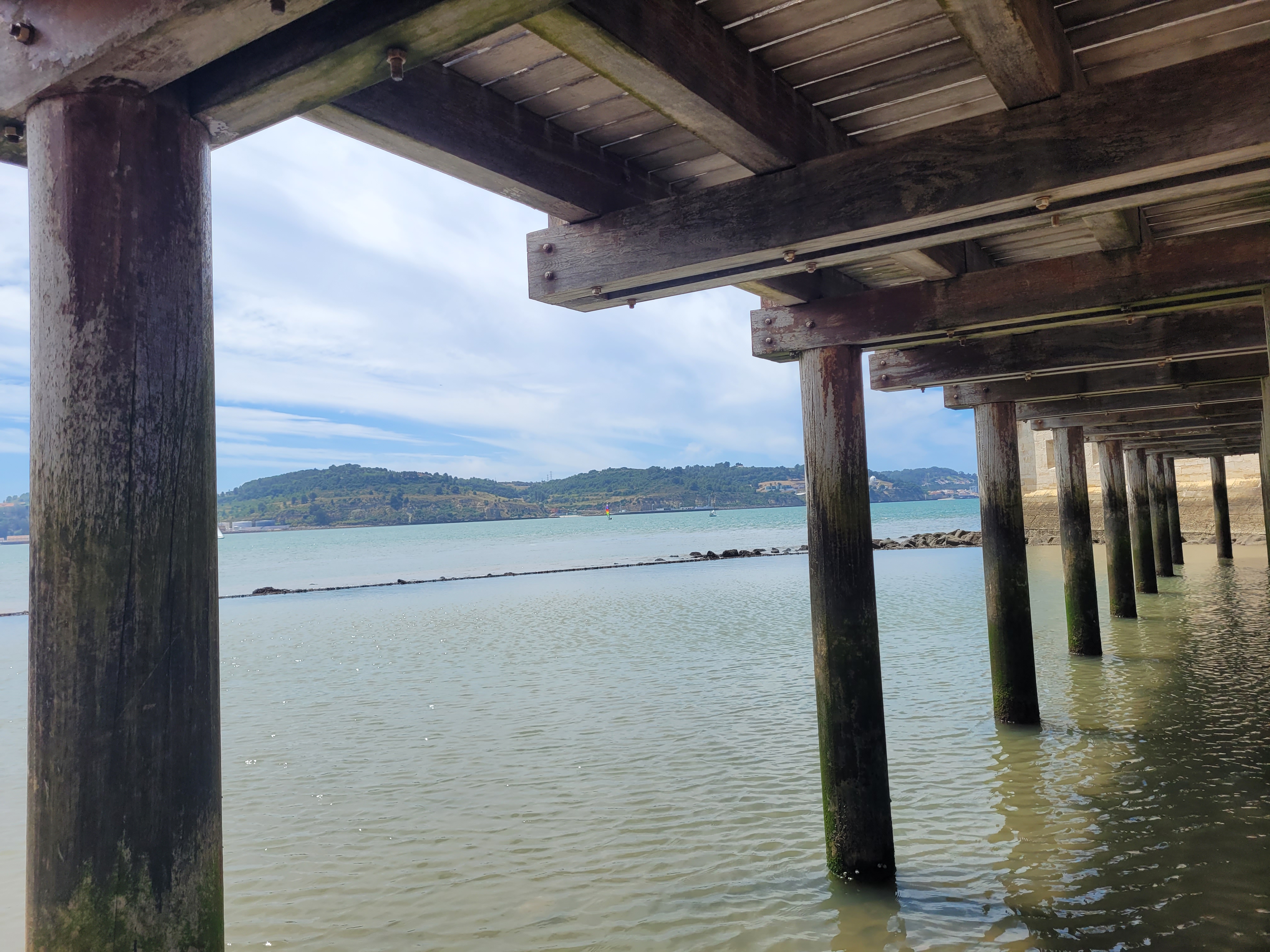


Jutting out into the sea, Belem tower is a monument to Portugal’s conquest of the New World. It is a picturesque spot, a tower leading to the deep blue ocean. Queues are also very long to this, so try to get there early.
Quake
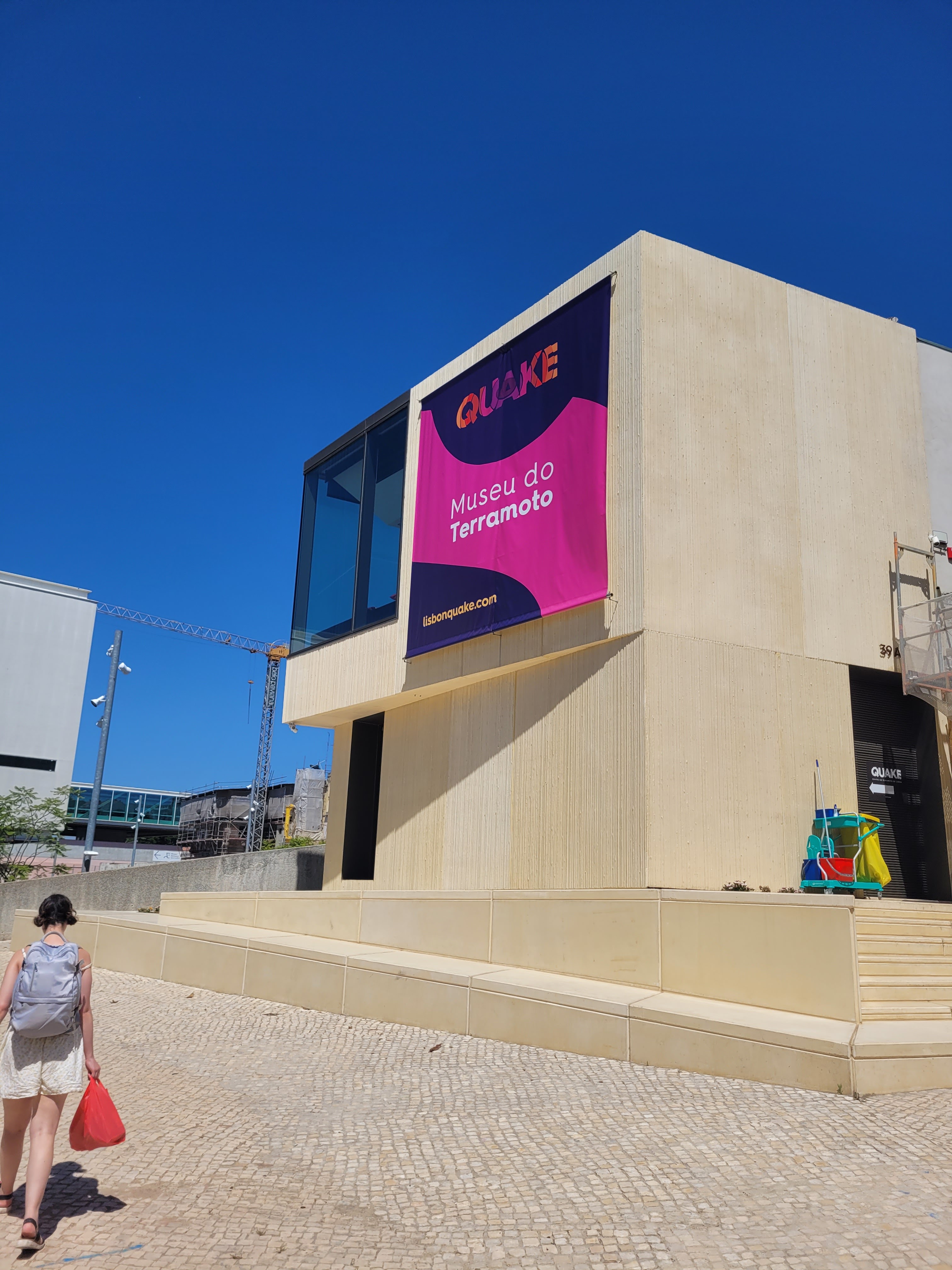

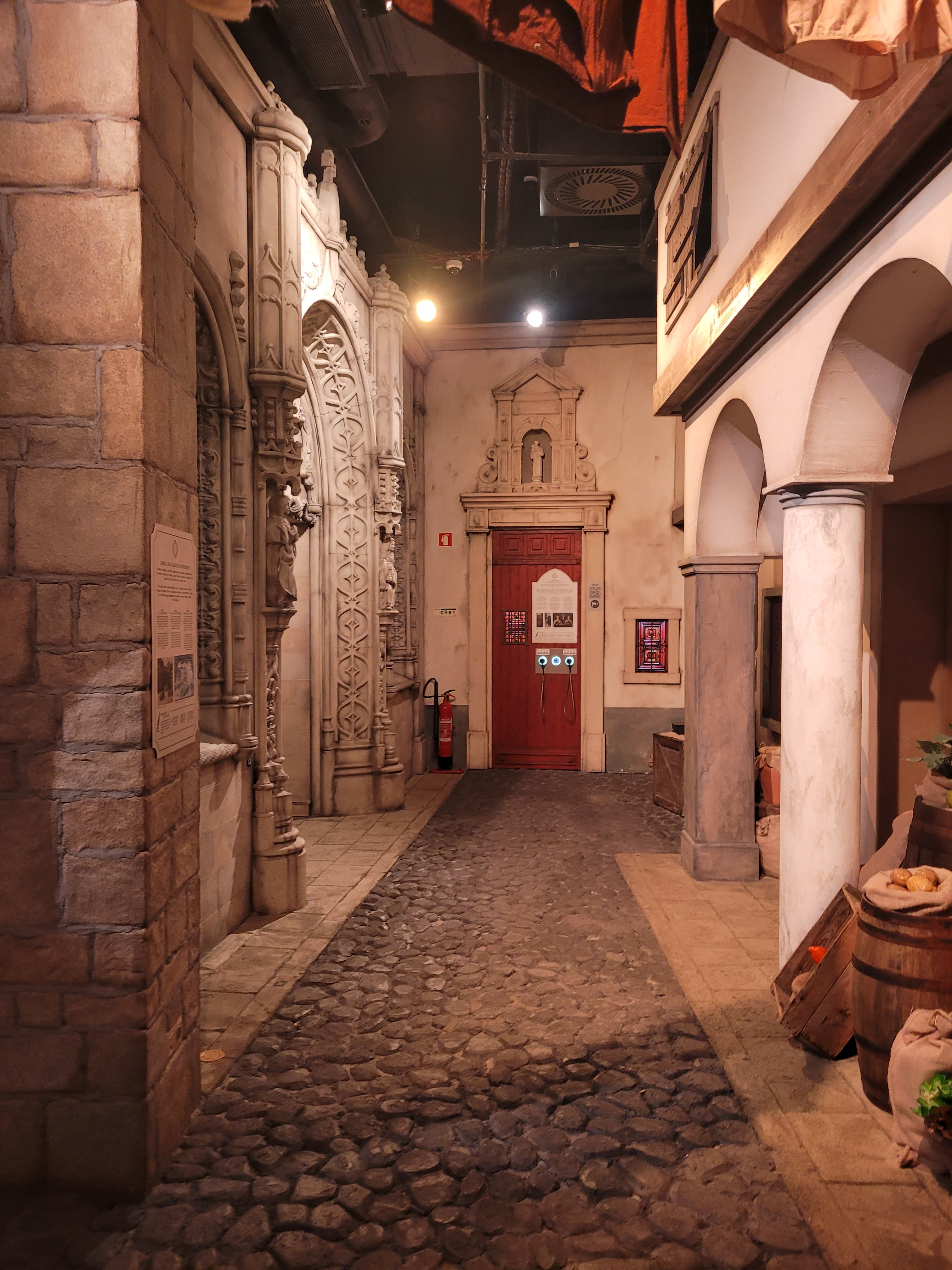

A modern museum/experience detailing the earthquake of 1755, as well as it’s aftermath. It’s very interactive, and the history is presented well. There is also an “experience” of the earthquake itself, but this isn’t as good as the website makes it out to be, and is rather forgettable.
St George’s Castle
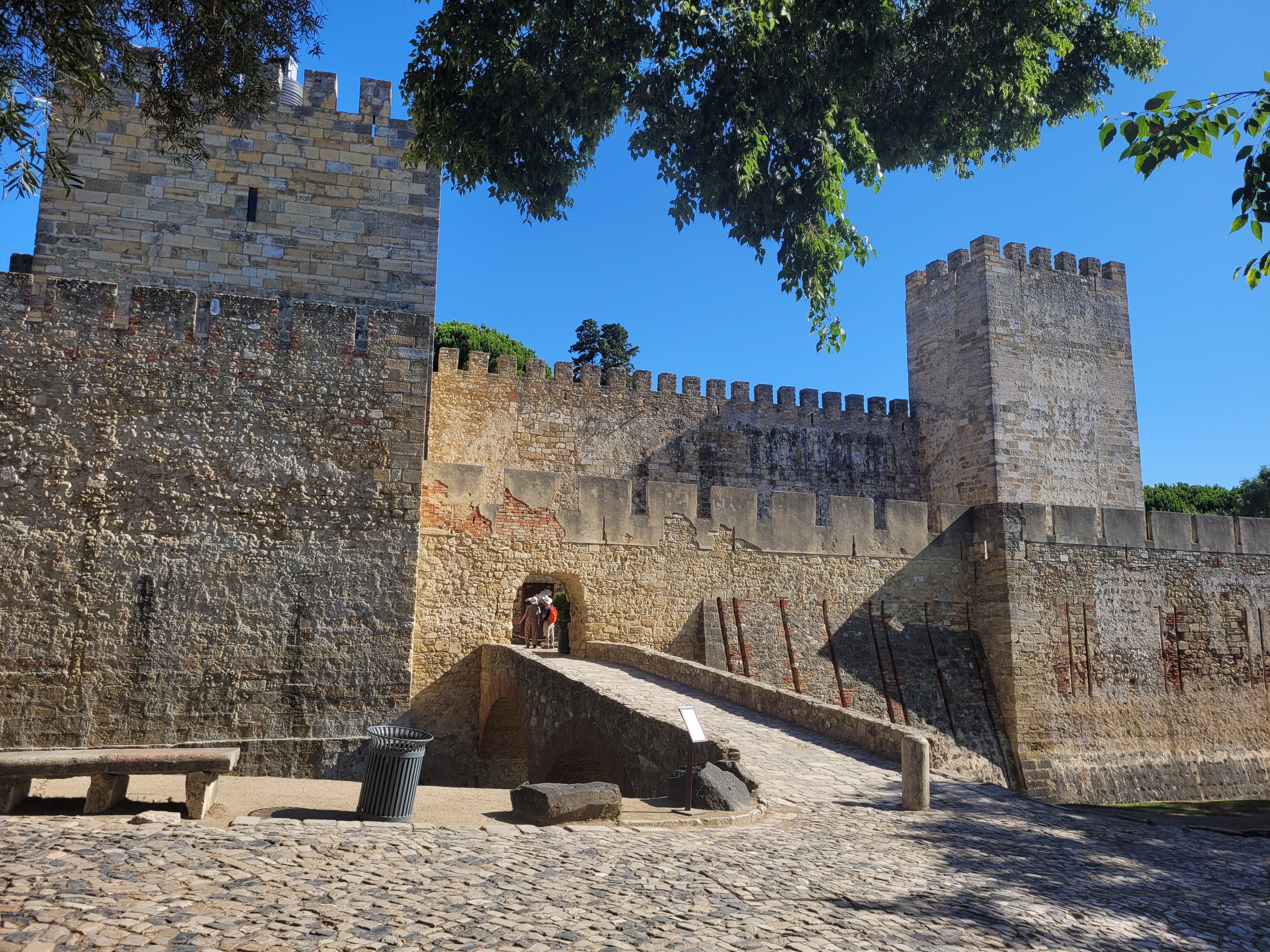


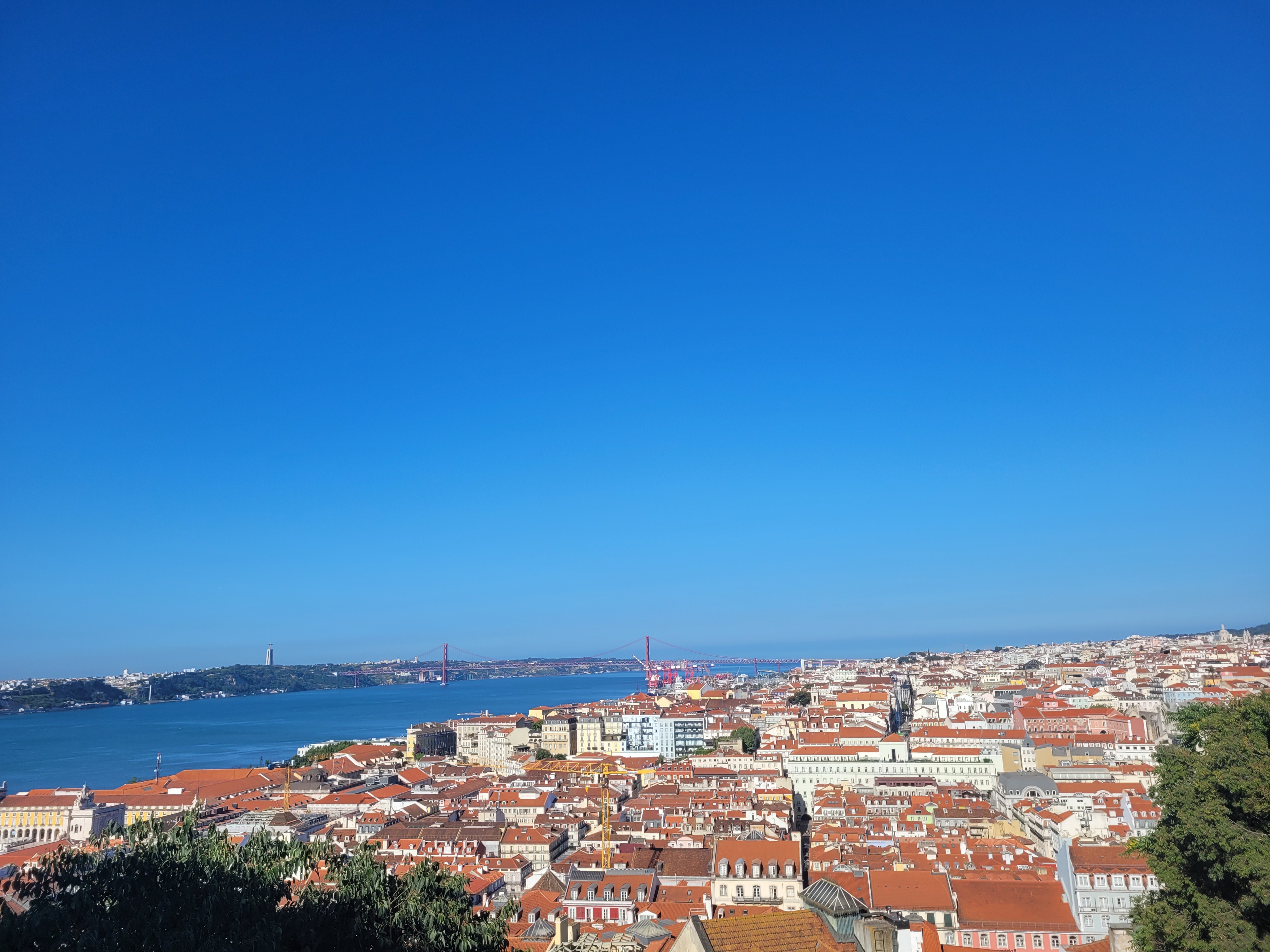
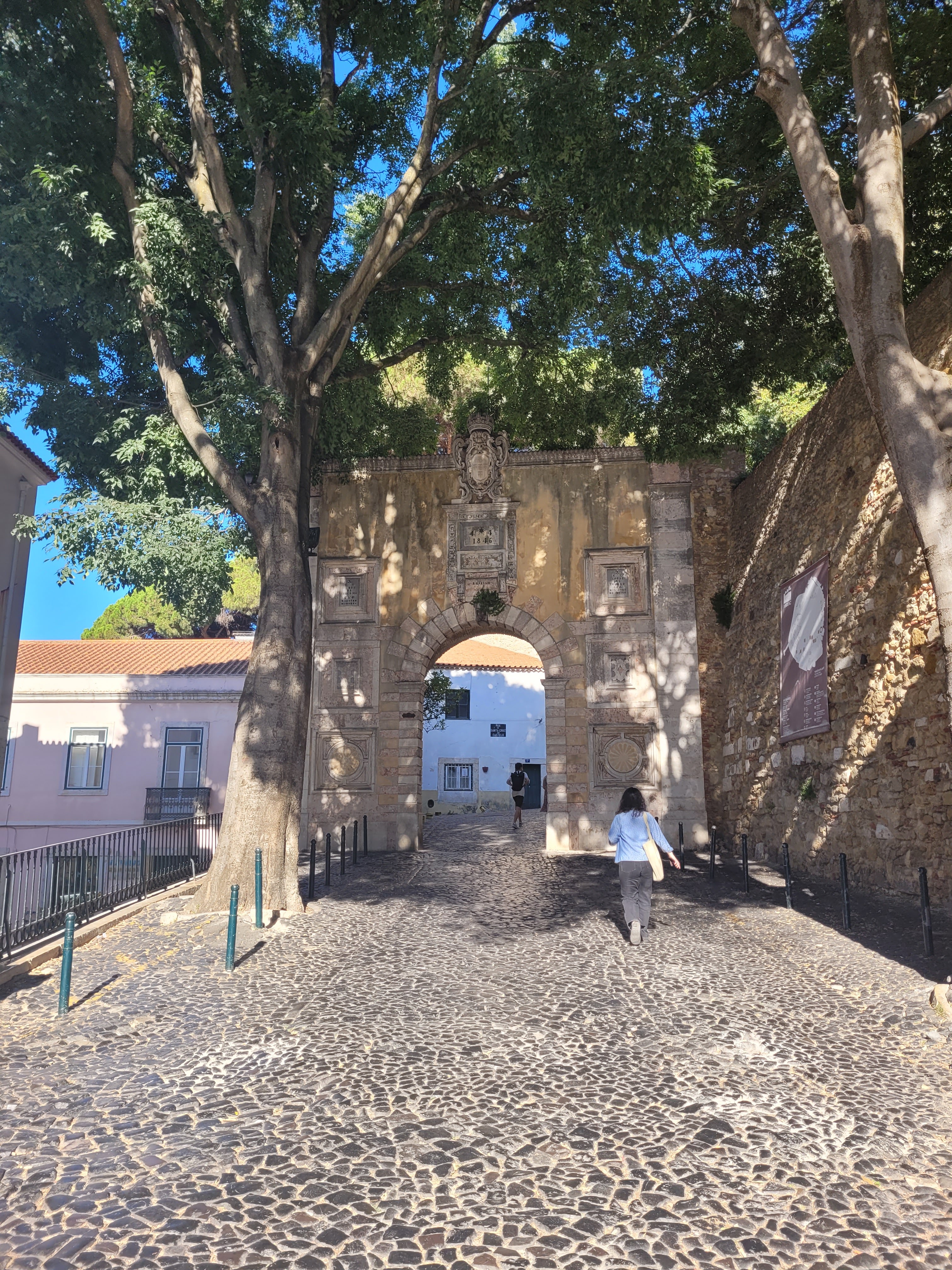
Lisbon’s historical castle, St George’s Castle feature stunning views over Lisbon, rich history, and if you’re lucky, you’ll get a free tour of the archaeological excavation that have taken place on the grounds of the castle, providing an insight into how the Moors and Romans lived.
Lisbon Cathedral
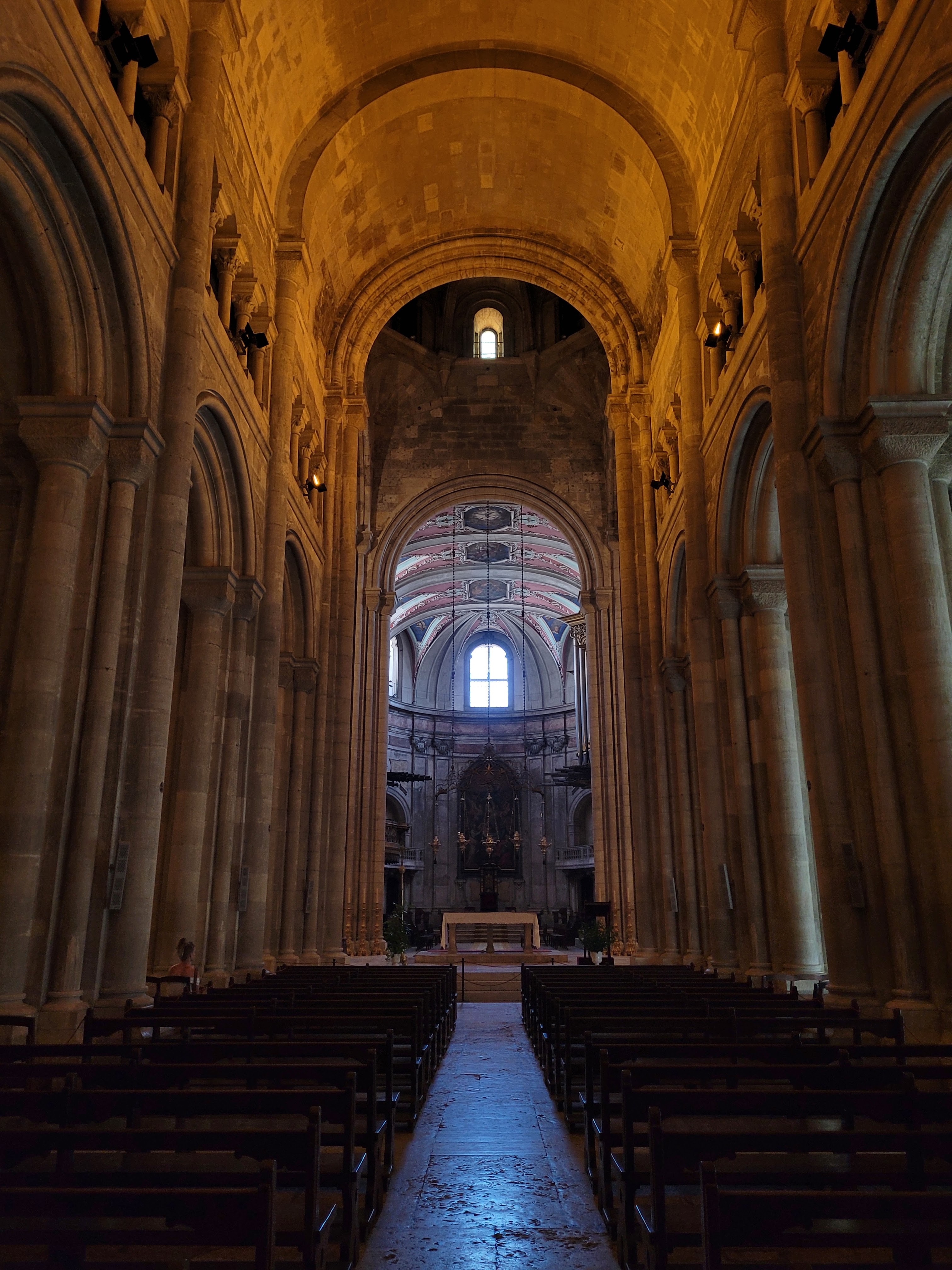
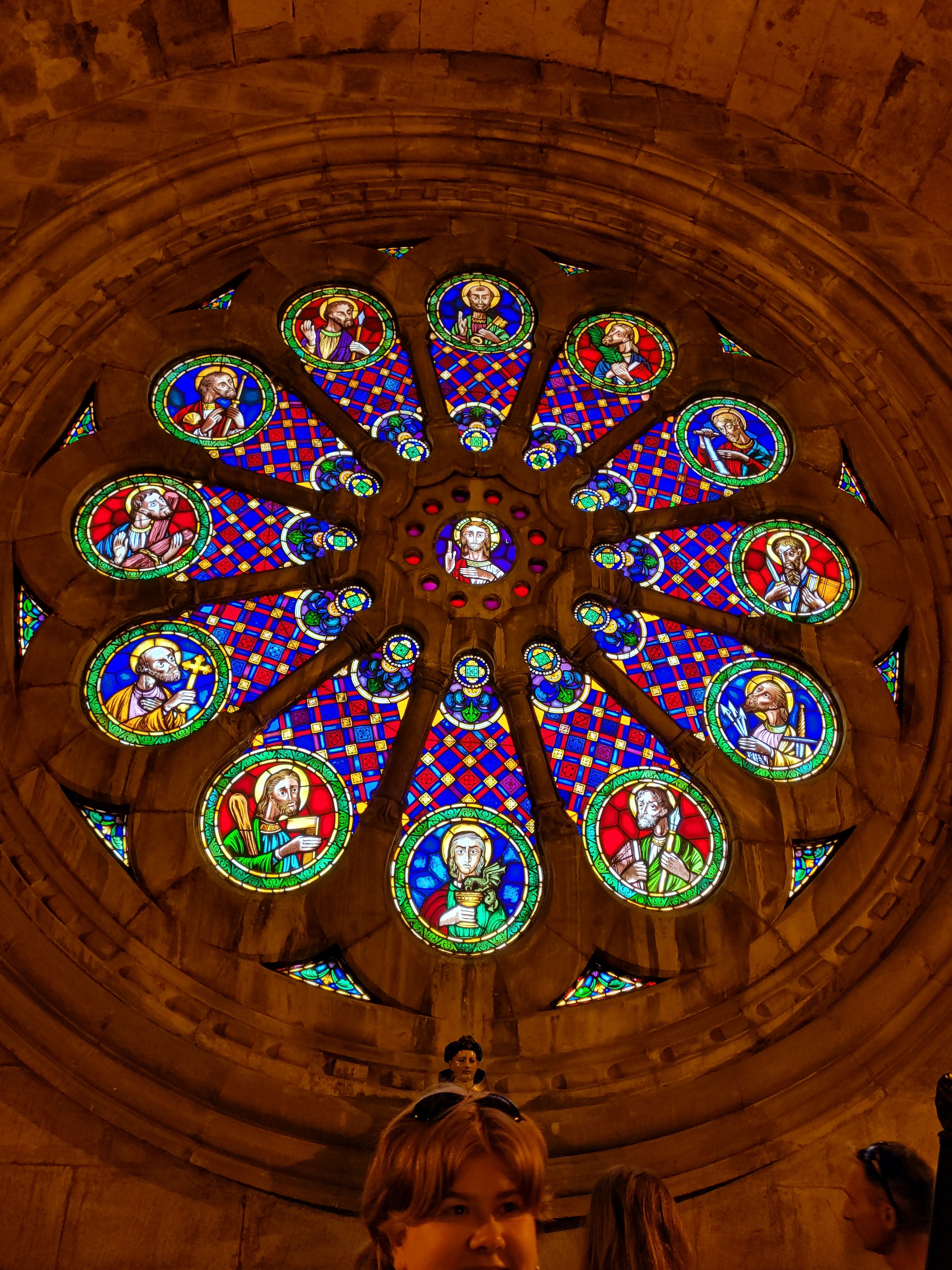
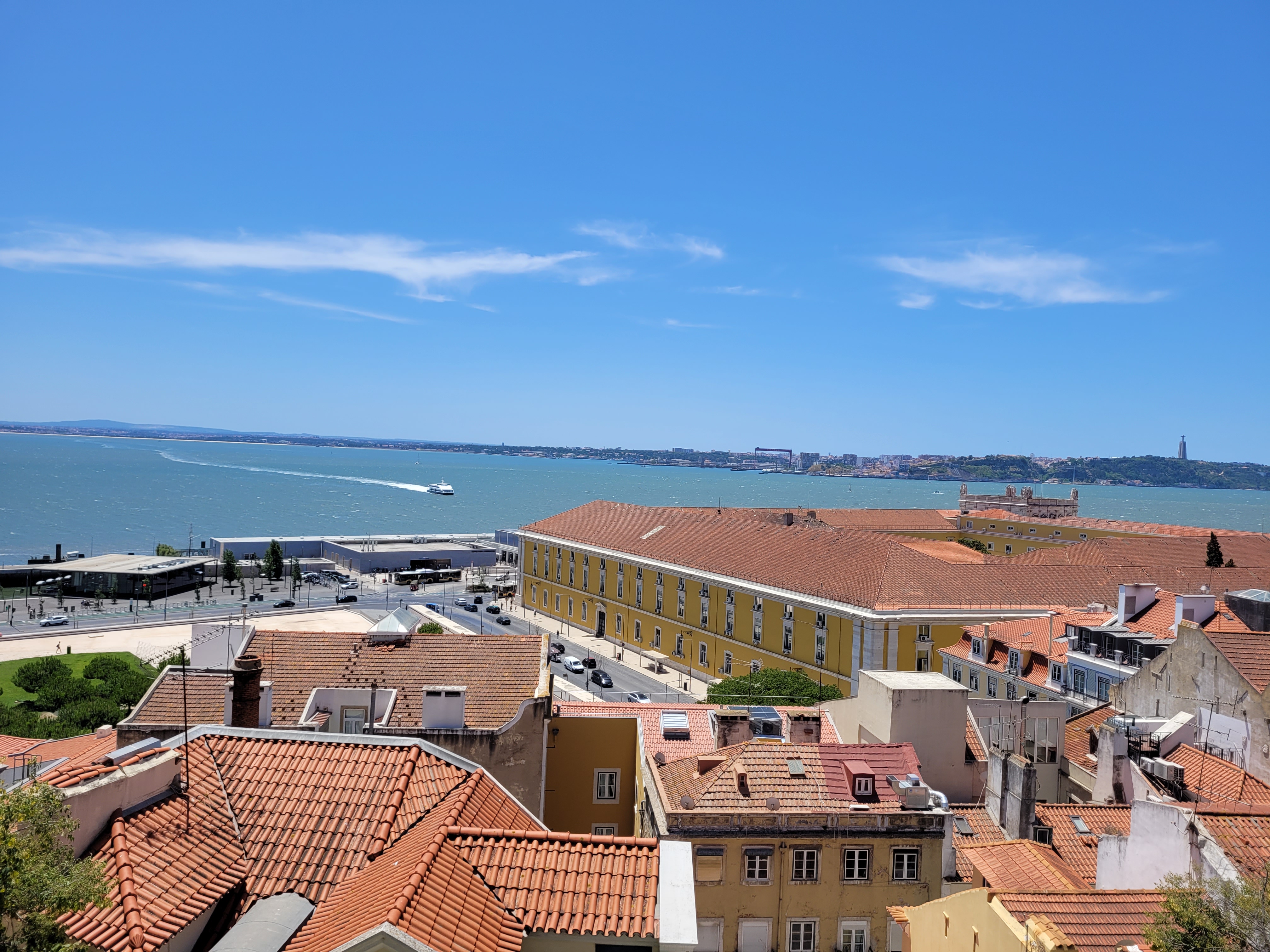
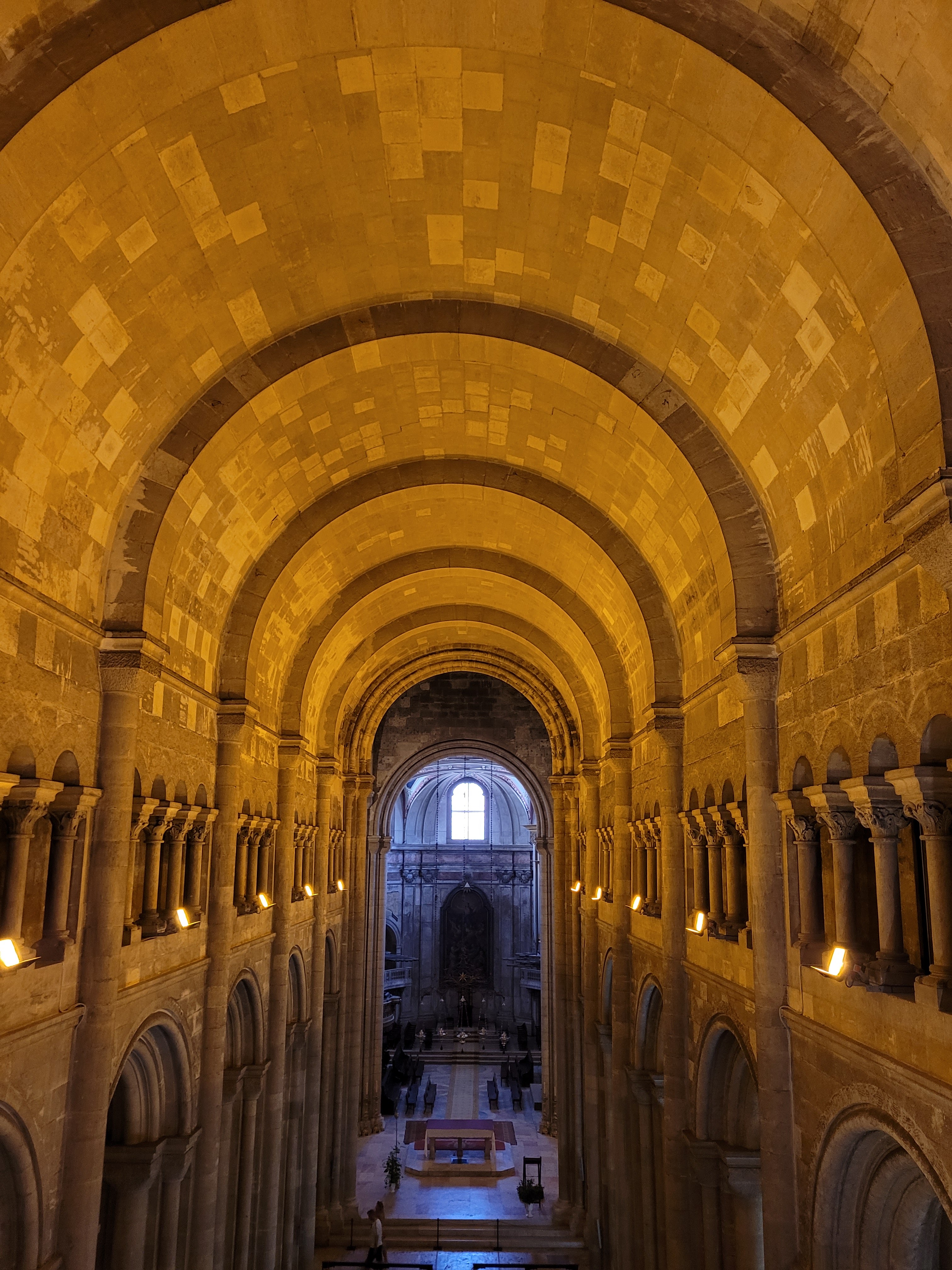
Lisbon’s chief church is probably it’s oldest building. It suffered during the earthquake, but was rebuilt. It’s imposing interior is well worth a visit, and you can get rather pretty views of Lisbon from the upper galleries.
Spots That Might Be Good
Lisbon Story Centre
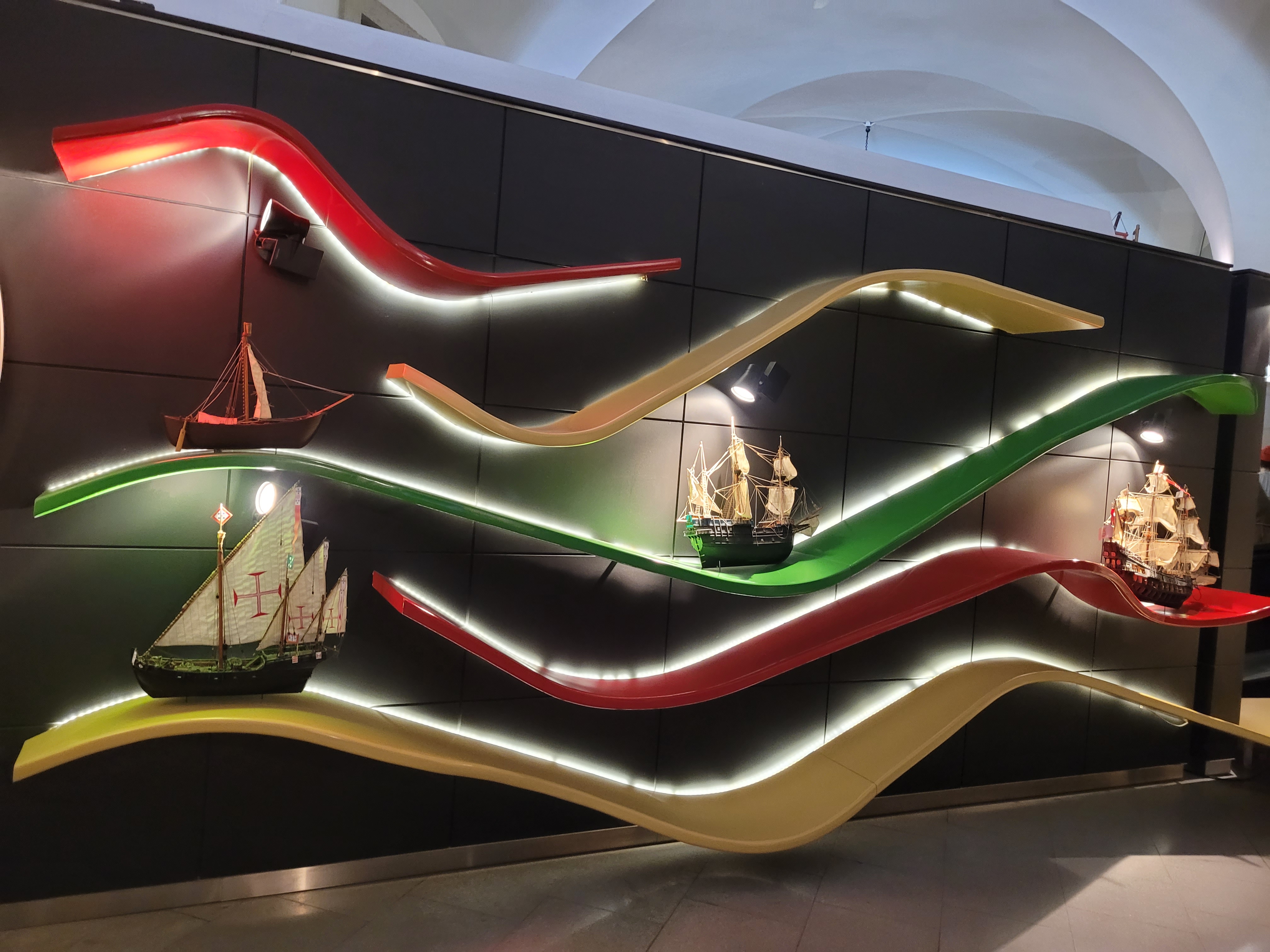
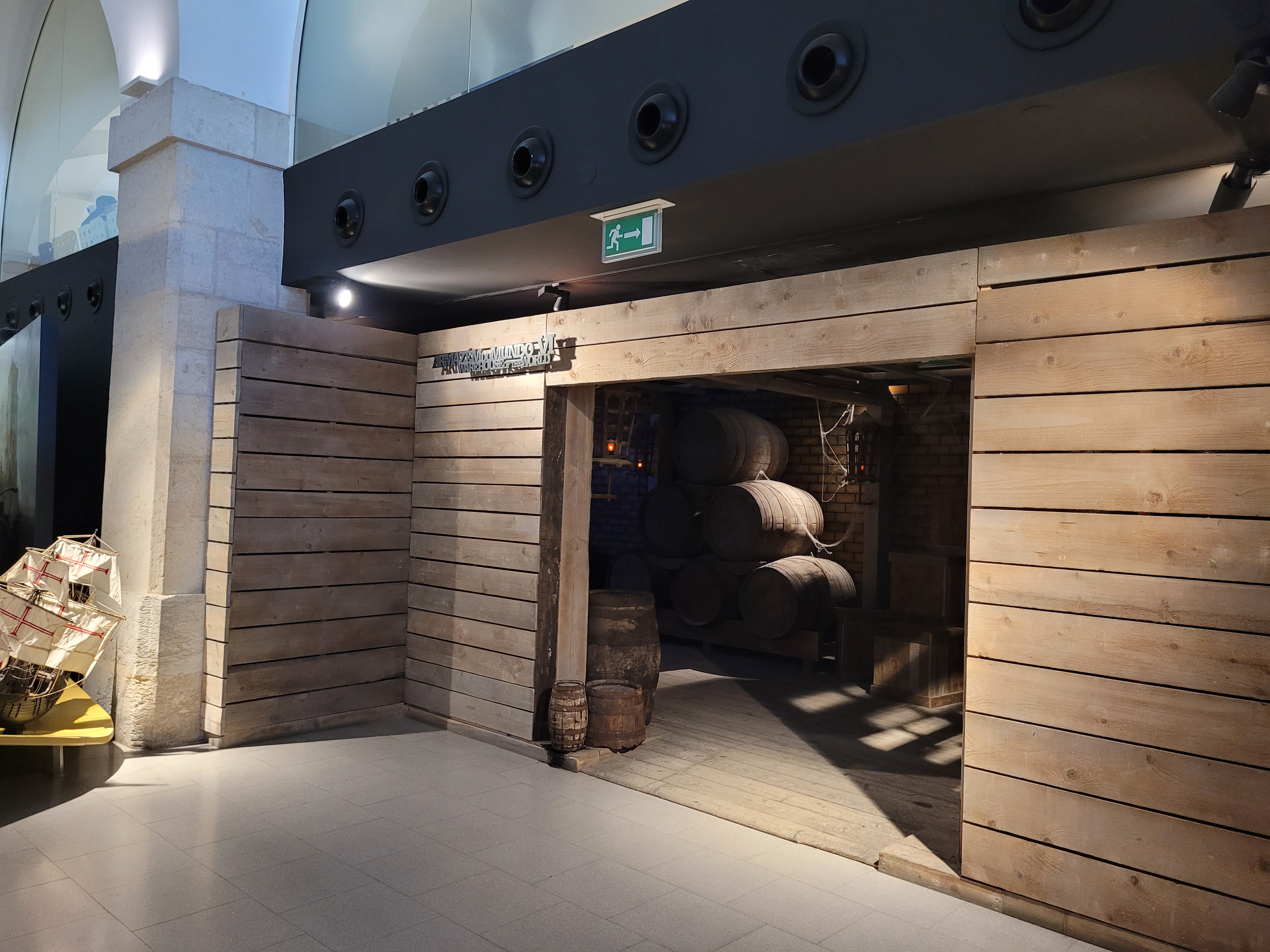
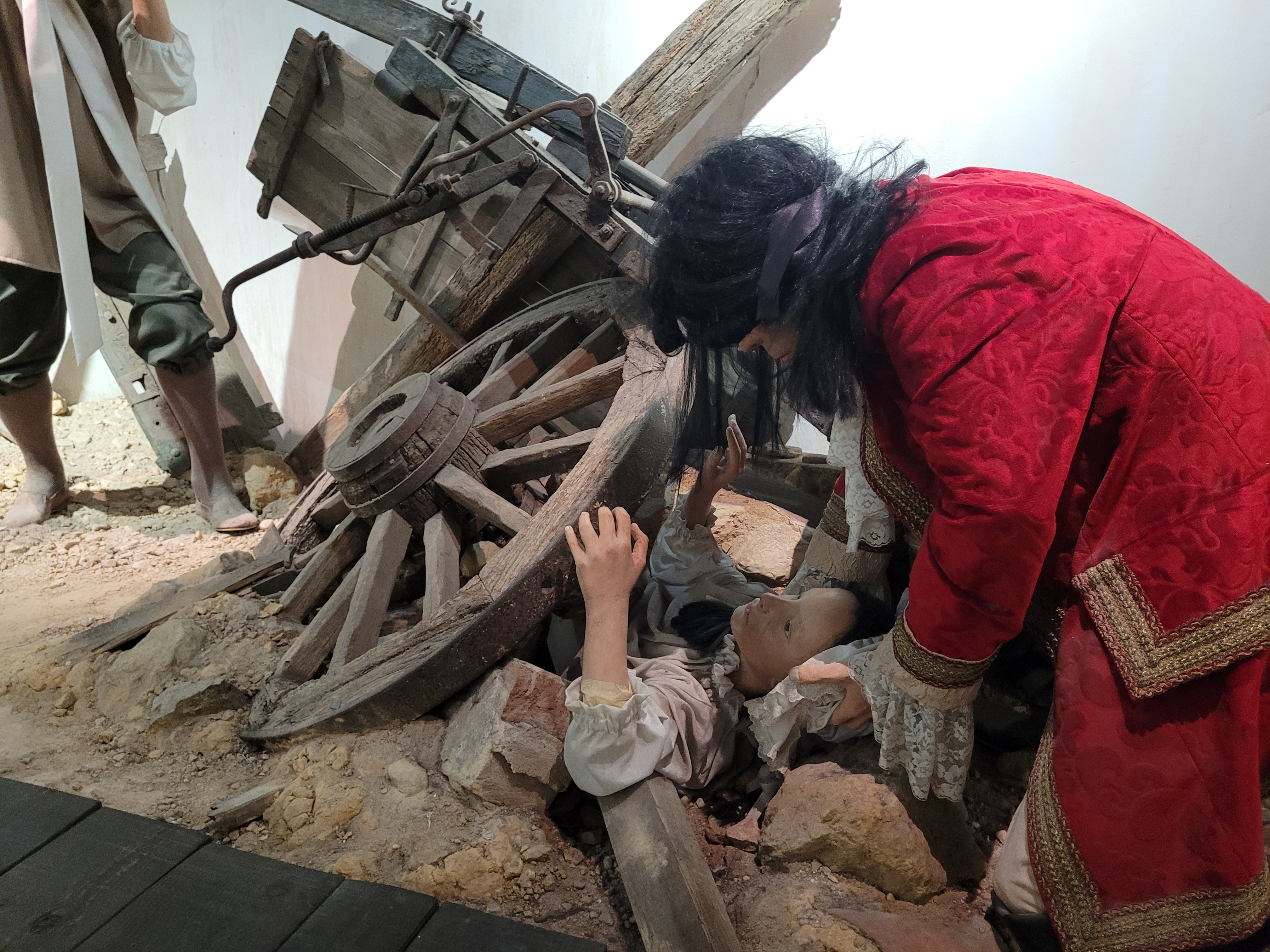
A museum detailing the history of Lisbon. It’s a modern and well made museum, but only of interest to true history buffs. It is included in the Lisbon card however, so it is definitely worth visiting if you get it.
LX Factory

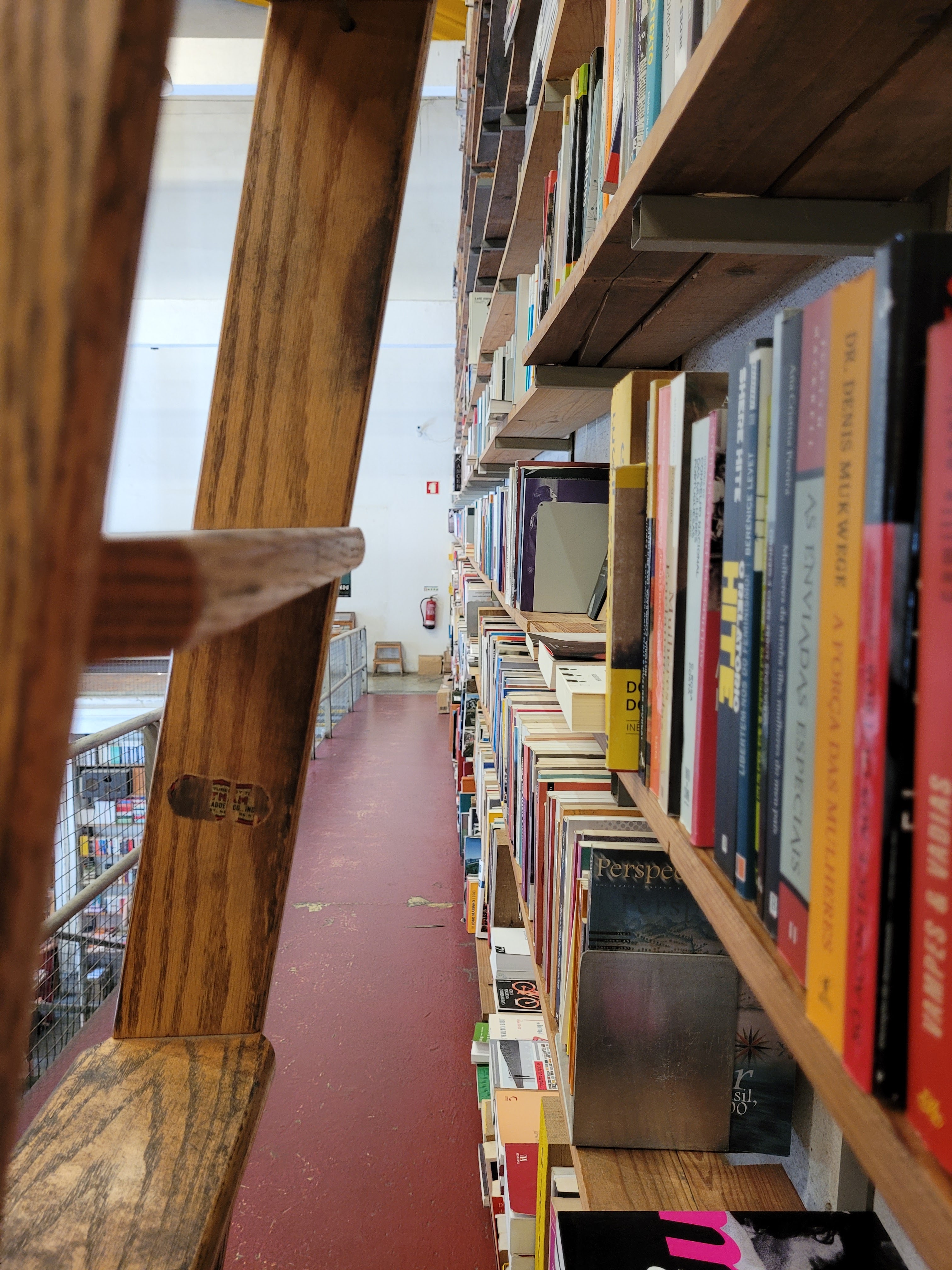
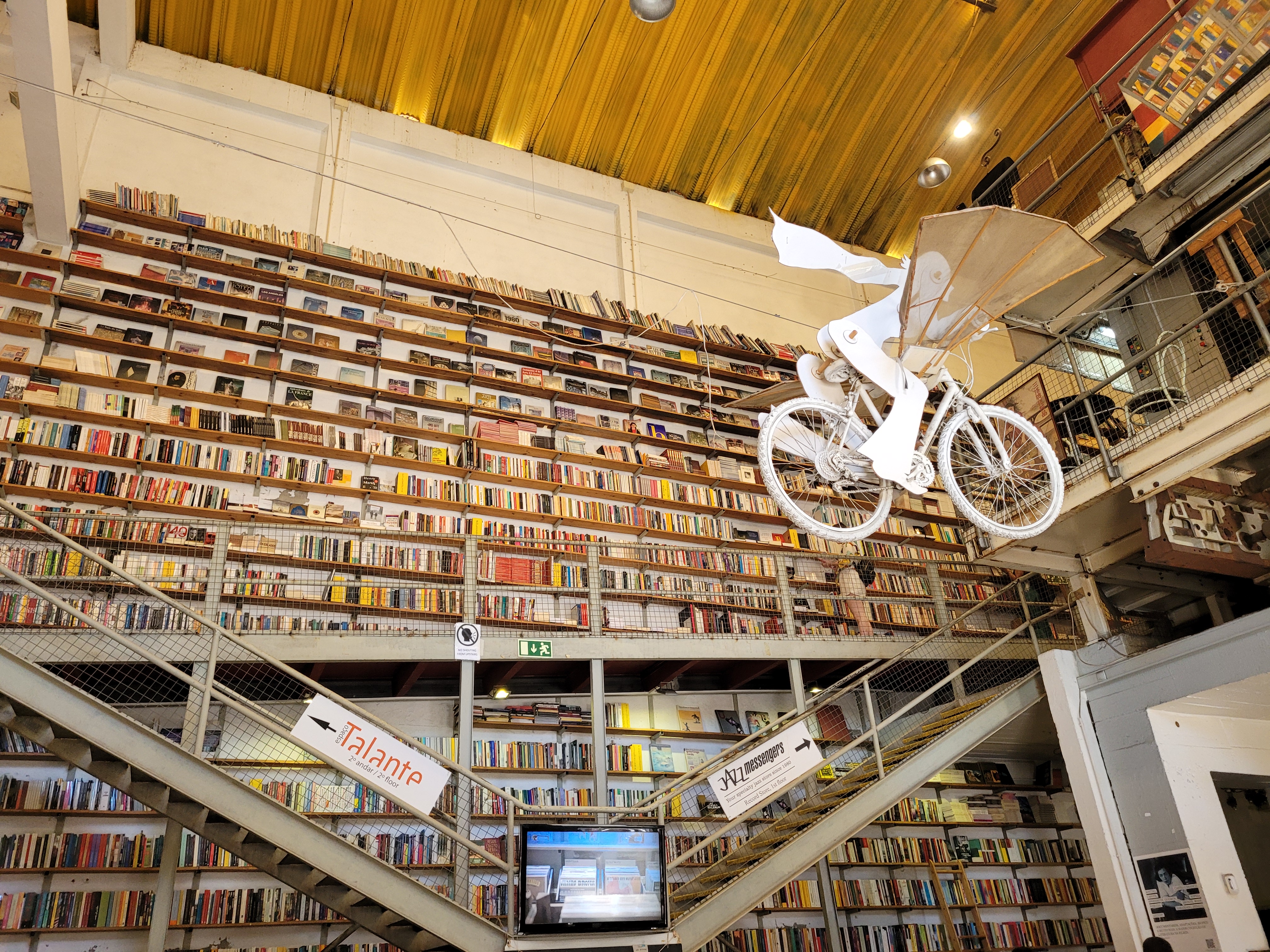
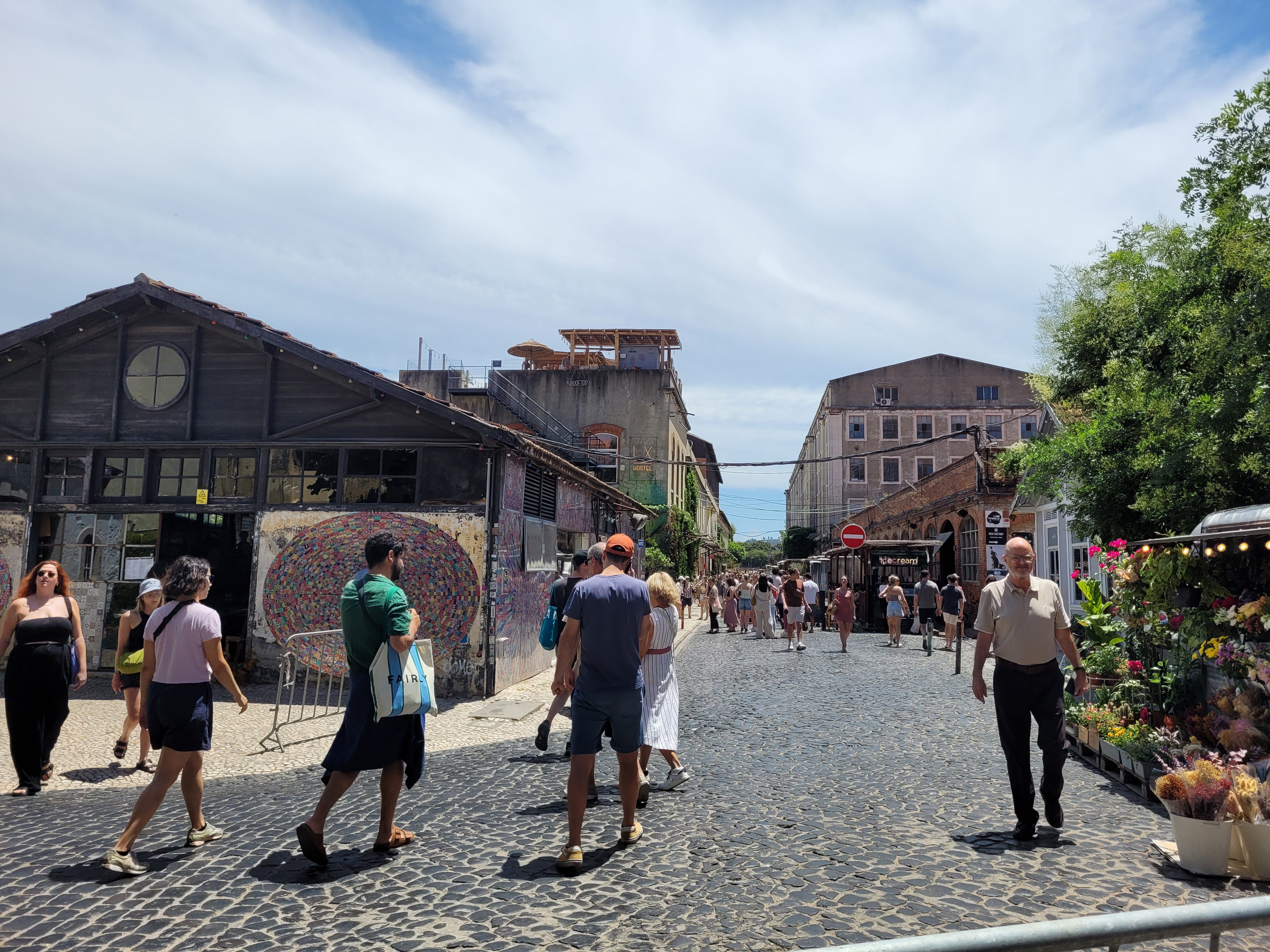
Once a factory, now a bustling hub for Portugal’s youth. You’ll find plenty of modern restaurants and cool shops here. Definitely worth a stop for lunch if you’re in the area.
Pillar 7 Experience


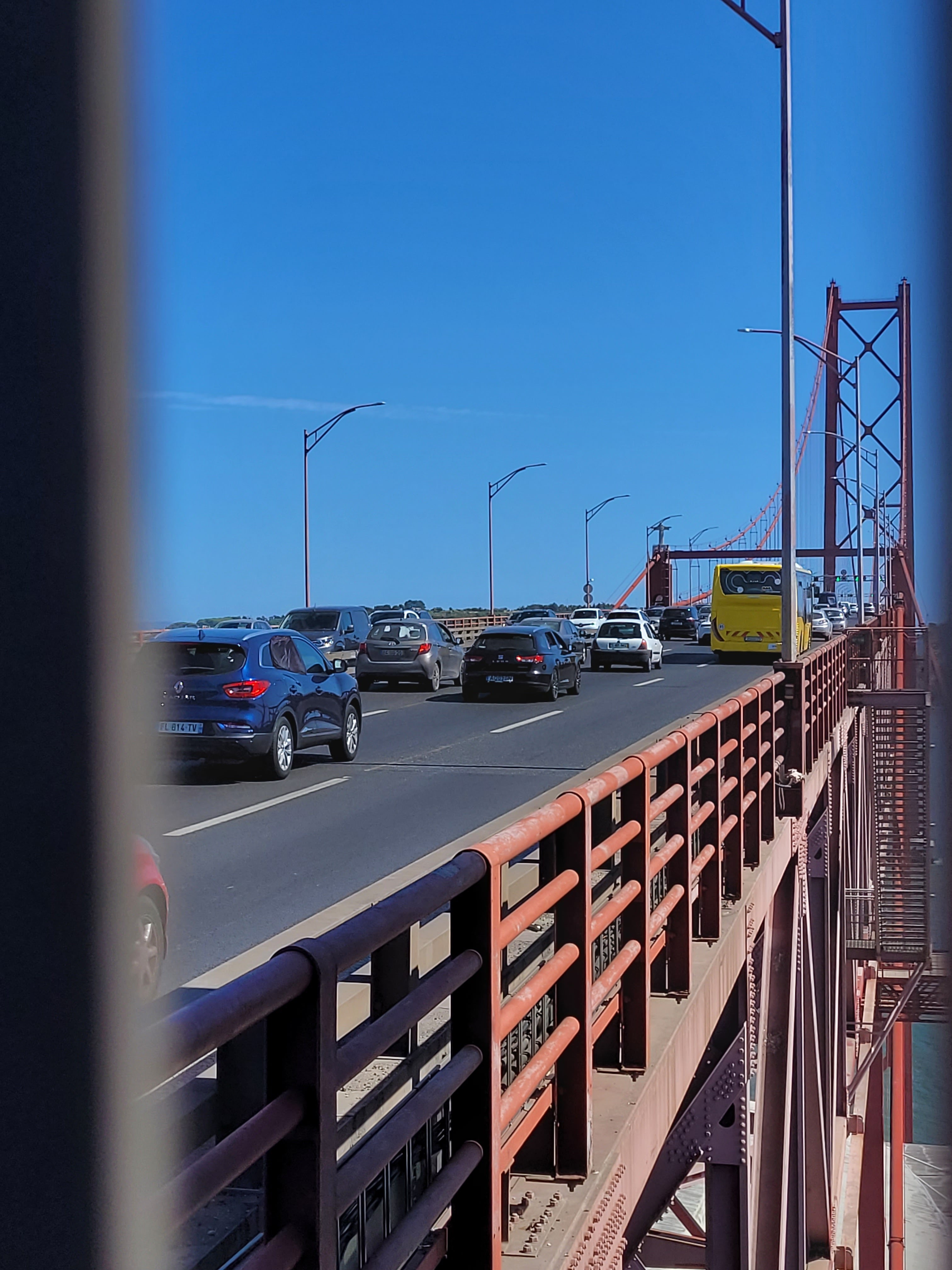
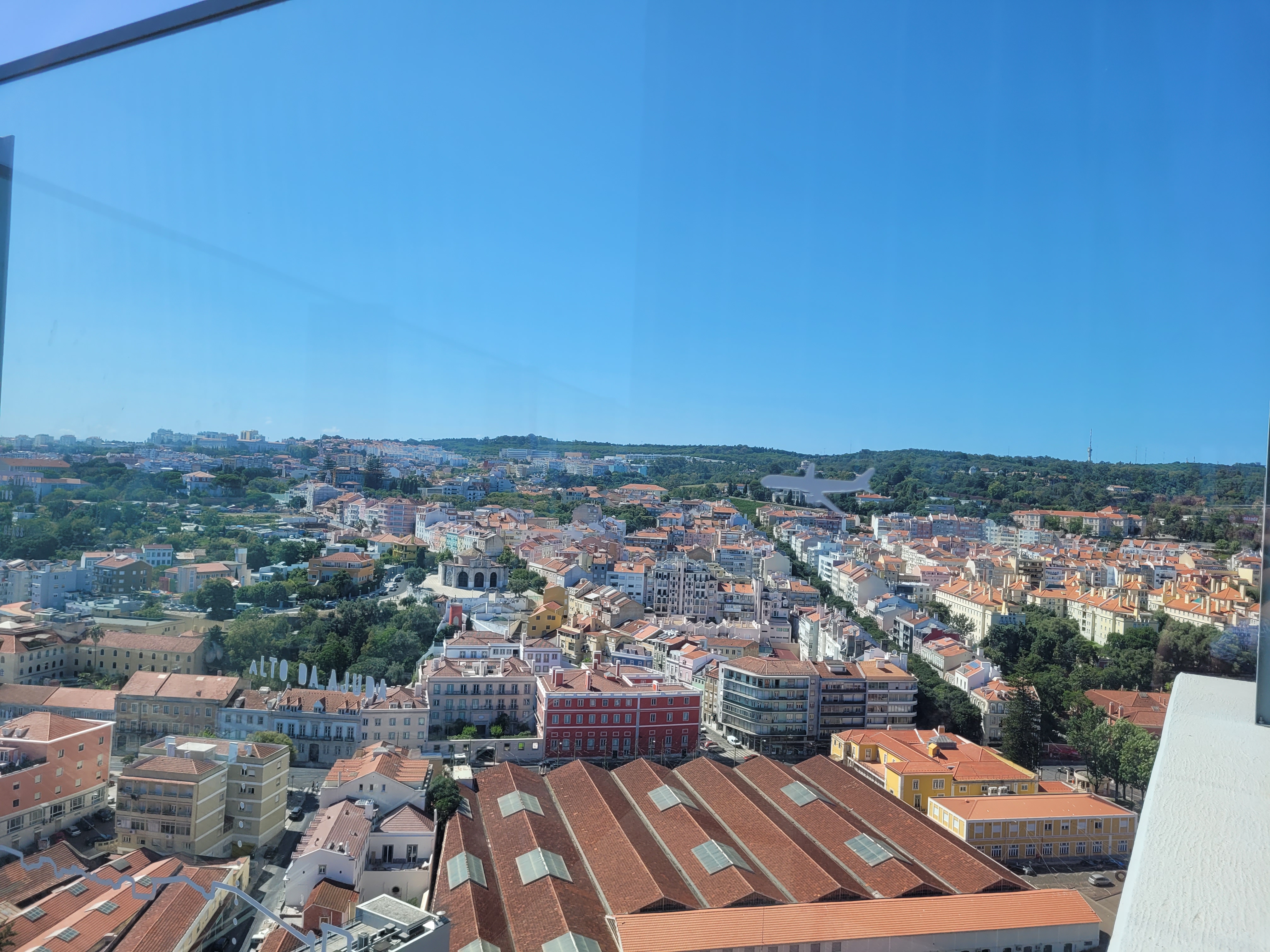
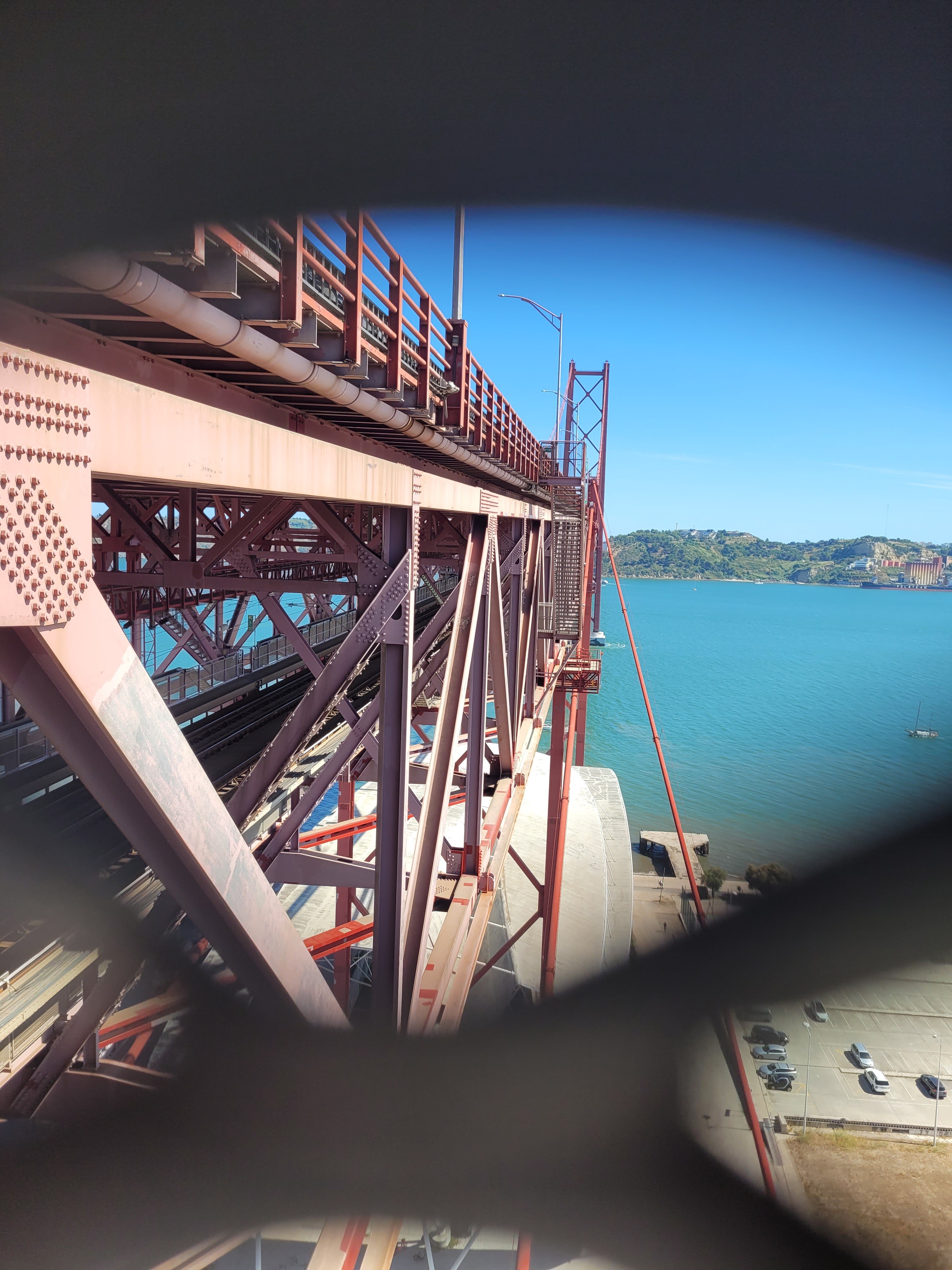
Built into the Bridge of the 25th of April, the Pillar 7 Experience allows you to climb up this huge bridge, and learn it’s story on the way up. It’s a fairly niche activity, and the only reason we did it is because it was included on the Lisbon Card. Nevertheless, it was quite cool! Though when we went, the lifts were shut, so we had to climb several hundred stairs, which was quite an experience in the summer heat!
Conclusion
Lisbon is a great city filled with history, culture, excellent viewpoints and fun things to do. I would recommend the Portuguese capital in a heartbeat.

 We May Roam