
Introduction
Sirens wail, and you run to the bunker. Britain has been struck by nuclear bombs. As a member of the Royal Observer Corps, it is time to fulfil your duty and spend the next 30 days locked in the bunker, transmitting information about the nuclear war. Once your 30 days run out, your grim task is at an end, and your continued survival is solely in your hands. This is the story of English Heritage’s youngest site, the Cold War Bunker in York.
Quick Facts
- Location: York, North Yorkshire
- Price for Adult: £15.50
- Time Needed: 1 hour
- Getting There: Bus or Uber anywhere from York, there is a small car park too
- Website Link
History
The Royal Observer Corps was a largely volunteer organisation, first created to track and report aircraft flying over Britain. They were first put to the test during World War 2, though their role soon shifted as the Iron Curtain descended onto Europe. Now, the ROC was to be responsible for tracking and reporting nuclear strikes, should World War 3 come to Britain.
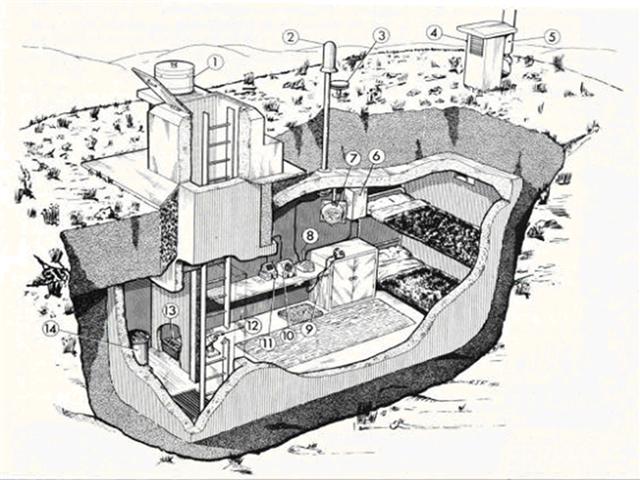
Two types of bunkers existed for the ROC. Small 3-man observation posts were littered across the country, and these were the primary reporters of nuclear strikes. They all reported into central command bunkers, where the information was collated, and sent on to whatever remained of the central government. This information could then be used to coordinate evacuations and the continued survival of Britain. The York bunker was an example of the latter. It could sustain a team of 20 people for a period of 1 month, after which they would have to fend for themselves.
Following the end of the Cold War, the ROC was stood down, and the bunkers were abandoned. It was, however, on council land, and ownership of the bunker reverted to the council. They didn’t know what to do with it, so it was abandoned. It was acquired in the early 2000s by English Heritage, who restored it, finally opening it to the public in 2006. It is the only example of such a bunker to still be in it’s operational condition.
Our Visit
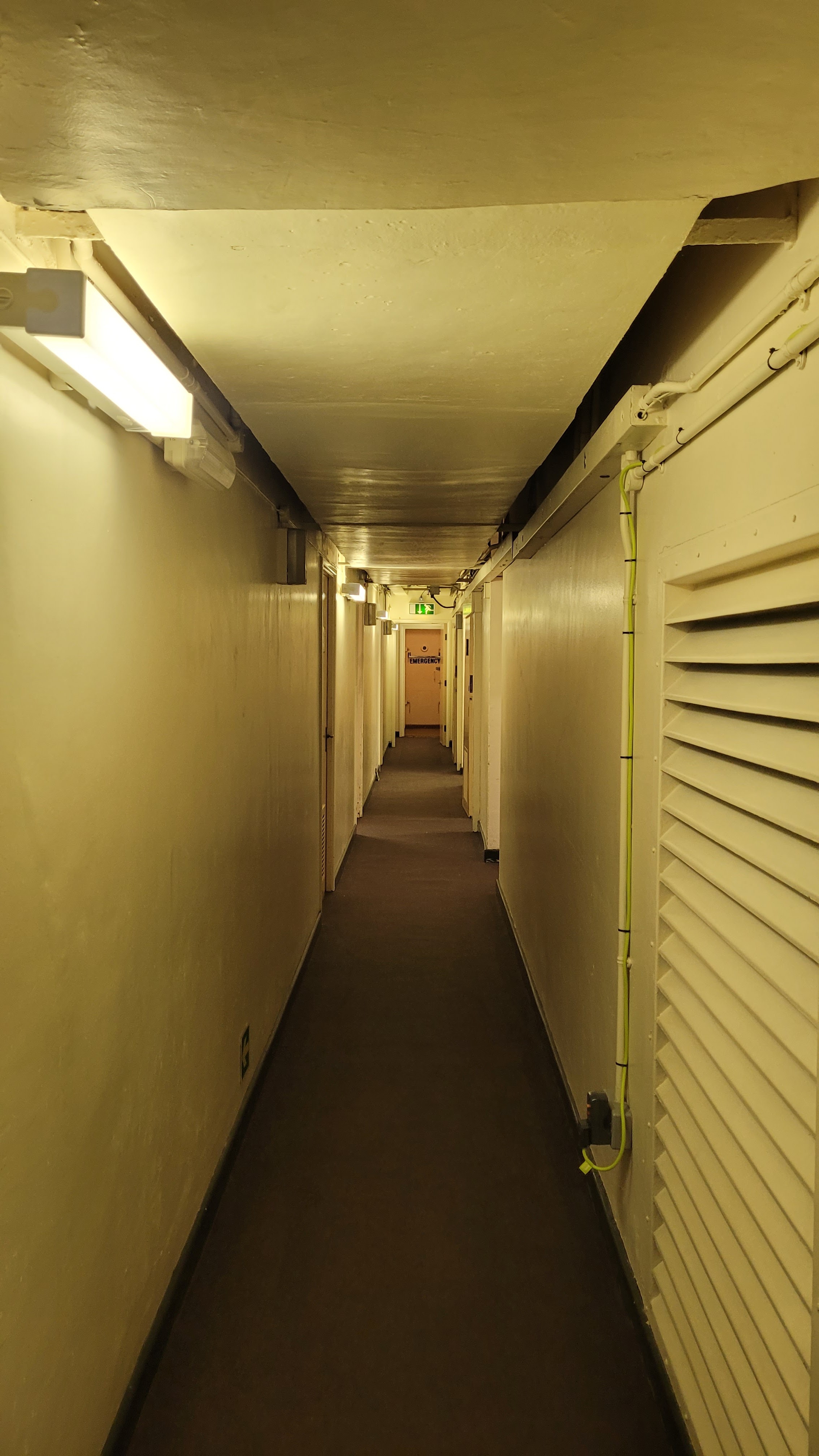
The York Cold War Bunker can be visited by an hour-long, guided tour only. The tour begins with a 10 minute video explaining the context behind the Cold War, the ROC, and nuclear weapons. You watch it in what would have been the canteen for the Observer’s, the only place they could relax (if, indeed, you could relax in such a situation).
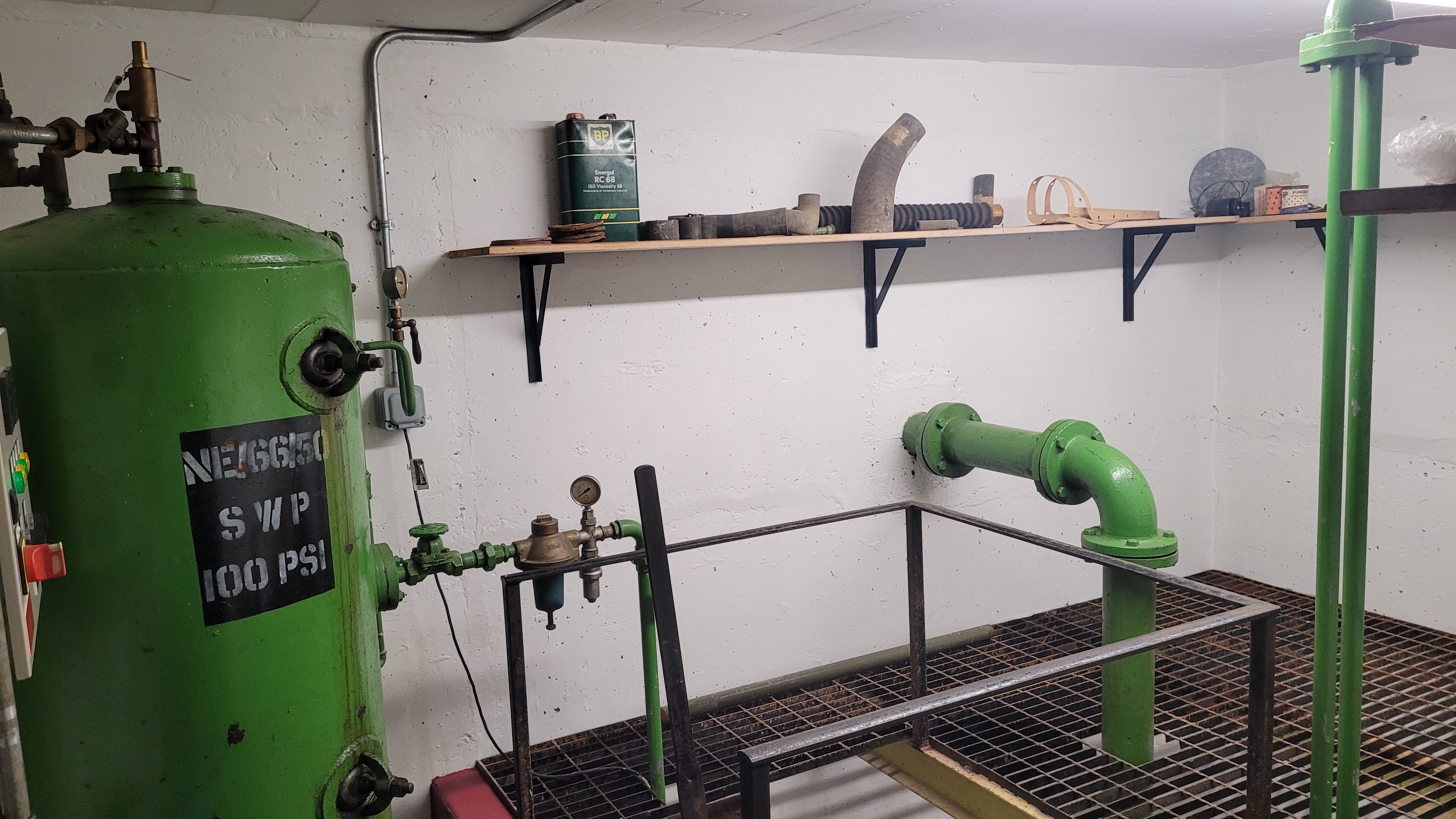
The first stop of the tour is the technical room, where we were shown the generator, air filter, and other machinery that would have supplied the bunker with power, air, and water in case of nuclear war. It would only be guaranteed to work for 30 days, after which the air filters would degrade in quality, the water would start to run out, and the electricity would switch off.
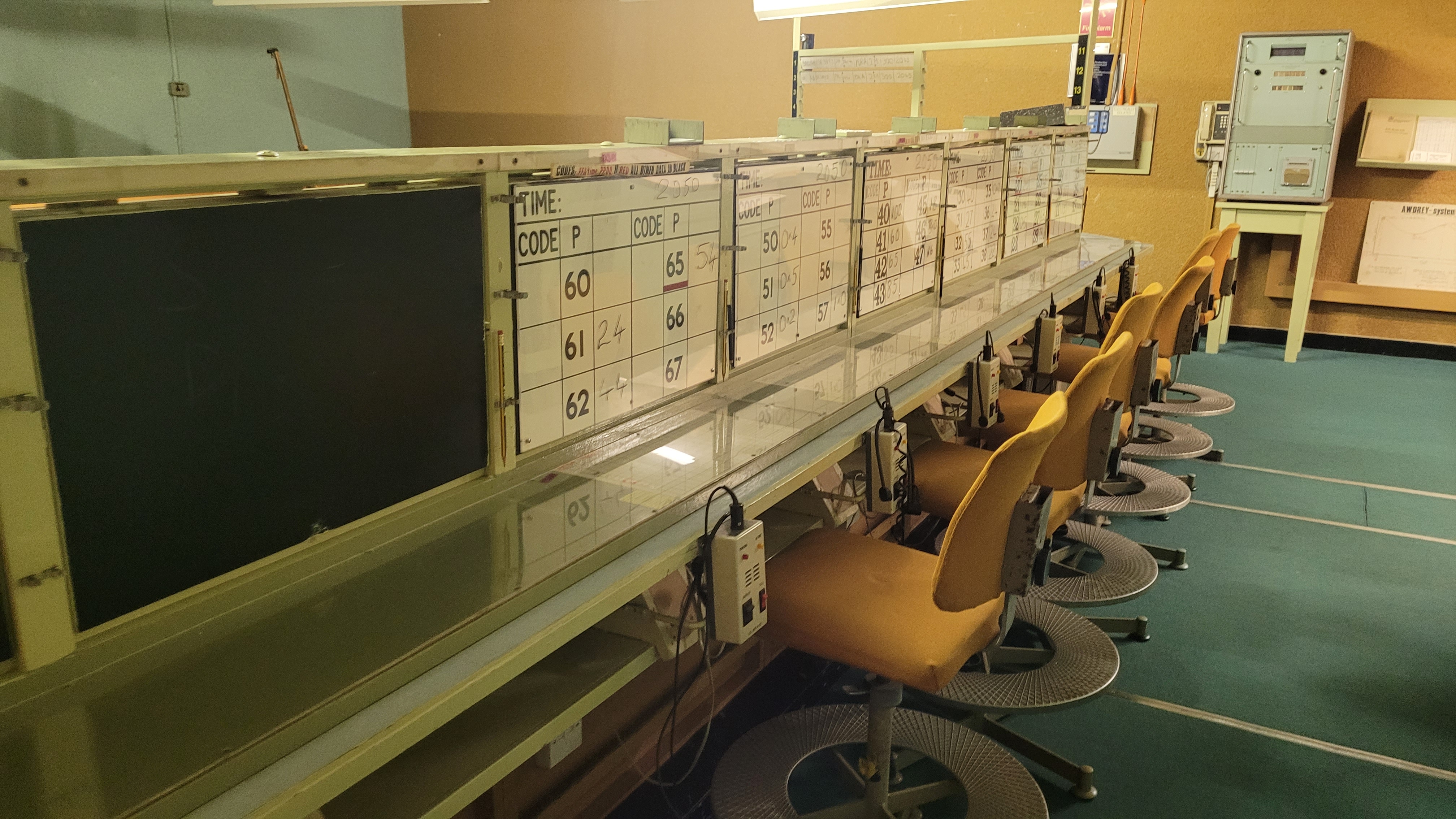
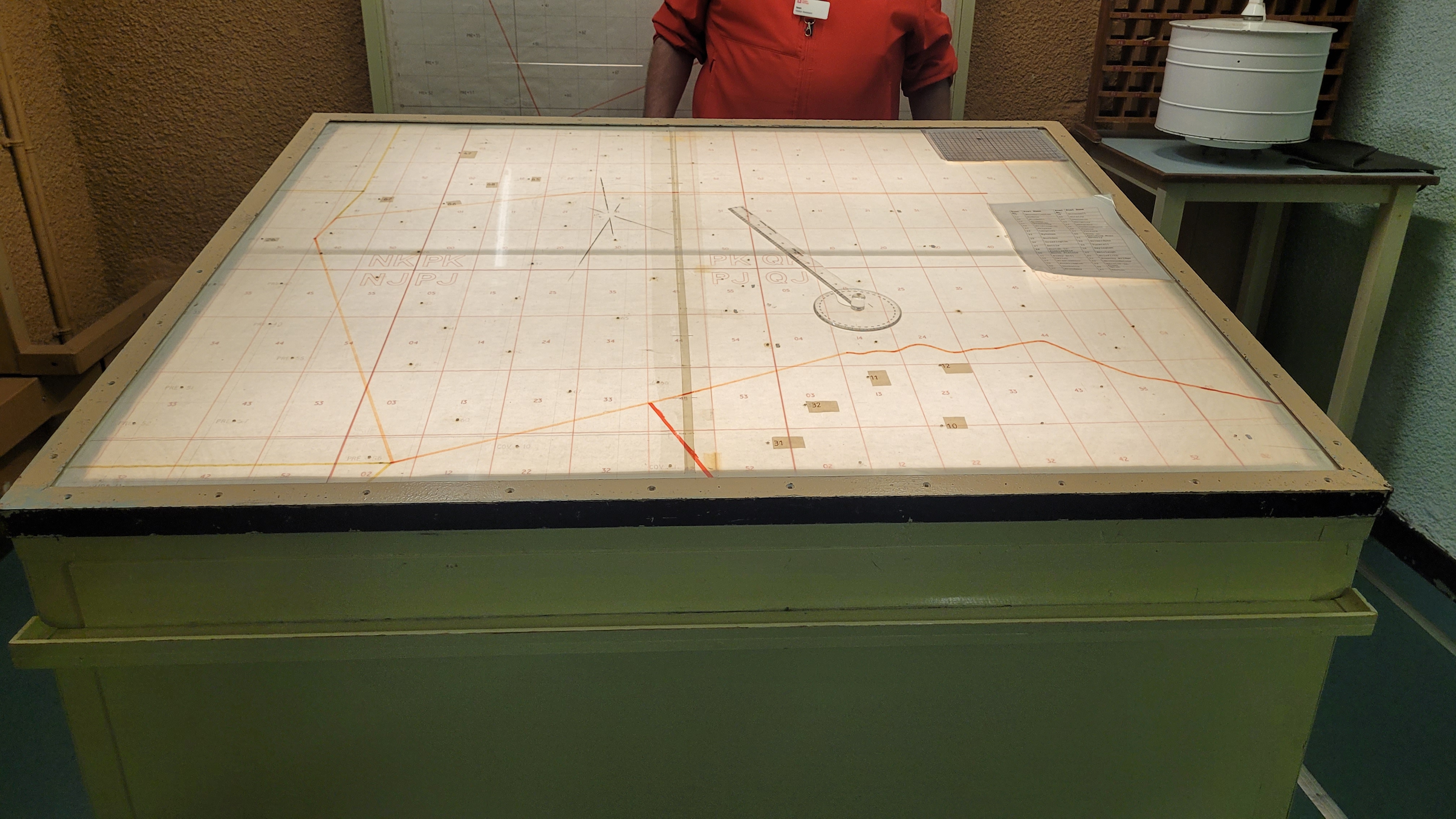
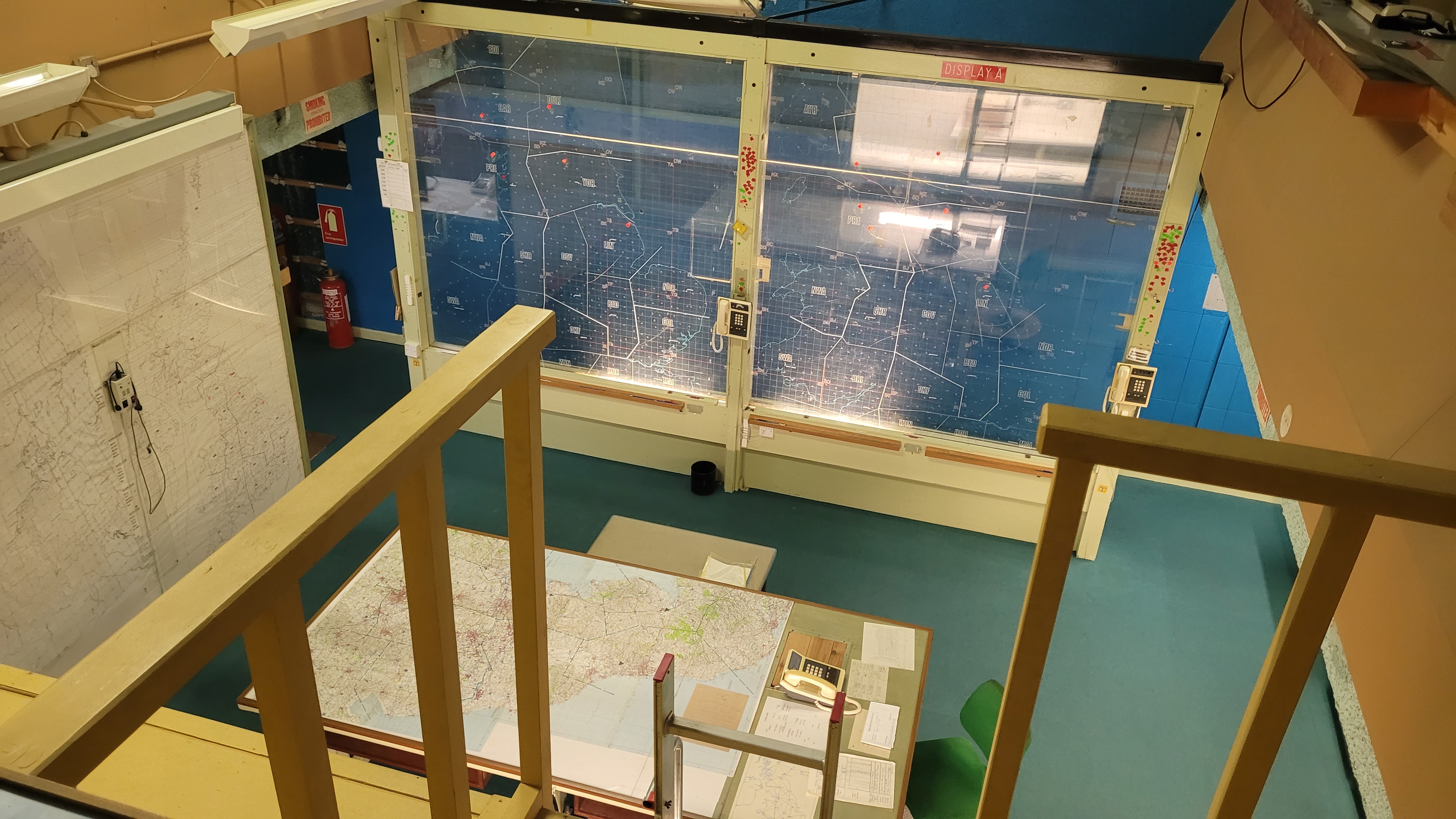
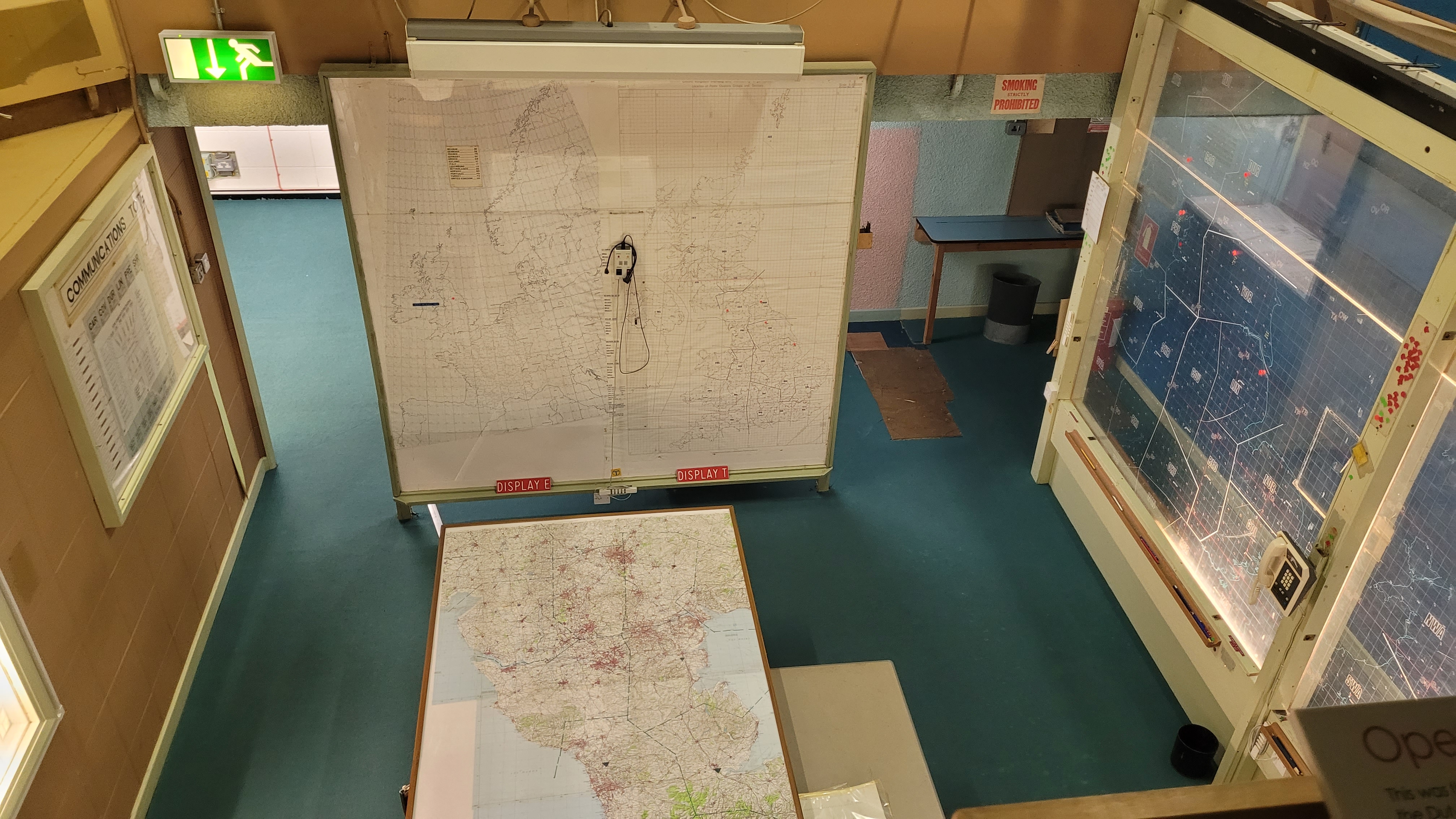
The next room was the beating heart of the bunker – the operations room. Here we were shown the telephones, maps, and instruments that would have been used by the ROC. Most of the tour was spent here, finding out exactly how the ROC would have carried out their task.
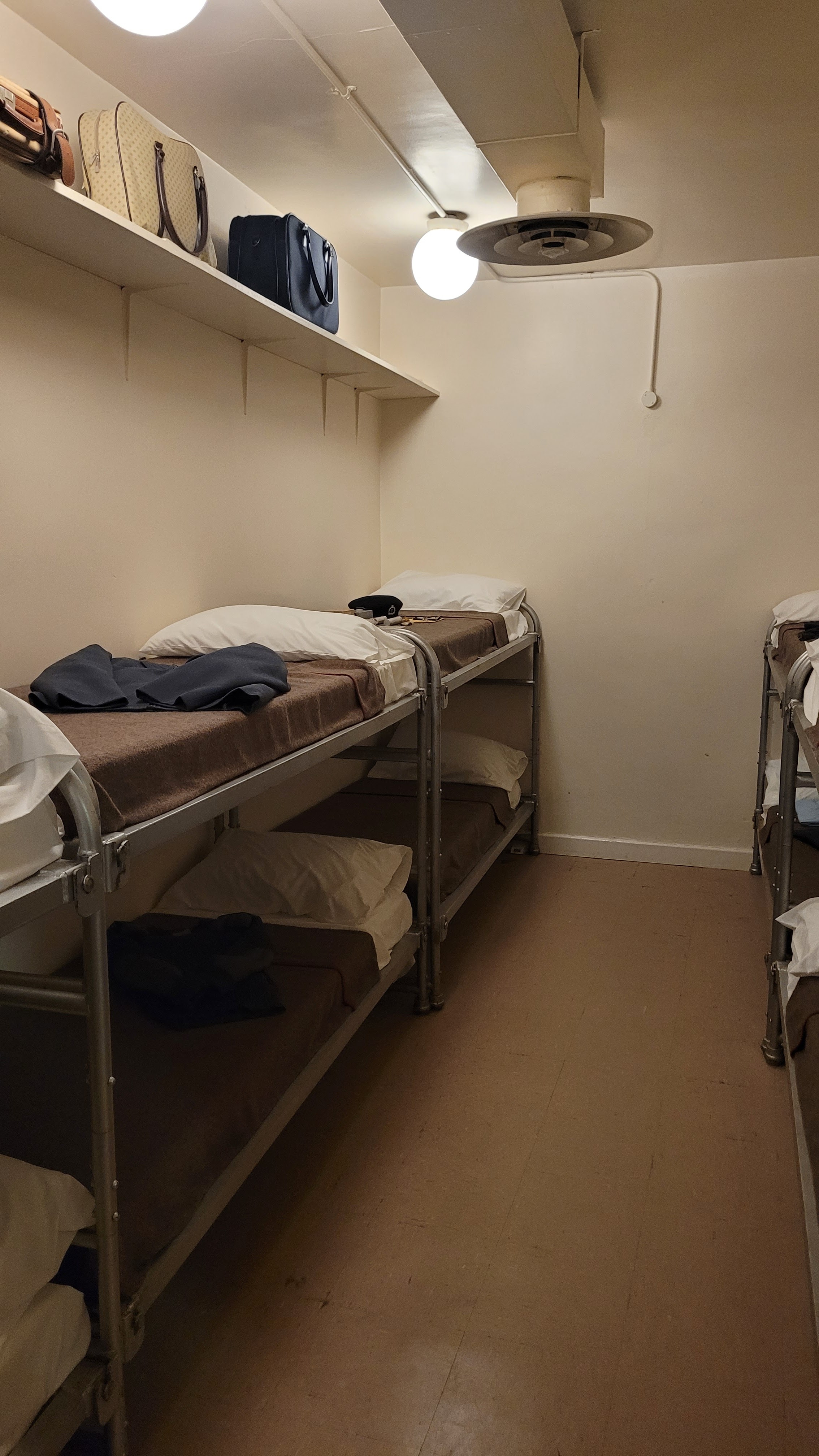
Then, we were taken to the women’s dormitory, where we were told about the living conditions the volunteers (who were primarily women) would have had in the case of nuclear war. Theirs was not a task to be envied.
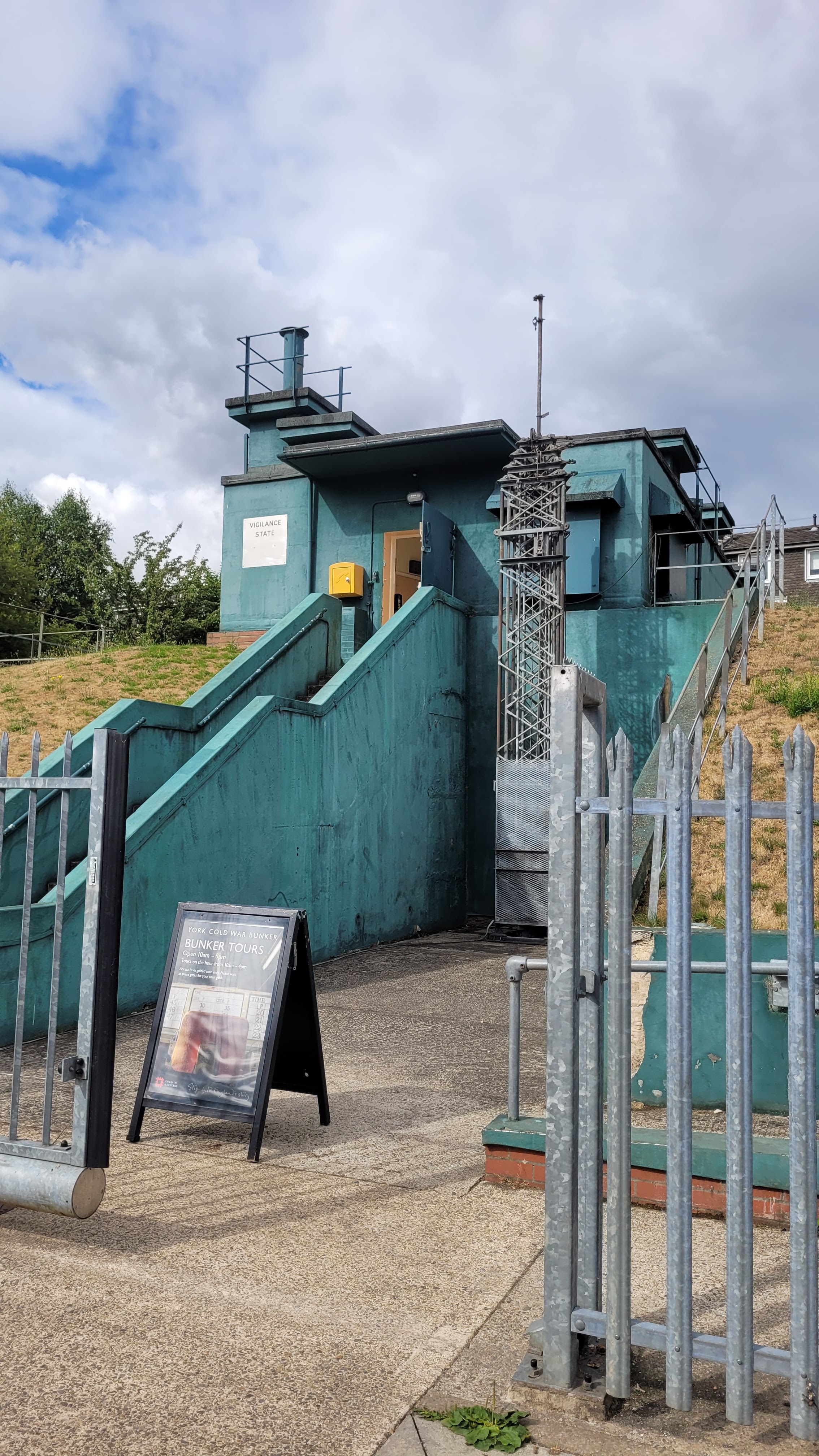
The tour concludes in the telephone exchange, which has a few posters discussing the history of the ROC, and probably the smallest gift shop ran by English Heritage.
Conclusion
The York Cold War Bunker is a very unique site under English Heritage. As far as I know, there’s very few attractions like it in the country. It allows you to learn about a part of history that’s not that well-known, and yet, is quite recent, being in most people’s living memory.
However, it does lack the wow-factor that many other English Heritage sites have. It is, after all, a modern building, underground and utilitarian, built on a strict budget. It is interesting, but it is not beautiful.
This makes me rate it a 3/5 – a worthy attraction to add to your list if you live in Yorkshire, or are visiting York, but not something to plan a trip around.
 We May Roam