
Introduction
Ancient abbey ruins, a world-class water garden, and a UNESCO World Heritage Site – Fountains Abbey & Studley Royal is truly one of the greatest sites in the care of the National Trust. It was also the first National Trust site Tayla and I visited so it is close to our hearts.
Quick Facts
- Location: Ripon, North Yorkshire
- Price for Adult: £21.00
- Time Needed: Whole day
- Getting There: Driving is easiest – bus and cycle possible from Ripon
- Website Link
History
This site began it’s life as a place of solitude and prayer, when a Cistercian monastery was established here. It produced leather, grain and beer, becoming a rather wealthy abbey, allowing it to grow to its considerable size.
The Dissolution of the Monasteries under Henry VIII brought the Abbey to an end. The land was sold off, and the monks were forced to leave. The land passed through various owners, and eventually merged with the neighbouring Studley Royal Park. Around this time, the Georgian Water Garden that Studley Royal is famous for was built.
In the 1970s, the upkeep of the estate became too expensive for its familial owners, and through a series of purchases, ended up in the hands of the National Trust in 1983, who have looked after it since. It attained UNESCO World Heritage Status 3 year later.
Our Visit
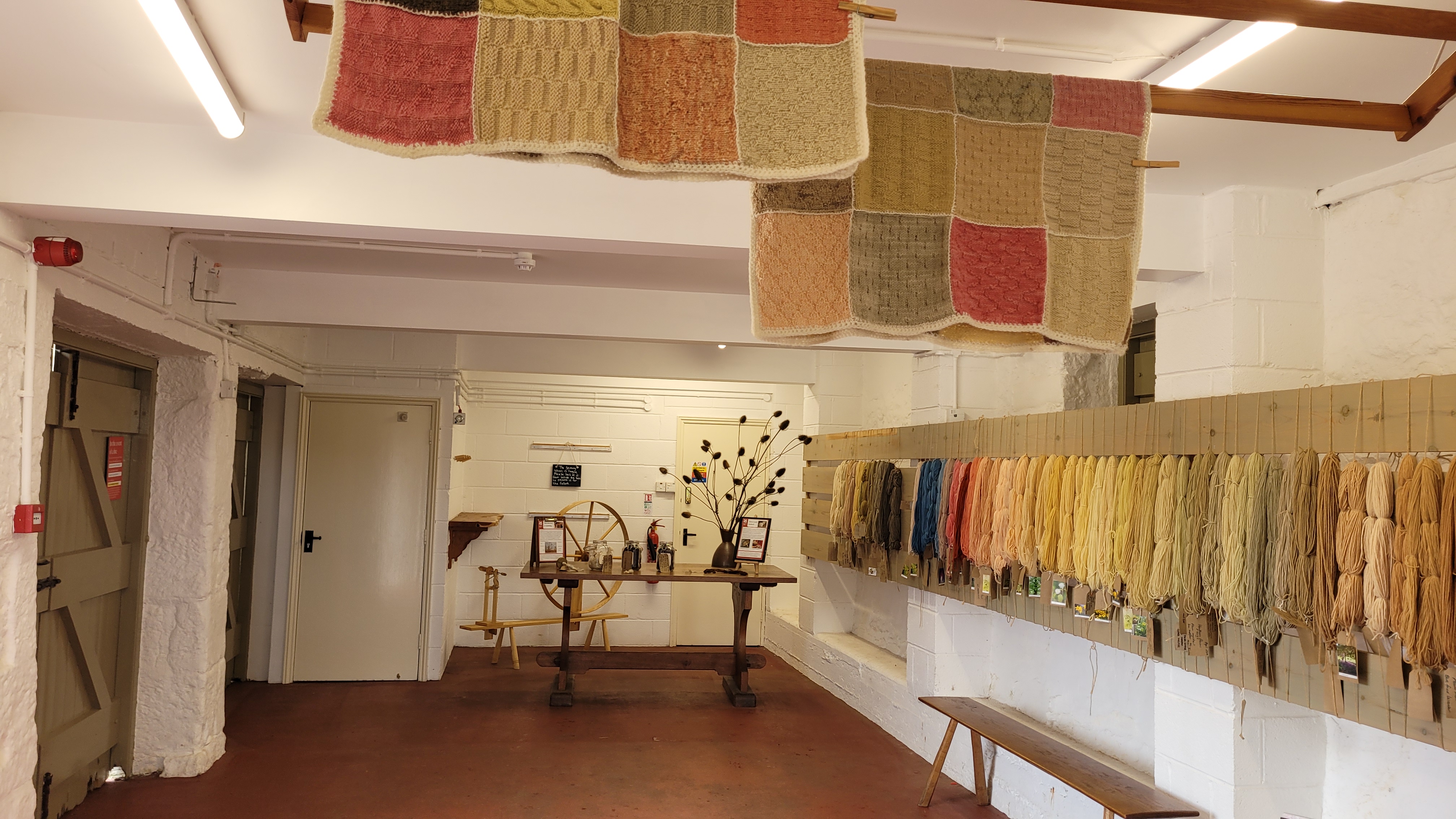

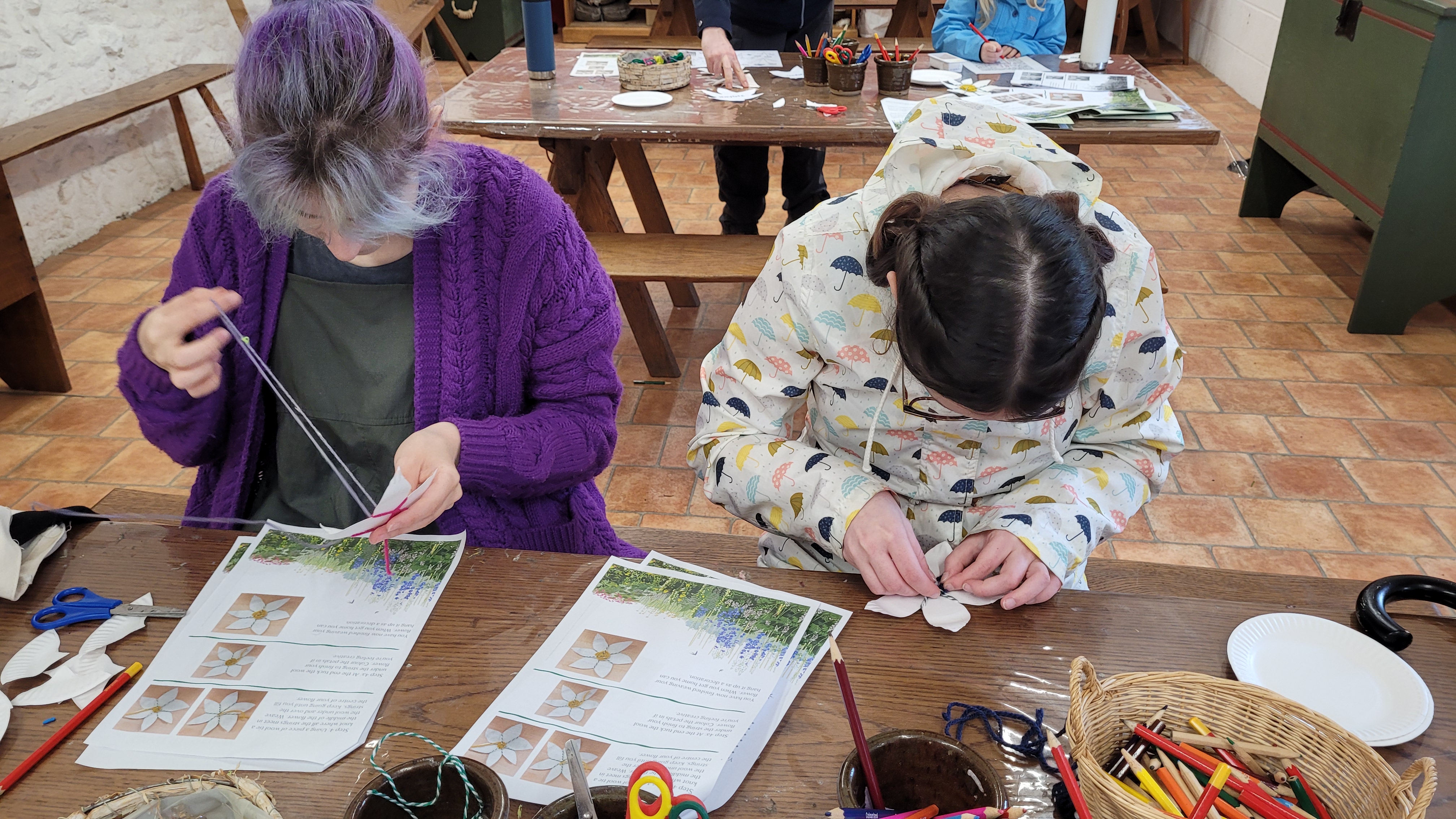
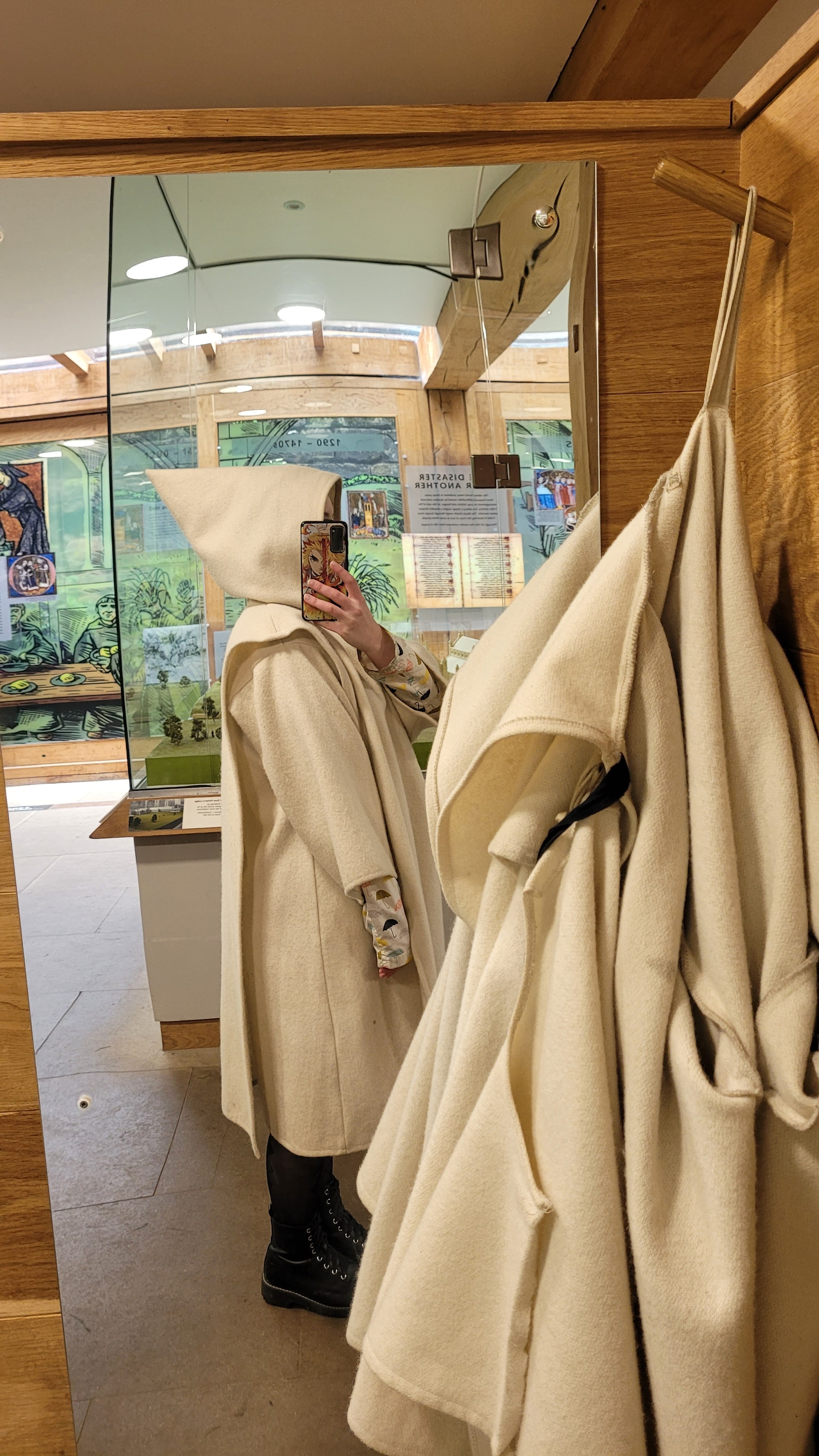
We entered the ground of Fountain Abbey in the early afternoon, after having spent the morning visiting Ripon’s immense cathedral. Our first stop was the Swanley Grange, which hosted a display on wool-making, and a workshop for working with thread. It provided an insight into one of the industries that the monks of Fountain Abbey would have participated in.
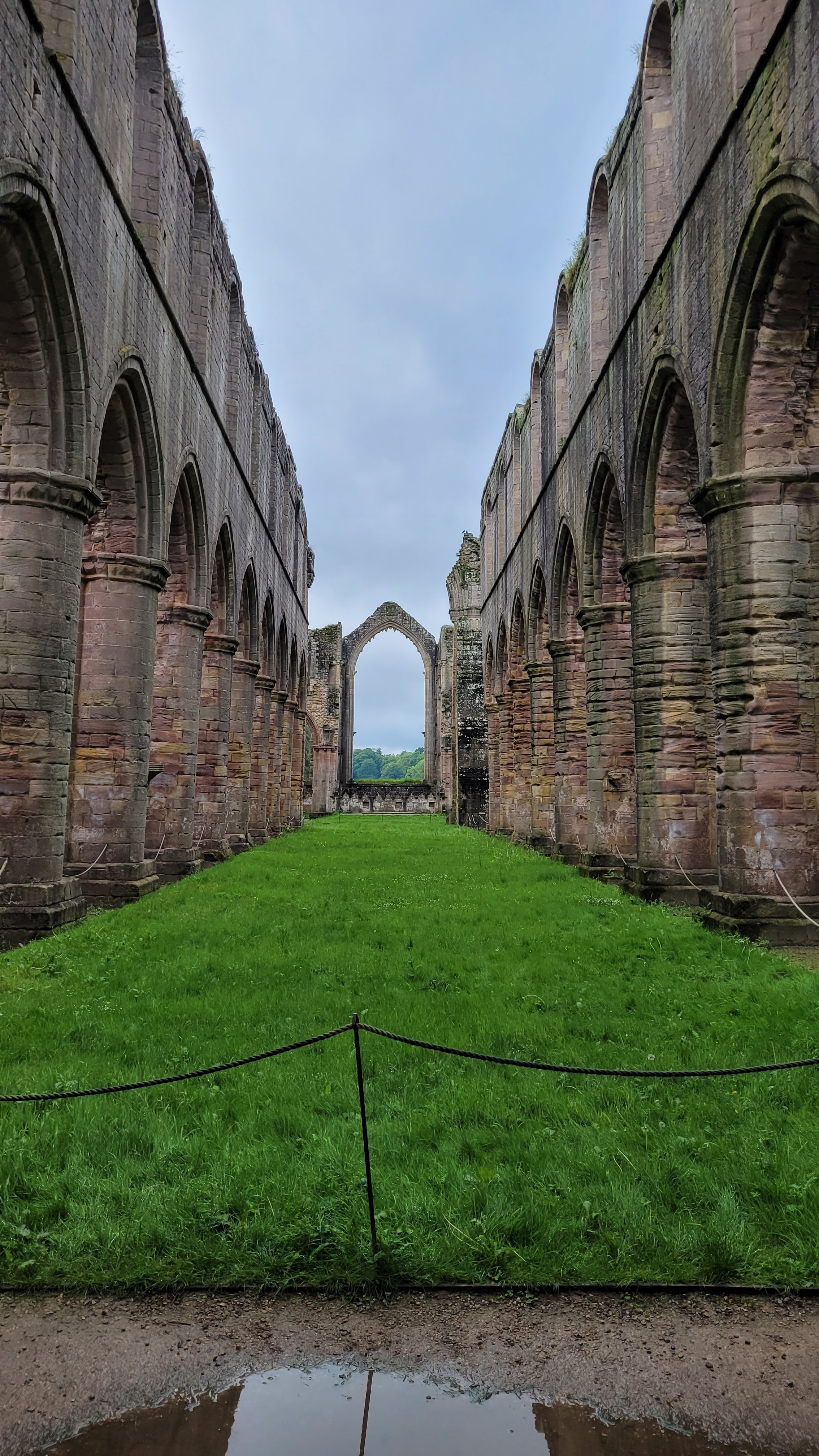
We made just in time for a free guide tour of the abbey. The guide talked us through the history of the abbey, as well as what the daily lives of the monks would look like, whilst walking through the huge ruins.
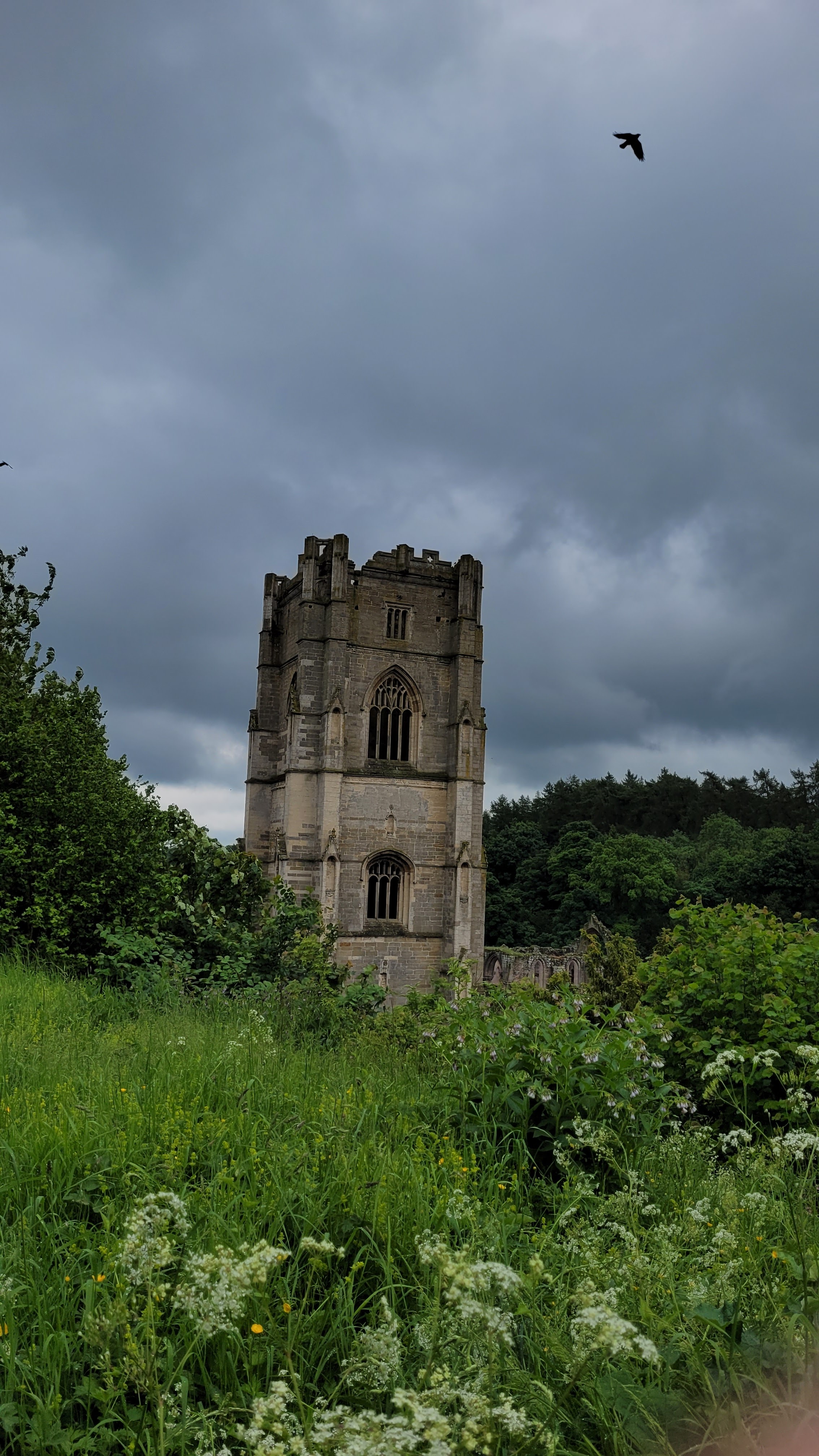
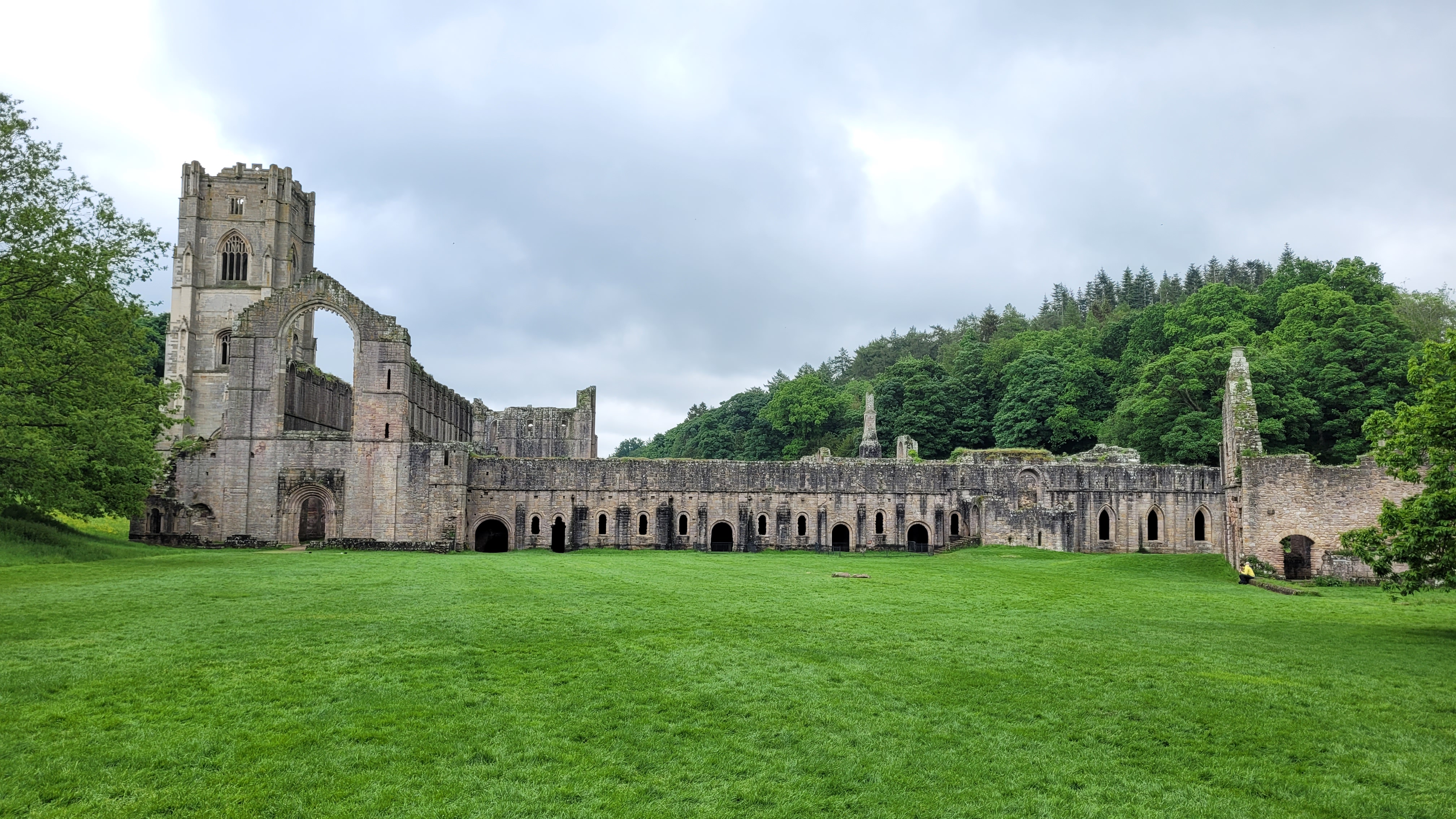
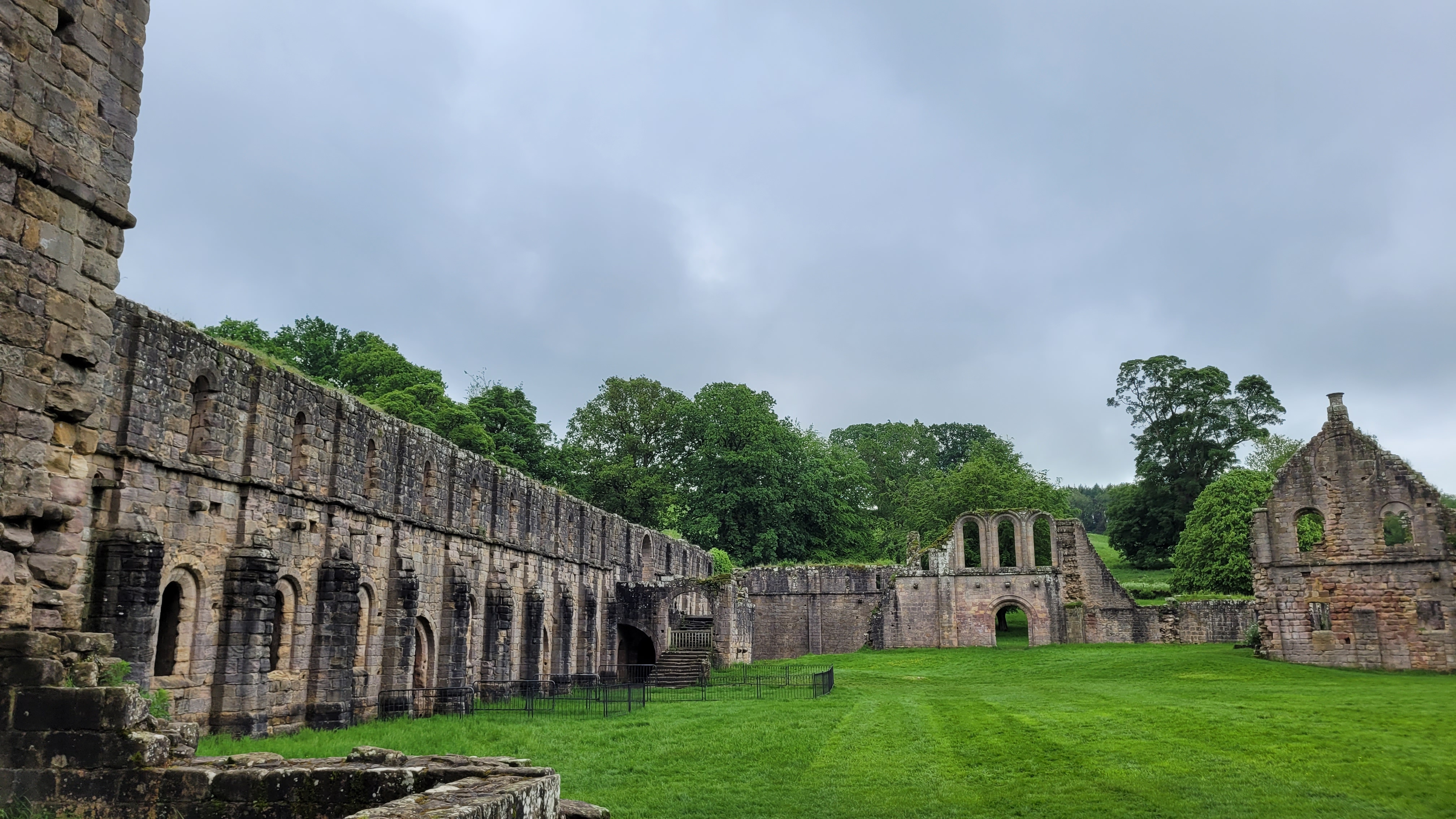
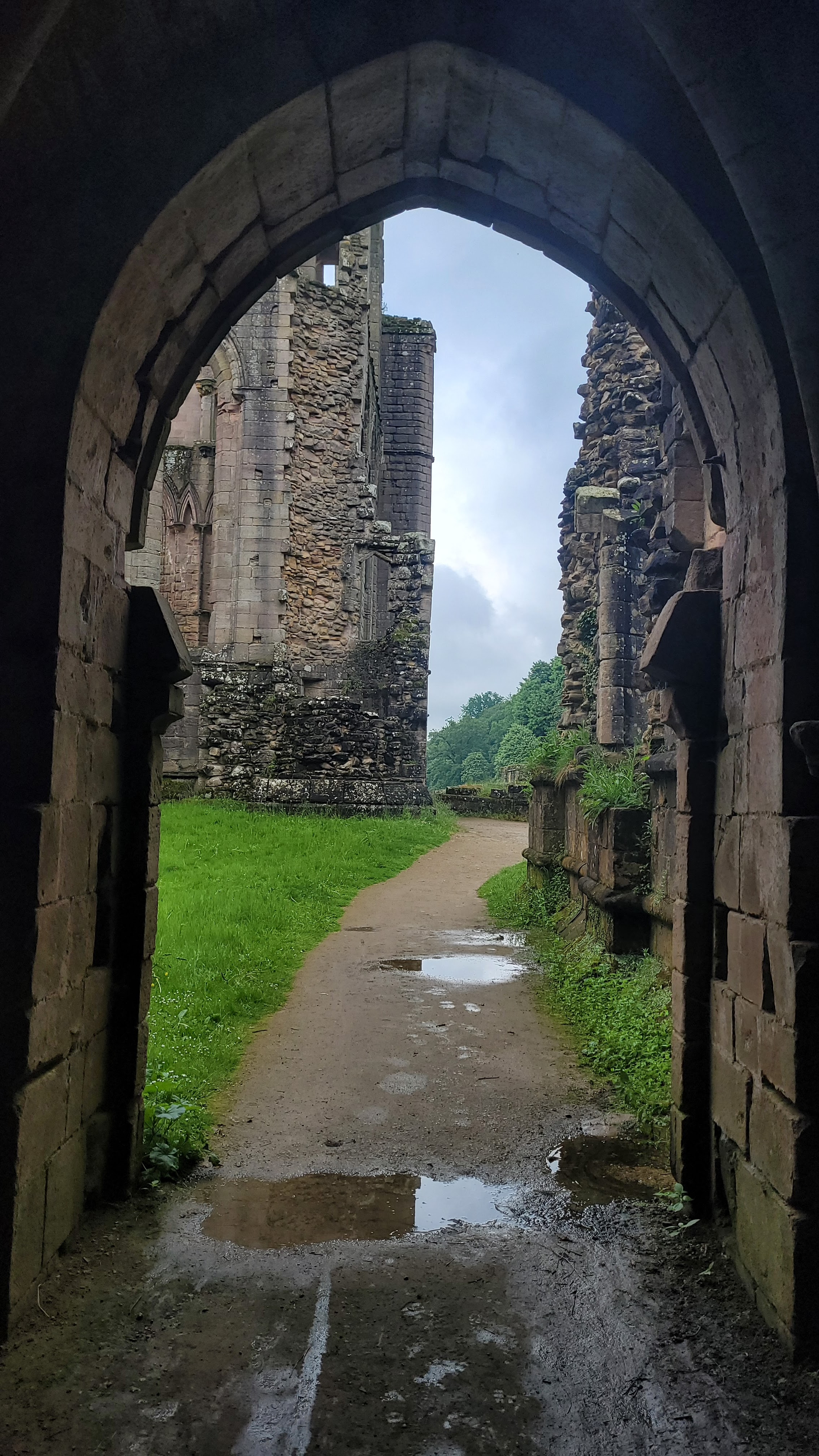
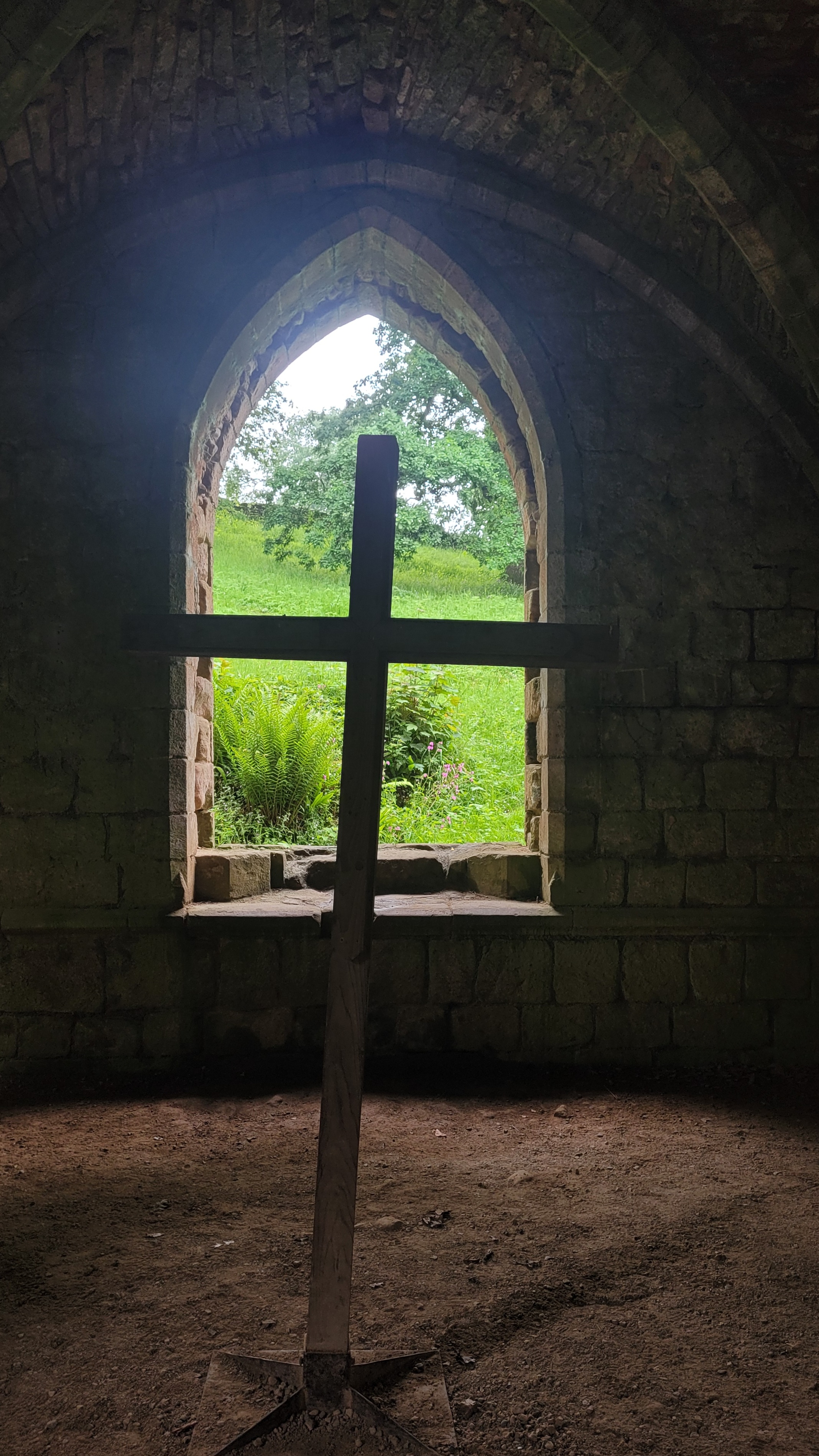
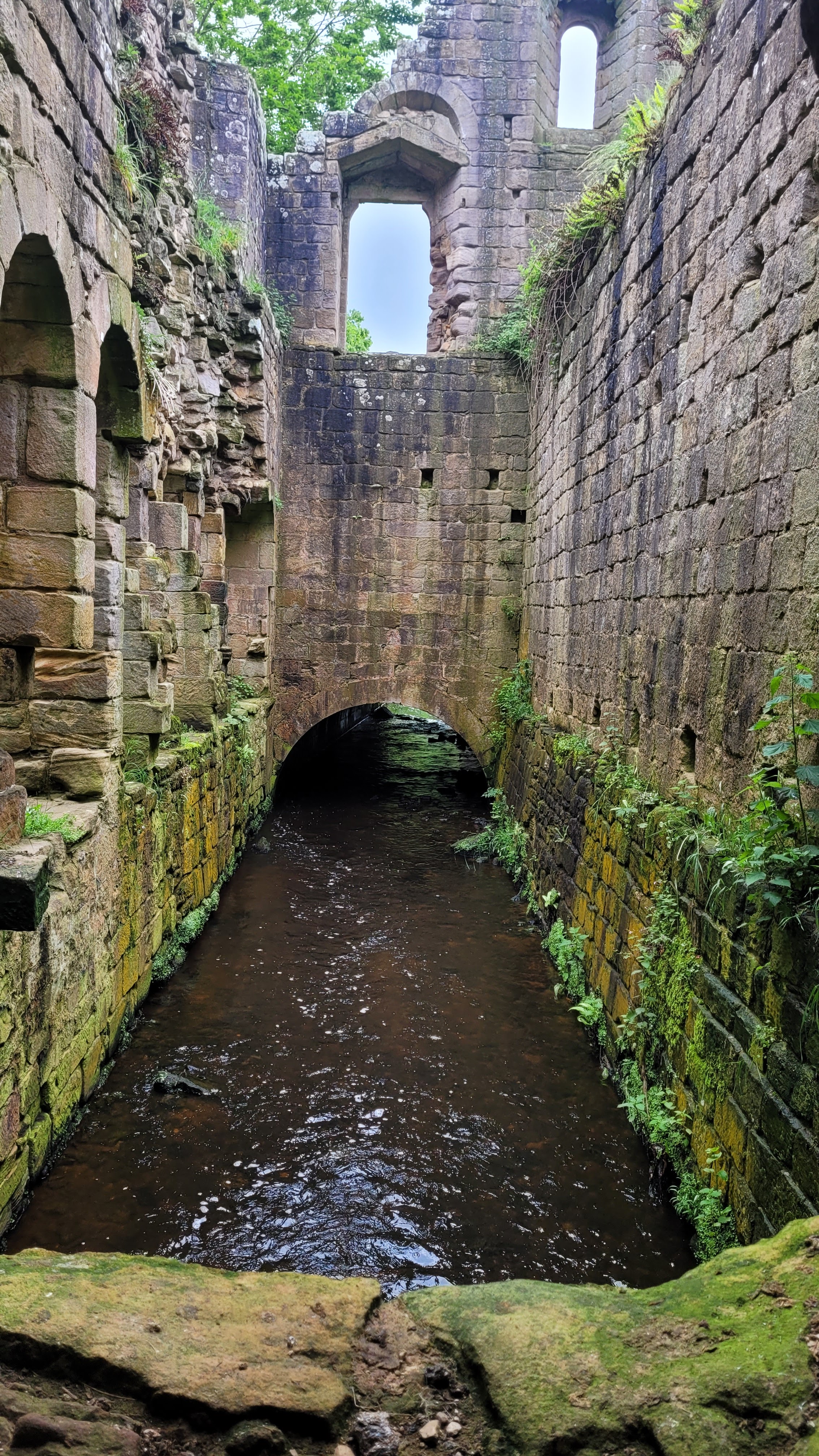
After the conclusion of the tour, we wandered around the ruins for a bit still, taking pictures, and just taking in the majesty of the abbey. Few abbeys have been preserved quite so well, and be quite so big in England.
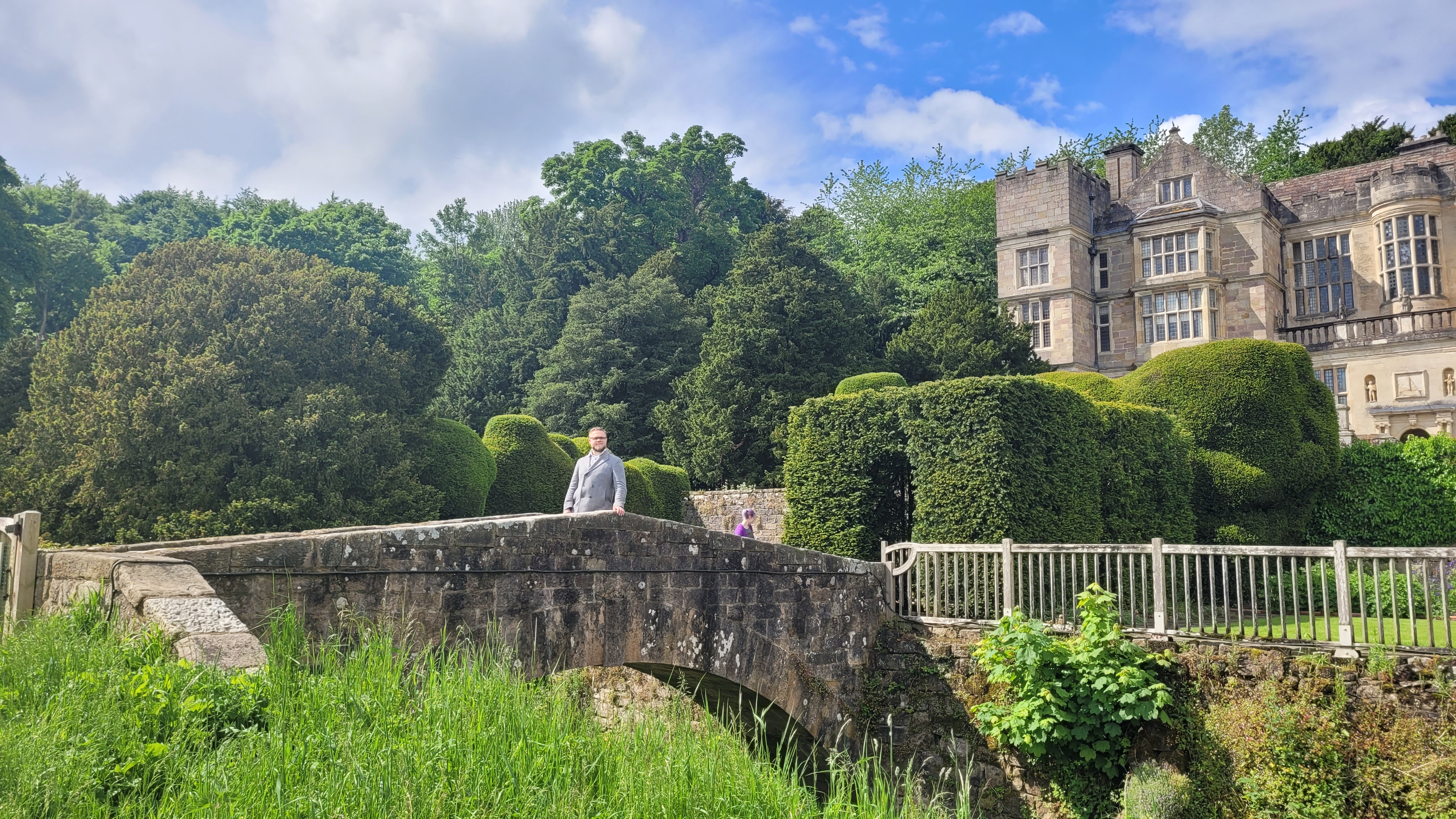
We then decided the explore the rest of the grounds, our first stop being Fountains Hall, a 17th century mansion, built by the owners of the Fountains estate. There’s not a whole lot inside (though the Trust is planning on adding more to Fountains Hall), but the outside is certainly impressive.
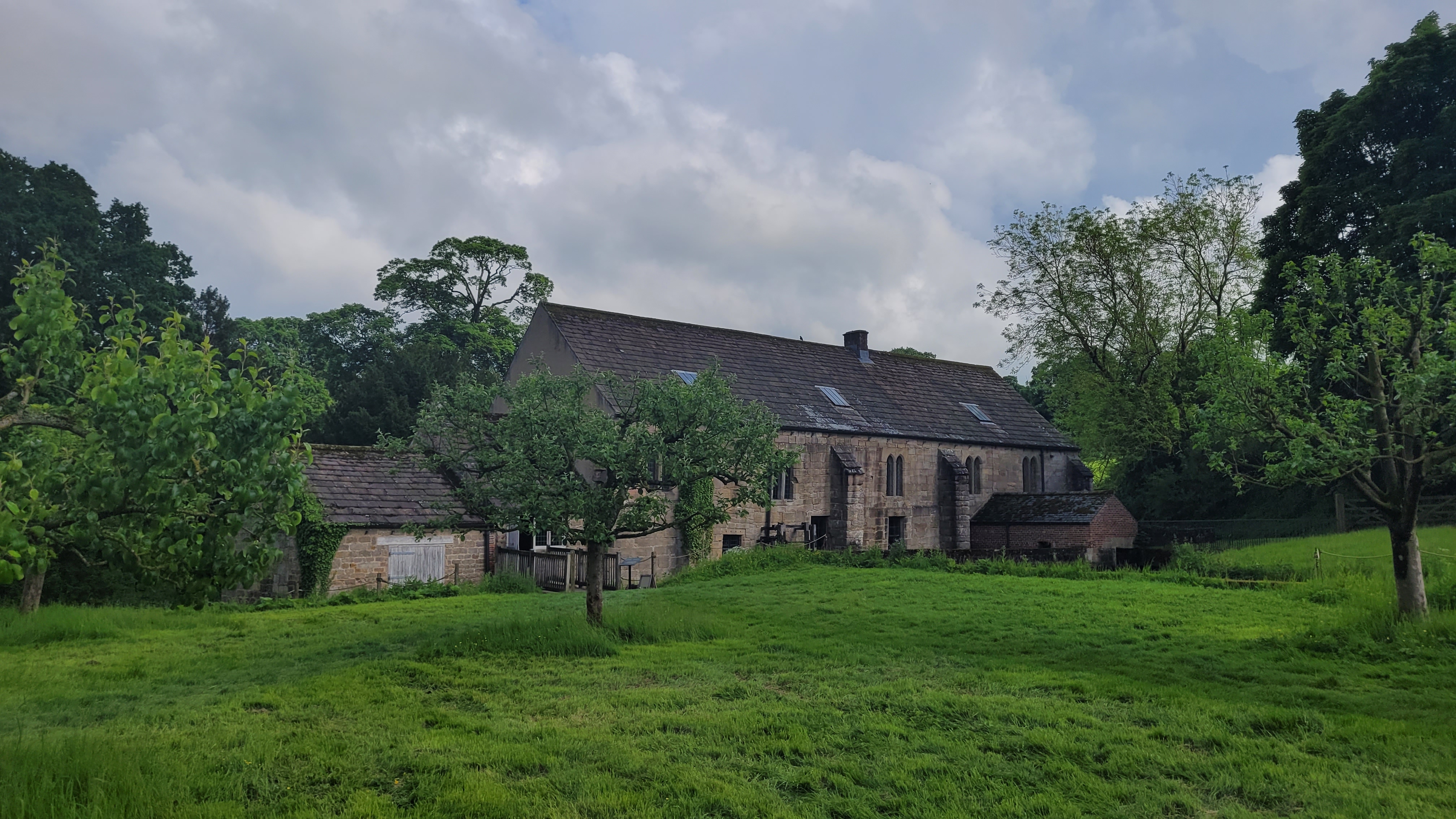
Next, we went to the oldest building on the estate, that has been in use from the 12th century all the way to 1927: the Fountains Mill. Here, we saw a working water wheel, as well as learned more about a Cistercian monk’s diet.
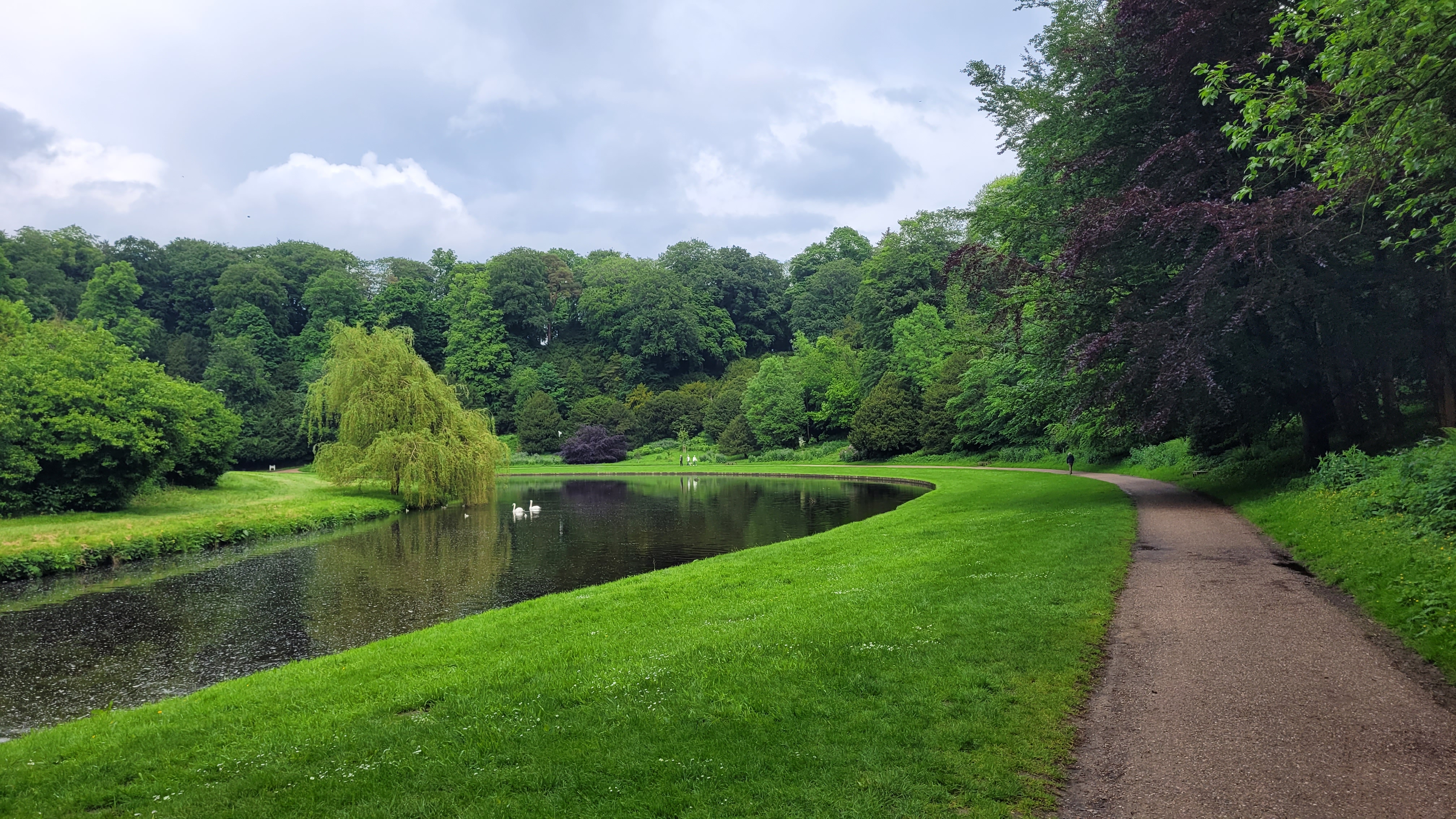
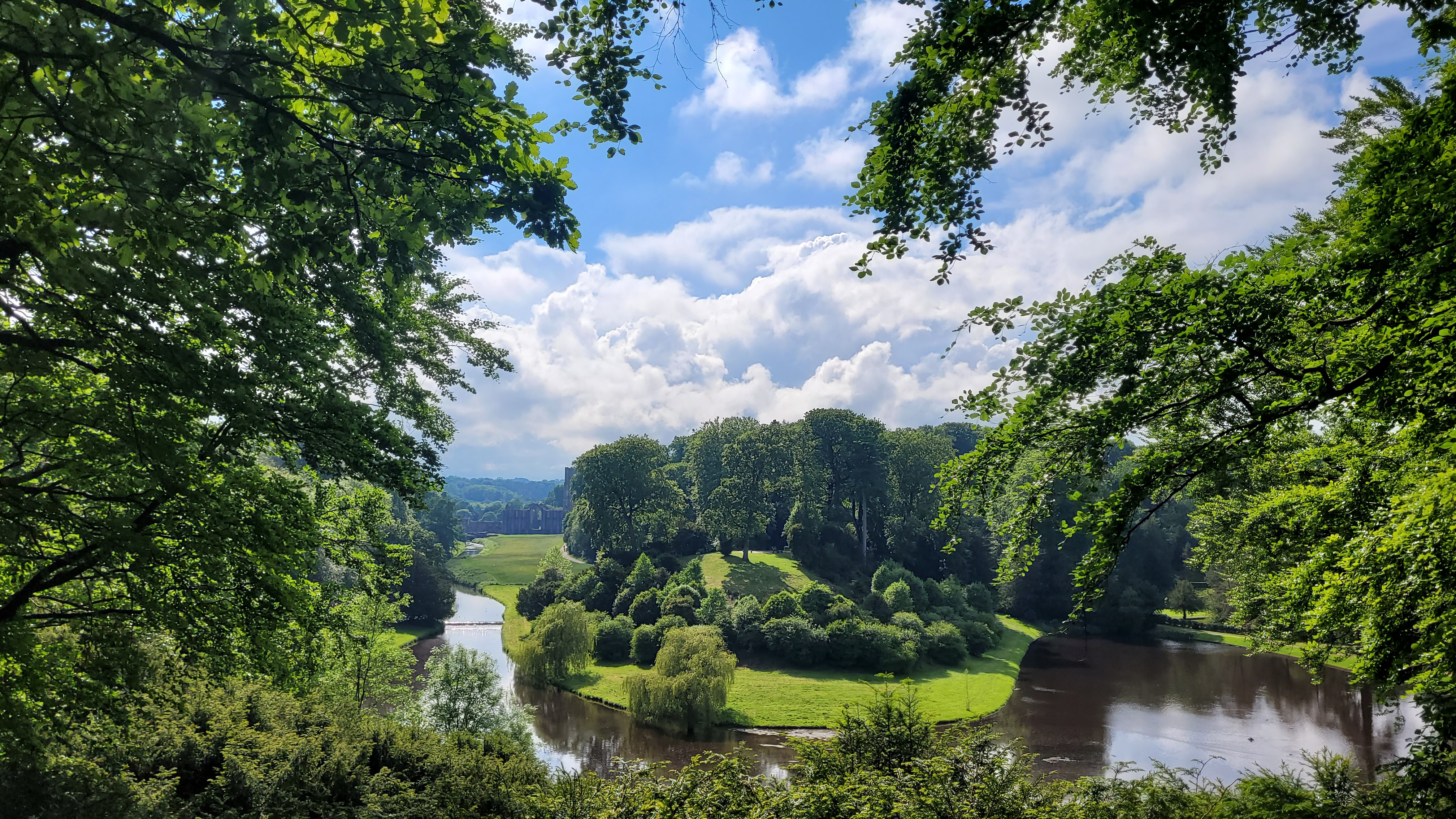
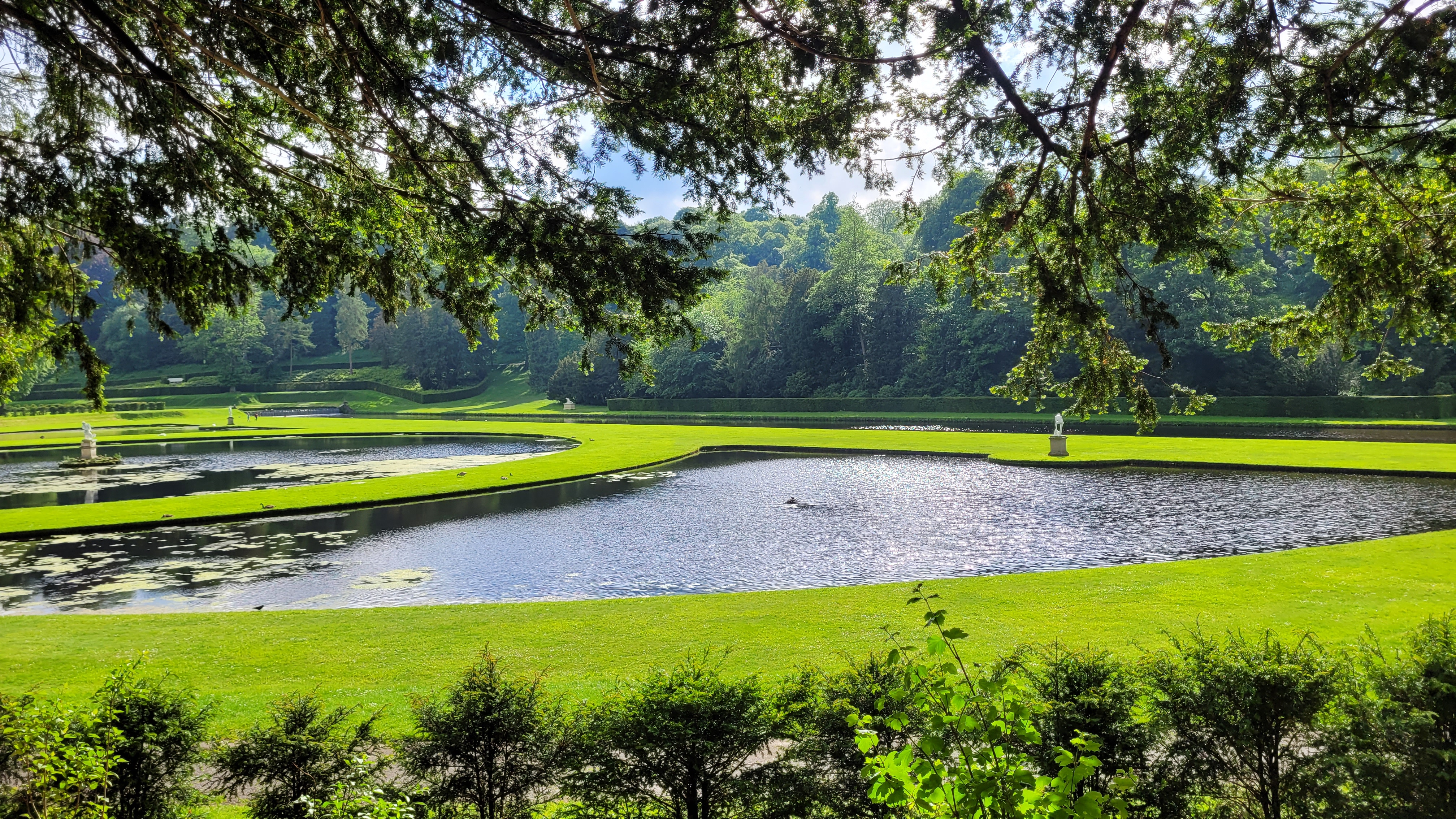
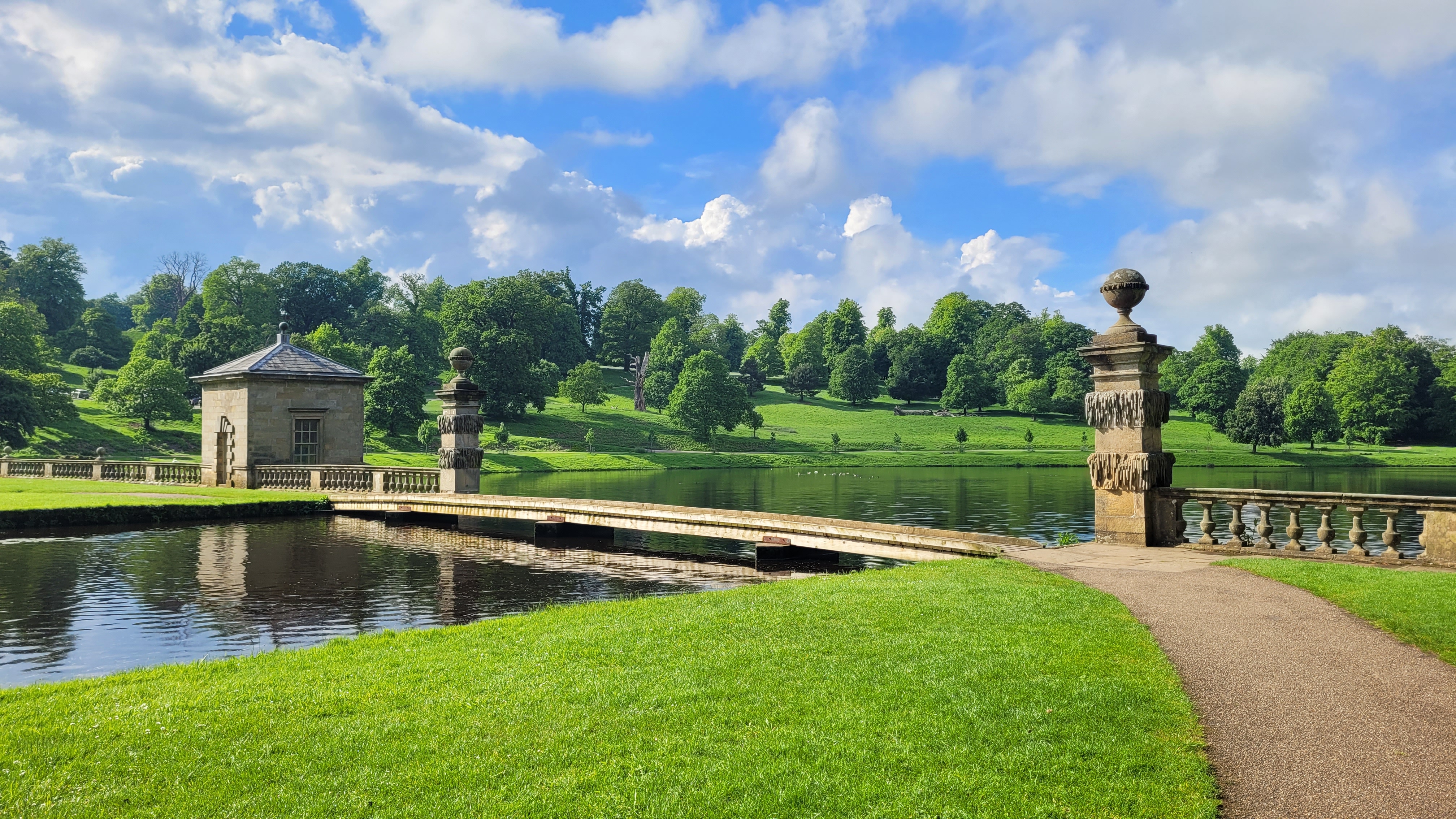
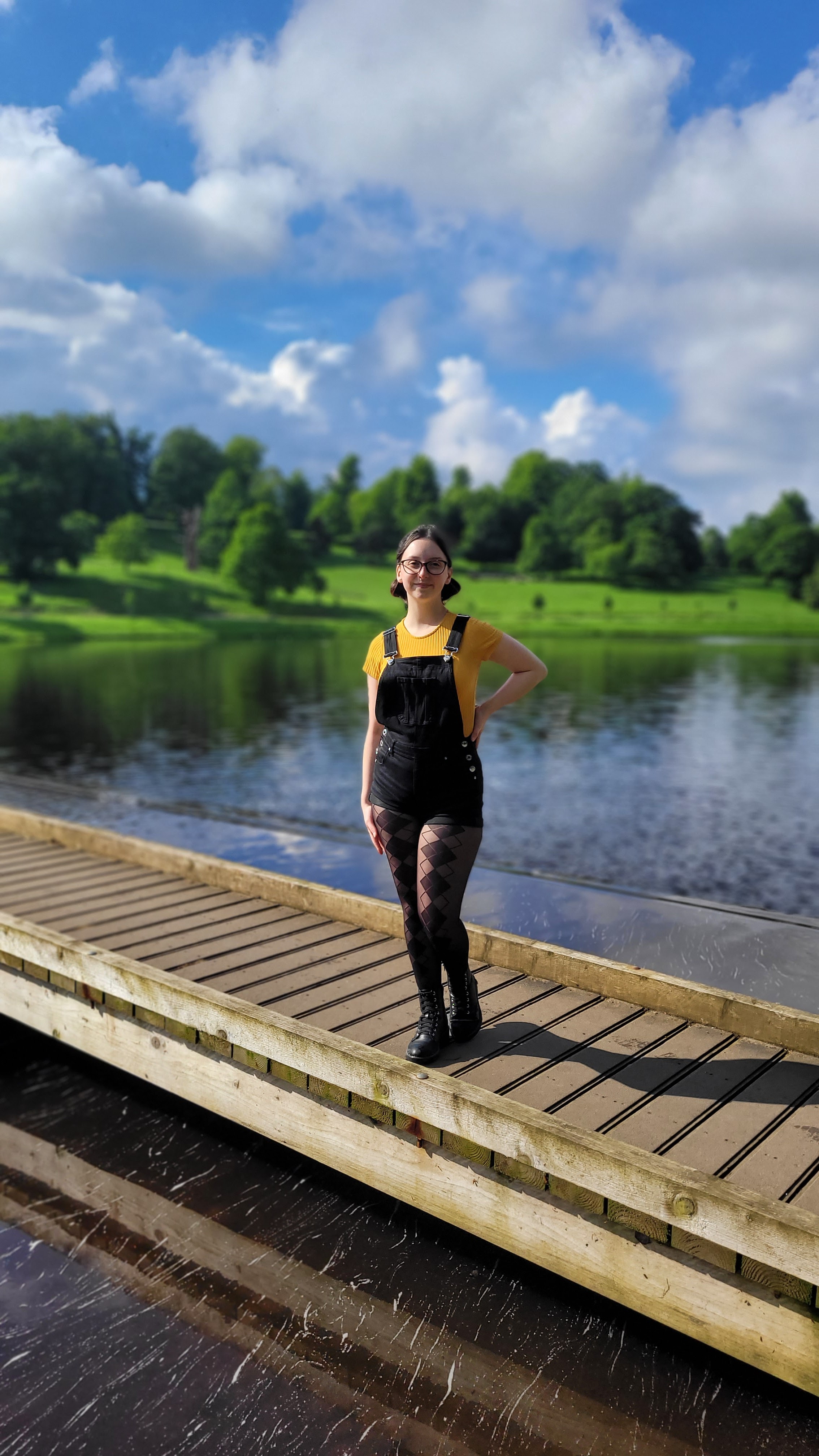
The Water Gardens were next. We took the hilltop path, so that we could see the many follies that were placed in the Garden, as well as have the chance to look down on the beautiful lake.
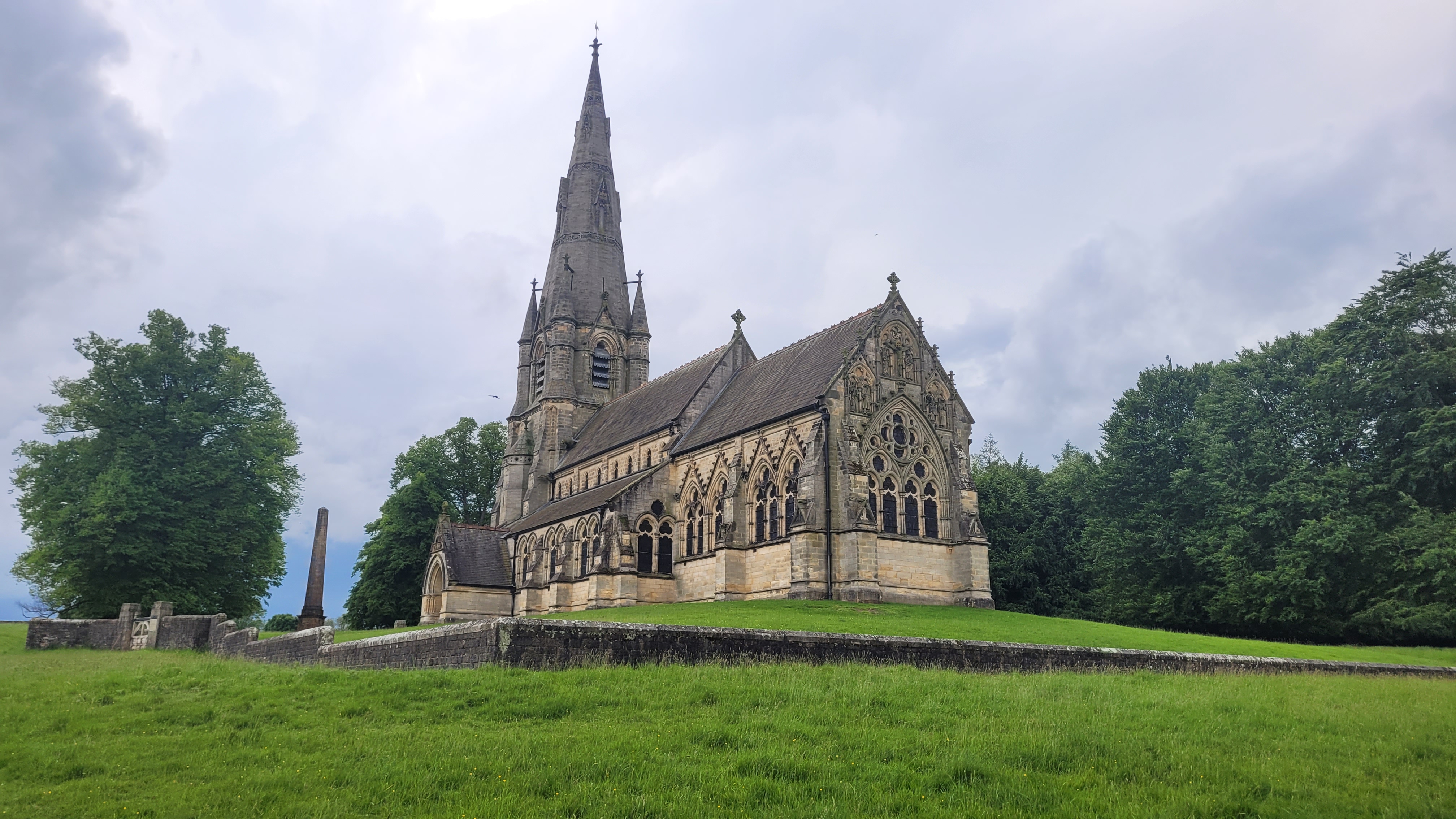
The final part, as the clock was ticking closer to closing time, was the Church of St Mary, a Victorian-era church built on the edge of the grounds. It is far less impressive than the neighbouring abbey, nor is it as beautiful as the gardens, but it was a nice finish to our, already very packed, day at Fountains Abbey and Studley Royal.
Conclusion
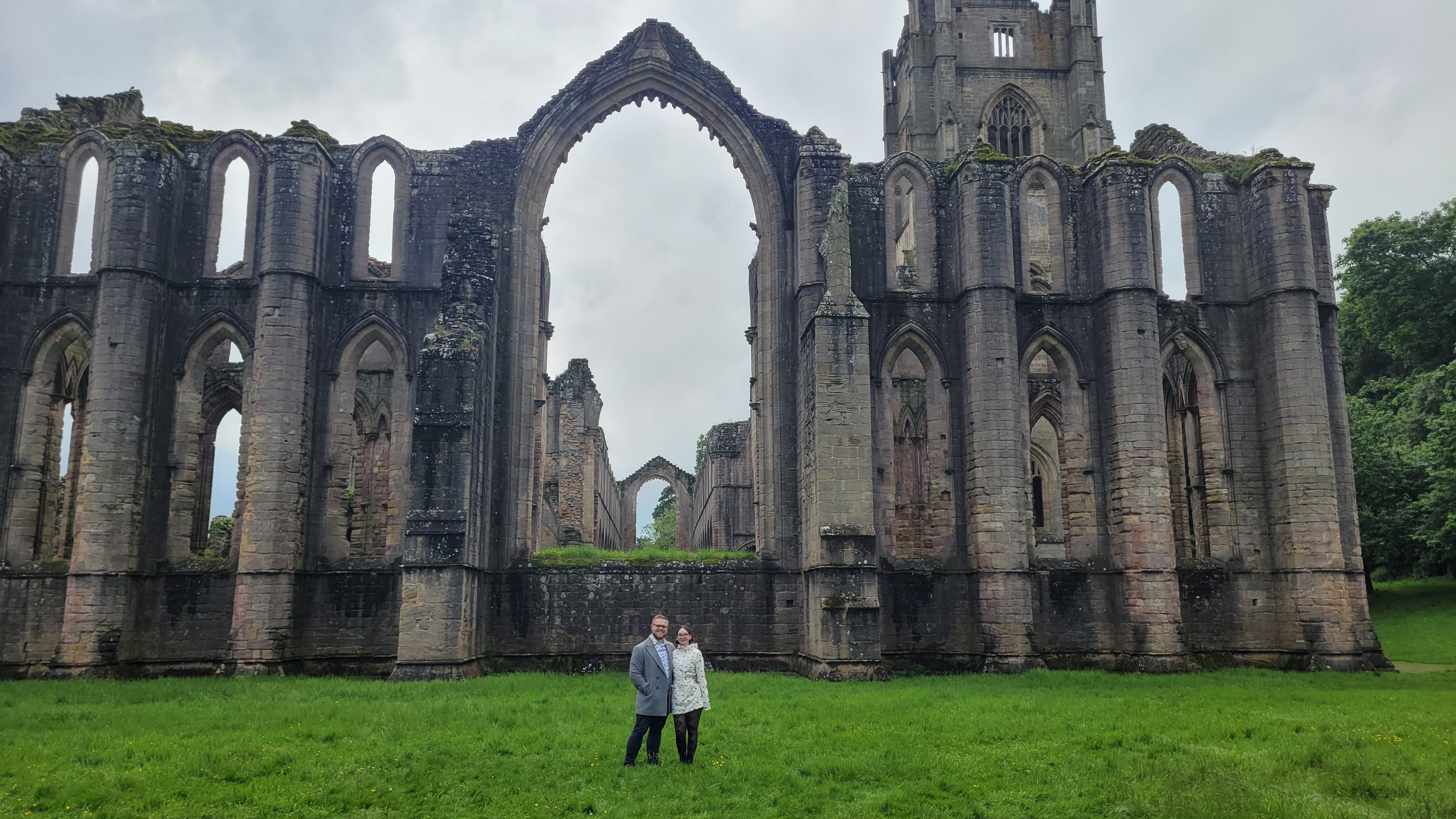
Fountains Abbey was our first National Trust site, and it remains our favourite. The combination of two unique places, along with a multitude of other little things to discover, makes this National Trust site a place worthy of a visit, no matter how far you have to travel.
 We May Roam