
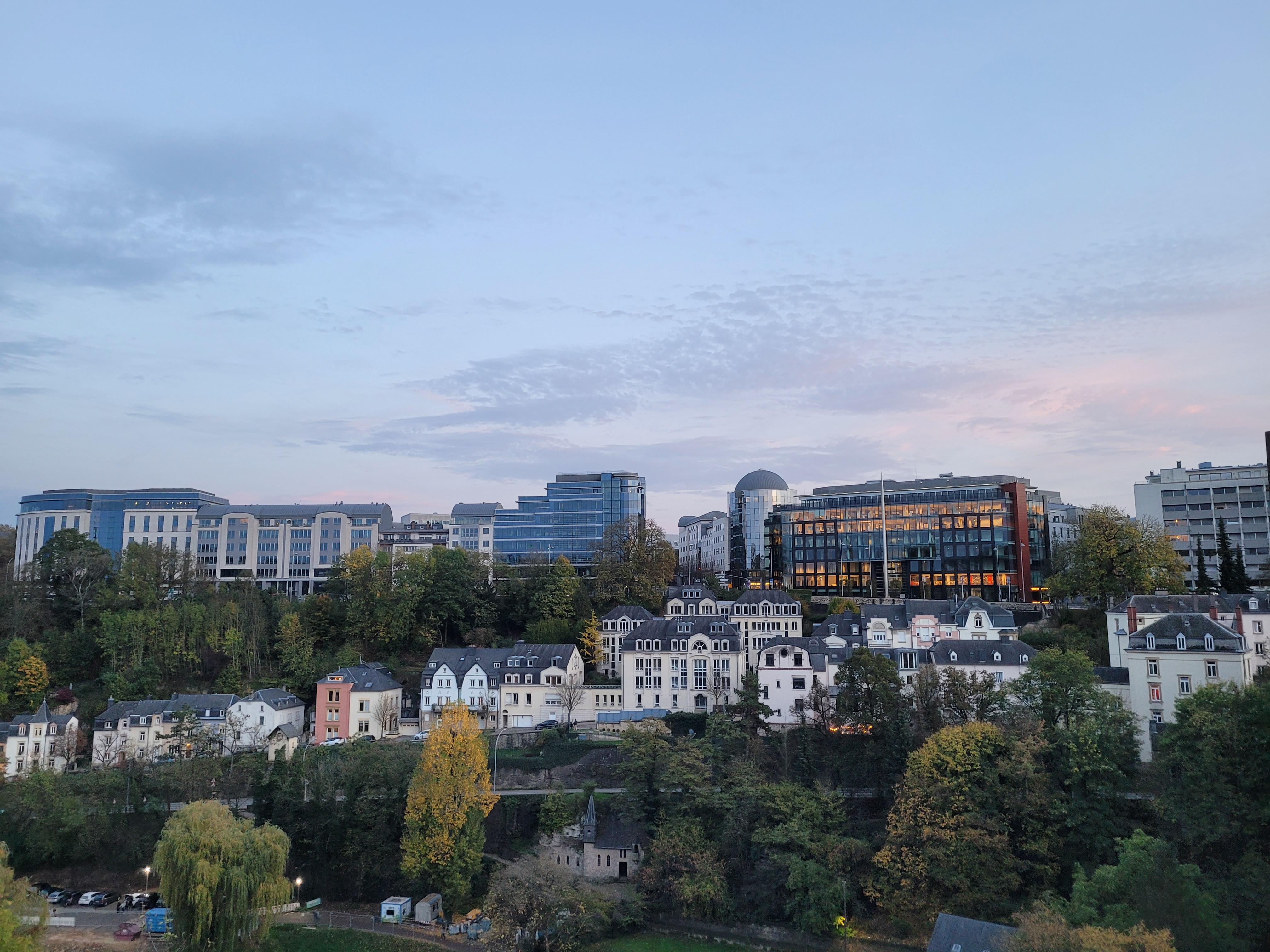
Luxembourg is one of the smallest countries in Europe, and it’s capital is the focal point of all the tourism in it. A fortress city nestled amongst a valley, it is both scenic and atmospheric.
At a glance…
- Days To Spend: 1-2
- Get Around: Use the free bus and tram network whenever you can
- Get In and Out: By train, or fly
- Pay: With Euros, most likely using a bank card
- Speak: Luxembourgers speak Luxembourgish, German, and French fluently, and English is also almost universally understood.
- See:
- Should you go?: Sure, why not? But only if you’re already nearby
General Impressions
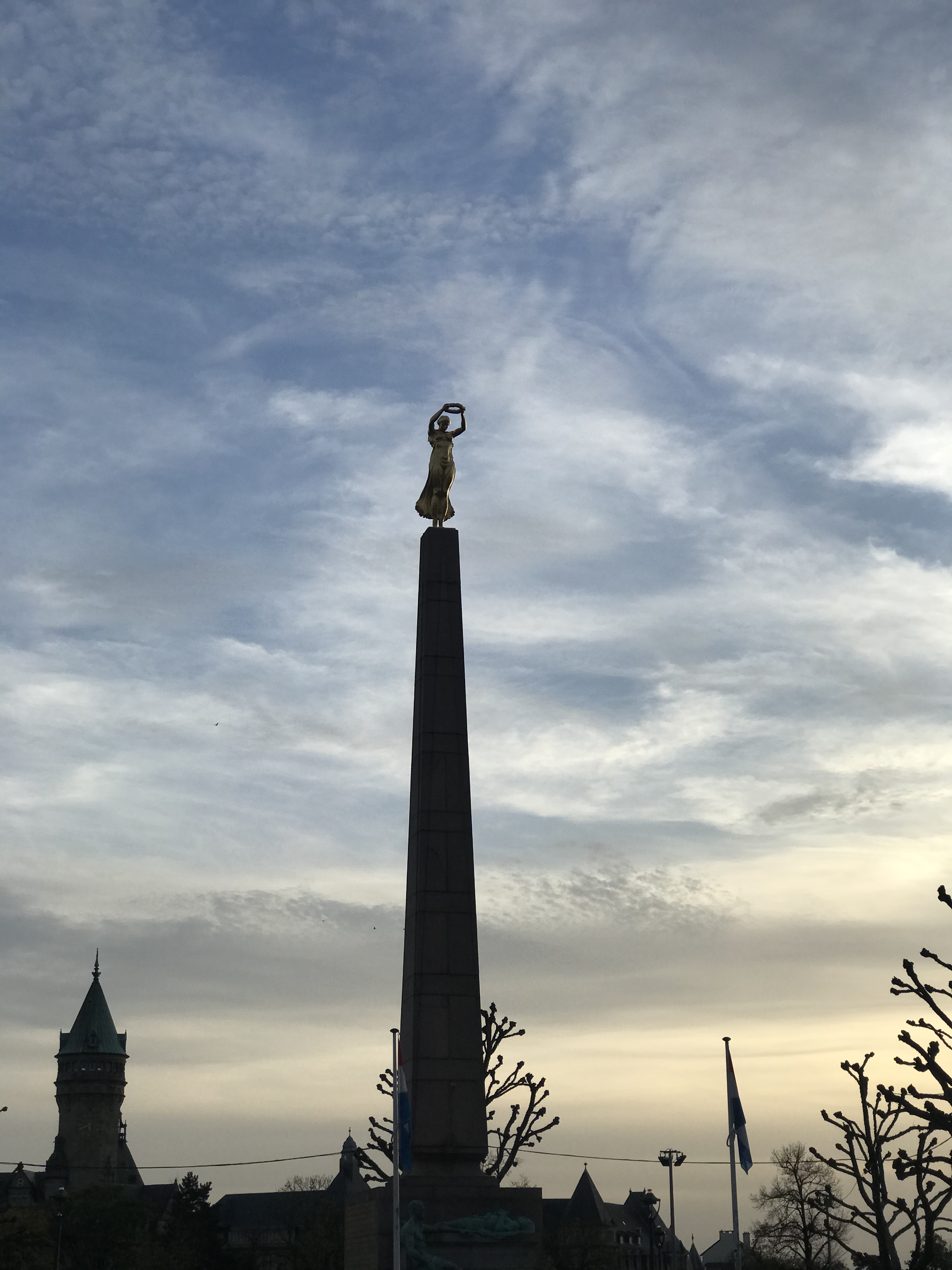
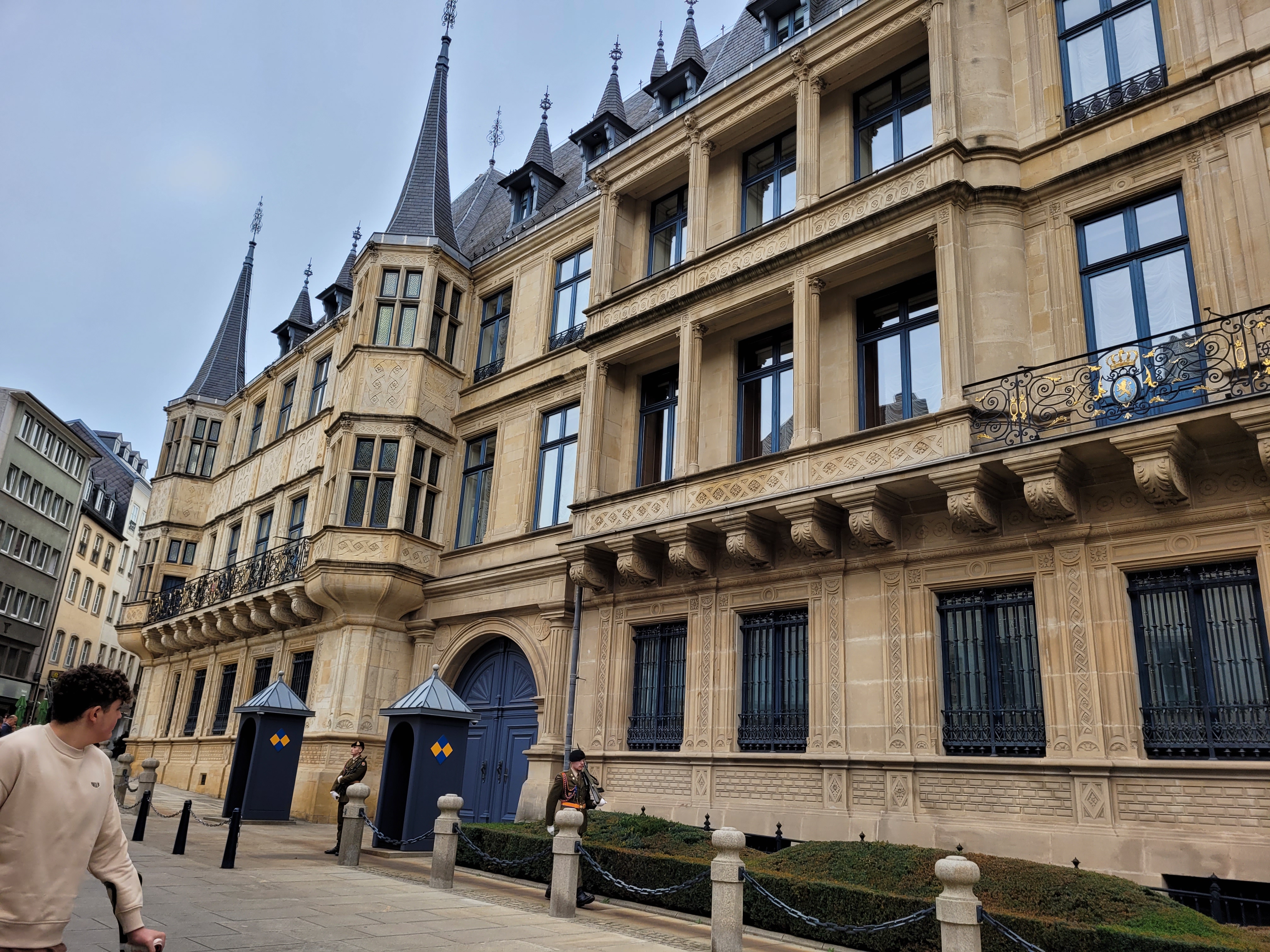
Luxembourg is pretty. The iconic blue roofs, the Petrusse and Alzette river valleys, the fortified cliffs, it all makes for a city that is pleasant to look at. However, there’s not all that much to do here. The Casements (the tunnels and fortifications protecting Luxembourg, and one of it’s main attractions) were closed for renovations, the Ducal Palace is only open in certain seasons, and the museums available didn’t particularly appeal to us.
Public Transport
Getting Around
Public transport in Luxembourg is free! It’s worth using it every chance you get (especially to make it up and down the hills). There’s a good tram and bus network in the city, and the actual centre is very walkable. In fact, it’s nicer to walk in the centre anyway, as it’s quite pretty.
Getting In and Out
Luxembourg is well connected by rail, having fast and reliable connections to all it’s neighbouring countries, as well as some other destinations in Luxembourg itself. There is also an airport, if you need to fly, but the train is much nicer and easier.
Money
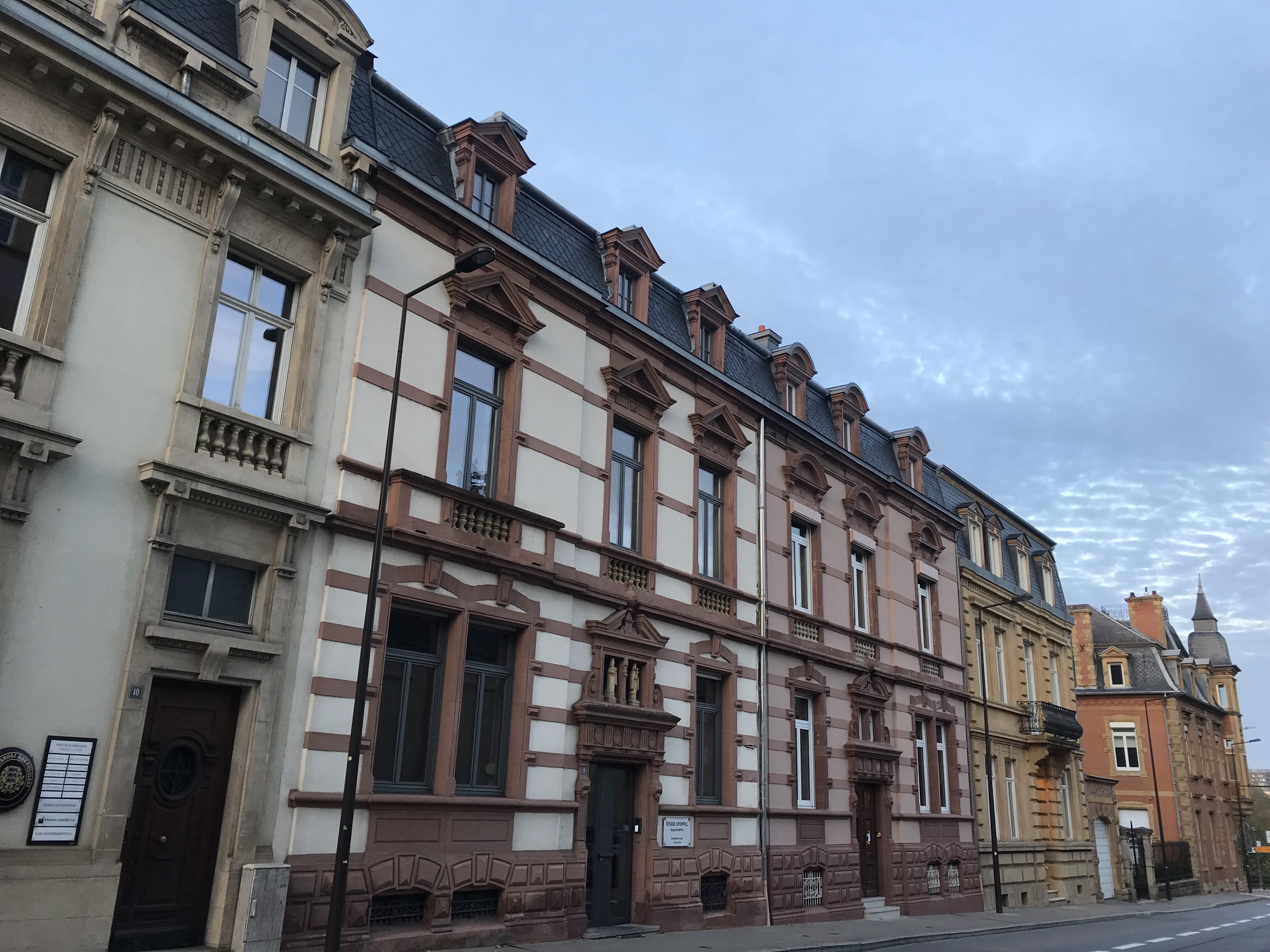
Luxembourg uses the Euro, much like it’s neighbouring countries. Both cards and cash are widely accepted, and it feels like there’s little preference either way.
Language
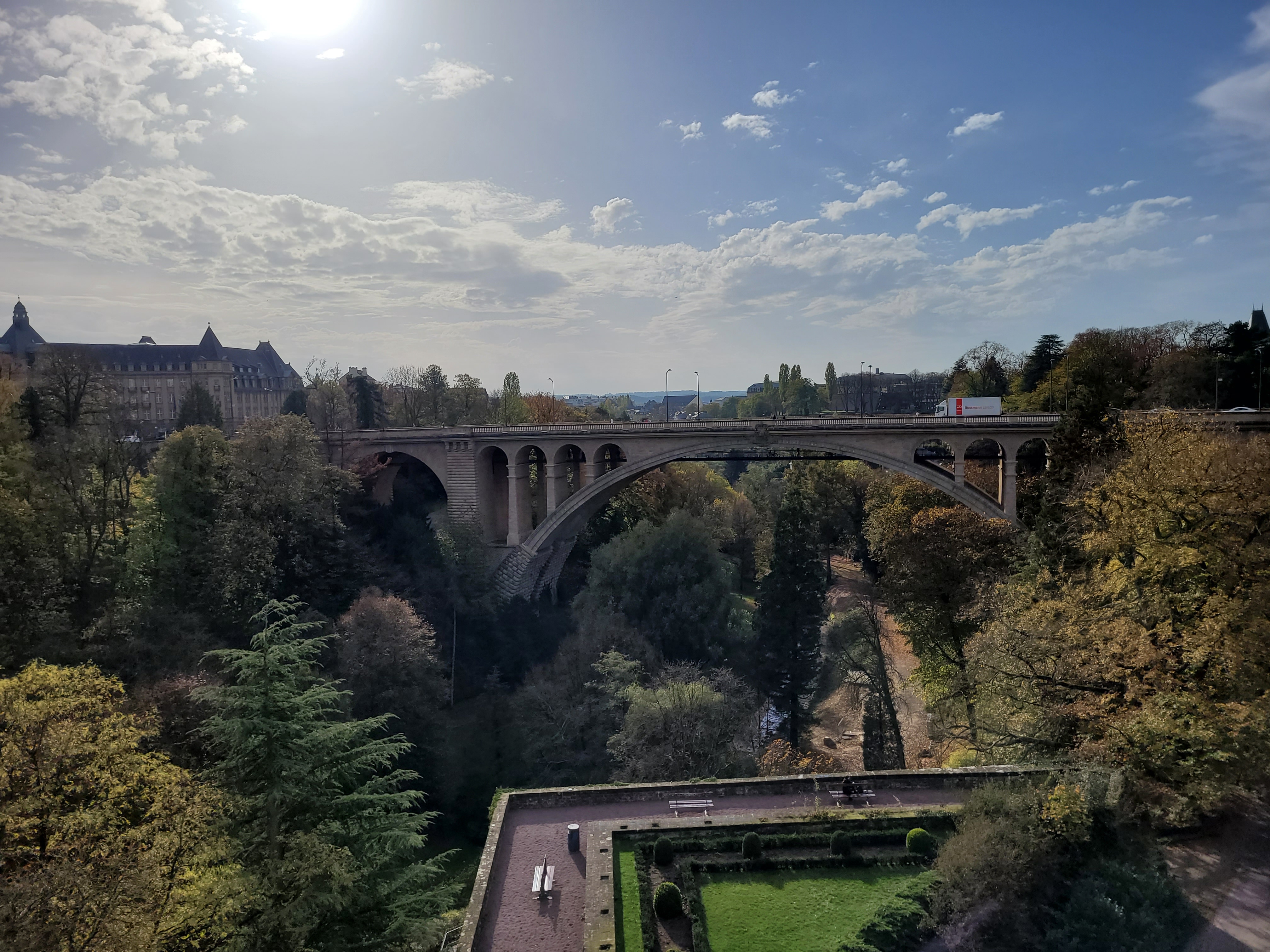
The linguistic situation in Luxembourg is quite complicated. There exists a Luxembourgish language, which is like a mixture of French and German. French and German are also almost universally spoken, as is English. Most Luxembourgers will speak all 4 languages fluently. People who live across the border (in France, Belgium, or Germany) tend to be less linguistically able, and will likely only know 1 of those languages.
Time
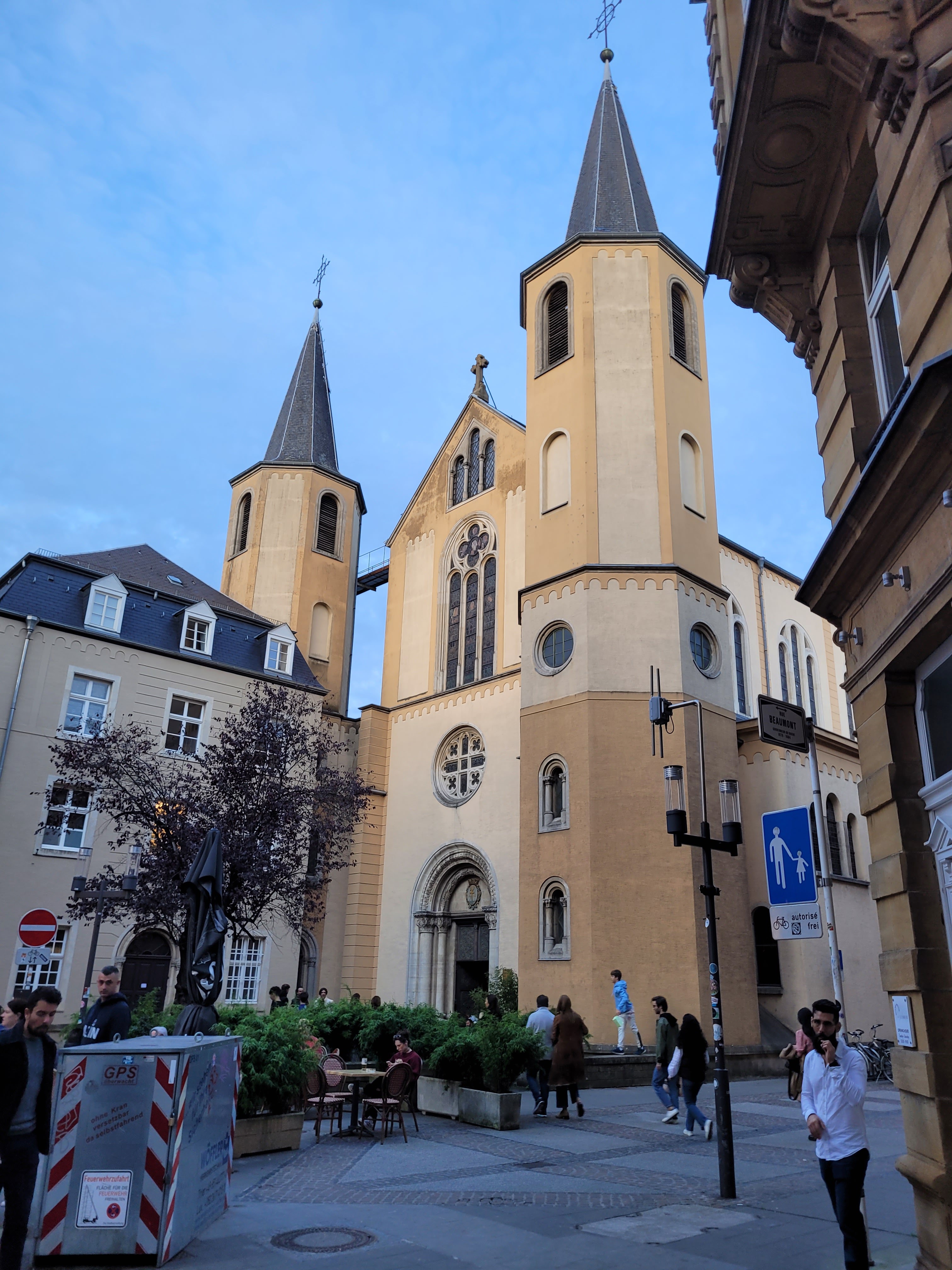
Luxembourg City is not big, and there’s not that many attractions. It would take 1, maybe 2 days to see everything worth seeing, though I have heard there are some good day trips you can do out of Luxembourg City. Those might be worth extending the trip for.
My Favourite Spots
La Chemine de la Corniche
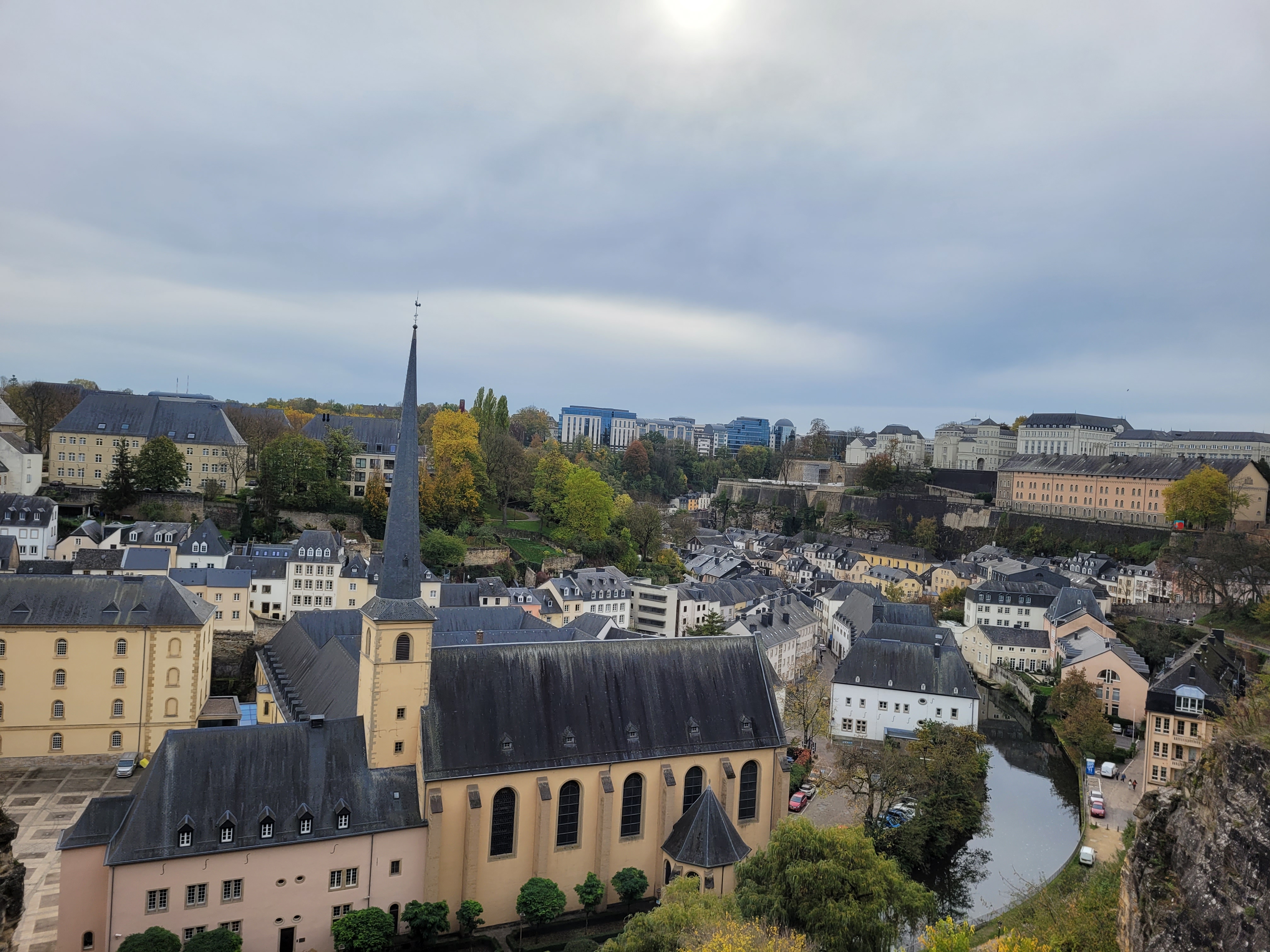
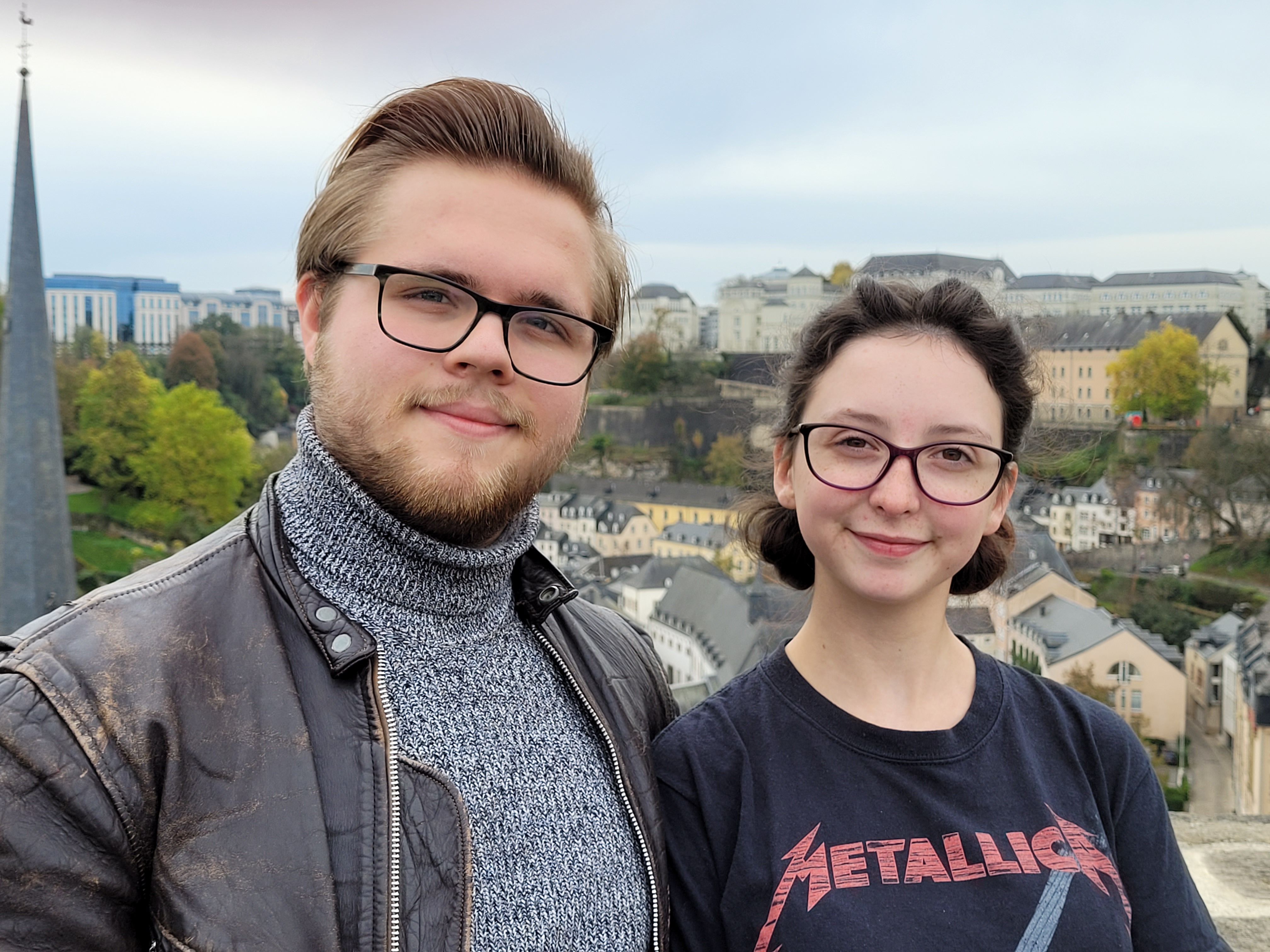

This is a walkway, and former defensive structure, that rises above one of the river valleys. It’s a nice place to take some really good looking photos.
Spots That Might Be Good
Neumunster Abbey
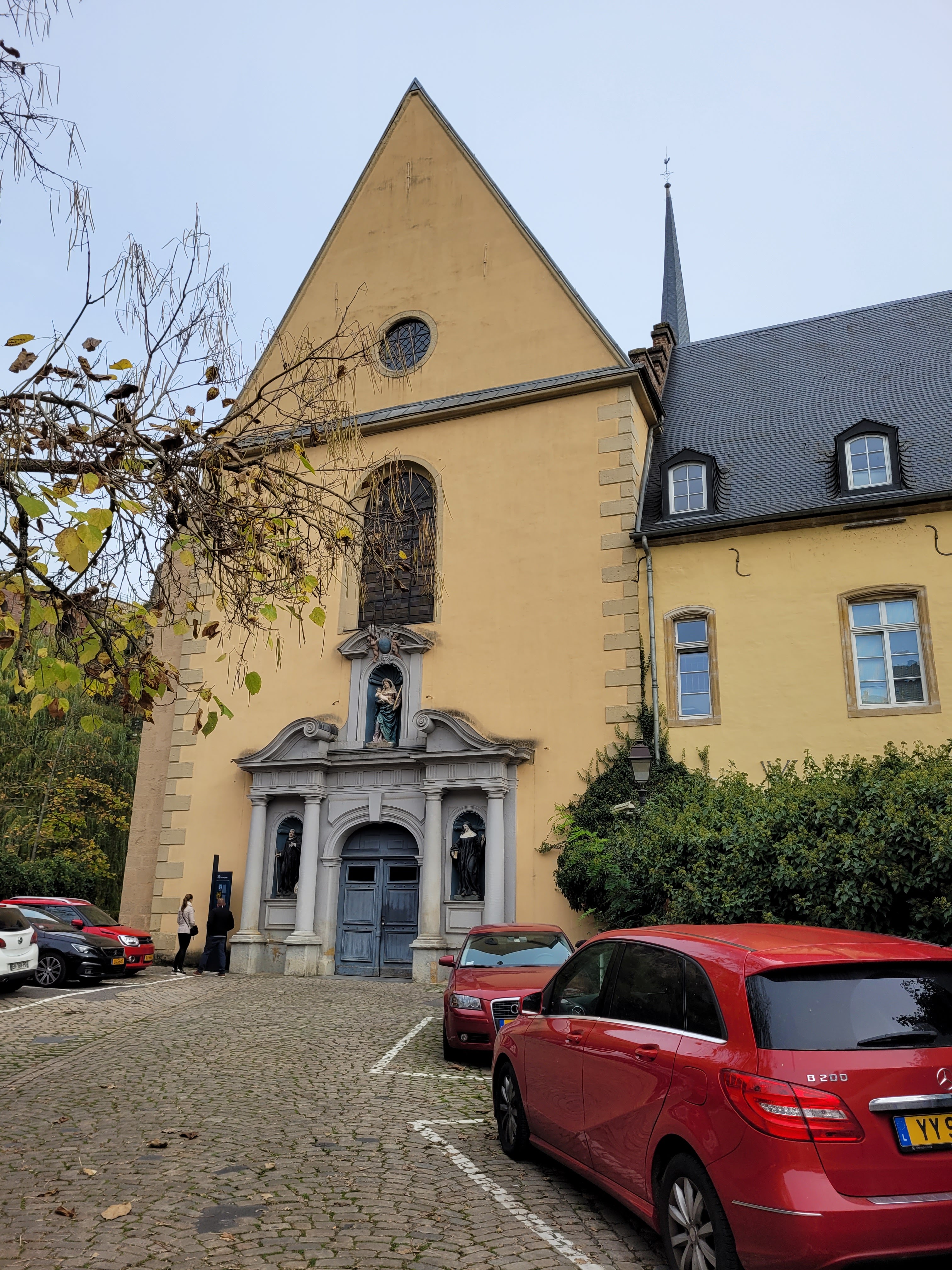
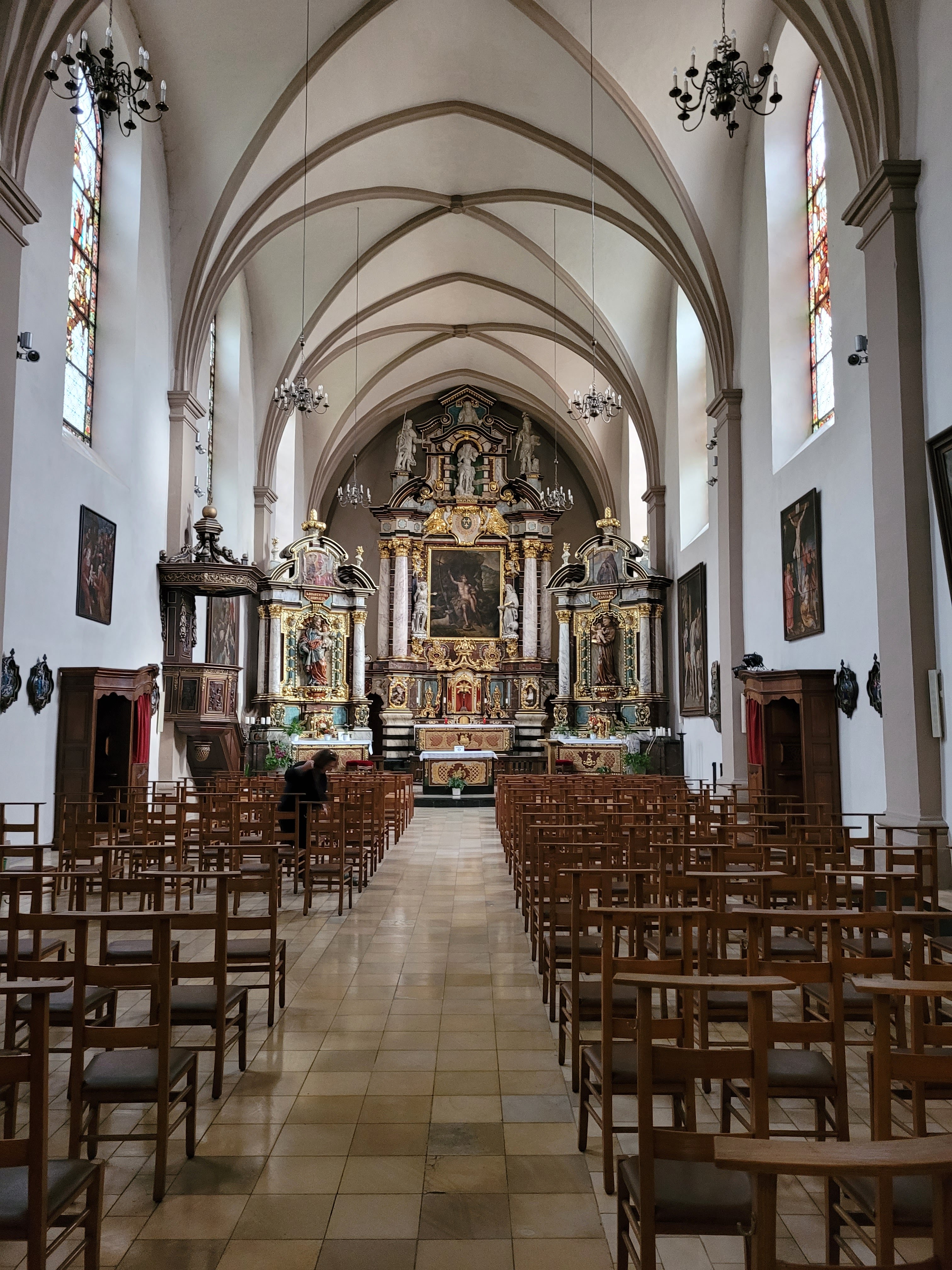
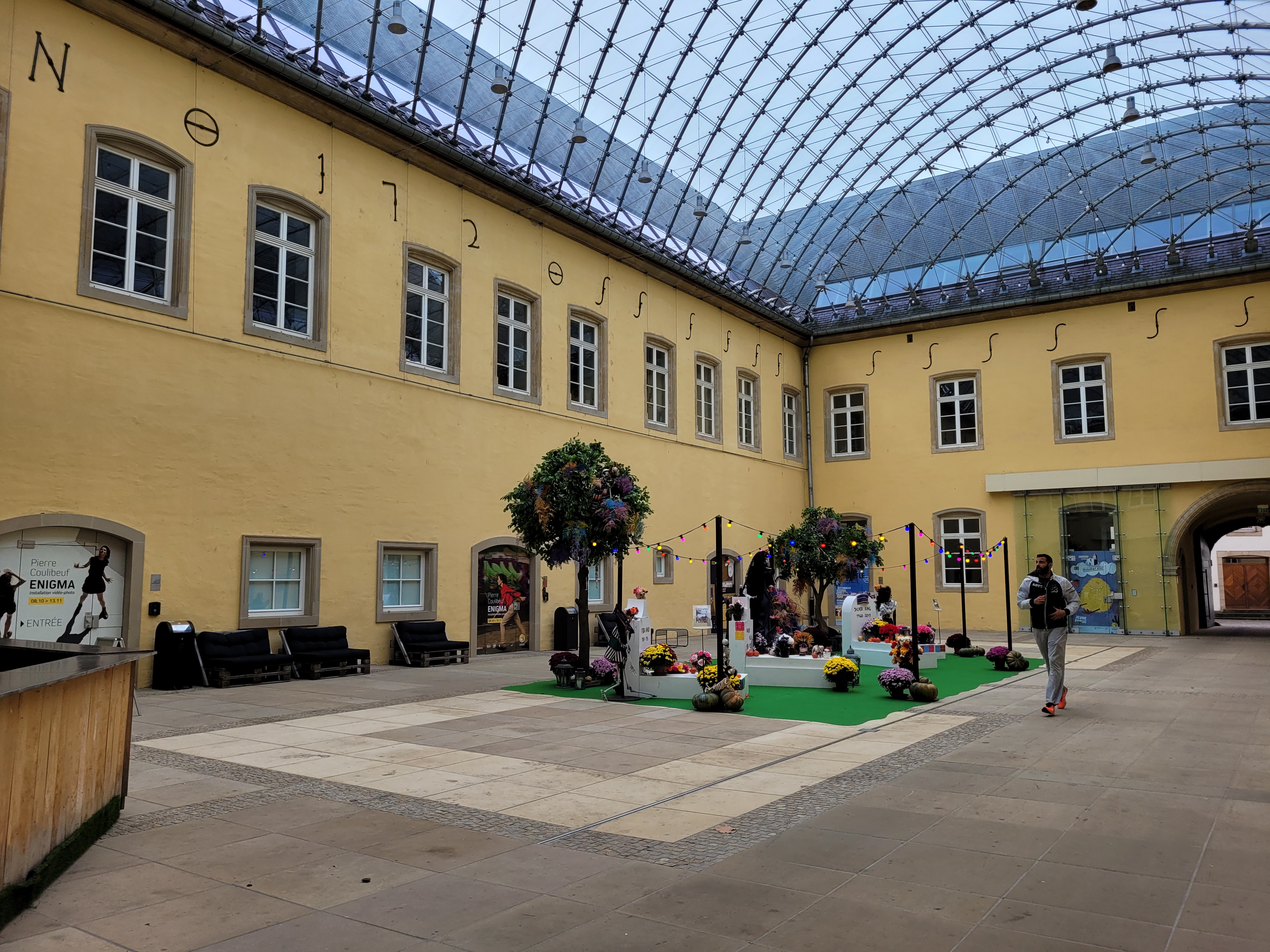
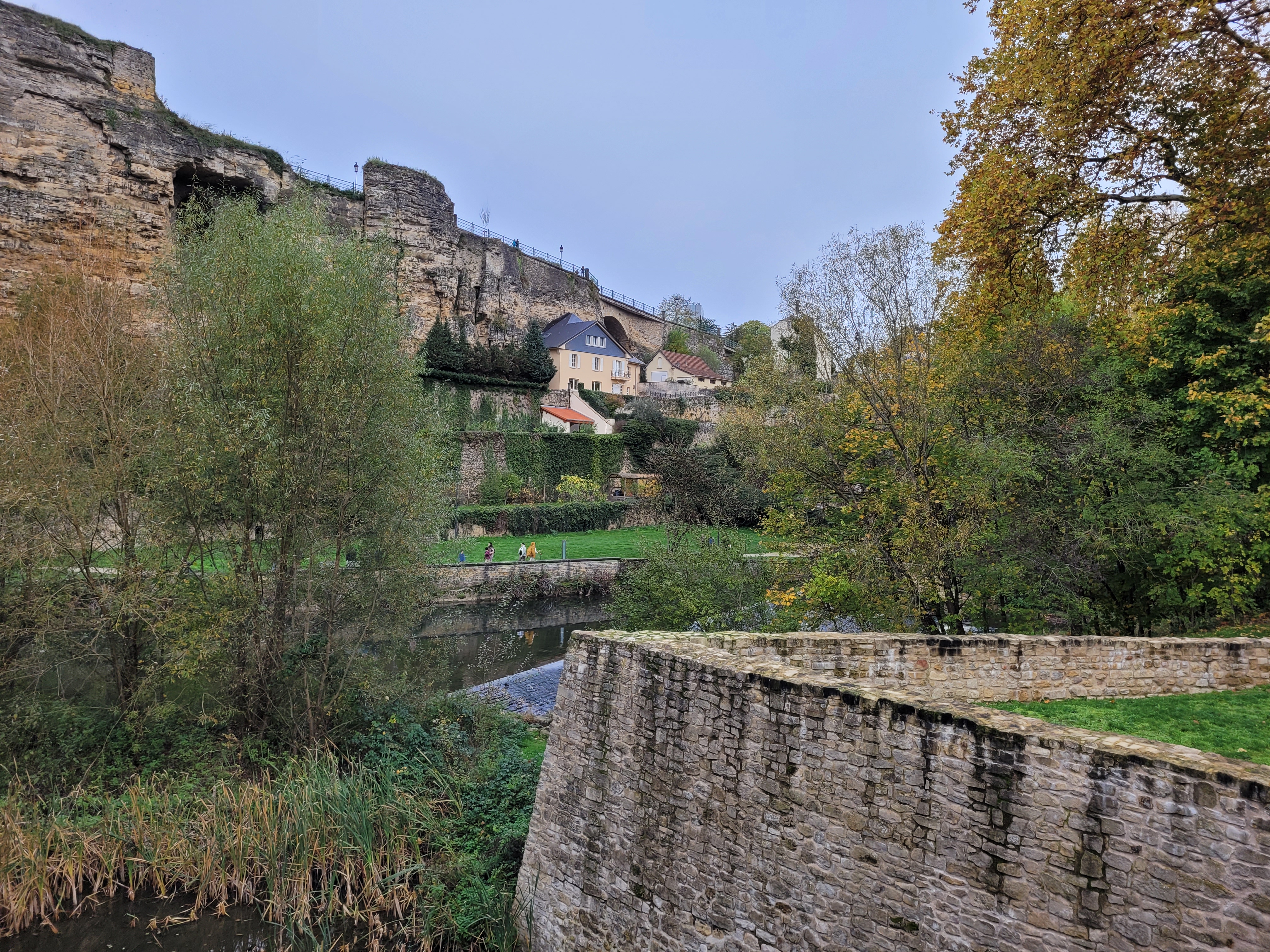
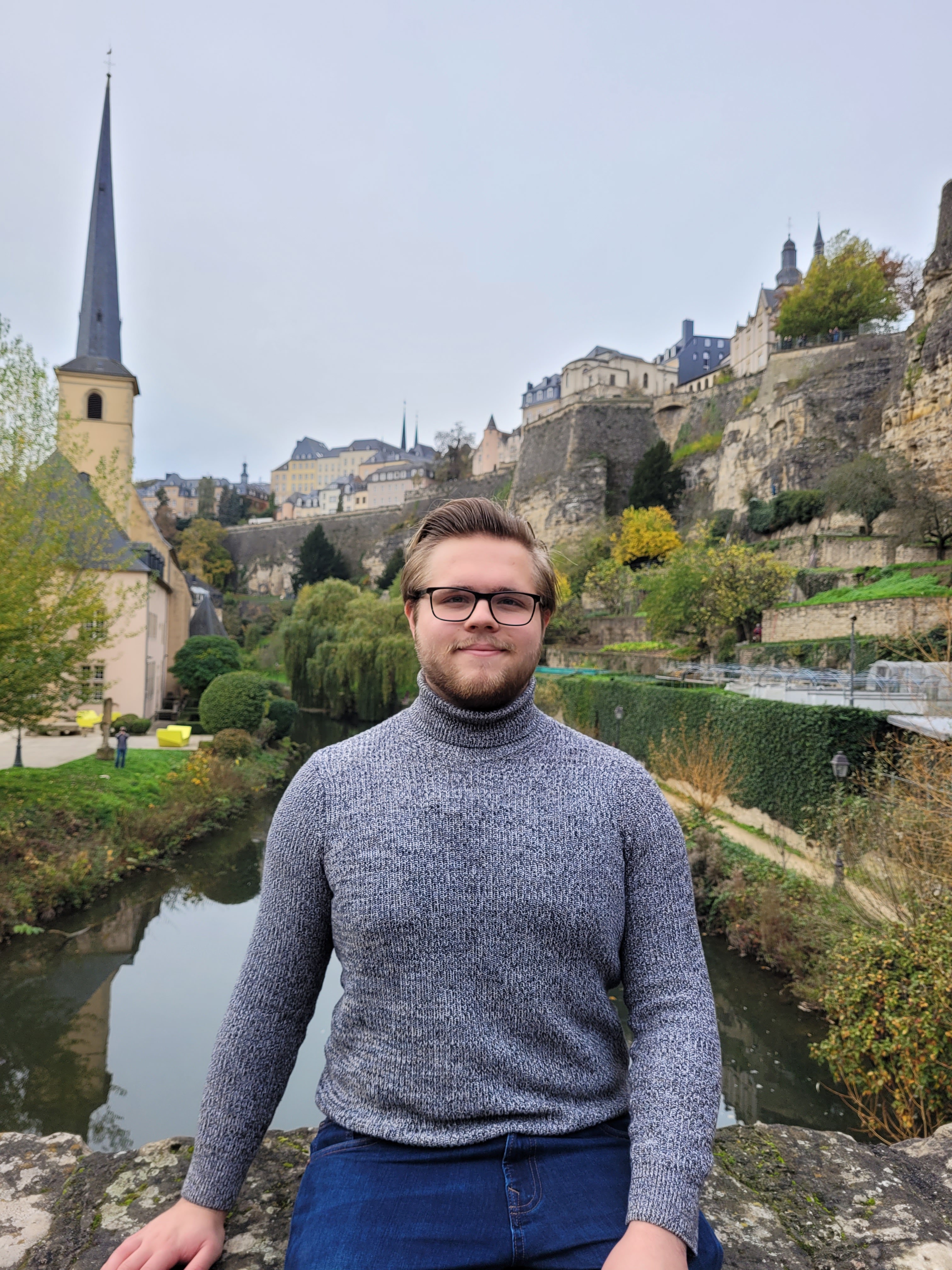
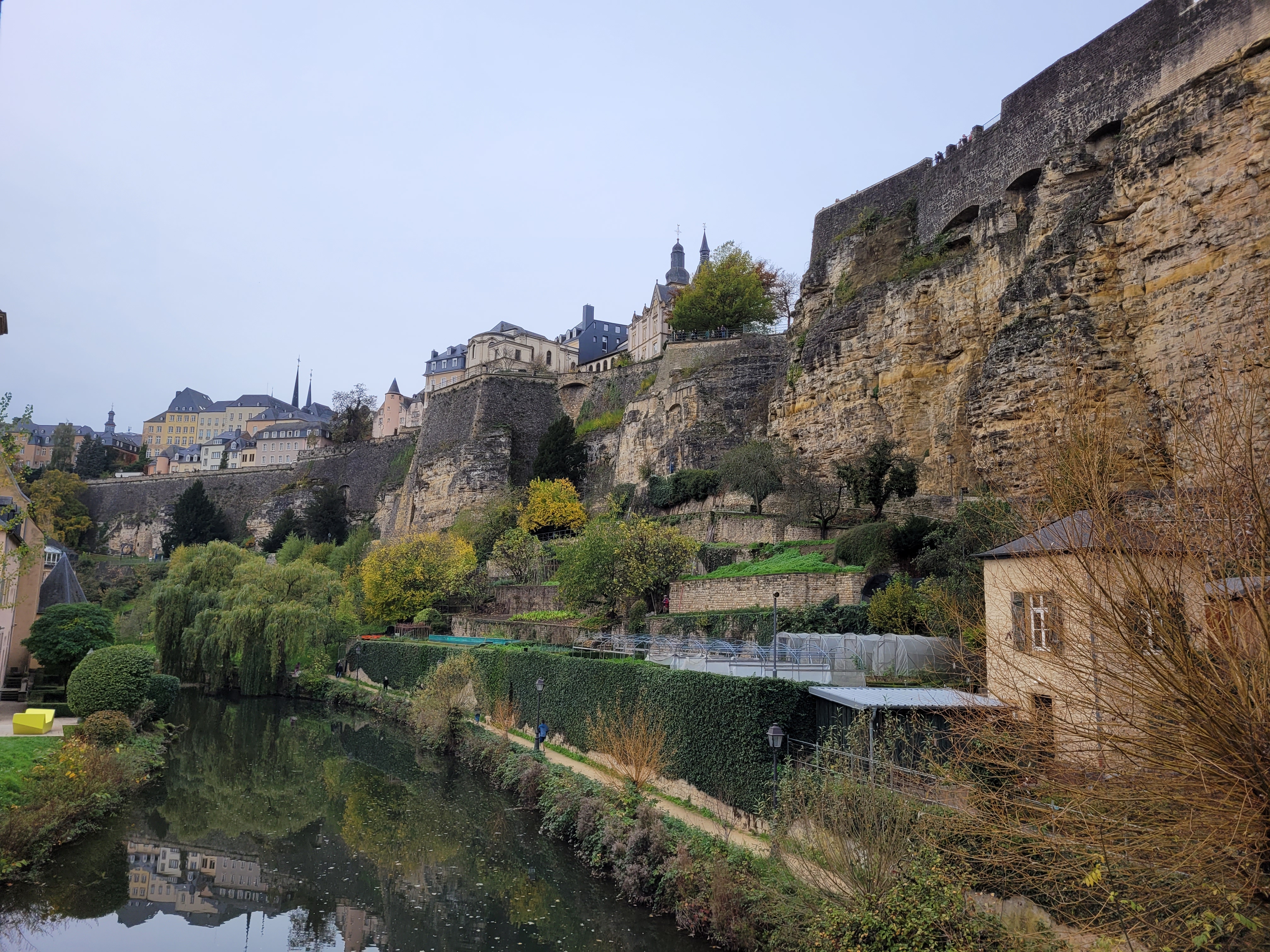
Formerly an abbey, now a cultural centre, Neumunster Abbey has an interesting church, some gardens, and rotating art exhibitions. Considering it’s free, it’s worth a wander, especially if the current exhibitions are interesting.
Conclusion
Luxembourg would not make my top 10, that’s for sure. But it is a pleasant city, and worth a stop if you’re visiting some of the places around it.
 We May Roam