
Brussels is the beating heart of the European Union, and as such, it is a microcosm of Europe itself. There are few cities that best encapsulate Europe as a whole better than the capital of Belgium and the European Union.
At a glance…
- Days To Spend: 4 or more
- Get Around: On foot in the centre, cycle for further attractions, or use bus/trams/metro
- Get In and Out: By train
- Pay: With Euros, most likely using a bank card
- Speak: French is the main language, but English will be fine
- See:
- Should you go?: For sure!
General Impressions
Brussels has a bad reputation online. People claim its crime-ridden and boring, but our experience showed the exact opposite. We generally felt quite safe in the city, and the only crime we witnessed was pretty ubiquitous fare dodging in the metro.
As for the second claim, Brussels is far from boring! There are many attractions in the city, catering to a wide variety of tastes, as you’ll find out as you read on!
Public Transport
Getting Around
Like many other European cities, Brussels is trying to minimise car usage in the city. Cycling is very popular, and there is a network of short term cycle hire, much like London’s Boris Bikes.
There’s also a well-connected metro, and a bus and tram network, but we only used the former. This was a quick and convenient way of getting around.
Getting In and Out
There is an airport in Brussels, but it’s train station is incredibly well connected to the wider European train network (including a direct train connection from London via the Eurostar), so I’d recommend you use trains as much as possible.
Food
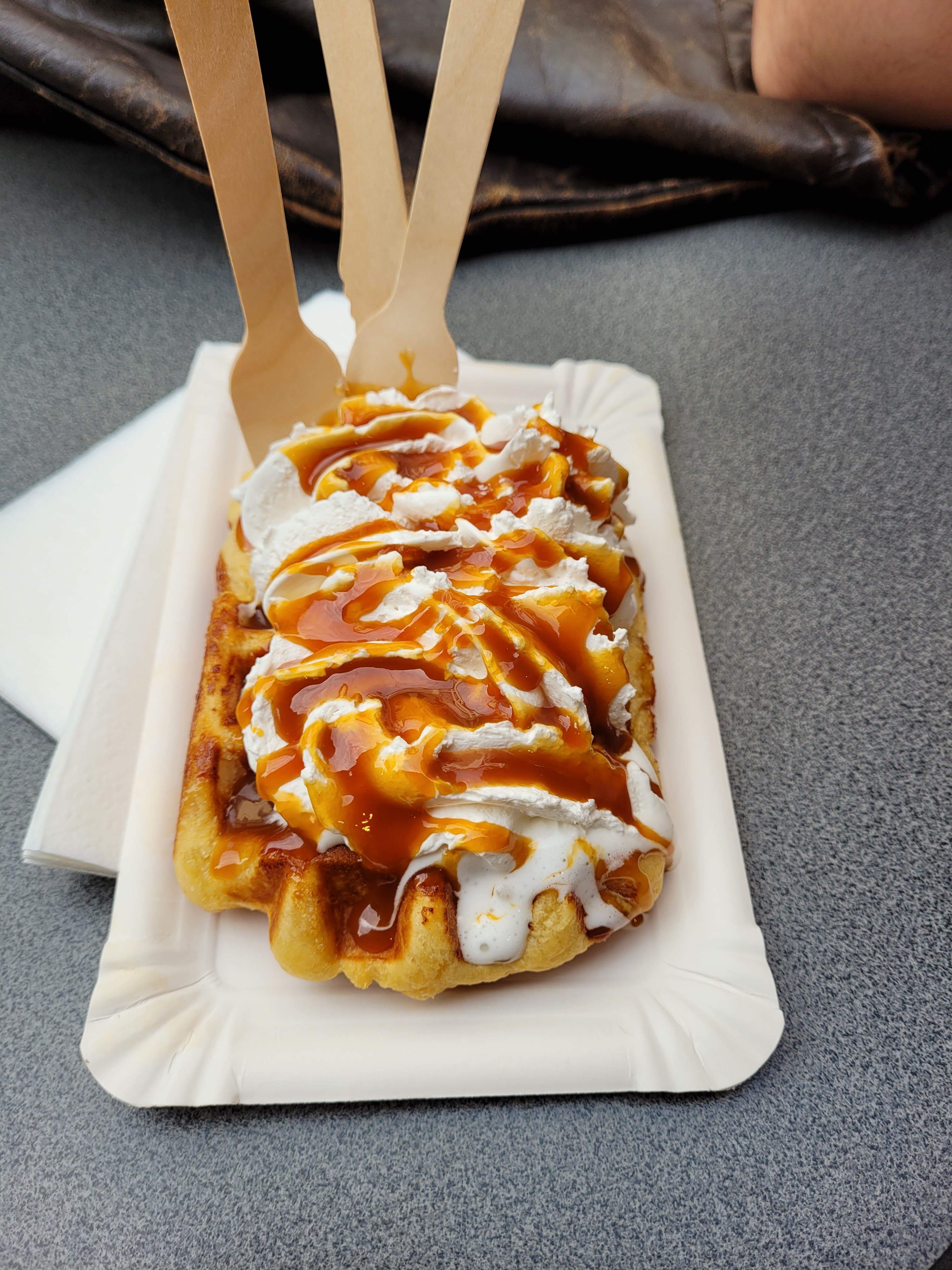
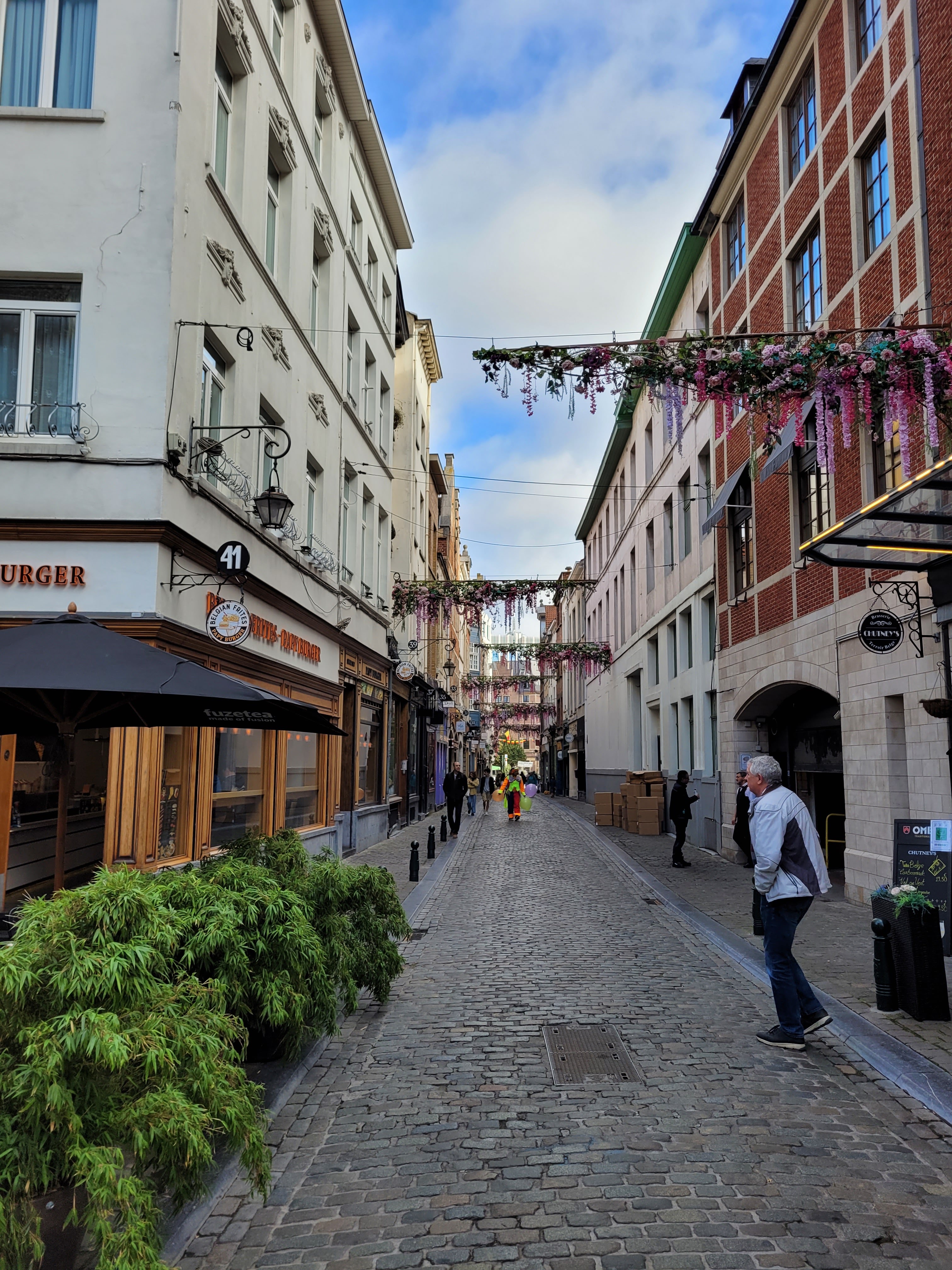
Belgium is renowned for two food items – waffles and fries. Waffles can be purchased nearly anywhere in Brussels, and are usually delicious, though in the somewhat pricey side, especially near the centre.
Fries are a somewhat different story. Many shops that sell Belgian fries cater to tourists, and are usually expensive and poor quality. However, we found that out in the residential districts, kebab shops will sell you some of the best chips you’ve ever had for a pittance. Definitely aim to go to one of these places to try delicious Belgian fries.
Drink
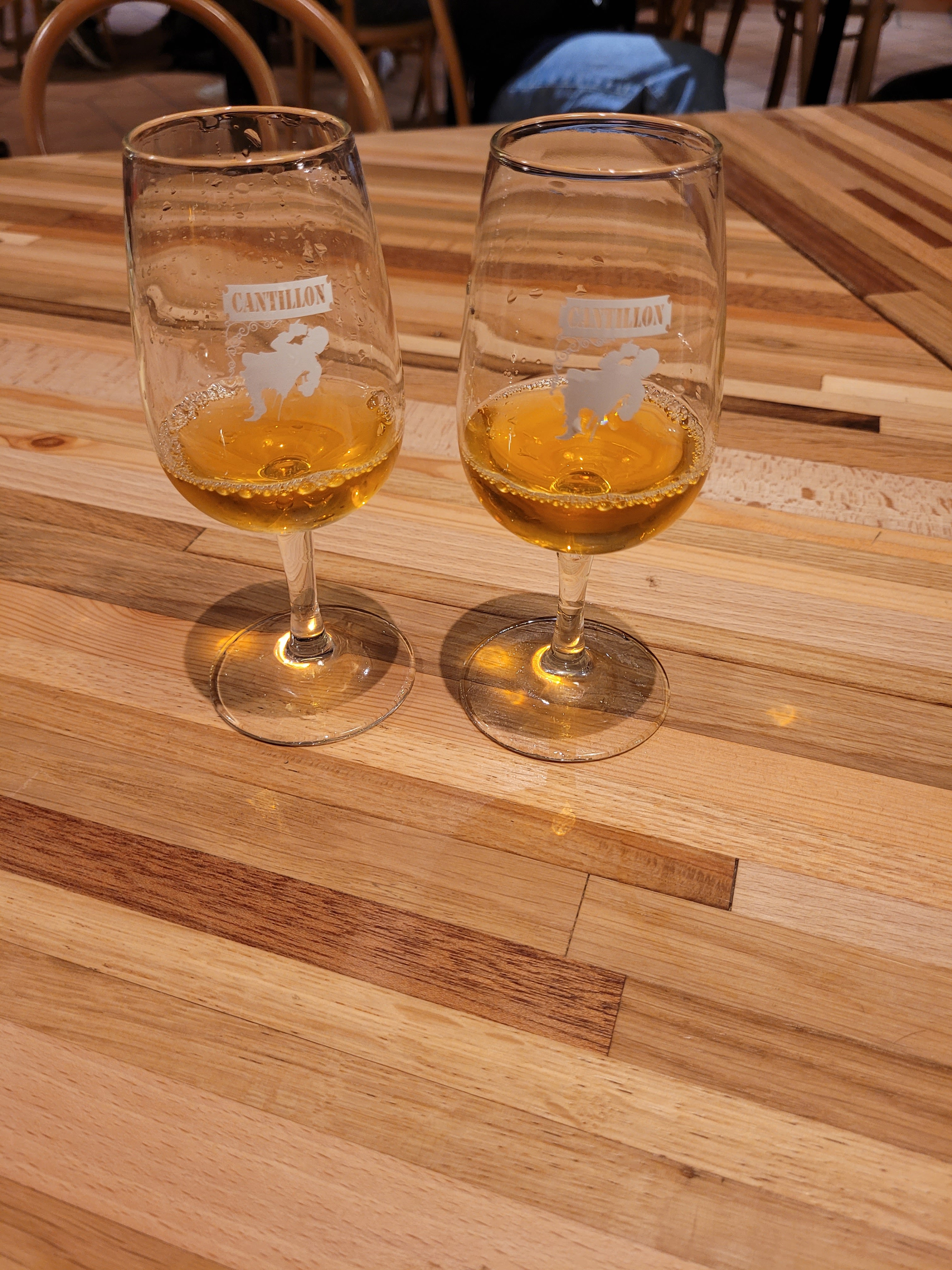
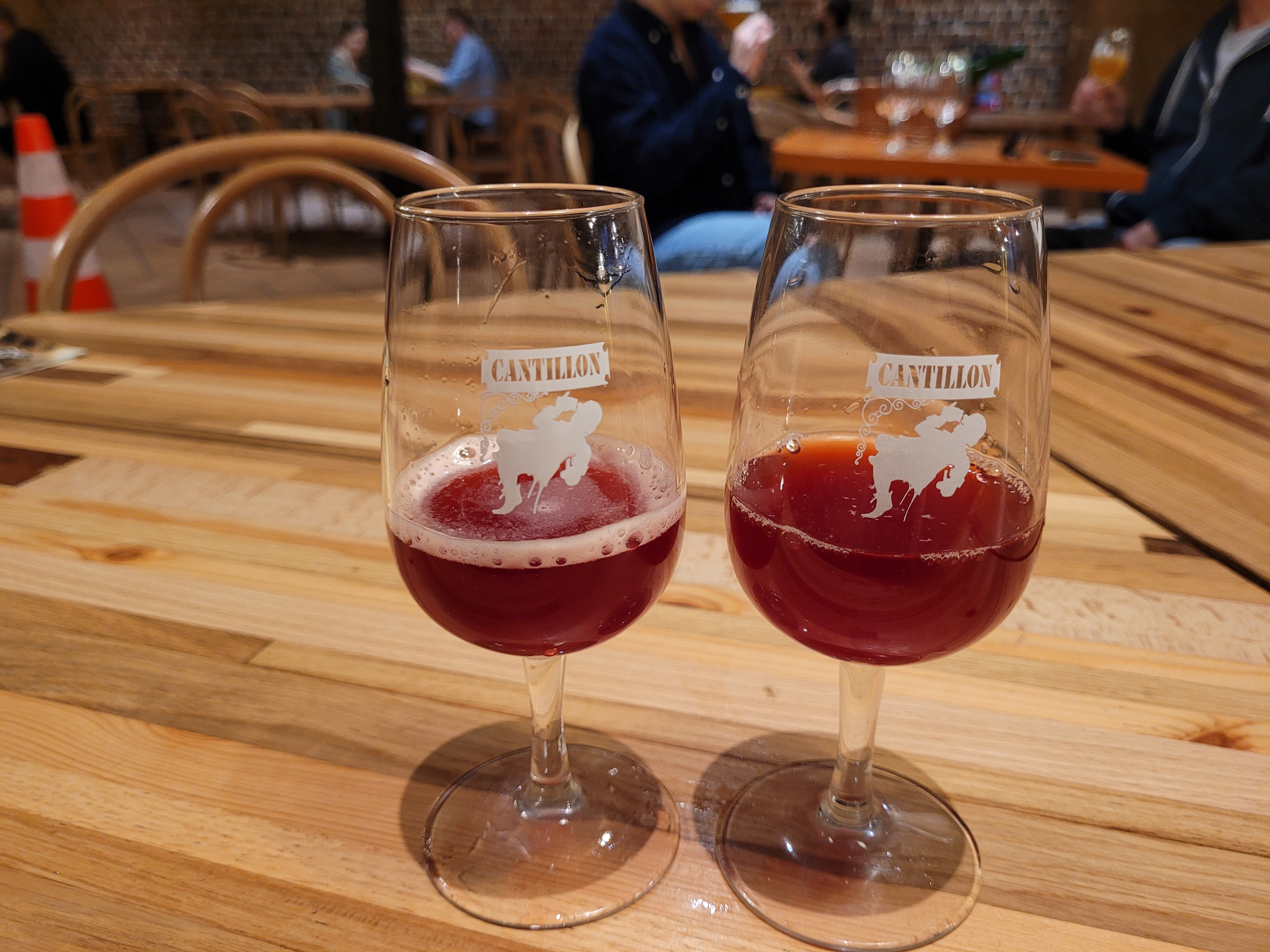
Belgium is, first and foremost, a beer drinking country. There’s a wide variety of styles that will appeal to the beer afficionado, the most famous one being the wild fermented beer called Gueze. It’s incredibly sour, and closer in taste to wine than to more traditional beers. Sampling this amazing beer is definitely a must!
Money
We paid nearly everywhere by card. If you prefer to use cash, it is widely accepted, and ATMs can be found everywhere.
Language
Despite being in the Flemish part of Belgium, French is the most widely spoken language in Brussels. English is also acceptable, and most people will speak it.
Time
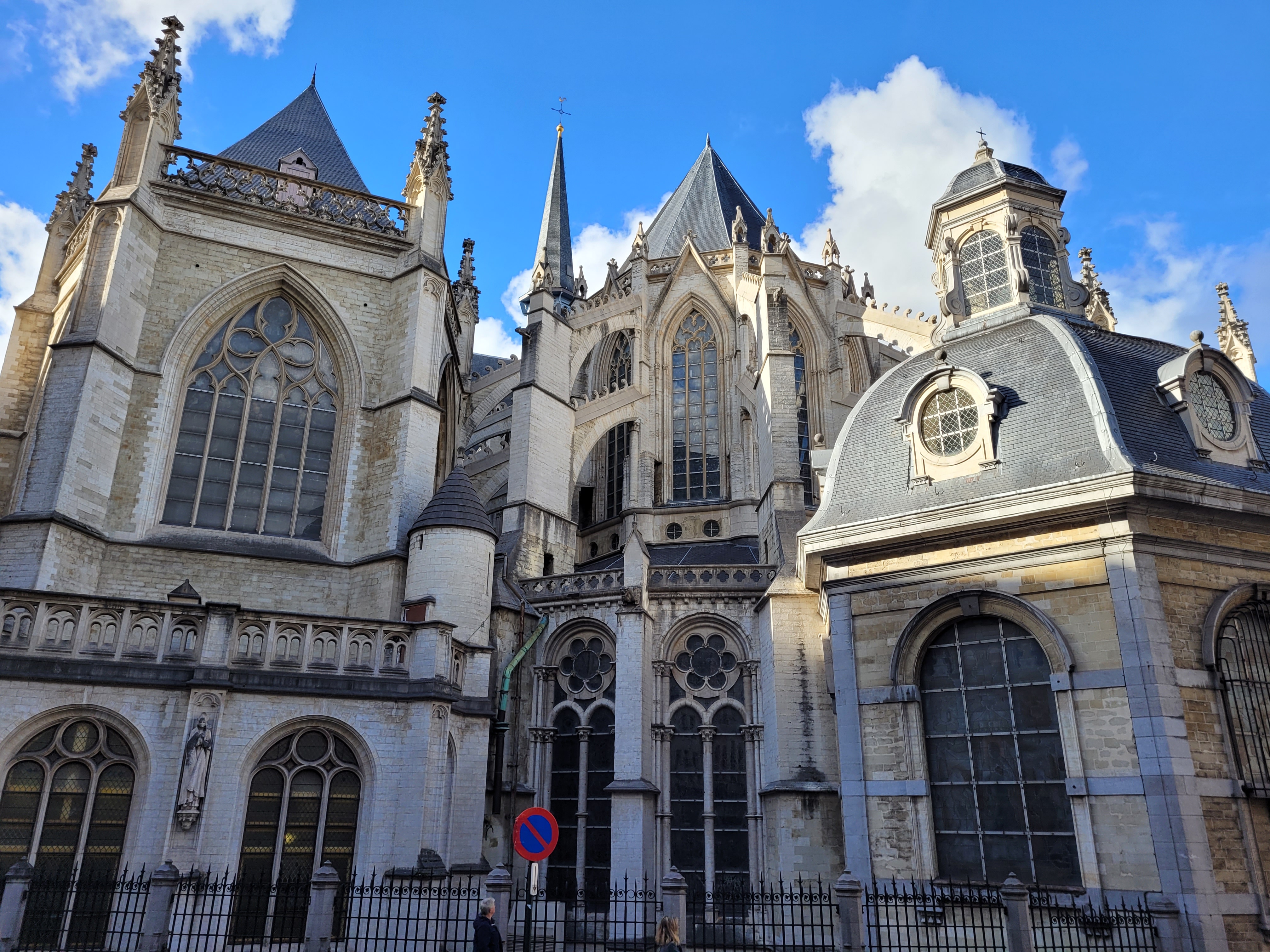
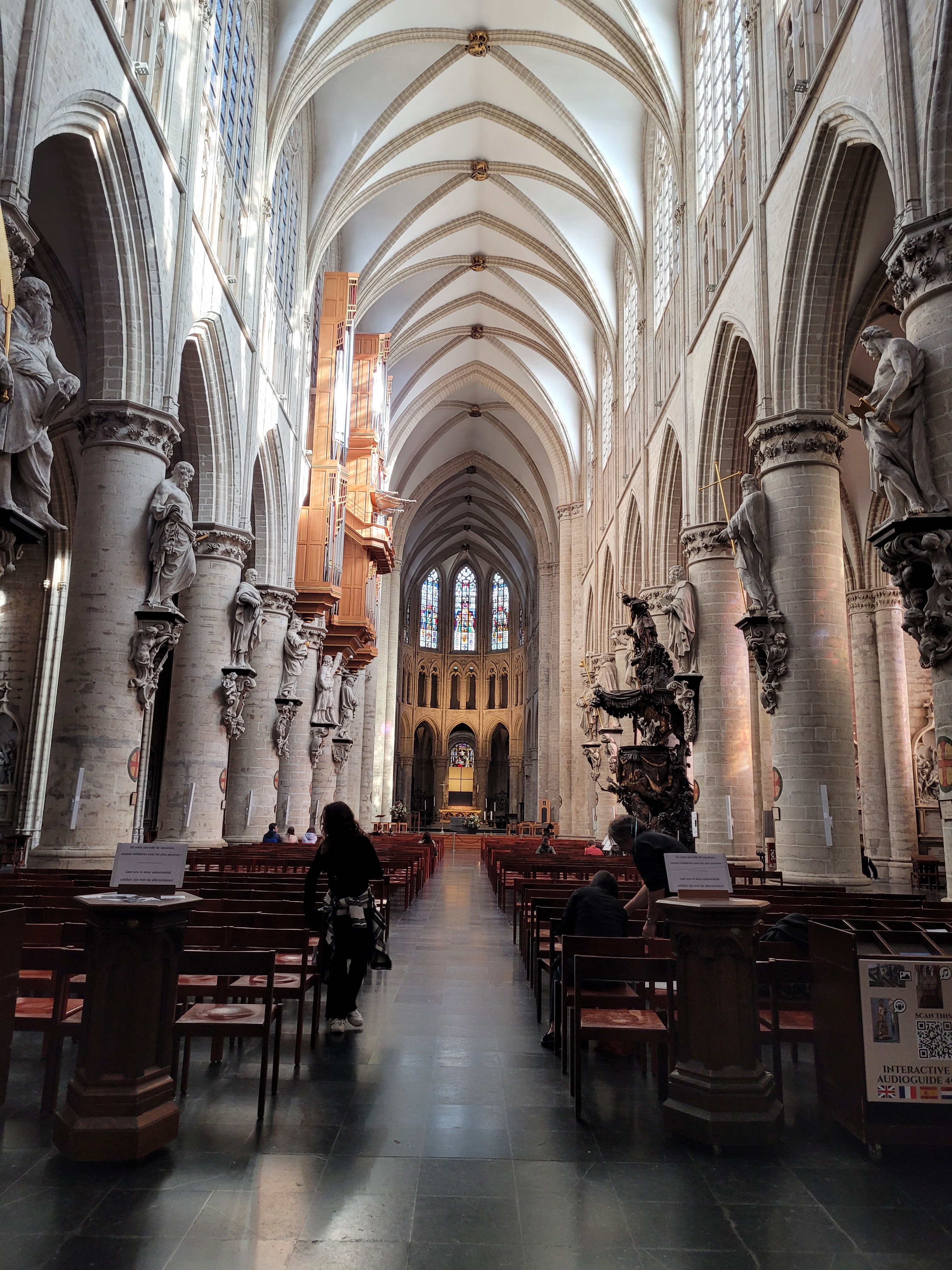
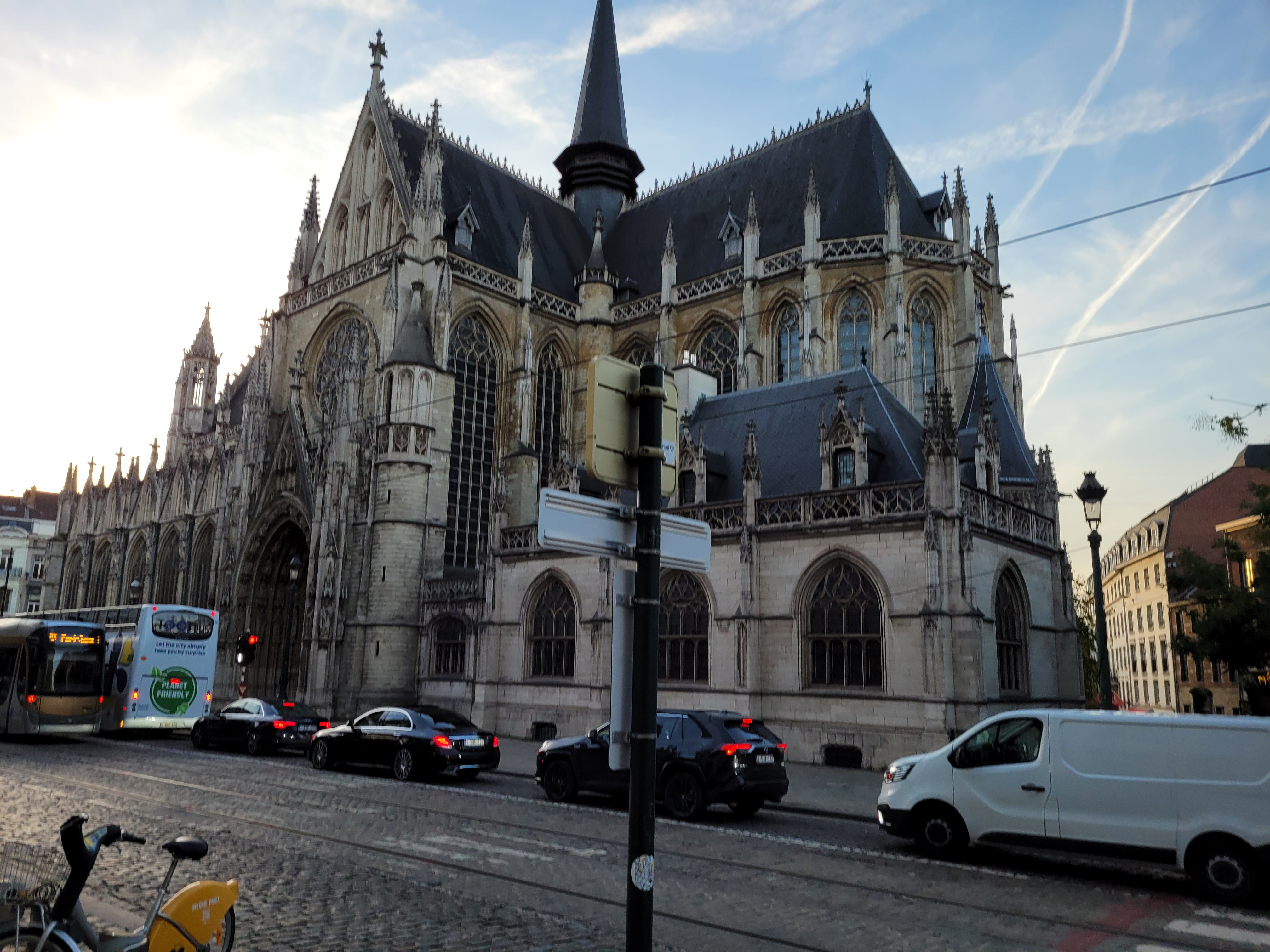
There’s quite a lot to do in Brussels, and even though we had 4 full days, we still hadn’t seen absolutely everything worth seeing. There’s quite a few nice day trips from Brussels as well, such as to Brugges and Ghent, so it’s a trip that’s easily extendible.
My Favourite Spots
Grande-Place
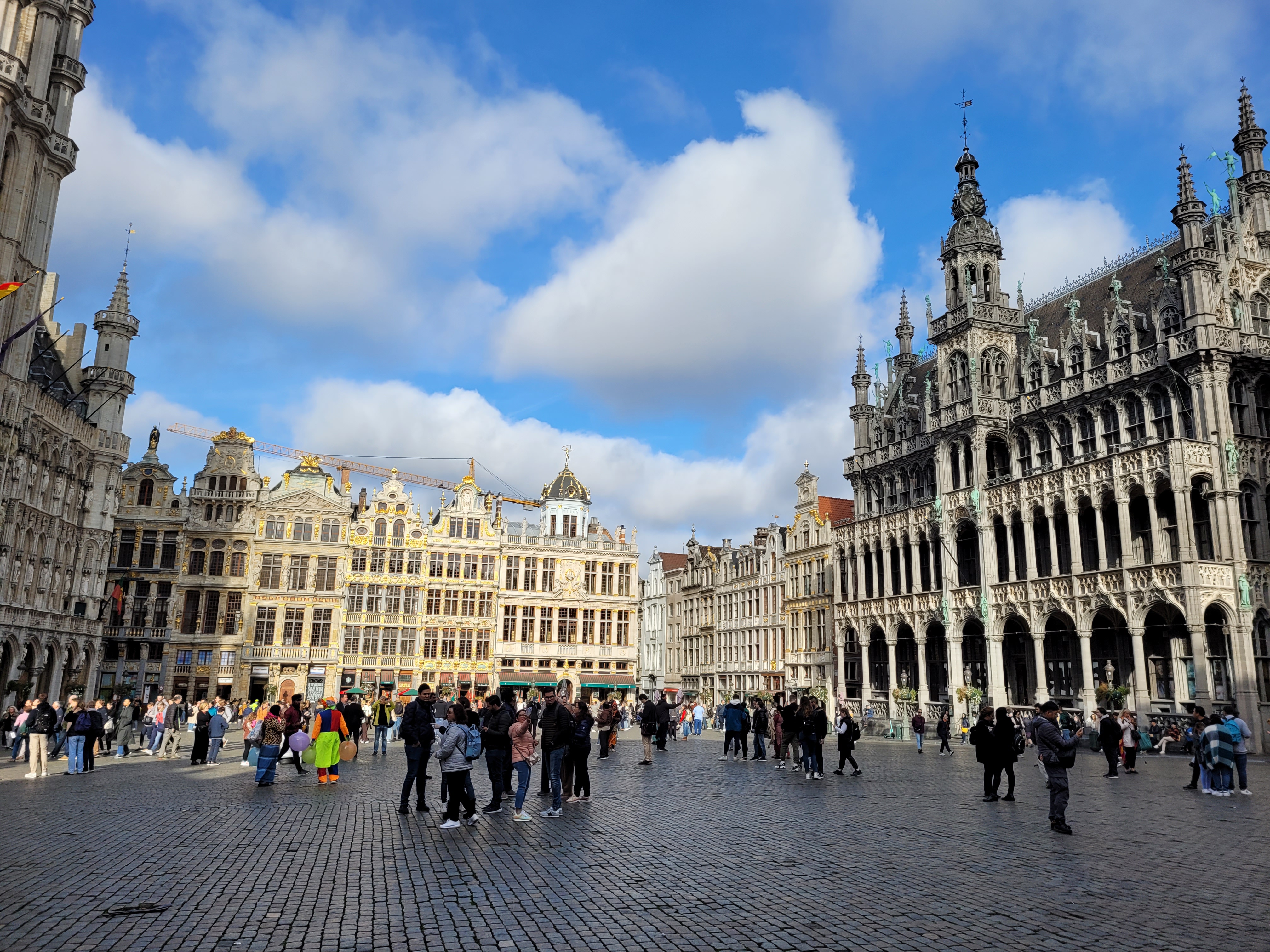
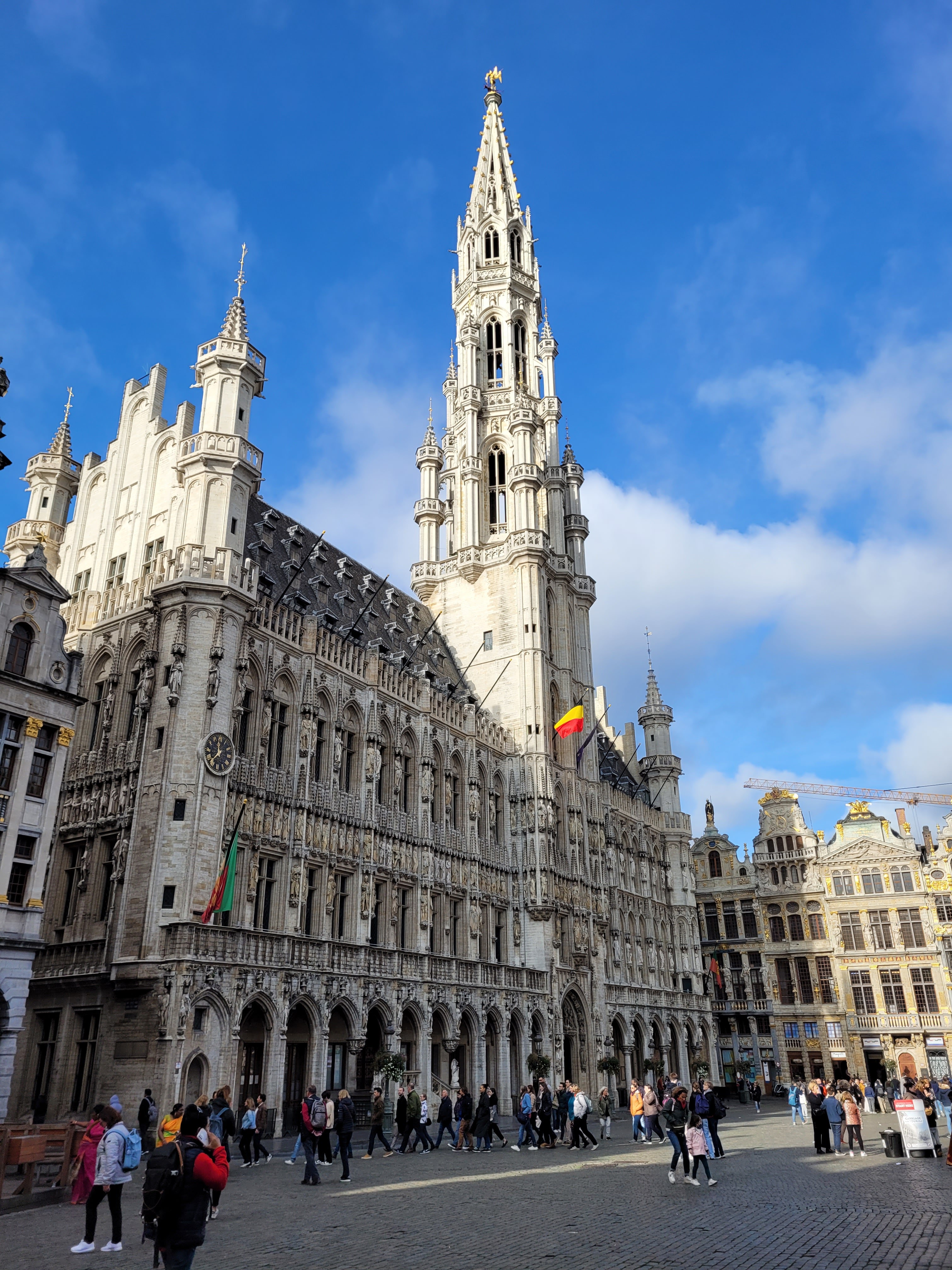

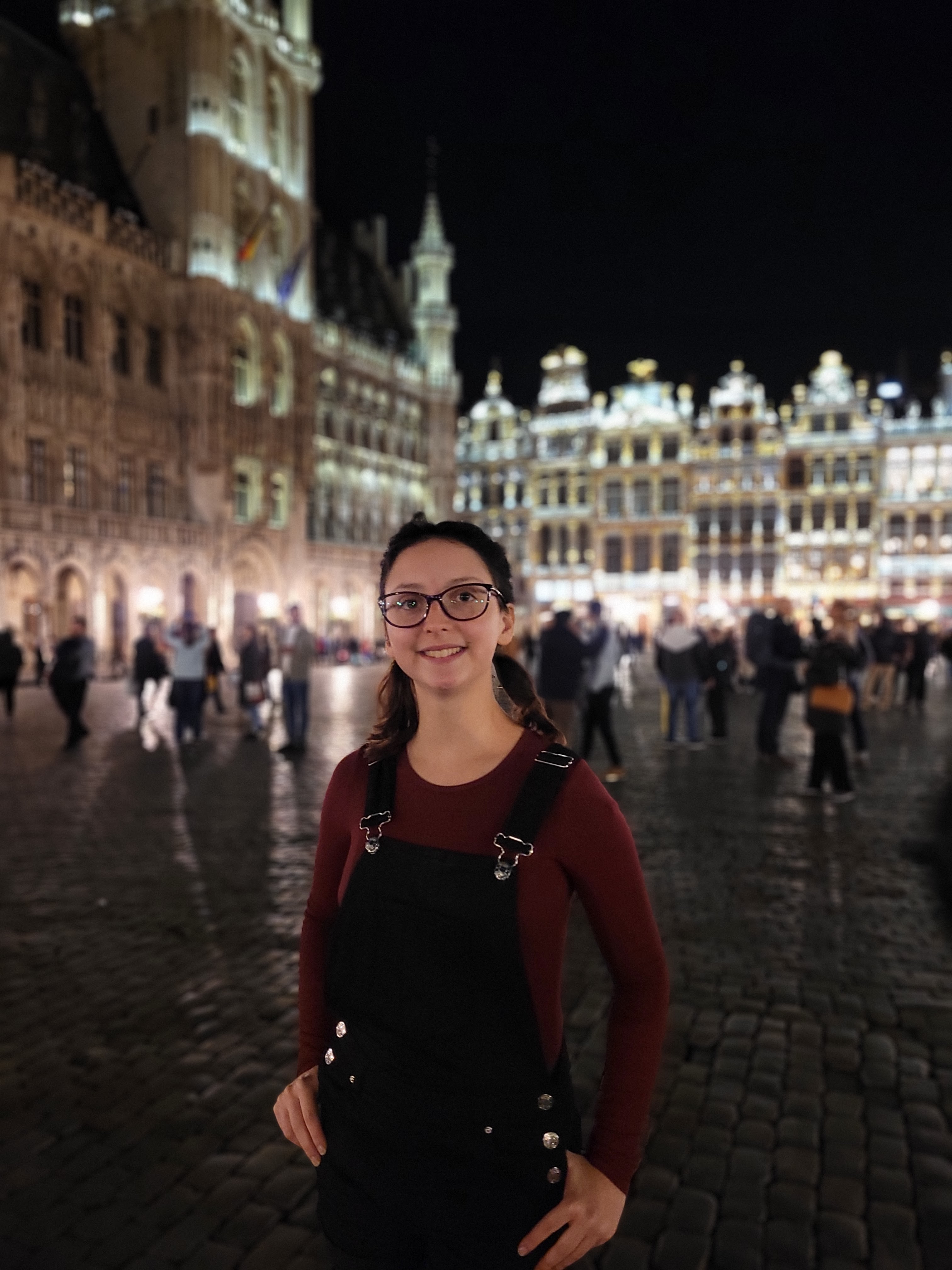
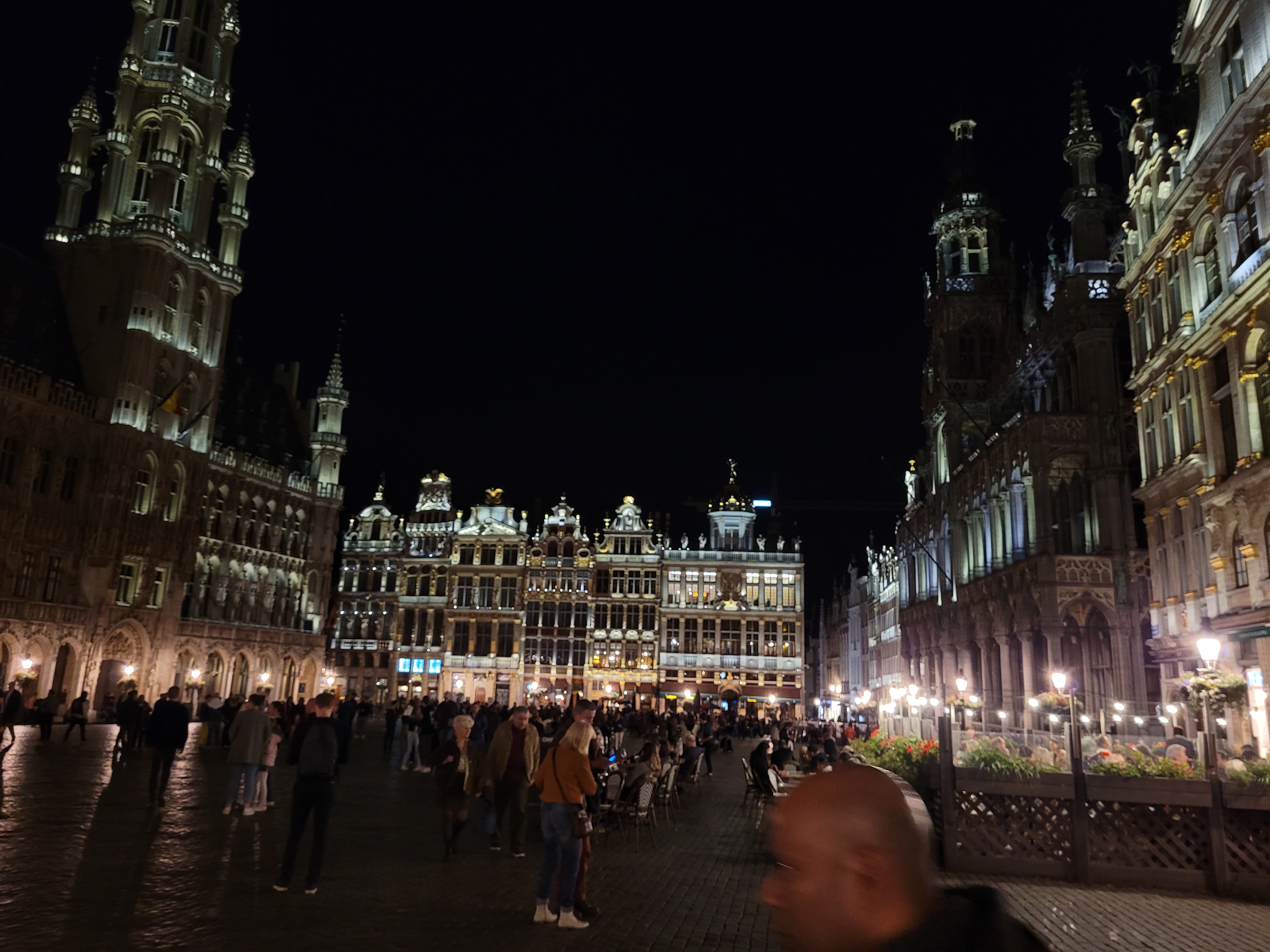
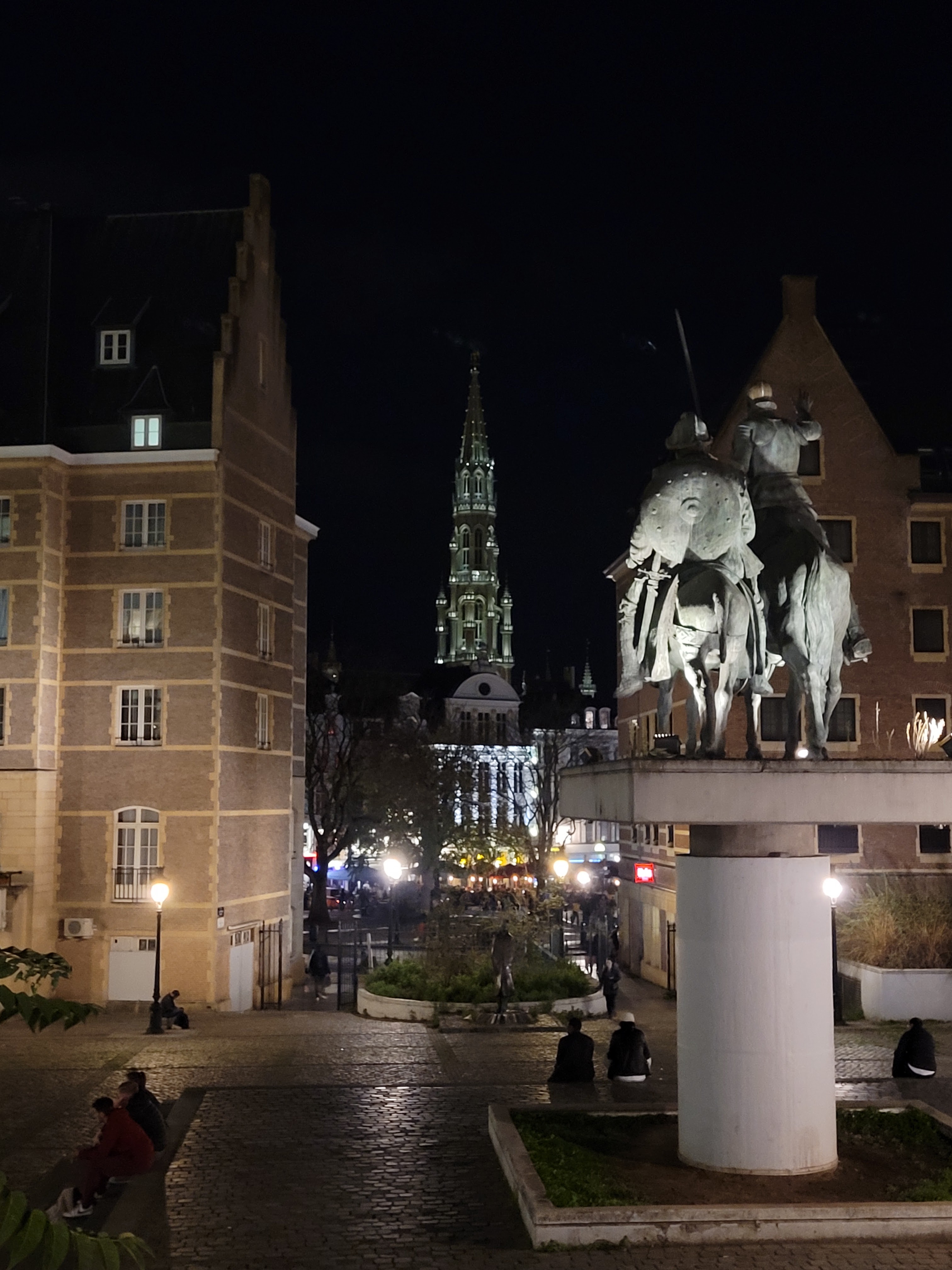
The Grand-Place is the central square of Brussels. All four sides are lined with beautiful gothic facades, and they are stunningly lit-up at night.
Walibi
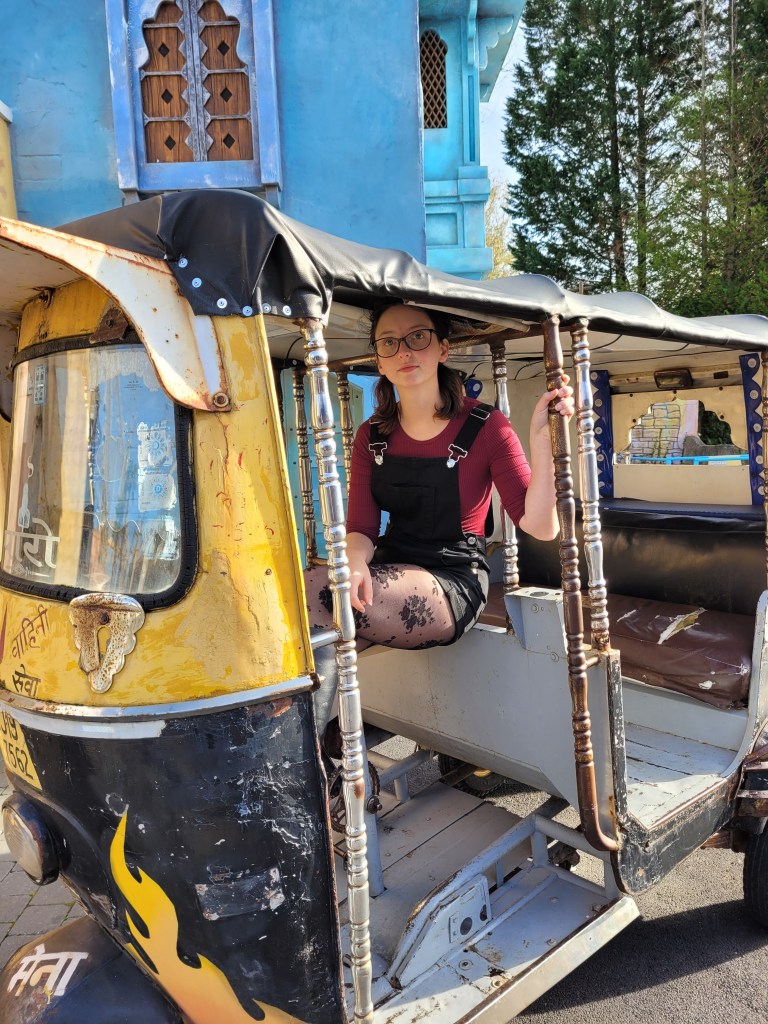
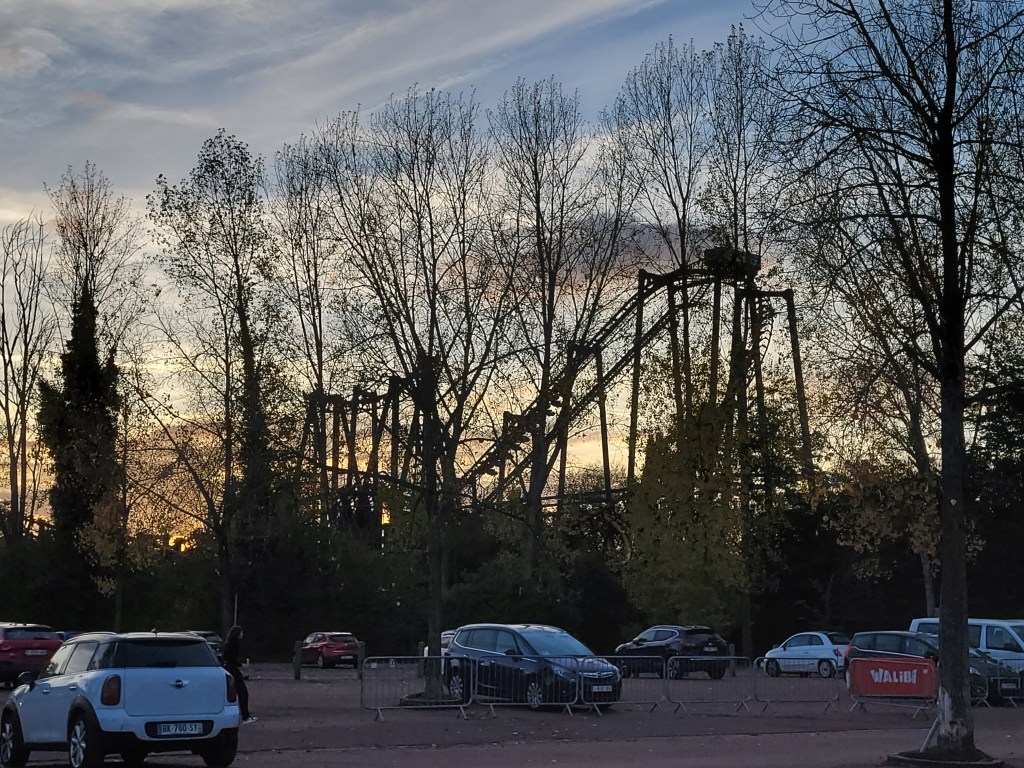
Walibi is a theme park. a short train ride away from Brussels. It’s got great roller coasters, and some other fun rides. We went in October, when they also had a Halloween event on, featuring live actors and scare mazes.
National Basilica of the Sacred Heart
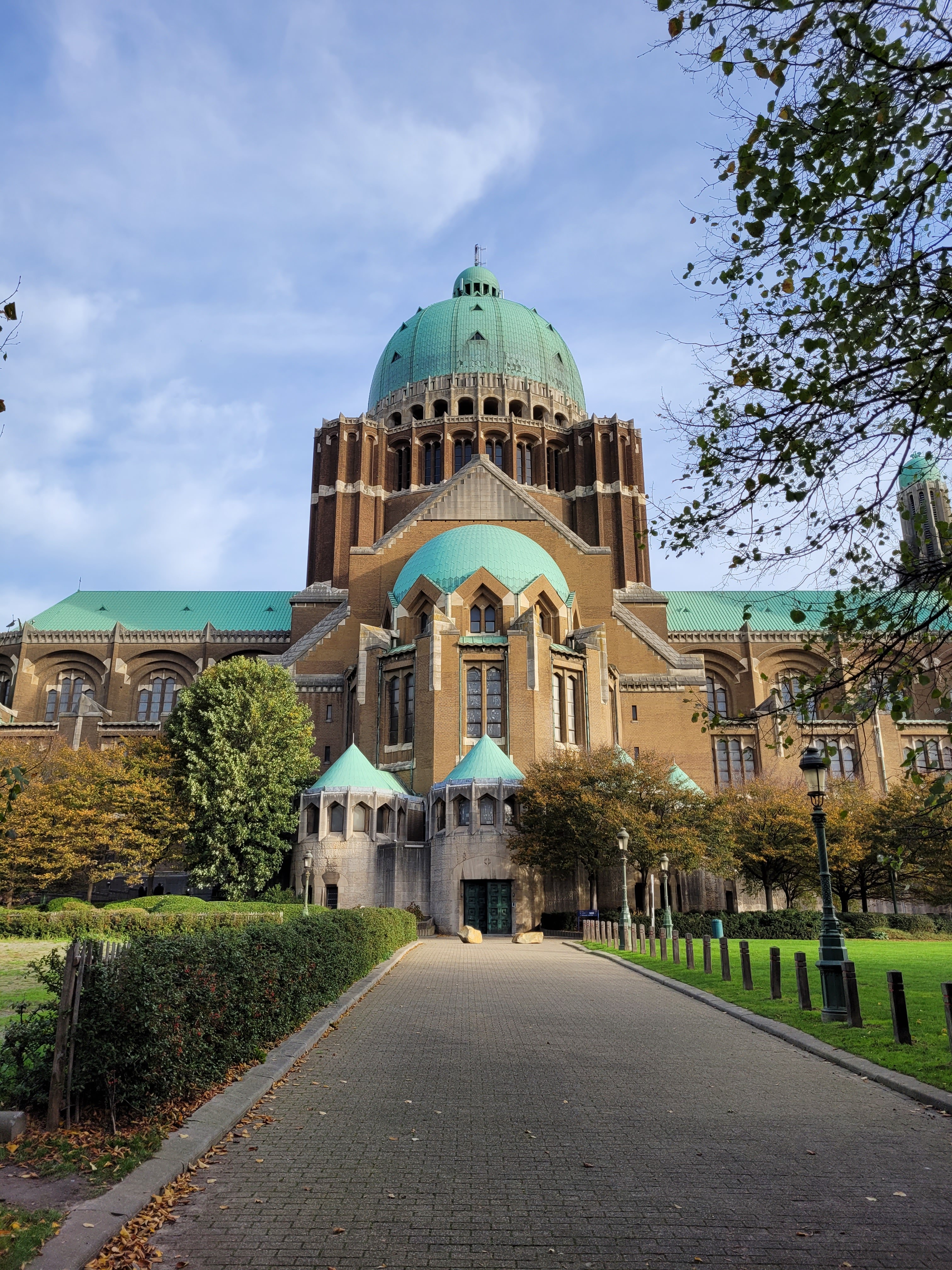
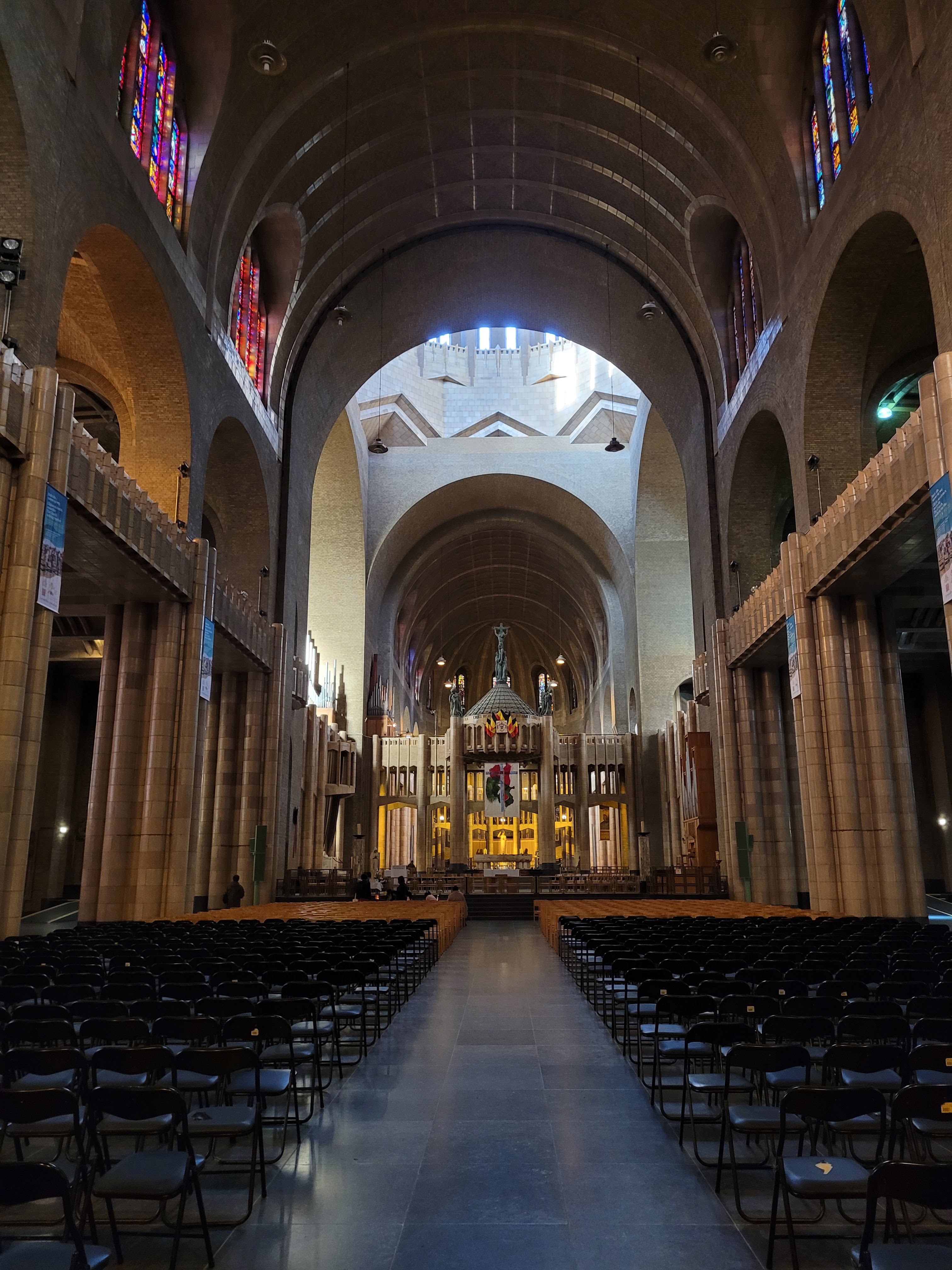
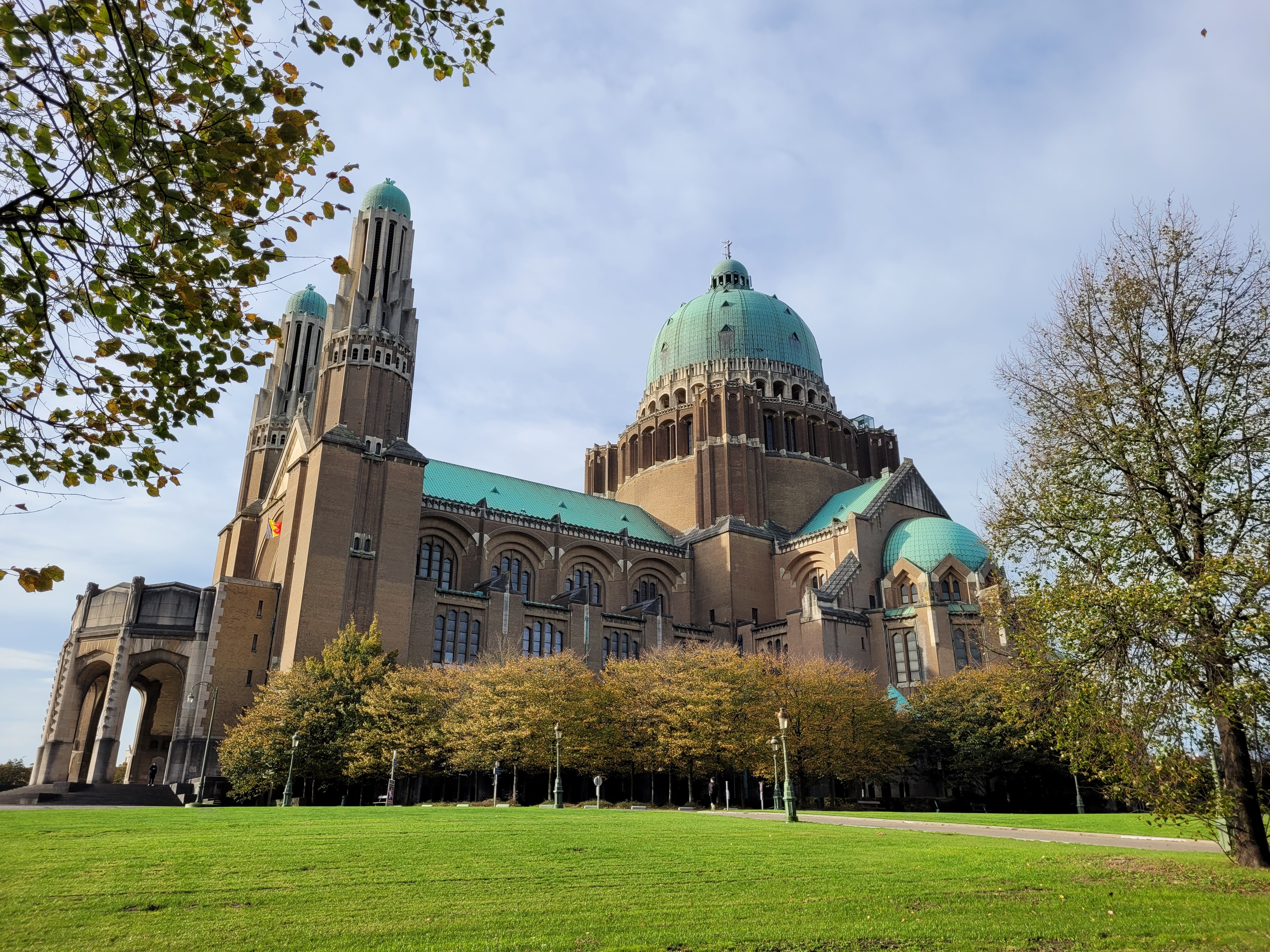
One of the biggest churches in Brussels, the Basilica of the Sacred Hearth is an imposing building, with an iconic orange and cyan look from the bricks and copper the structure is made from.
Cantillon Brewery
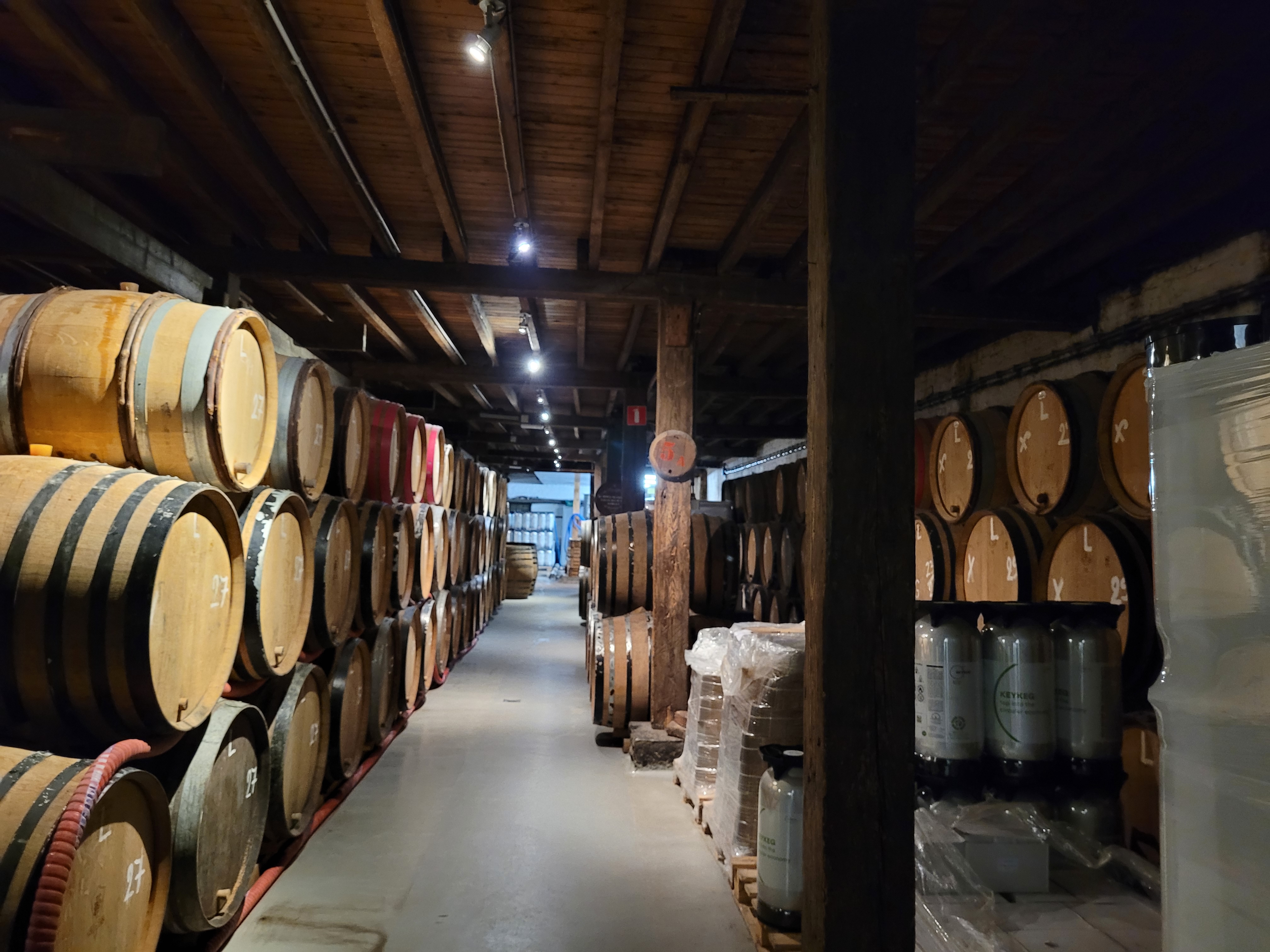
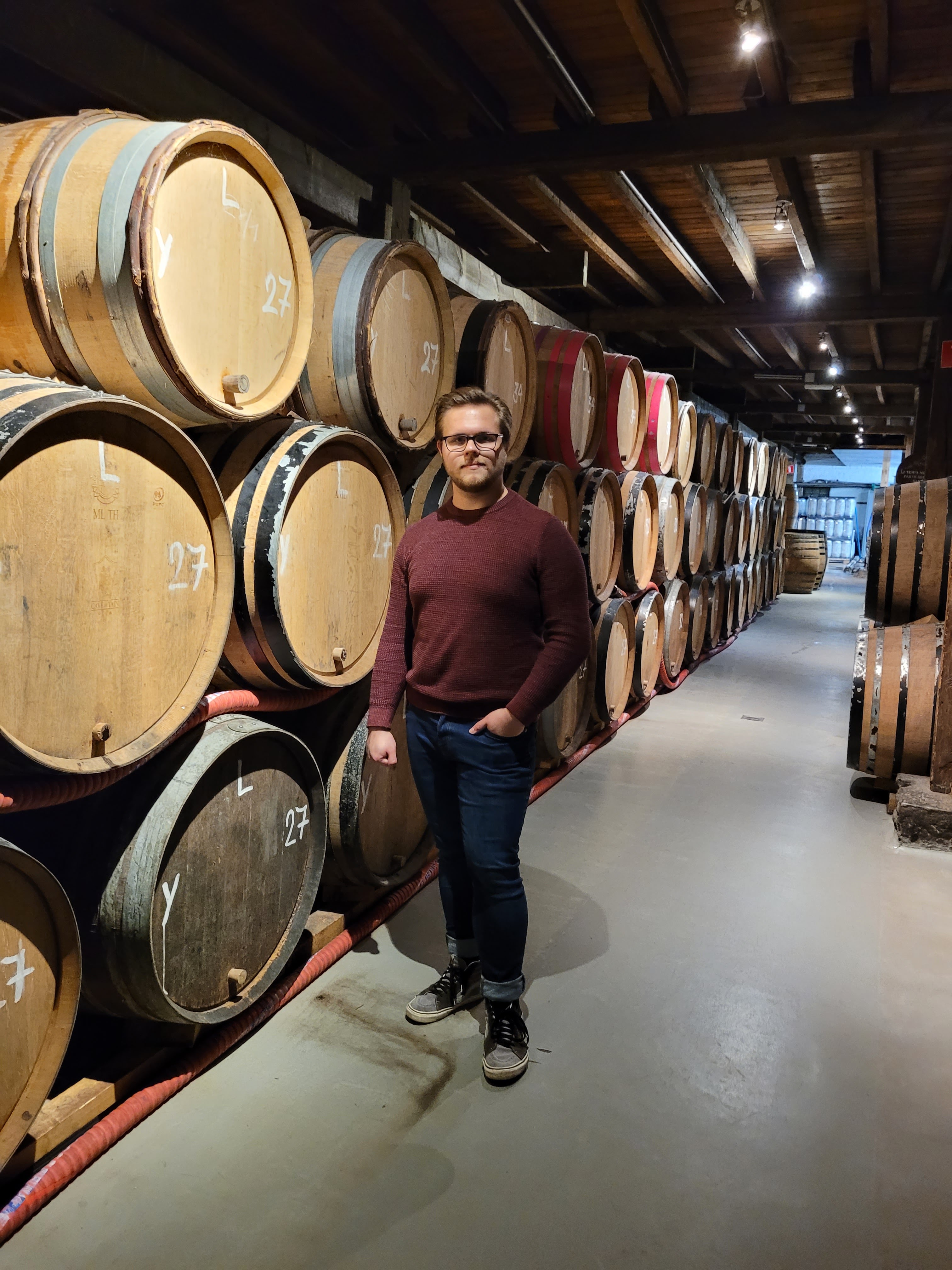
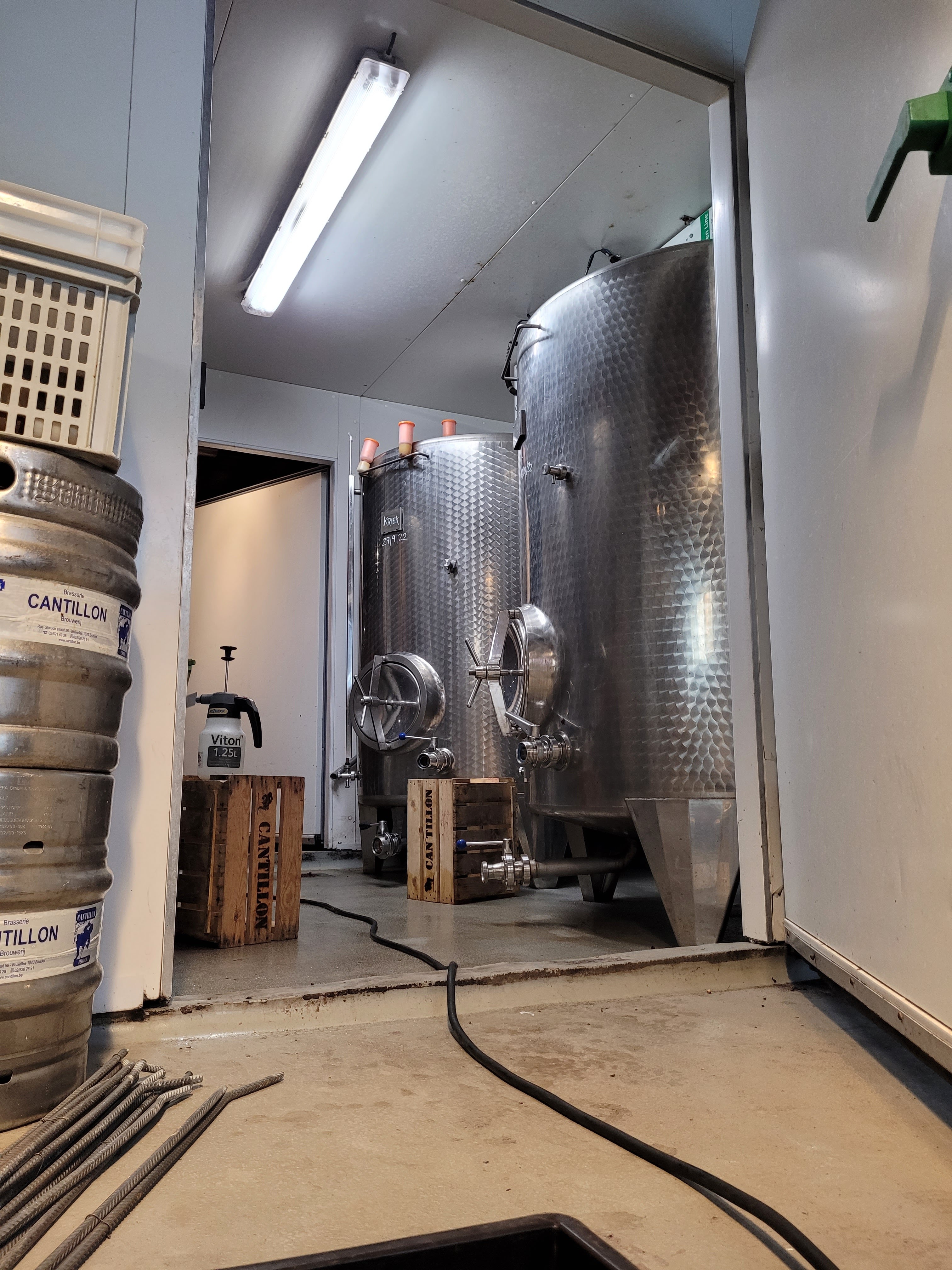
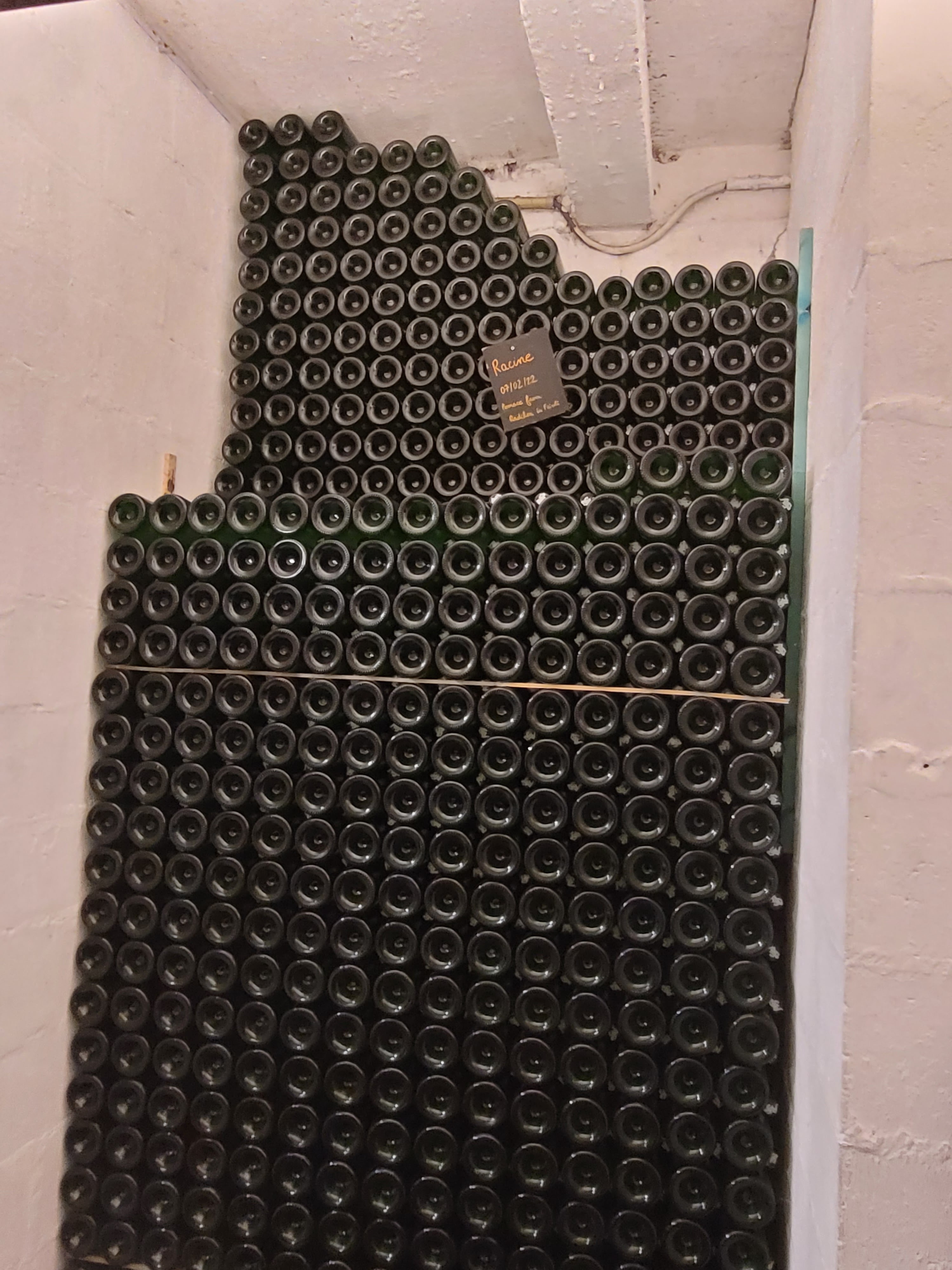
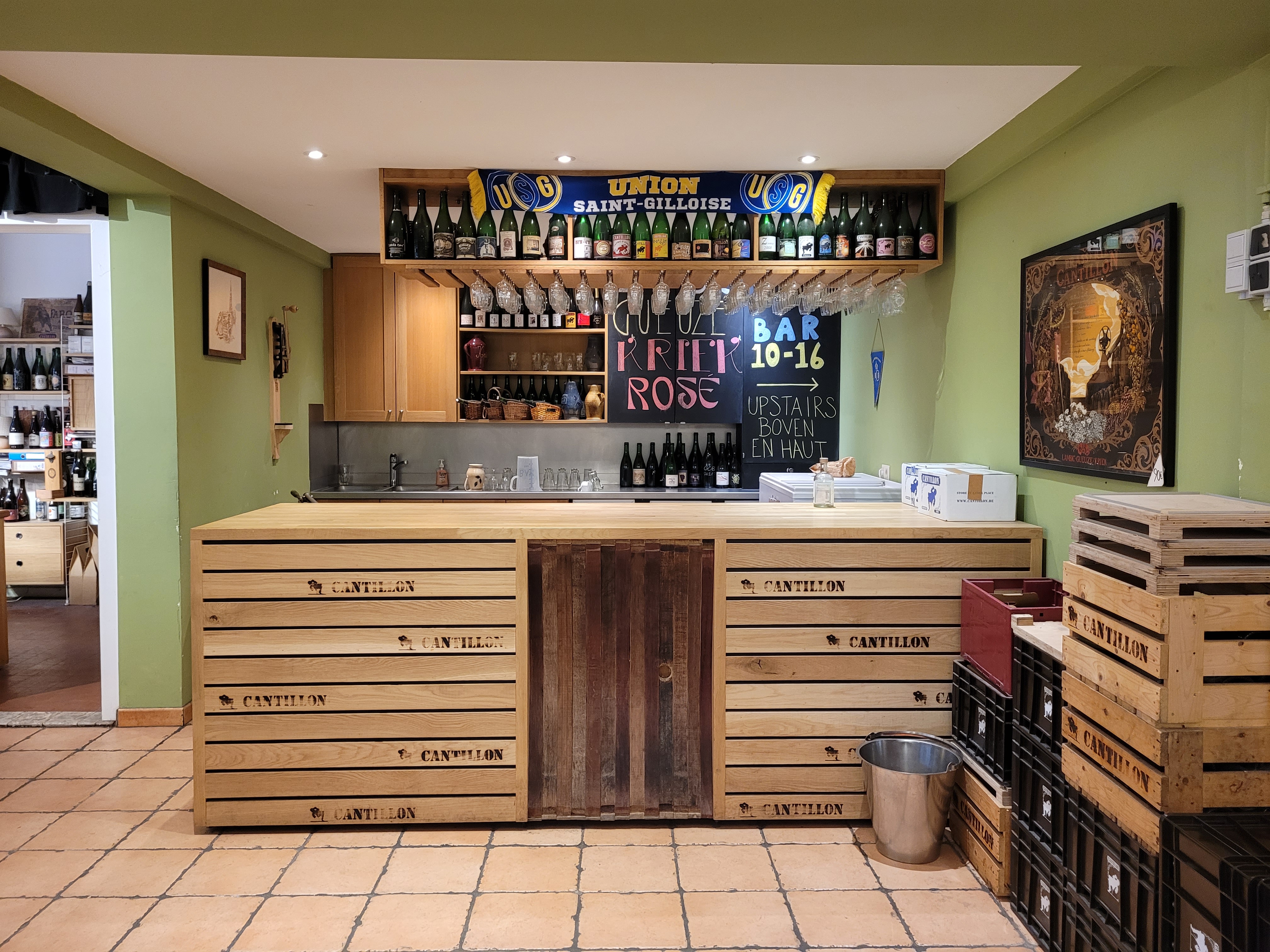
I mentioned Geuze earlier, and this is the place to sample it! Cantillon Brewery still brews their beer in the same location you can tour. Depending on the time of year, you can see the beer be brewed, and on some days of the week, they offer guided tours at the same price as a normal ticket. This ticket also covers a tasting of 3 different beers after you’re done exploring the Brewery.
The European Union
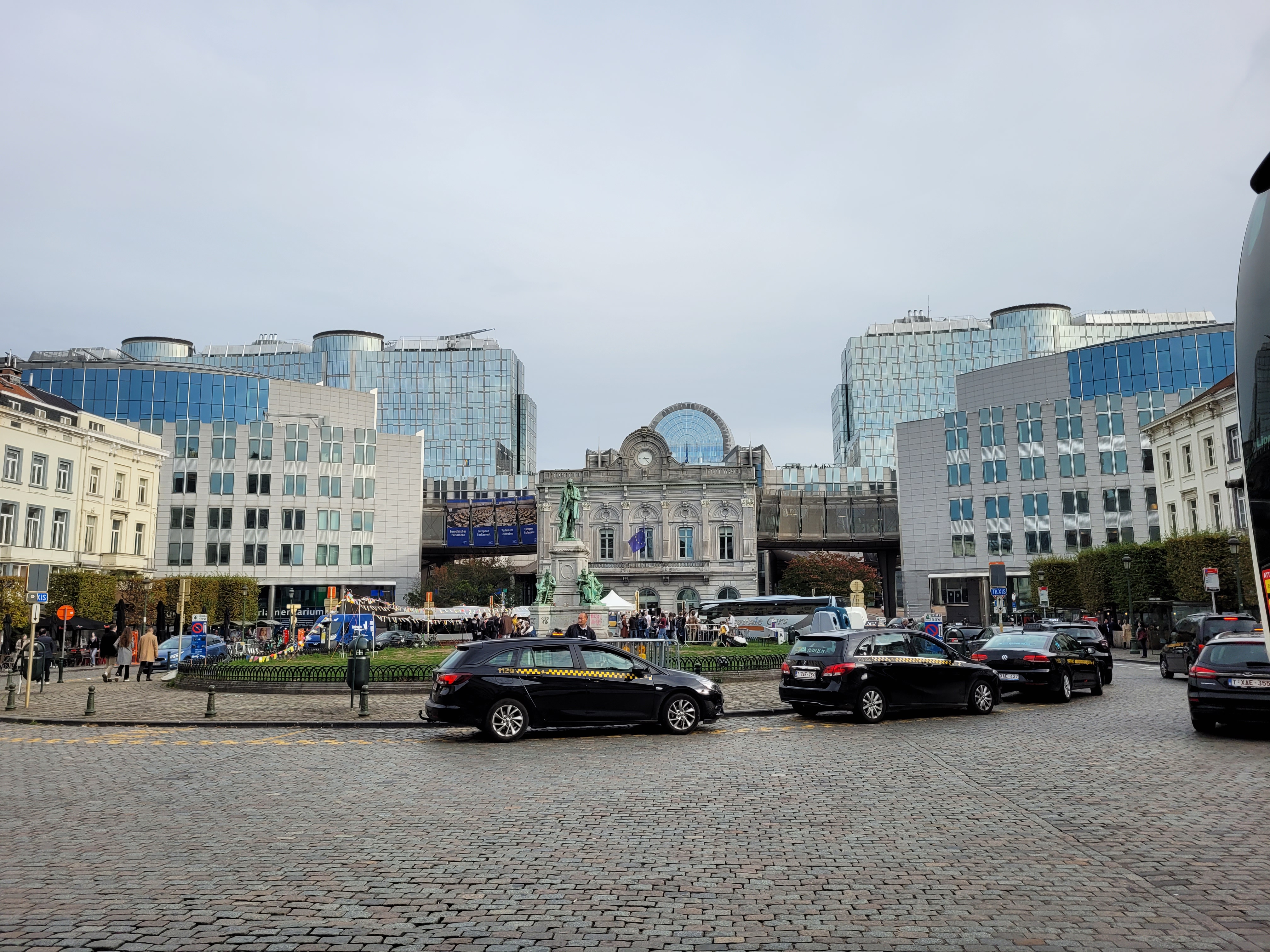
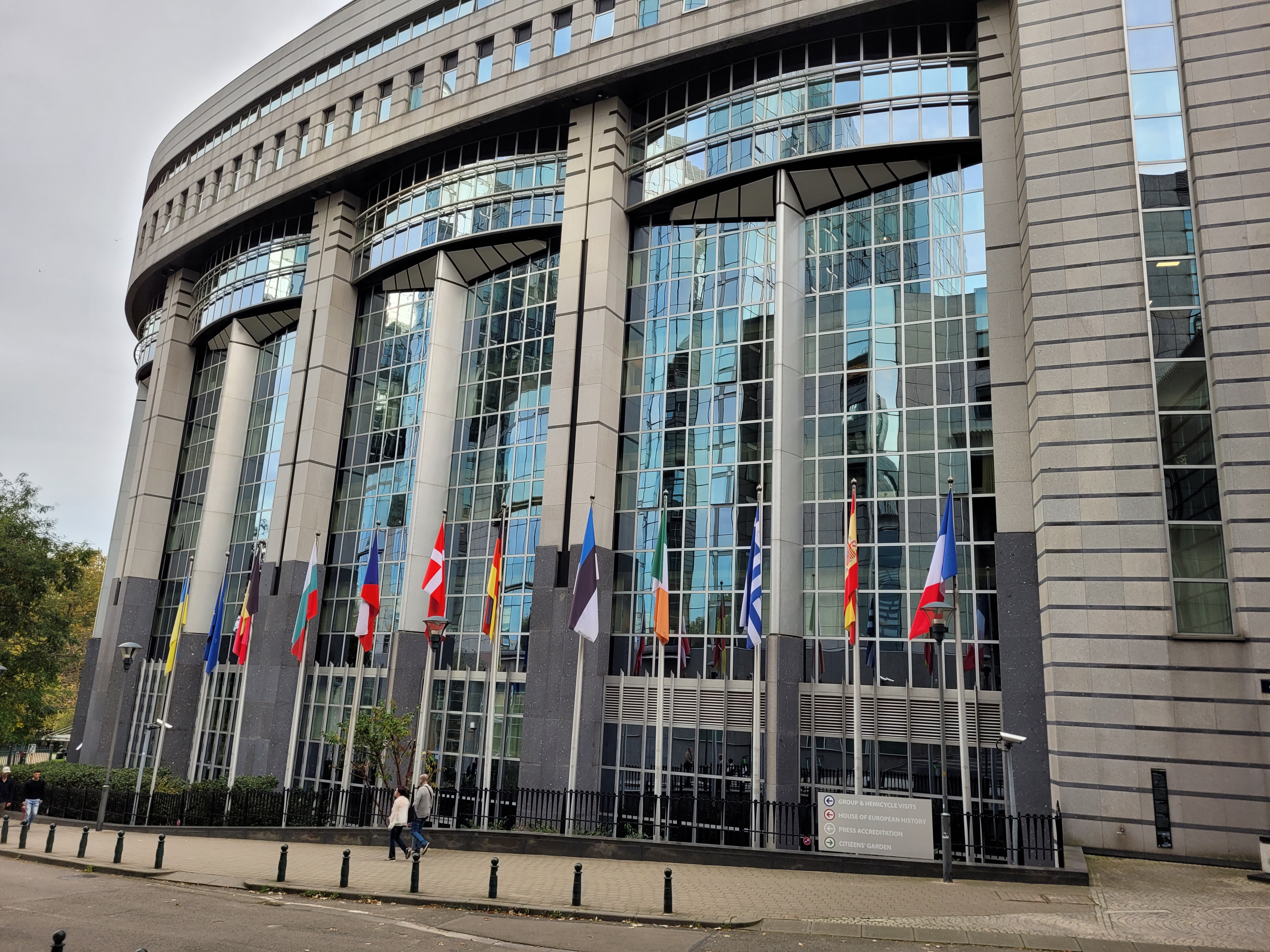
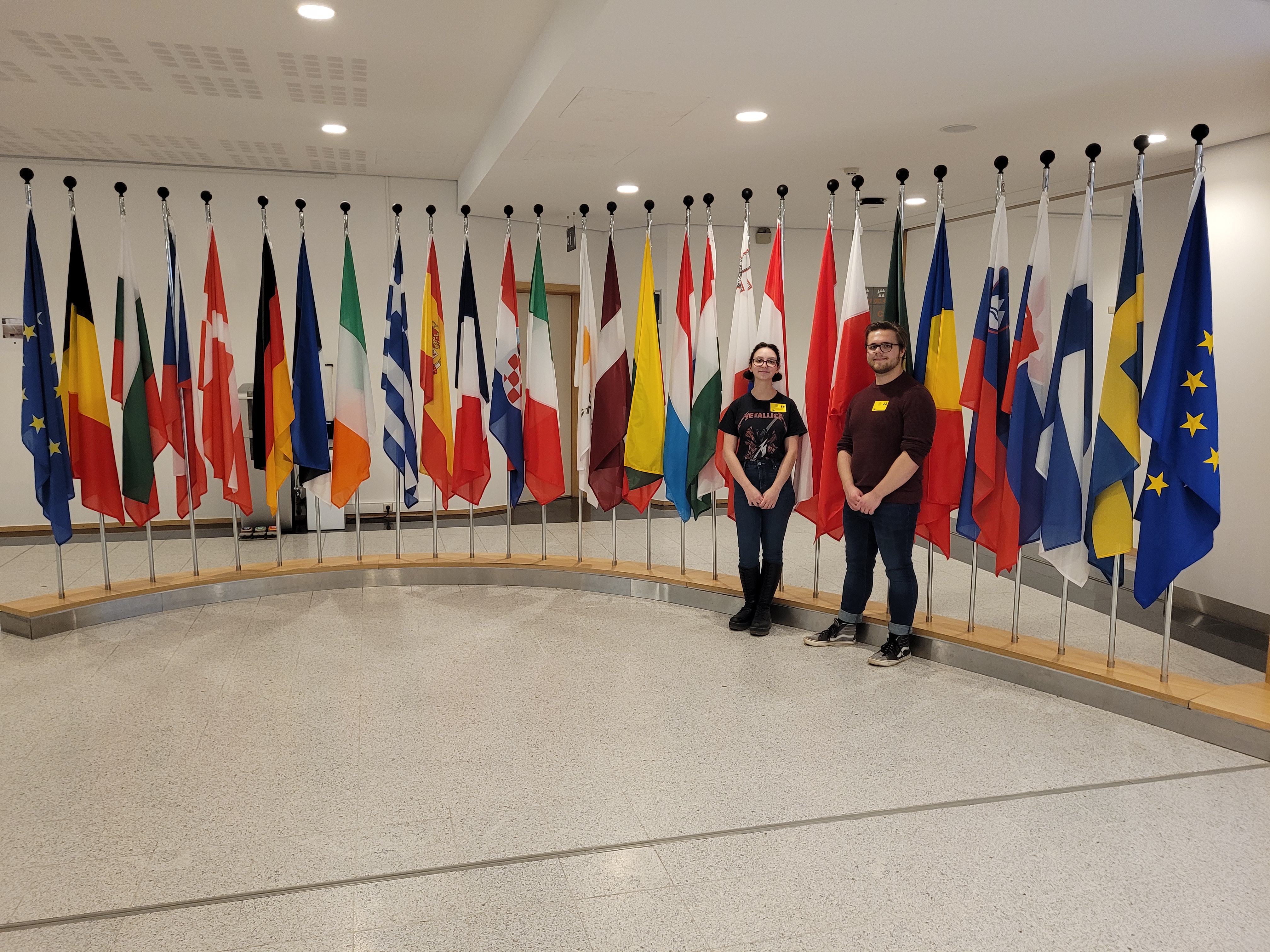
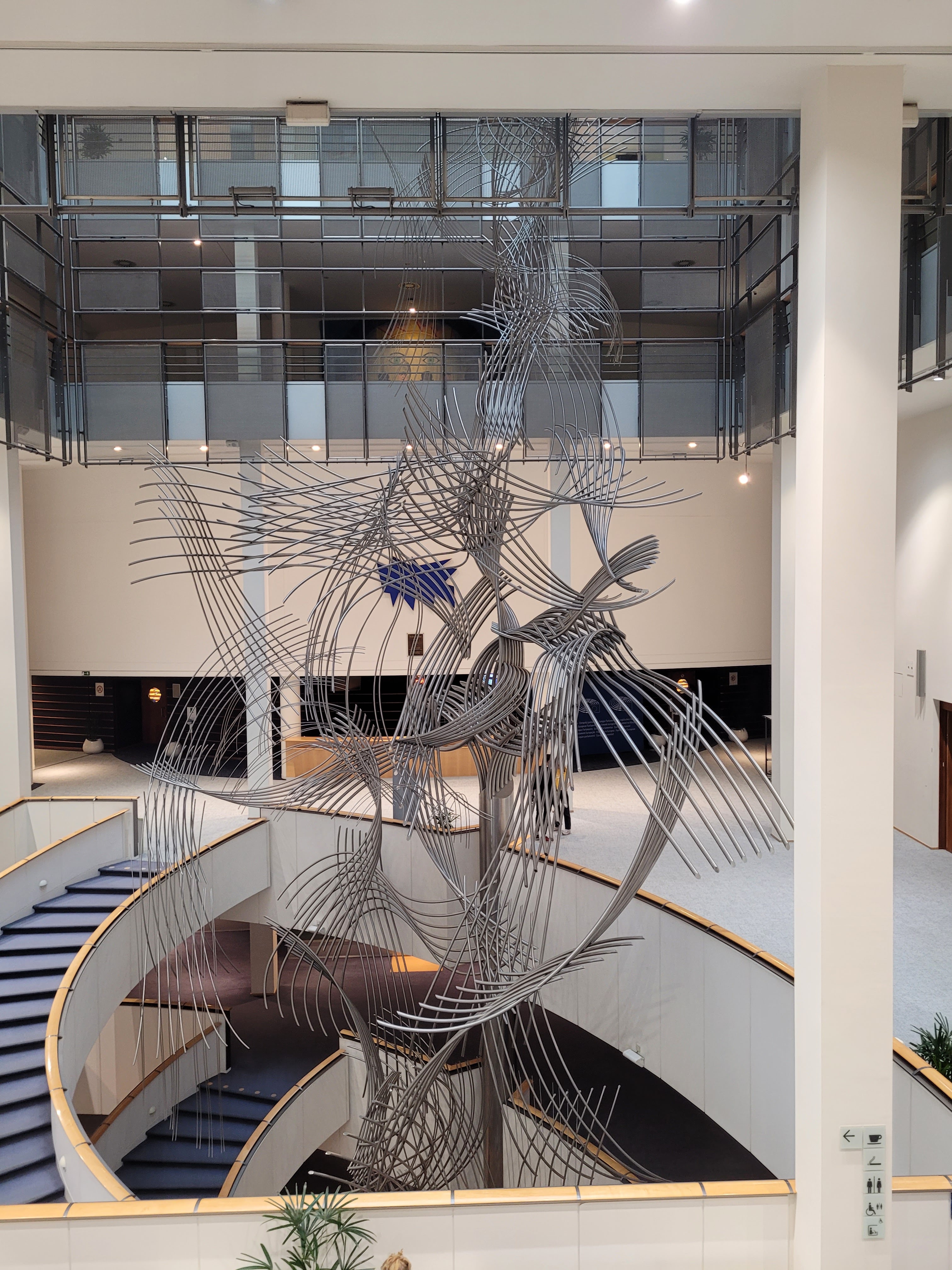
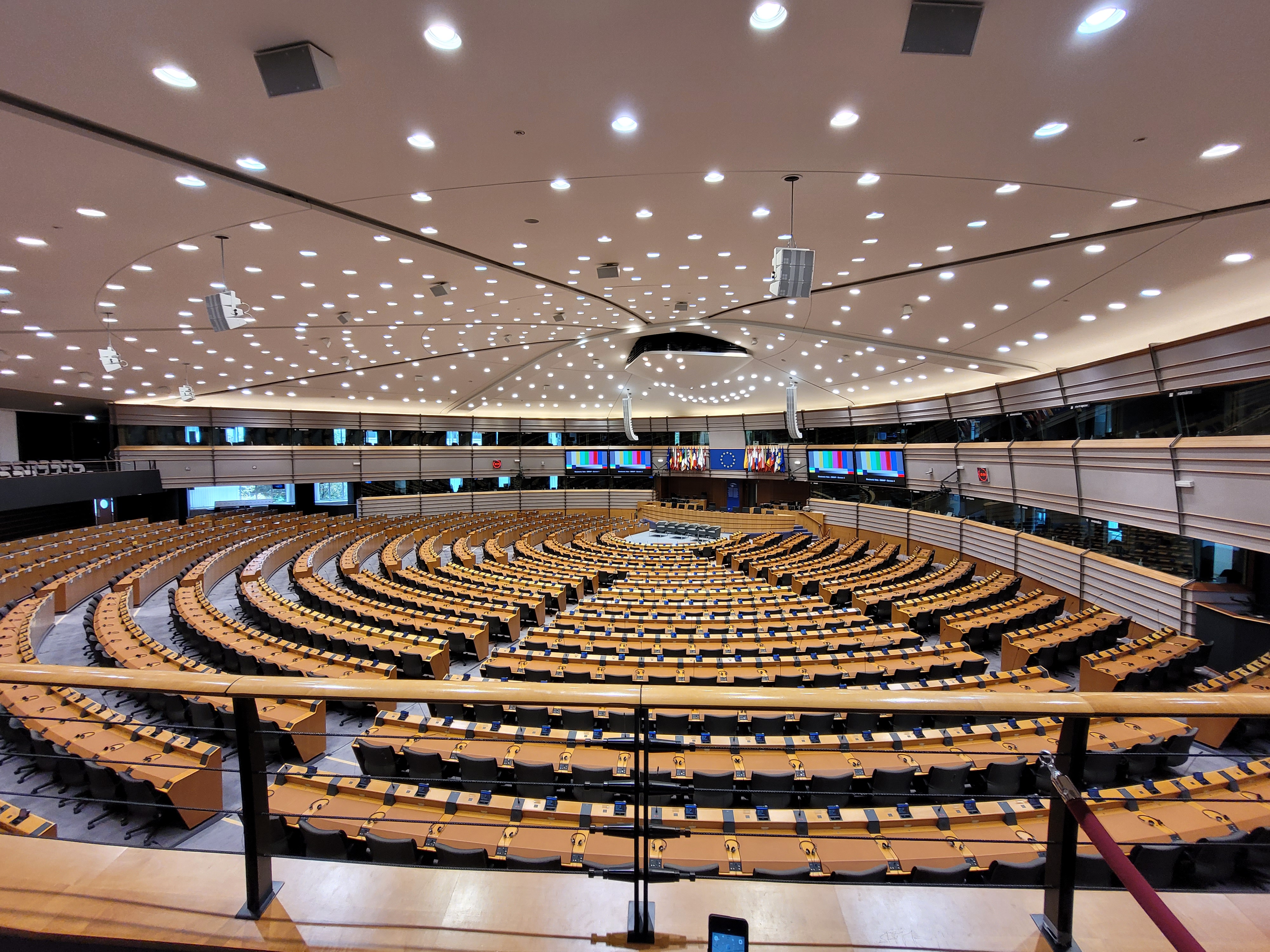
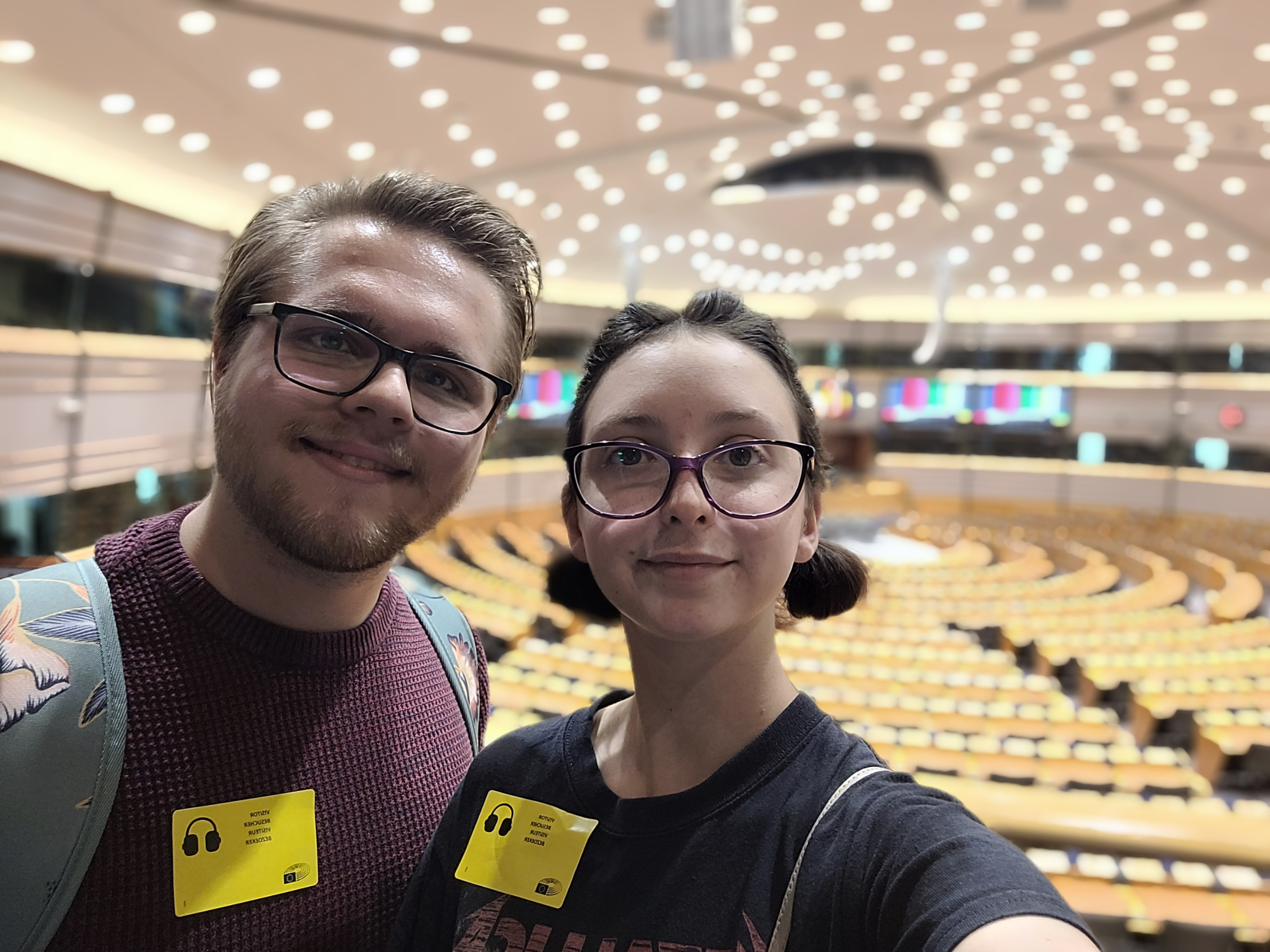
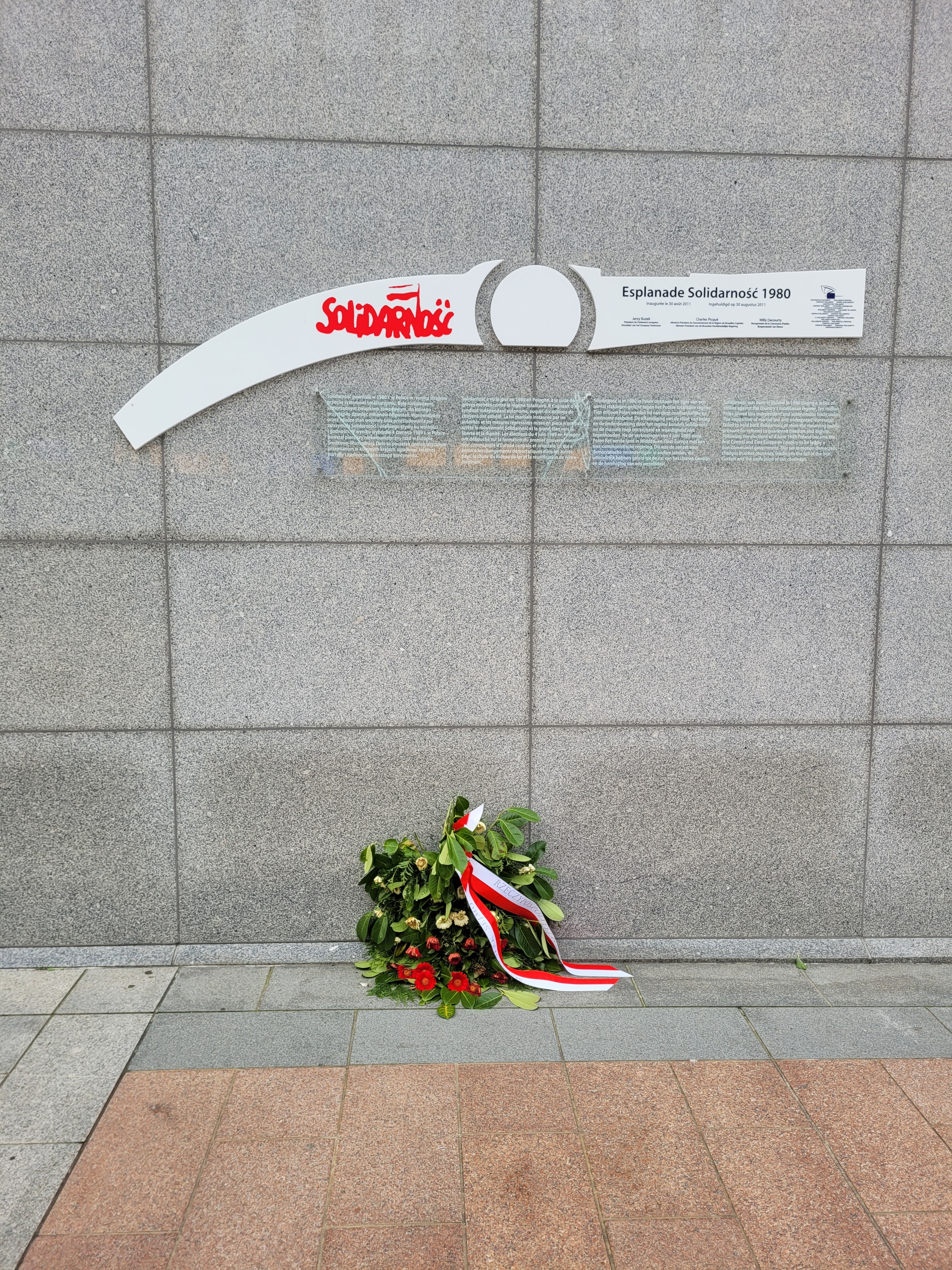
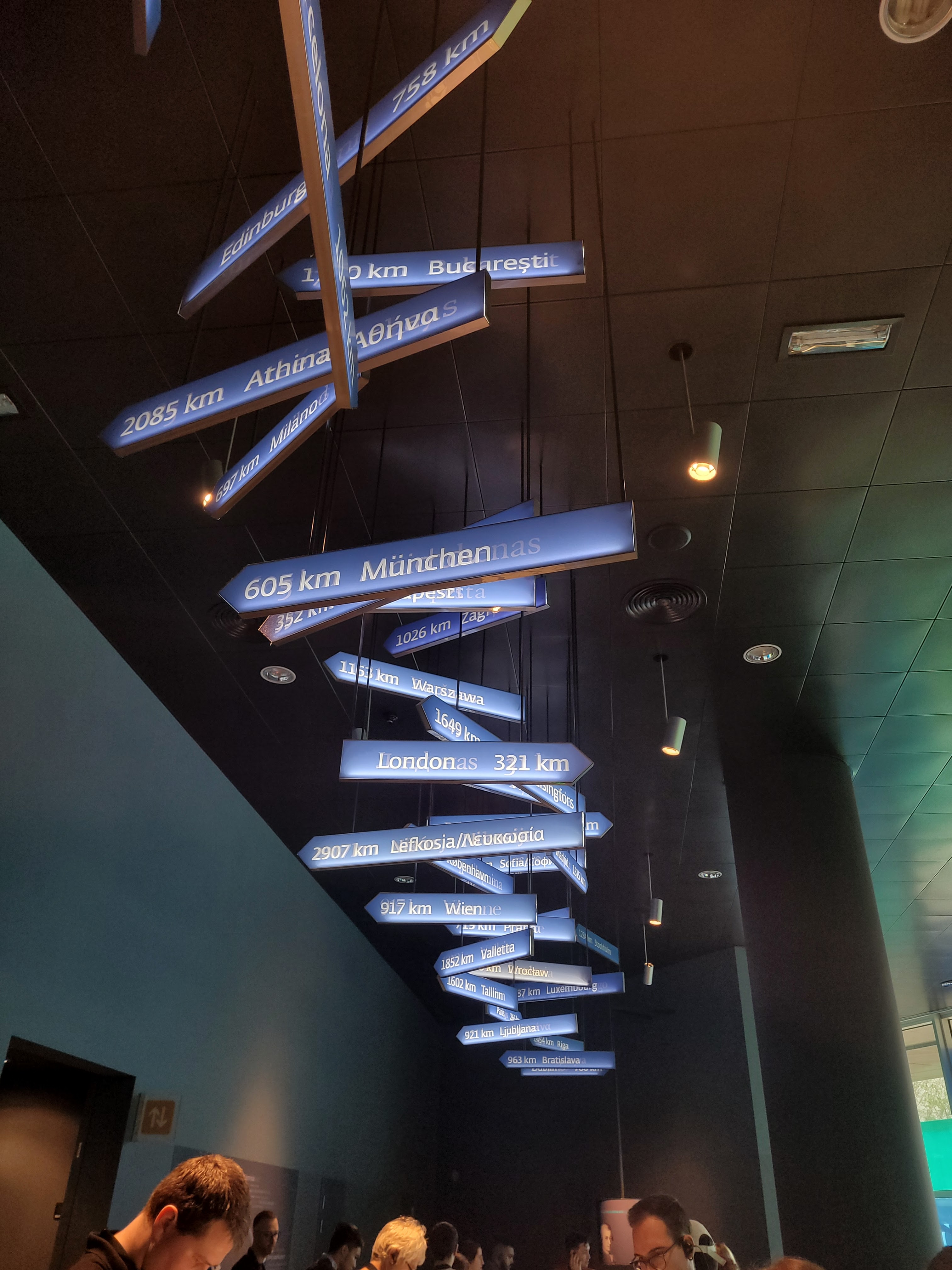
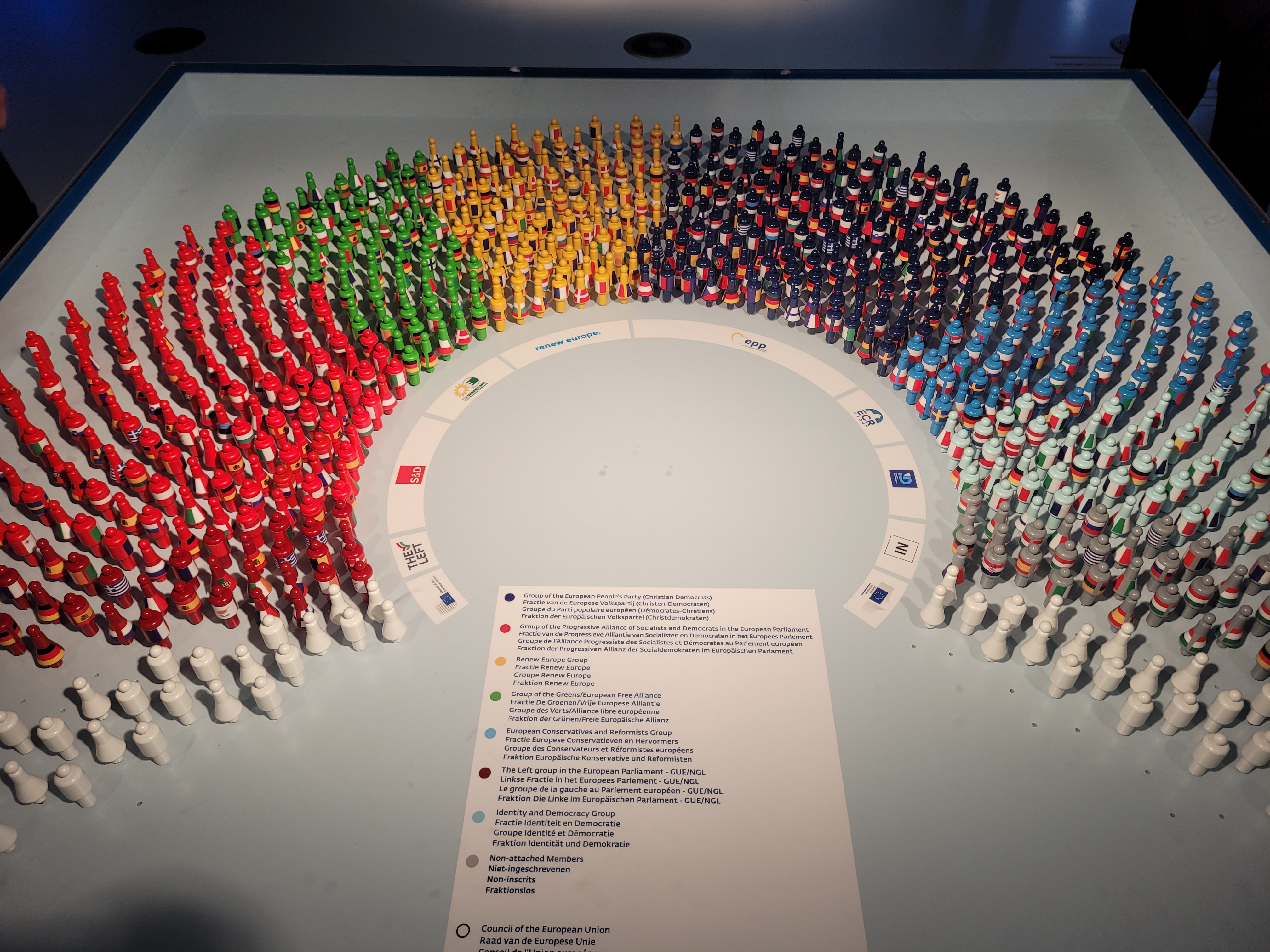
A visit to the EU begins with an audio-guided tour of the Europarliament, and then finished up in it’s museum which teaches you about the EU’s history and politics. It’s a very interactive and well-made museum, and, best of all, all of this is free! It’s definitely worth learning about one of the most unique institutions in the world.
Spots That Might Be Good
Coudenberg Palace
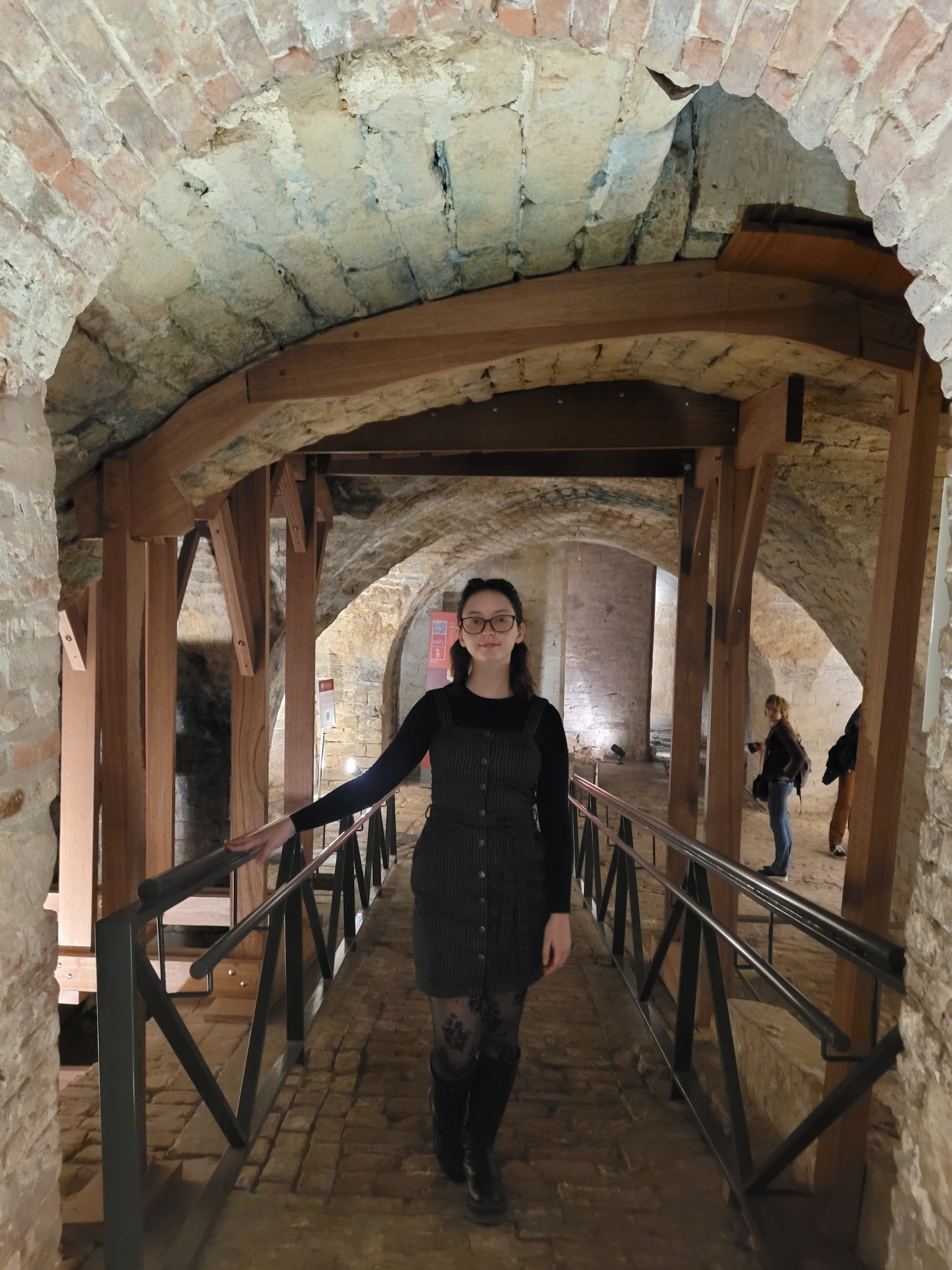
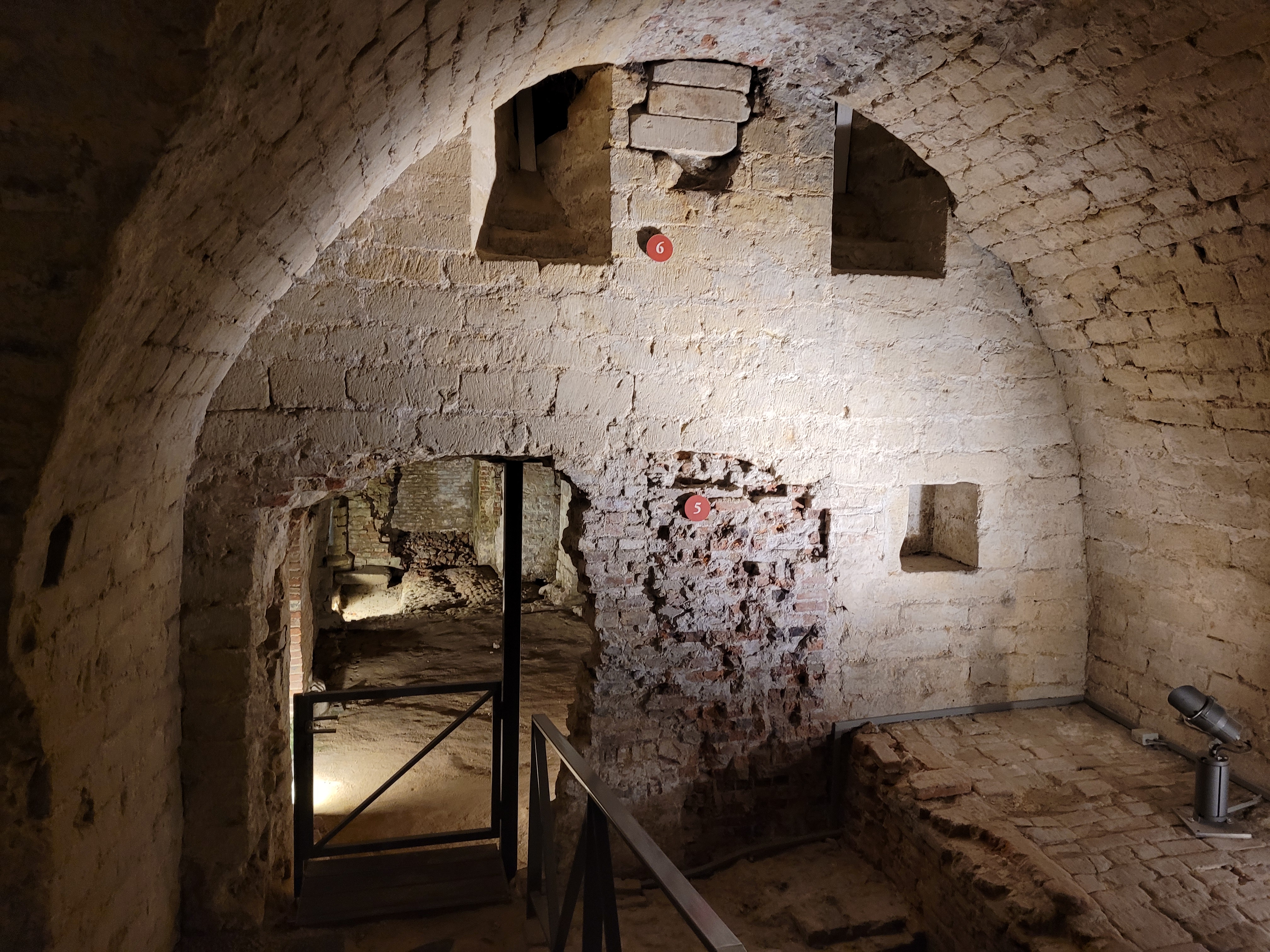
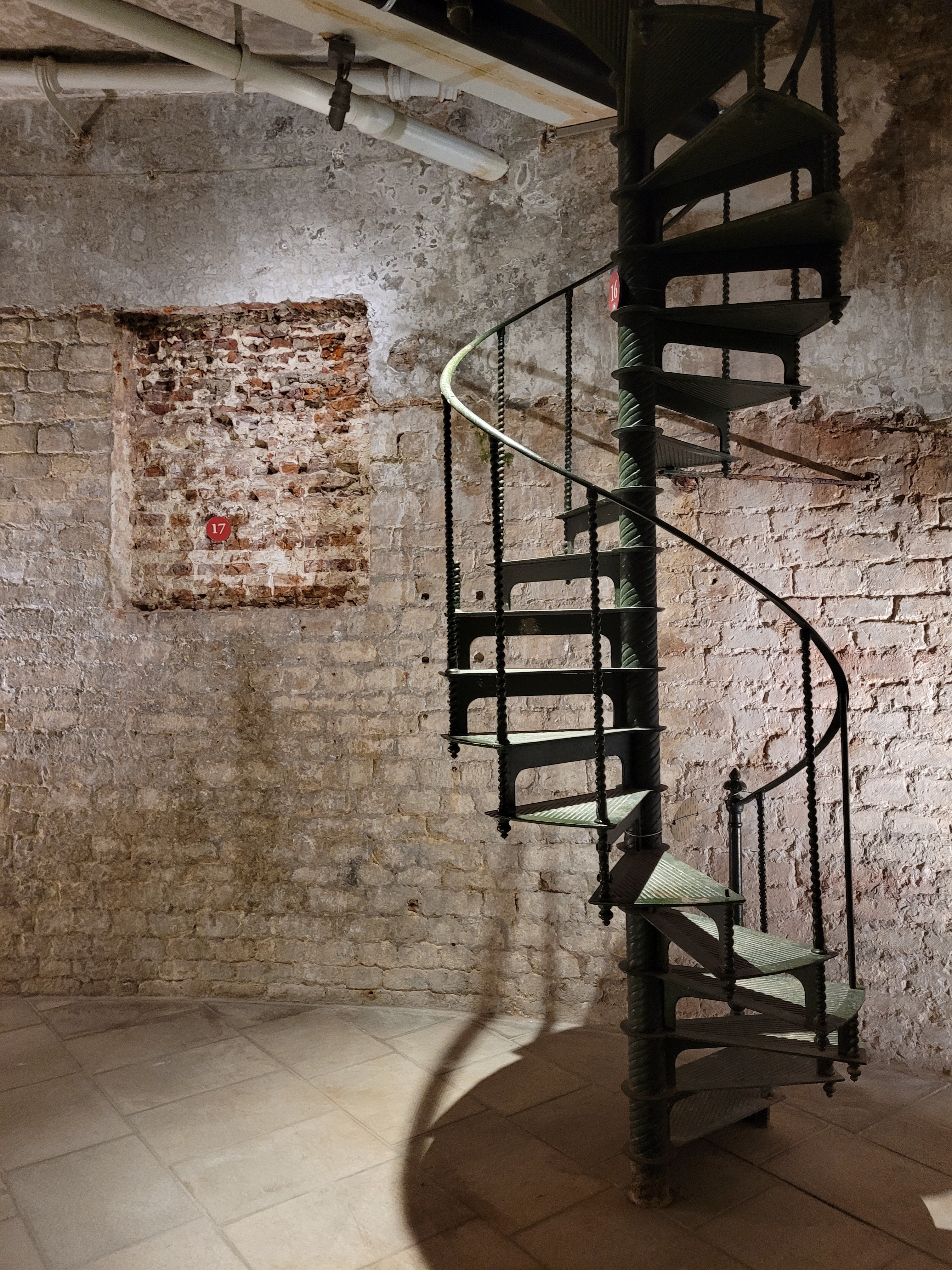
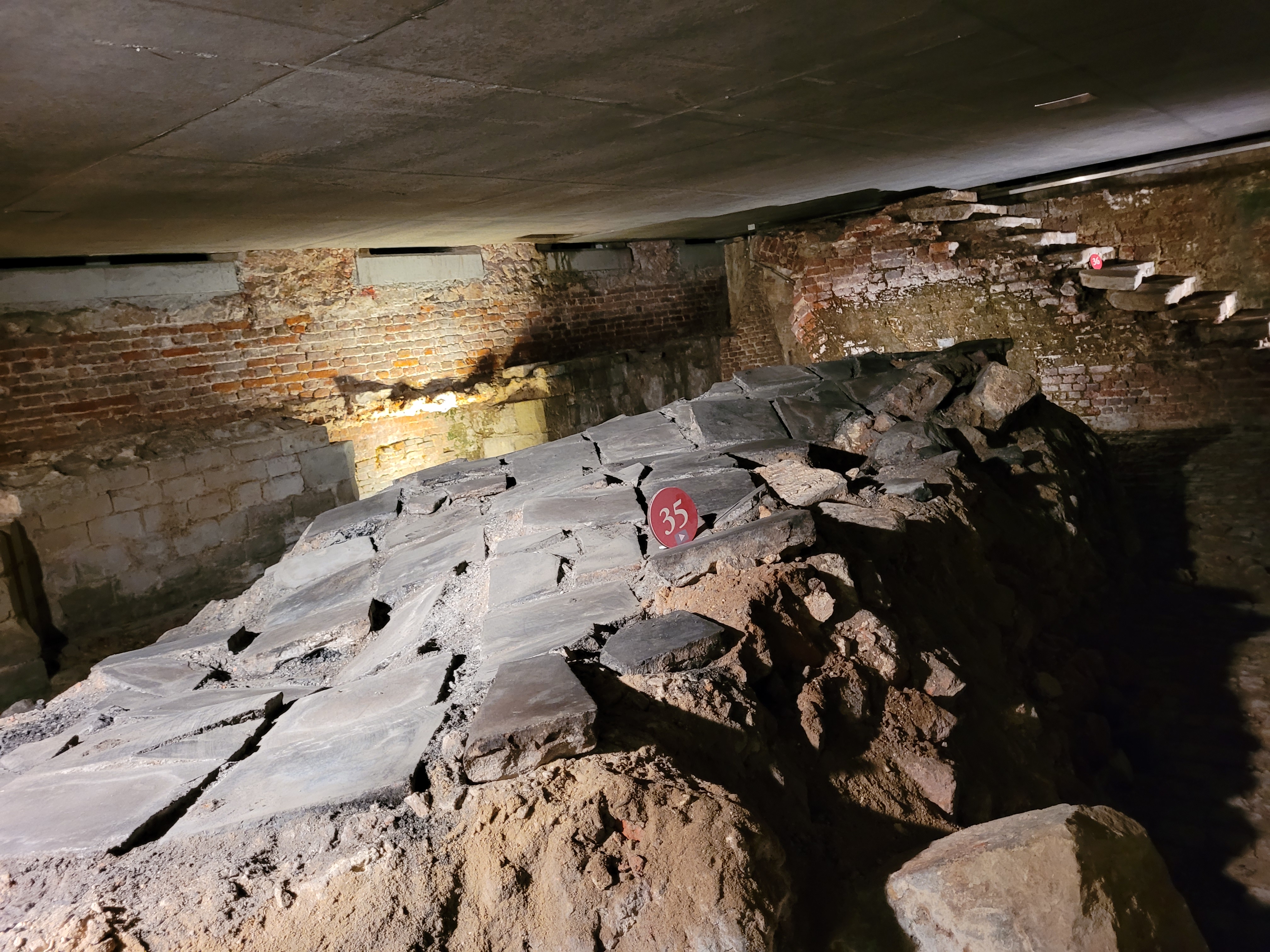
Before the current Royal Palace of Brussels was built, there was the Coudenberg Palace. The current royal residence was constructed on top of it, when Coudenberg burned down. The remains, located in the basement of the current Royal Palace, can now be visited to get an idea of what the palace once looked like. It’s an archaeological site crossed over with a museum, and you can learn a bit about the history of Brussels and Belgium. I put this one down in the “might be good” section because it is far from a must-see, and will only really appeal if you’re a big history fan.
Belgian Chocolate Village Museum
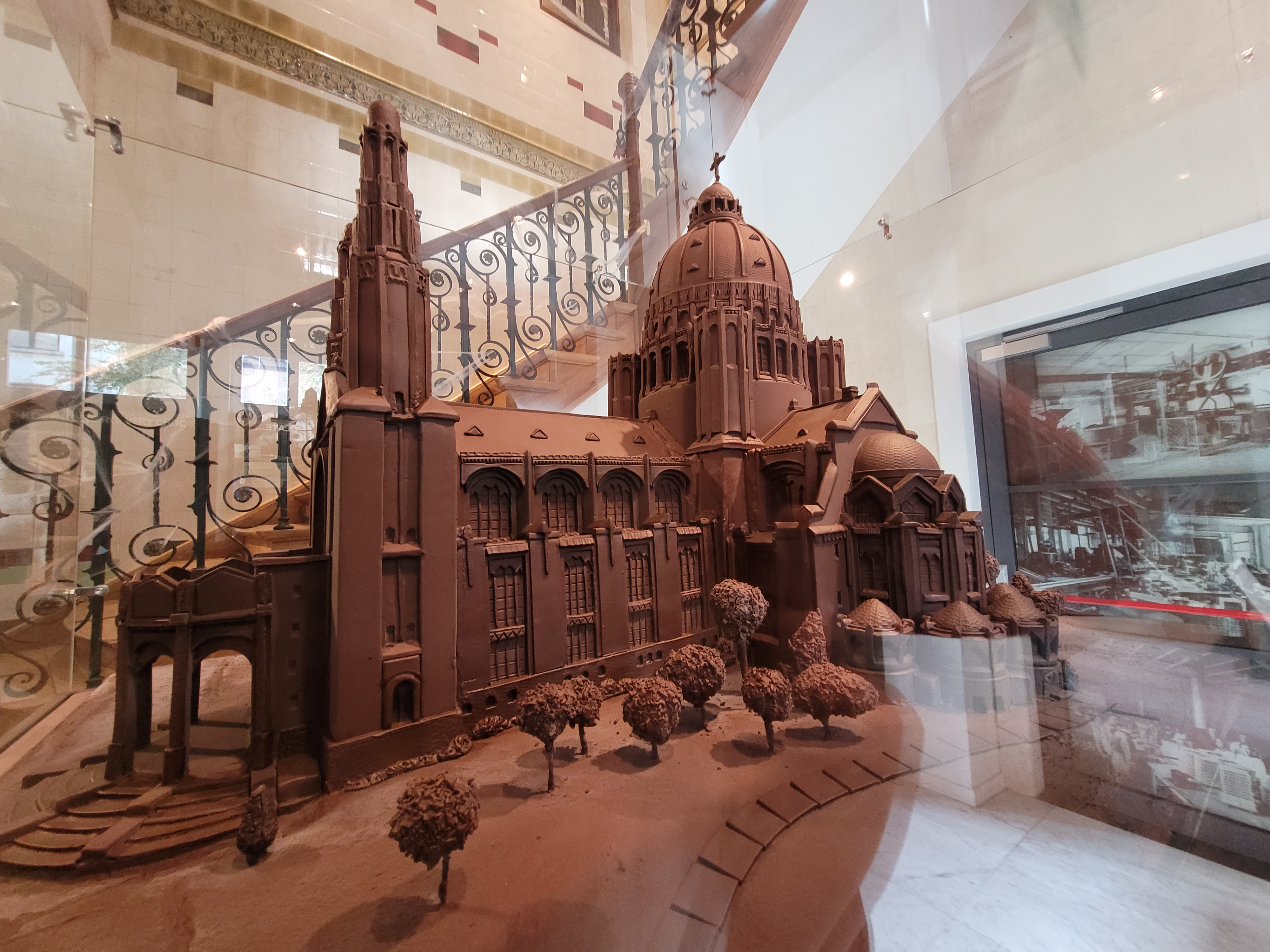
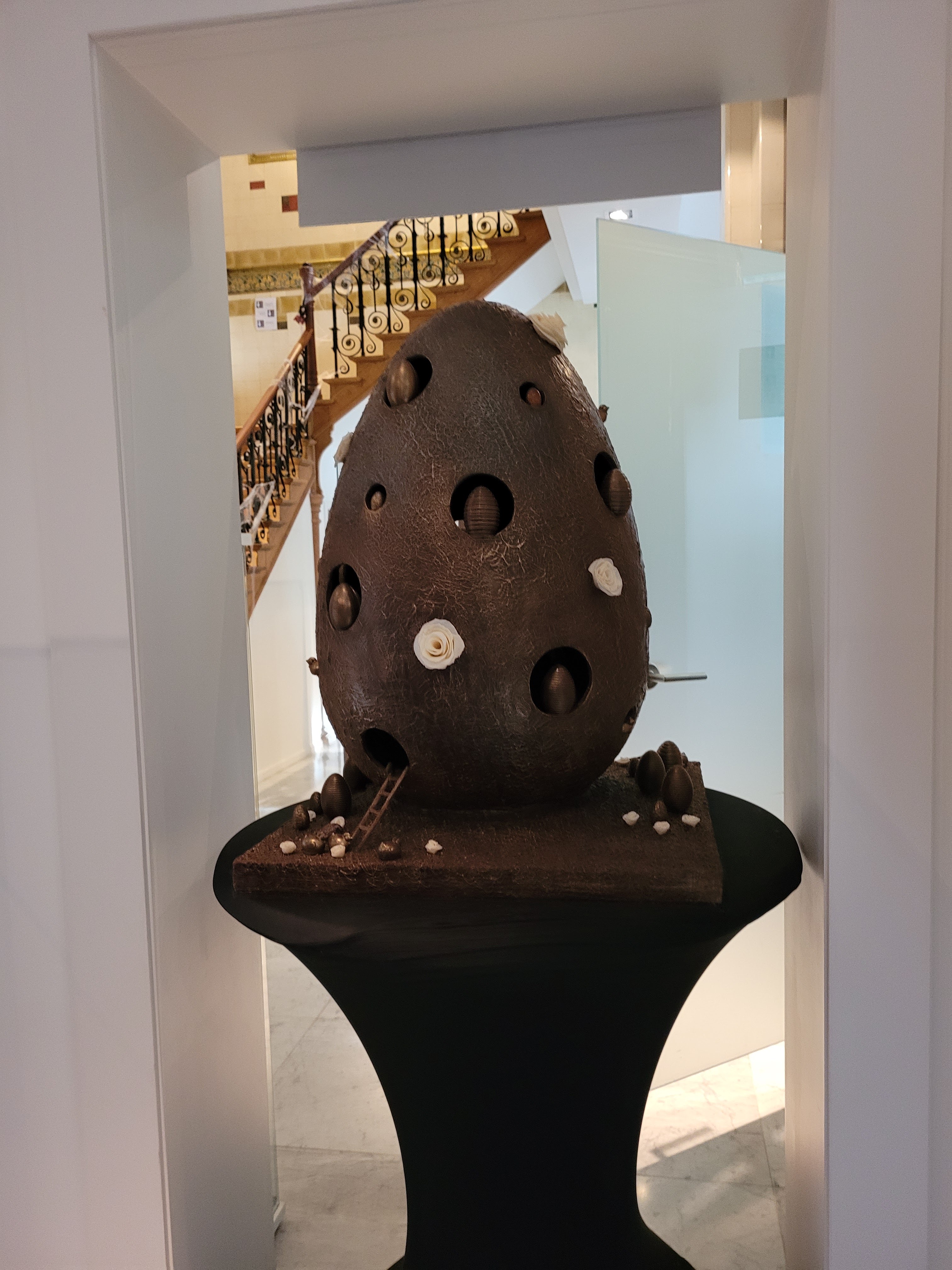
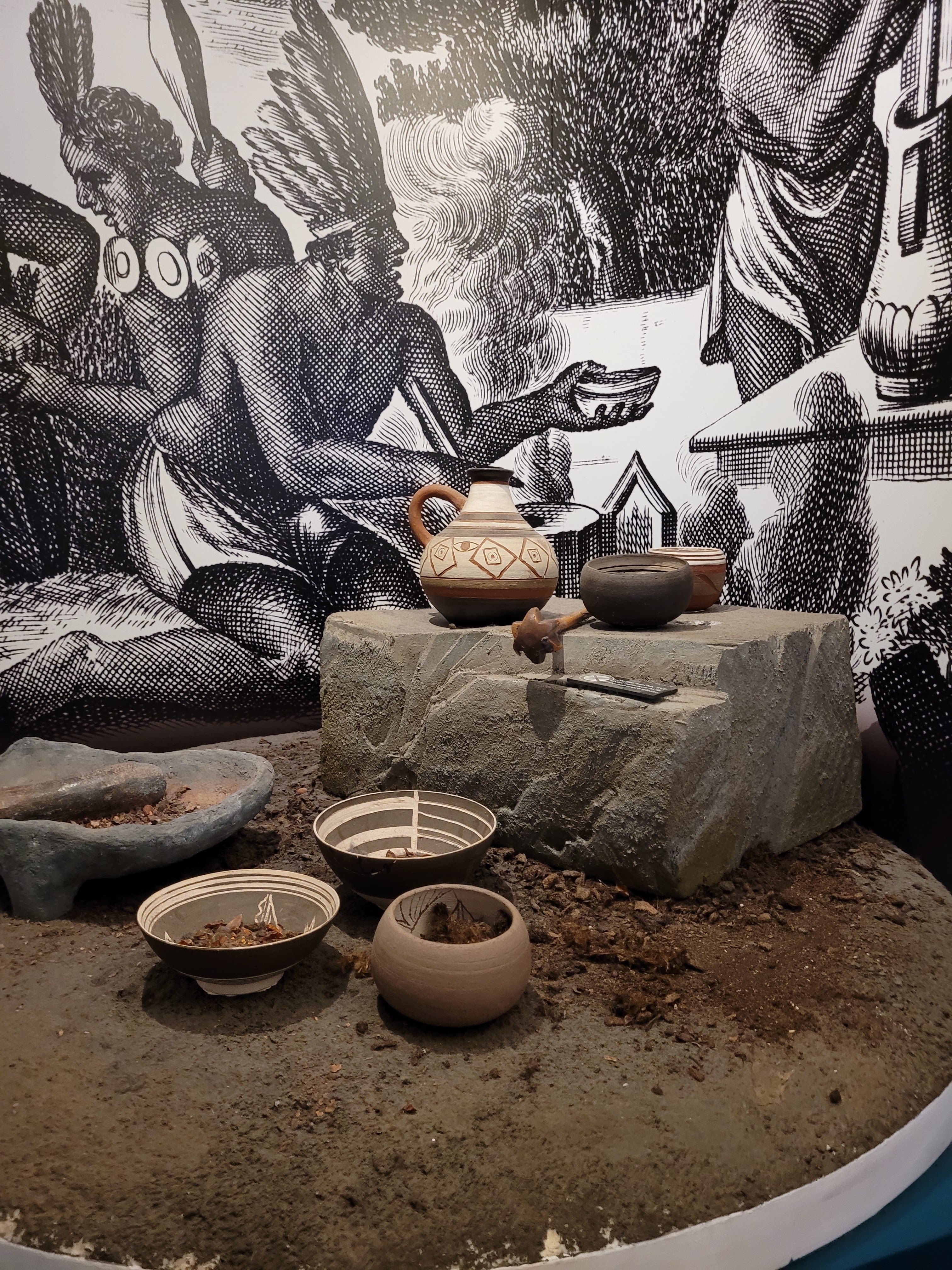
As far as chocolate museums go, the Belgian Chocolate Village Museum is fine. You learn a bit about the process of chocolate, and experienced chocolatiers will guide you through the process in the kitchen. You can also have some hot chocolate and truffles at the end, included in the ticket. Overall, a nice experience, but very similar to other such attractions.
Museum of Erotics and Mythology
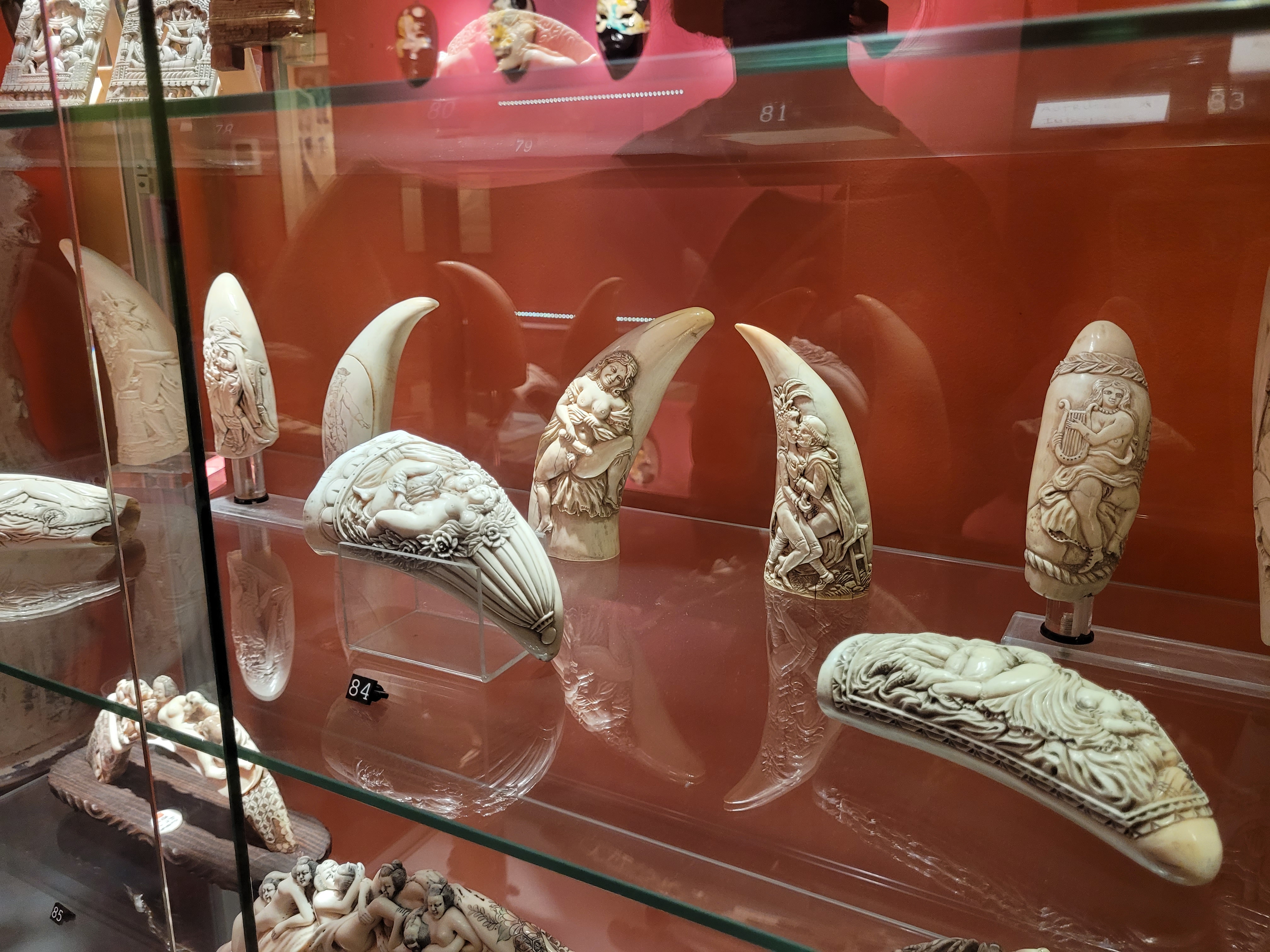
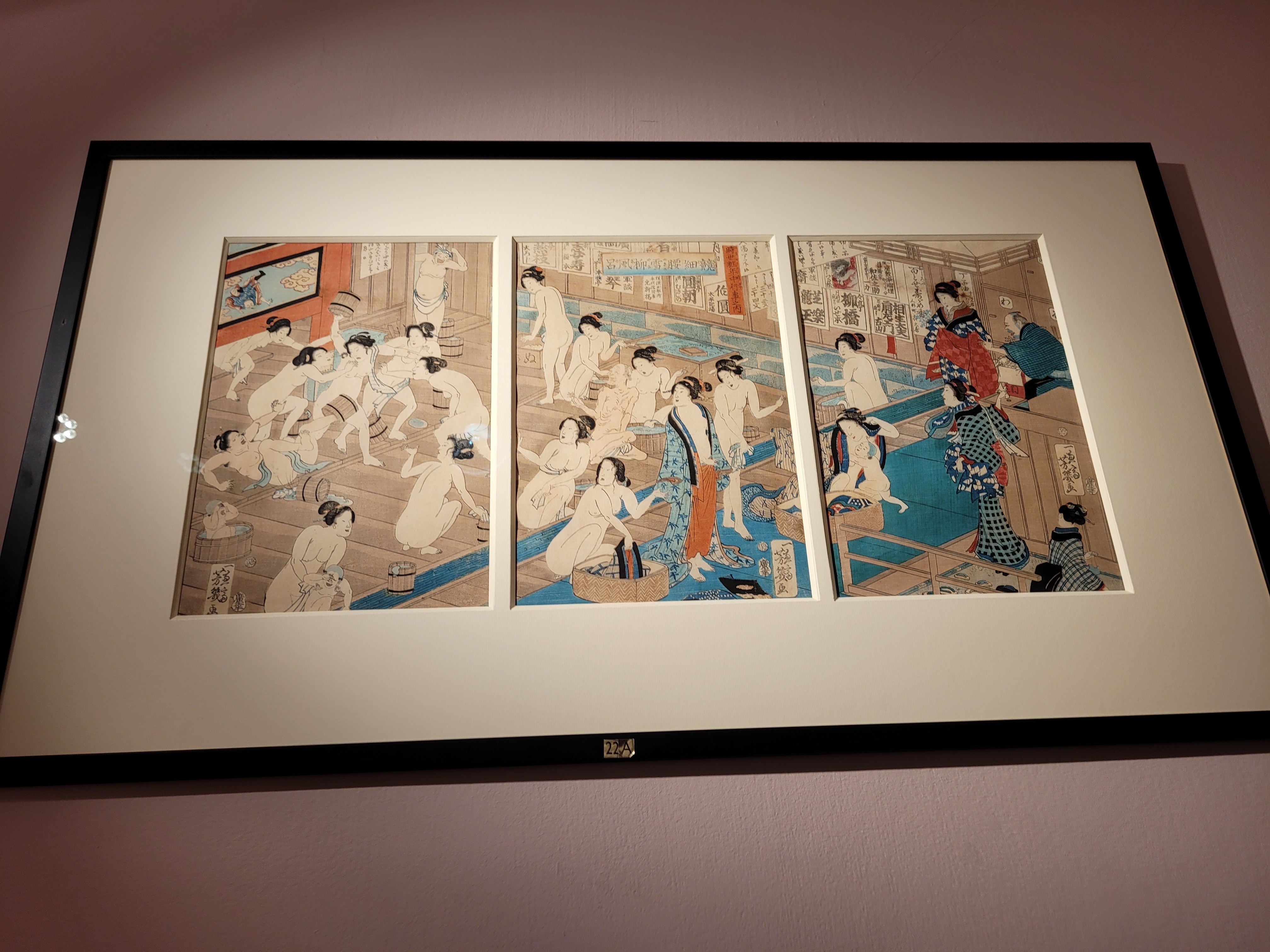
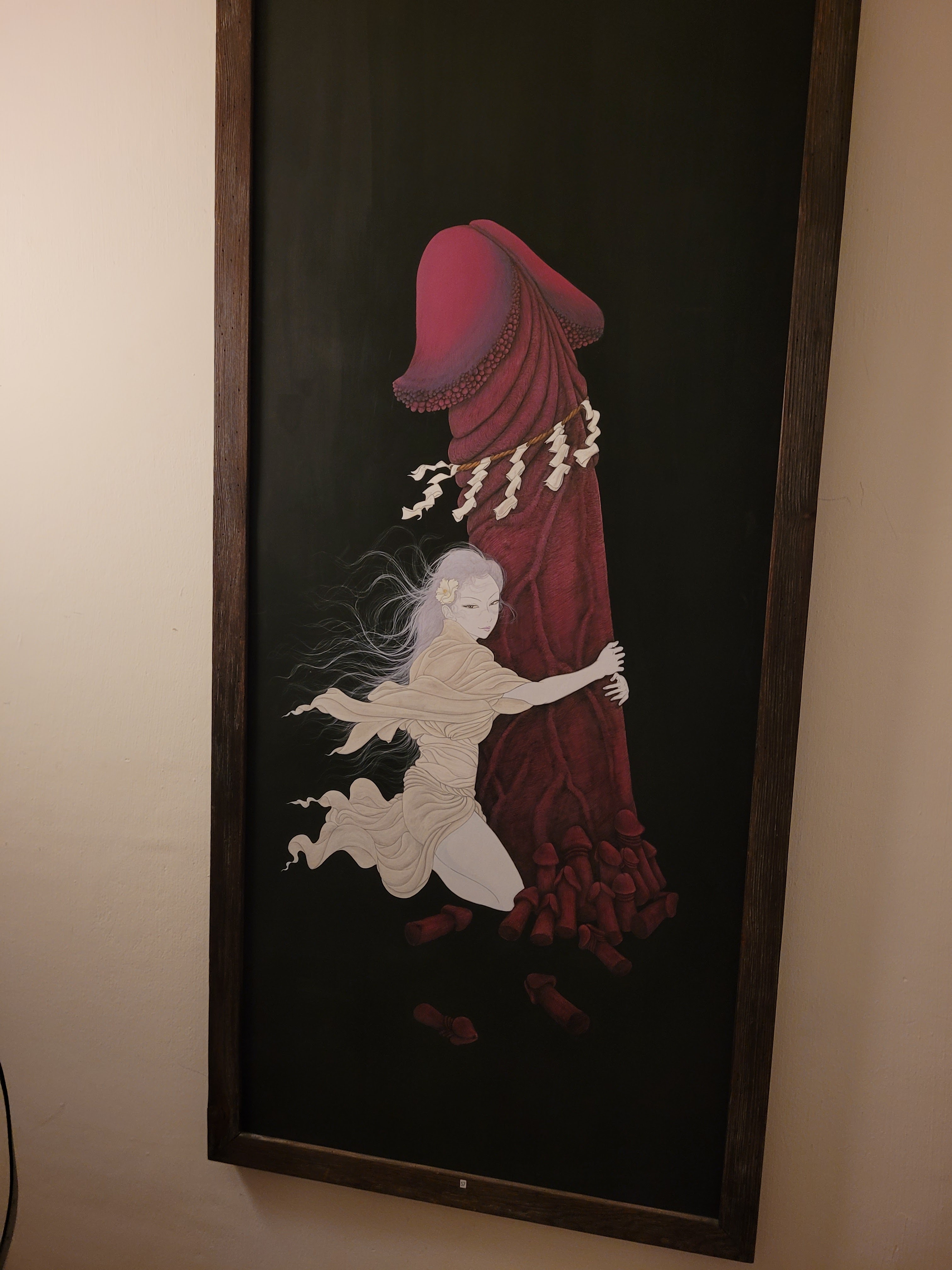
A quaint little museum displaying erotic art and sex toys from across the globe, spanning thousands of years. It’s interesting, and at times, very funny, but it is very small (only 2 rooms – you can spend about half an hour to an hour in here), and has quite a large price tag attached to it, so you’ll need to make a judgement call whether you’re actually interested in such a place.
Conclusion
Brussel’s reputation is certainly undeserved. It is a cosmopolitan and attractive city, right in the centre of Europe, and you’d be a fool to miss it.
 We May Roam