
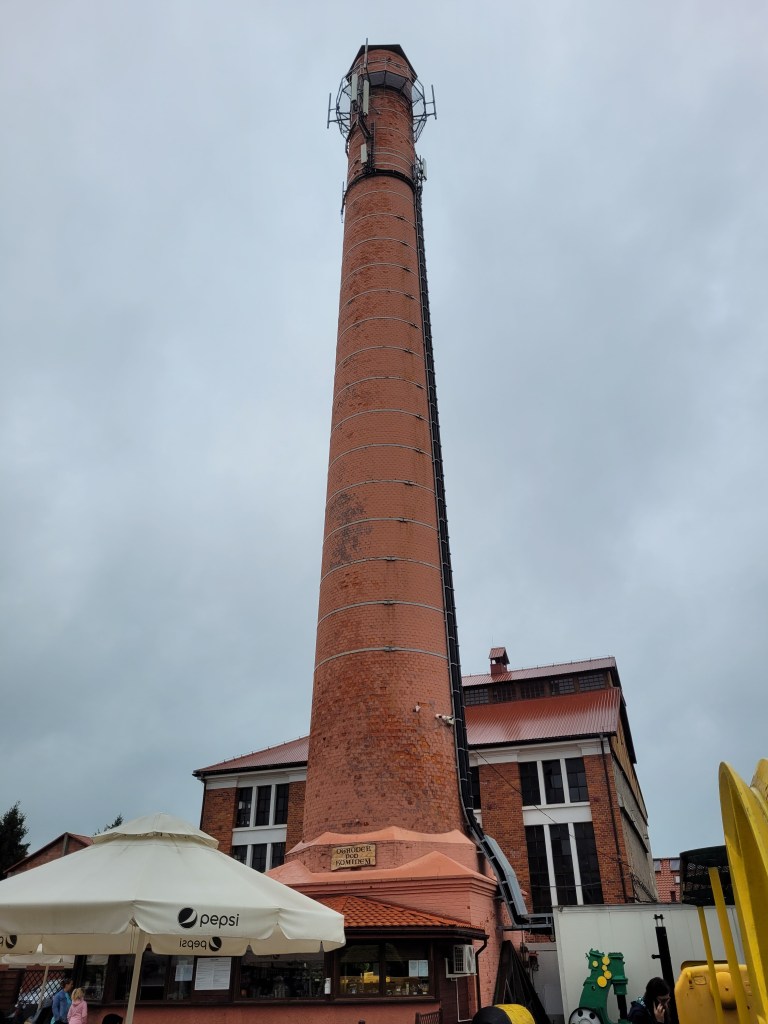
When the words Krakow and salt mine appear together, the word that immediately pops into one’s mind is Wielicka. There is, however, a second salt mine located near Krakow in the town of Bochnia. I had been to Wielicka several times already, and so, on a rainy day, I decided to escape the downpour underground, into the depths of the Bochnia Salt Mine.
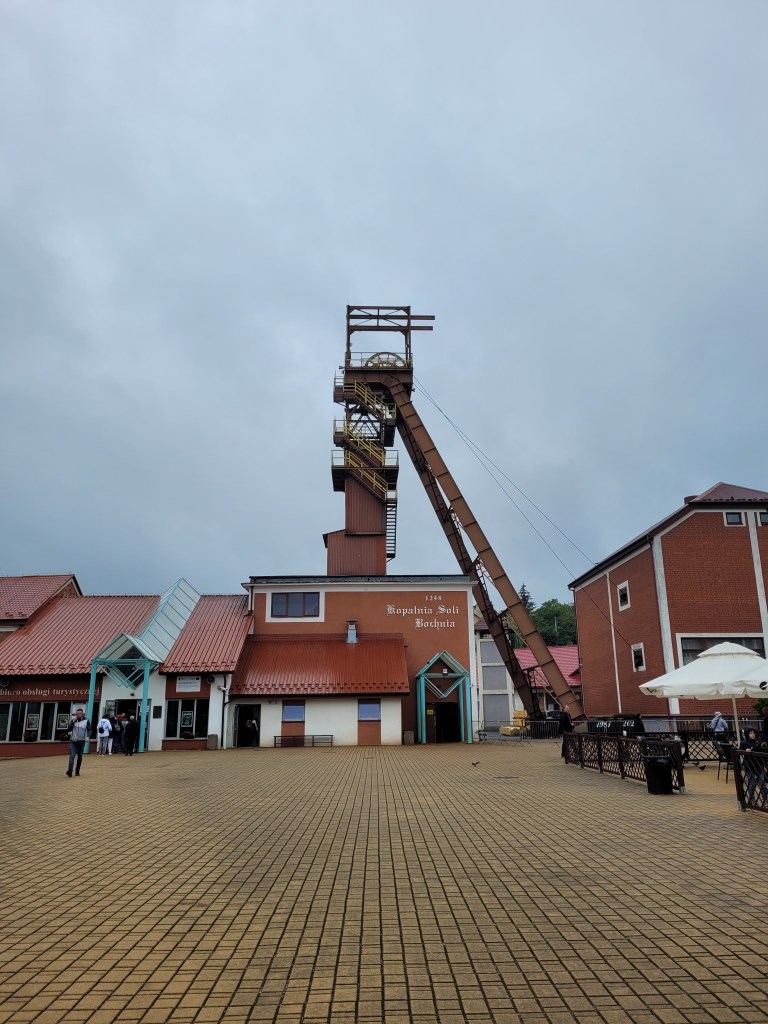
I purchases tickets online, which I recommend, as the queue for the ticket office was huge and slow moving. The tour begins with a trip around 100m underground through the Campi shaft.
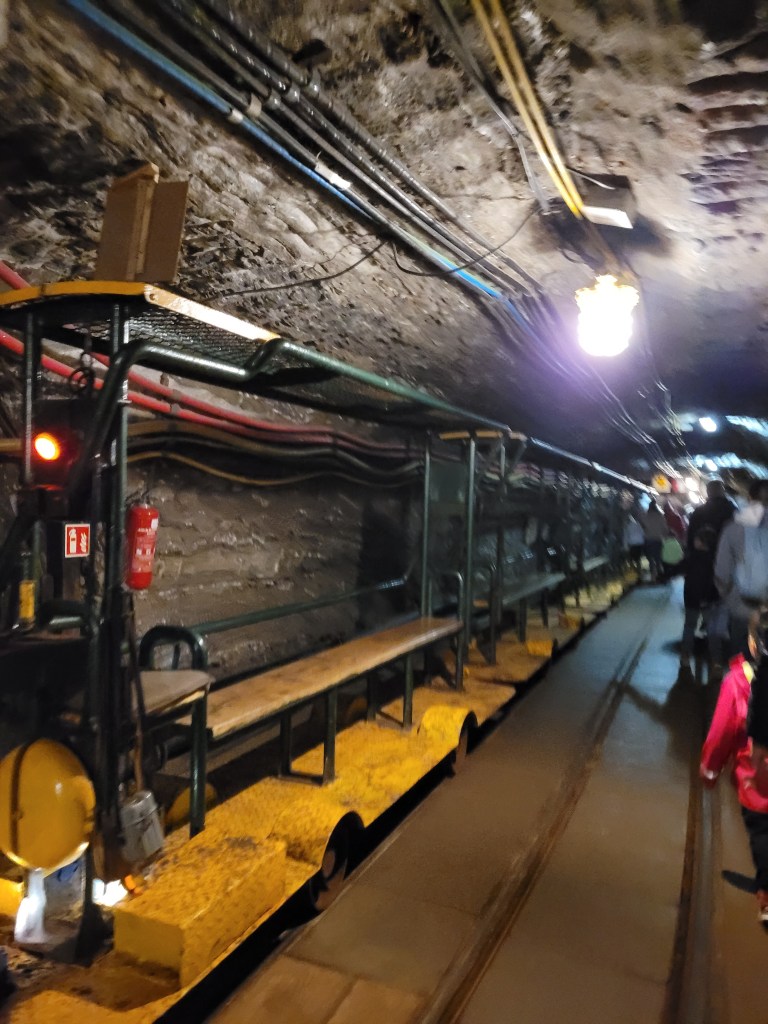
Once in the shaft, the tour guide explained the rules of the mine, and how we should behave, then invited us to take a ride on an old miner’s train. The train moves rather quickly, and the ride is quite bumpy, but it is an exhilarating experience to ride the train that salt miners would have once taken.
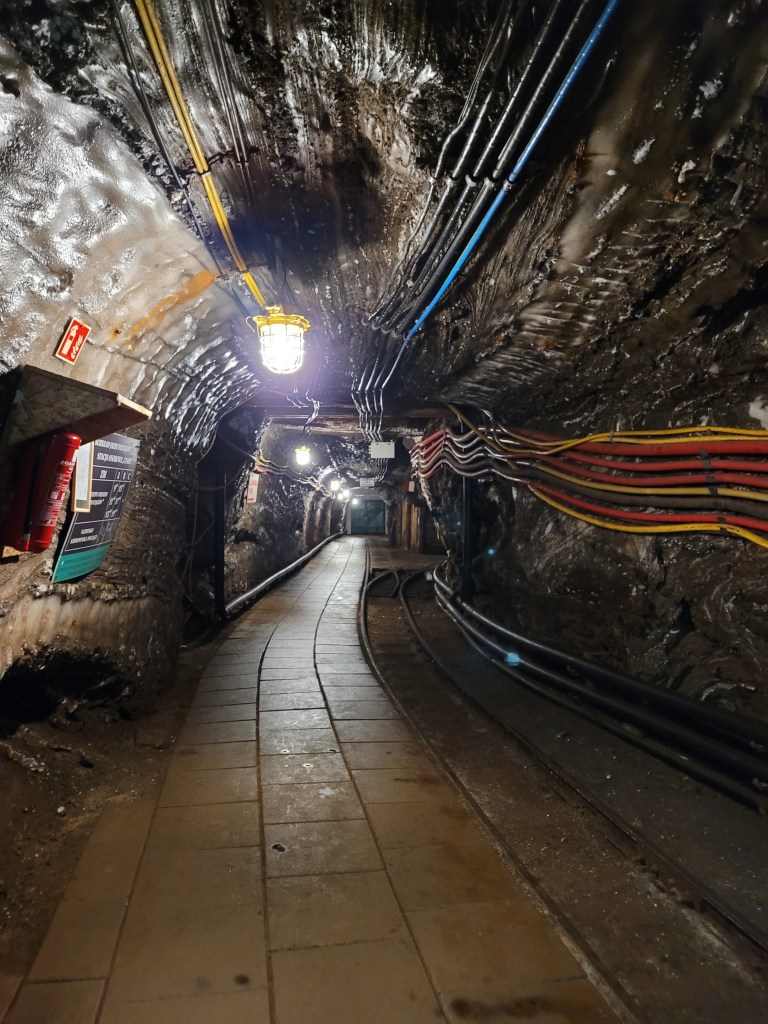
After a half-kilometre walk, you are taken to an airlock, where you meet a projection of one of the monks who first instructed the Poles as to how to create such a mine. Such holograms tell the story of the mine throughout the trip, including figures such as the Polish kings Boleslaw the Shy and Casimir the Great. This is in addition to the already very knowledgeable tour guide.
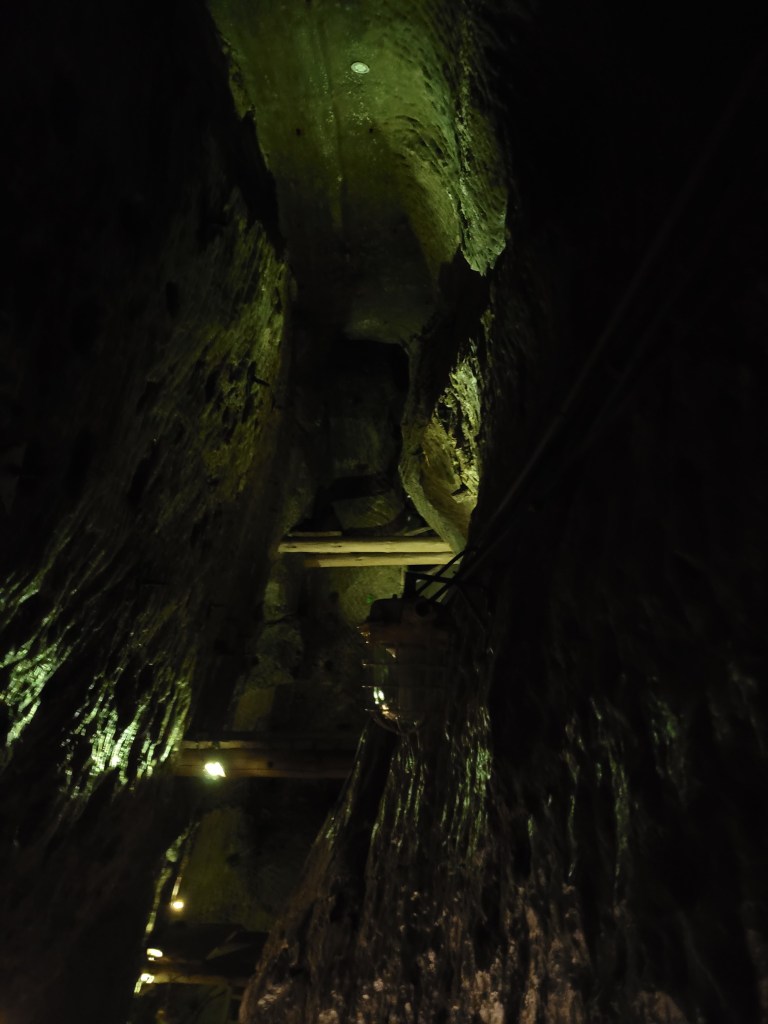
During the tour, you walk back along the route you had already walked, meeting other characters from the mine’s history, as well as being taken into a few side passages to see sights like stables and mining. This really allows you to see how the miners operated throughout the existence of the mine.
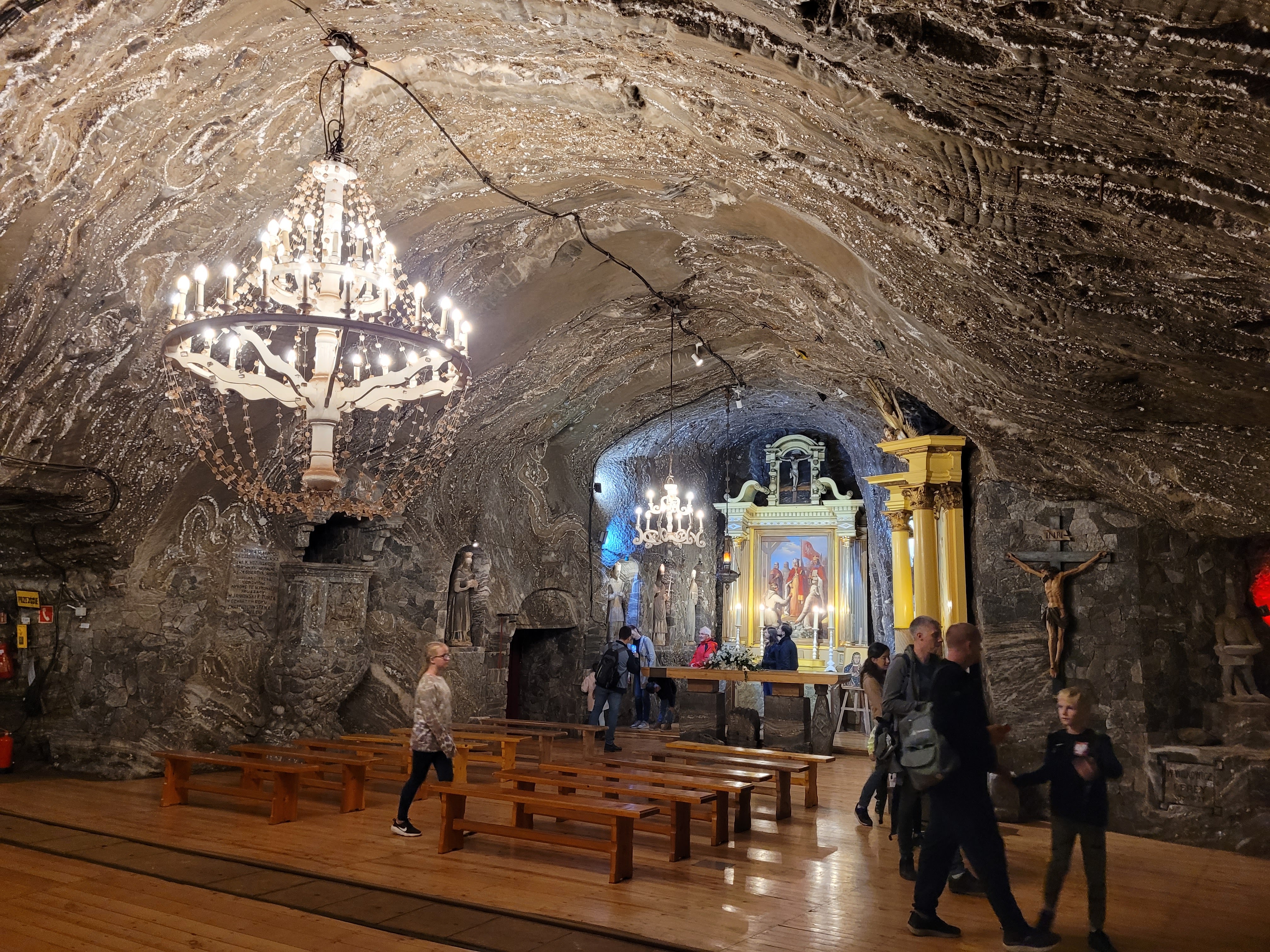
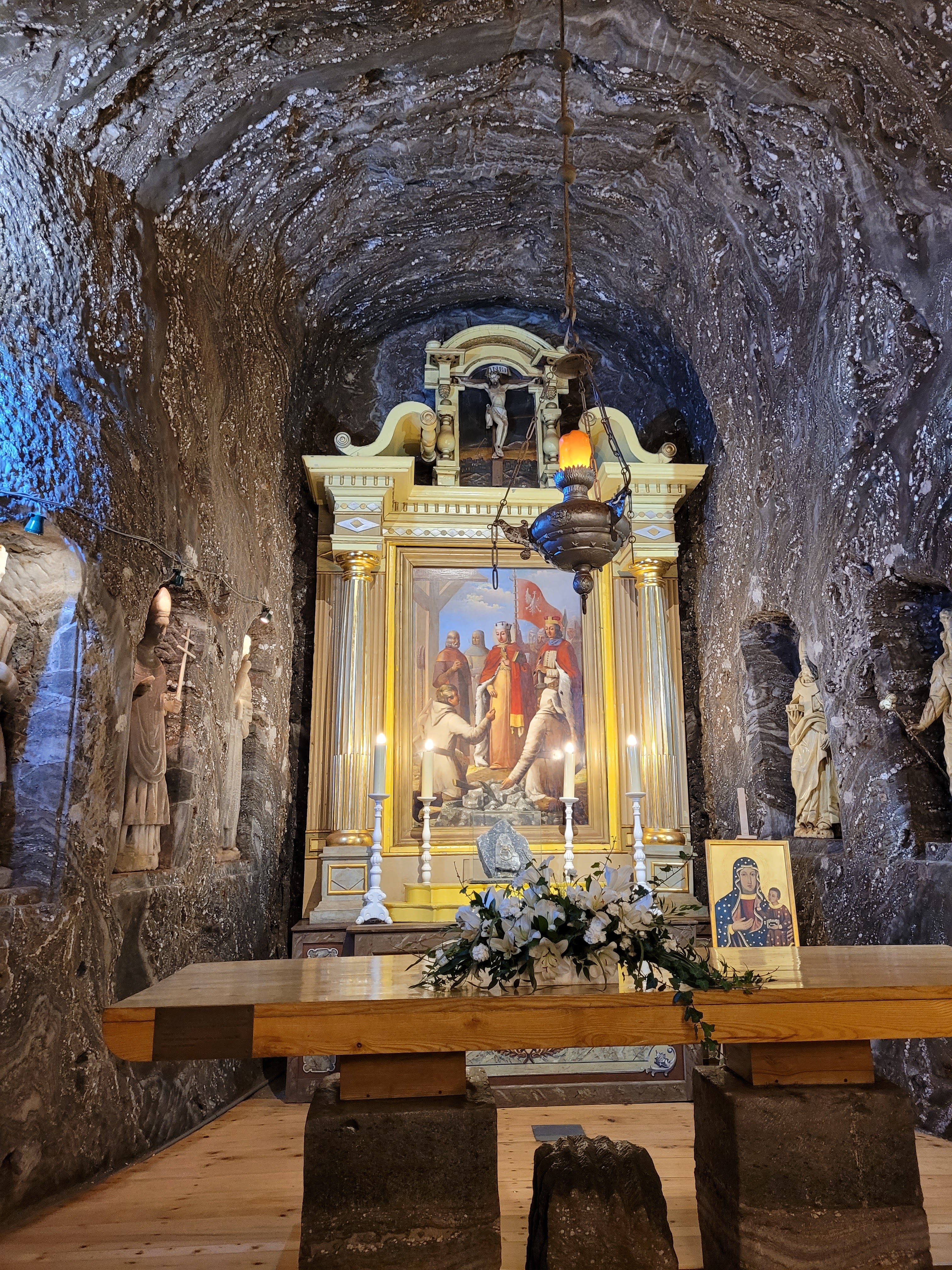
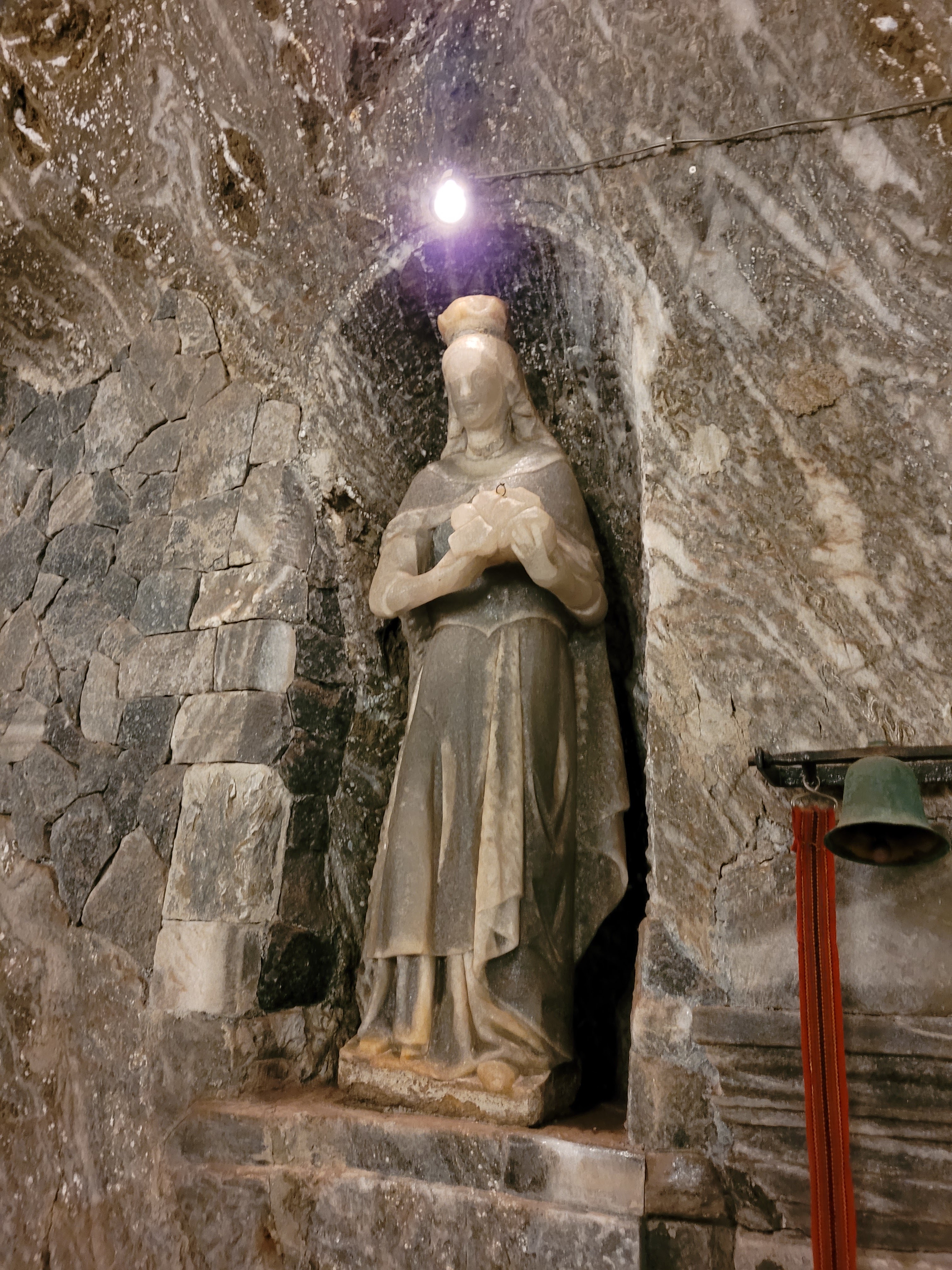
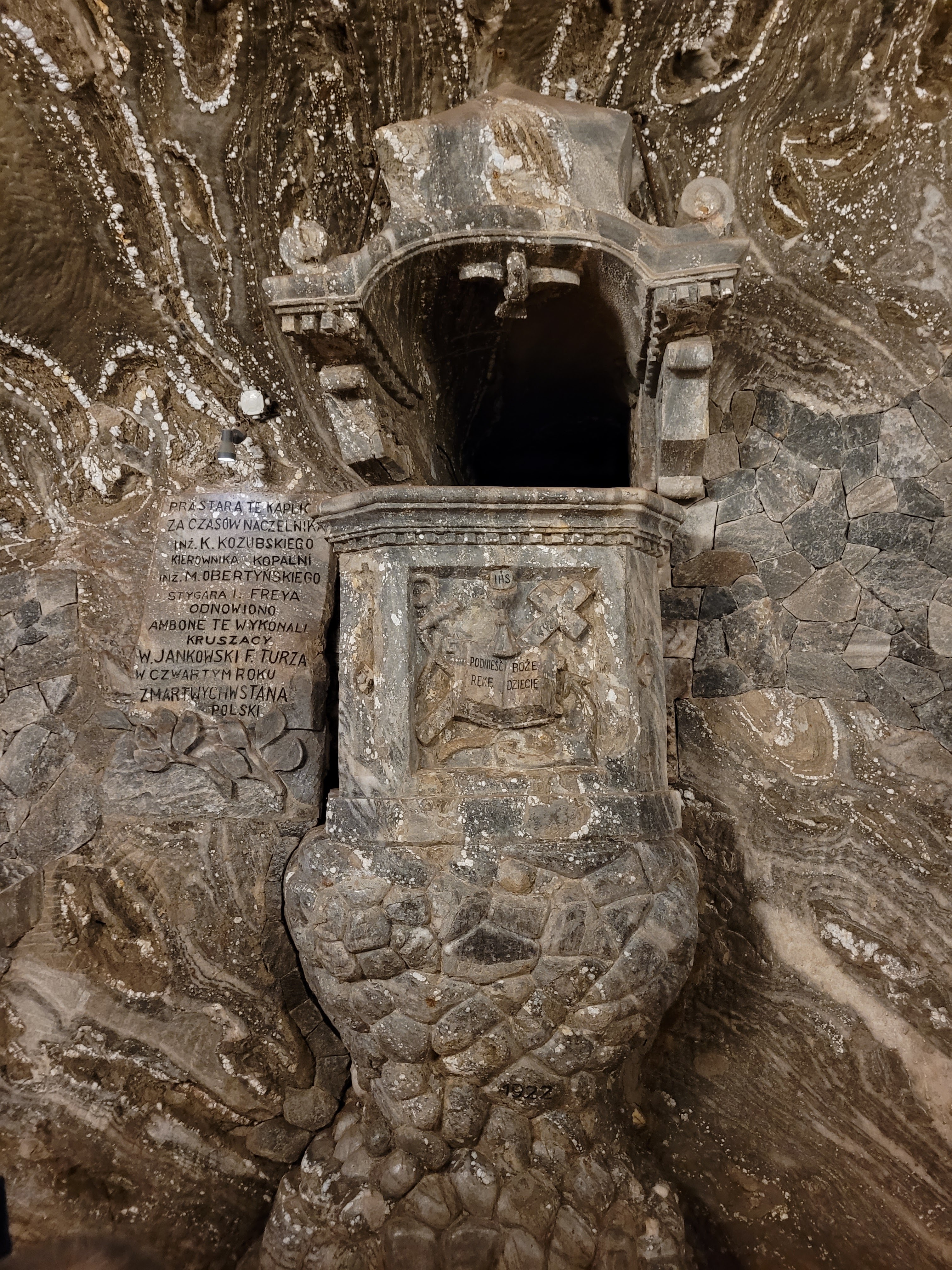
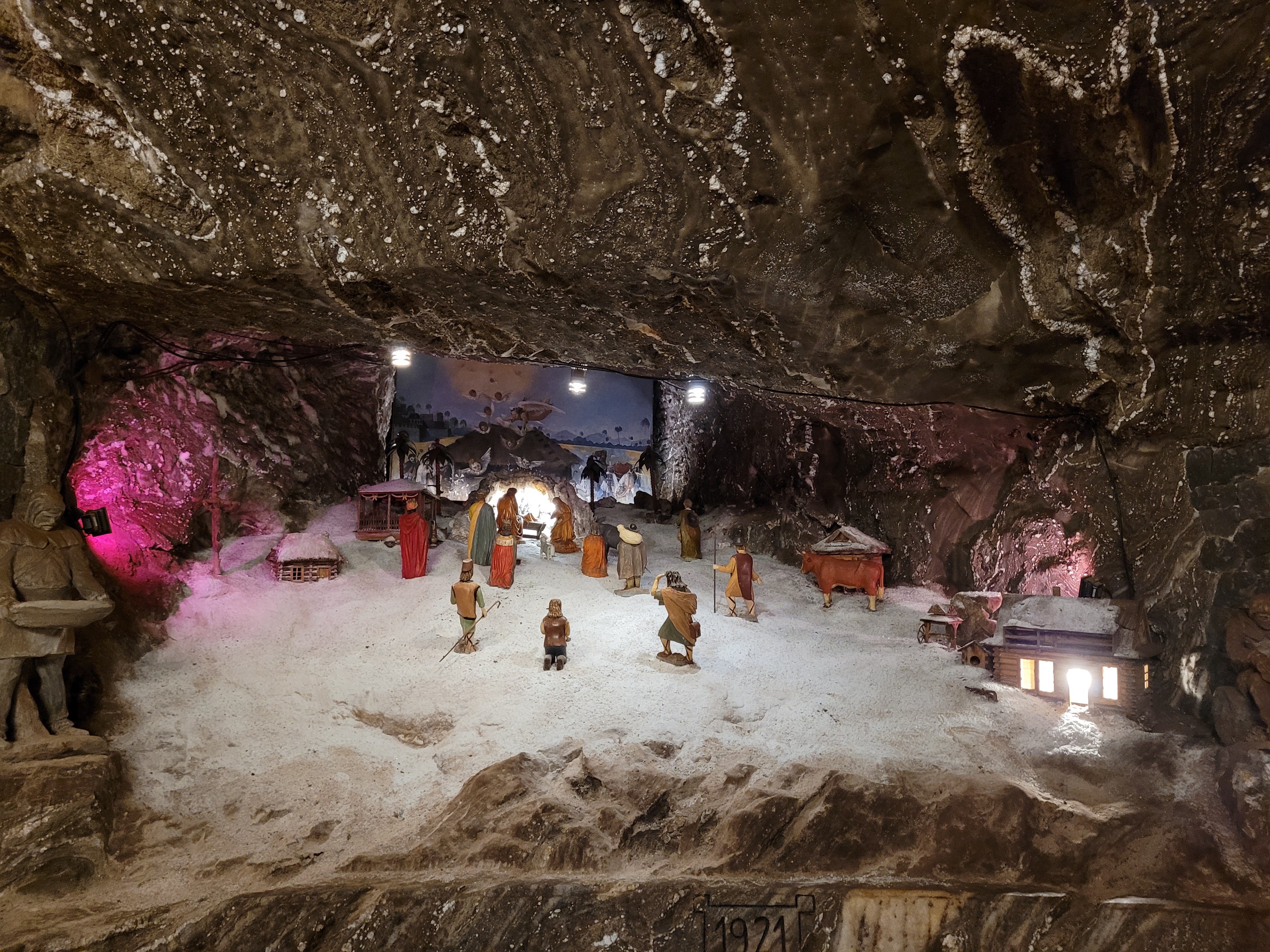
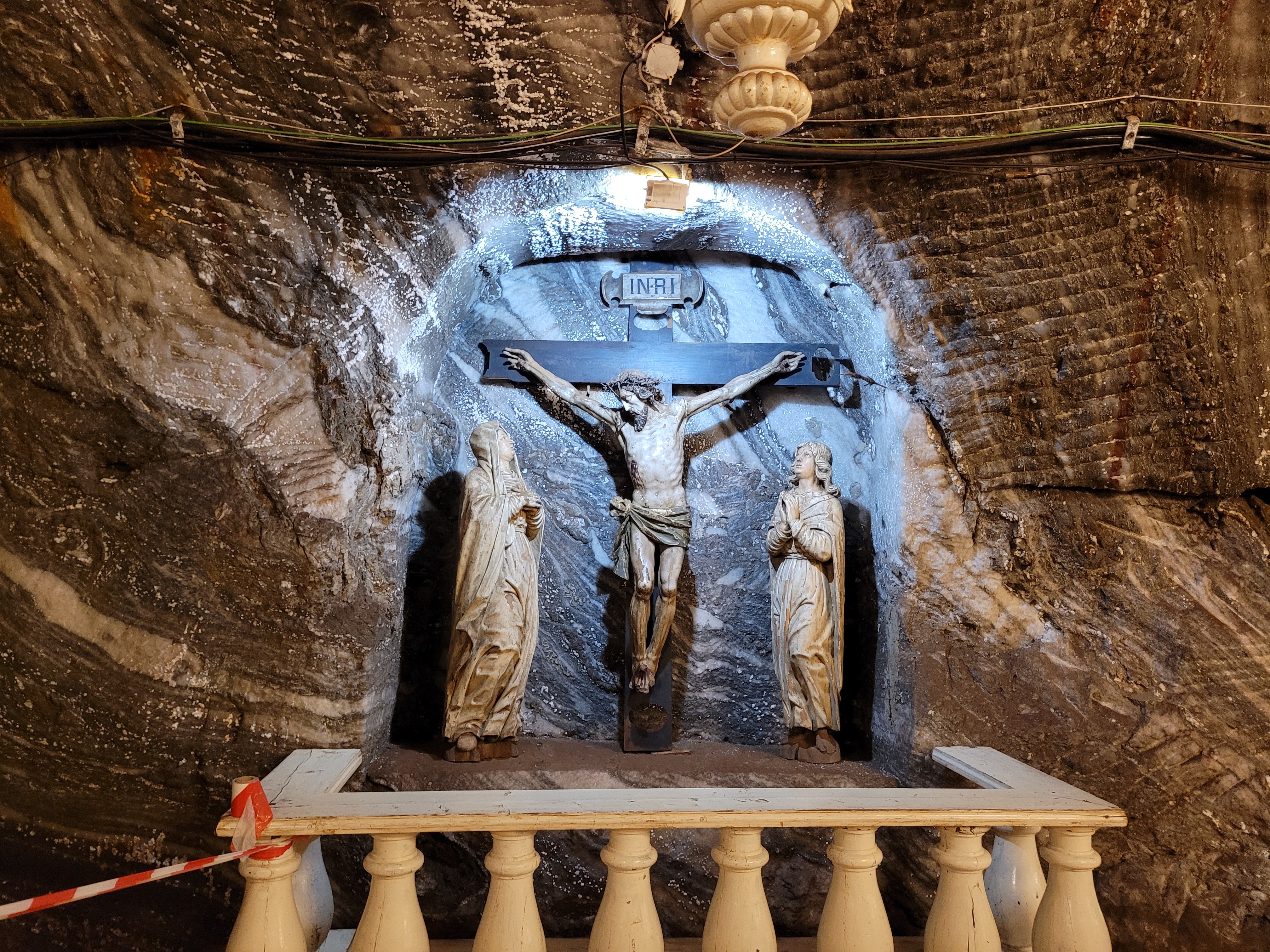
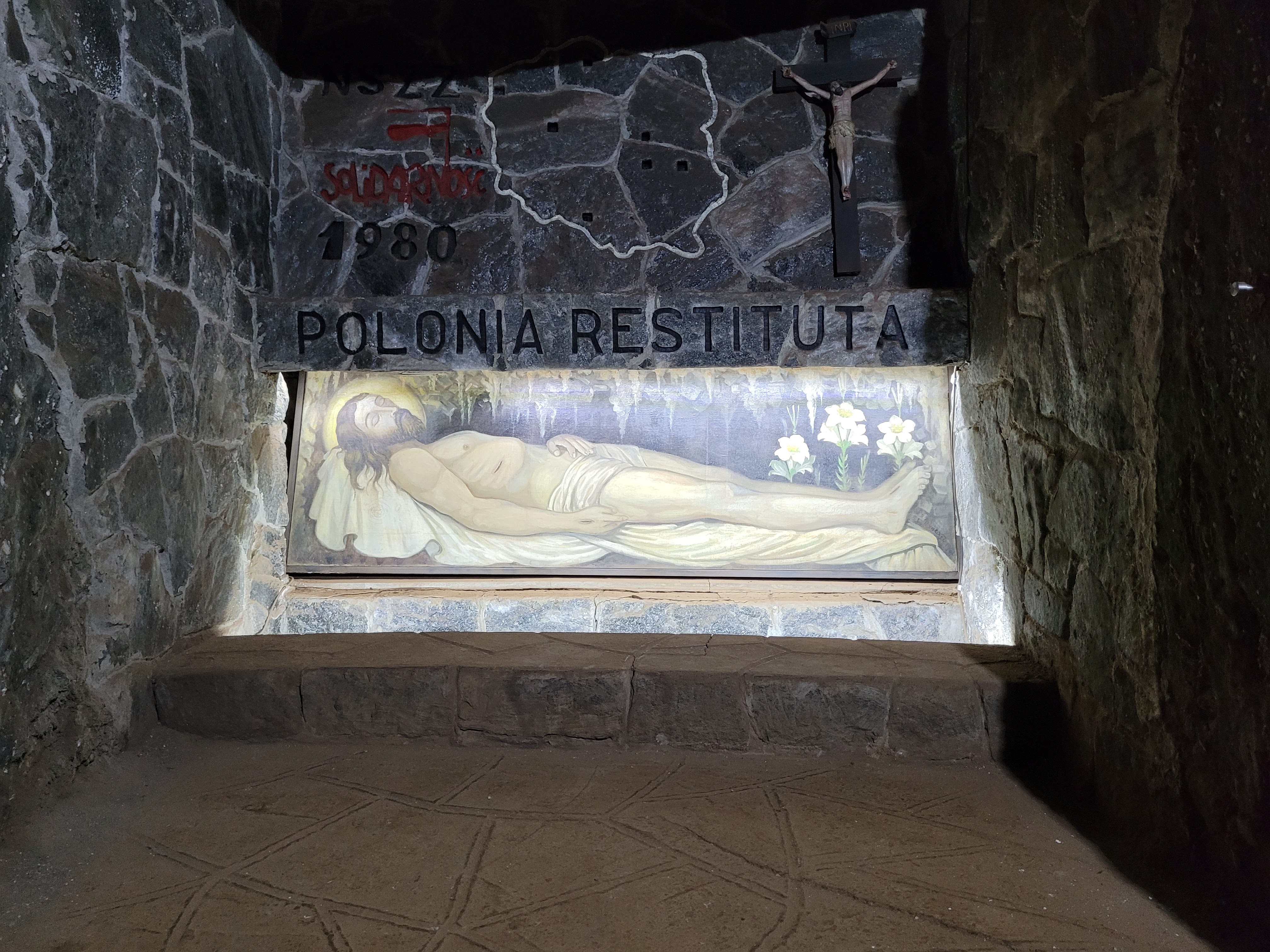
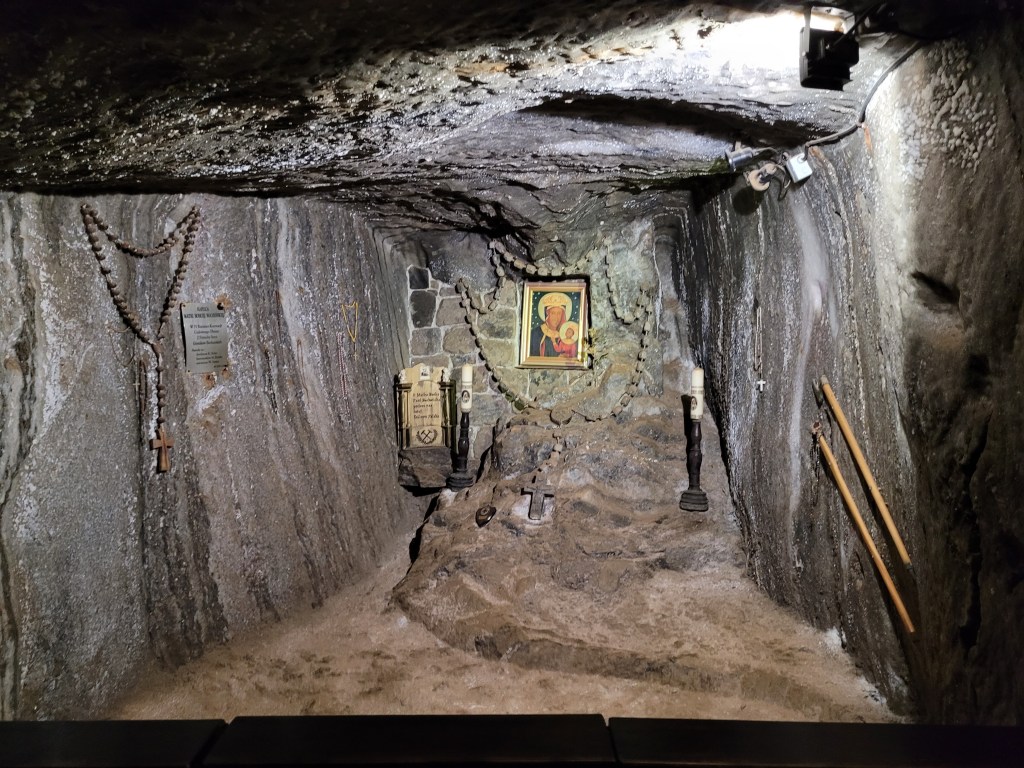
Nearing the end, you are taken to the Chapel of St Kinga, a hand carved chapel that served as a focal point for the miners. There were many such chapels located throughout the mine, though none so grand as St Kinga’s. They were not only places of worship, however, but also signposts and a place to store supplies.
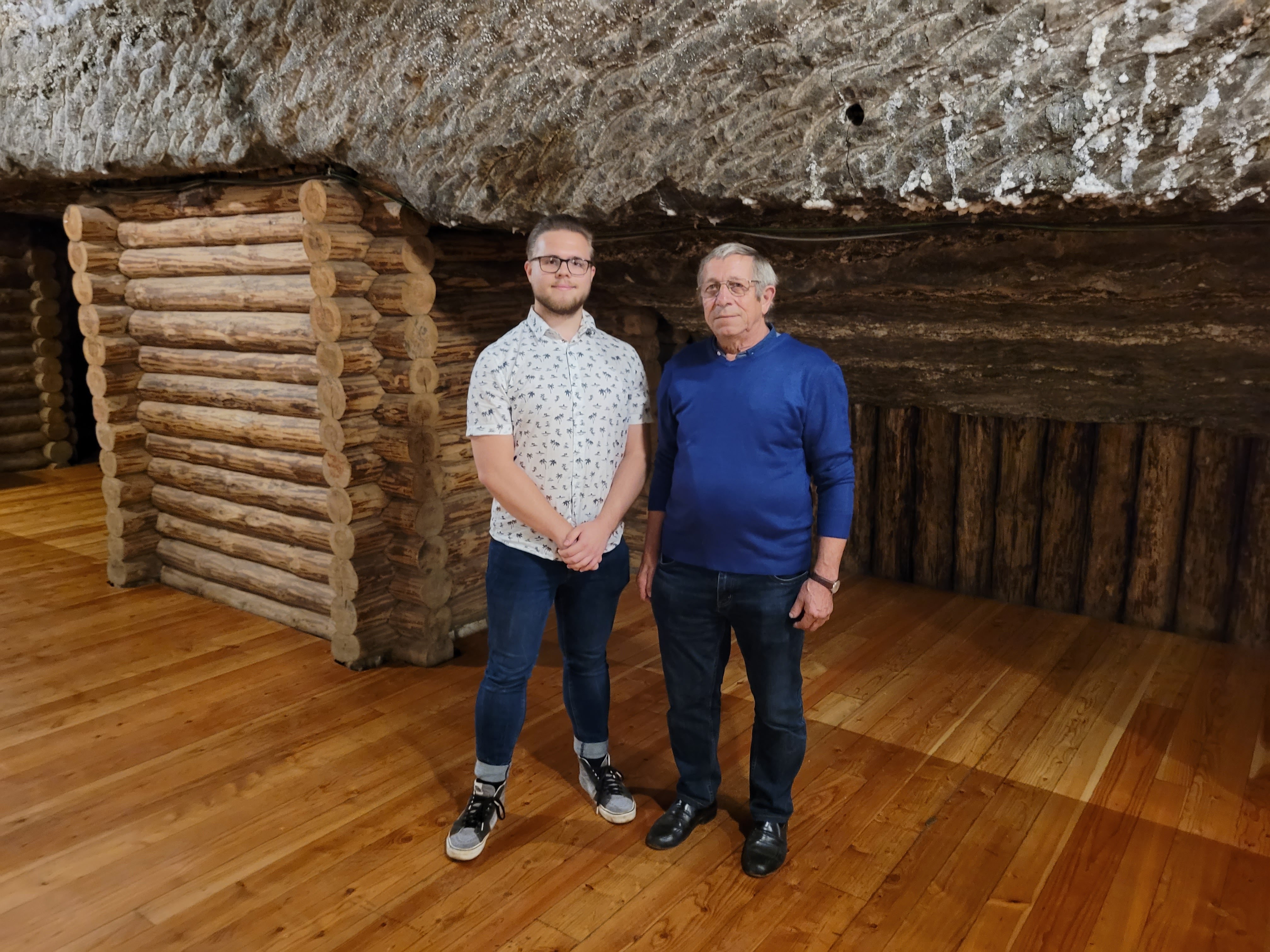
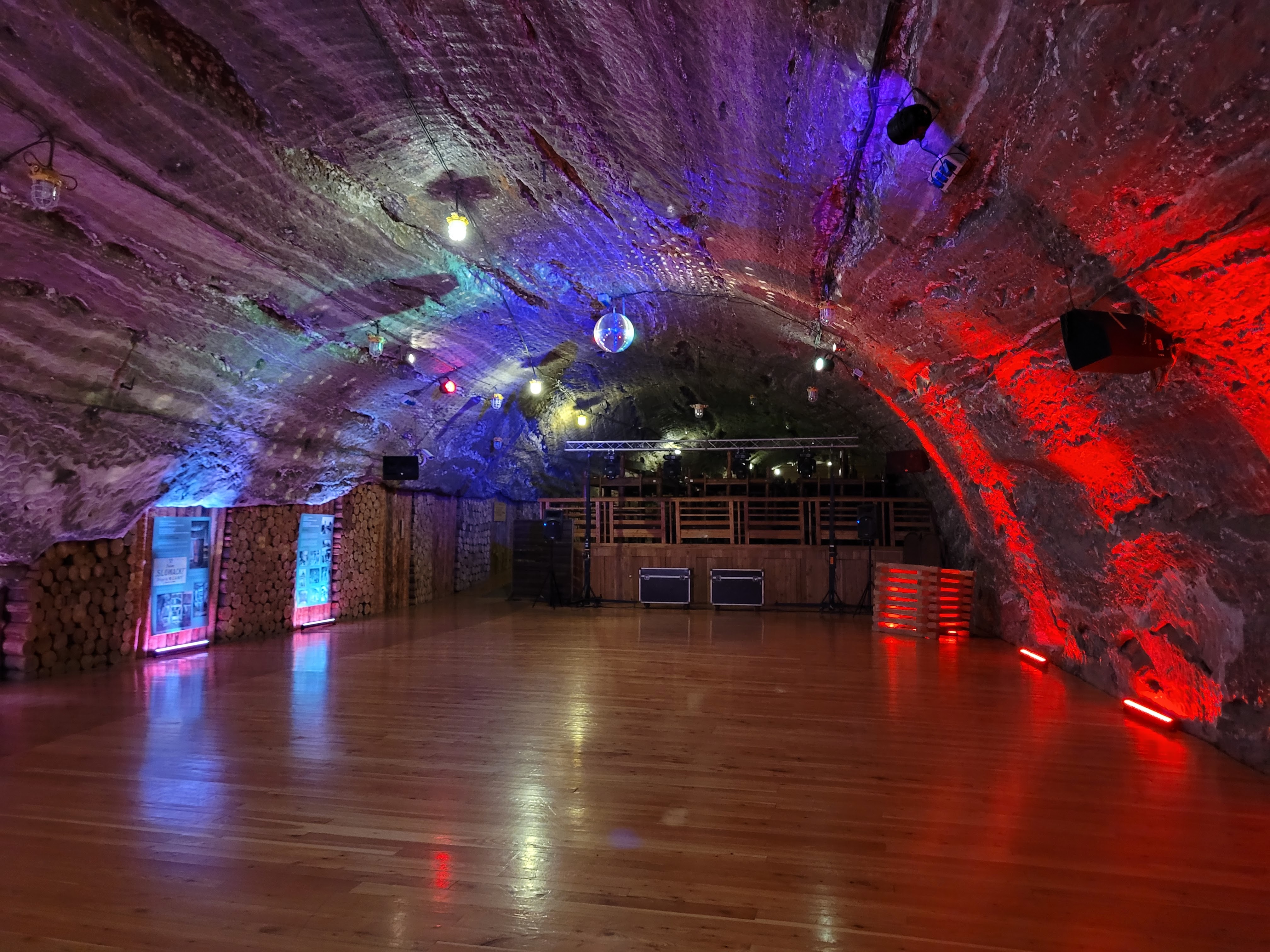
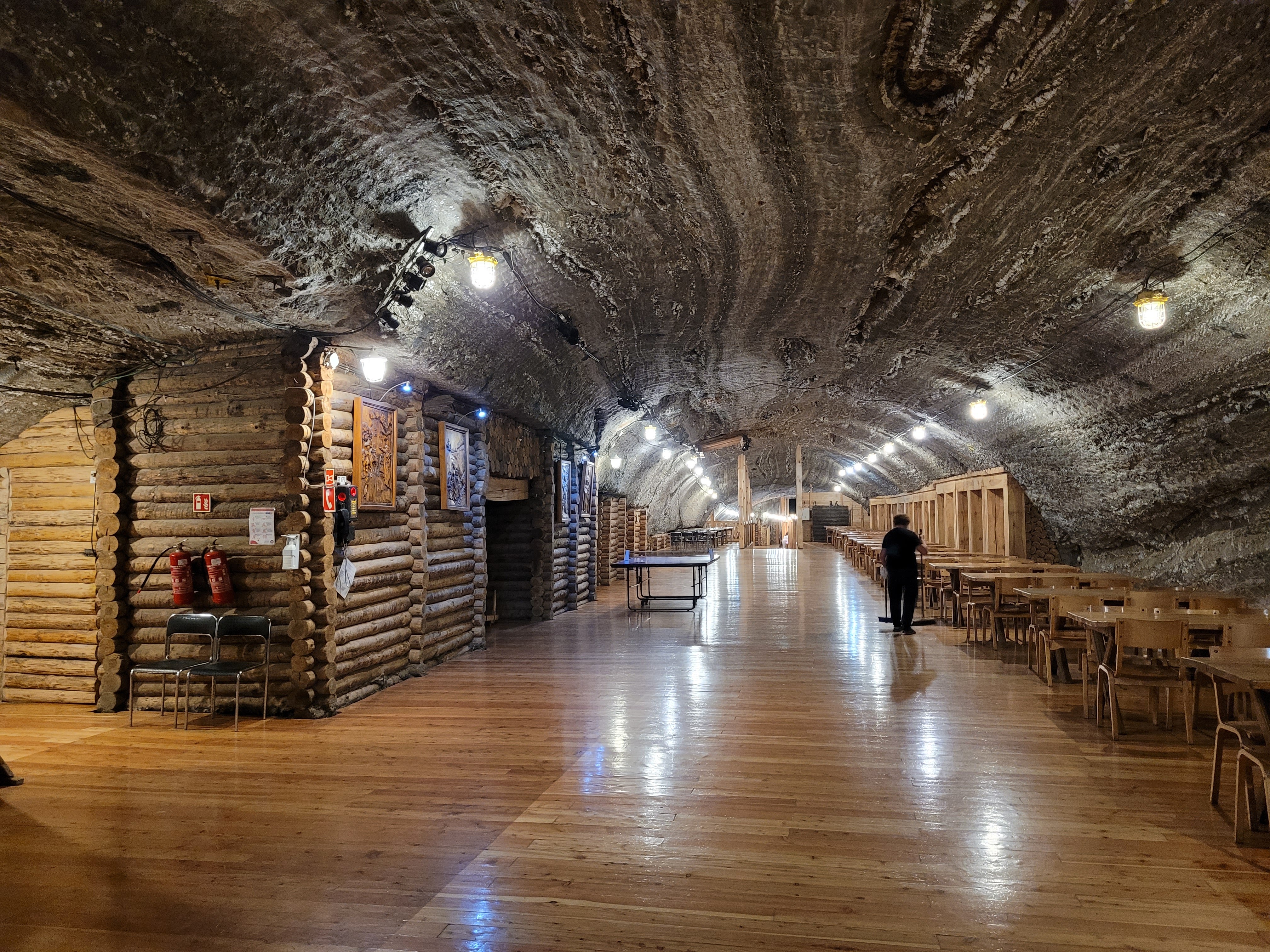
Next you are taken down exactly 307 steps into the Ważyn Chamber, which is a 250m long chamber. Unfortunately, this was certainly a low point of the trip, as there is basically nothing there except a small cafeteria. Admittedly, the prices are not terrible (though I can’t comment on the quality of the food), but it does feel like a huge waste to walk all the way down there for what is essentially just an attempt to grab more money.
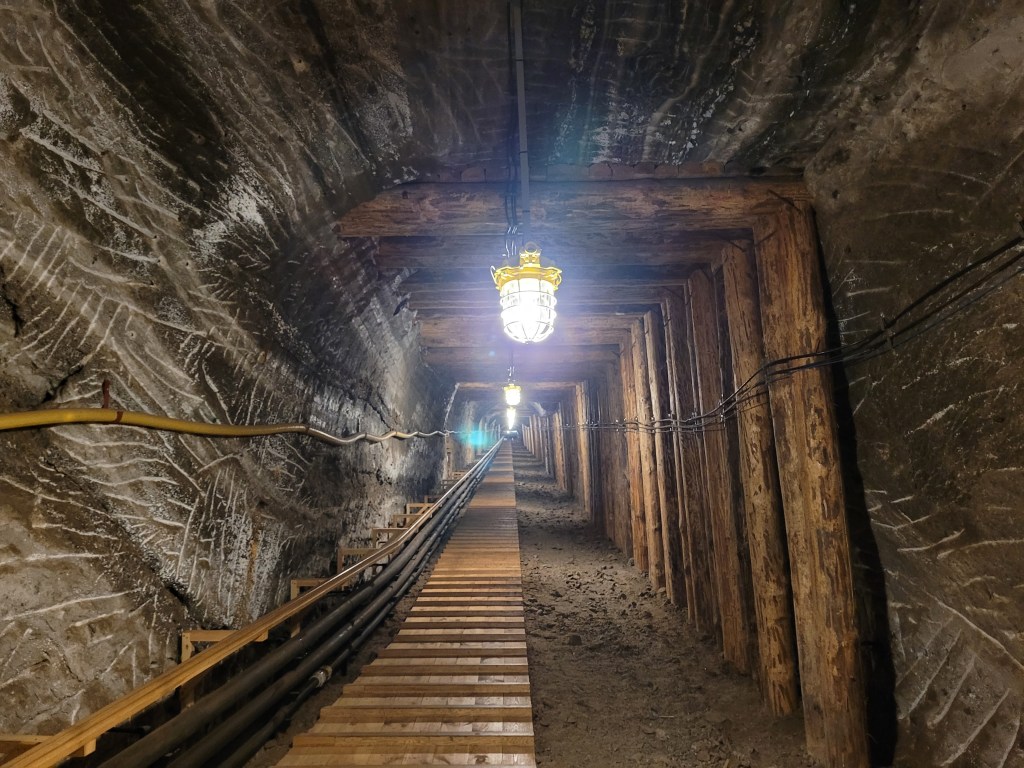
This is basically the end, and once you’ve climbed those same stairs, you are taken to the elevators and out of the mine.
Now is a good time to compare Bochnia to Wielicka, as the two are quite different. Wielicka has a lot of wow factor, with some really richly decorated chapels, whereas Bochnia is more focuses on the actual history of the mine. Bochnia is also cheaper and older, and in fact, quite a few of the salt statues in Wielicka were originally from Bochnia. Both mines are worth visiting, though Wielicka is better for getting pictures, whereas Bochnia is better for learning about how the salt mines in Lesser Poland actually operated and their history.
 We May Roam