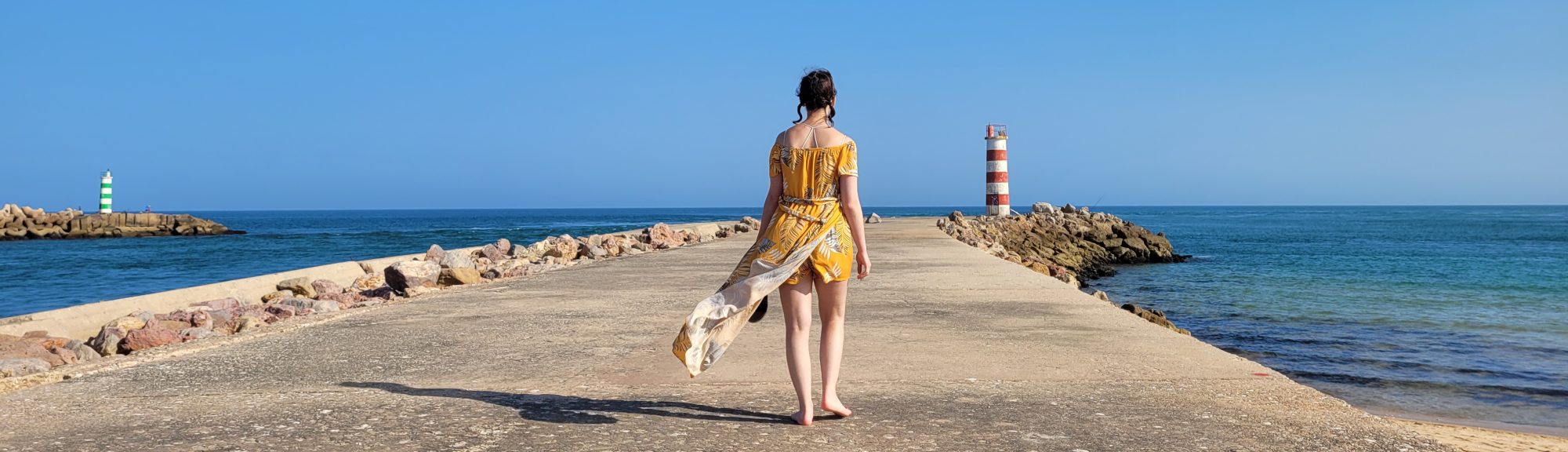

Bristol is a modern, multicultural, and extremely liberal city, both in the social sense, and the artistic sense. Street art lines the walls of many buildings in central Bristol, much of it is of a very high quality, and many of Banksy’s most famous works are found in Bristol. It’s also a very accepting city, and people of all stripes and colours will find themselves at home here.
At a glance…
- Days To Spend: 3 is good
- Get Around: Walk when you can, bus if you dare
- Get In and Out: By train or plane
- Pay: With Pounds, card being preferred
- Speak: English
- See: The SS Great Britain, Wake the Tiger, Clifton Suspension Bridge
- Should you go?: Absolutely!
General Impressions
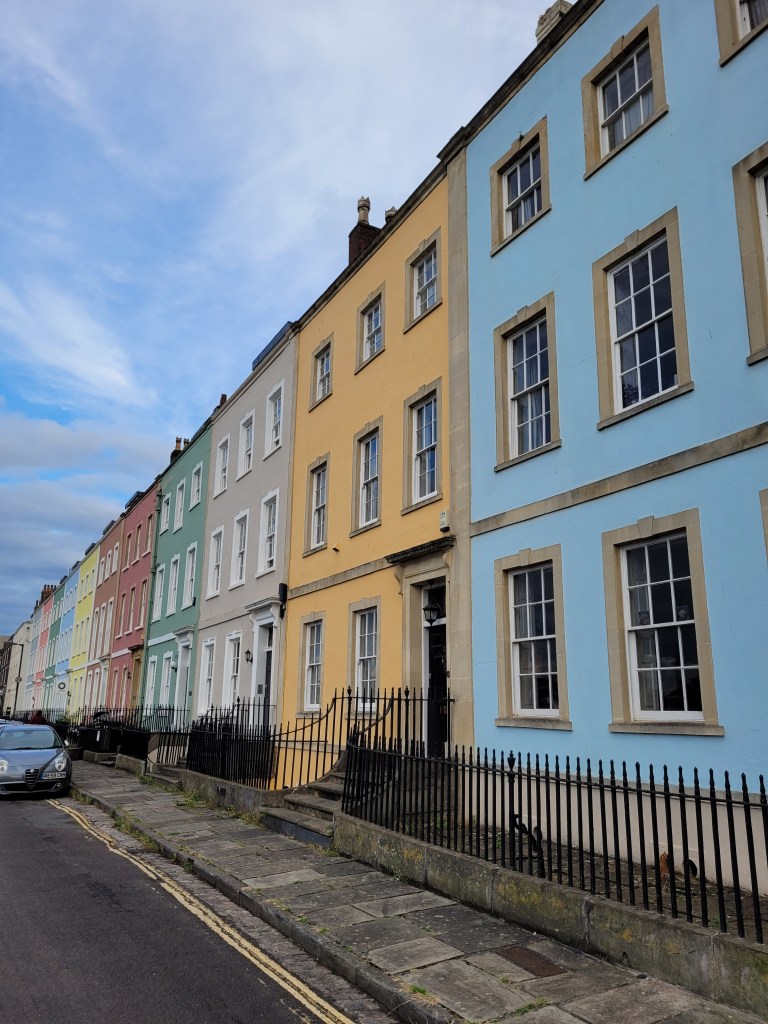
Bristol is a very modern city. Of course, you will find the typical Victorian era houses that are found all over Britain, but unlike most other British cities, these are only a part of the charm of Bristol. It’s main draw is the street art, the modern buildings, and the people themselves. Bristolians are proud of the city, and it has a strong regional feel to it that is often lacking in other cities in Southern England.
Public Transport
Getting Around
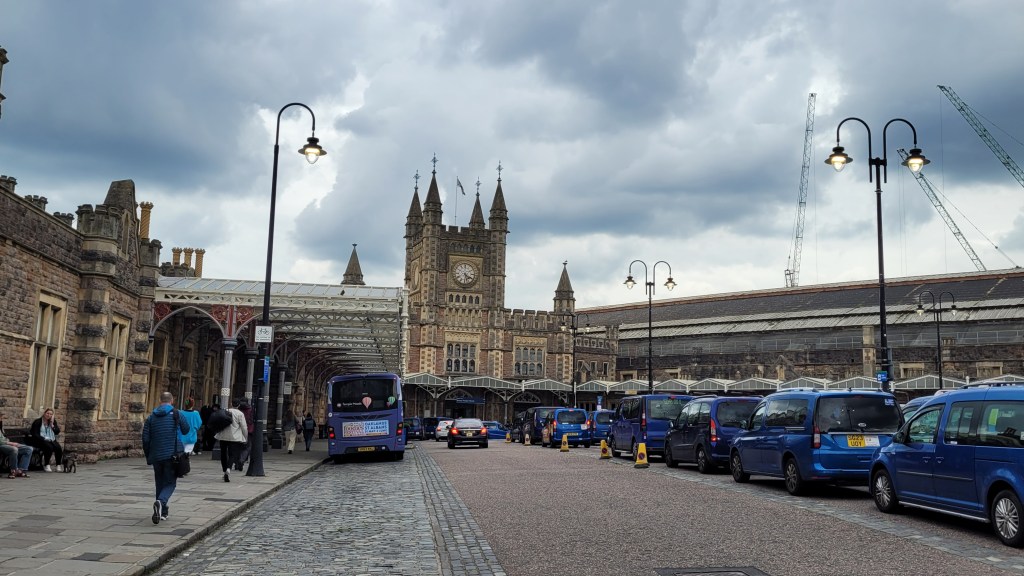
Most of Bristol’s attractions are within walking distance of the city centre. The only form of public transport are the infamous buses, which most locals avoid if they can, as they are notoriously late, crowded and just generally unpleasant.
Getting In and Out
Bristol is a rail hub for the west of the UK, and has good rail links to Cornwall, Wales, the Midlands, and, of course, London. There is also a mid-sized airport that has a few decent connections to cities in Europe.
Money
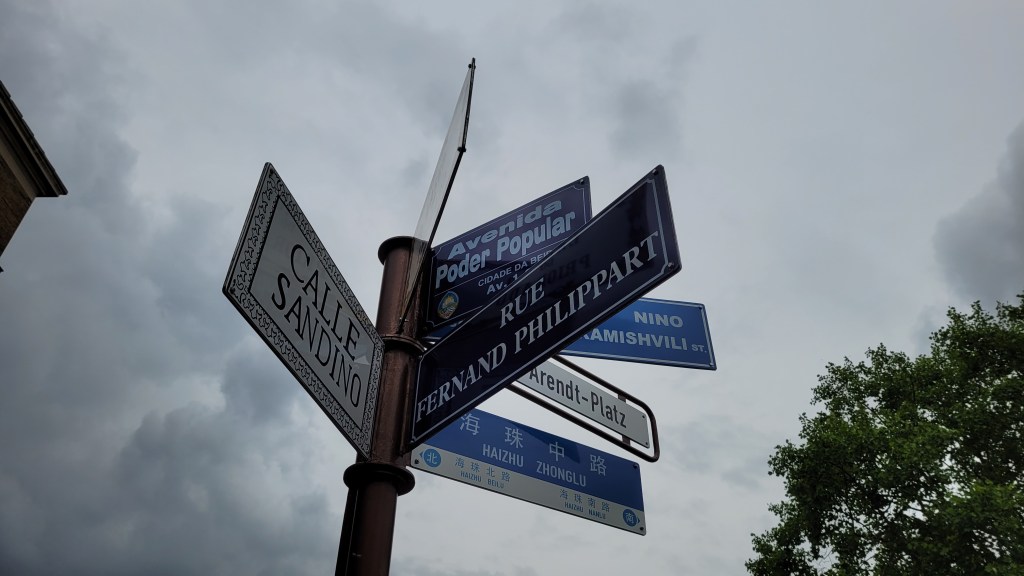
There’s a general preference for card payments in Bristol, though most shops will accept both cash and card (and a few smaller businesses prefer cash payments). Bristol is a fairly expensive city as far as the UK is concerned, though it is generally cheaper than London. The currency is the Great British Pound Sterling.
Language
Of course, English is the spoken language here, but the cosmopolitan nature of the city means nearly any language you know will have a few native speakers in the city.
Time
The many activities in Bristol require at least a few days to fully experience. 3 is about right. You can definitely spend a little more if you want to take day trips, to places such as Bath and Cheddar Gorge.
My Favourite Spots
Clifton Suspension Bridge
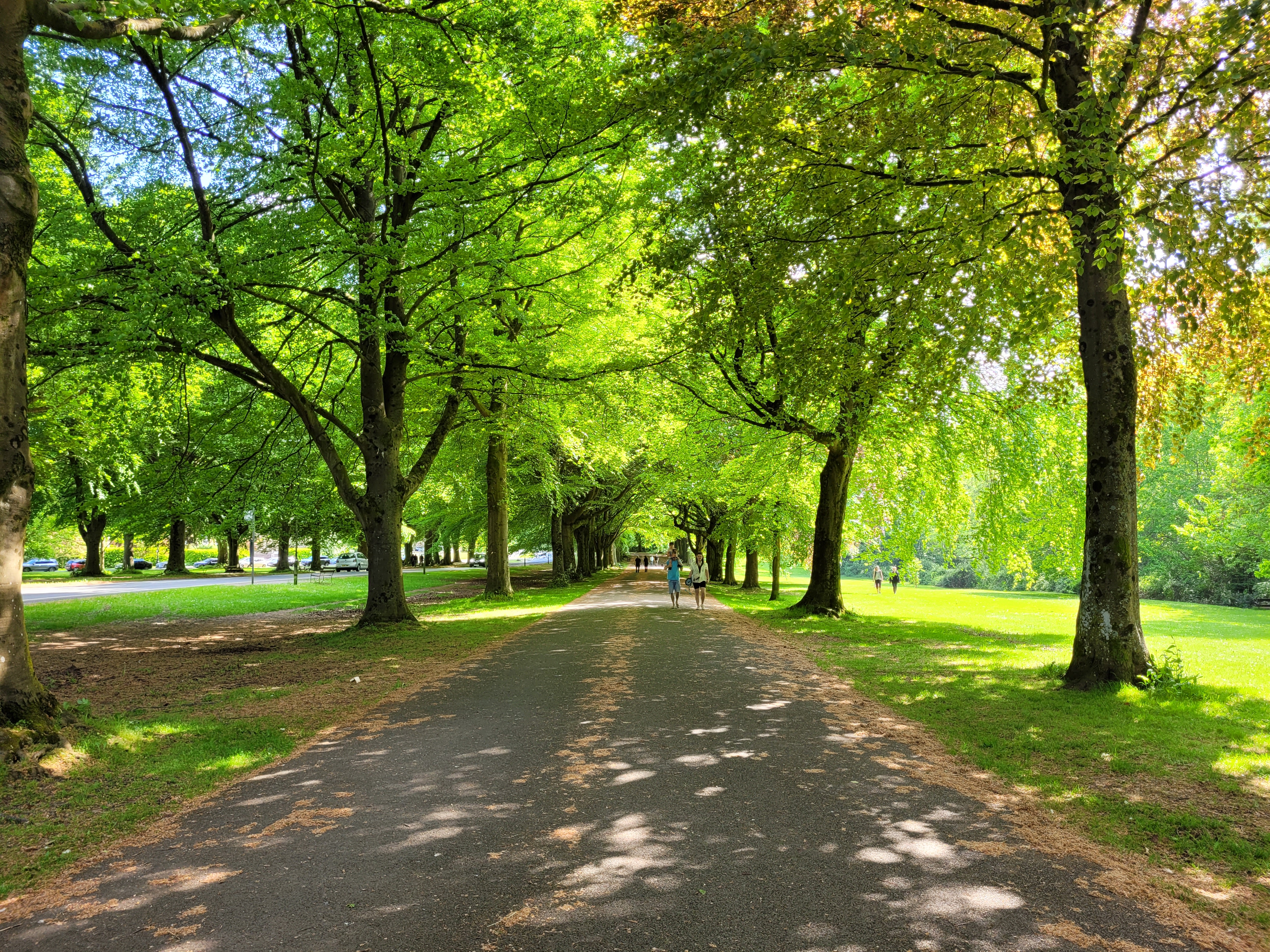
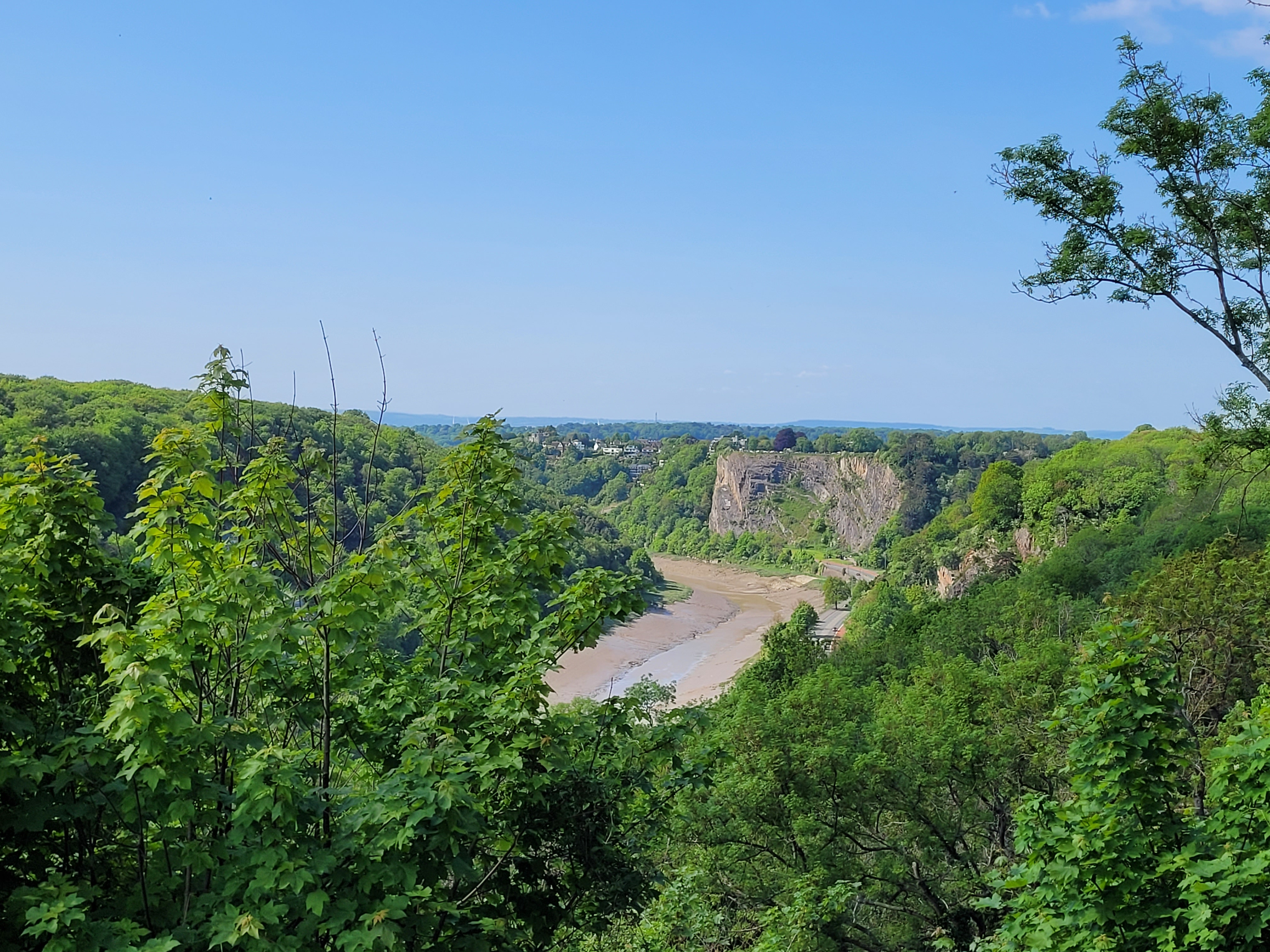
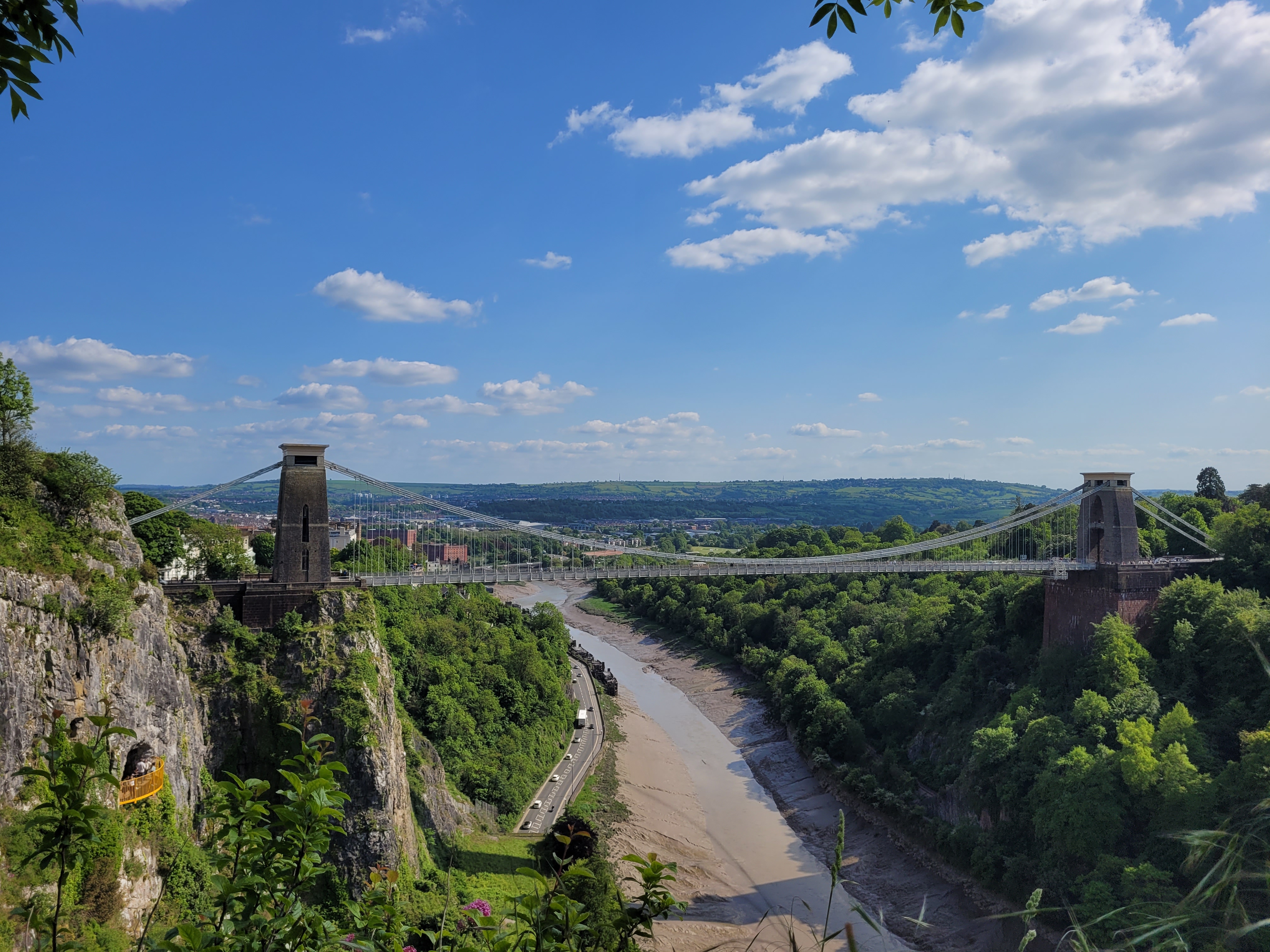
The bridge over the Avon gorge is a technological marvel, and makes for absolutely stunning scenery when viewed from the Clifton Down park, which is also well worth a wander.
The M Shed


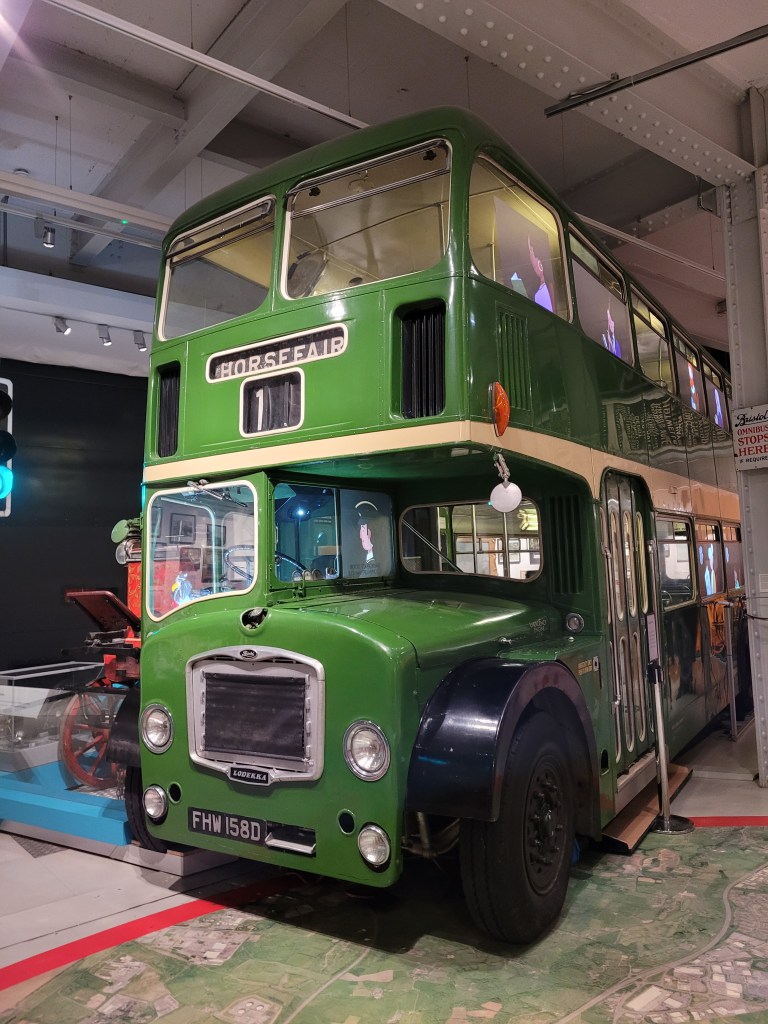
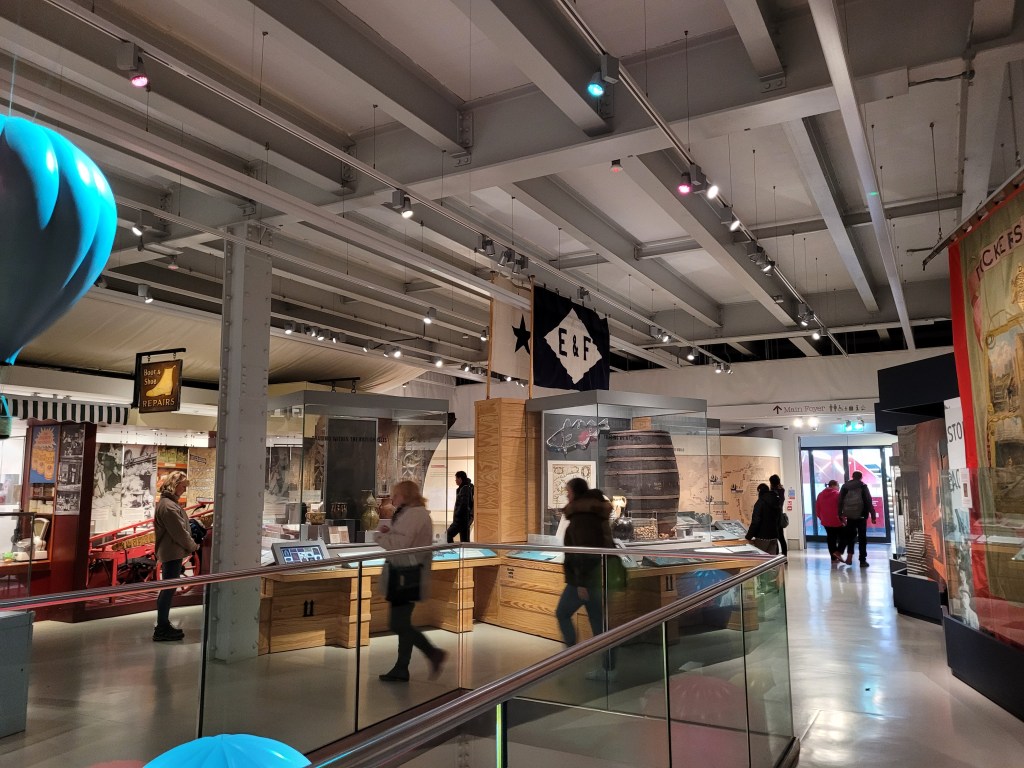
A robust and free museum telling the story of Bristol, from it’s founding by the Anglo Saxons, through it’d dark history of the Slave Trade, to the modern city it is today. This museum is definitely worth spending a few hours in to learn just what makes Bristolians so proud of their city.
The Harbour
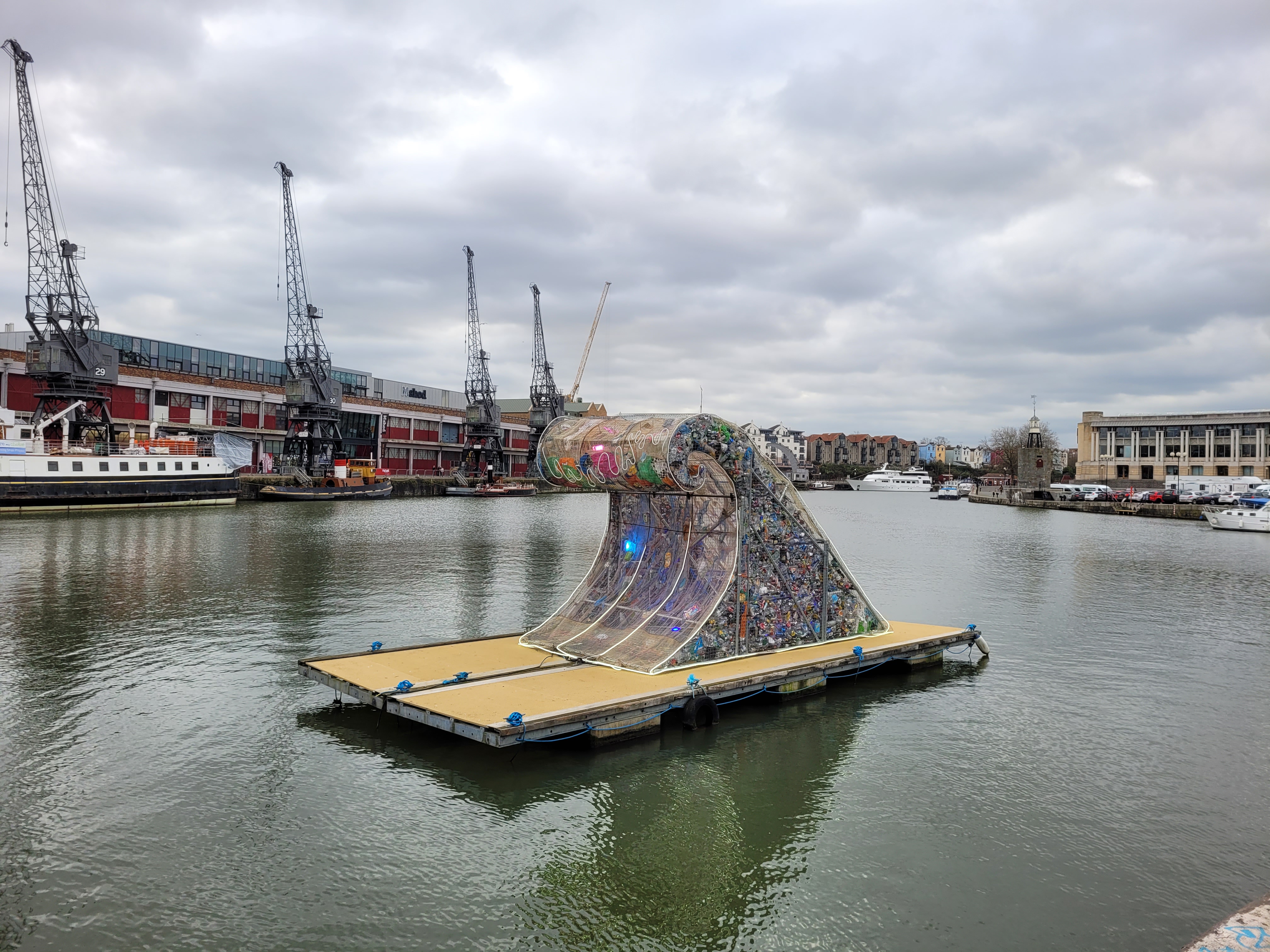
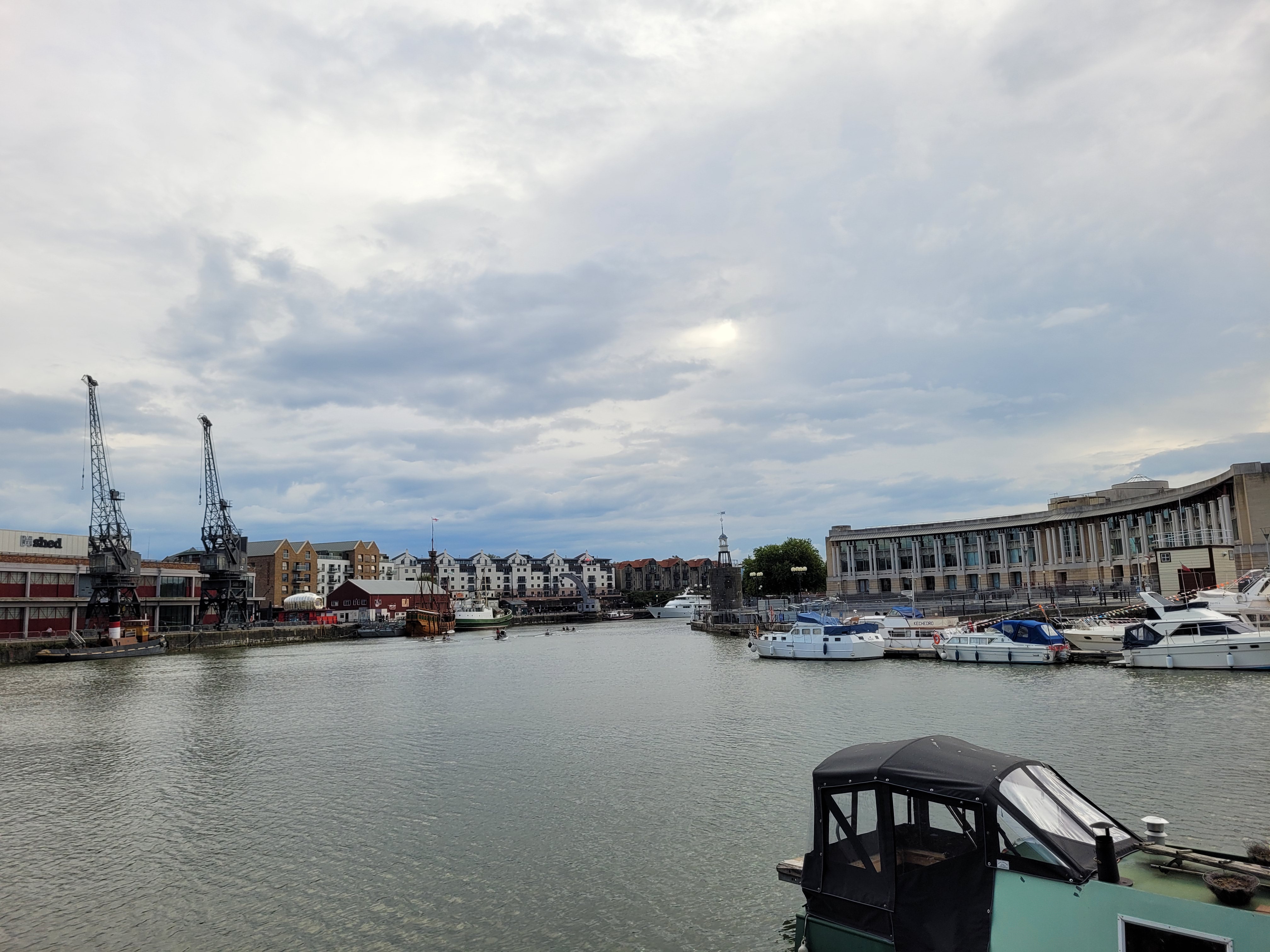
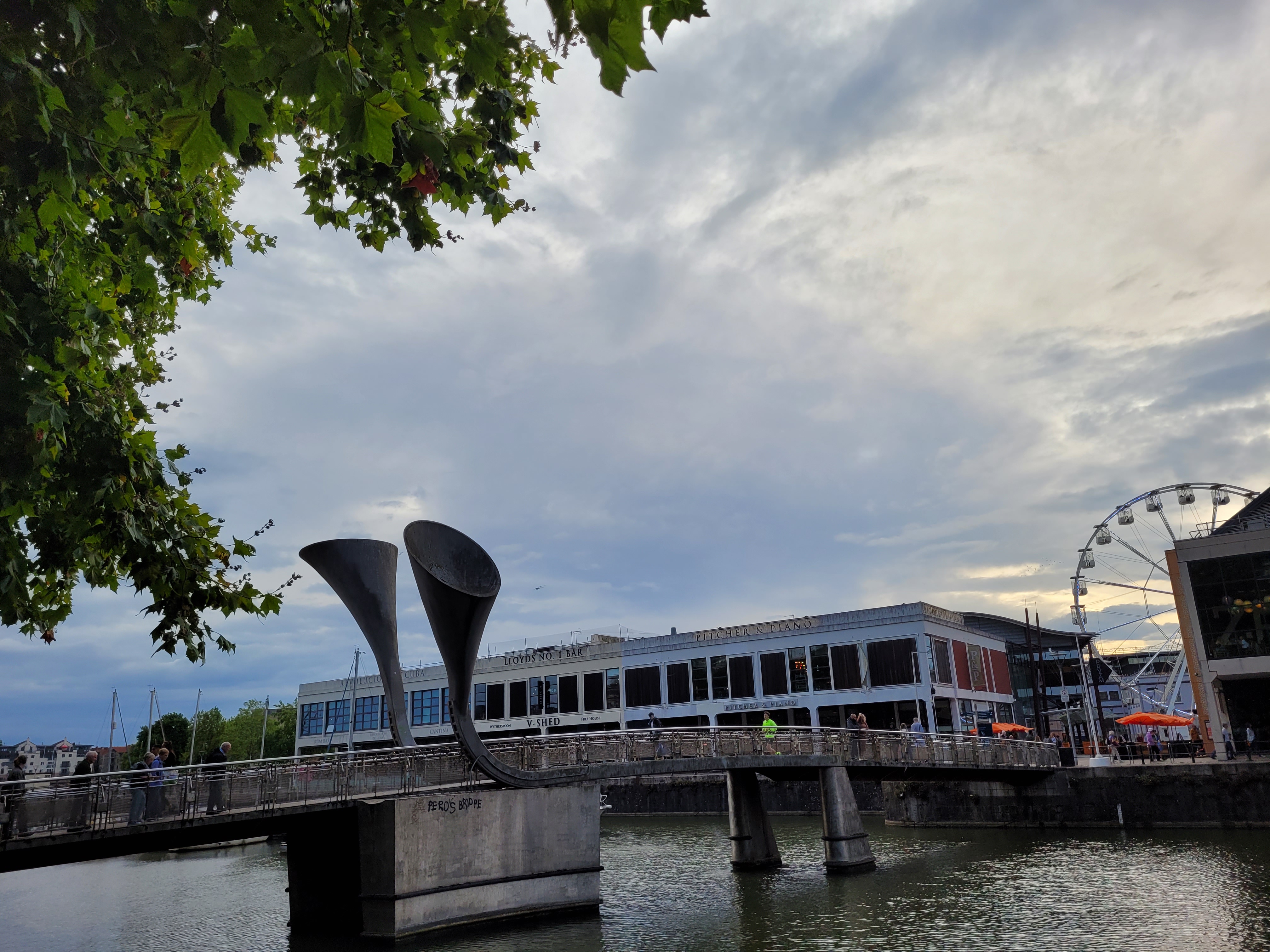
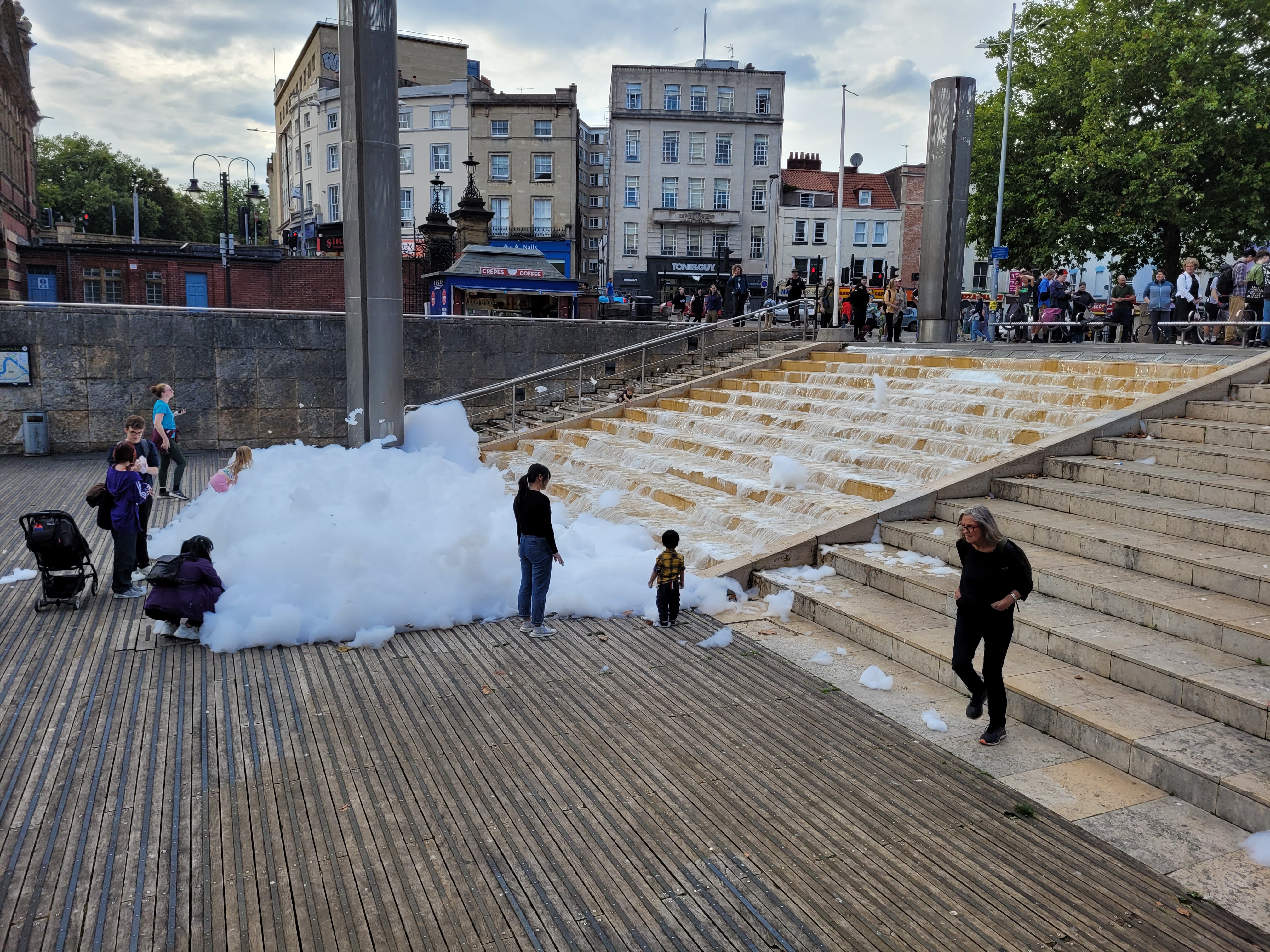
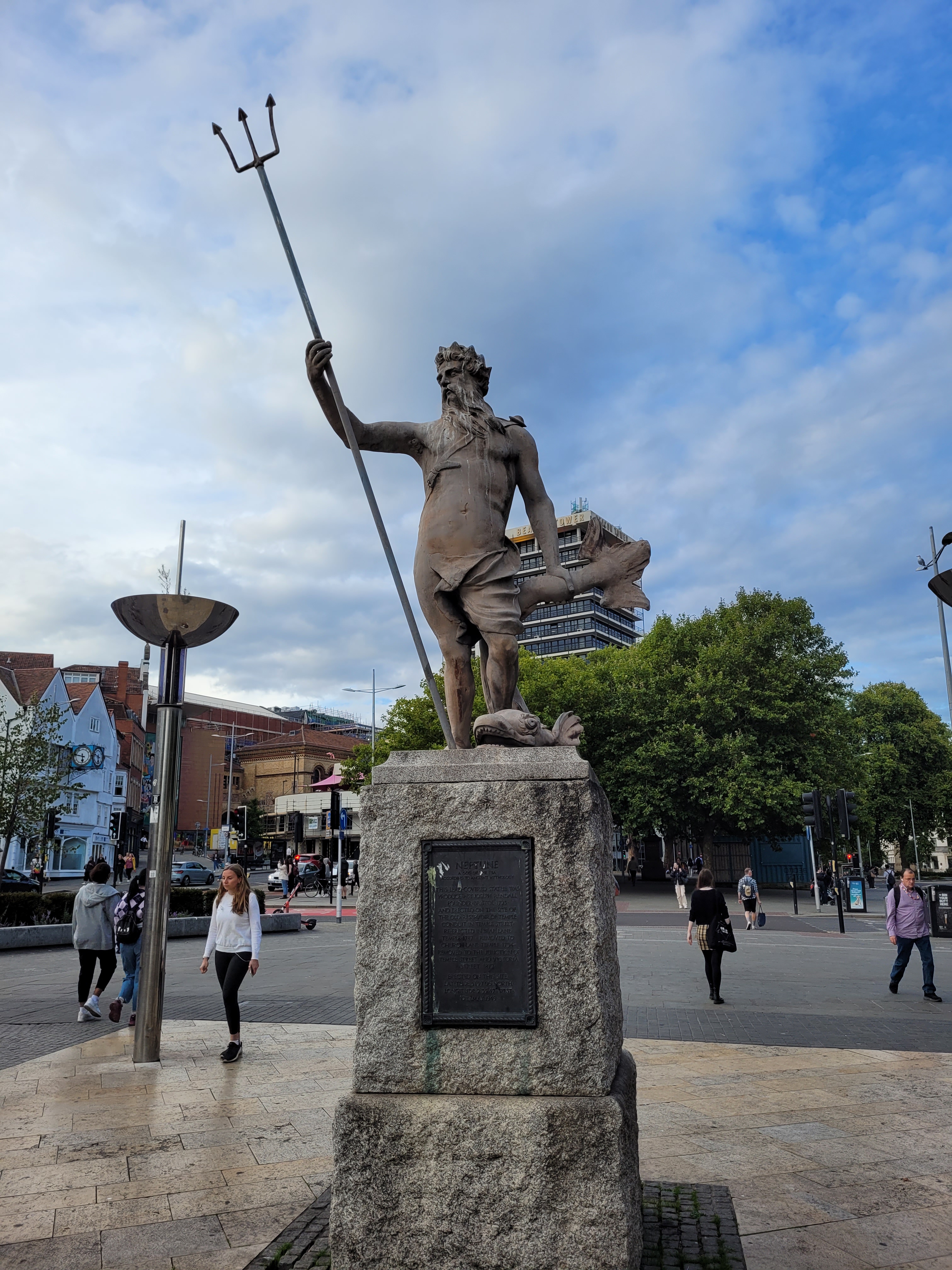
No longer functioning as a commercial harbour (the town of Avonmouth by the sea has taken that role), Bristol Harbour is now filled with various venues, from restaurants to clubs, that represent the centre of Bristolian social life. The views are also very pretty as you walk around.
Street Art
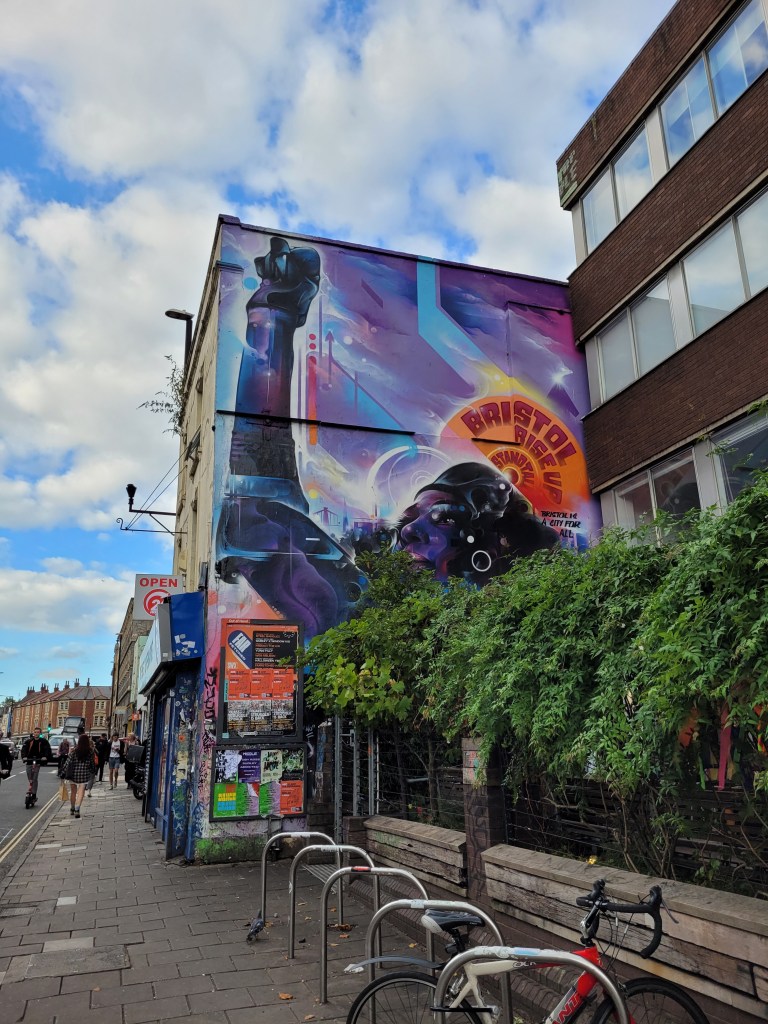
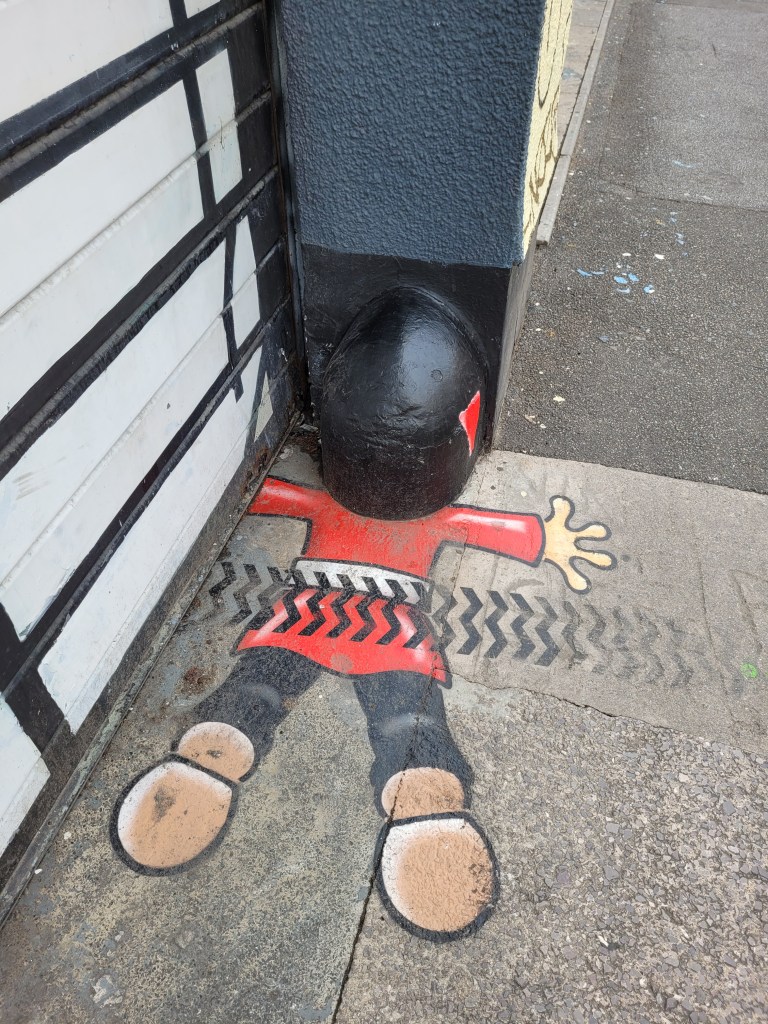
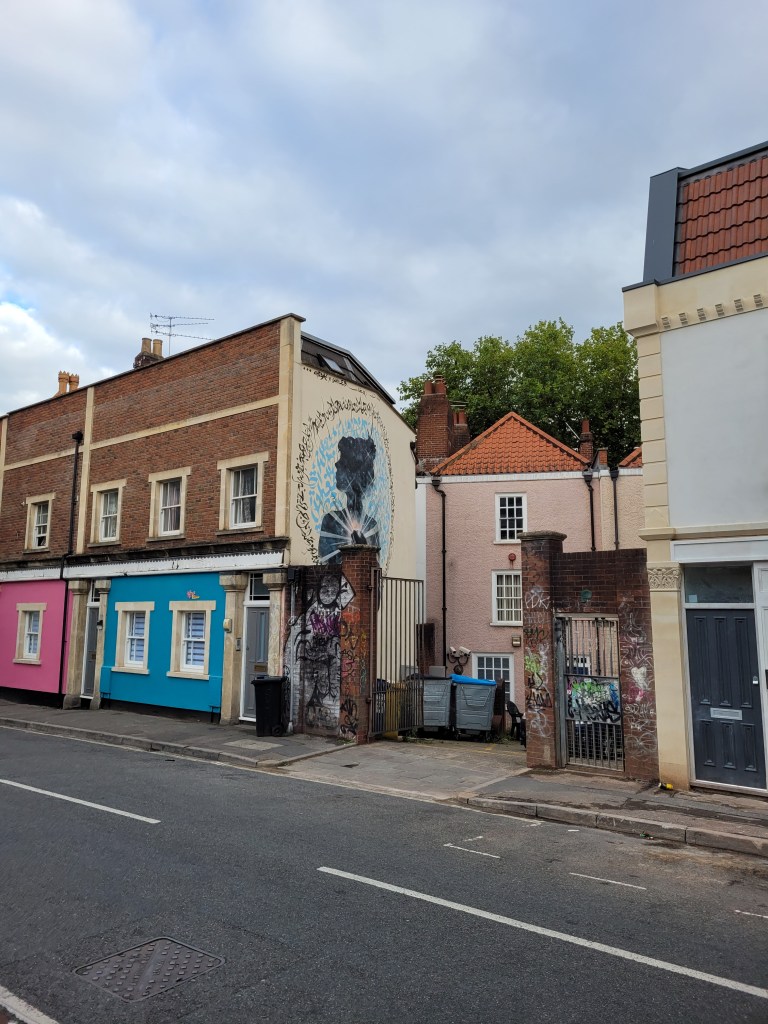
Everywhere you look in Bristol you will find street art. This is especially true in the area of Stokes Croft. The best thing to look out for is. naturally, Bansky, but plenty of other artists have made their mark on this city.
The SS Great Britain
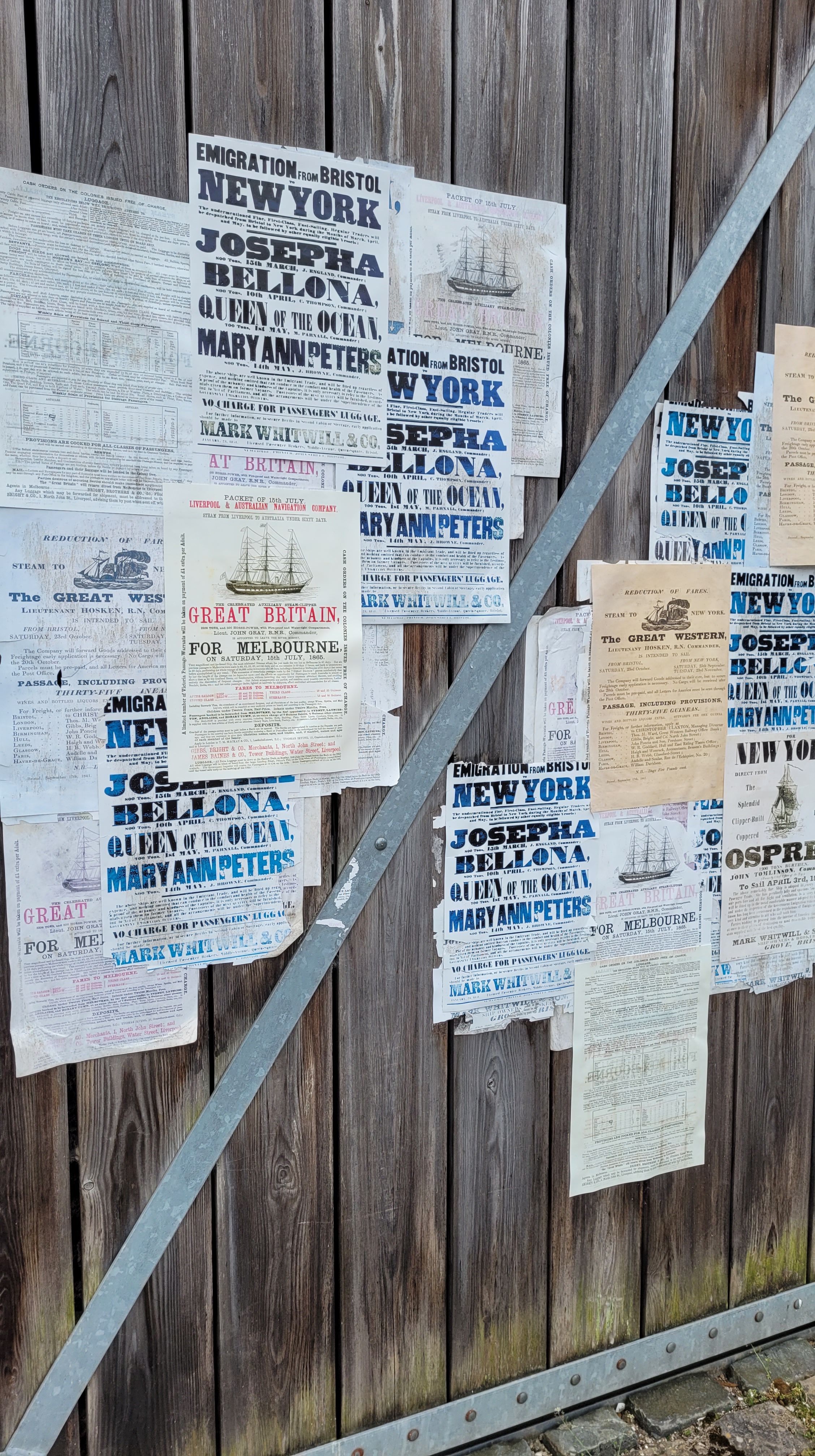
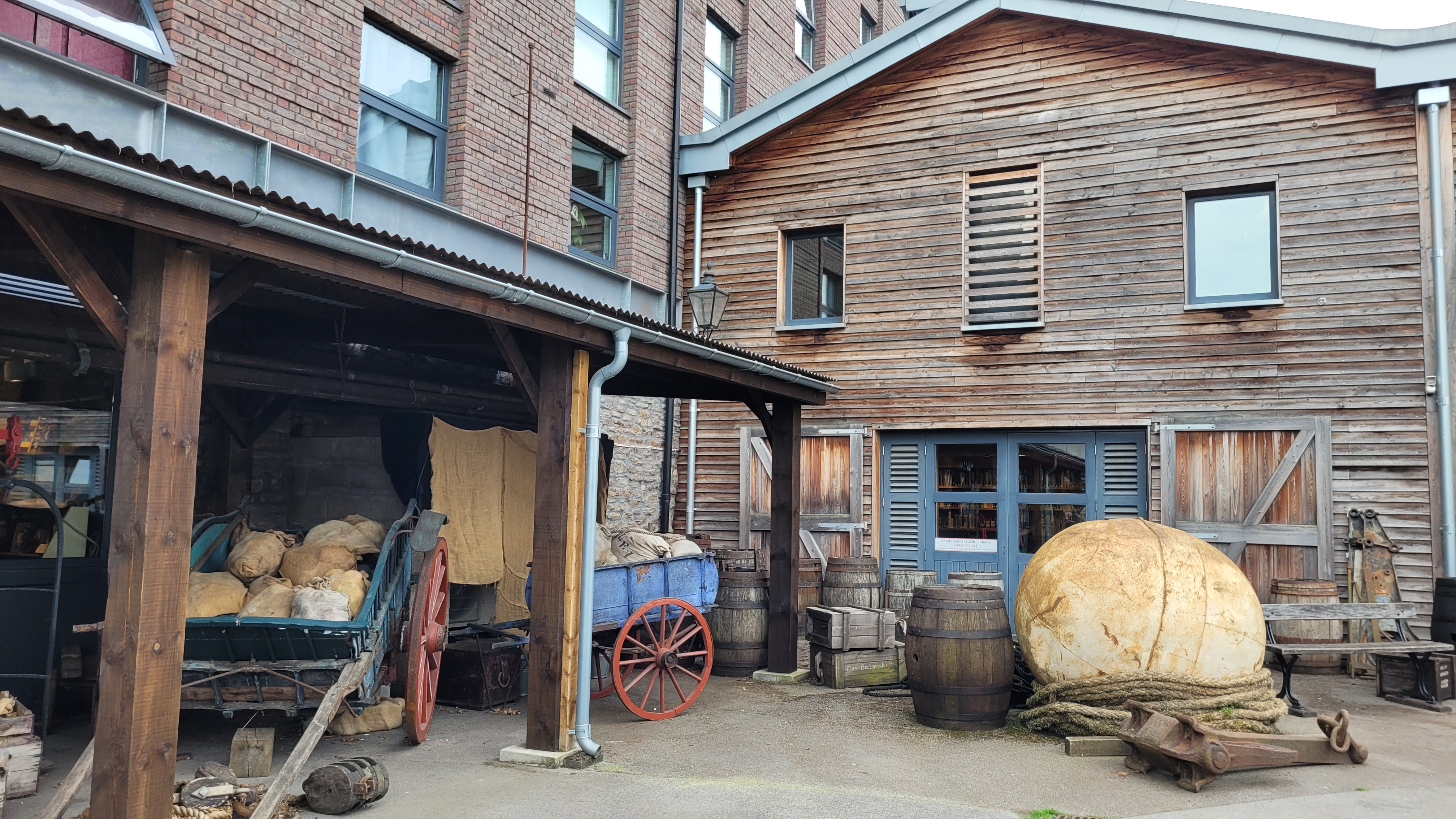
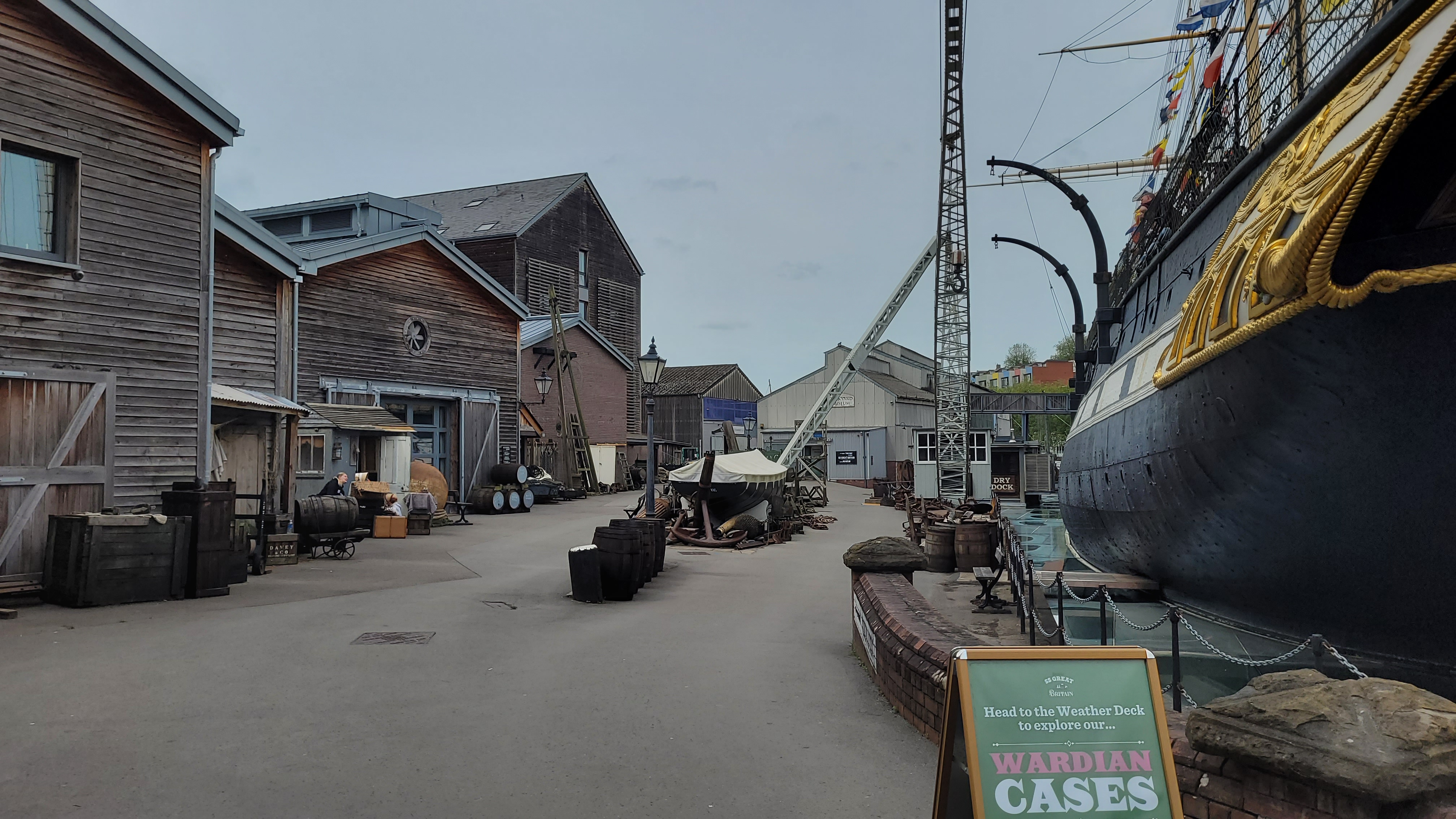
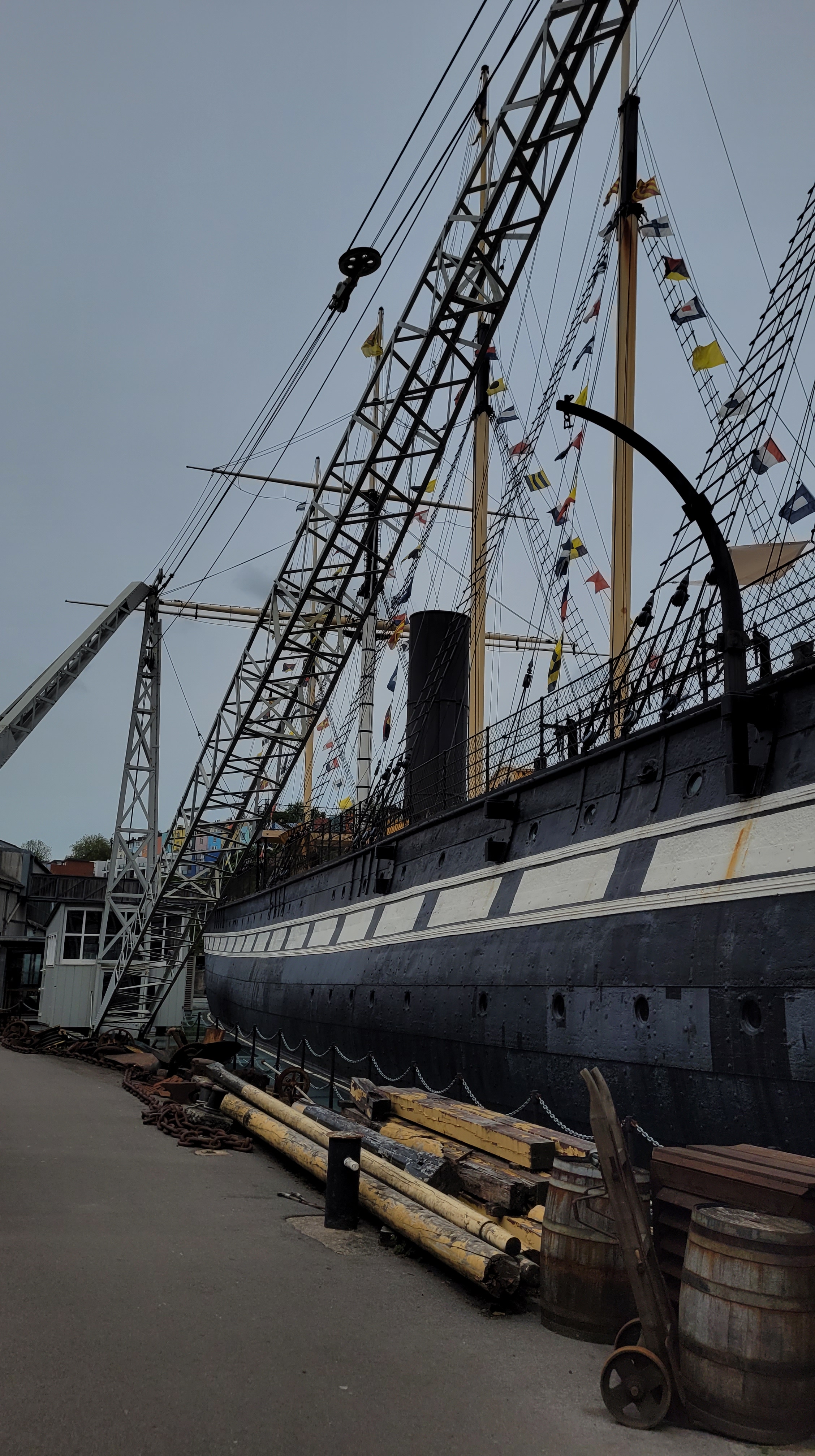
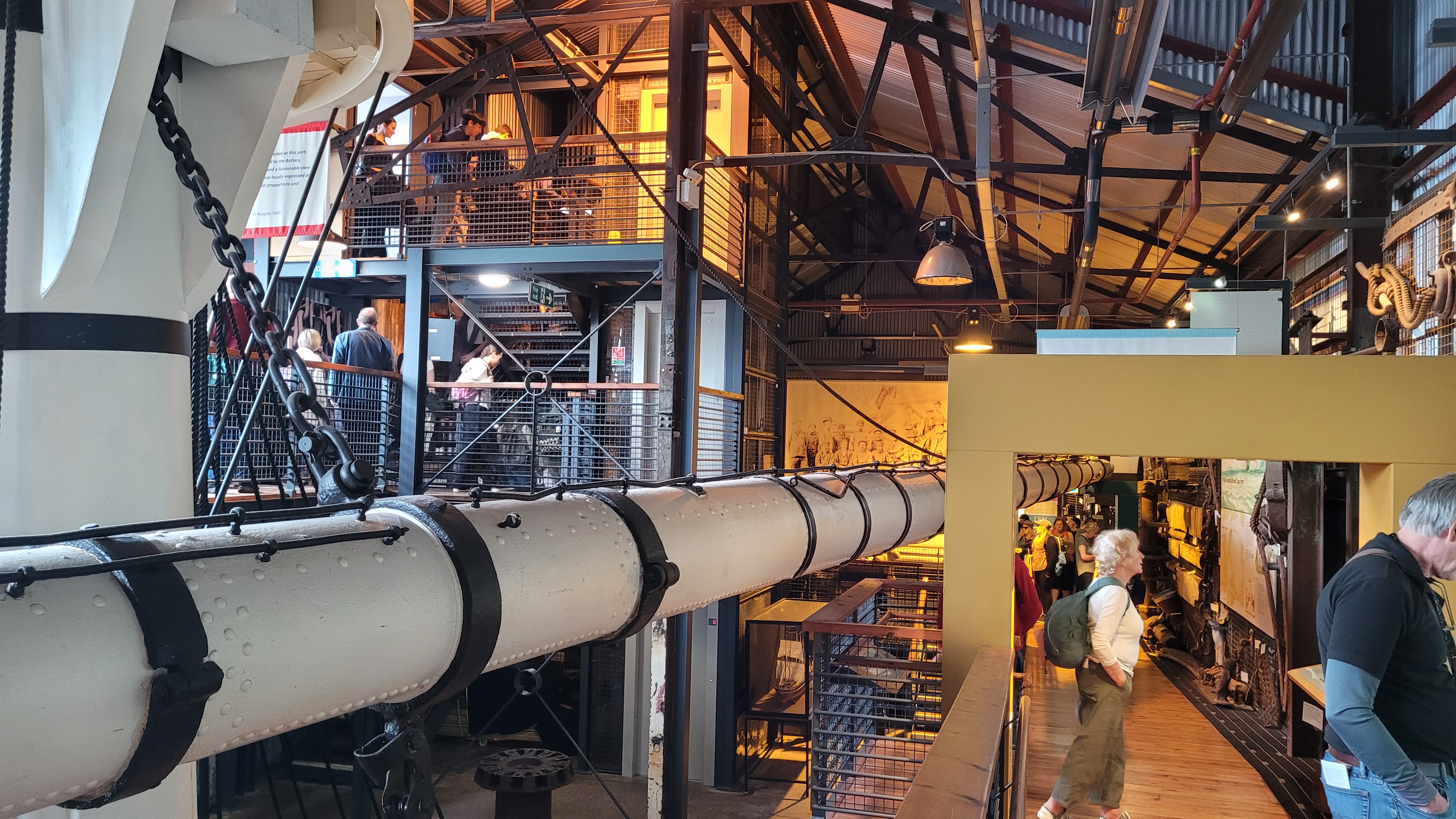
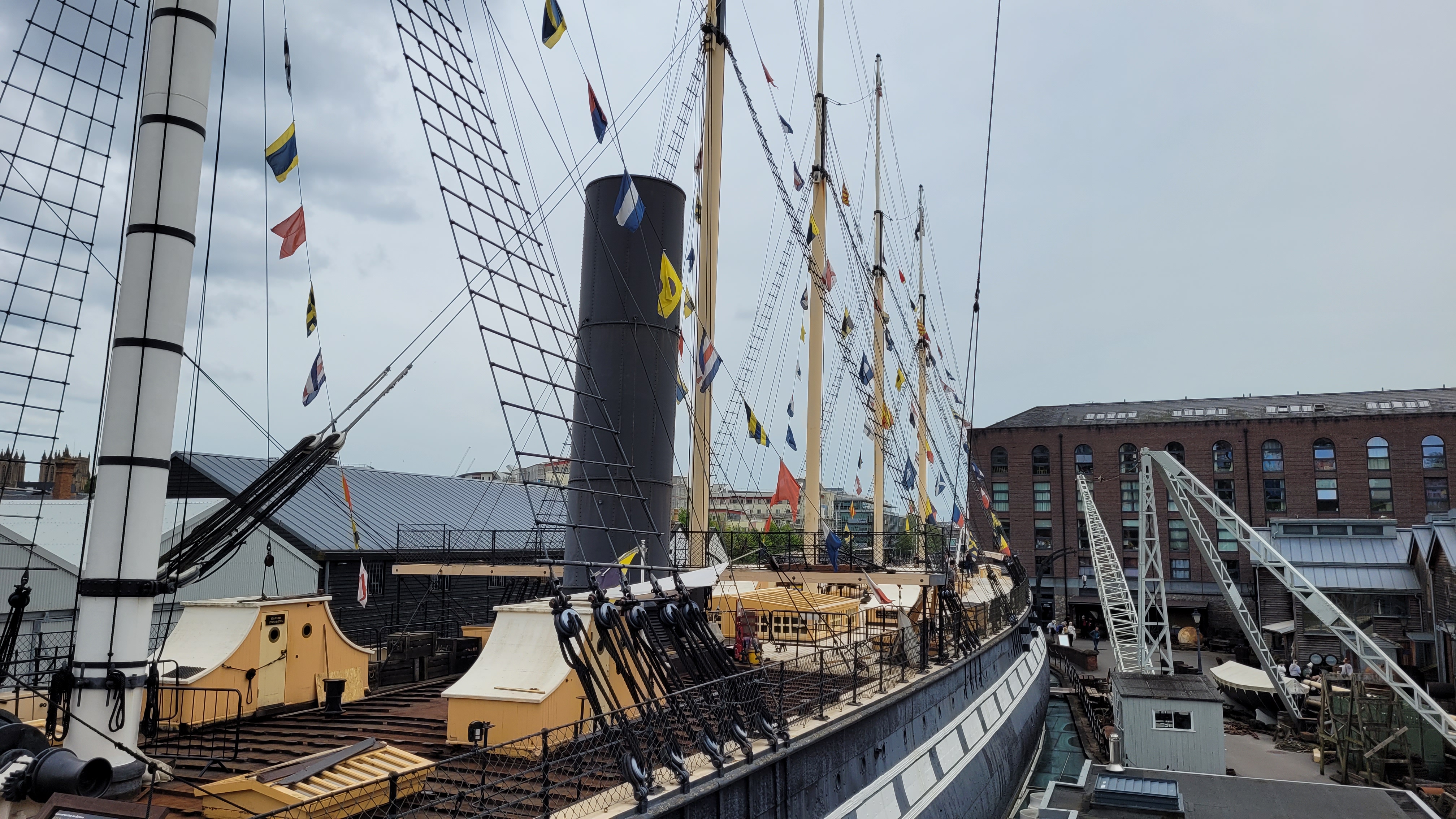
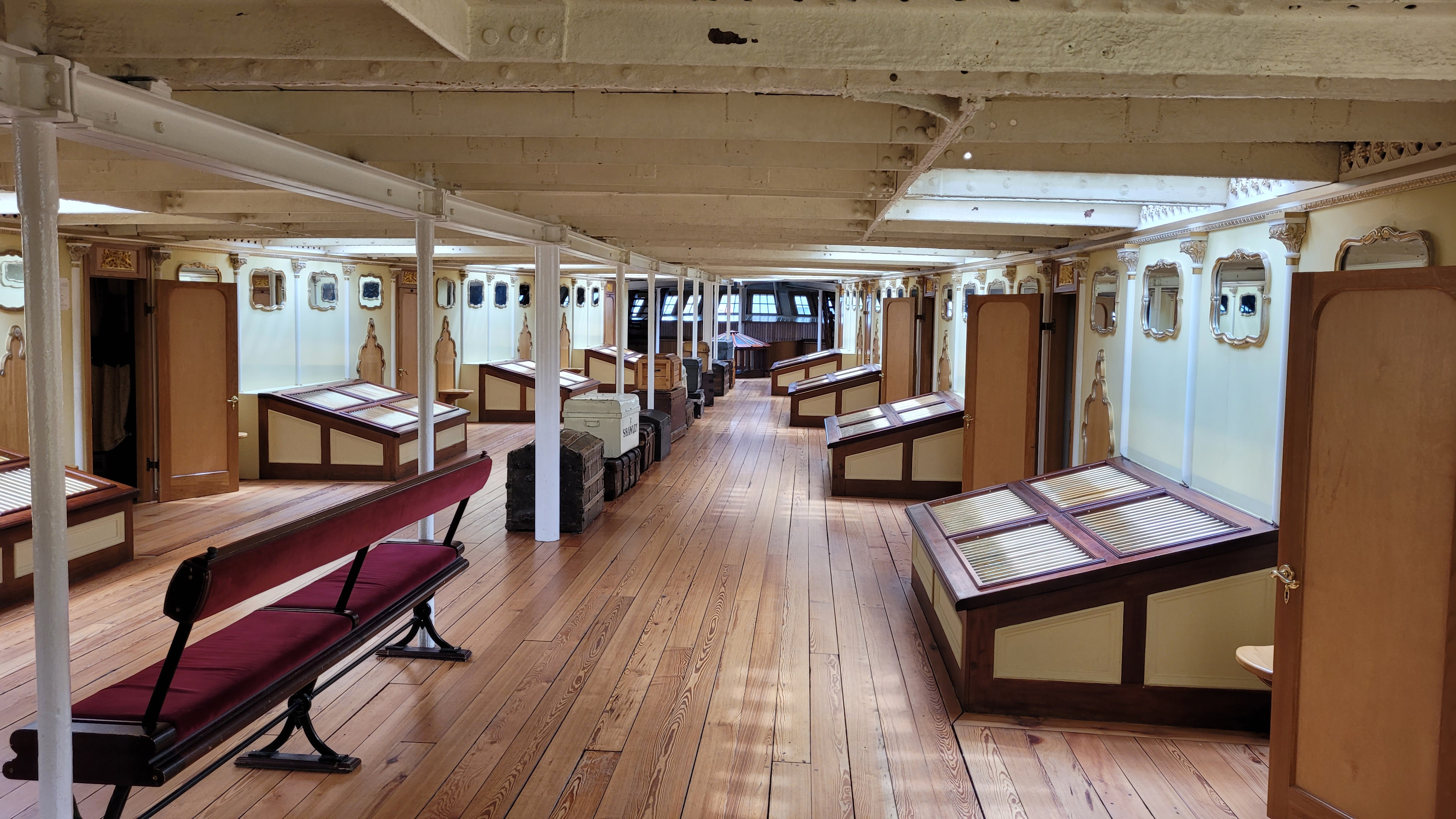
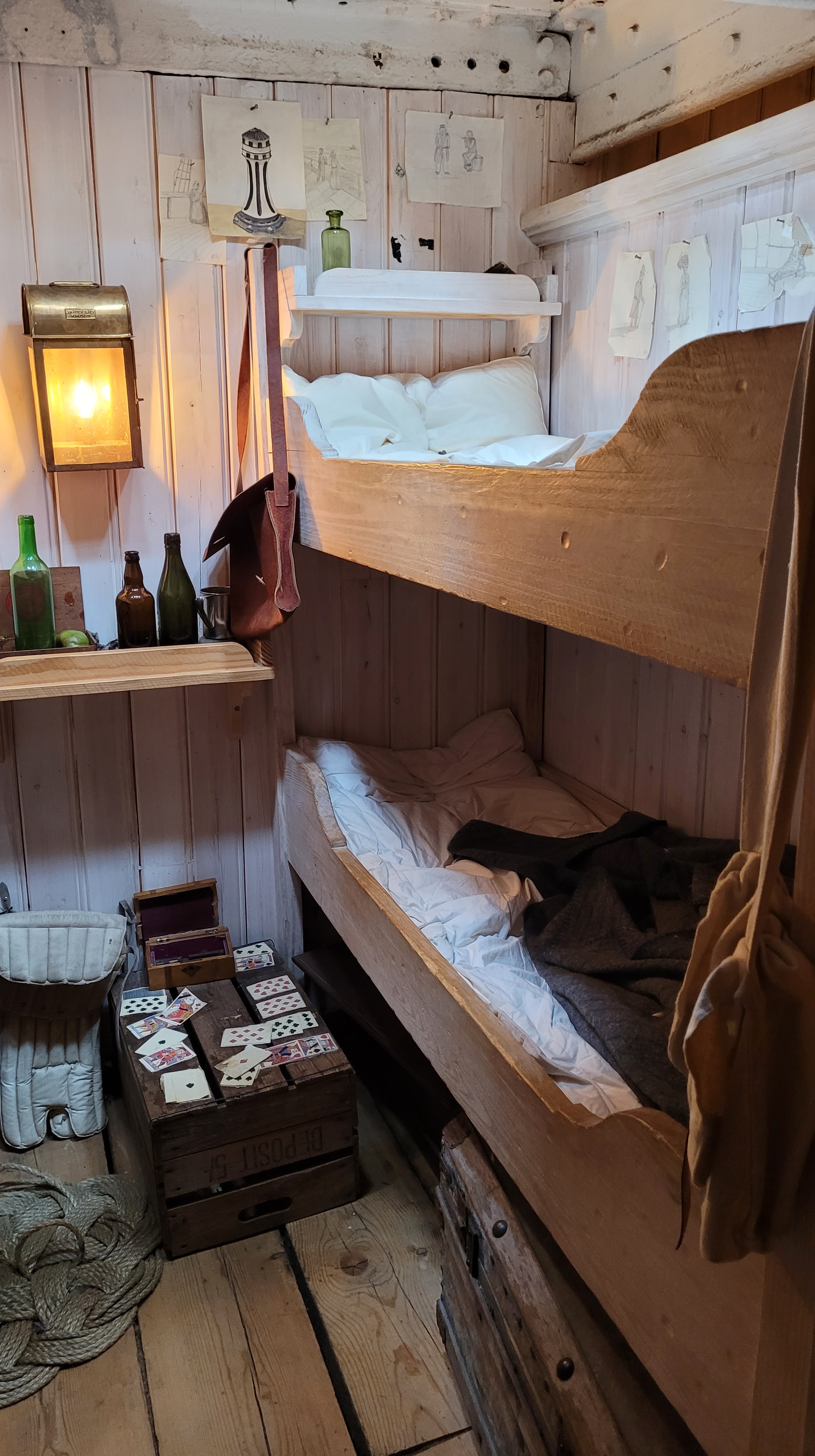
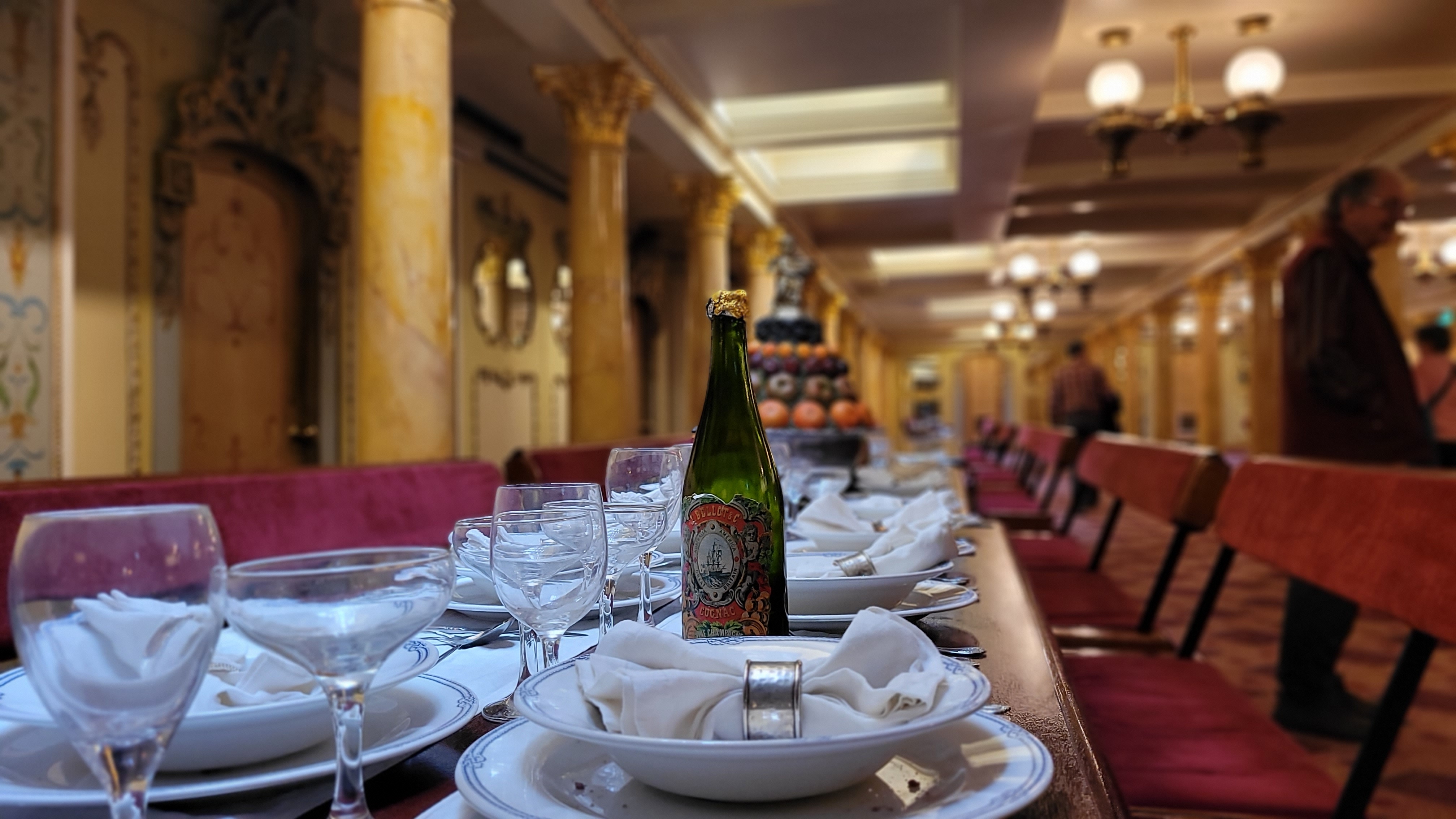
Isambard Kingdom Brunel’s famous ship is permanently docked in Bristol and forms an excellent museum. Oddly, it works in reverse, starting from the ship being rescued from desolation in the Falkland’s, then it’s history as a freighter, and finally as a passenger ship taking immigrants to Australia it’s original purpose. It culminates with a visit to the ship itself, restored to what it would have looked like in Brunel’s time. The museum is fun, interactive, and very educational, and a must-visit in Bristol.
Cabot Tower and Brandon Hill
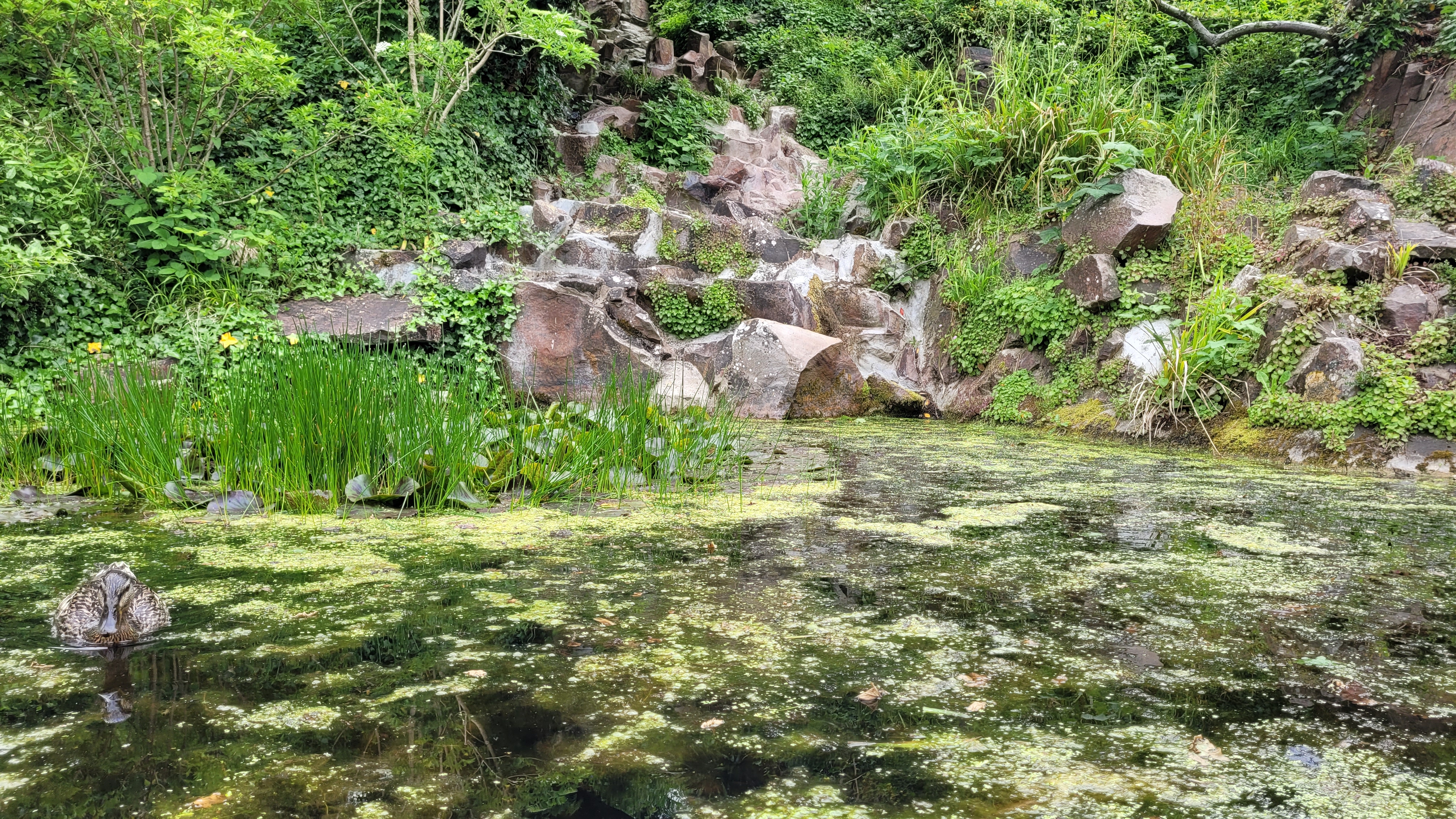
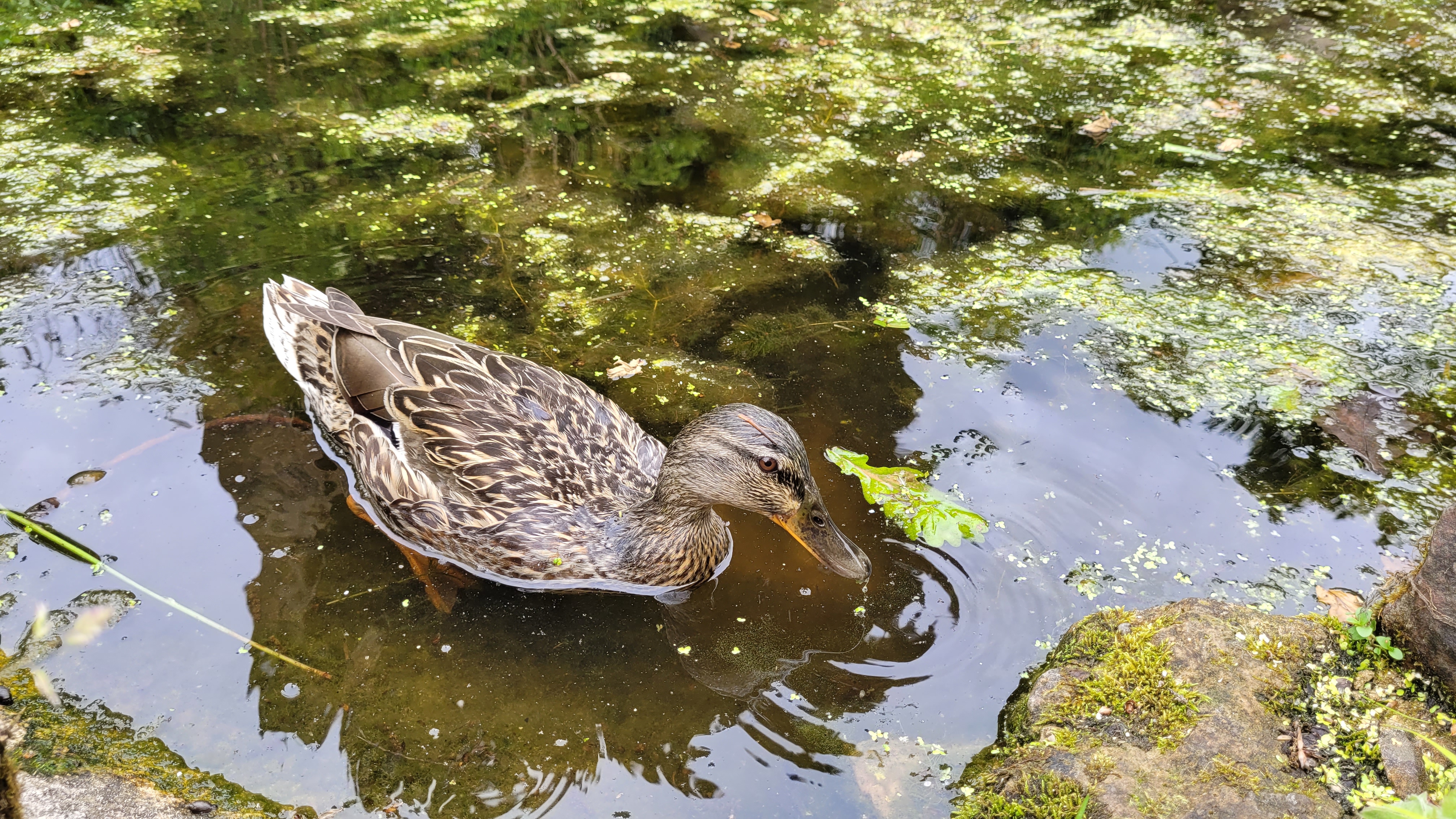
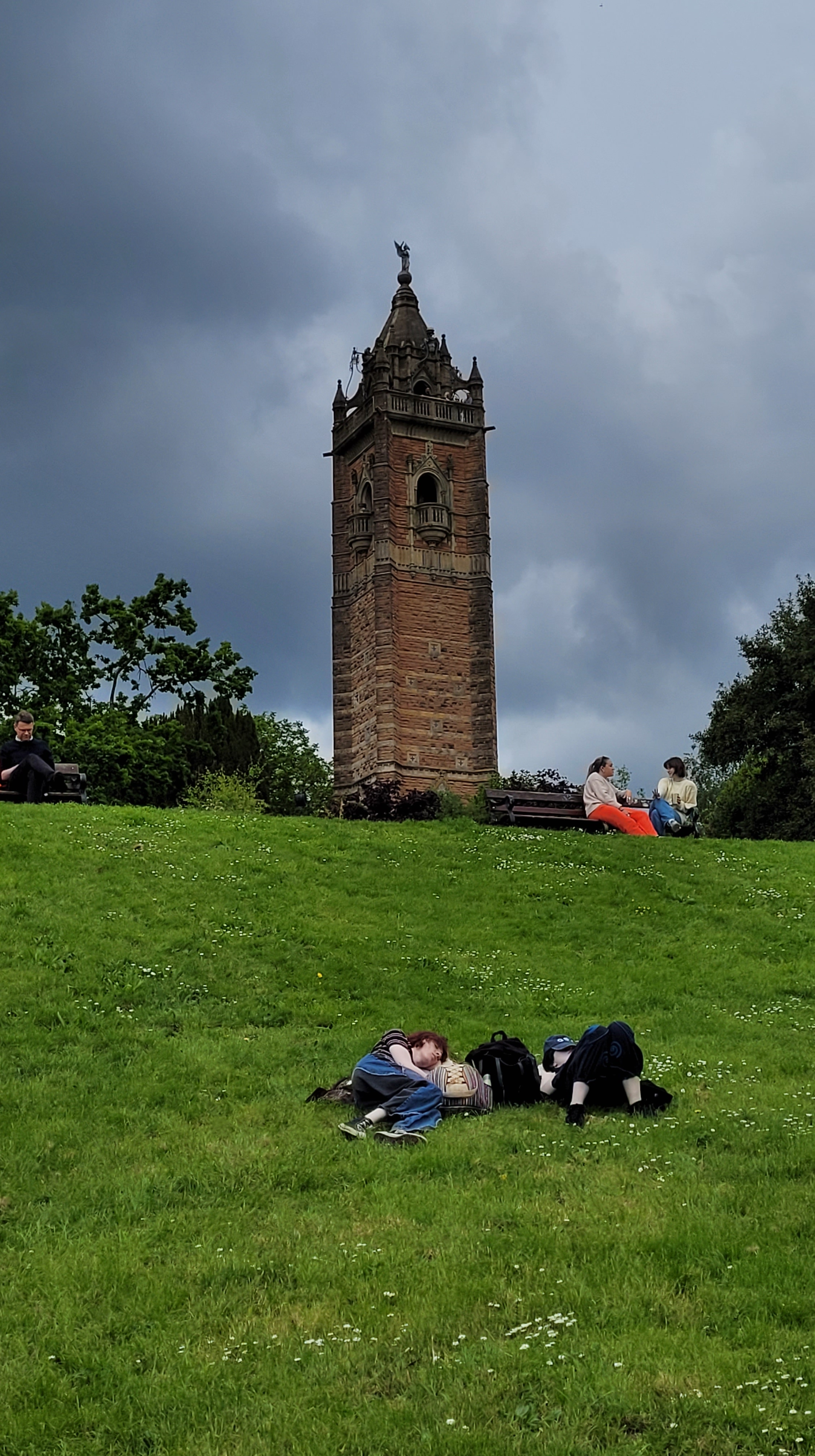
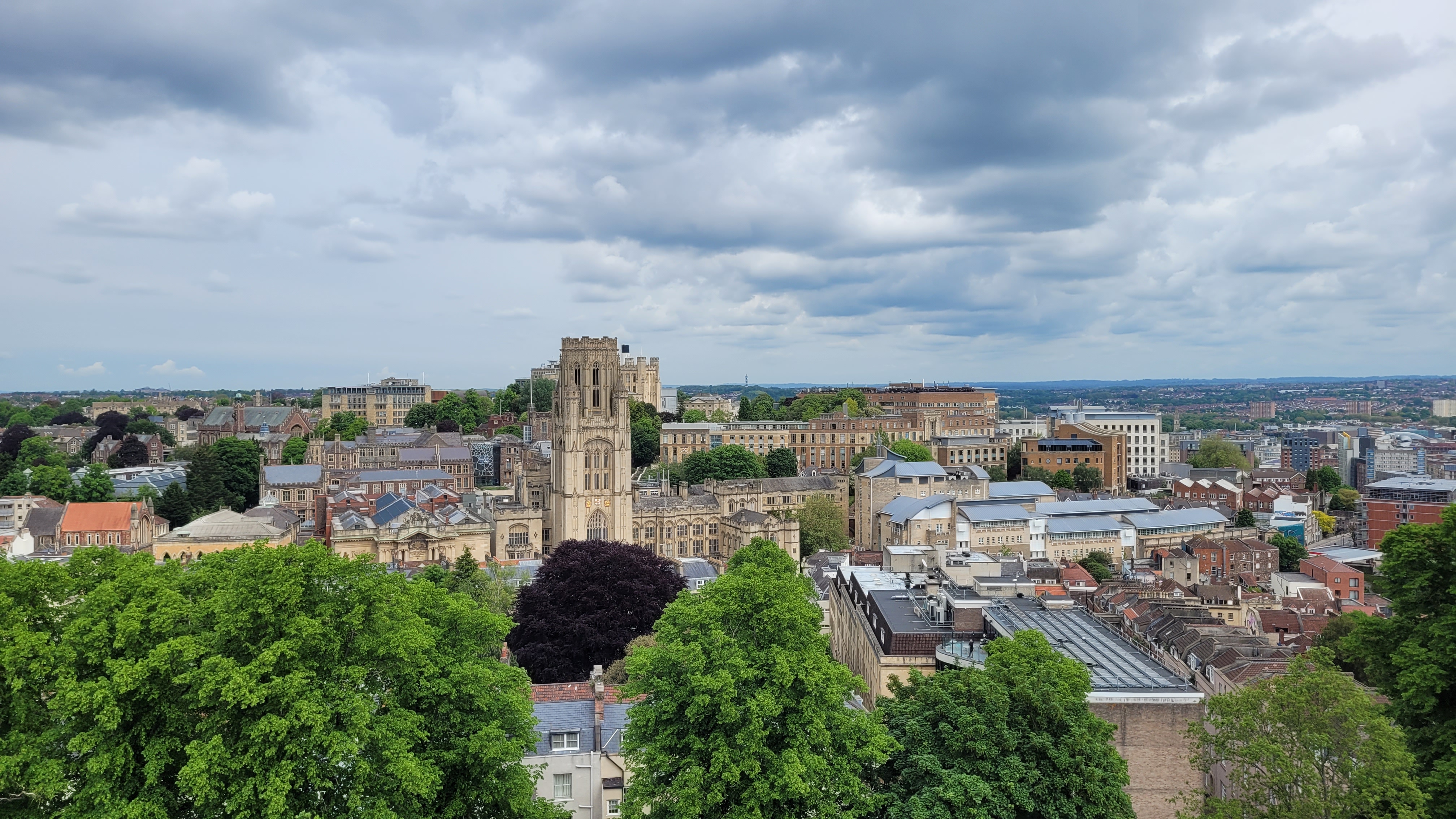
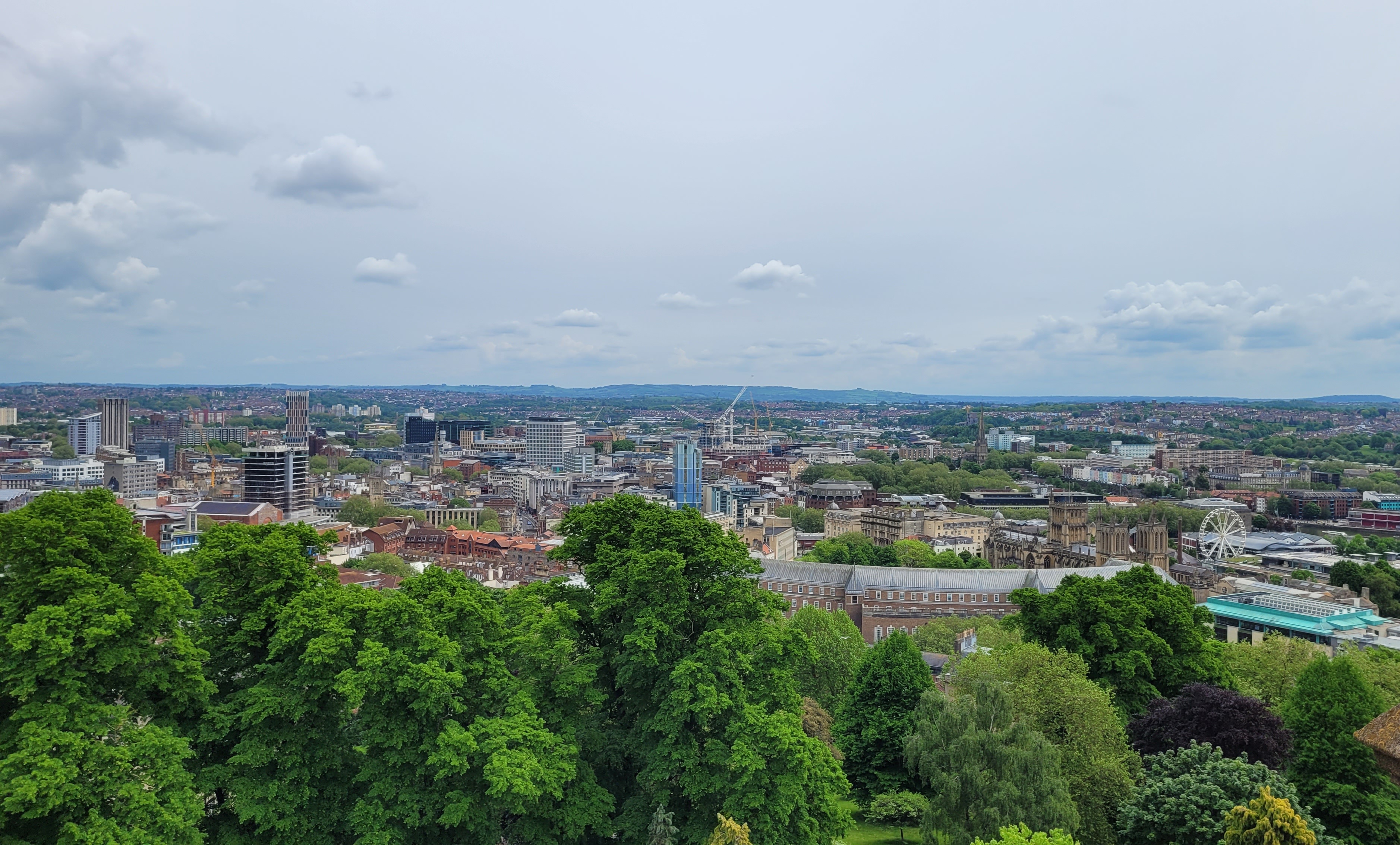
Guarded by a steep climb from the city centre, Cabot Tower provides one of the best view of Bristol for completely free (except the effort required to climb it). It’s located in a fairly nice park, a lovely place for a picnic.
Wake the Tiger
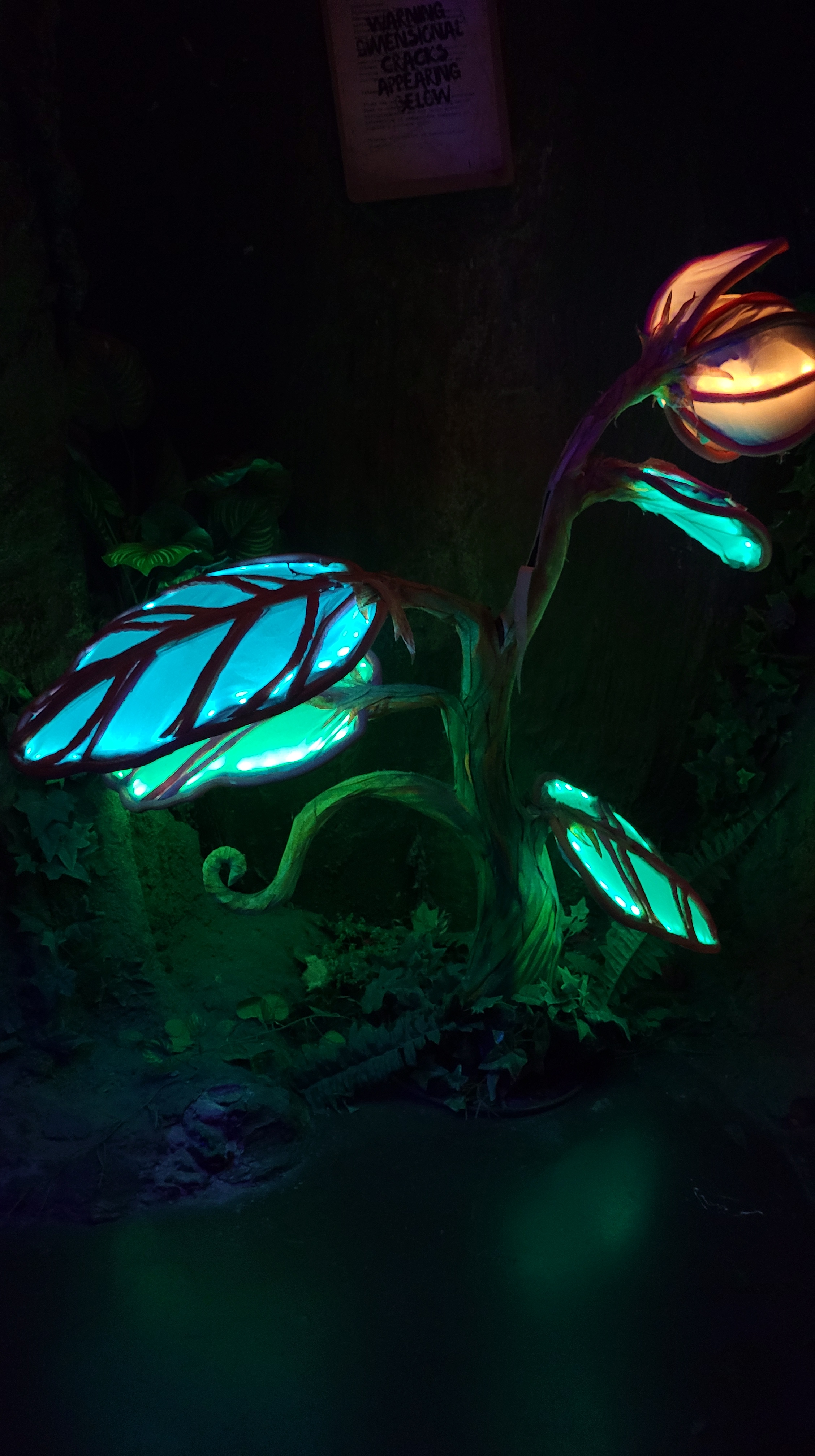
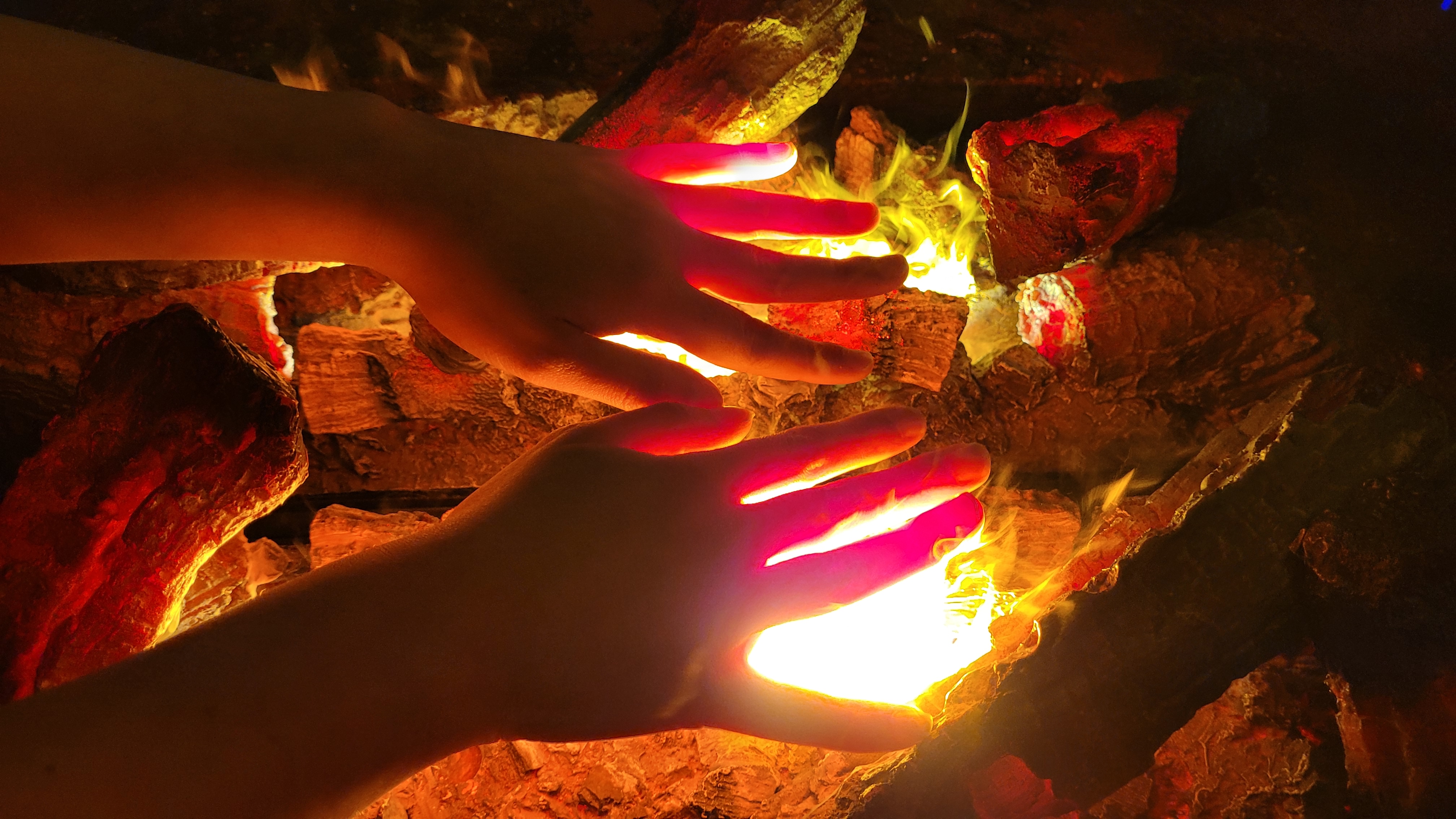
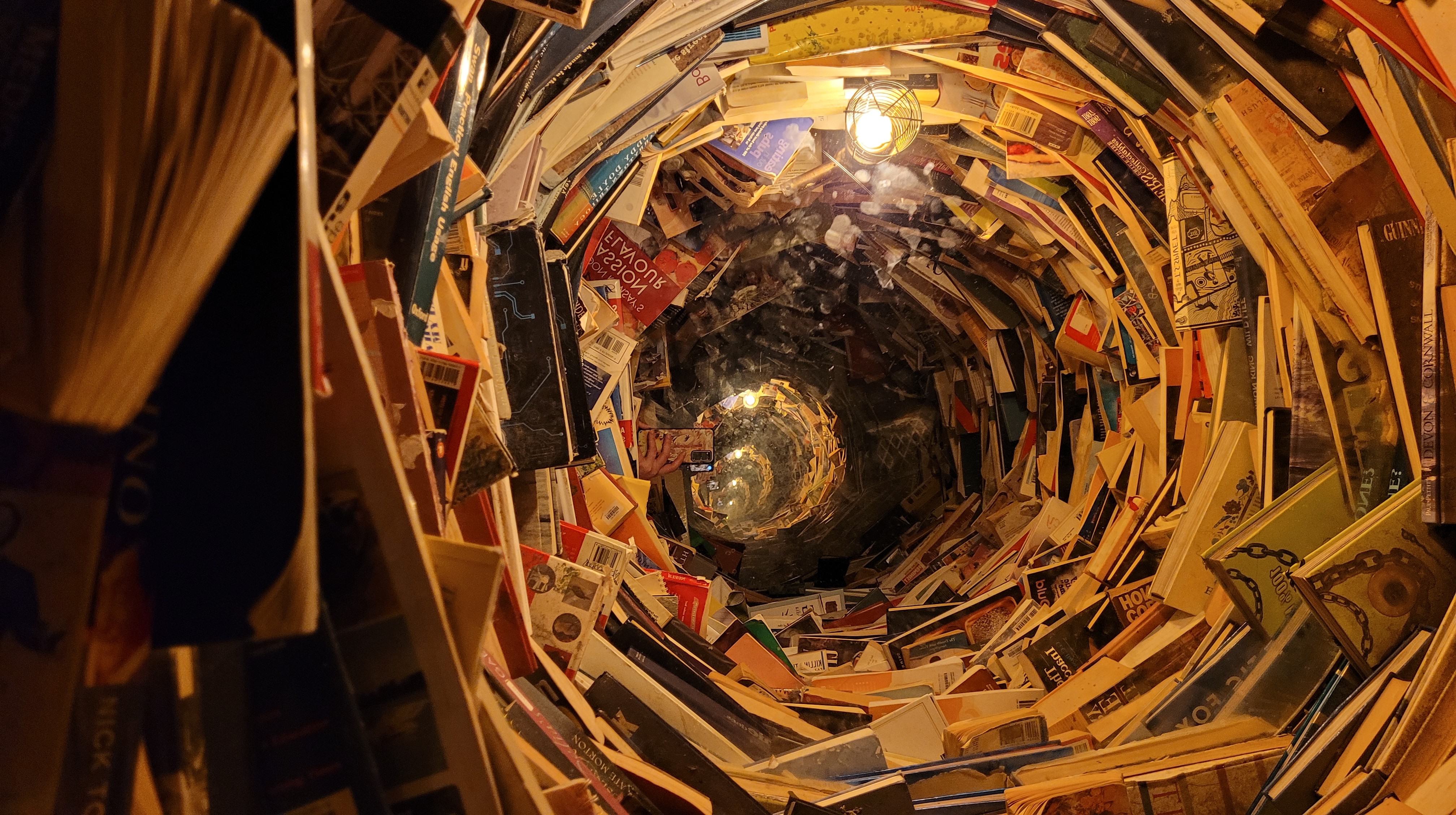
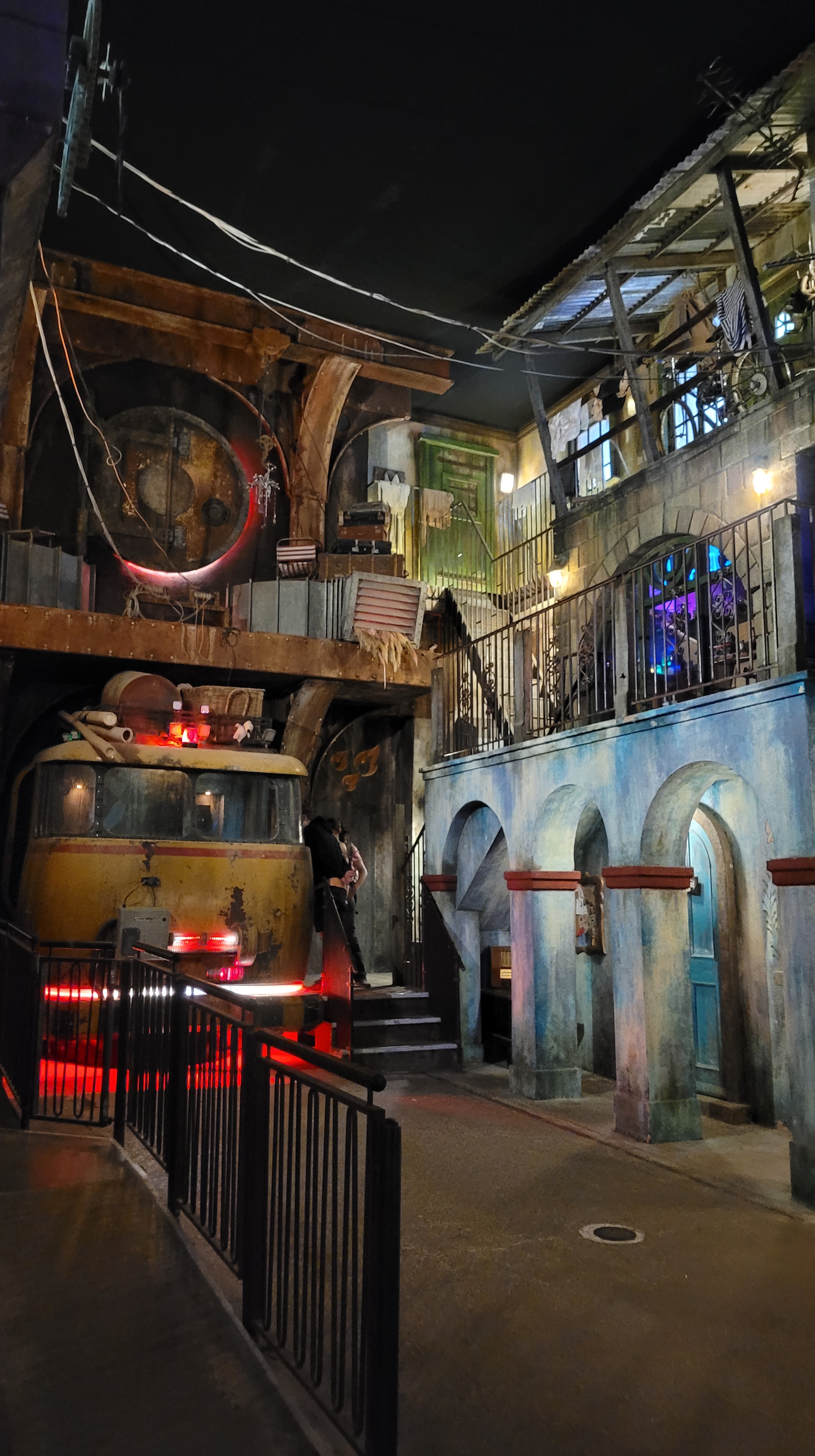
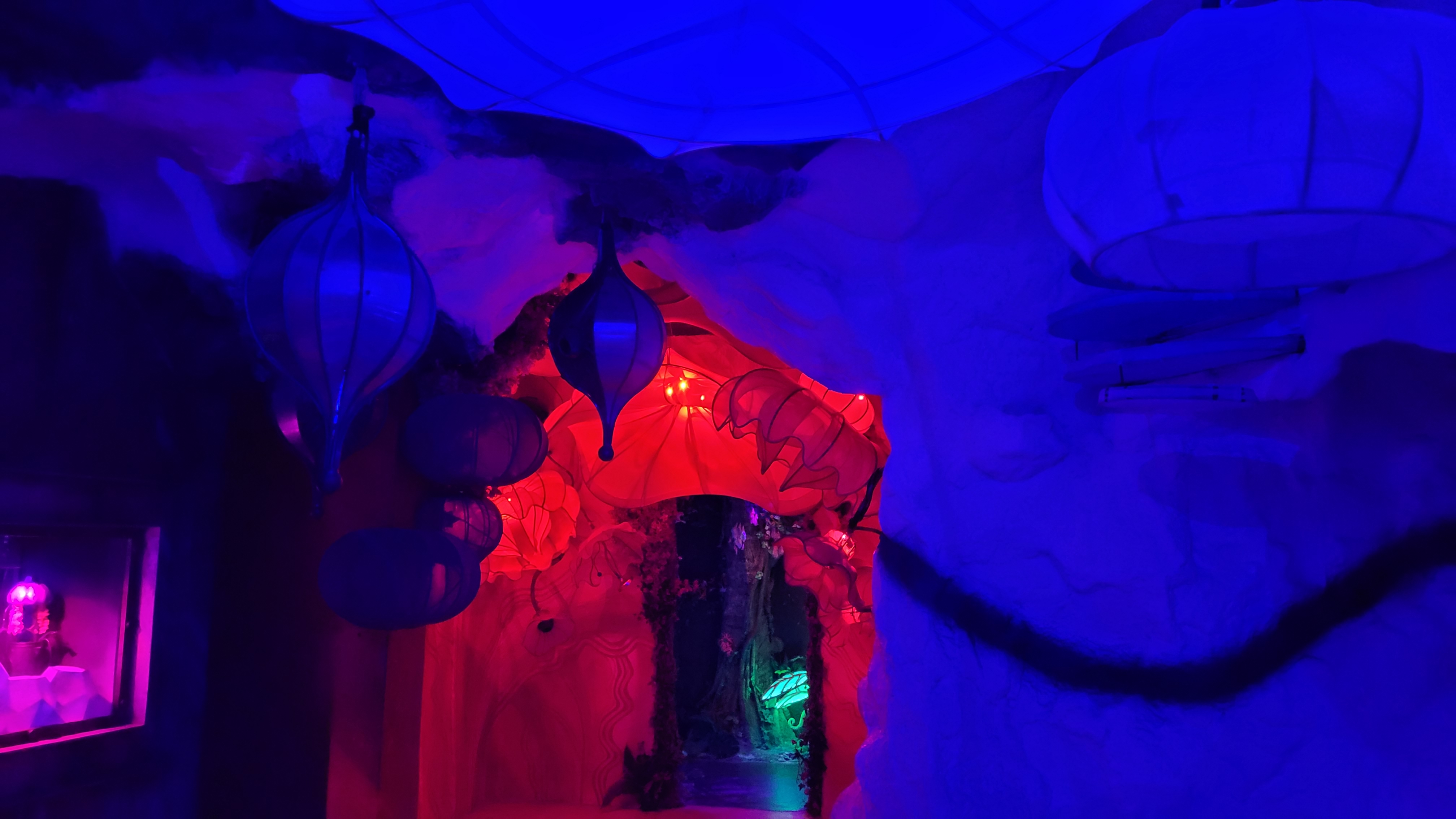
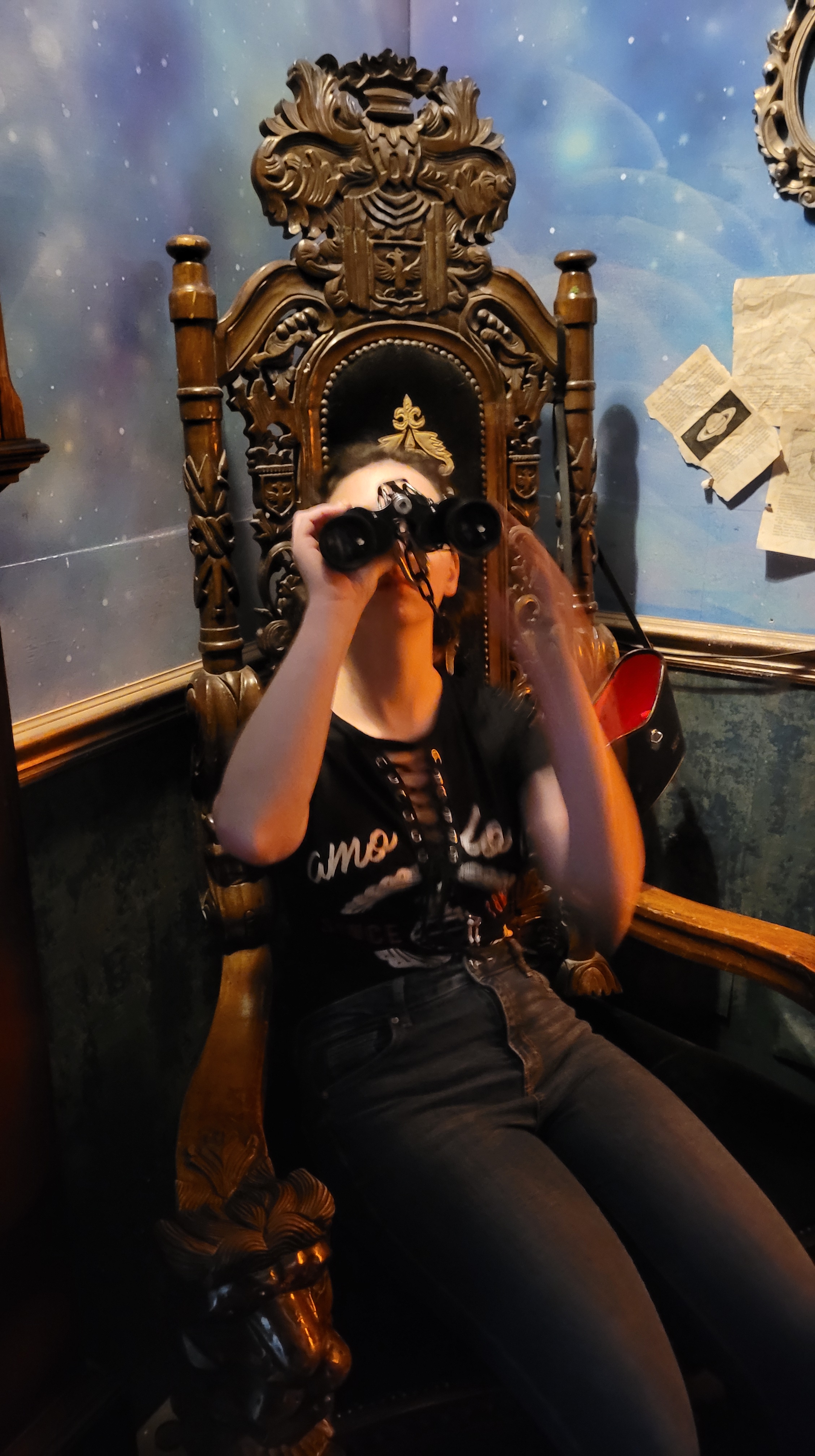
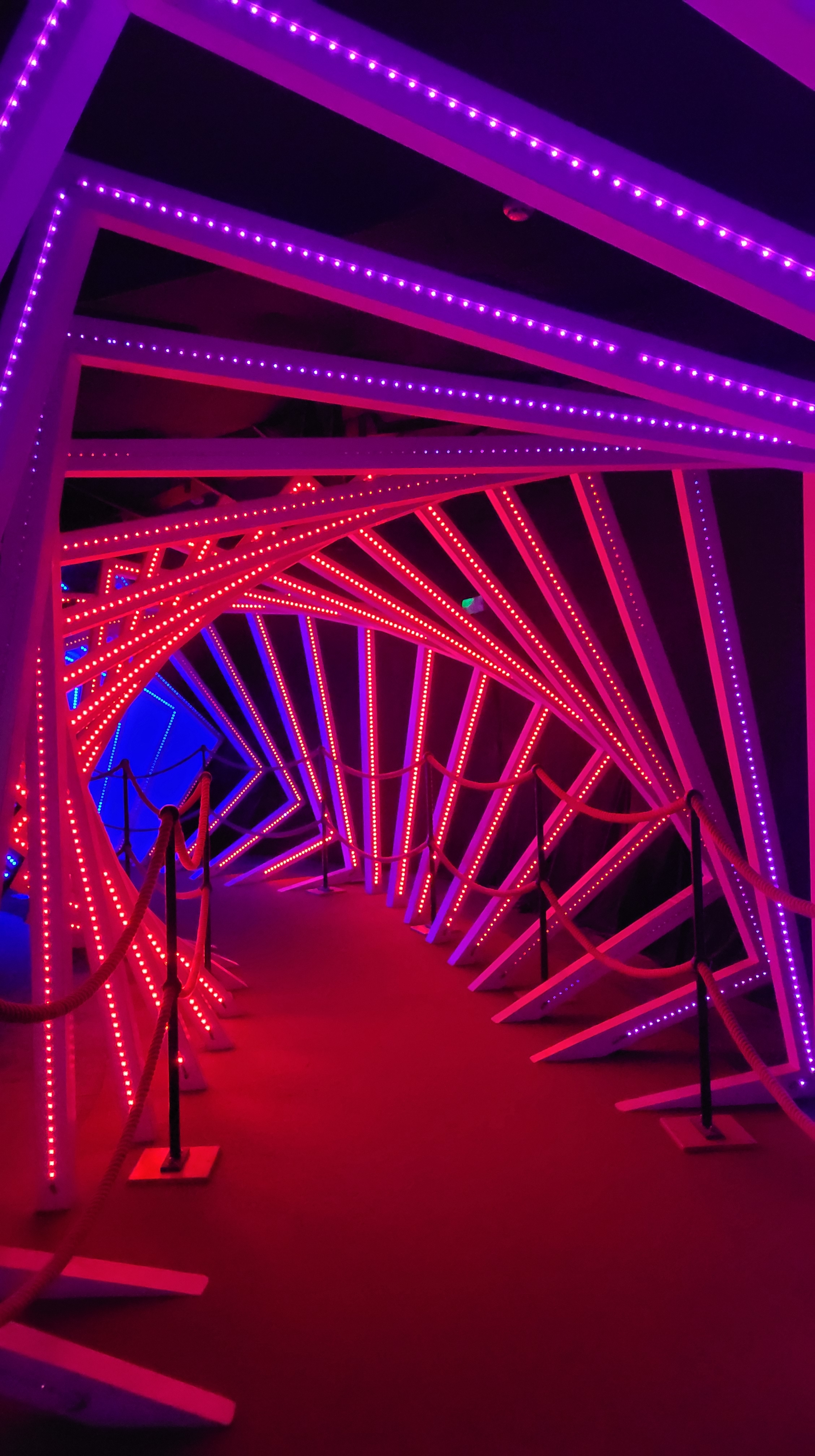
Certainly an unusual attraction, Wake the Tiger is like a portal to another world that you are free to explore and discover it’s secrets. It’s fun to learn the story and find all the mysteries of the world of Wake the Tiger. The only problem is that you need a car to get there as it’s quite far from central Bristol.
Spots That Might Be Good
John Wesley’s New Room
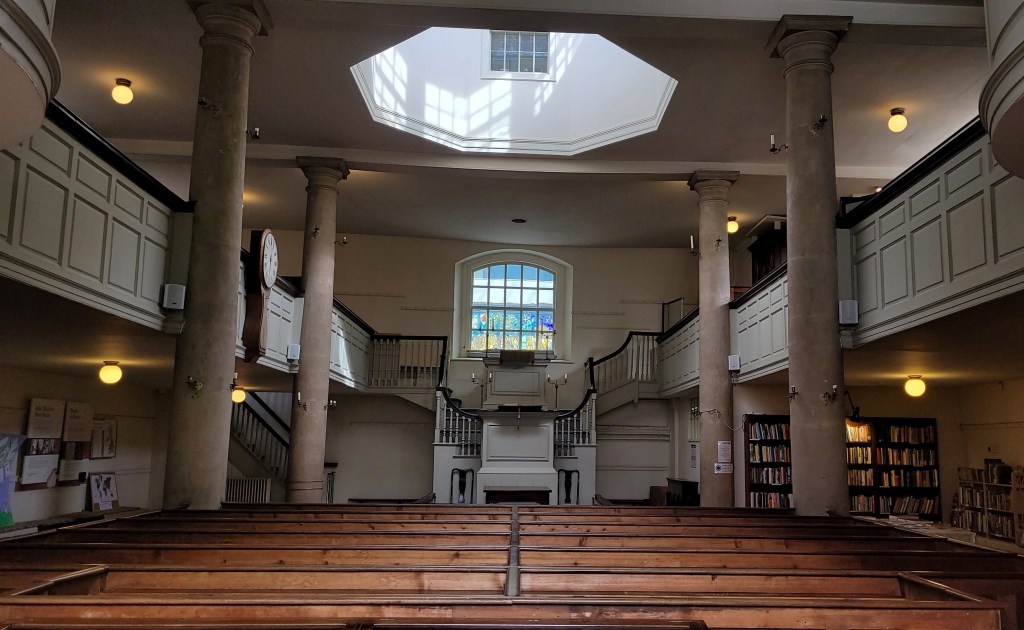
The oldest Methodist building in the world, John Wesley’s New Room is a fun way to learn about the origins of this Christian denomination. It’s also quite a unique looking church.
The Matthew of Bristol

A modern reproduction of the Matthew, the caravel used by John Cabot to sail to Newfoundland. There are usually volunteers on board, providing information about the ship, both the historical original and the reproduction. It’s mildly interesting, but little more.
The Lord Mayor’s Chapel
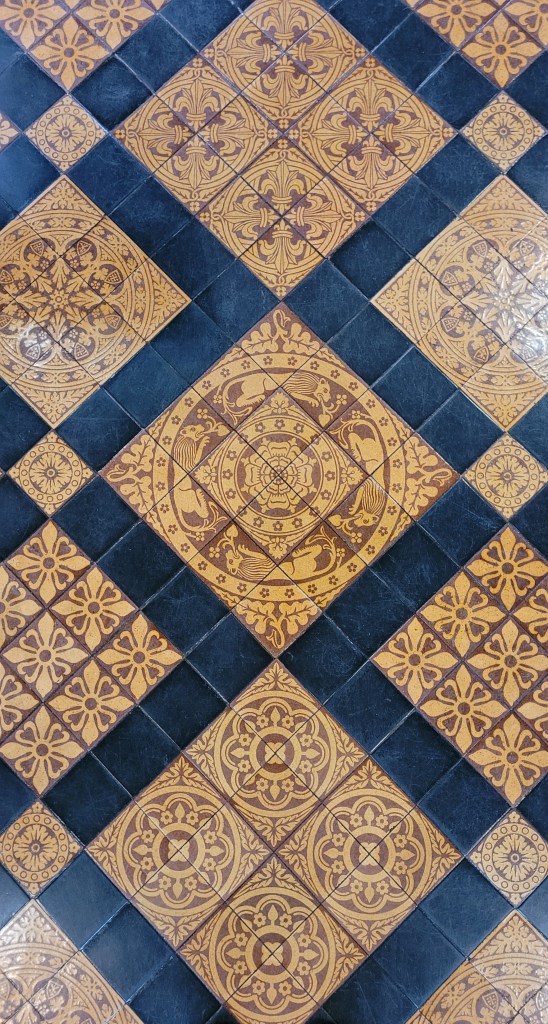
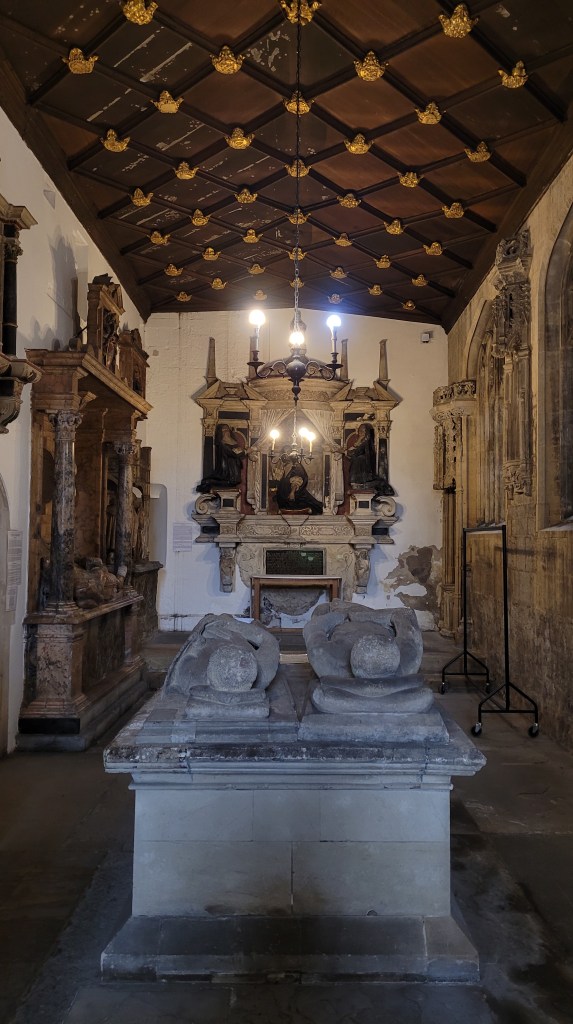
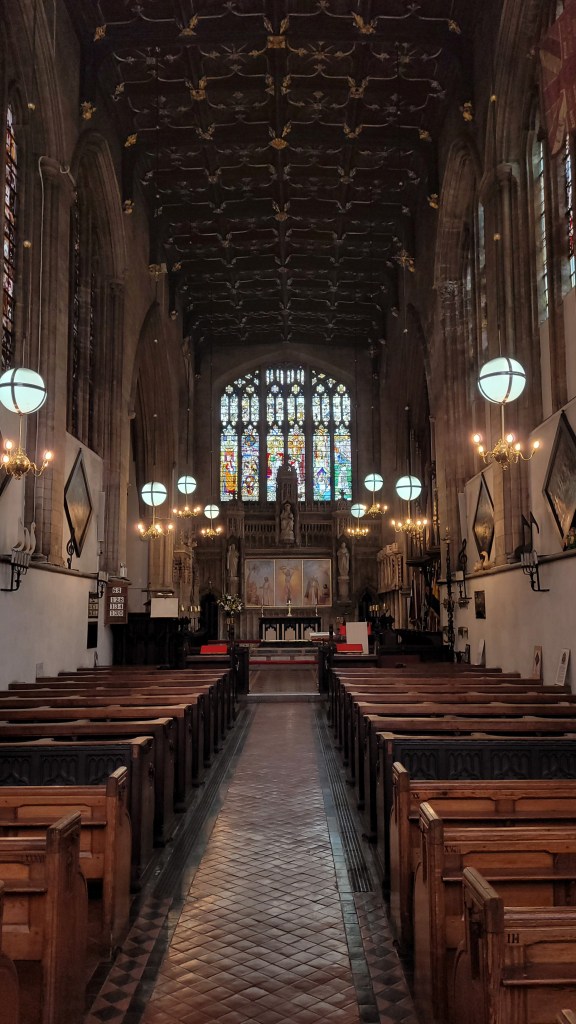
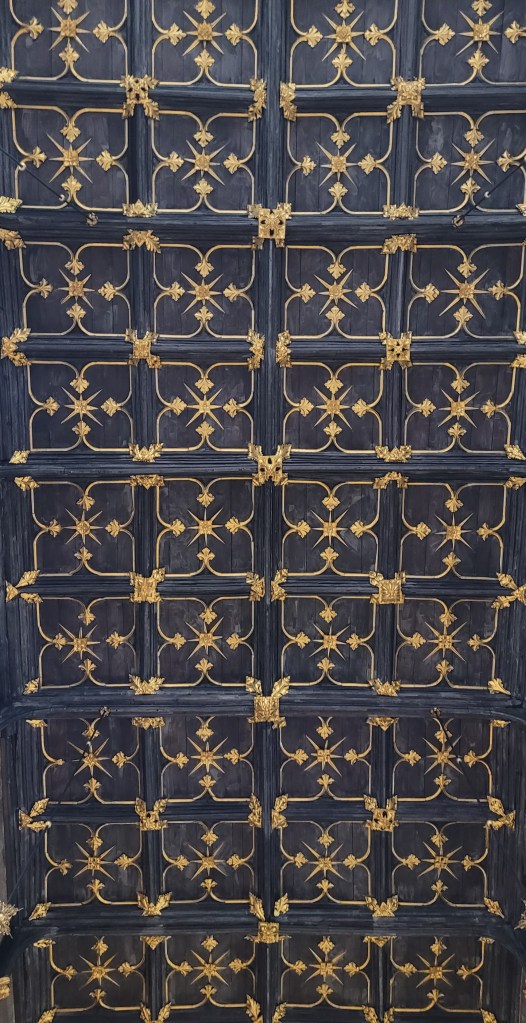
Opposite Bristol Cathedral, in an unassuming row of buildings, is the Lord Mayor’s Chapel, a small church once used by the Mayor of Bristol. It’s pretty on the inside, but small, and requires a fee to get in.
Places I’d Avoid
Bristol Cathedral
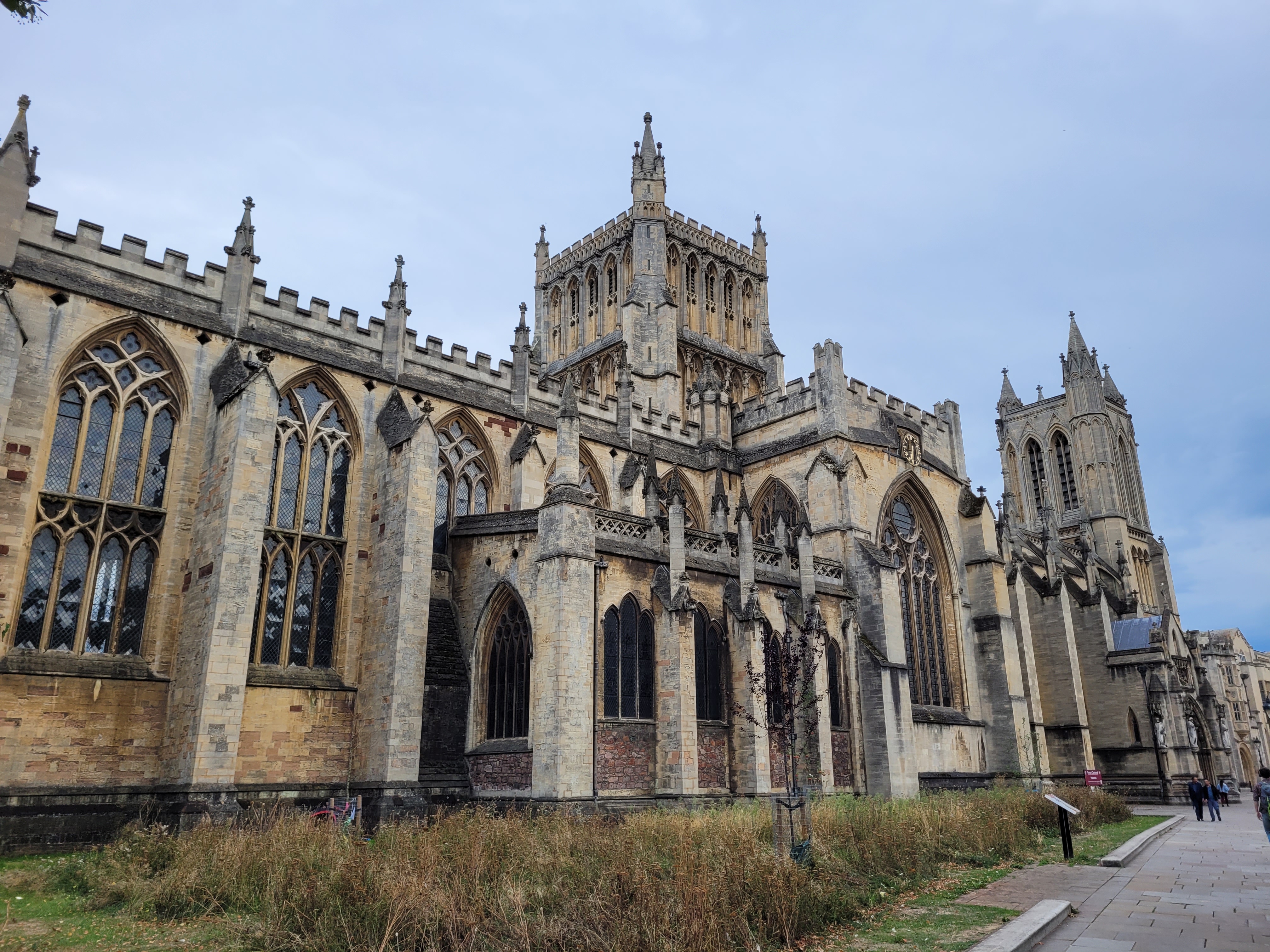
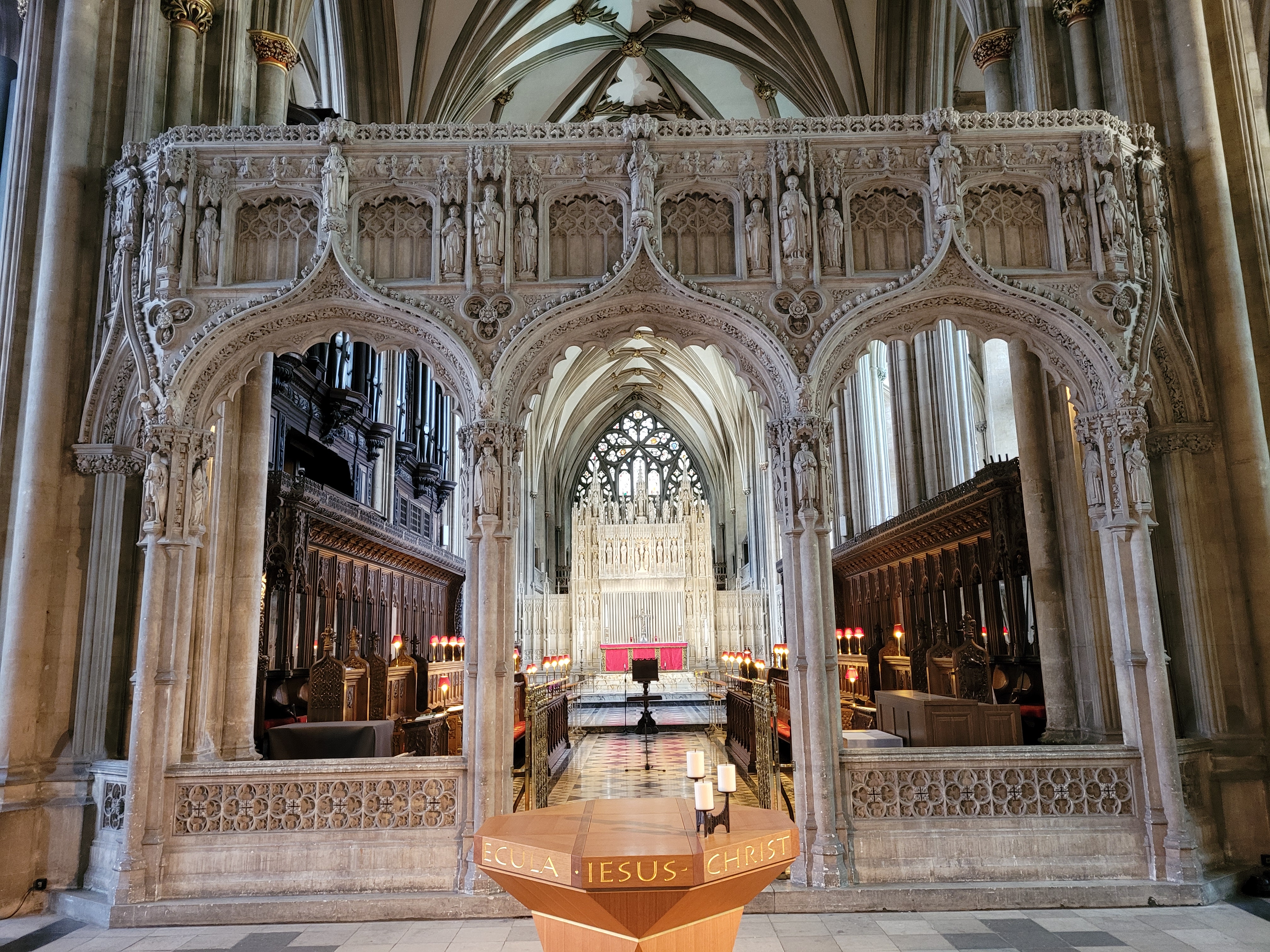
Bristol Cathedral is big, but that’s pretty much all that it has going for it. It has a rather boring interior, and the exterior is basically the same as every other church in England. It’s free to enter though, so if you happen to walk past it, it might be worth popping your head in, but otherwise, it’s not really worth it’s own trip.
Conclusion
Bristol is a fantastic city. There’s easily enough things to do for a 2 to 3 days worth of activities. Bristol is also an excellent base for exploring this part of England. Bath is only about a 15 minutes train ride away, and there are good train connections to the Southern Welsh cities, as well as Cornwall and Devon.
 We May Roam