
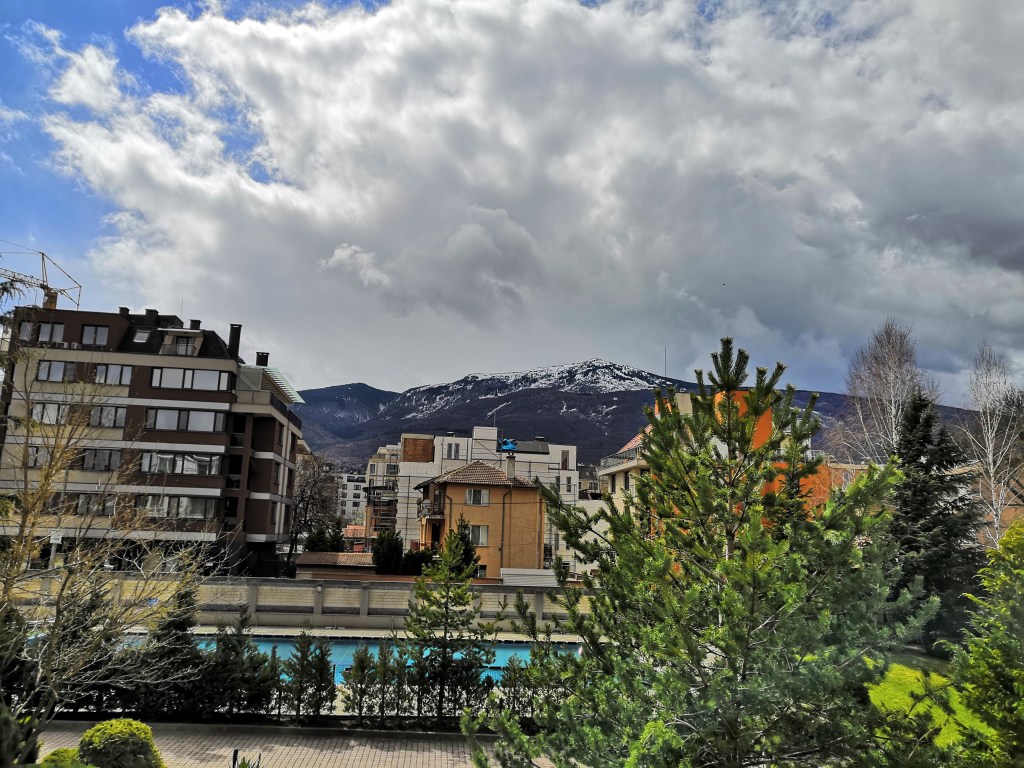
Bulgaria’s capital lives in shadows – the shadow’s of it’s communist past, and the shadow of Vitosha, the looming mountain in Sofia’s back garden. However, it still shines through as a fantastic tourist destination in the Balkans.
At a glance…
- Days To Spend: 3, maybe 4
- Get Around: Metro, tram, and bus for further destinations, and walk for the rest
- Get In and Out: By coach most likely, or flying
- Pay: Lev (soon to be Euro) with card payment widely accepted
- Speak: A little Bulgarian can help, but most will switch to English immediately
- See: Vitosha, Boyana Church, Rila Monastery, St Alexander Nevsky
- Should you go?: Yes, for sure!
General Impressions
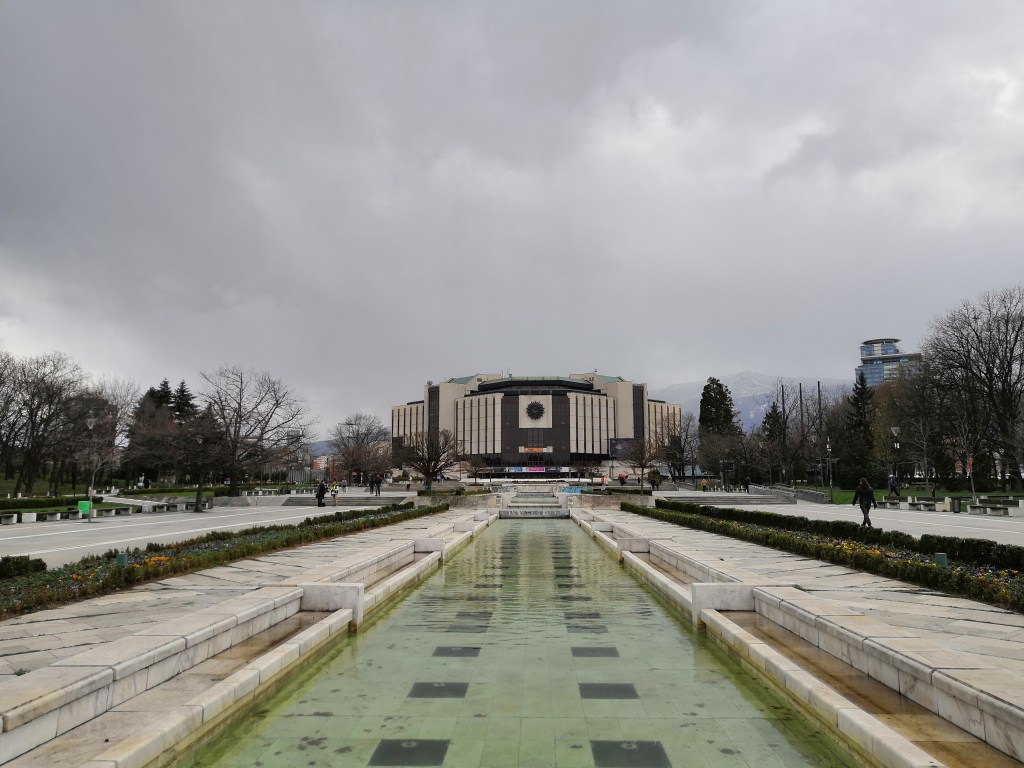
Sofia is a city that marries Turkish, Russian, and Communist architectural influences into a beautiful milieu of styles with Bulgarian flare. Deeper underground, once can find the Roman and Byzantine influences on this ancient city.
Public Transport
Getting Around
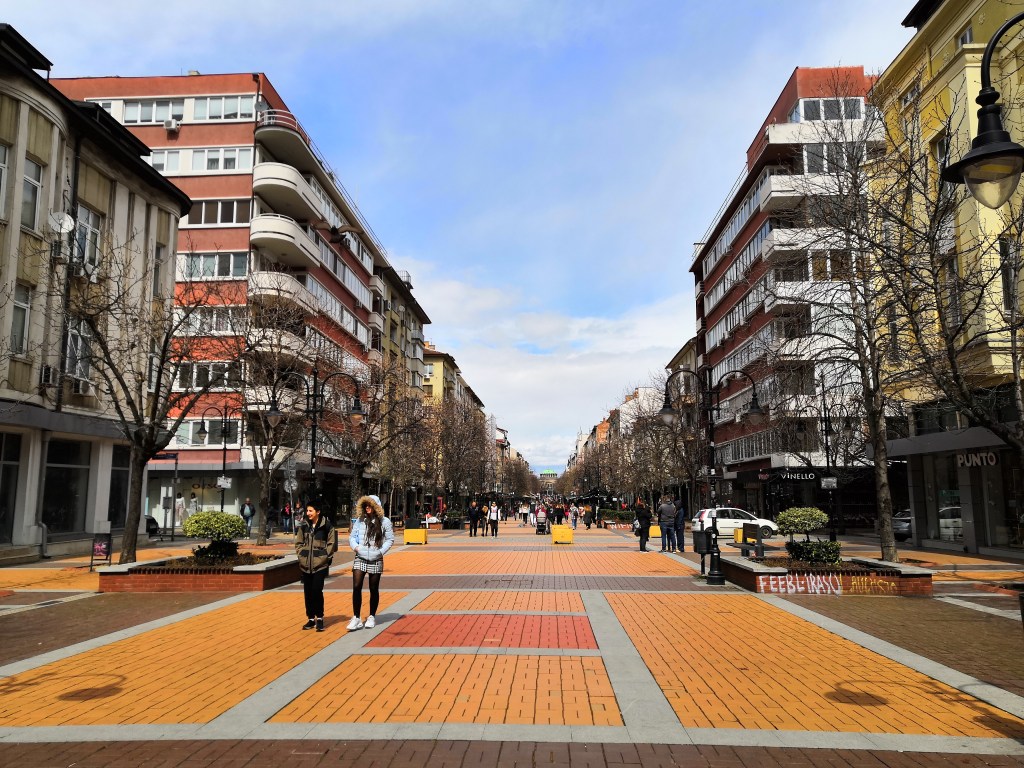
Sofia has a generally reliable and well connected public transport network consisting of buses, trams, and a few metro lines. Take the metro when you can, but the buses and trams won’t disappoint if you need to take them. Having your own car is useful for some of the further out destinations, such as Vitosha, Boyana Church, or Rila.
Getting In and Out
Sofia is a railway hub for many of it’s neighbouring countries, and international connections do exist to countries like Serbia, Turkey and North Macedonia. Domestic connections are present too. However, Bulgarian trains are fairly slow and dirty. Coaches provide a much nicer and faster experience, especially for domestic travel.
Other than that, there is an airport in Sofia that’s well connected to the rest of Europe. Bulgarian’s tend to travel by car, so renting a car is definitely an option. Just be aware driving standards are definitely lower than in Western Europe.
Food
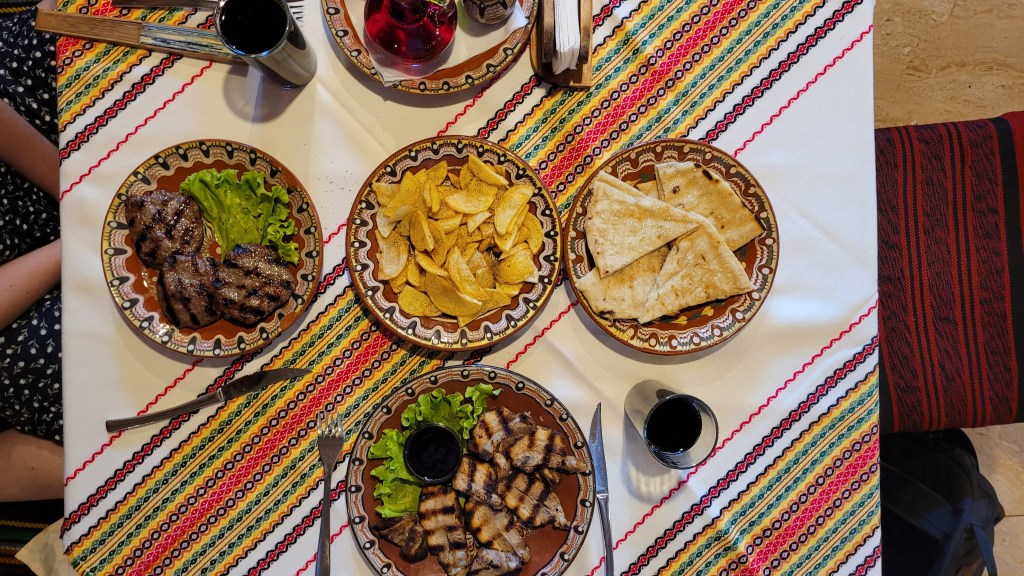
Bulgarian food is hearty, featuring a lot of grilled meats, and yoghurt. It’s also quite cheap. I can’t think of anything bad to say about Bulgarian food.
Money

For the time being, Bulgaria is still using the Lev, but it is due to change to the Euro within the next few years. Bear this in mind, depending on when you read this post.
Language
Speaking Bulgarian is slightly appreciated by the locals, but they’ll generally switch to English as soon as they’ve clocked that you’re a foreigner.
Time
3 days is a good amount for Sofia. So long as you’re interested in museums and churches, a fourth day would not go amiss. Any more than that, and I think you’d start to struggle for activities.
My Favourite Spots
Rila Monastery

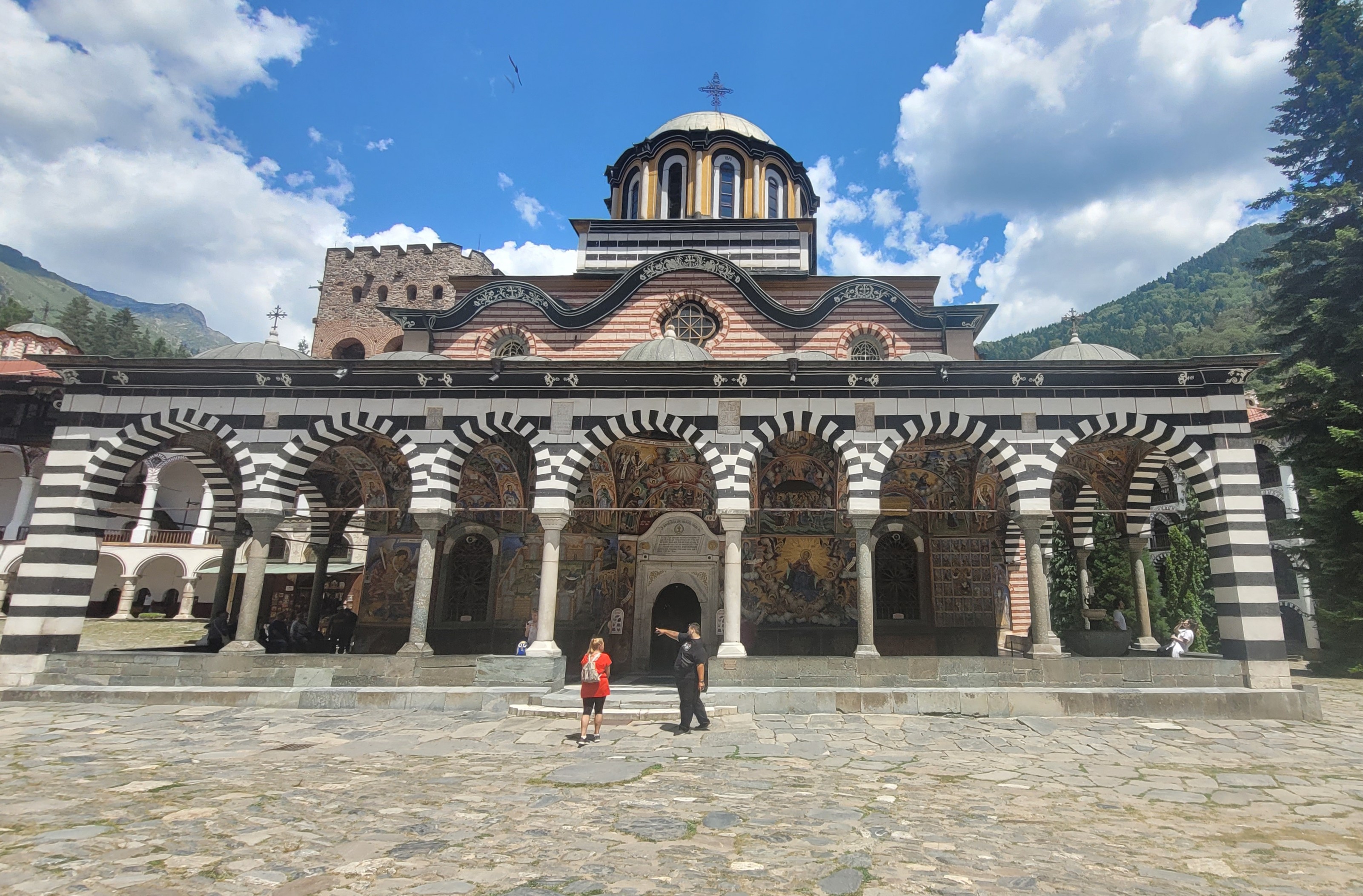
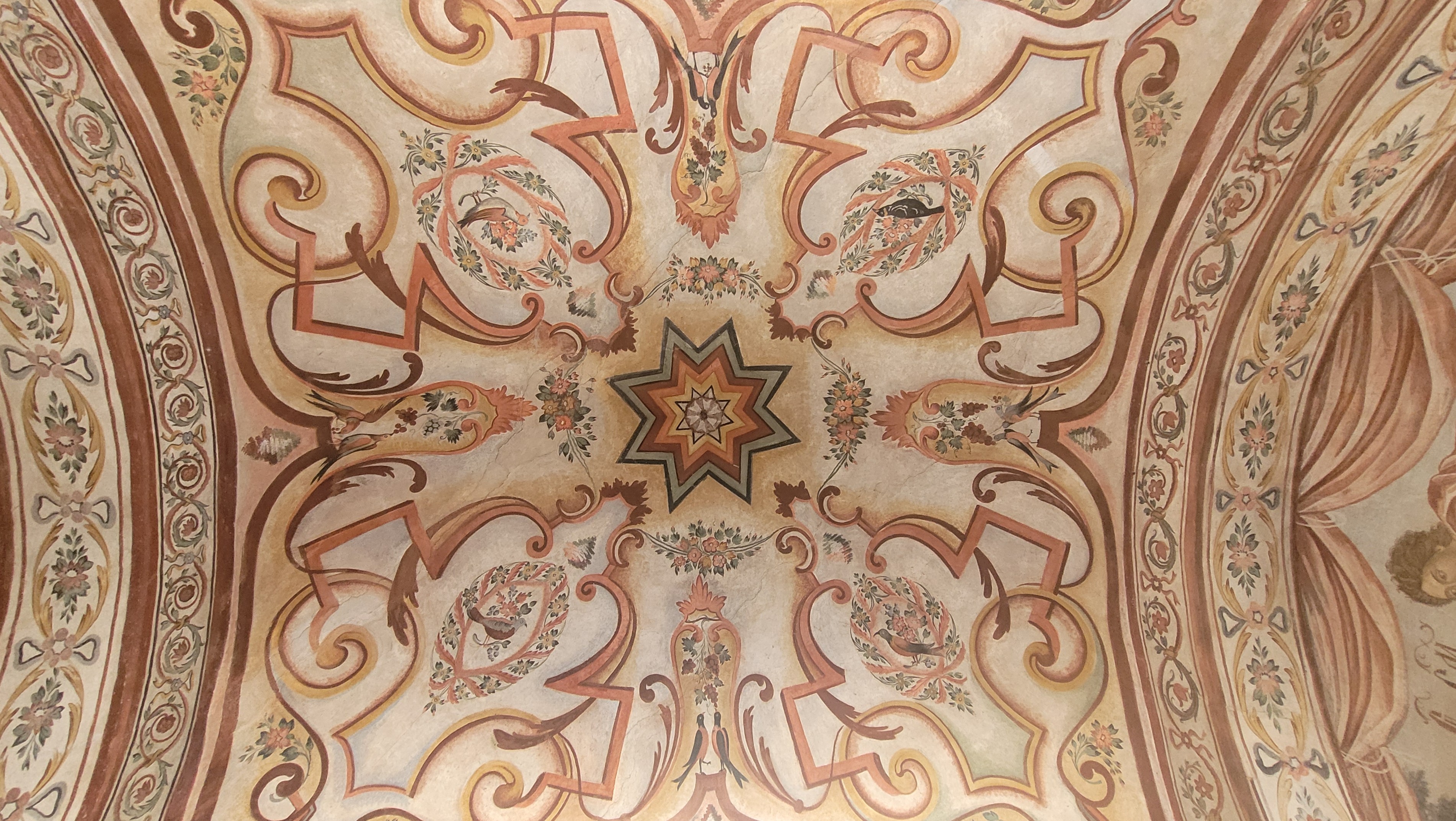
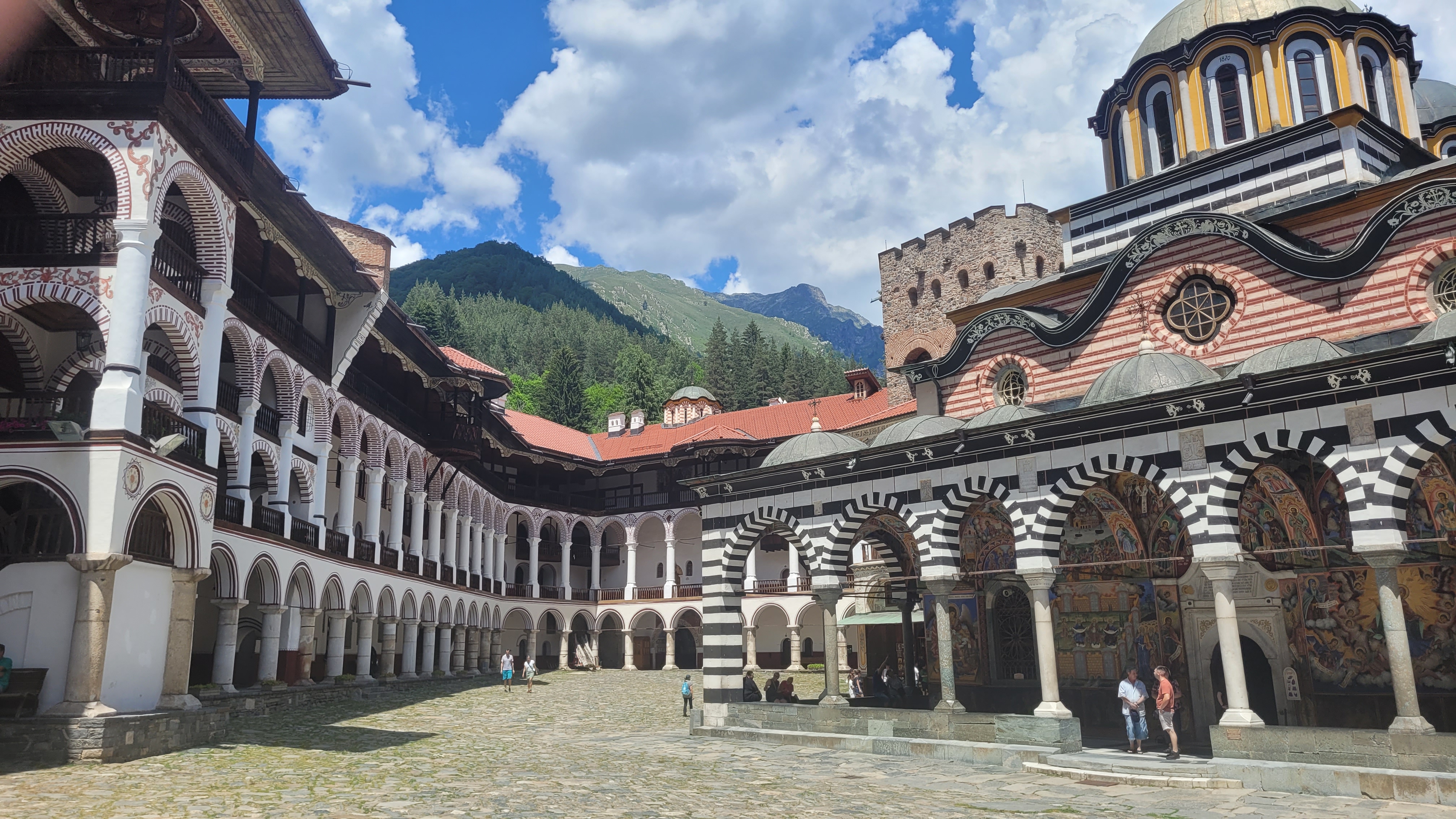
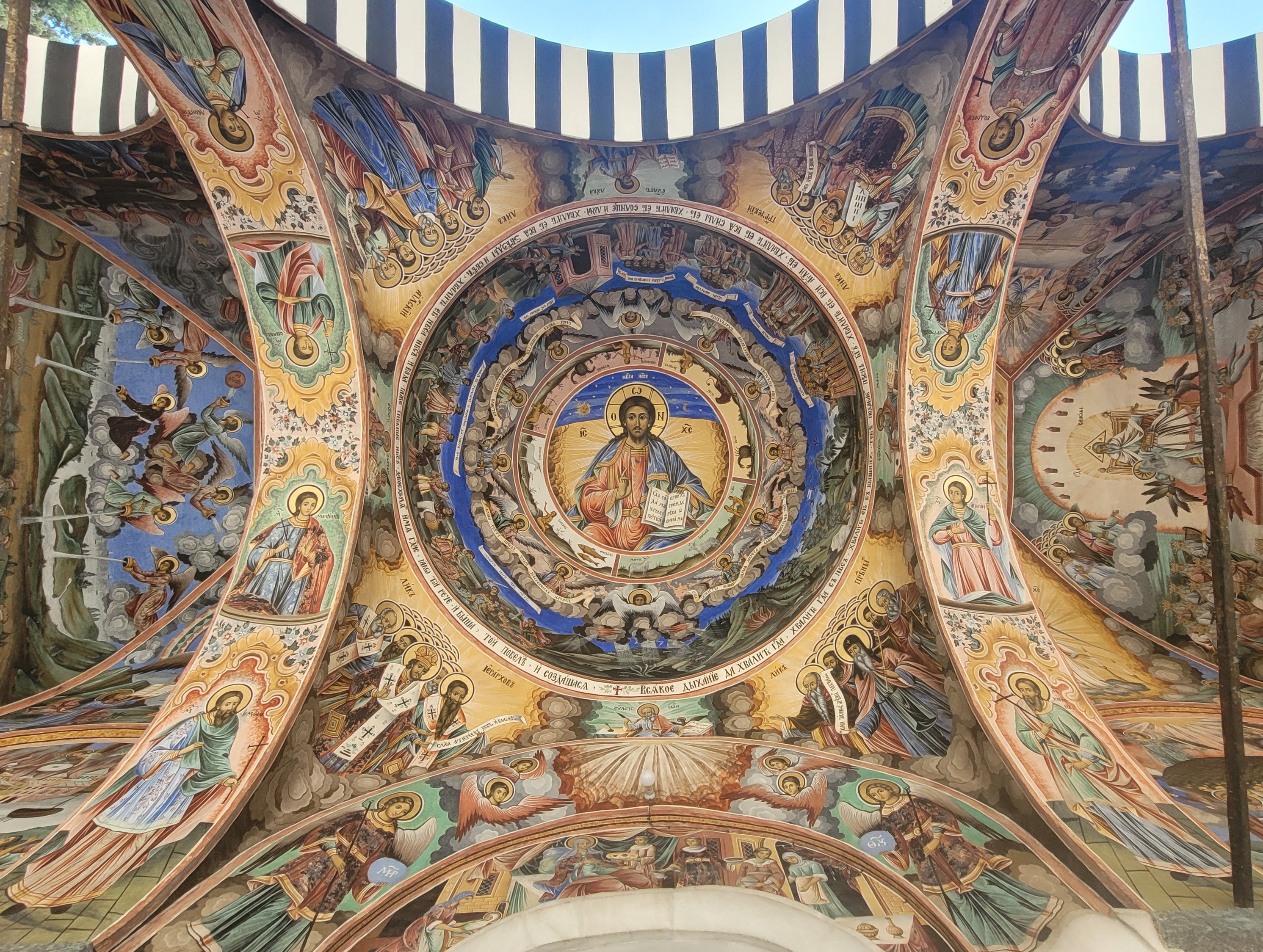
Not in Sofia, but still regualrly visited by people staying in Sofia, this monastery is the holiest place in the Bulgarian Orthodox Church. The 2 hour drive to get here is well worth it to experience the serene atmosphere and the beautiful buildings that form the complex. Most people visit this as an organised tour, which is the way we’d recommend you do it.
Boyana Church
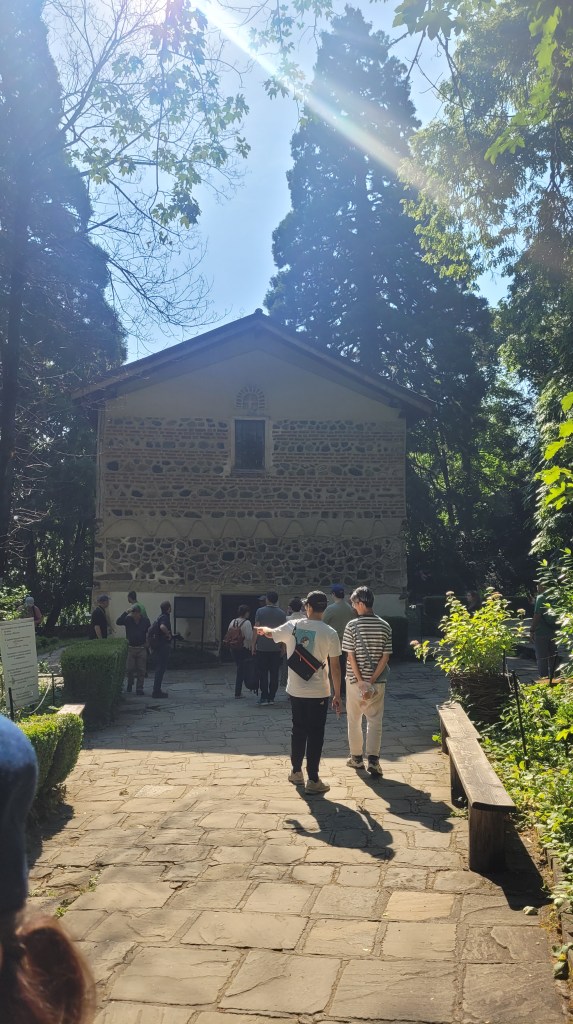
One of the best churches we have ever been in, Boyana Church has been livingly preserved from the Middle Ages. The walls are covered by paintings of saints from floor to ceiling. It’s hard to overstate just how amazing Boyana Church is. Unfortunately, you only get a scant 10 minutes inside, and it is very hard to visit the church independently, as tour groups book out entire mornings or afternoons for themselves. Many tours combine Rila Monastery and Boyana Church into one trip, and that’s how we’d recommend you do it too.
Sofia Synagogue
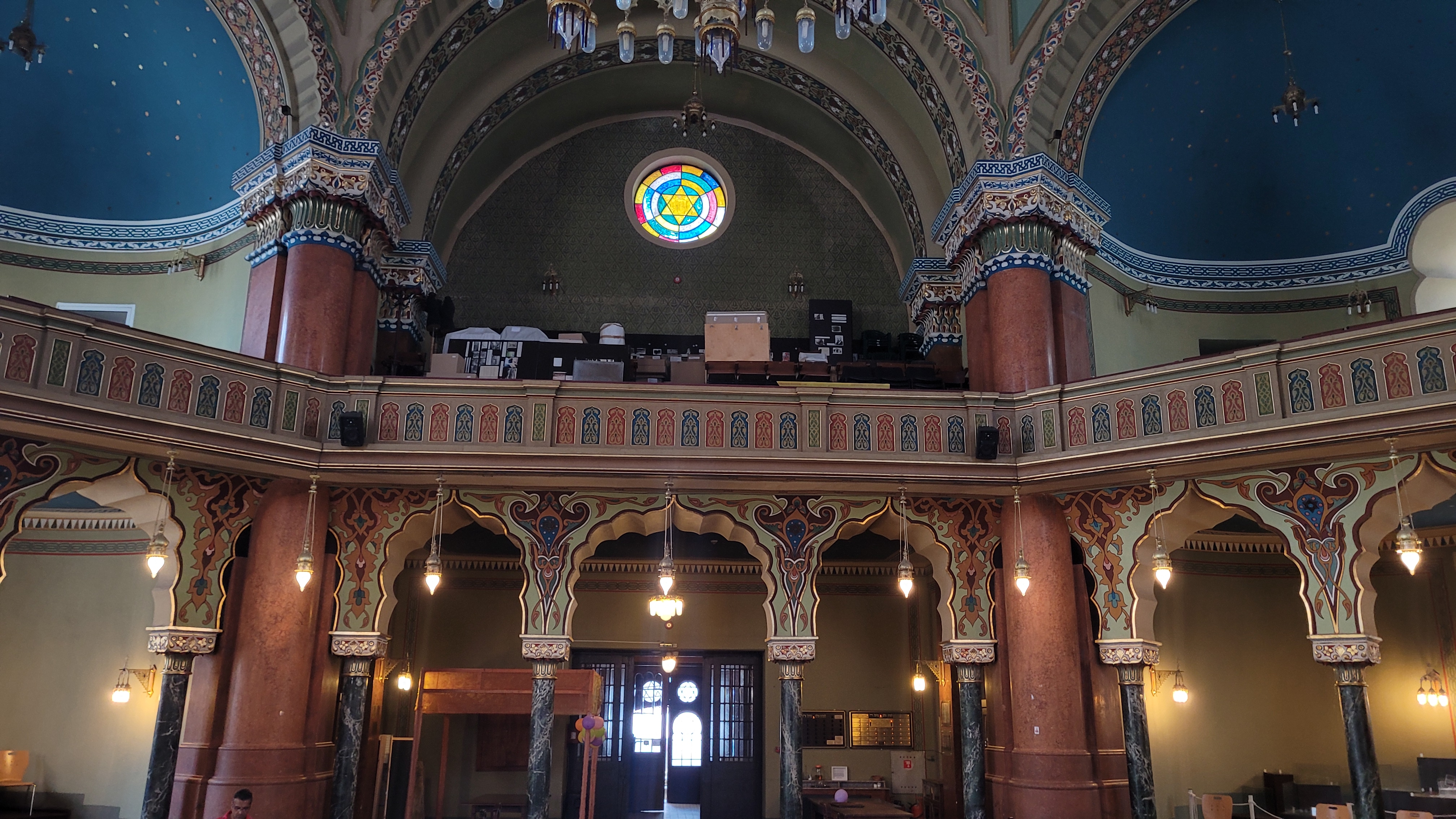
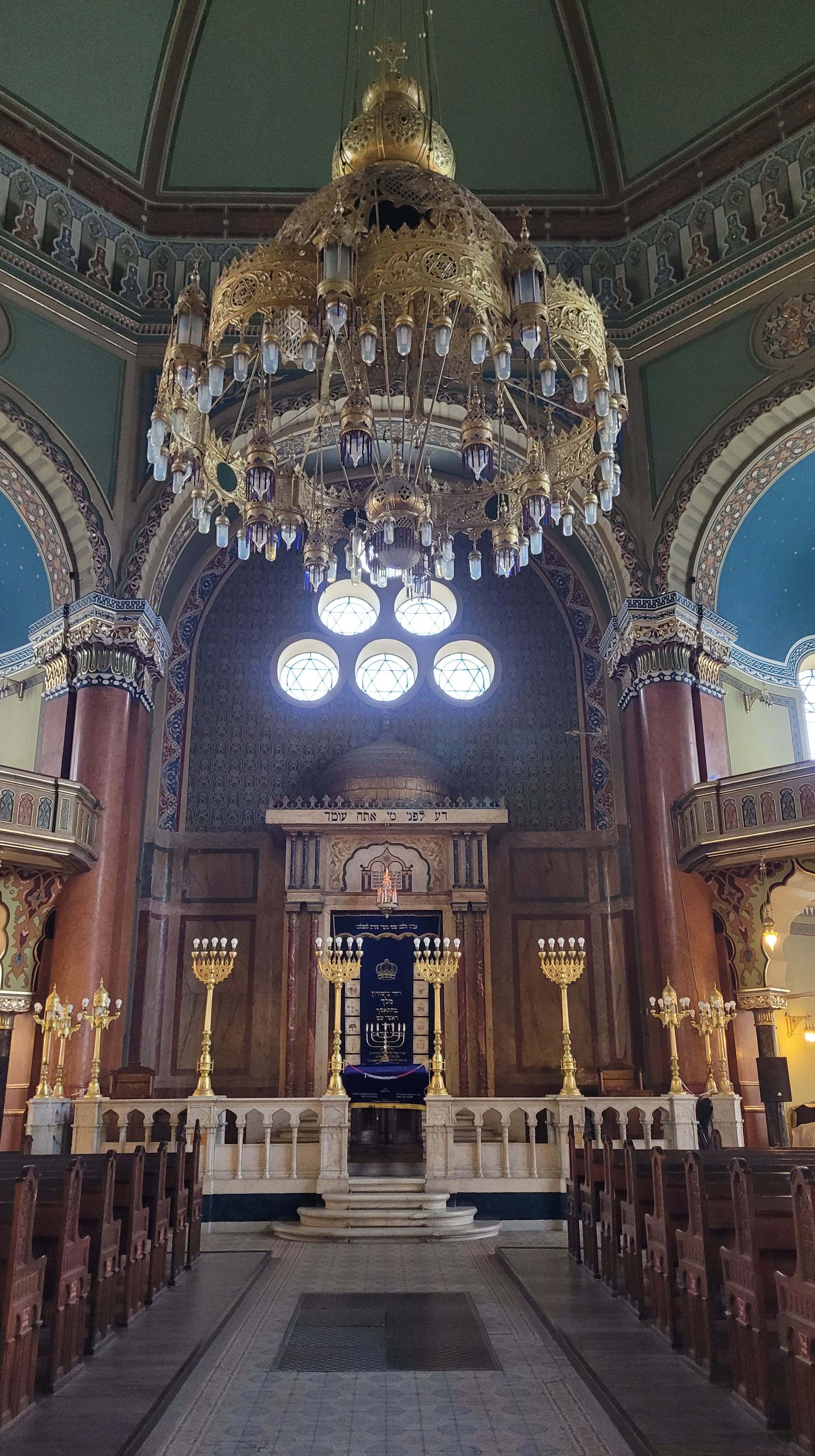
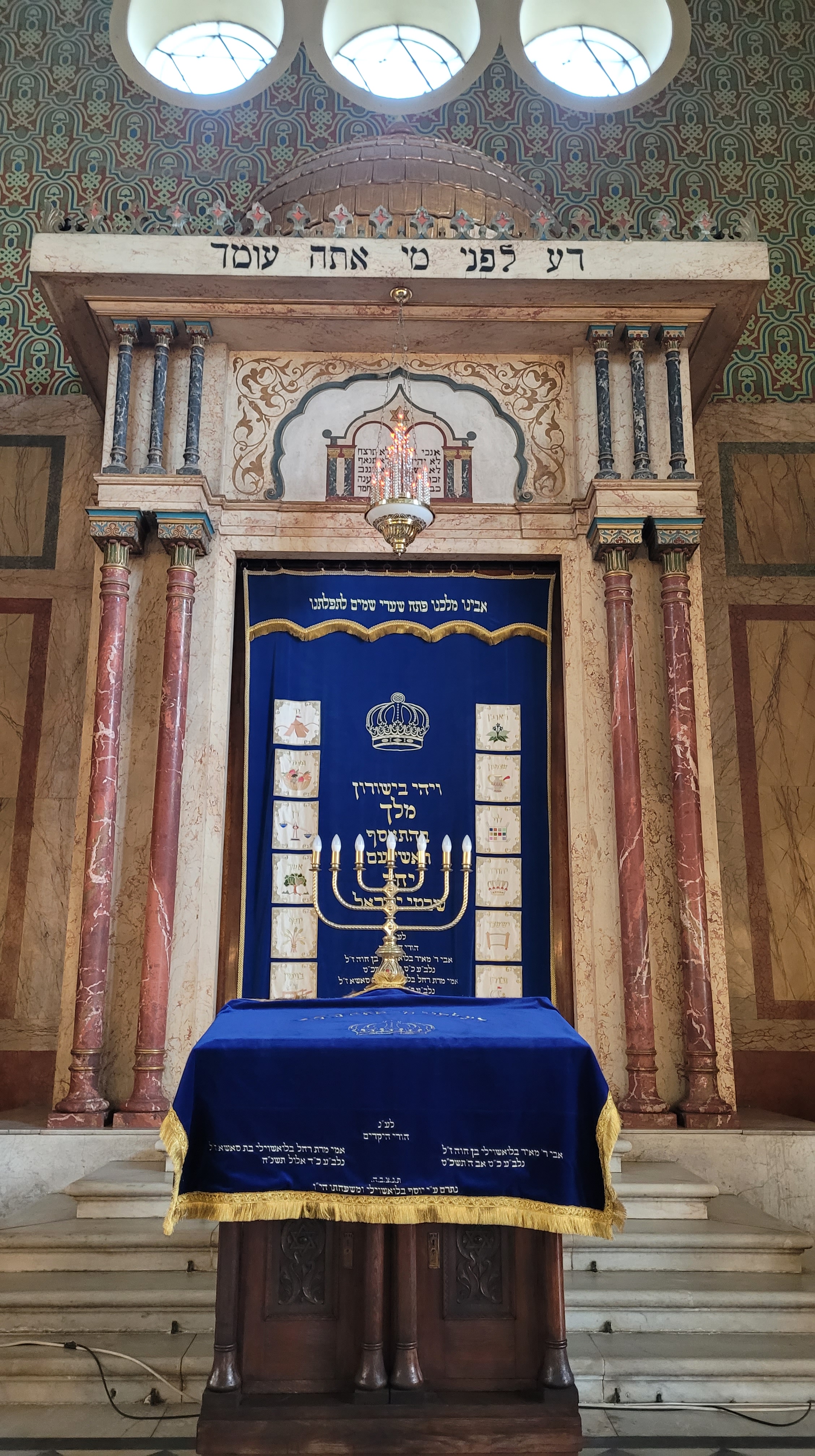
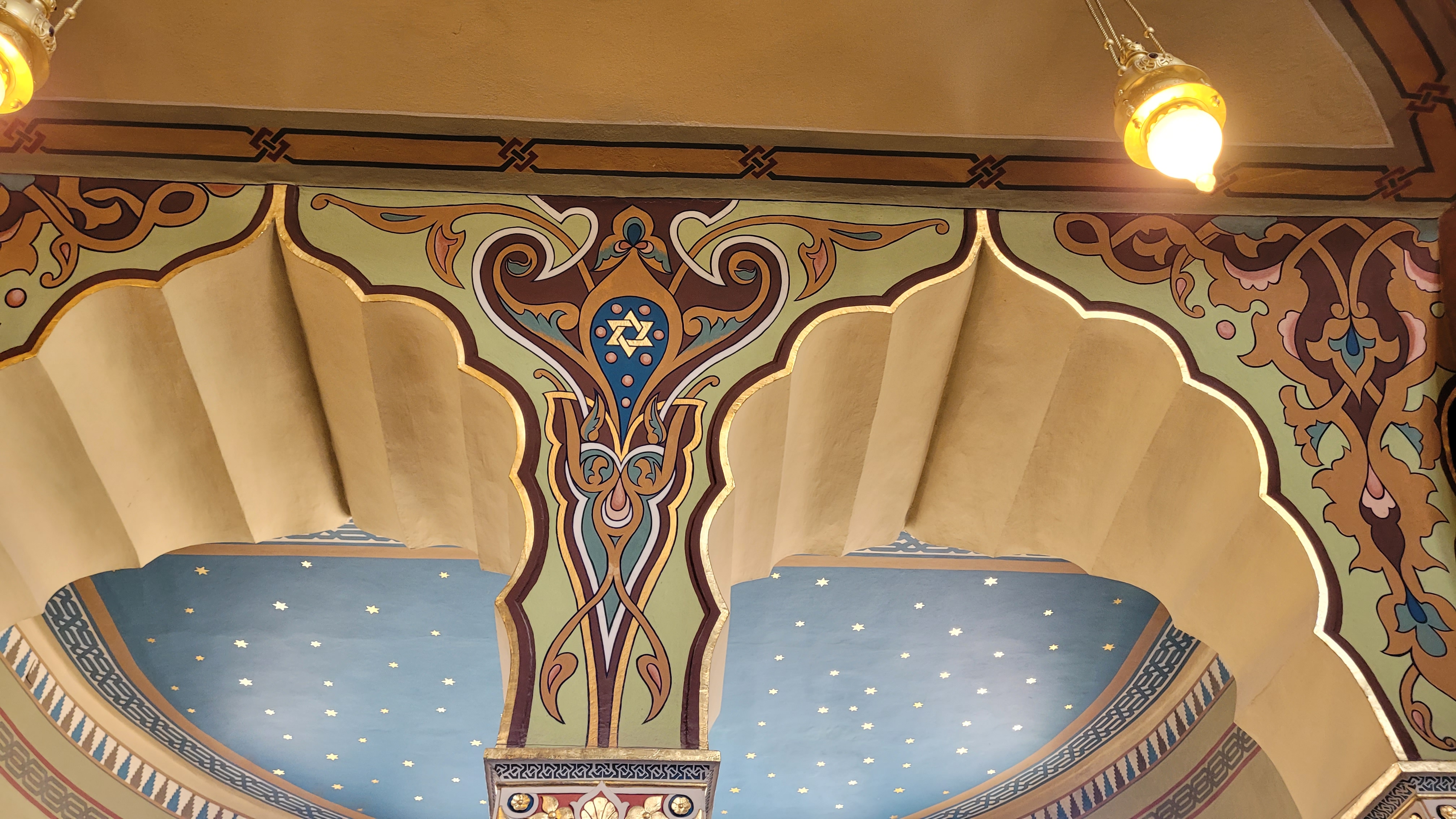
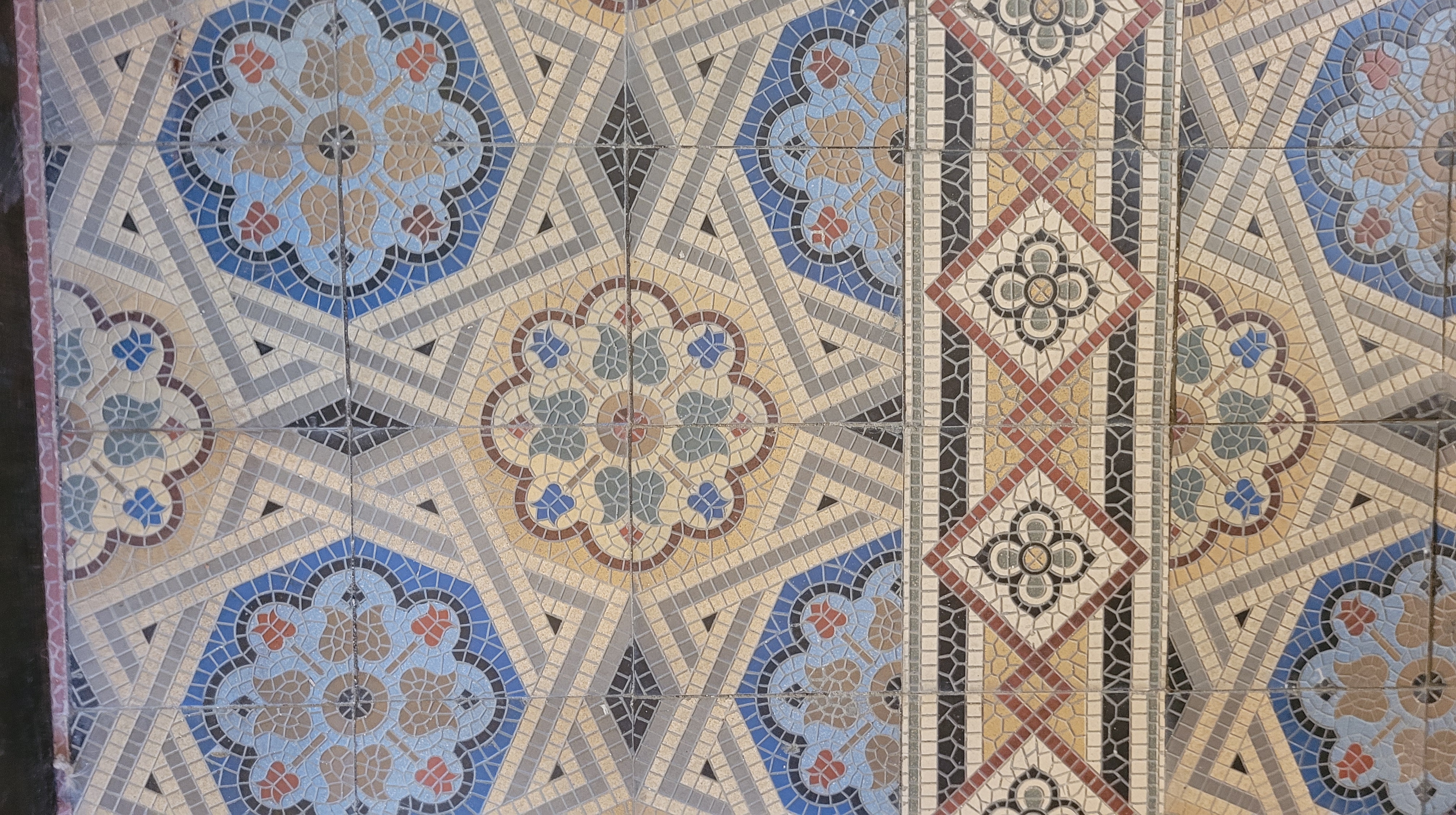
A very pretty synagogue right in central Sofia. The outside pales in comparison with the interior , so I recommend you pay the fee to go inside. Just be aware that you can’t bring any bags inside, so plan around that (we went in one at a time whilst one person watched our bags outdoors).
St Alexander Nevsky Cathedral
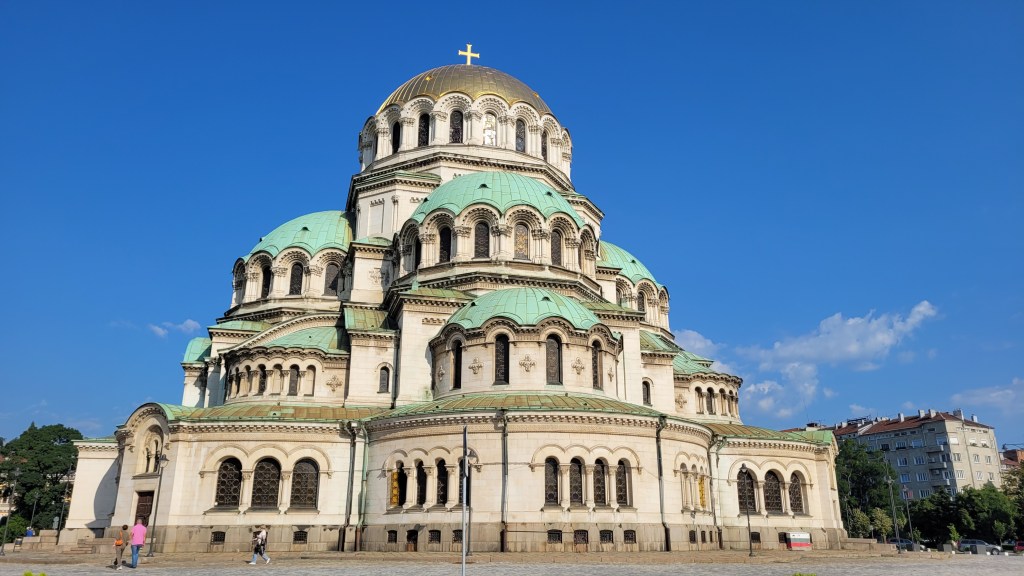
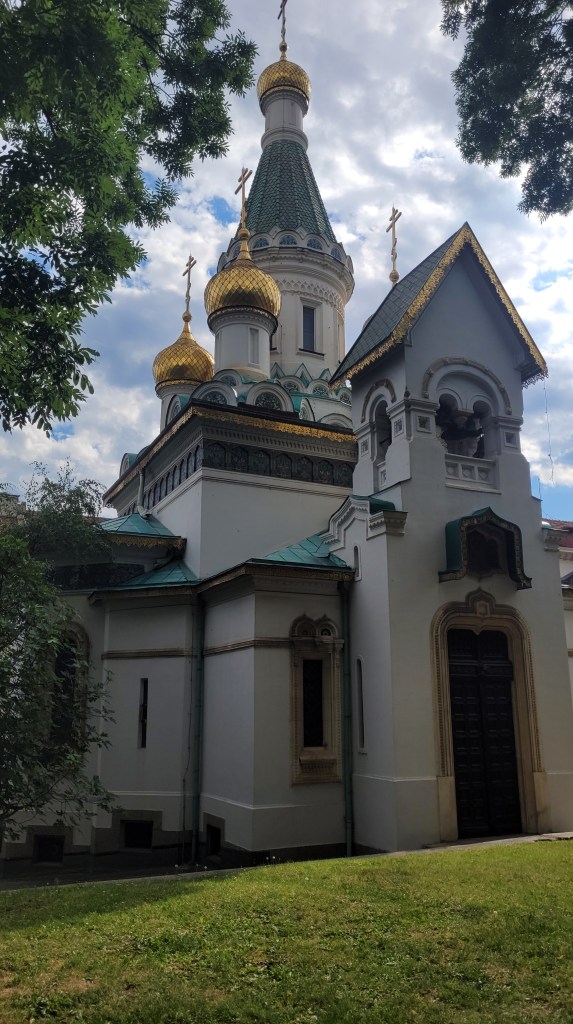
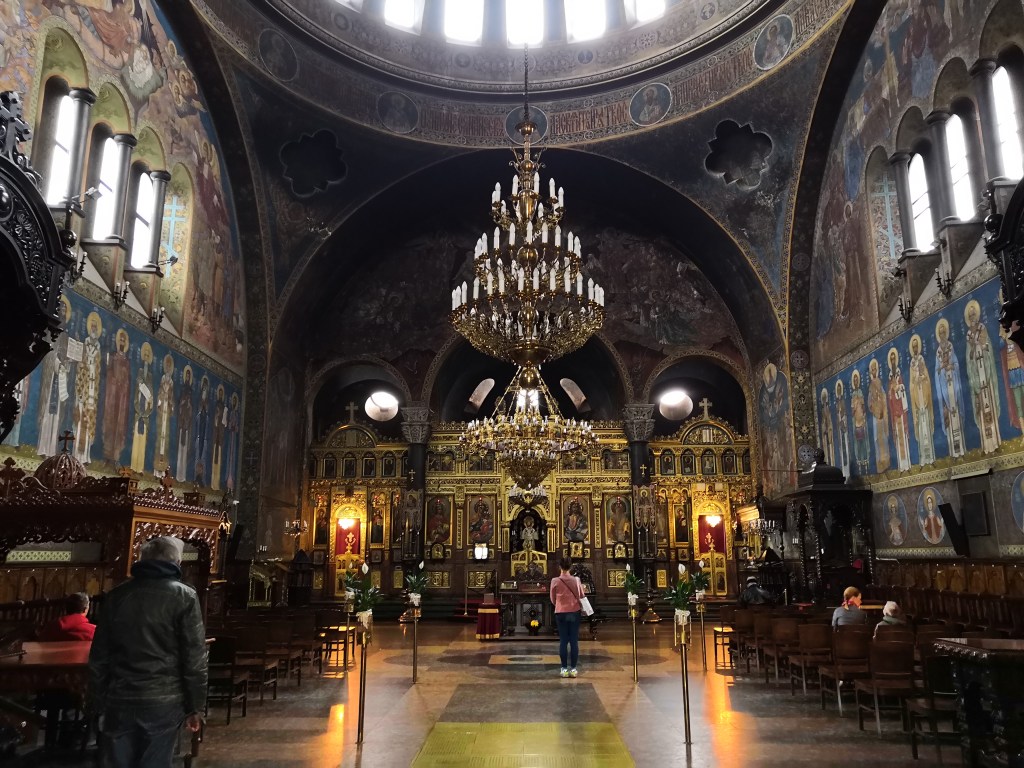
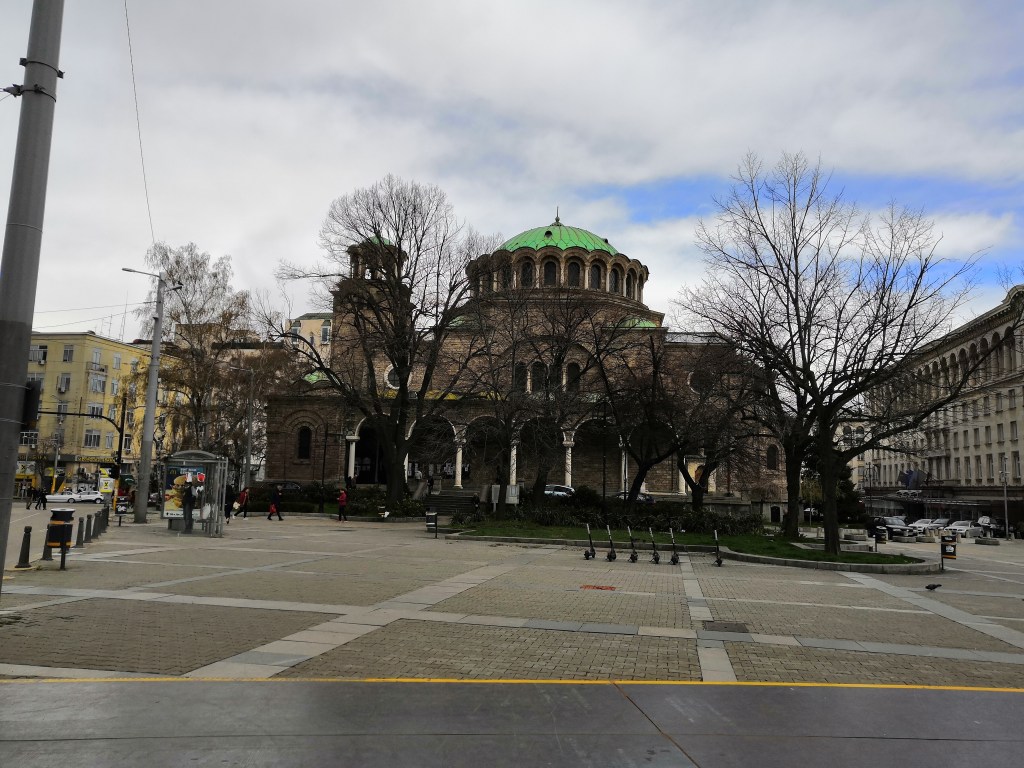
Built by the Russians as a memorial to the fallen in the Russo-Turkish War, this cathedral drips in Russian influence in style. It’s impressive exterior is a wonder to behold, but the interior is rather lackluster, especially in comparison to churches in countries like Italy or Poland.
Serdica Ruins
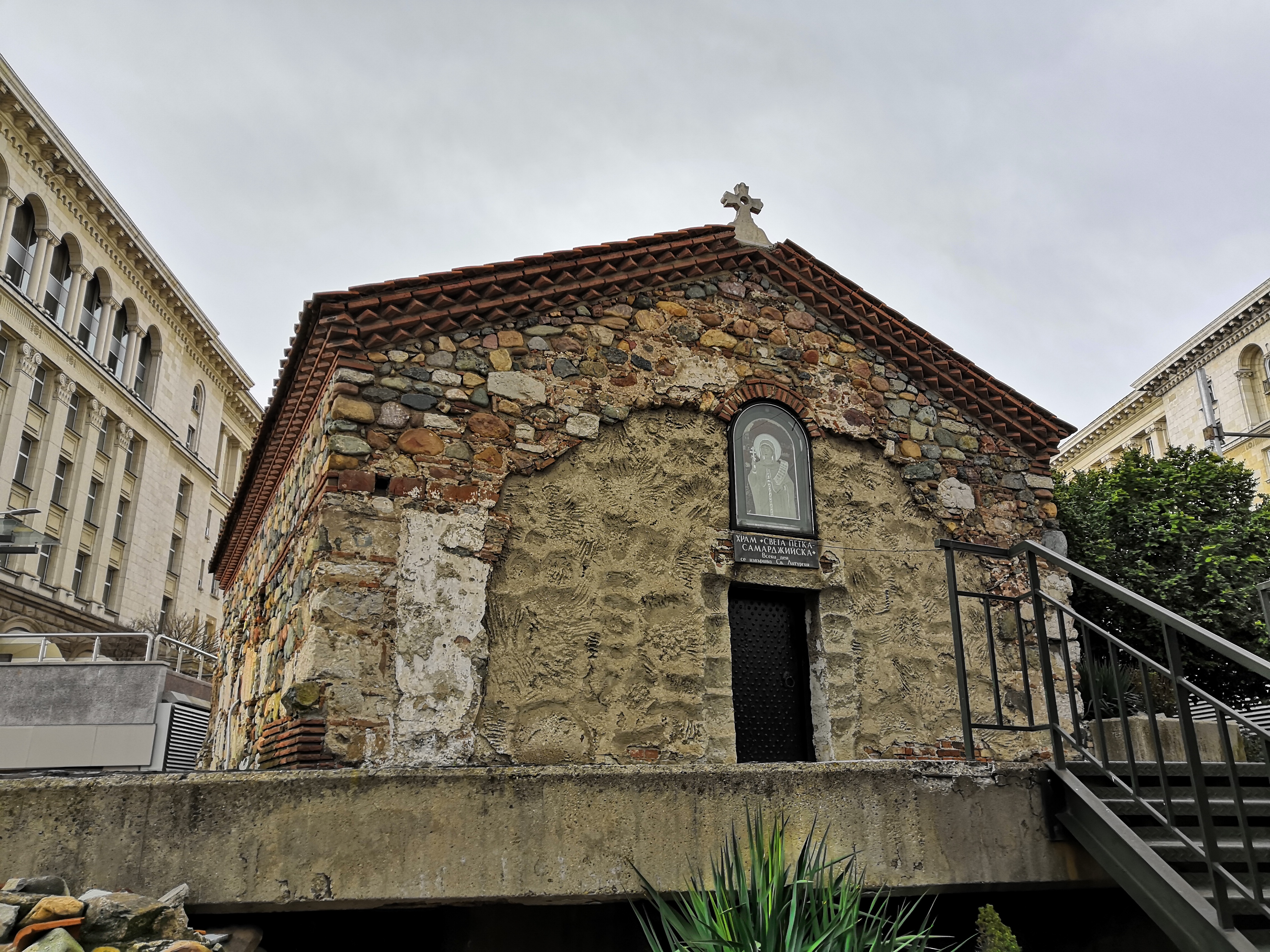
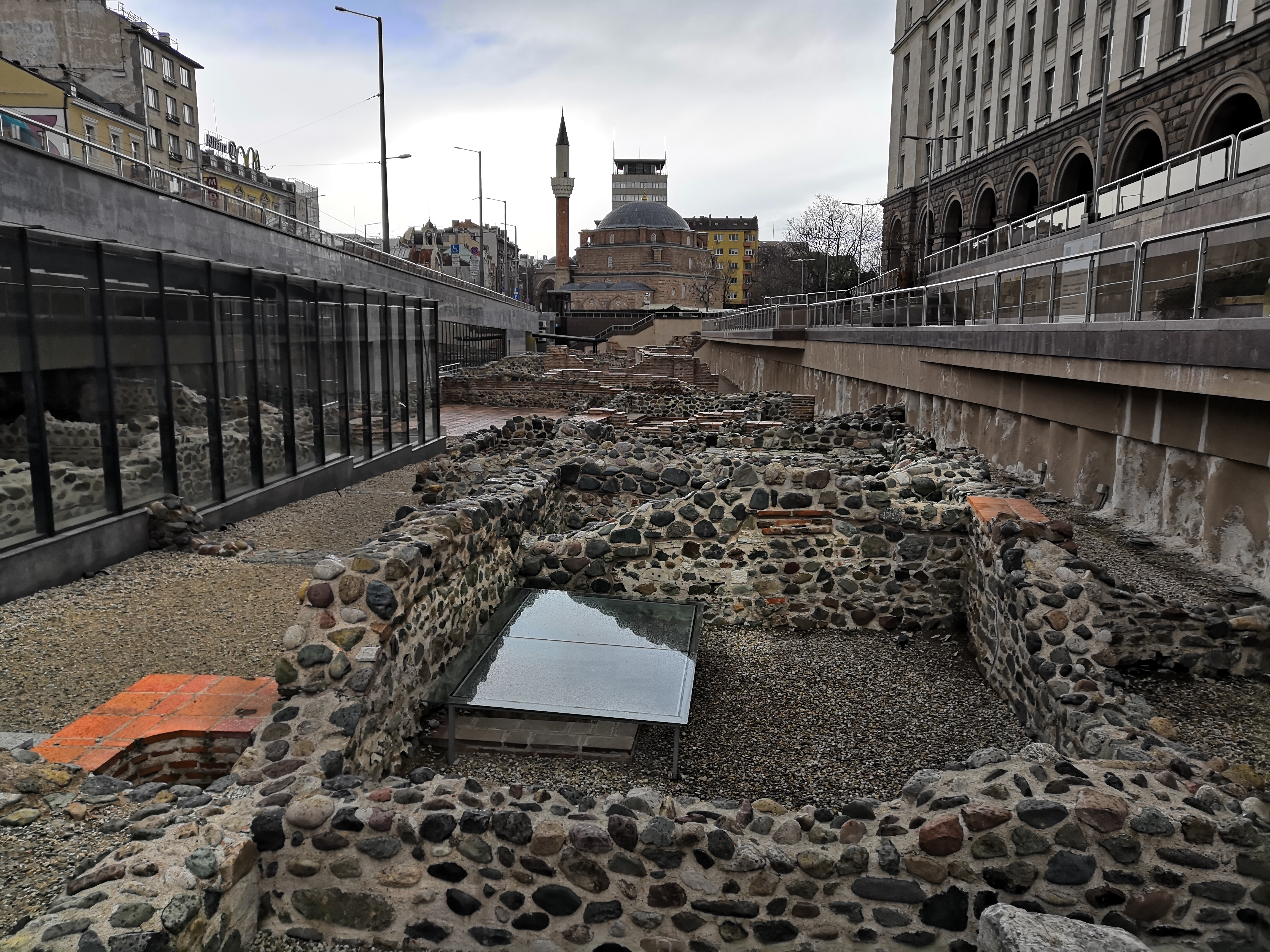
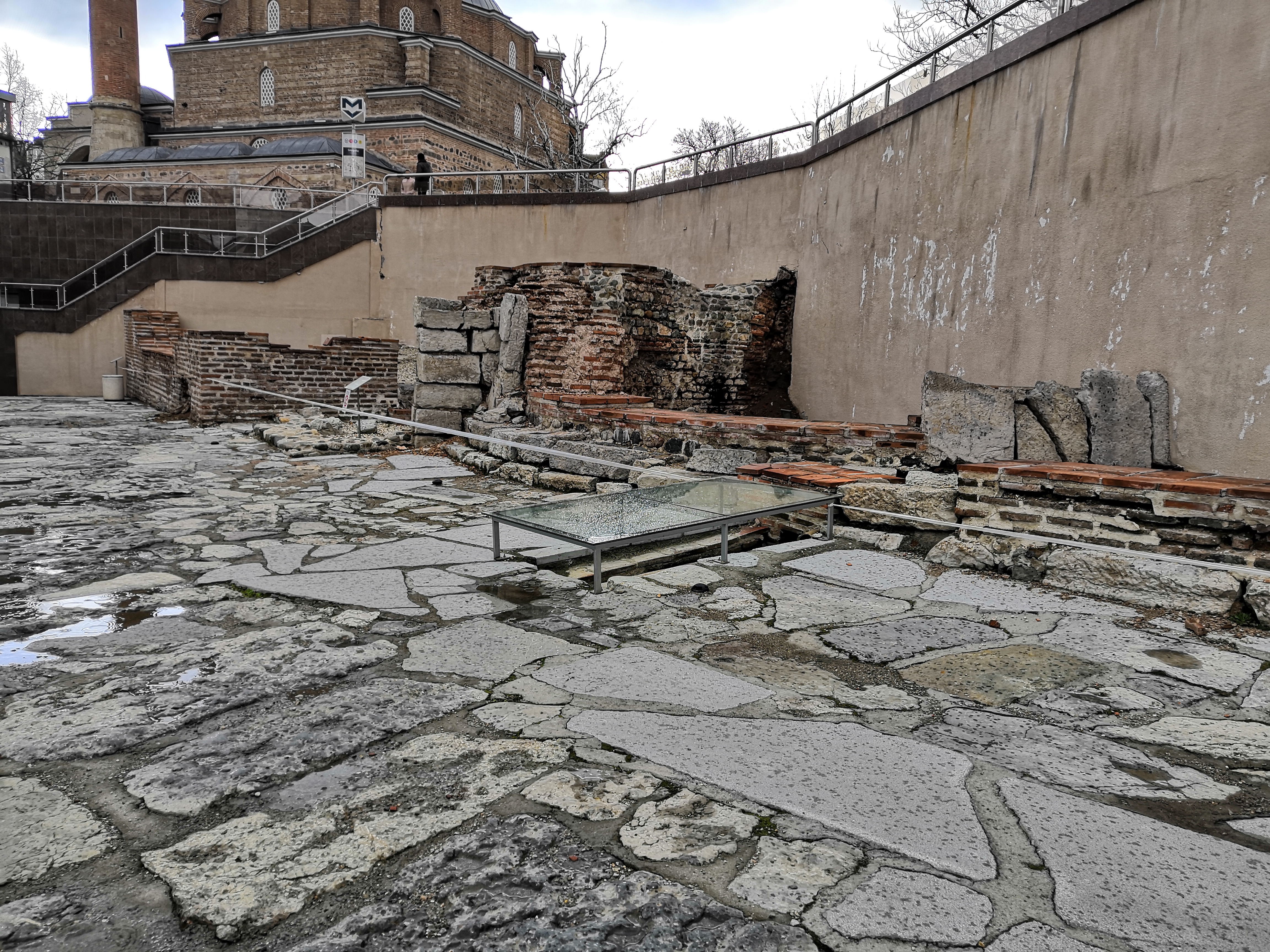
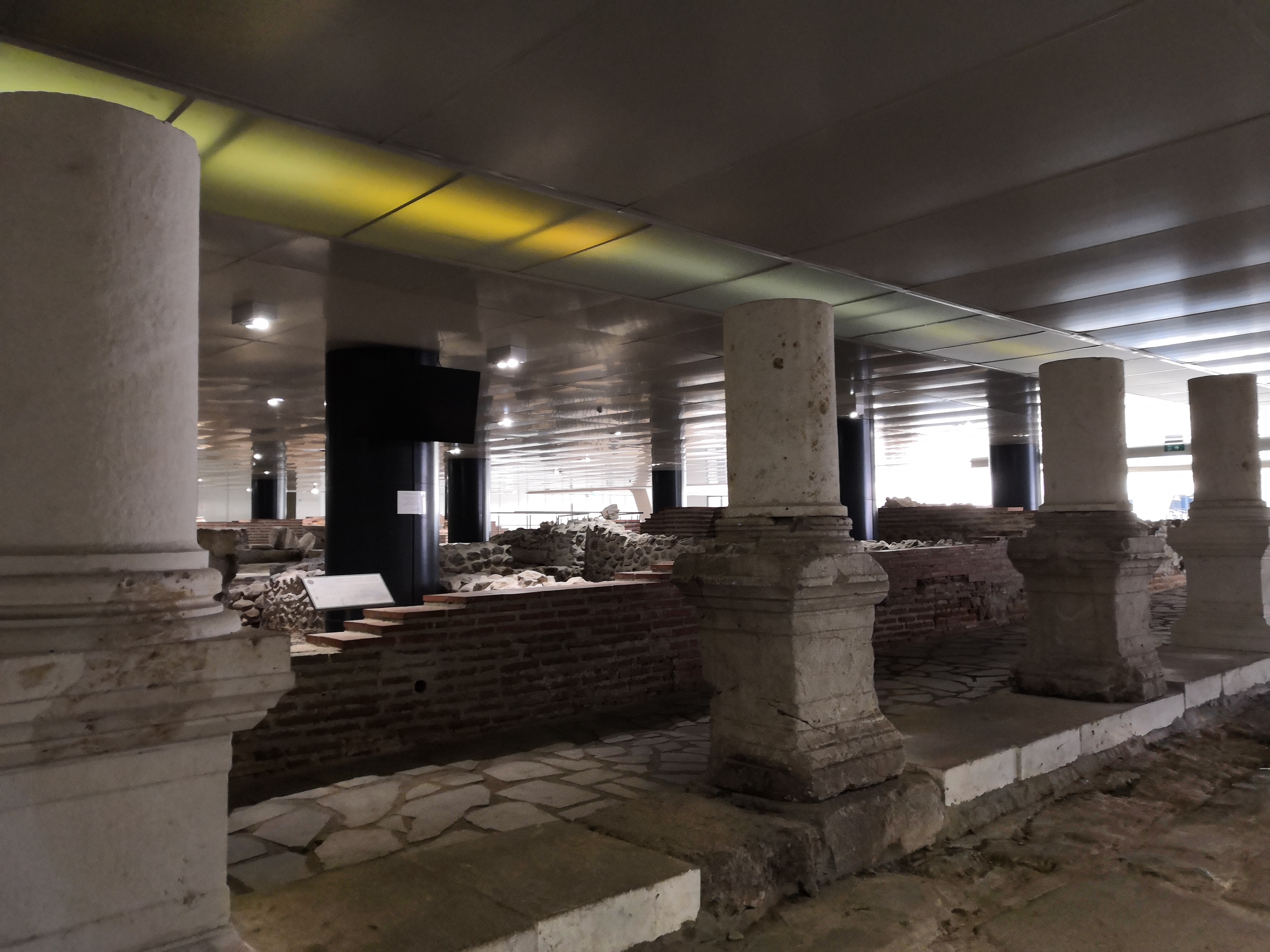
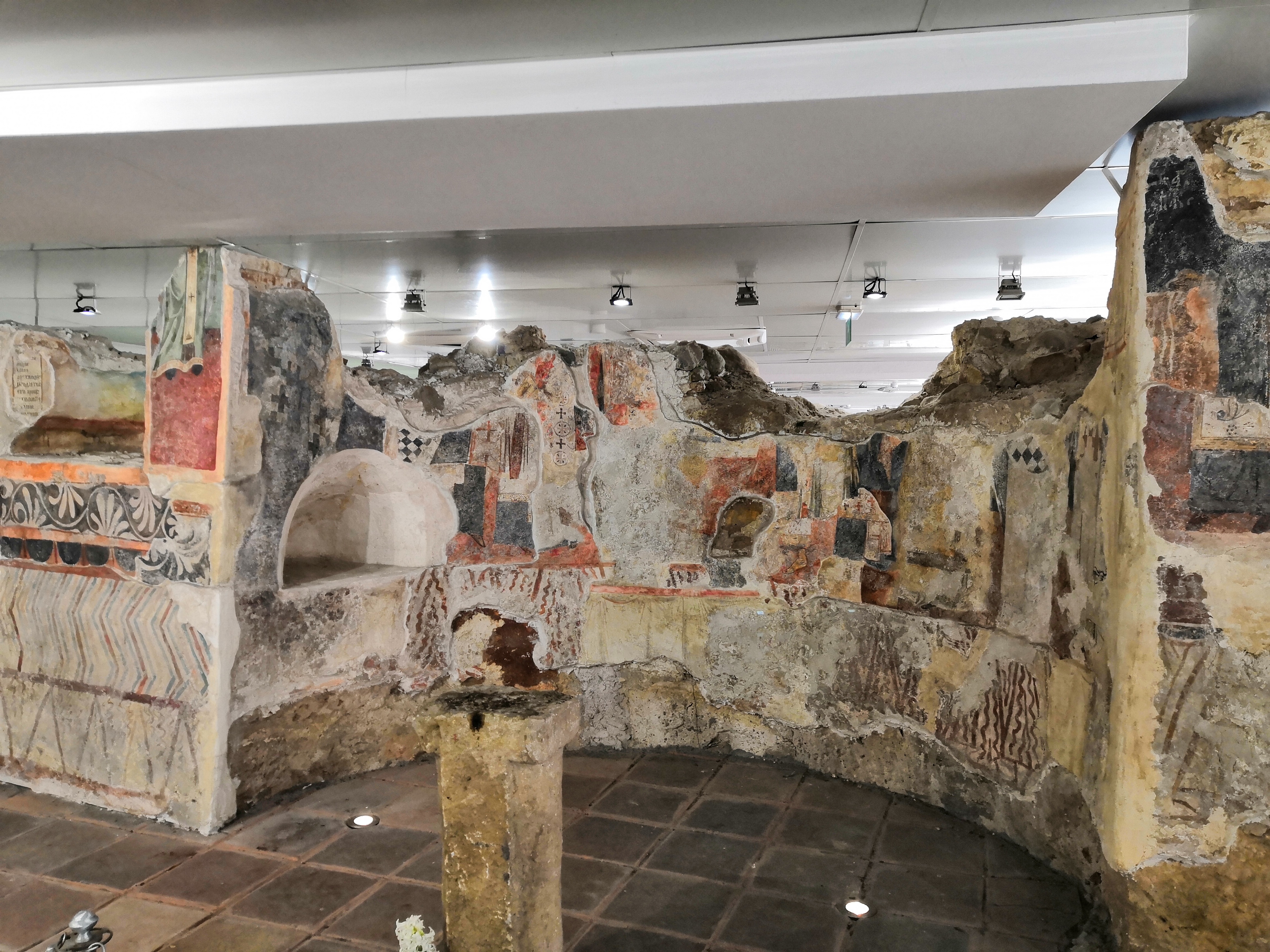
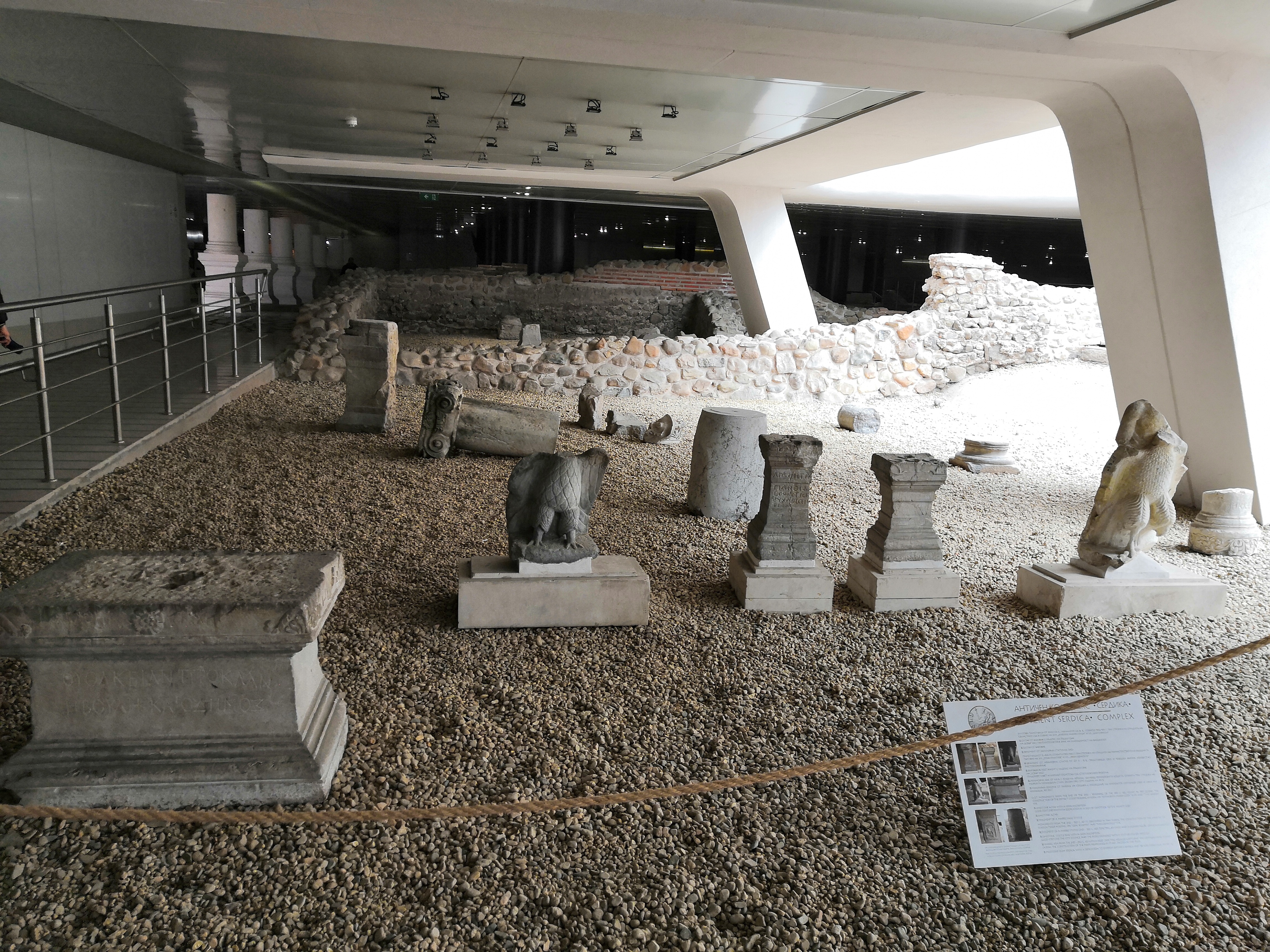
Sofia is built on what once was the Roman city of Serdica, and excavations of the Roman ruins can be found all over the city, especially in the centre around the aptly named Serdica metro stations. Many of these ruins were discovered in the process of creating this metro, and the platforms in the metro station itself feature museum-like displays of various artefacts discovered during the excavation. Around the same area, there are a few small sites which are free to wander around, and have plaques detailing just what you’re looking at, making the metro station of Serdica a suprising treat for a Romaphile such as myself.
Teorema Escape Room
Without a doubt, the highlight of our time in Sofia. Teorema Escape Rooms featured two escape rooms, one themed around Atlantis, the other around a bank robbery, and we liked it so much we did both. They were incredibly immersive from the get-go, and the puzzles were unlike any we’ve ever seen in the UK.
Spots That Might Be Good
Vitosha Mountain
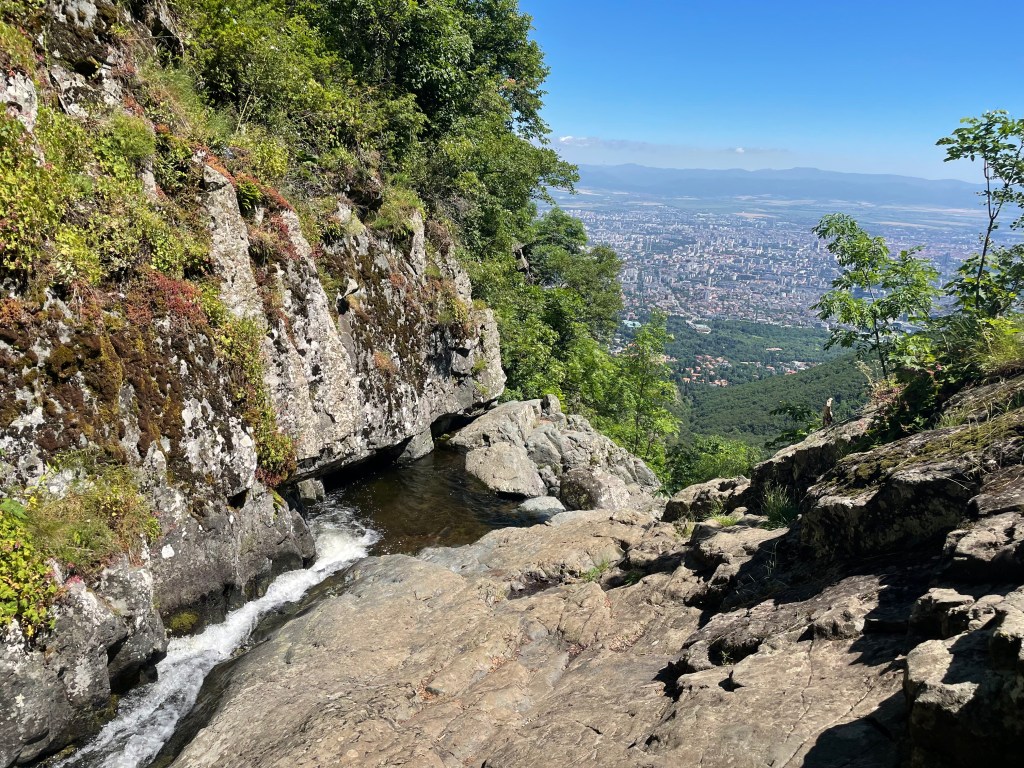
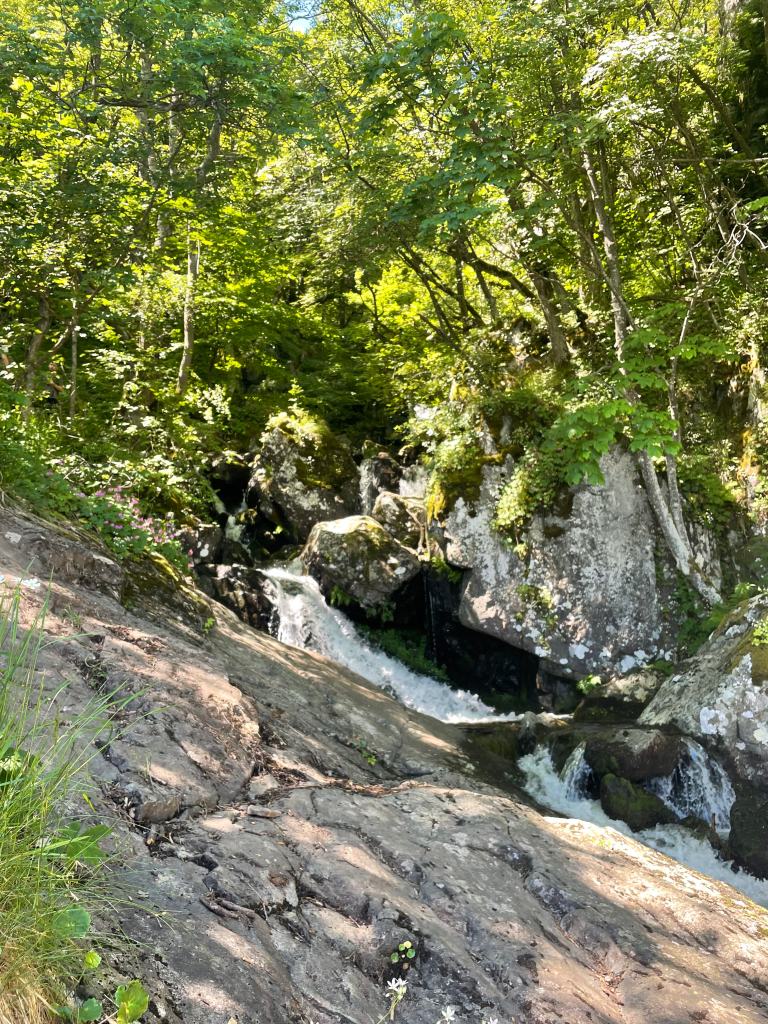
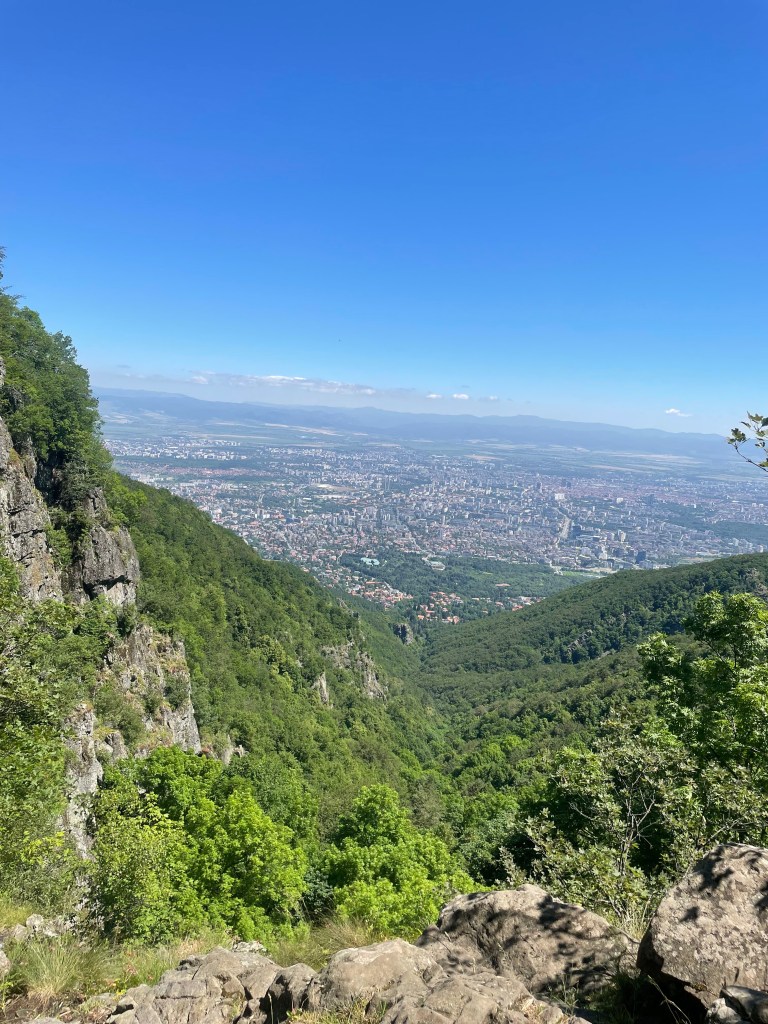
Sofia’s mountain is a great escape from the hustle and bustle of city life. There are many walks all over the mountain, and you can just park for free already quite high up. This allows for a lot of gentle hiking to some very nice views. It’s much easier to reach Vitosha if you drive there yourself, just be aware that on weekends the police close the mountains to private cars from around 11am till the afternoon.
Earth and Man Museum
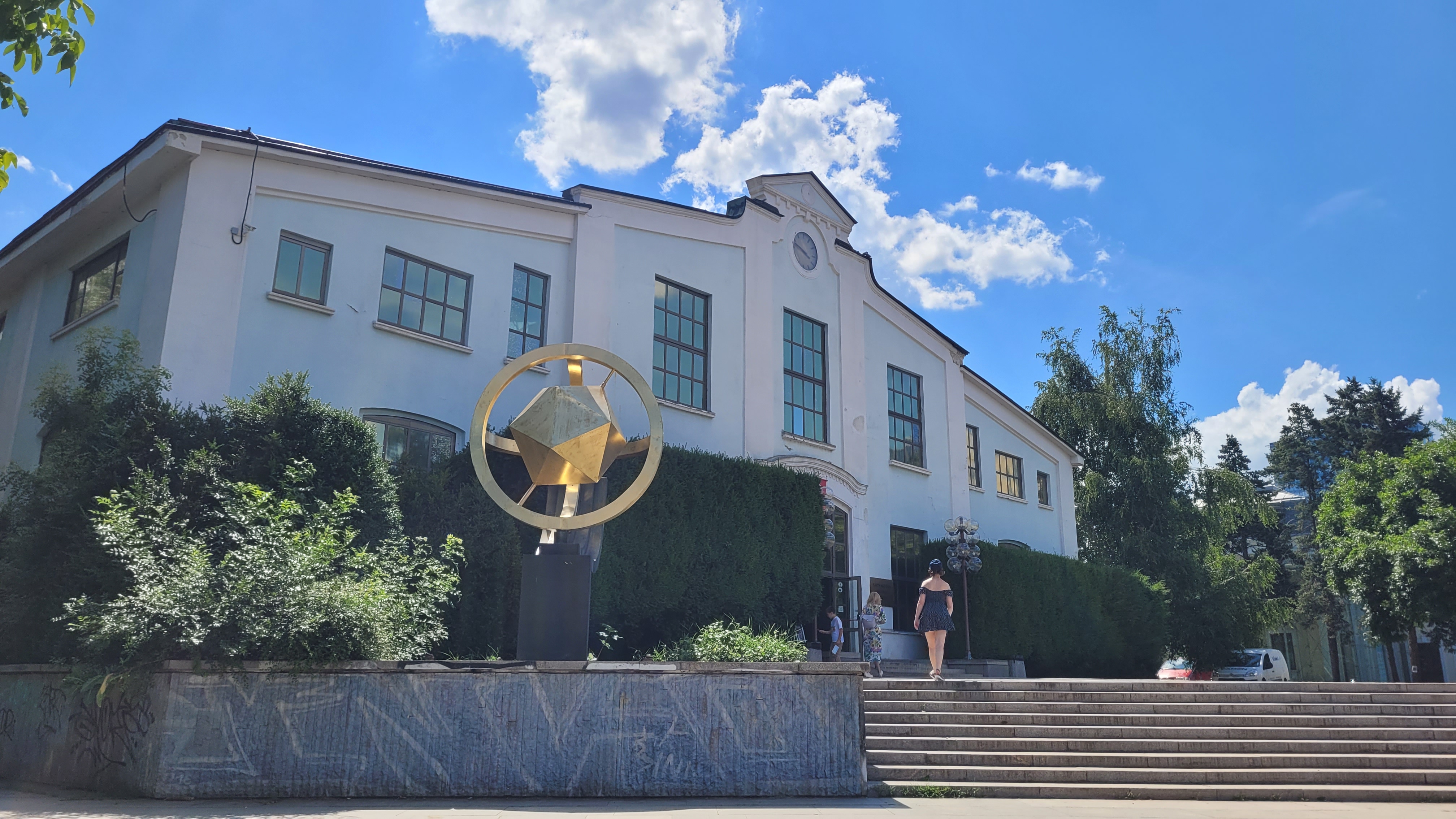
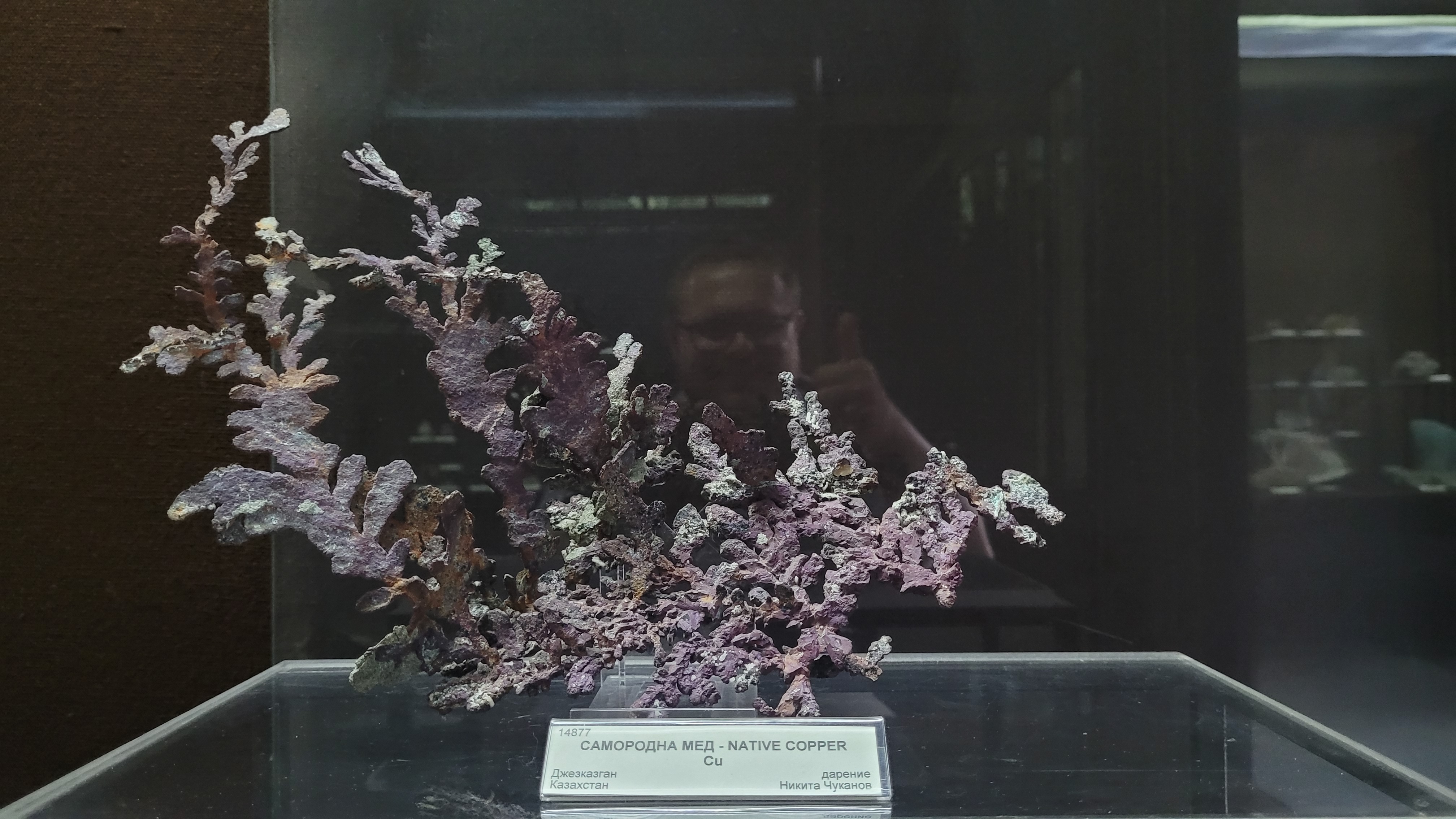
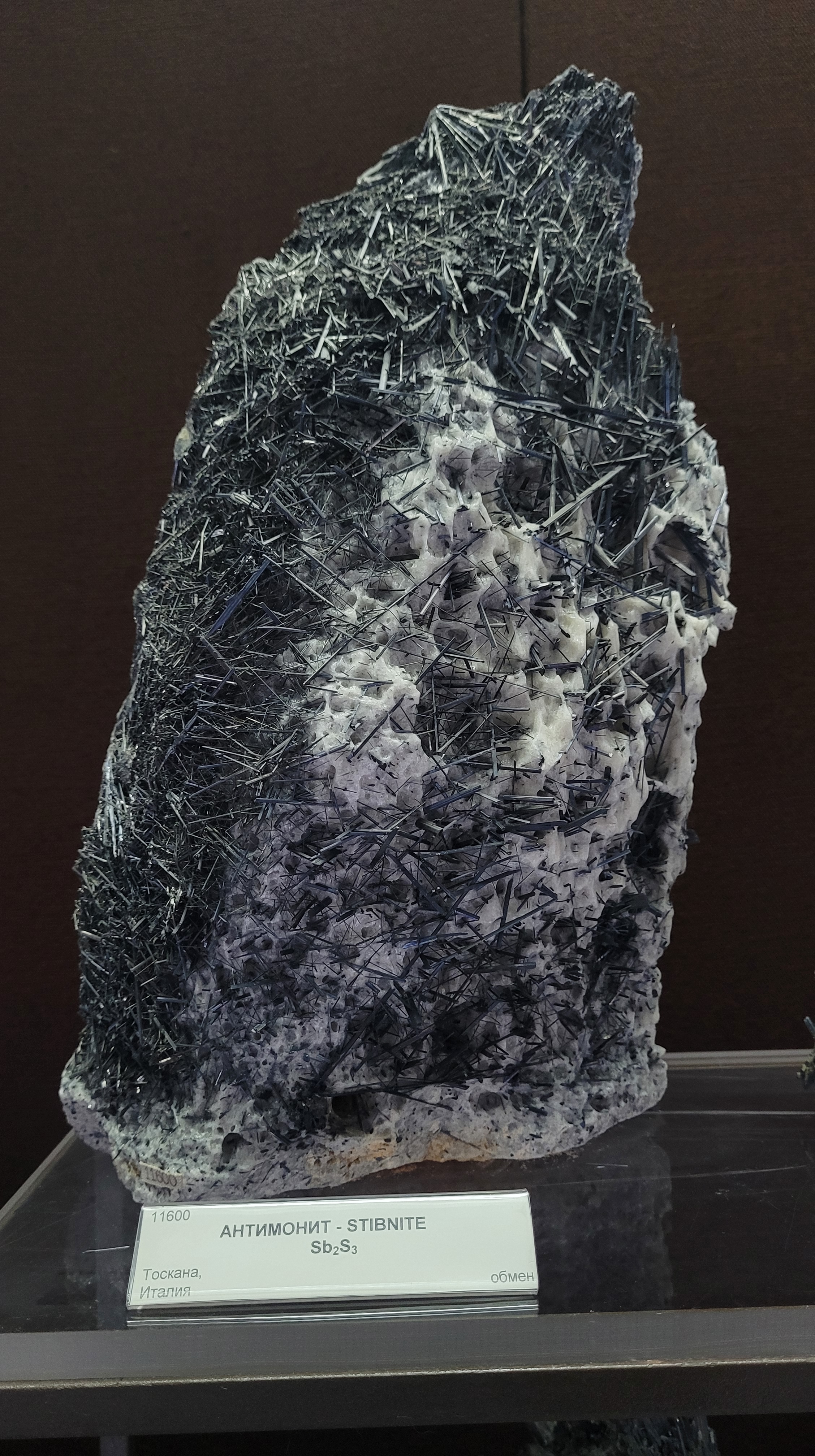
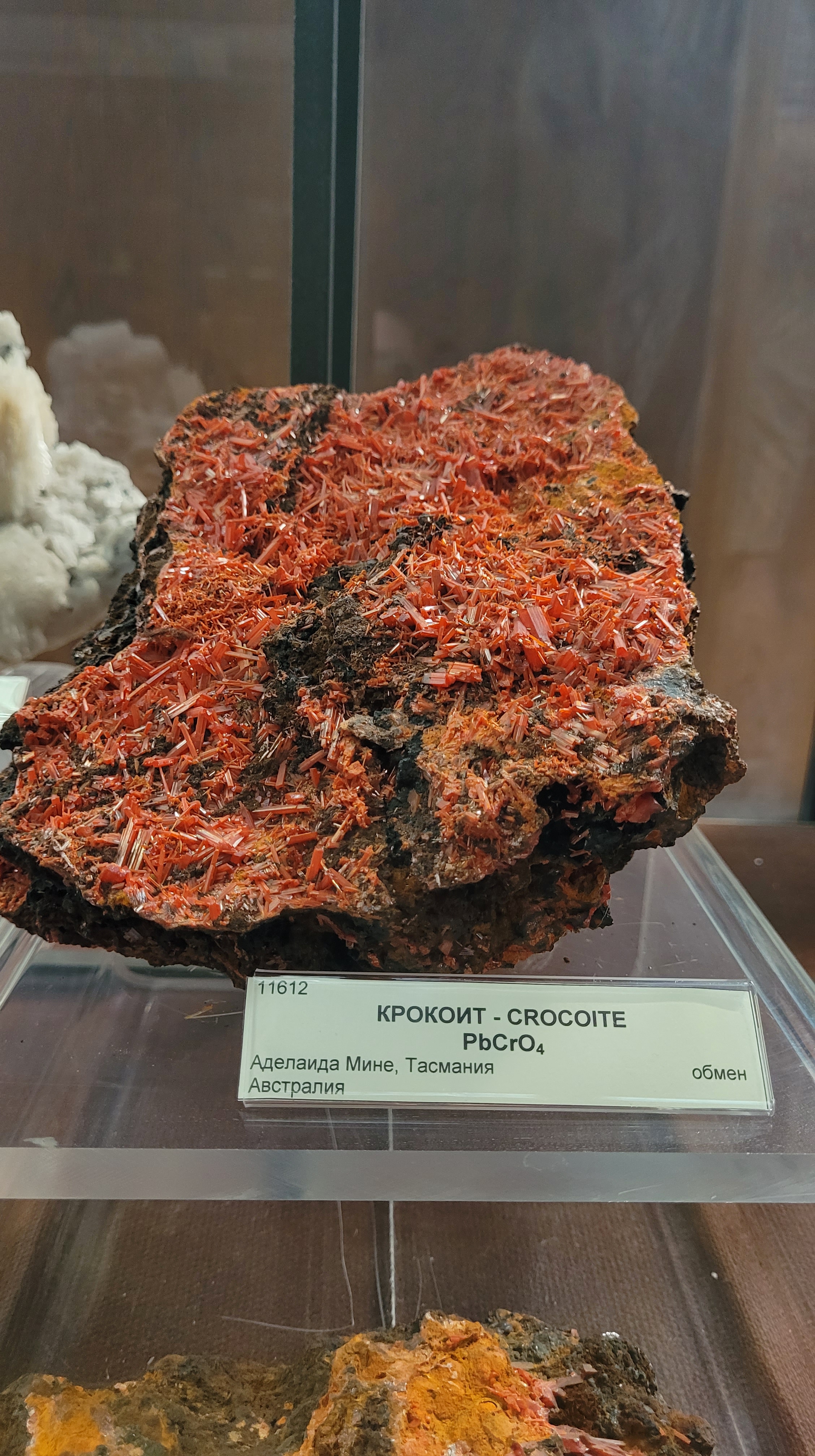
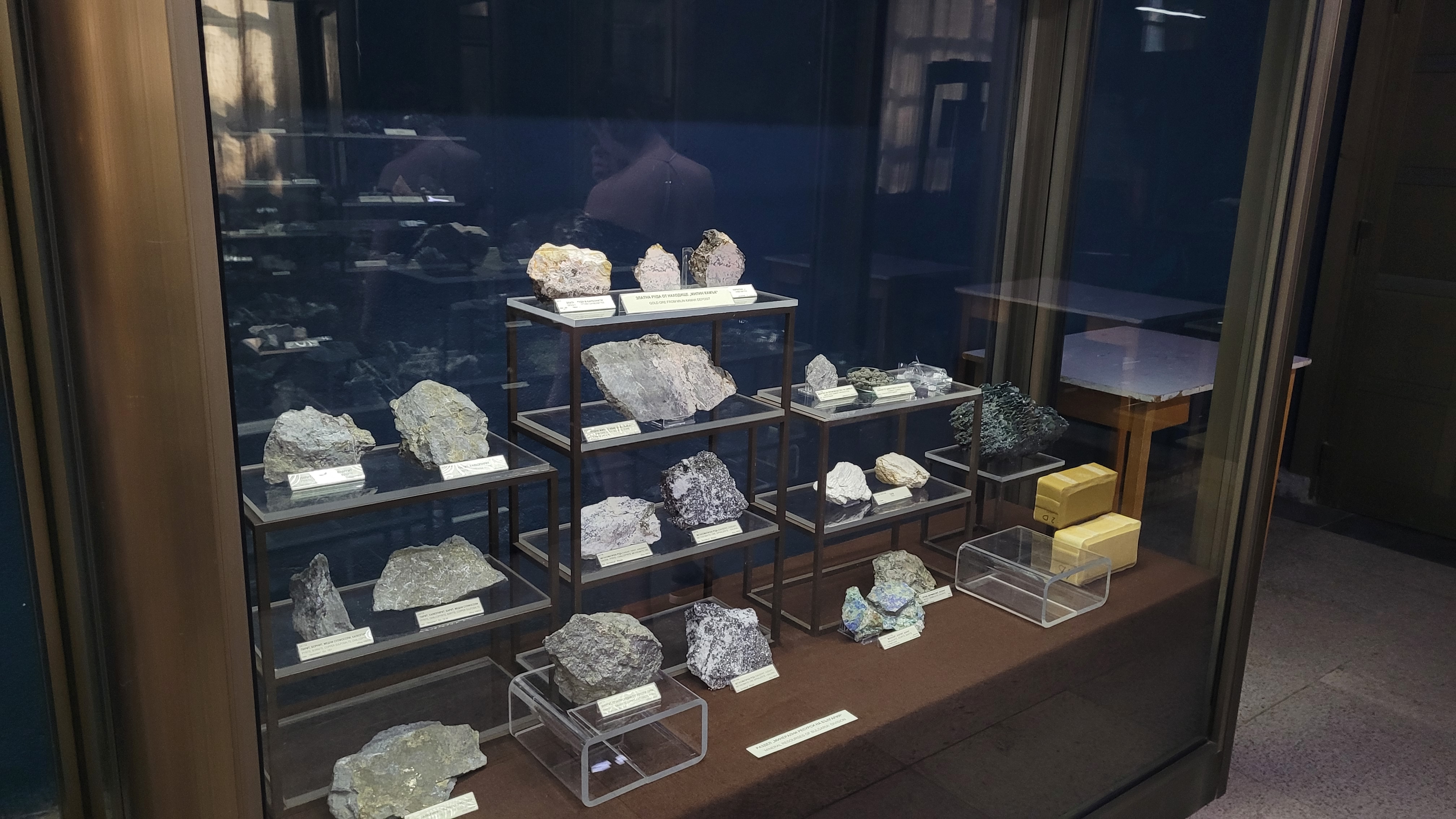
If you like shiny stones, this is your place. A museum dedicated to all kinds of minerals, the Earth and Man is well stocked and informative. There’s no air conditioning inside though, so it gets very hot in the summer.
Places I’d Avoid
The Woman’s Market
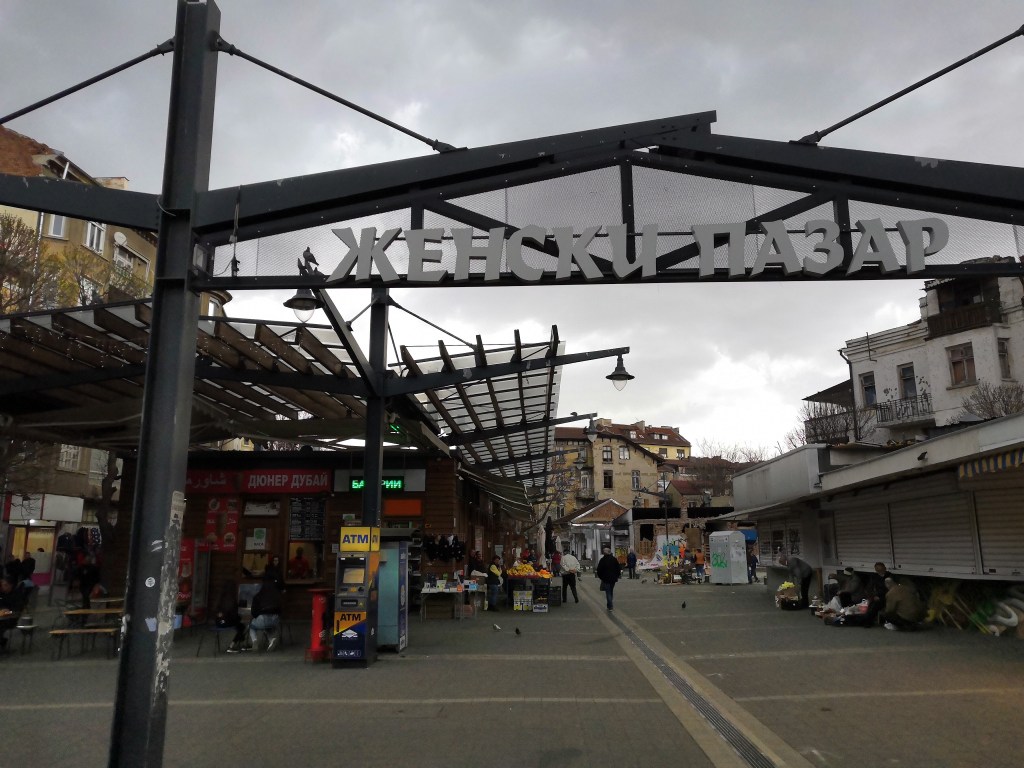
I love a good market, and I had high expectations for this one. Unfortunately, this was mostly a market selling either food, or weird cheap souvenirs for tourists. There’s basically very little to see and buy here.
 We May Roam