
I’m a massive Romaphile. I’m fascinated by Roman history – their politics, their warfare, and their architecture. The Romans are a people that left a mark on European history and culture unlike any other civilisation. It’s little wonder then, that I was right at home in the city where it all started.
One of the most amazing things about the Romans is just how much they left behind. Thanks to their ingenious engineering, many Roman structures still exist, and in some cases, are still used to this very day. Of course, everyone knows about Pompeii, but a short train ride outside of Rome lie the ruins of Rome’s principal port – Ostia Antica.
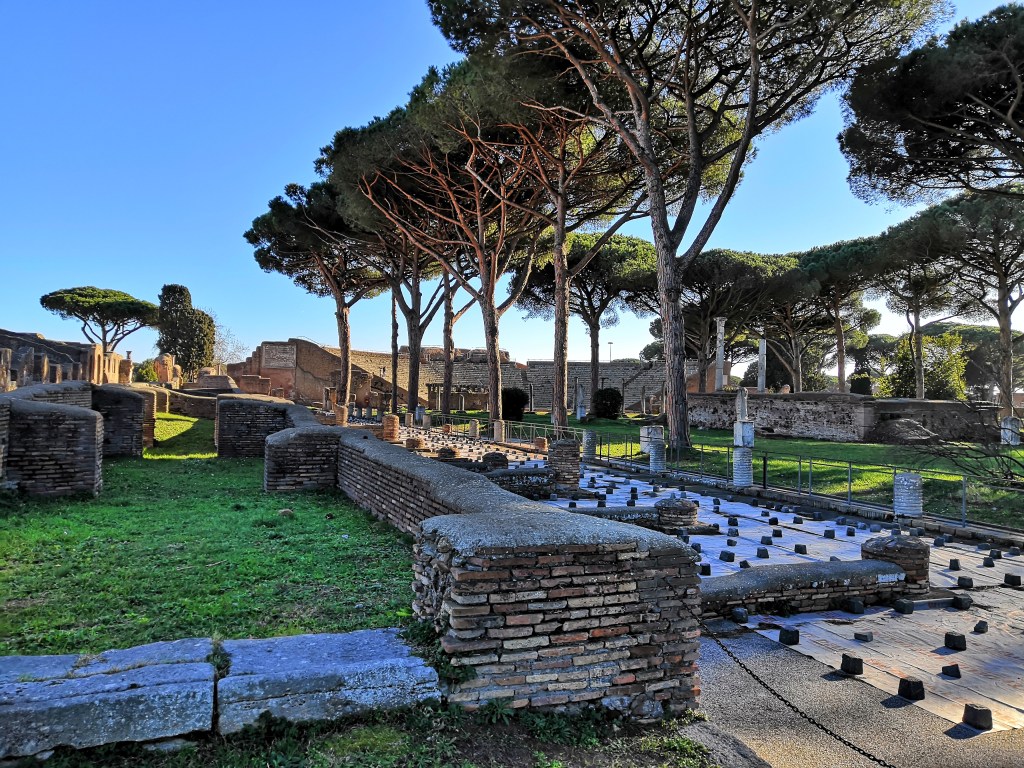
This is an archaeological park much like its more famous volcanic cousin. However, it differs in two significant aspects: it is much larger, and much better preserved, and does not have the throngs of tourists that Pompeii is known for. In fact, it’s easy to not see a single tourist in parts of Ostia Antica.
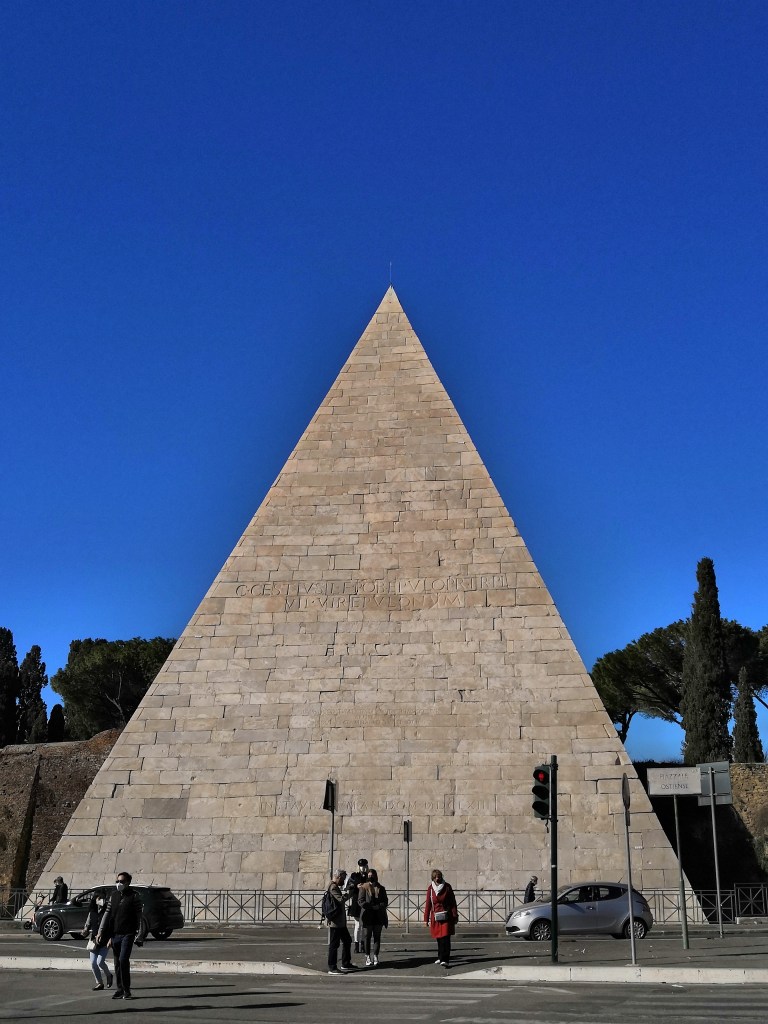
We began our day by getting to the Piramide train station, where we promptly discovered we would have to take the metro to a different train station, due to works taking place on the railway line. Once there, it was a quick 30 minute train ride to the site itself.
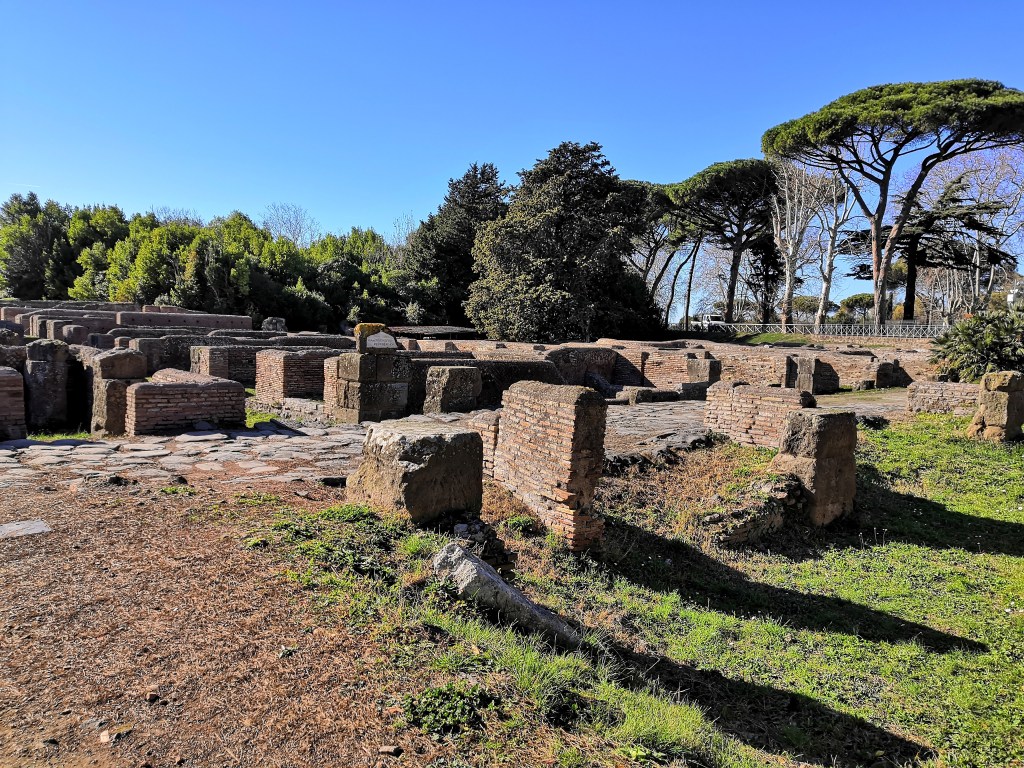
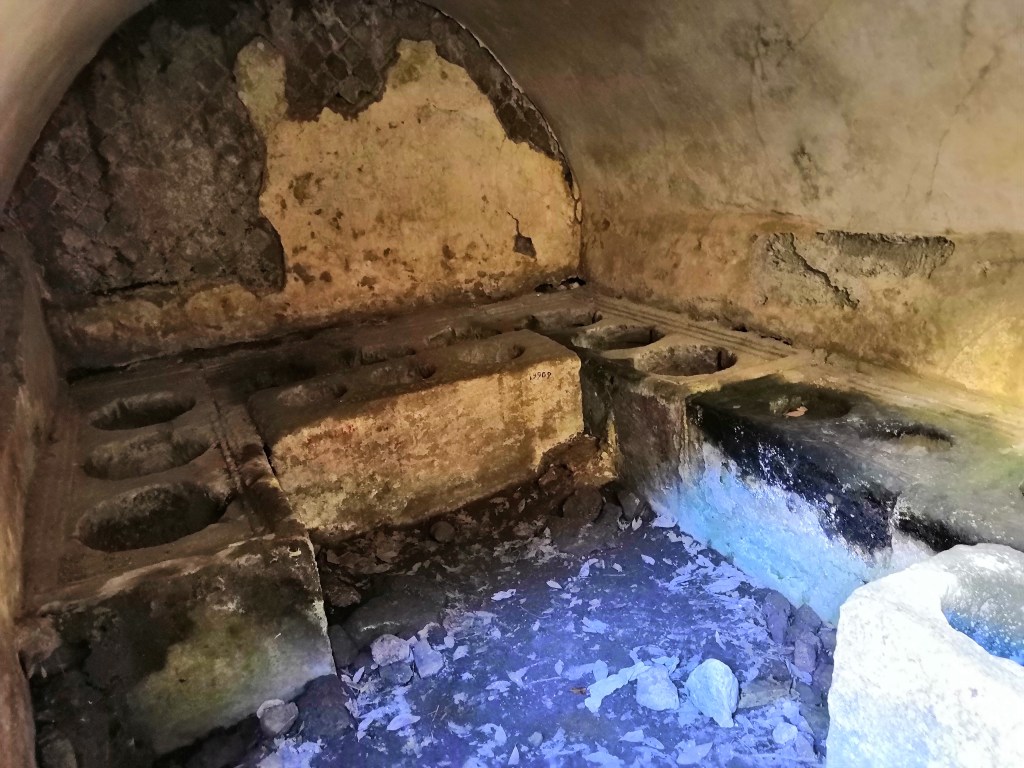
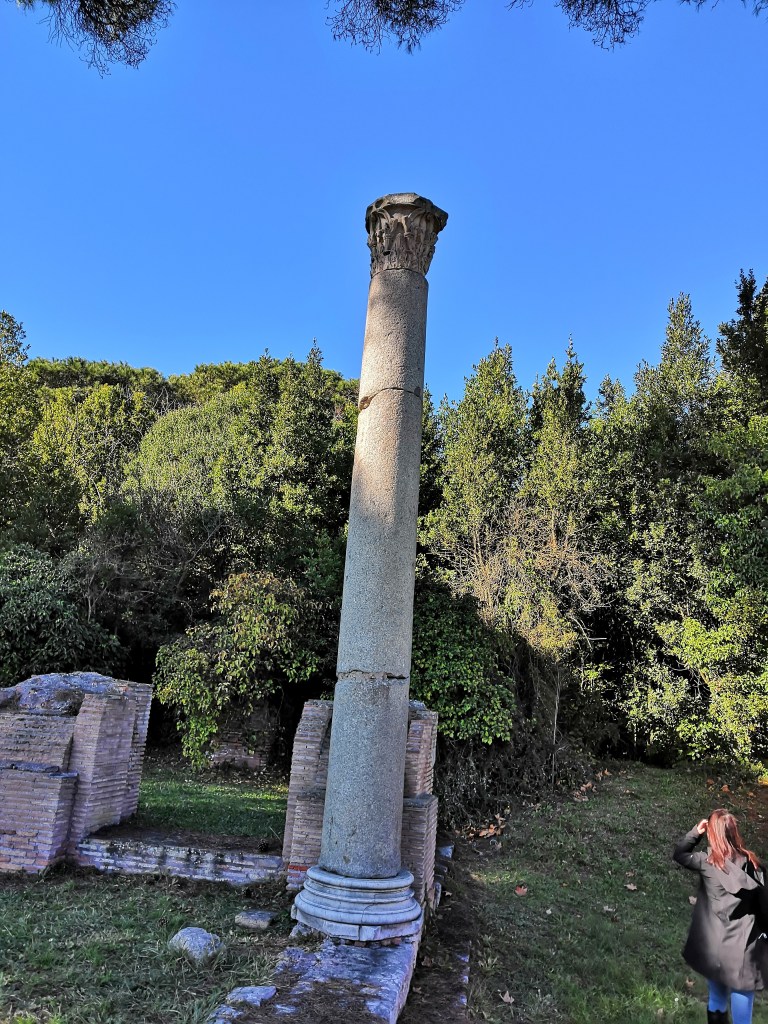
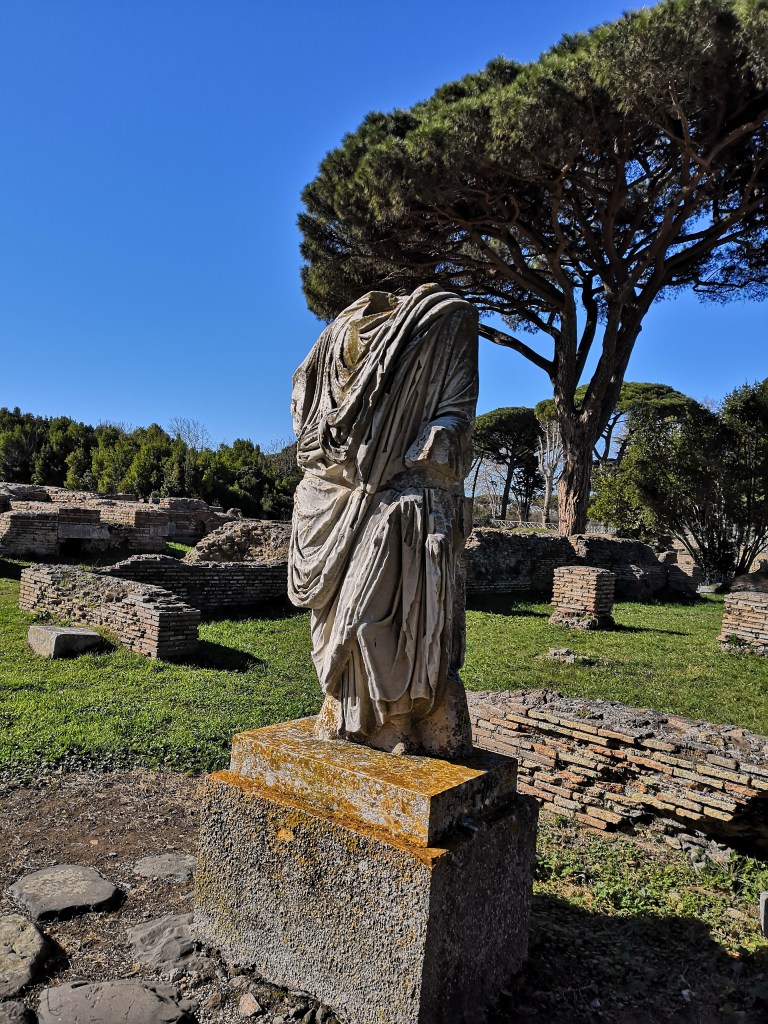
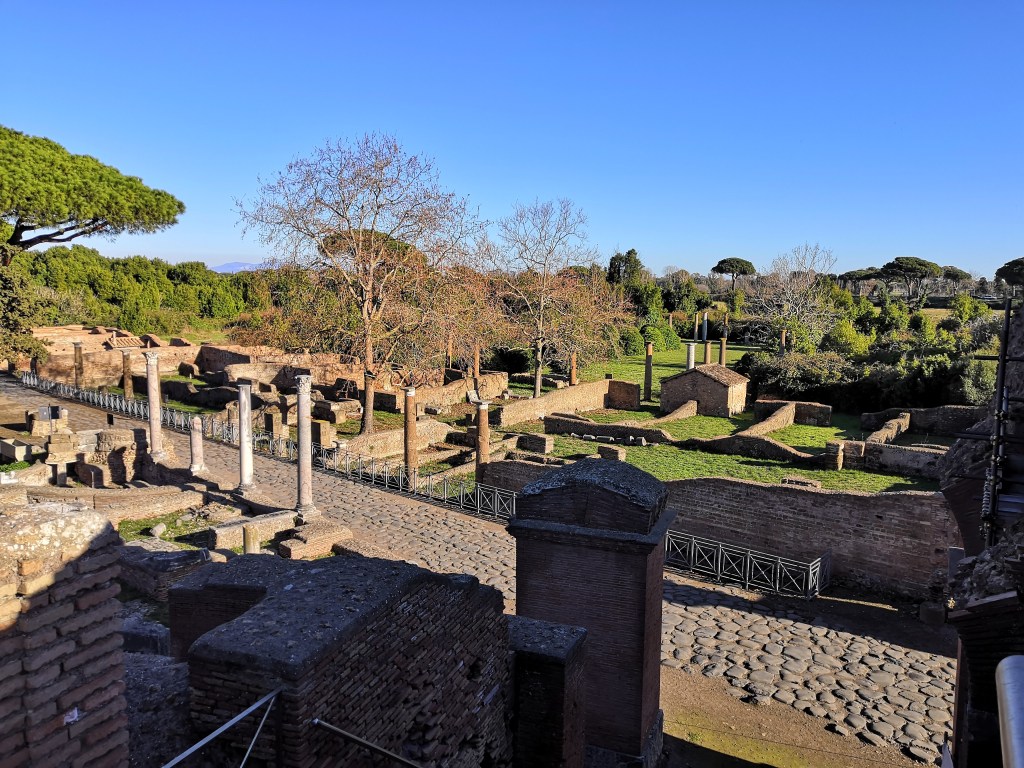
Ostia Antica begins quite lacklustre, with only the foundations of buildings remaining. The ruins form a sort of ‘city-plan’ where you can see where the buildings and roads once stood, but very little of it actually remains. However, there are numerous basements you can enter, which is one feature that distinguishes this site from Pompeii. In some of these cellars, the remains of old storage facilities can be found, such as amphorae which would have been used to store wine or other goods.
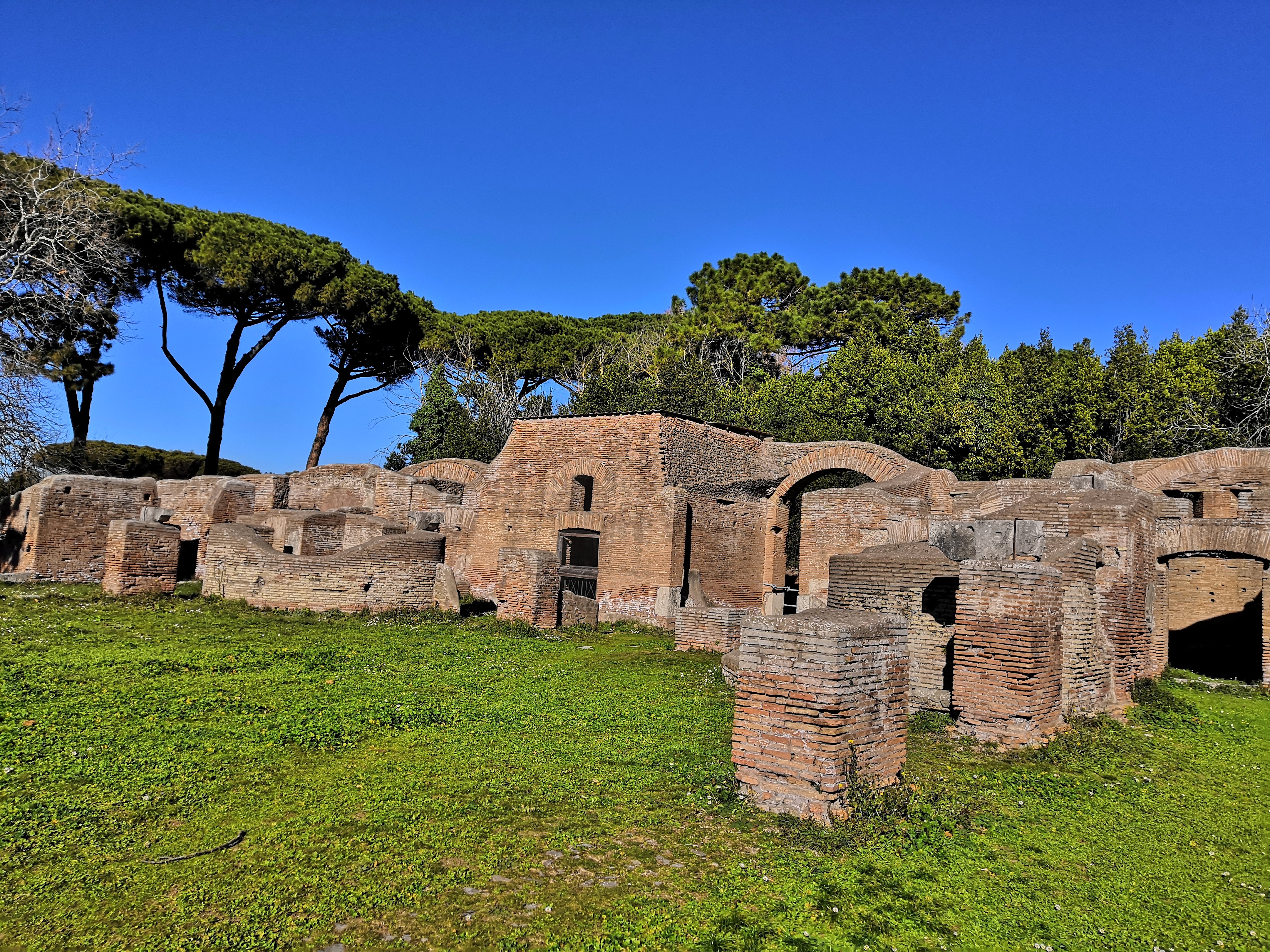

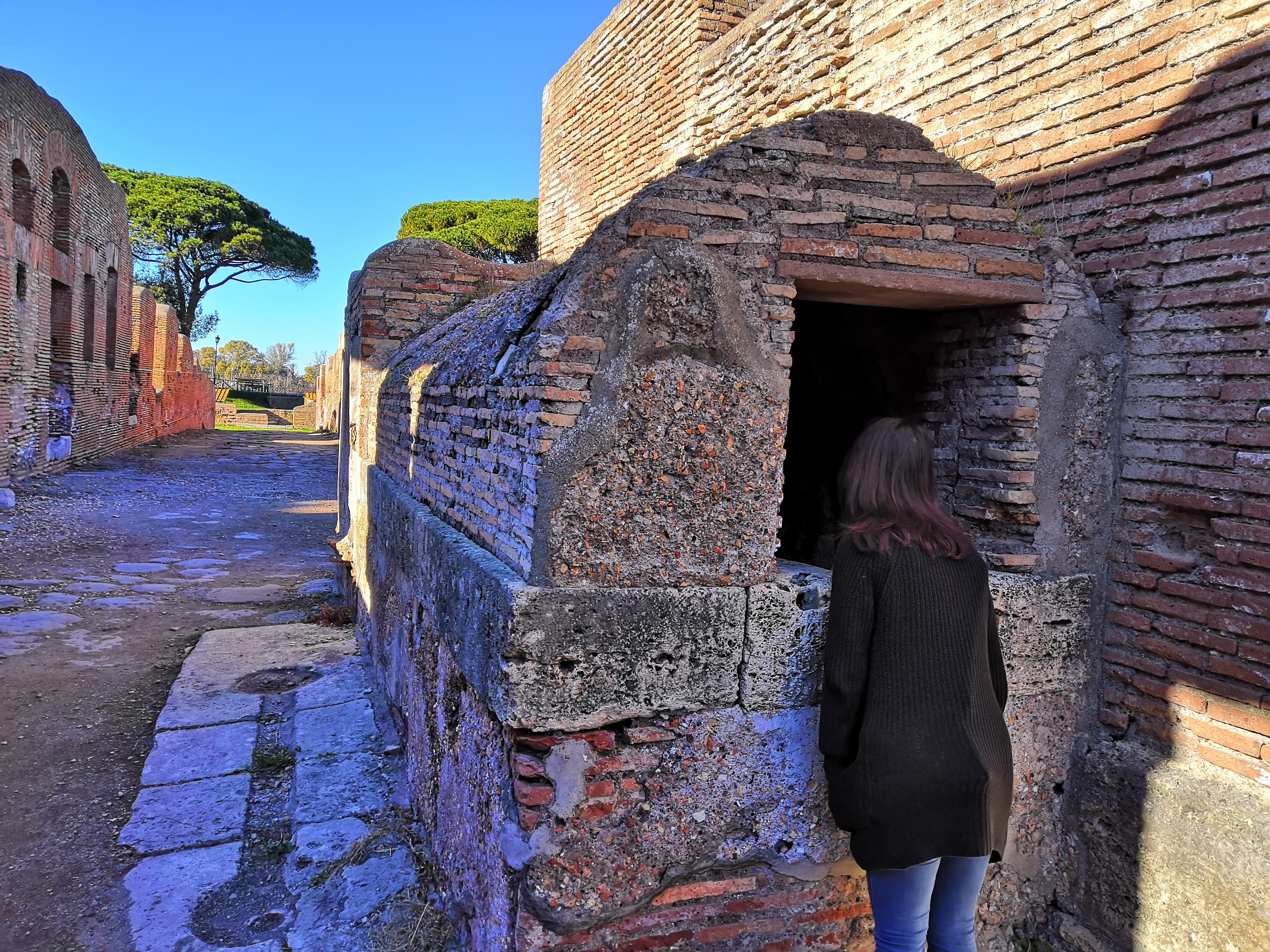
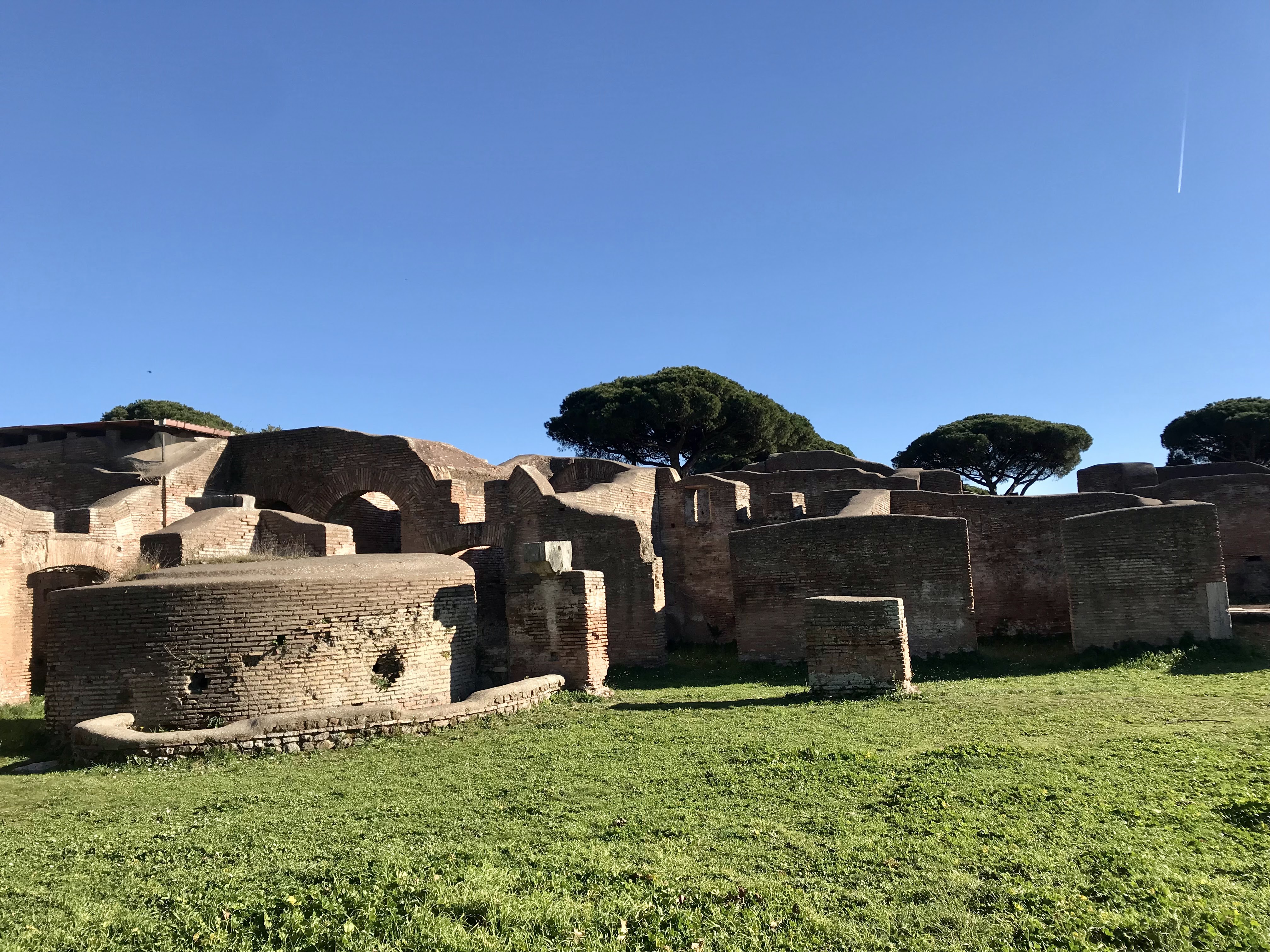
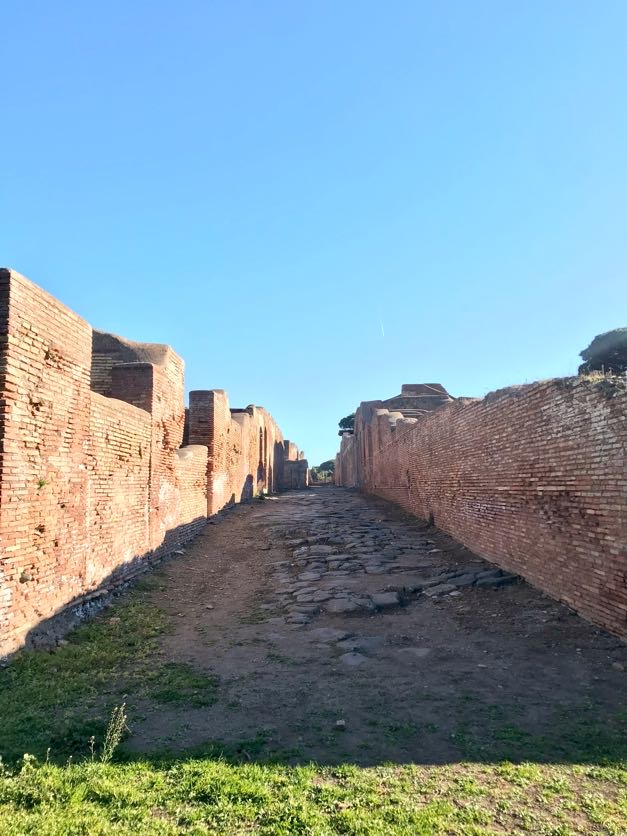
As one enters deeper into the ruins, the buildings grow in size and grandeur. Foundations grow into walls, and many buildings start to have ceilings, and even extra floors, though these are rarely (but not never!) accessible to the public.
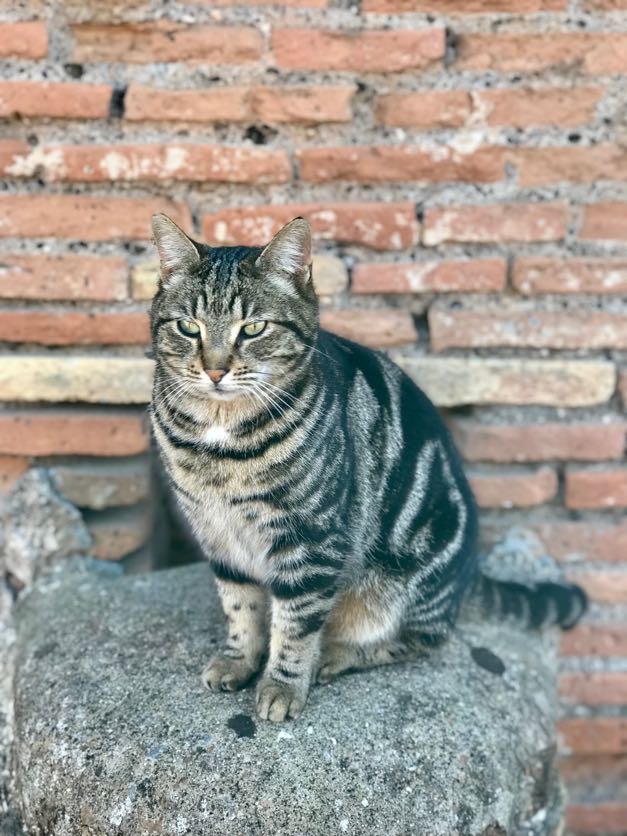
At this point, we were joined by a companion. An adorable, not-so-stray cat approached us and started following us throughout our journey. Tayla dubbed him ‘Oscar’, and he kept company for a solid few hours, taking great care to not lose us for the whole time. He only left us after he found another group of tourists, who could offer him more prospects of snacks and cuddles than we could.
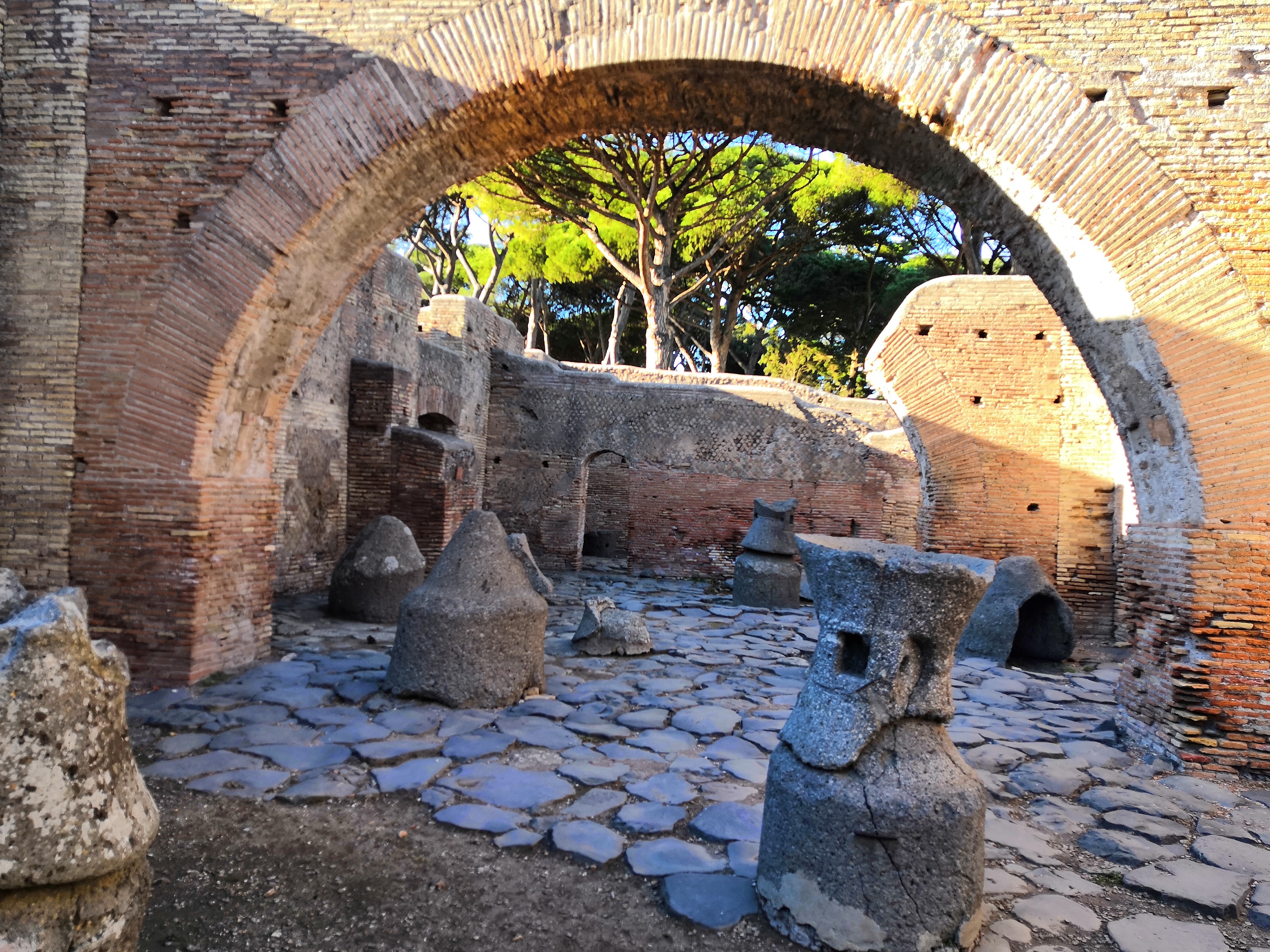
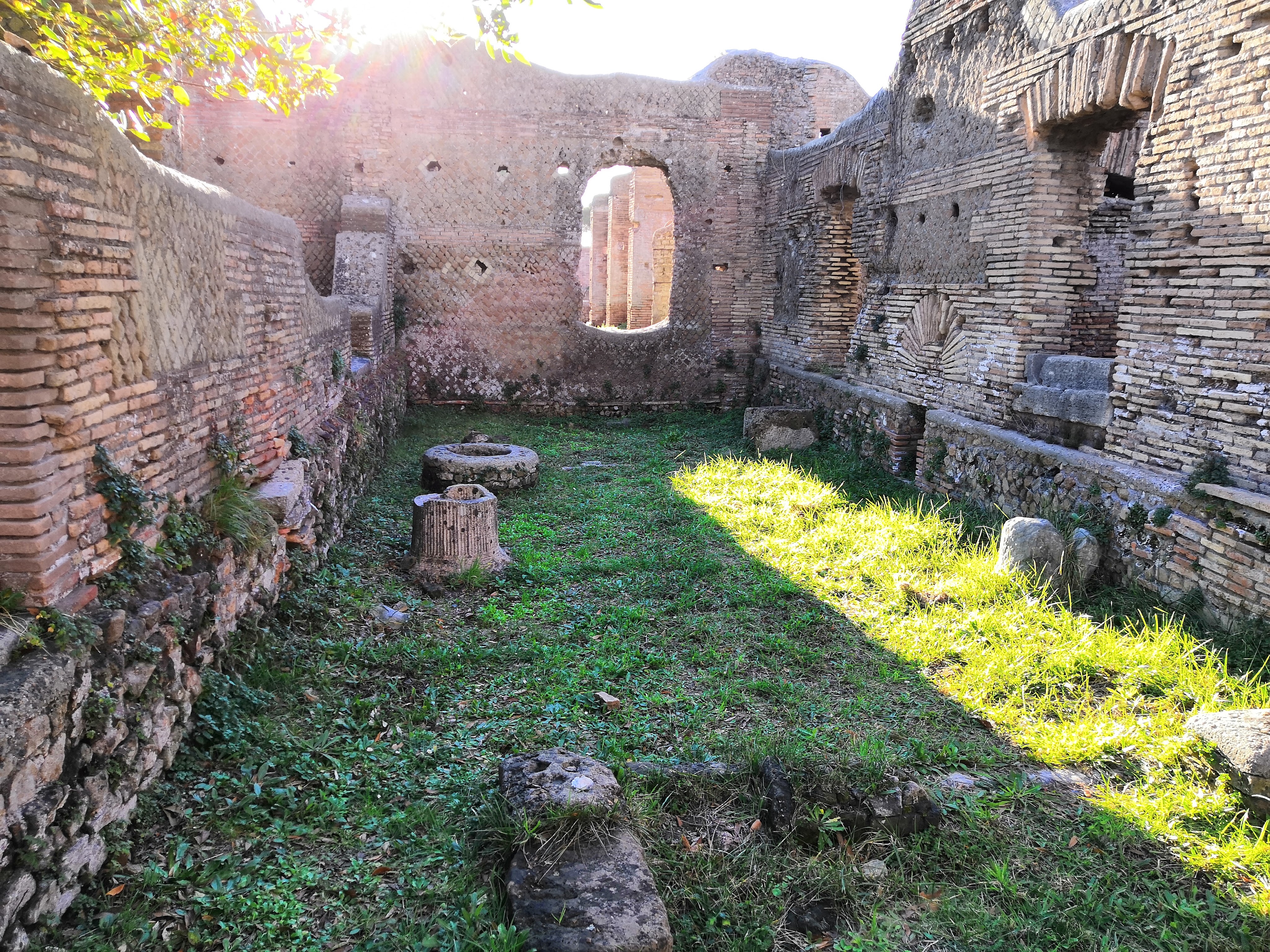
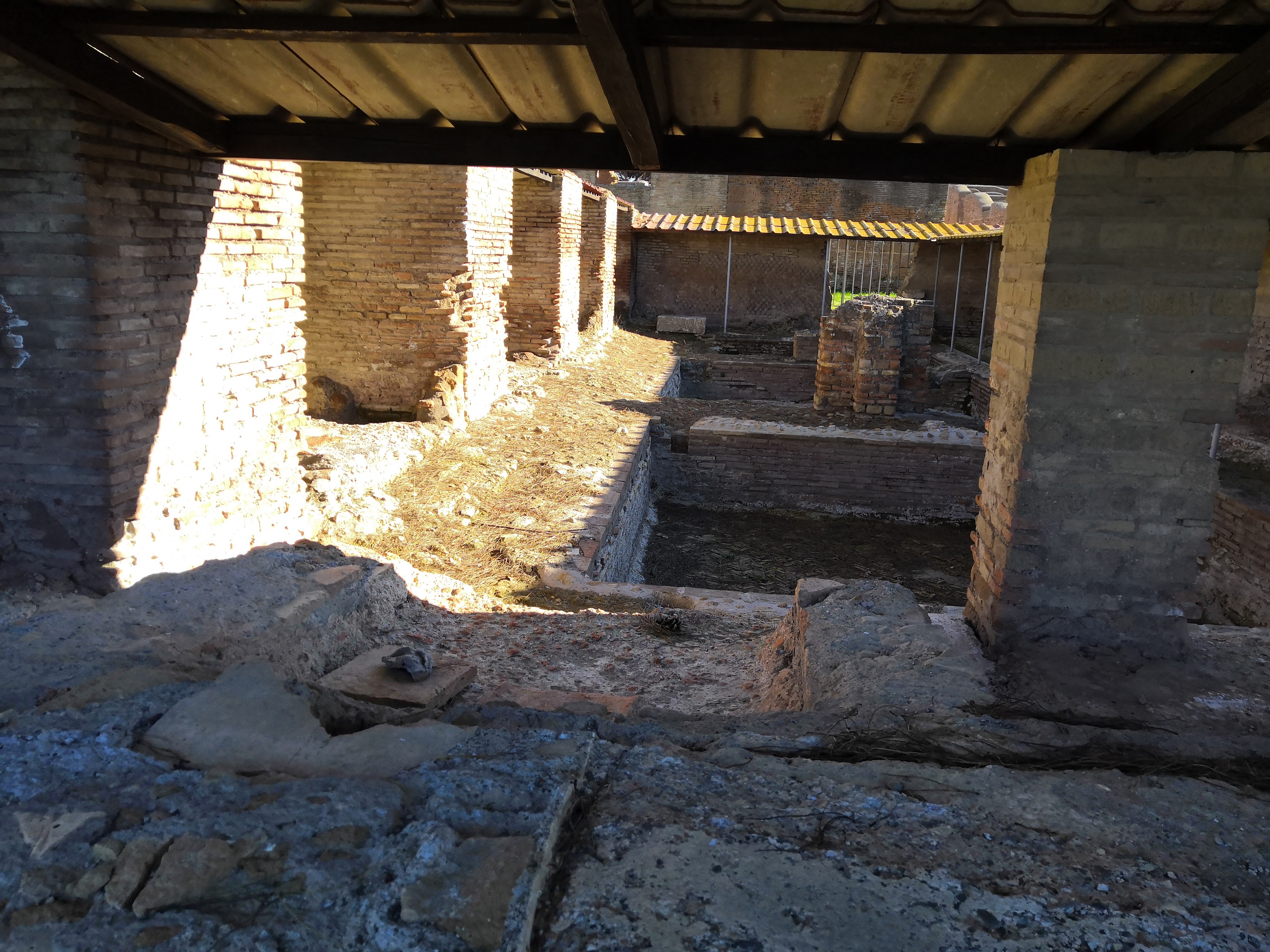
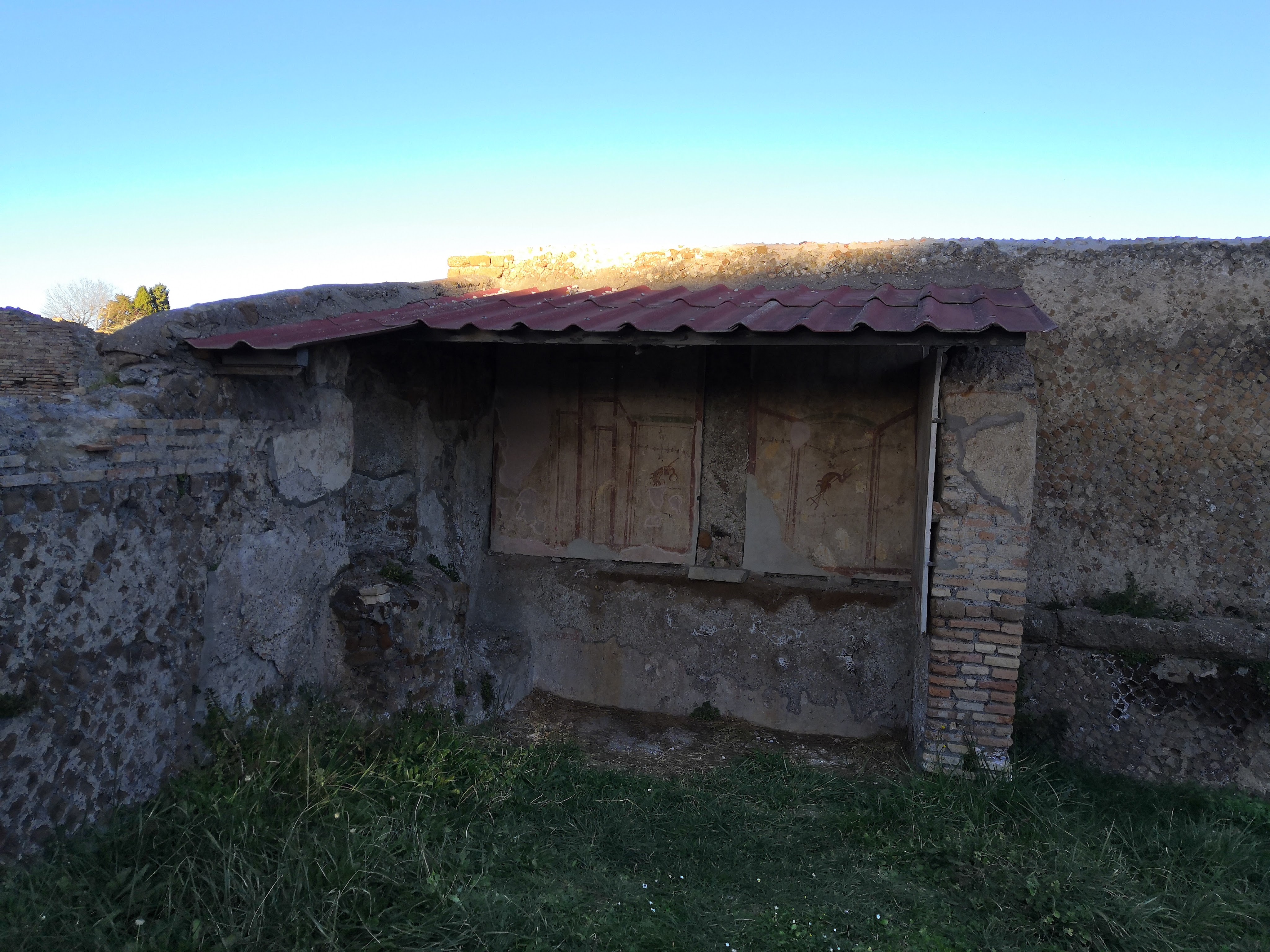
We explored the ‘industrial’ part of the city, with a fire brigade, as well as several enterprises, such as a leather tanner, whose tools of the trade have remained remarkably well-preserved. As you explore the city, you can see and feel how the Romans used to live, and the experience is quite unlike any other.
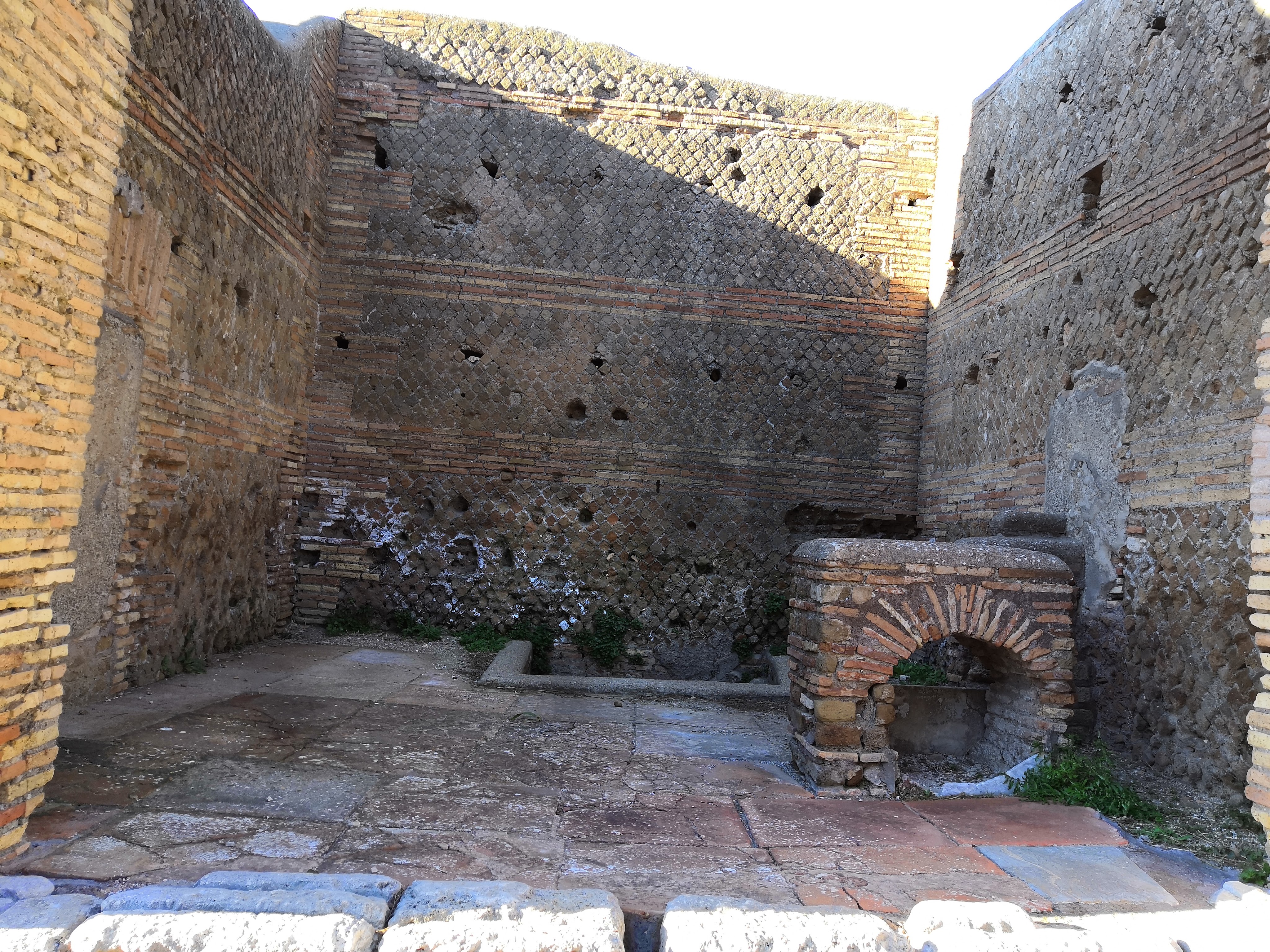
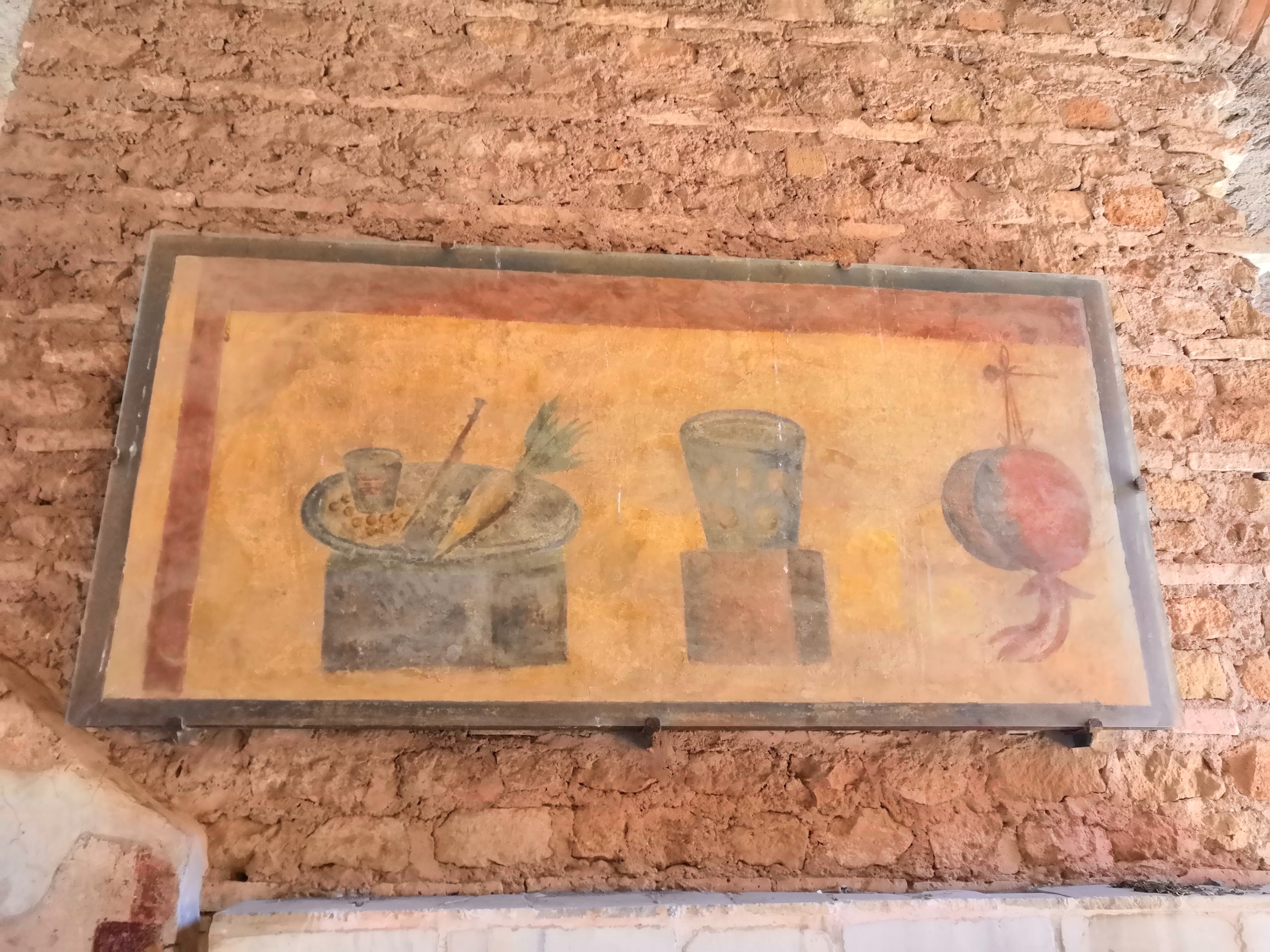
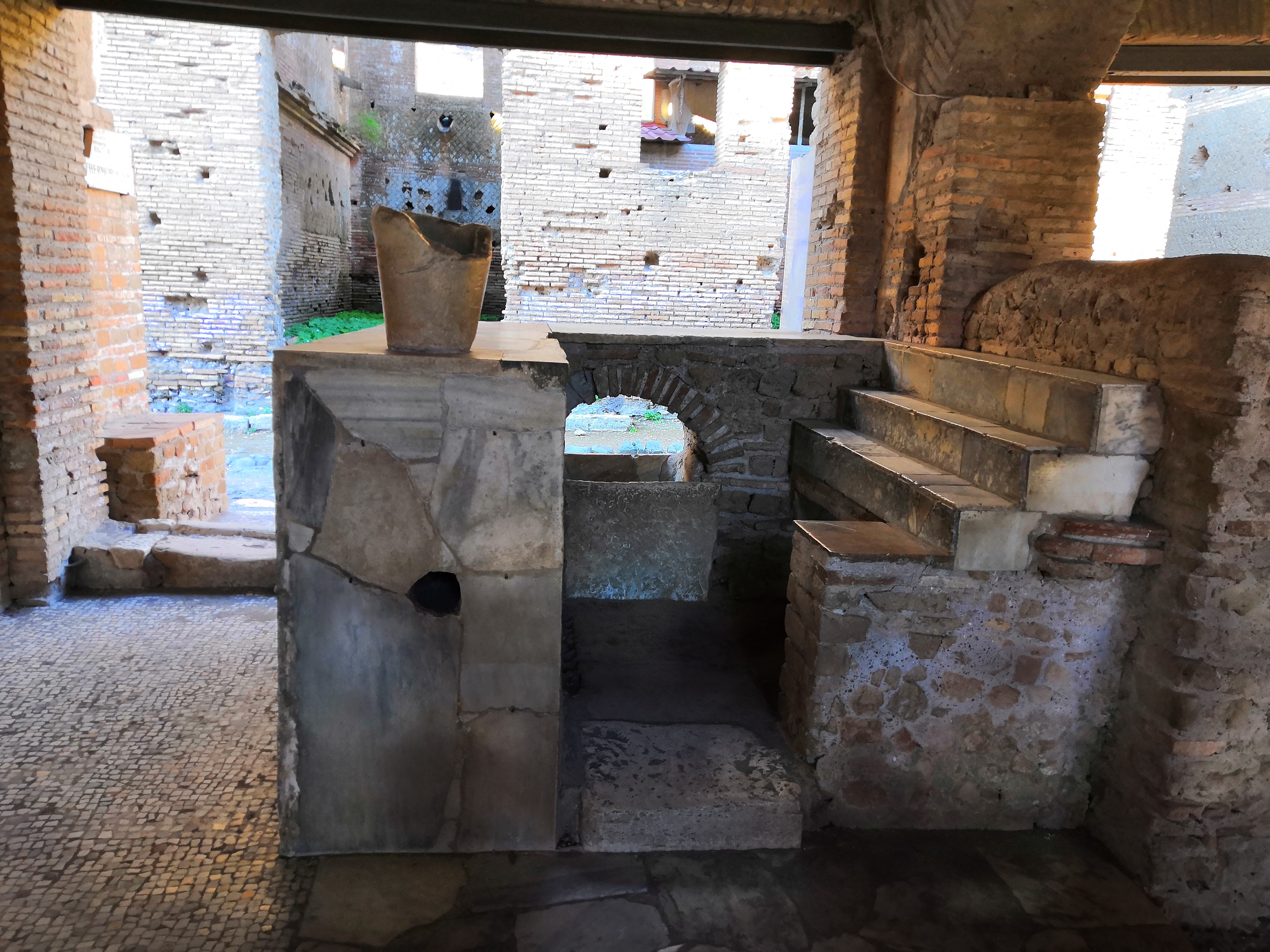
Once you approach the Forum and the former city centre, the buildings grow to truly massive sizes. Numerous temples and government buildings line the streets, and some are very well preserved. This is was also a centre of commerce, and thermopolia (the Ancient Roman equivalent to fast foods) can be found everywhere. It very much feels like you’re stepping into a high street from two thousand years ago.
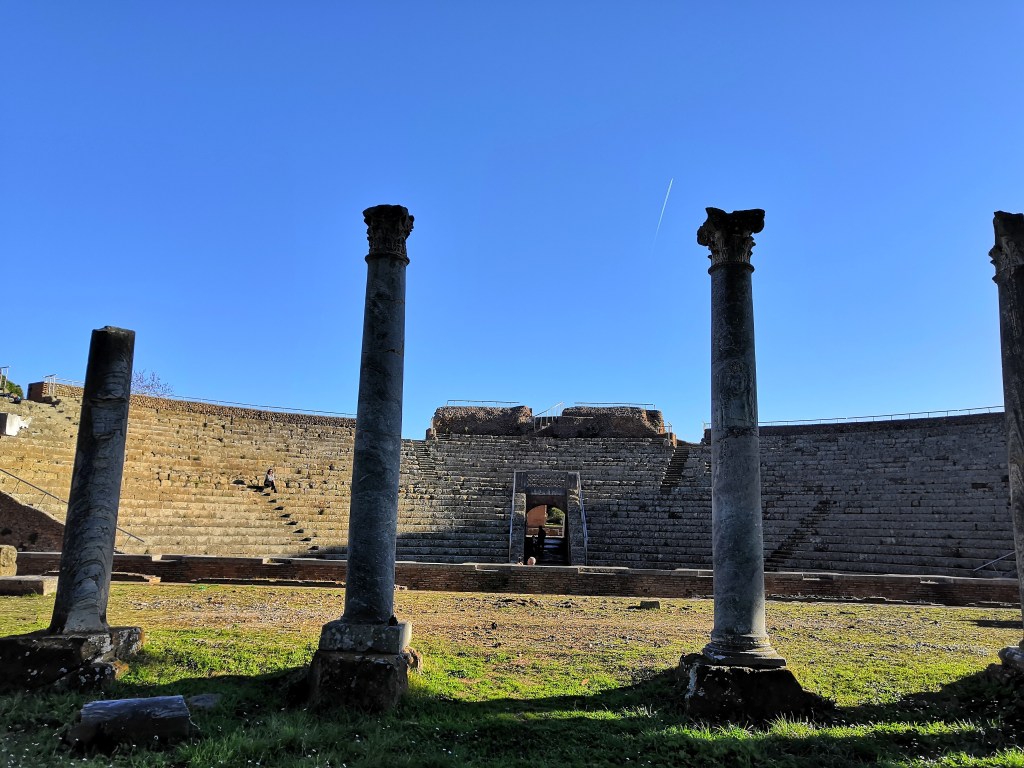

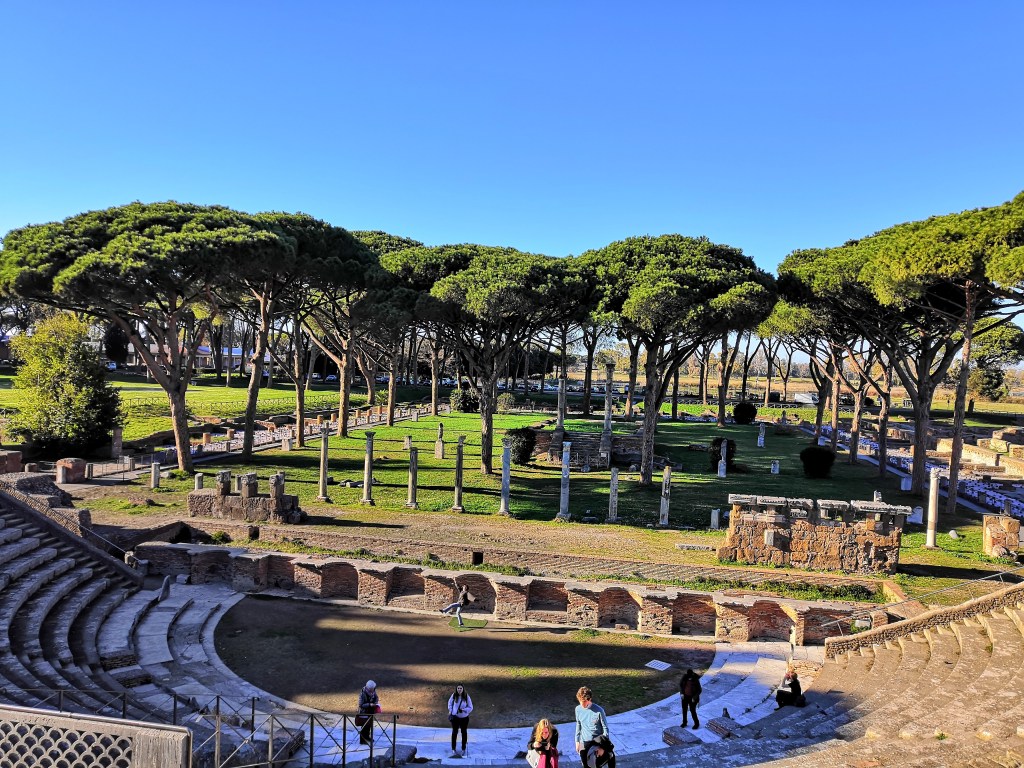
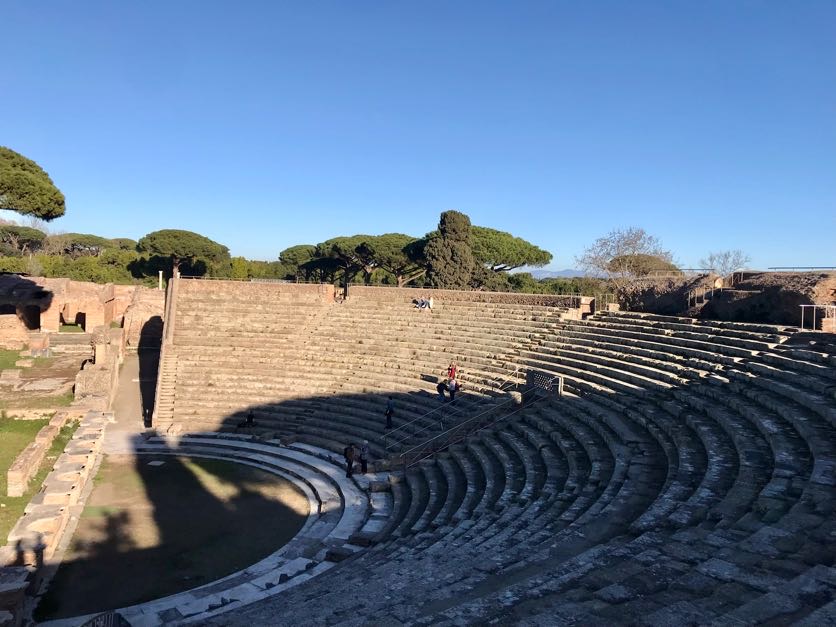
The Forum (the main town square) is dominated by an incredibly well preserved theatre, where you can sit down and imagine yourself as a Roman watching plays on the raised stage. You can also climb right to the top of the theatre to view the ruins from up above.
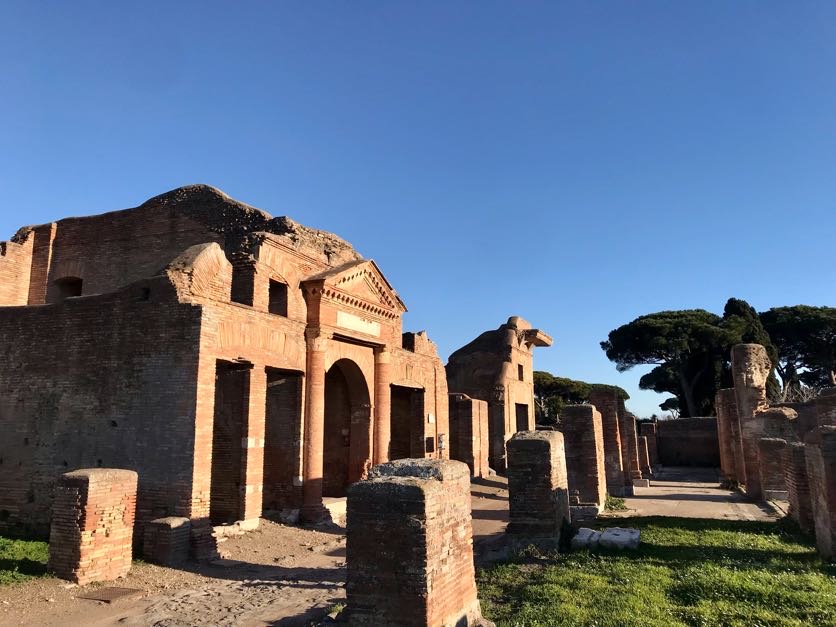
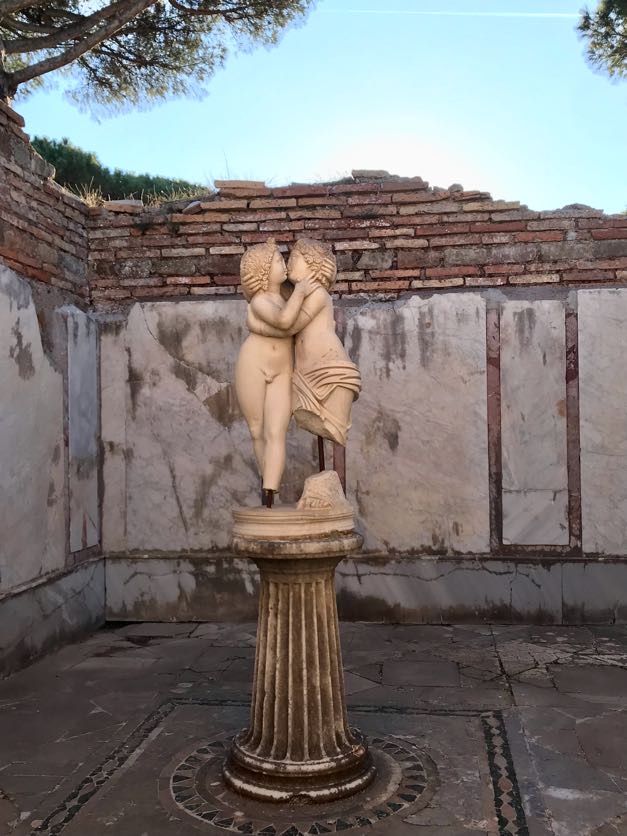
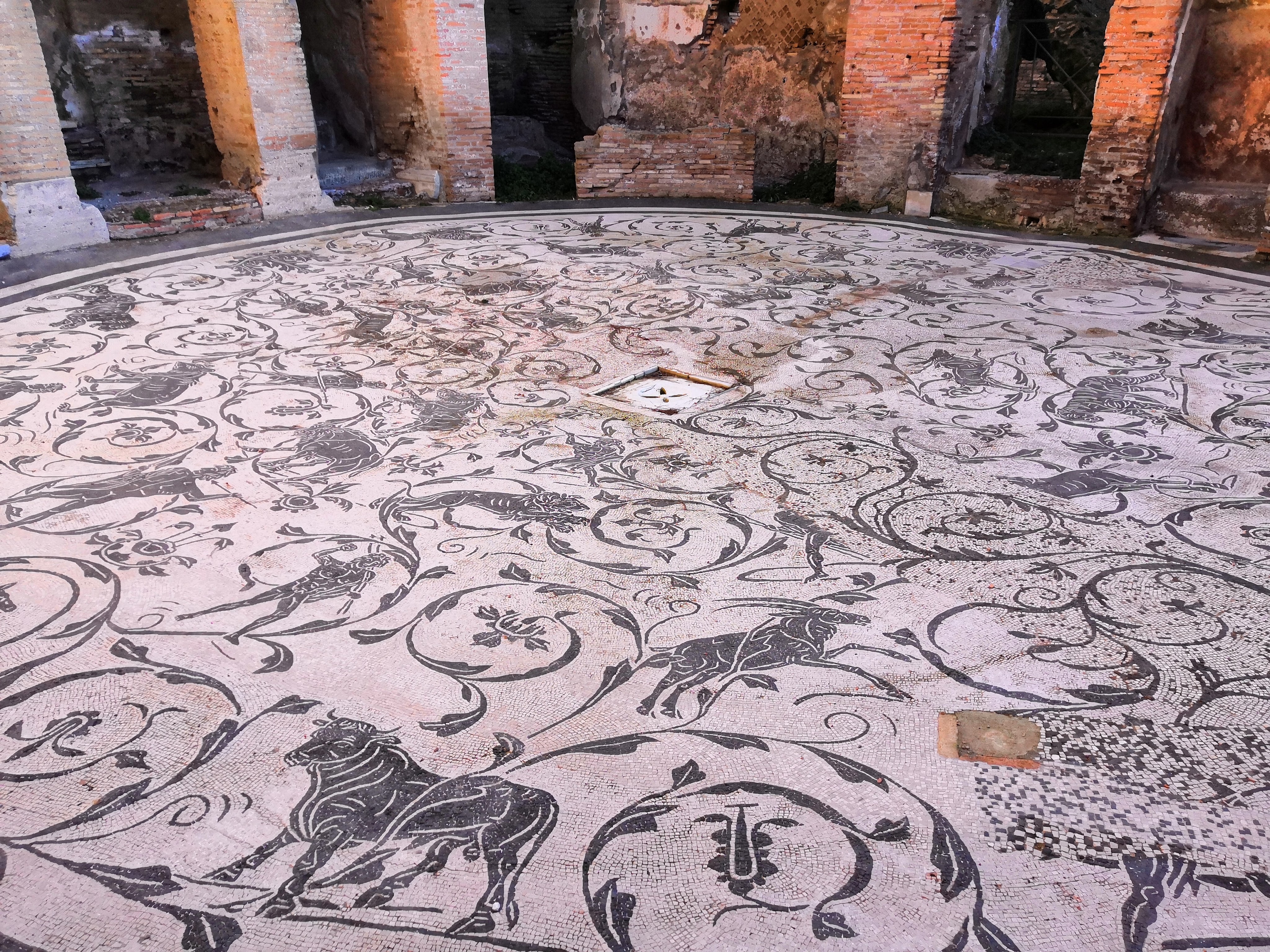
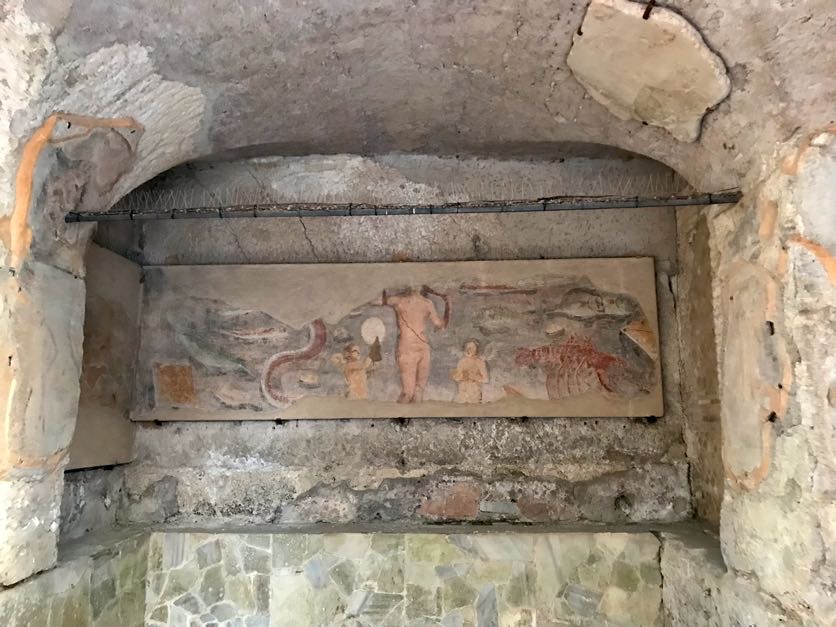
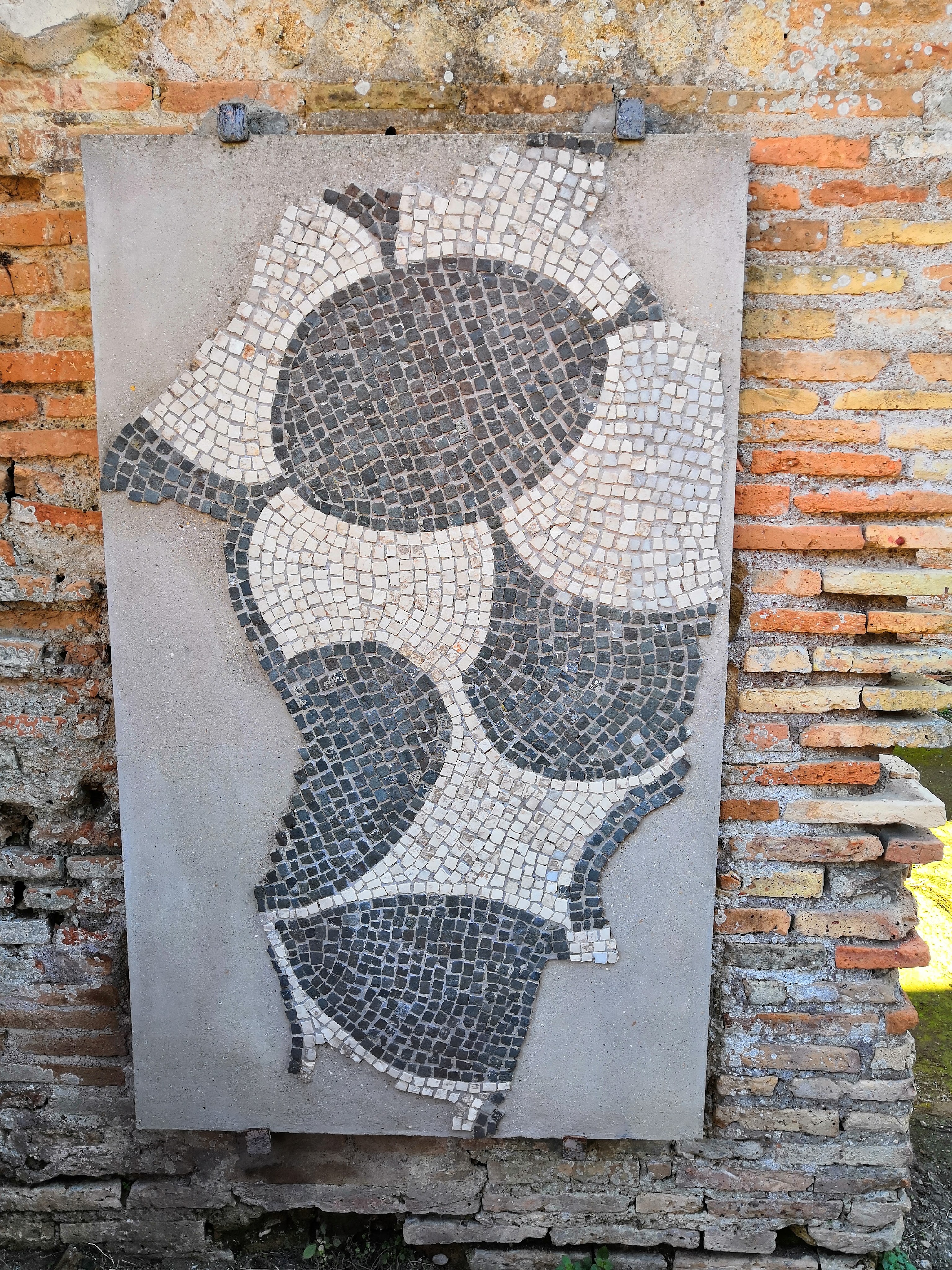
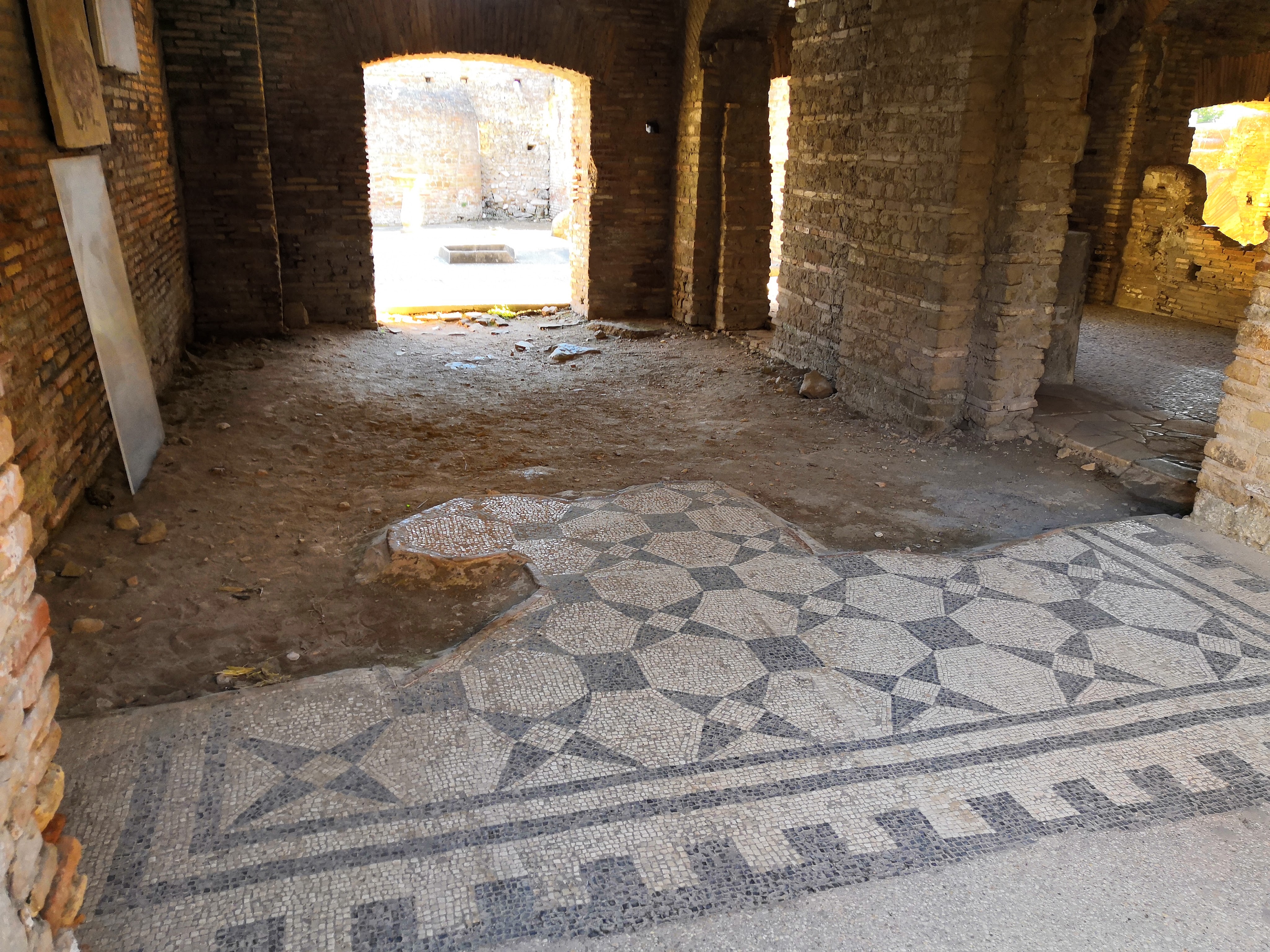
The rich of Ostia Antica made their home in this part of town, and it shows in the size and decoration of the buildings. Mosaics cover the floors, and ornate paintings can be found on the walls. Even the architecture itself showcases the wealth of the former residents of the town.
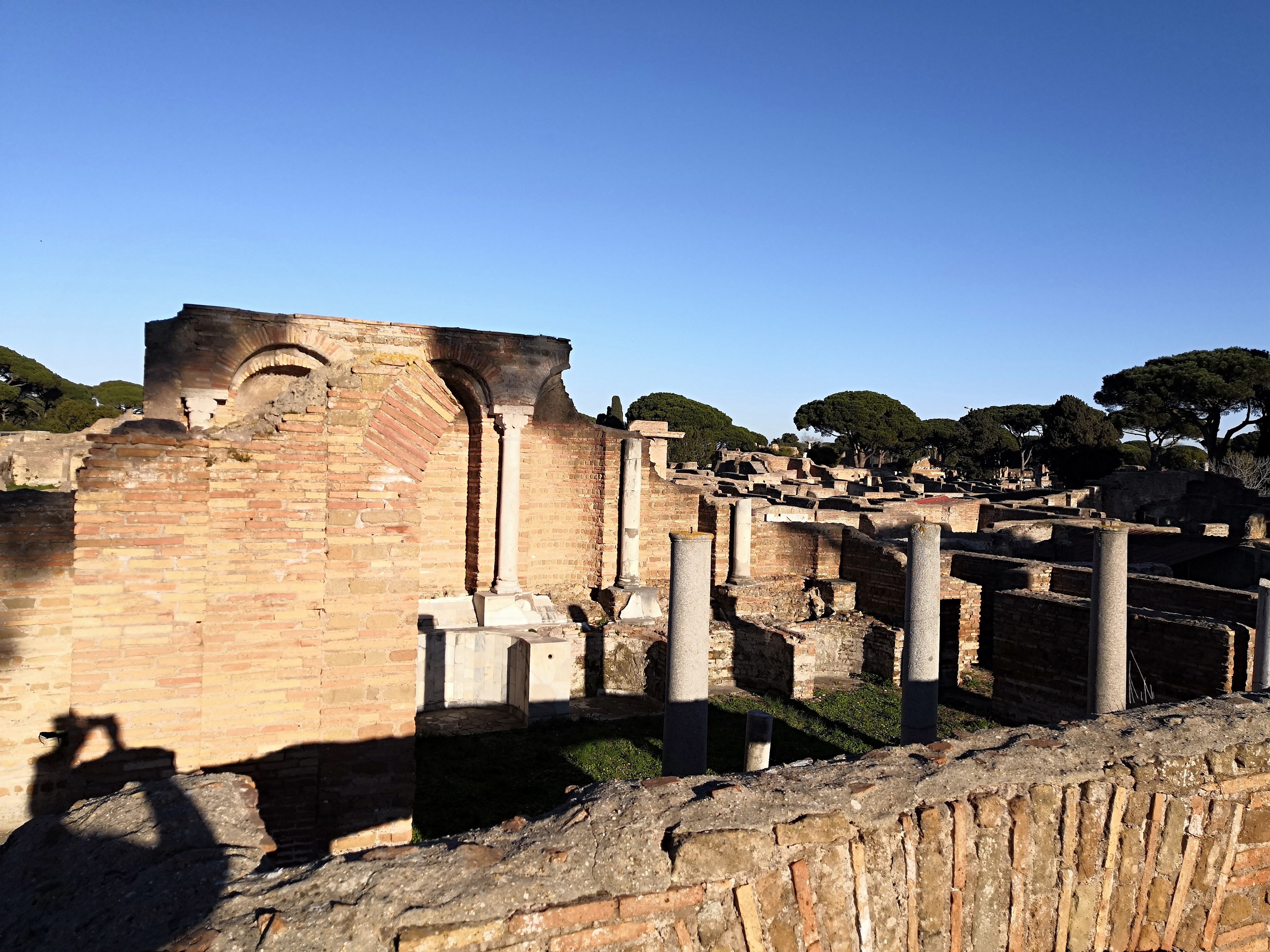
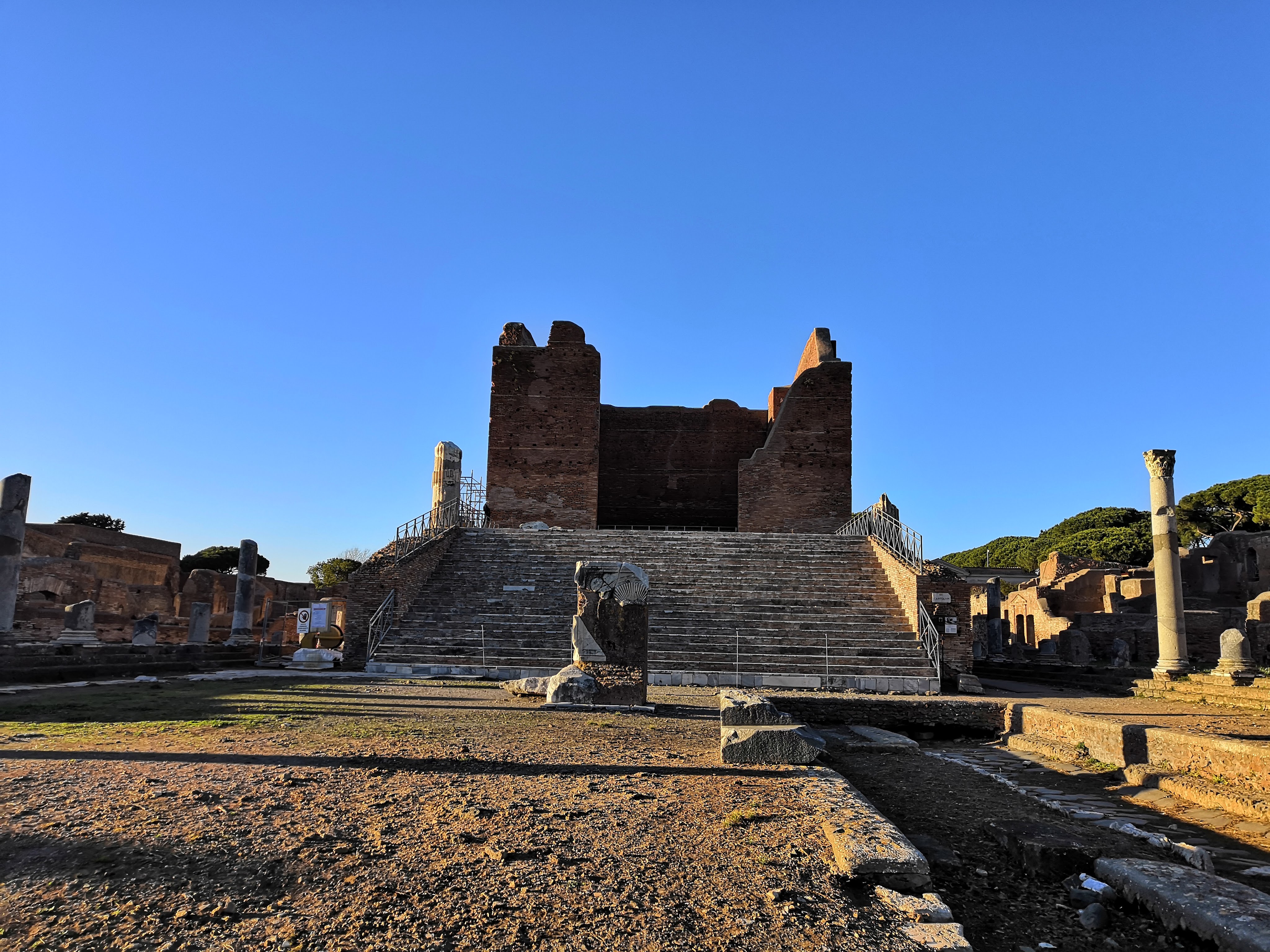
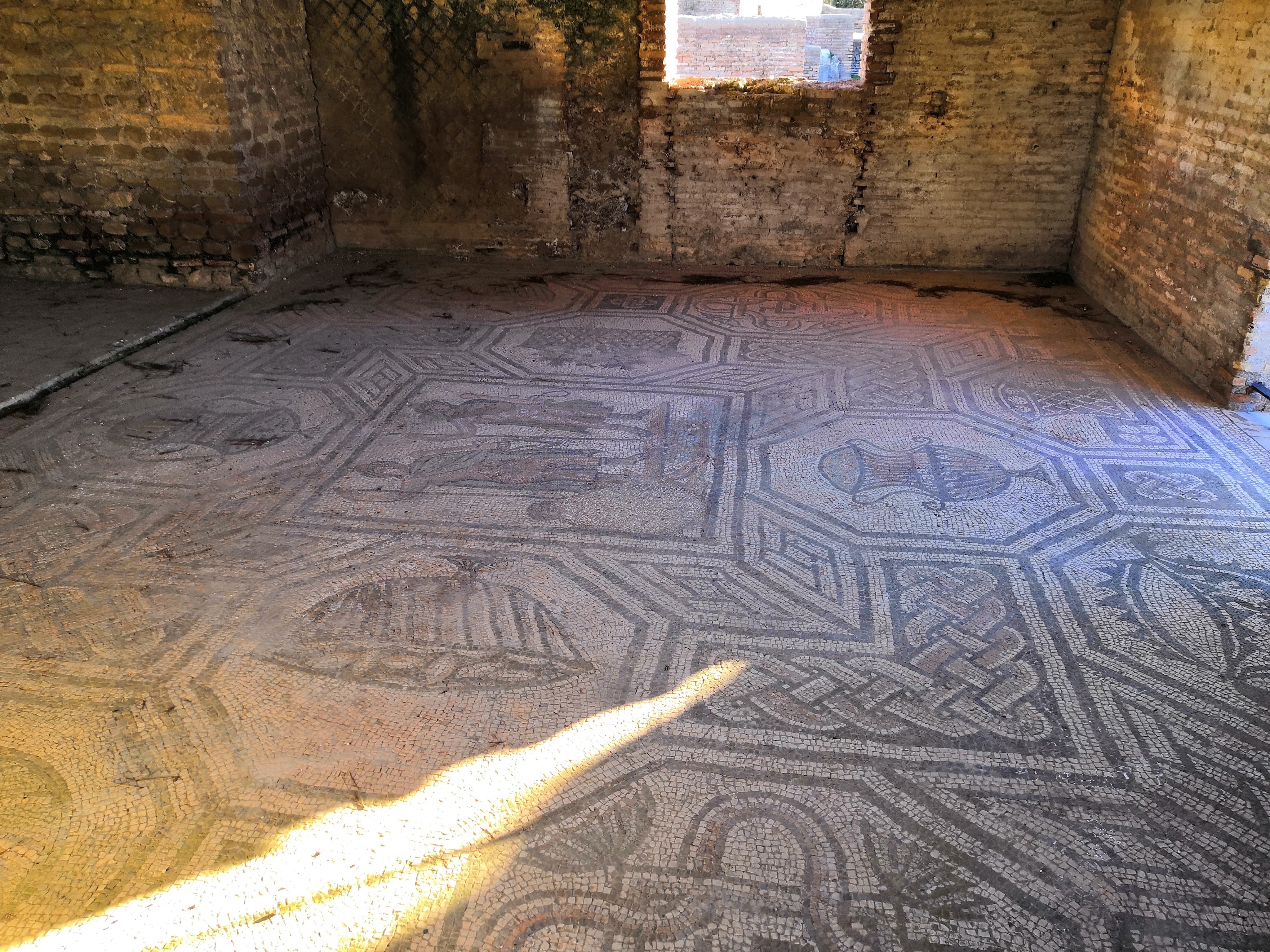
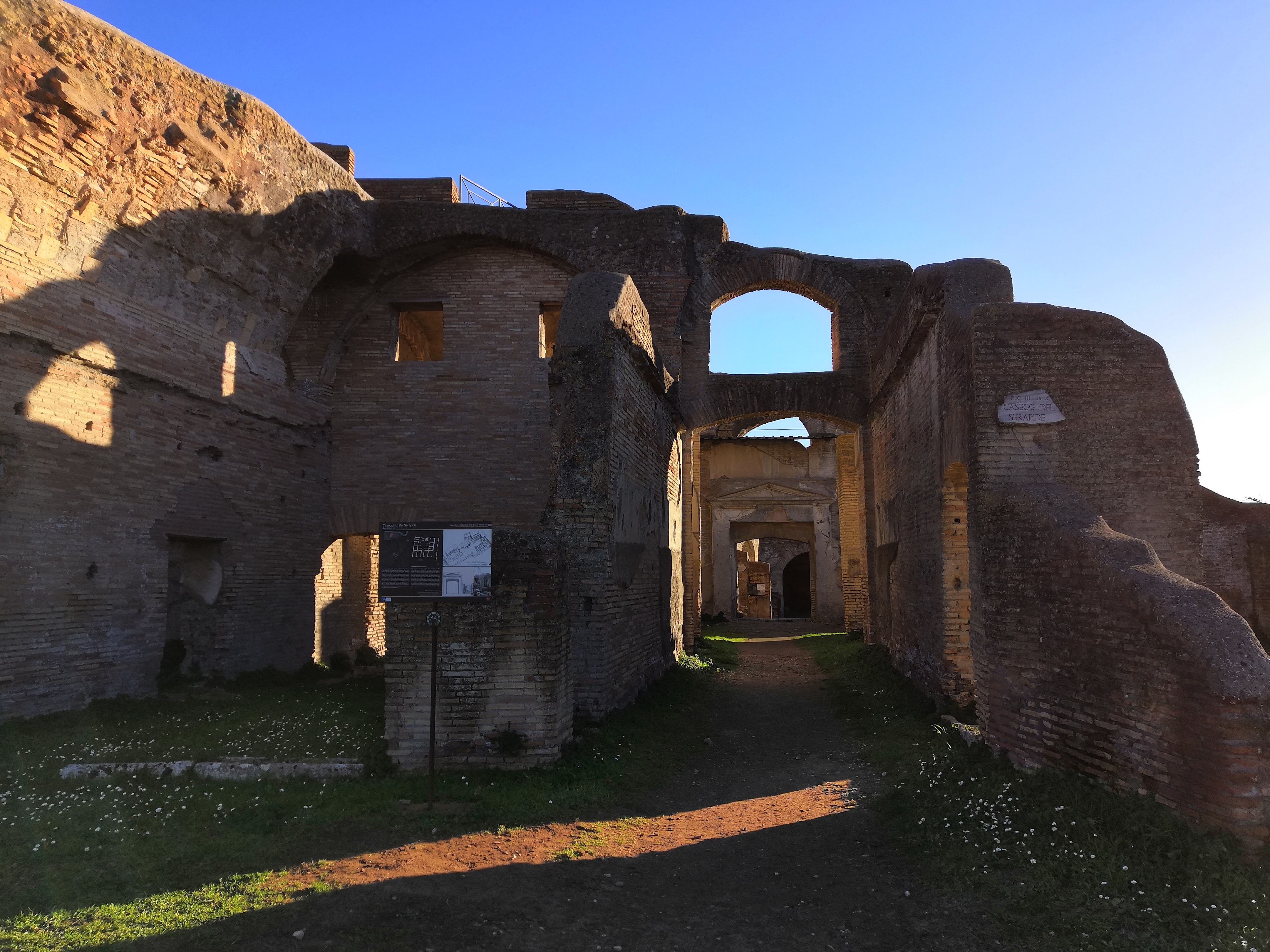
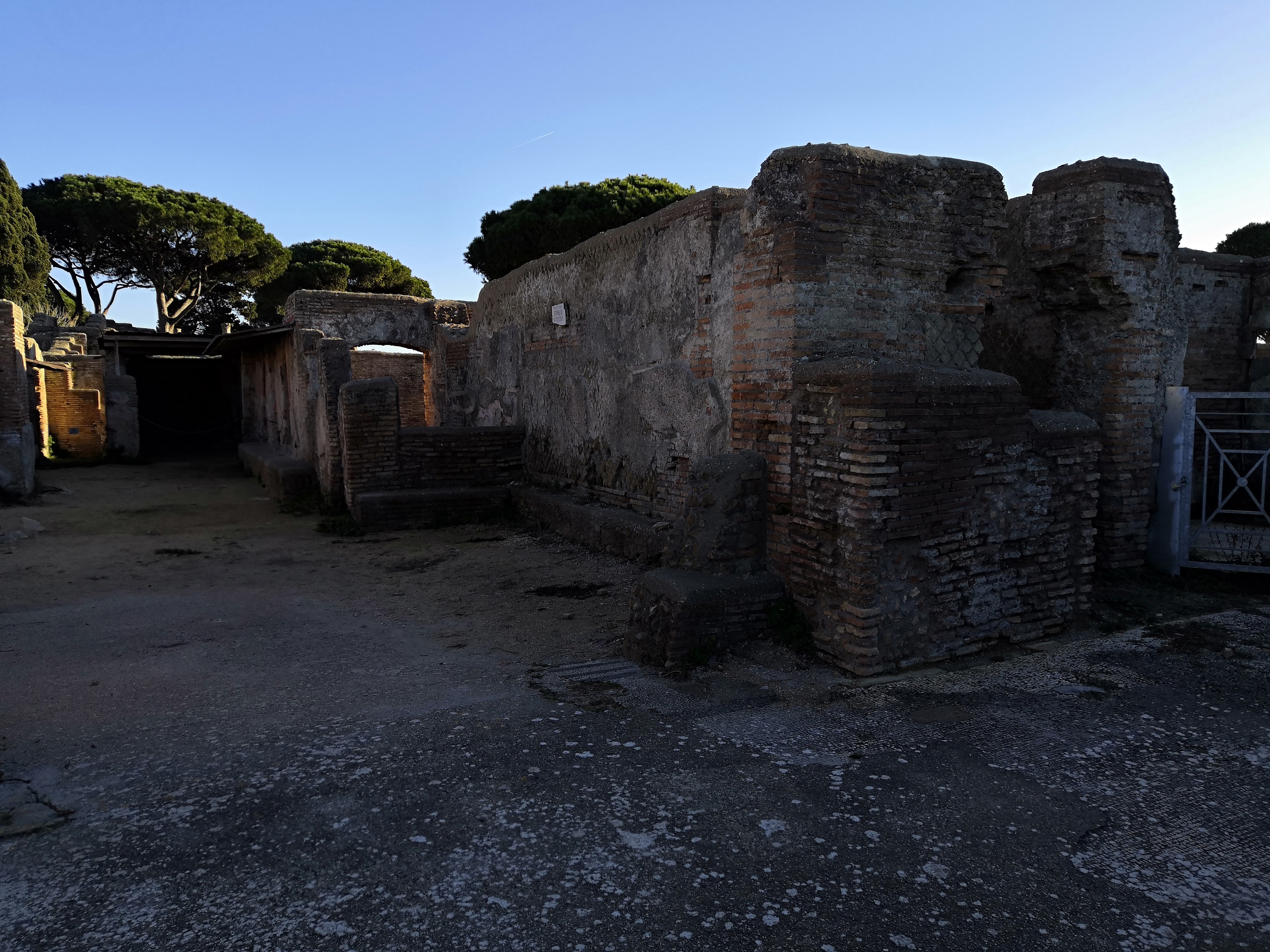
Around this point we had to start making our hurried way back as the park was closing. We passed by a large bathing complex, and the former docks of the city on our way out, but we didn’t have the time to truly explore.
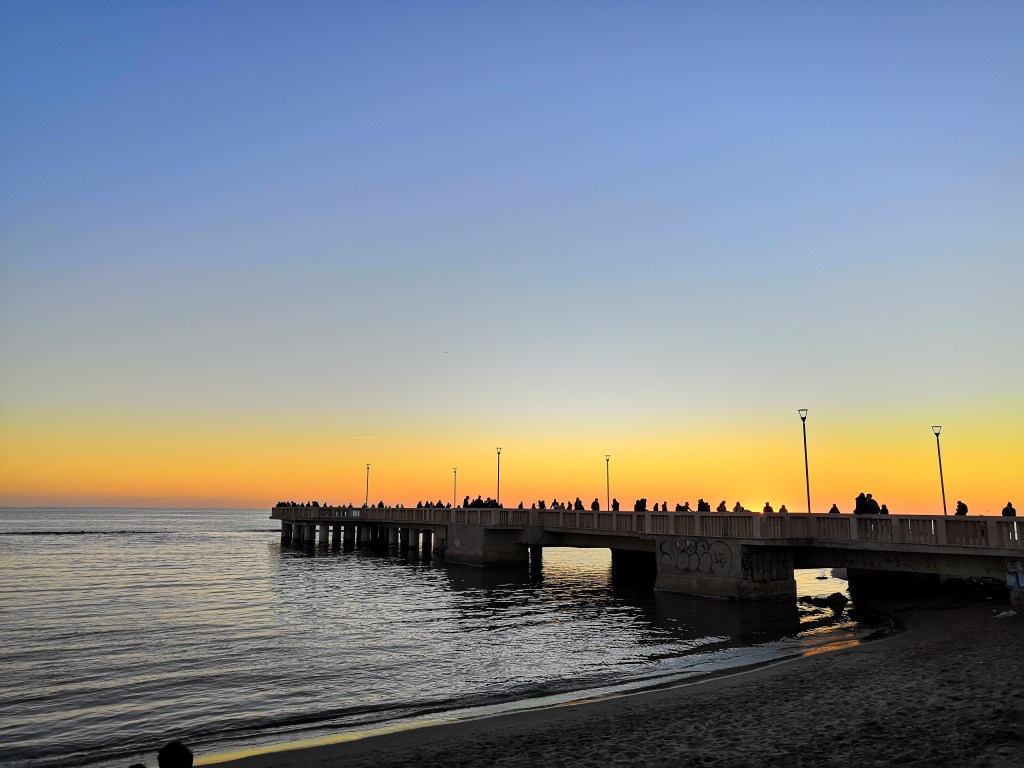
We ended the day somewhat disappointed in the lack of time we had, as there were still large portions of the city left to explore. However, what we did see was absolutely amazing and something I would highly recommend a visit to anyone who visits Rome.
 We May Roam
One thought on “Exploring the Ruins of Ostia Antica”