
Hungary’s capital is a beautiful, lively, and affordable city. It is rife with fascinating history, excellent photo opportunities, and delicious food and drink. It’s little wonder, then, that it quickly became my favourite city in Europe, one which I cannot wait to get back to.
General Impressions
Hungarians are generally friendly and helpful. The city feels safe and generally quite easy to navigate, with an efficient metro and tram system. I did, however, have one mishap with the transport in the city. There is an app on which you can buy tickets for the transport system. The catch is, in order to validate the ticket, you have to scan the QR code located outside of the vehicle you want to get on. I know, nonsensical.
I tried to validate one of my tickets, but didn’t wait to ensure it had properly validated, as the tram was pulling off. Lo and behold, we stepped right into a ticket inspector. As I’m sure you can guess, the ticket did not validate successfully, which means I was travelling without a ticket.
Que 15 minutes of arguing with the ticket inspector about it, which ended after he threatened to call the police, at which point I relented and paid the HUF 8000 fine (about £18 at the time). It was not a huge amount of money, but I was left very angry at the transport system, especially since you can validate a paper ticket inside the vehicle, but not on the app. Still, this was perhaps my only negative experience in this otherwise wonderful city.
Food
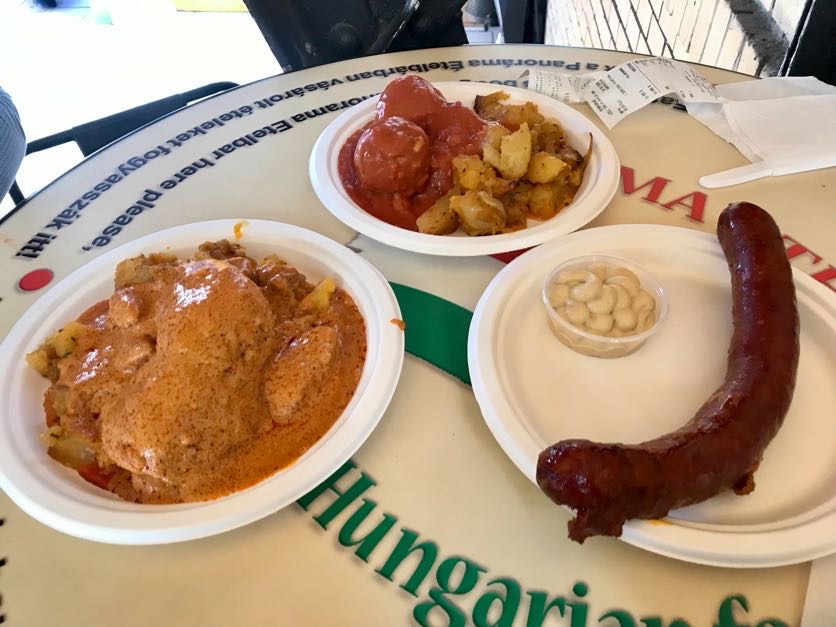
Hungarians love paprika, and it shows in their cuisine. It offers many hearty dishes, like stews, soups, and meats in sauces. One of my favourites was a sort of buckwheat, which went very well with the goulash I had with it.
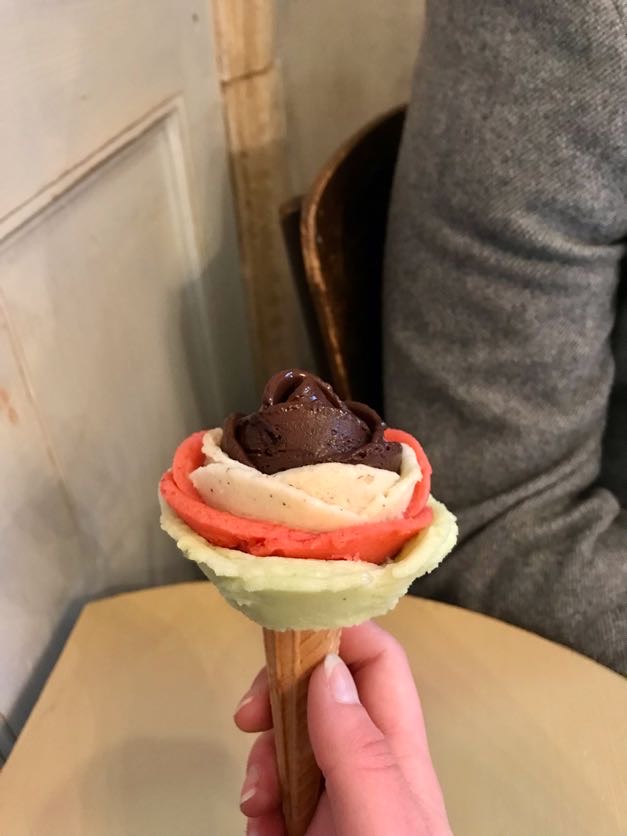
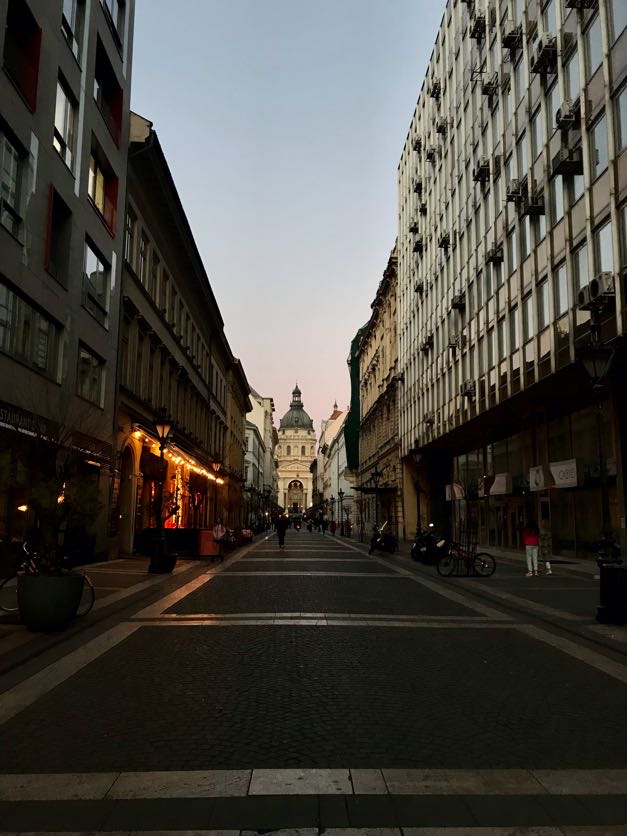
We also liked a little taste of sweetness. Right outside of St Stephen’s Basillica is Gelarto Rosa, an ice cream shop selling all kinds of weird inventive flavours. The best part is, is that nearly half of their ice creams were vegan! Plus, they serve the ice cream in the highly Instagrammable form of a flower. The flavours we tried included lavender white chocolate, basil lemon, and mango.
Drink
Hungary is famous for its wines. From the bold, tannic red like Bikavér (literally ‘Bull’s blood’), to the intensely sweet and syrupy Tokaji Aszú, Hungarian wine is varied, generally cheap (especially for those of us used to UK prices), and absolutely delicious. It’s a must to try when visiting.
My Favourite Parts
The Baths
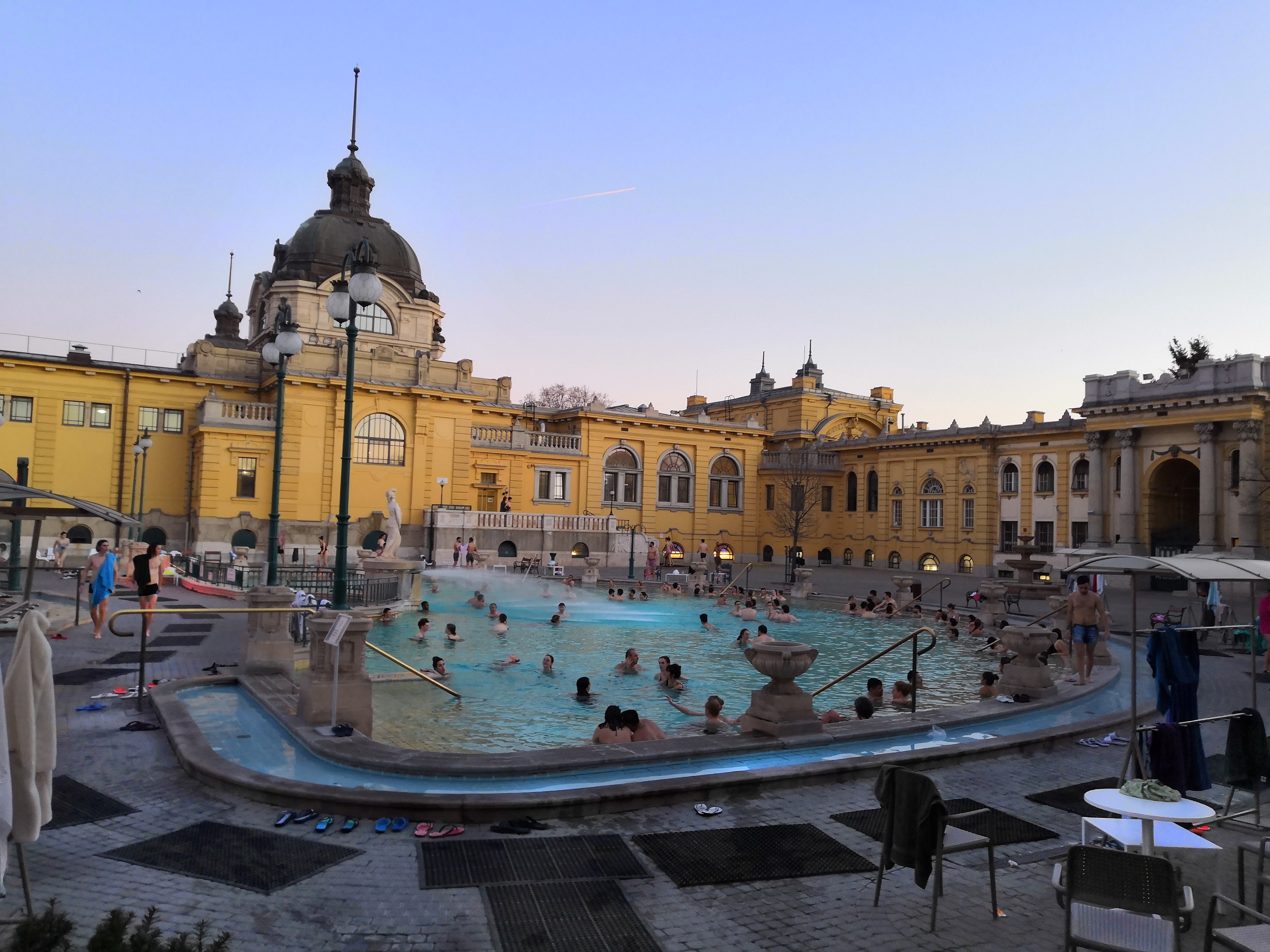
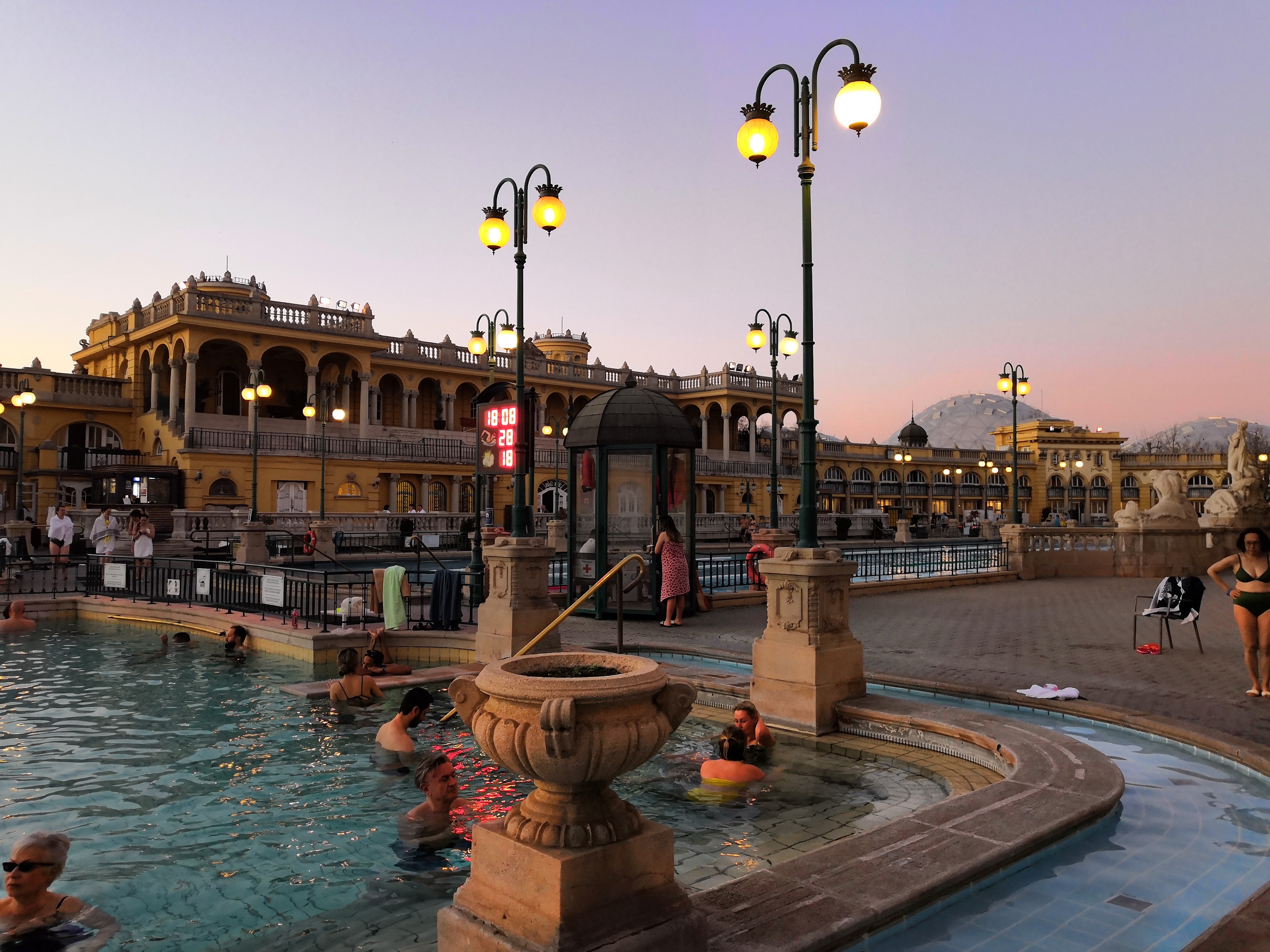
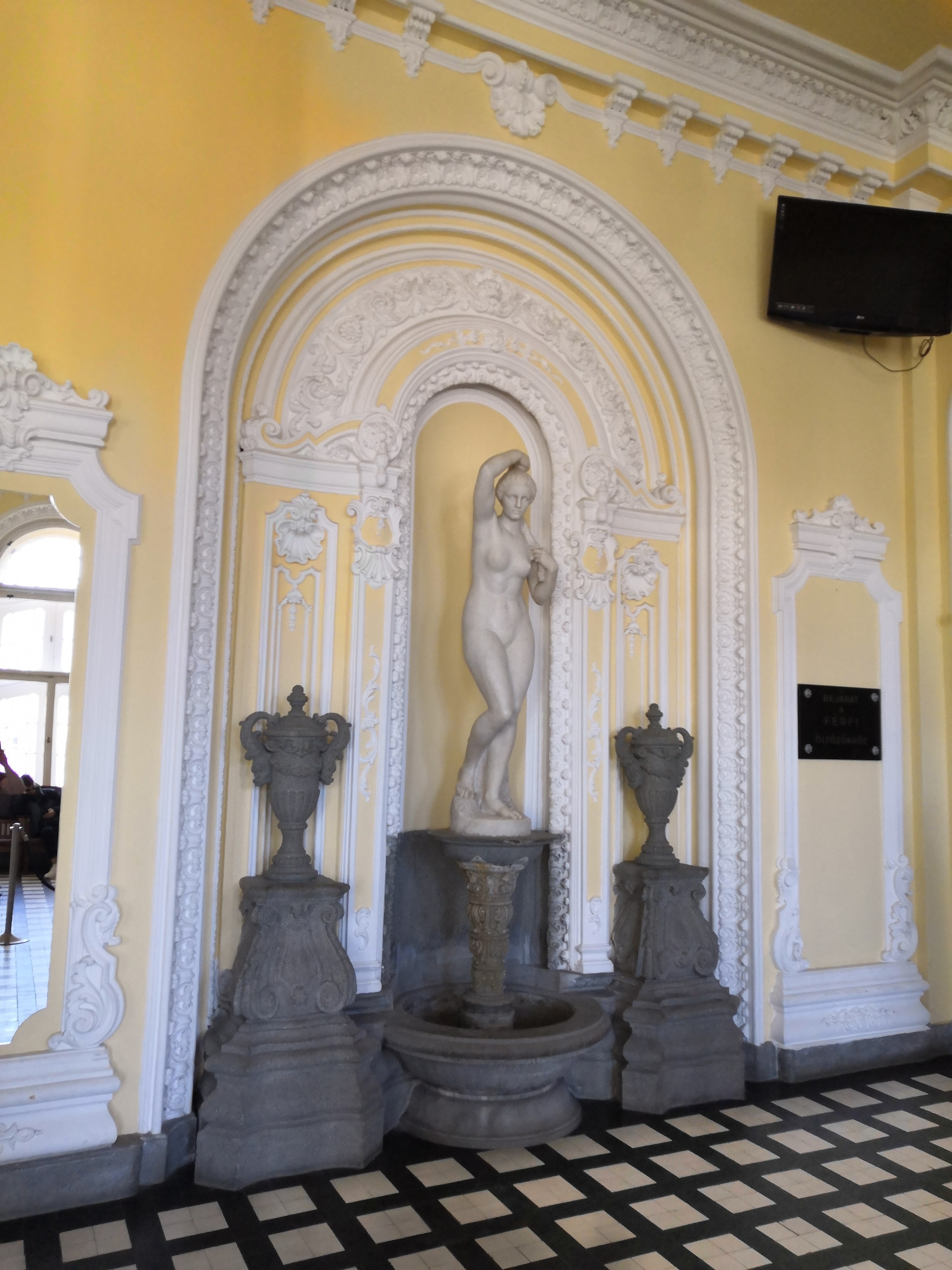
Hungary is famous for it’s baths, with 6 being available in the city. We visited 2 of them: the Széchenyi and Gellért thermal baths. Unfortunately, we only took photos of the former, though I can safely say that the latter was my favourite, with it’s small intimate atmosphere, and terrace bath which allowed us to look over the night-time view of the city from the top of the baths.
Buda Castle
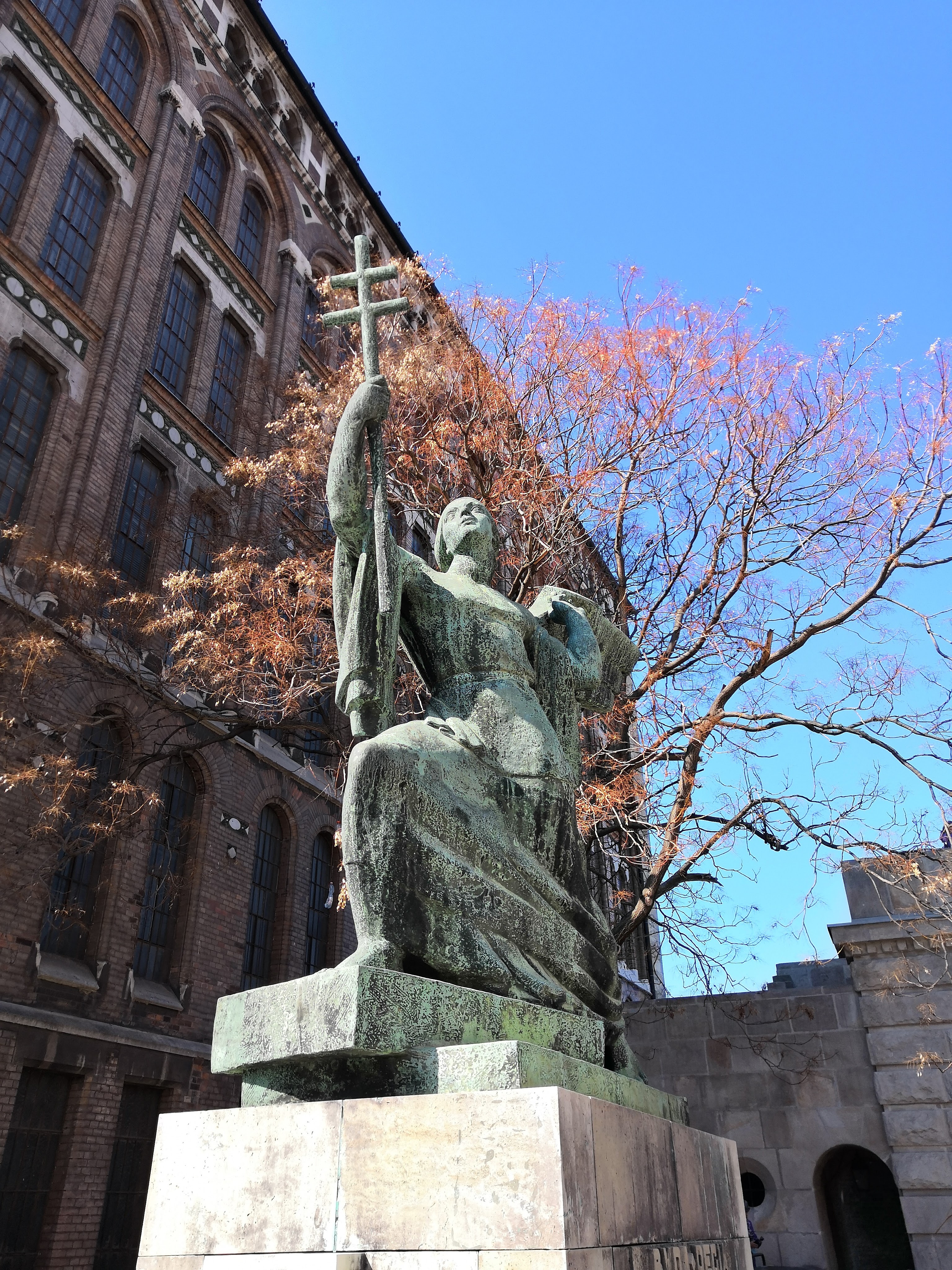
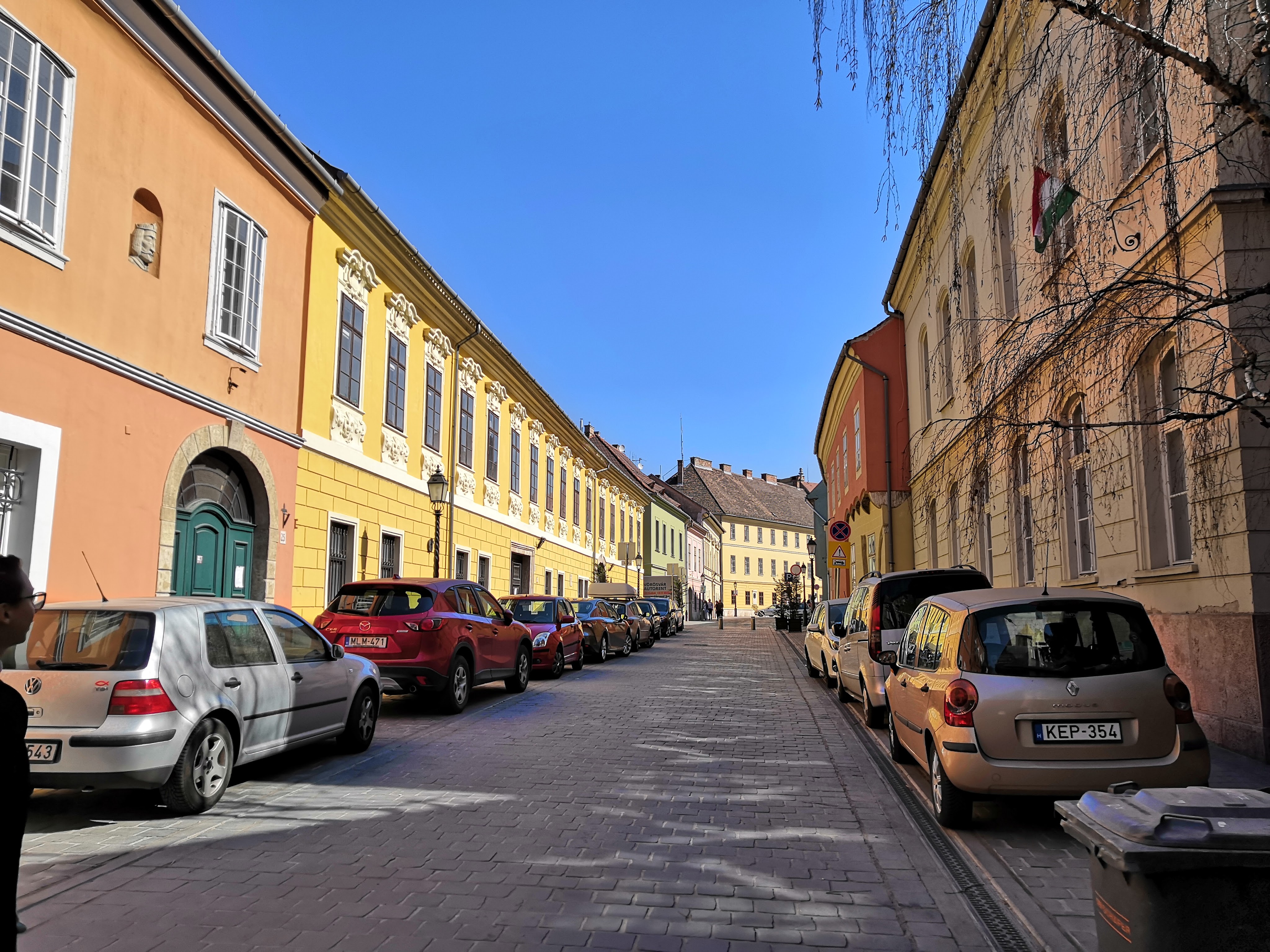
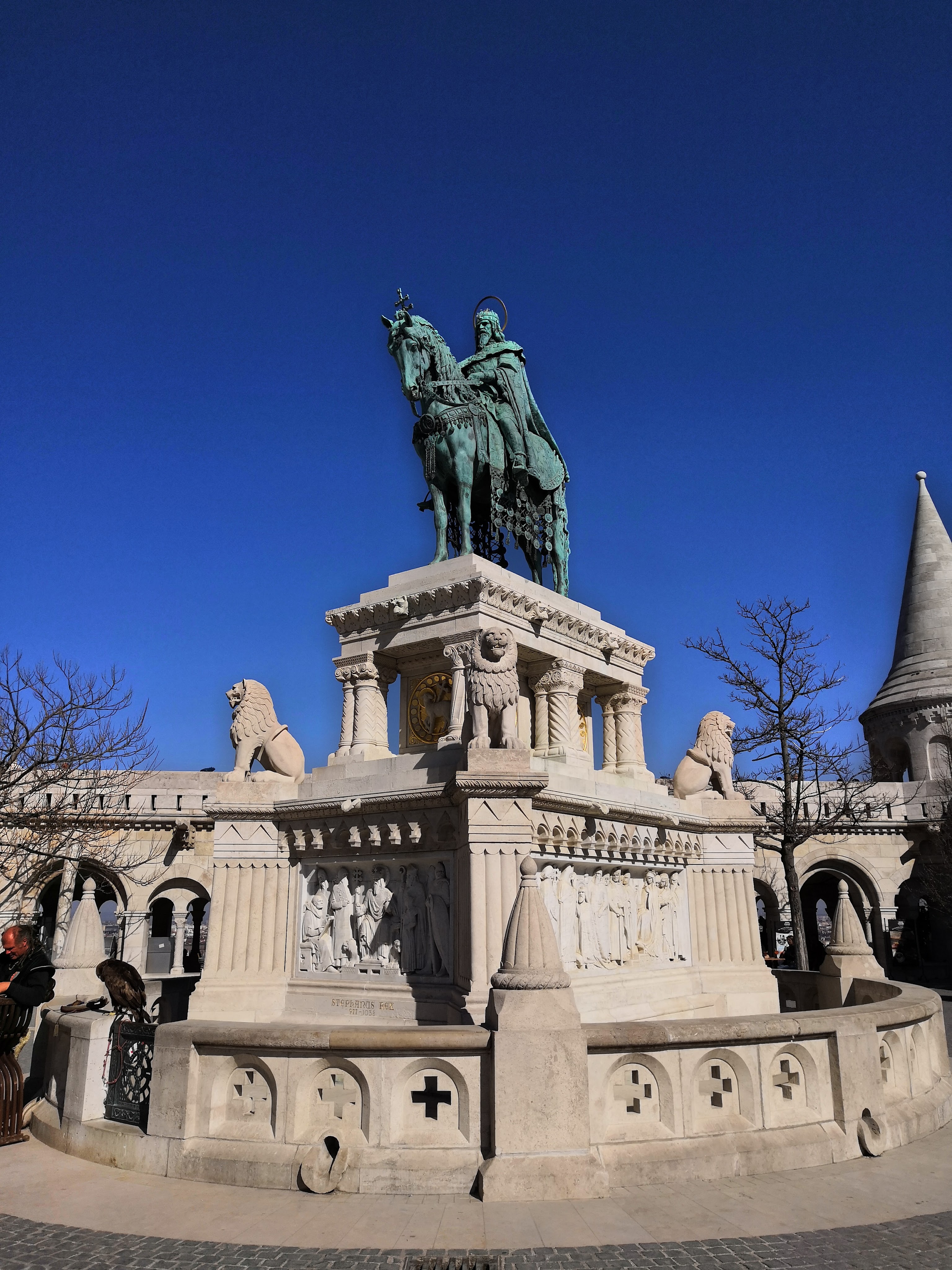
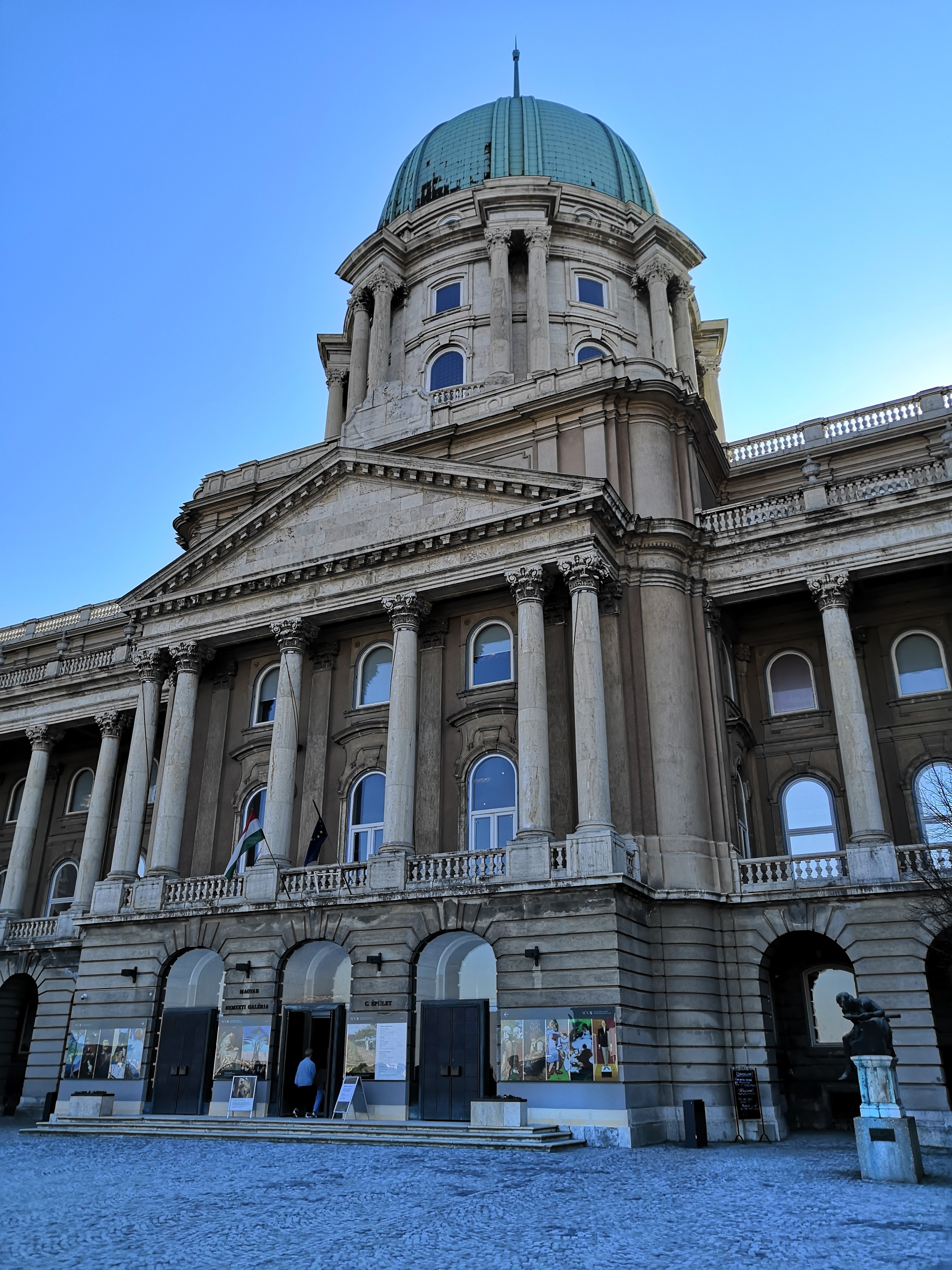
The Castle dominates the Buda side of the city. More like a self-contained district than just a fortress, Buda Castle is great attraction you can spend most of your day in, especially if you’re a fan of architecture. After all, basically every building on the hill is a work of art. 2 spots in particular beat mentioning in greater details, the Fisherman’s Bastion and the Matthias Church.
Fisherman’s Bastion
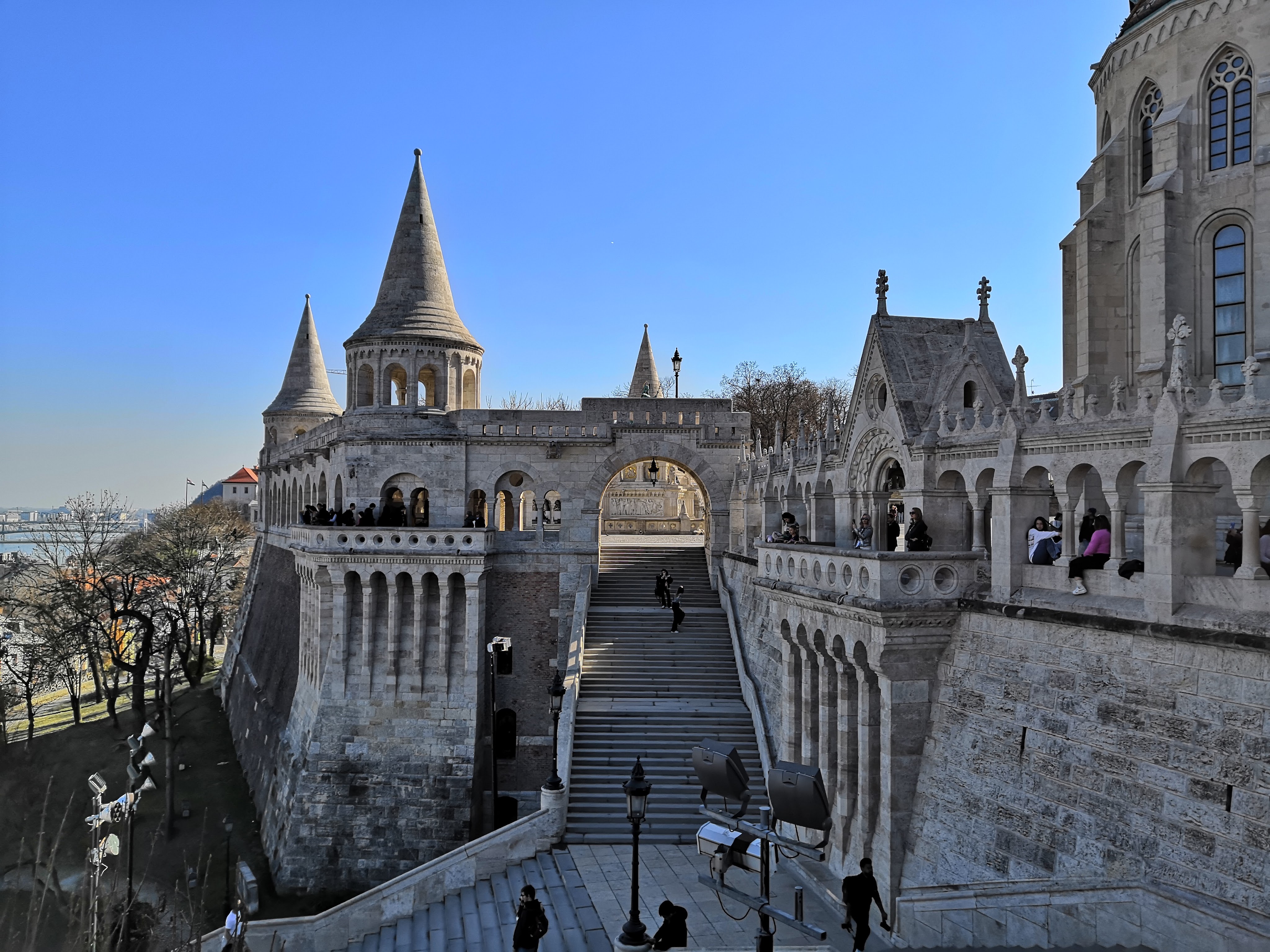
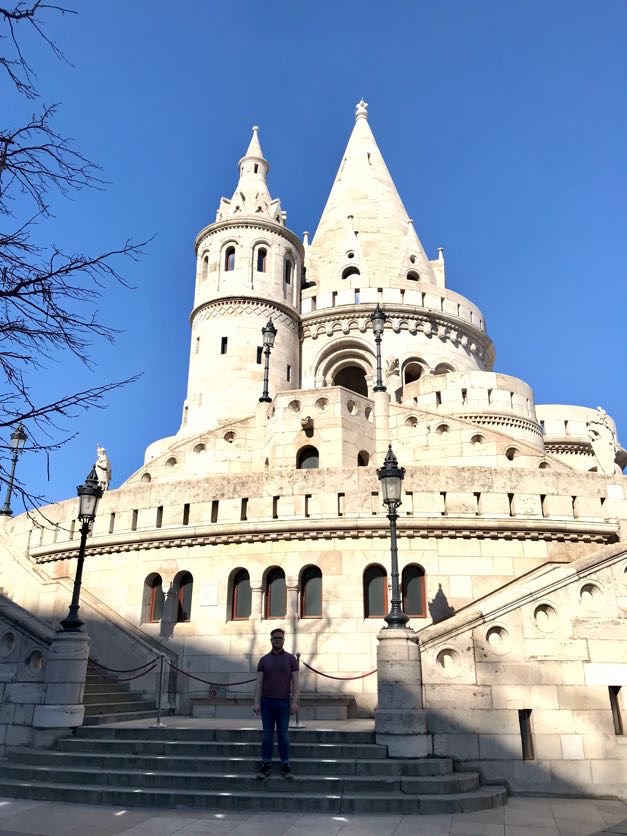

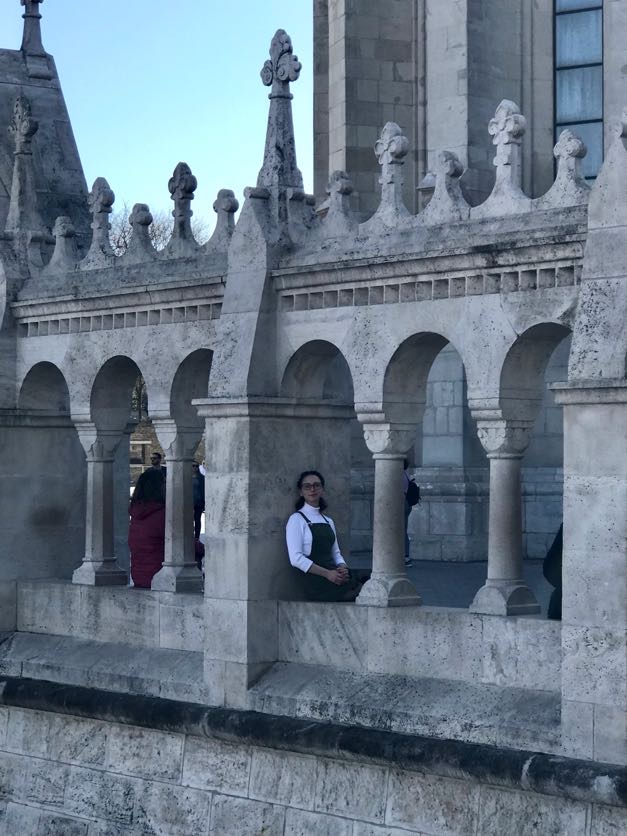
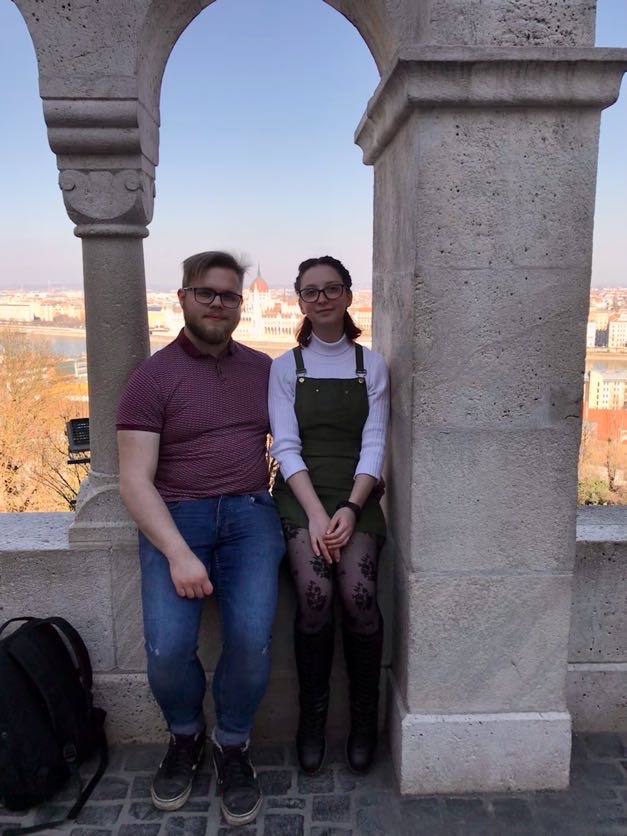
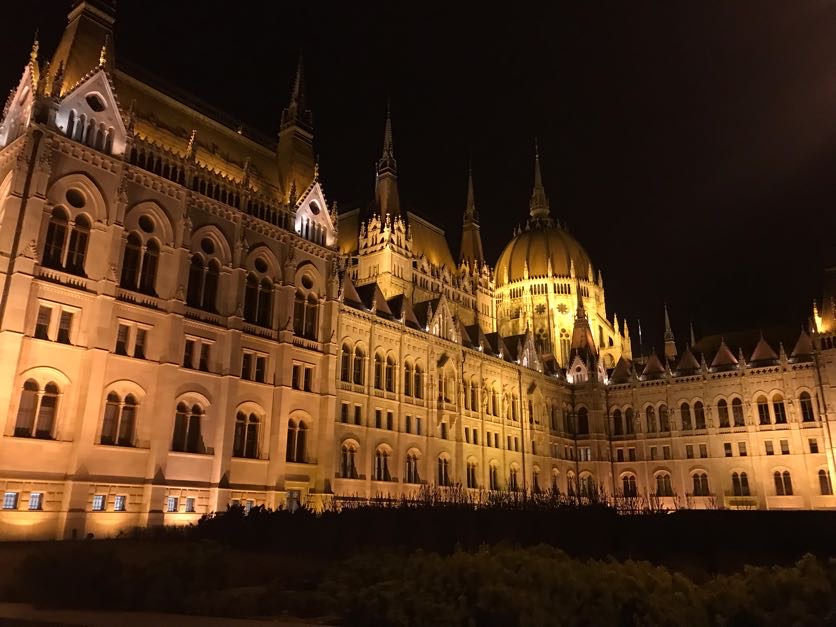
This Fisherman’s Bastion is quite possibly the best spot for photographs in the entire city. You get beautiful views across the Danube to see other famous monuments such as the Hungarian Parliament and St Stephens Basilica. I’ll let the photos speak for themselves.
Matthias Church
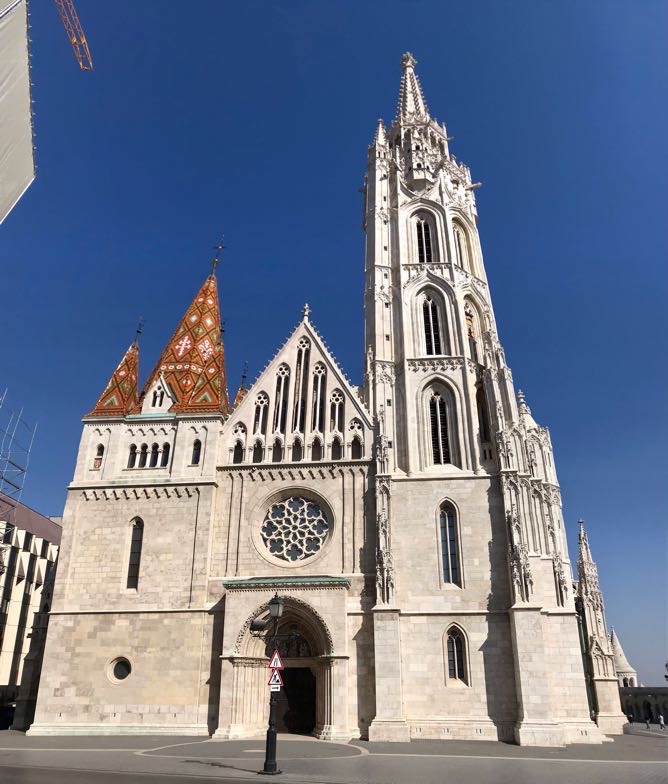
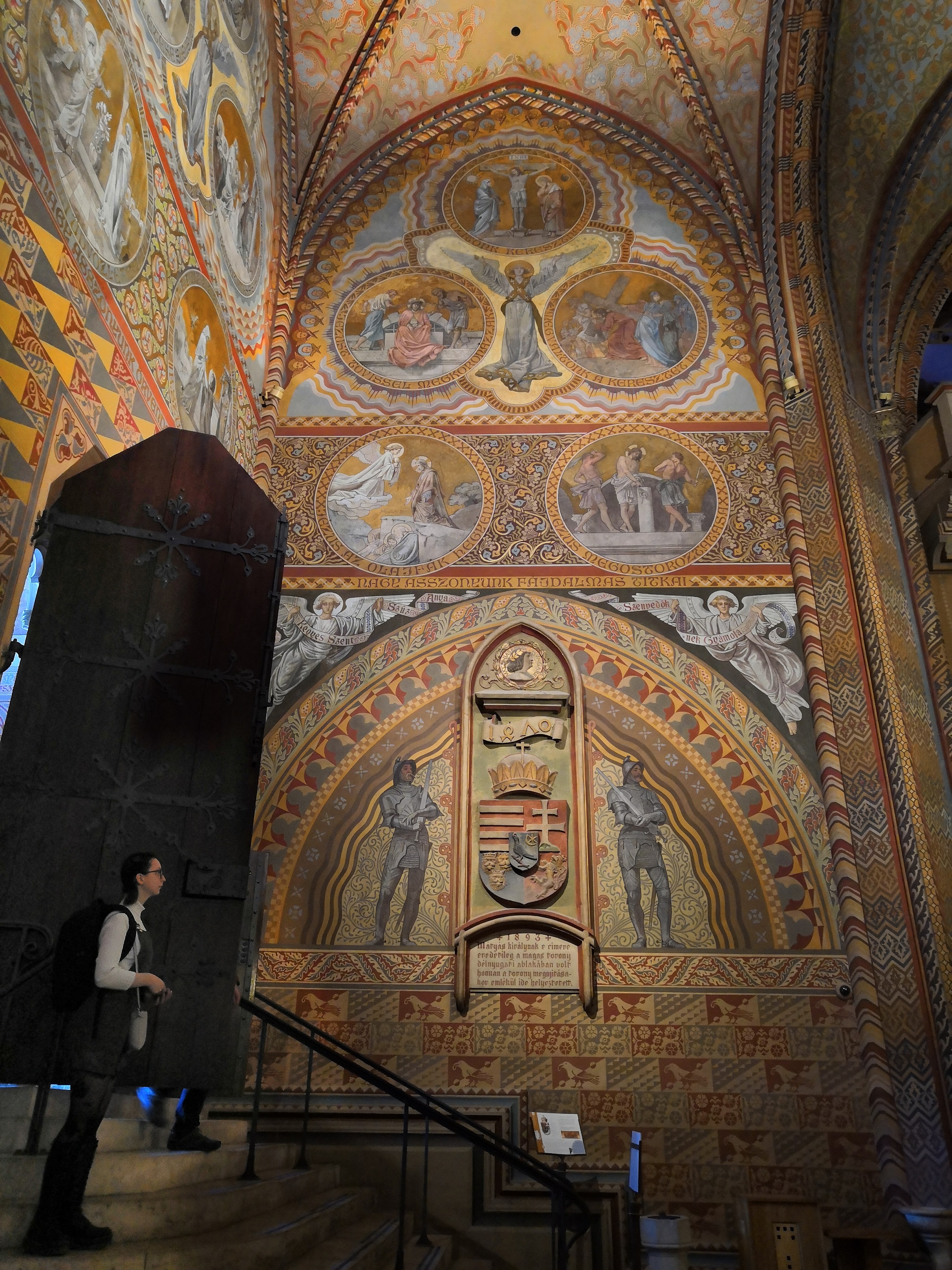
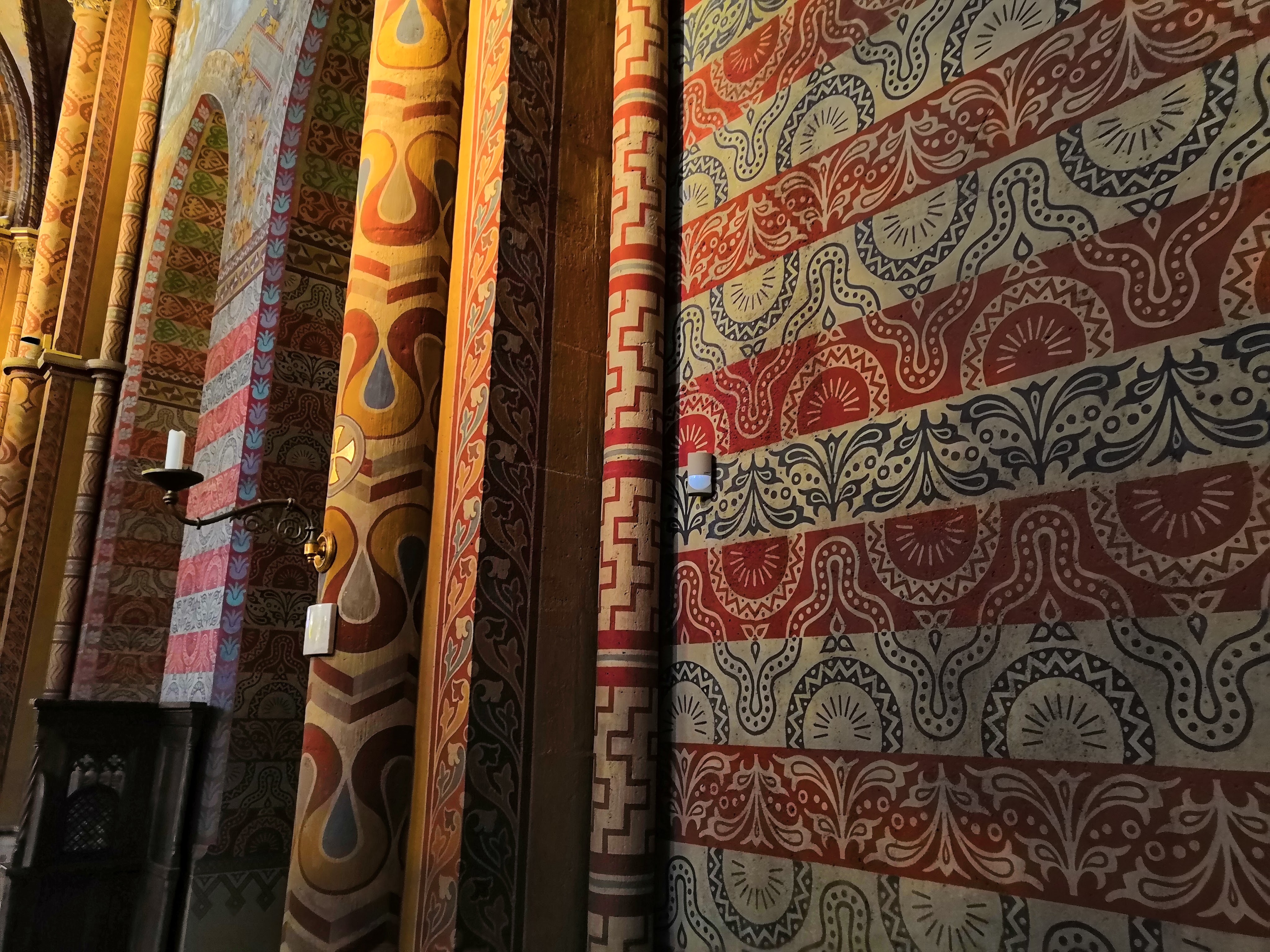
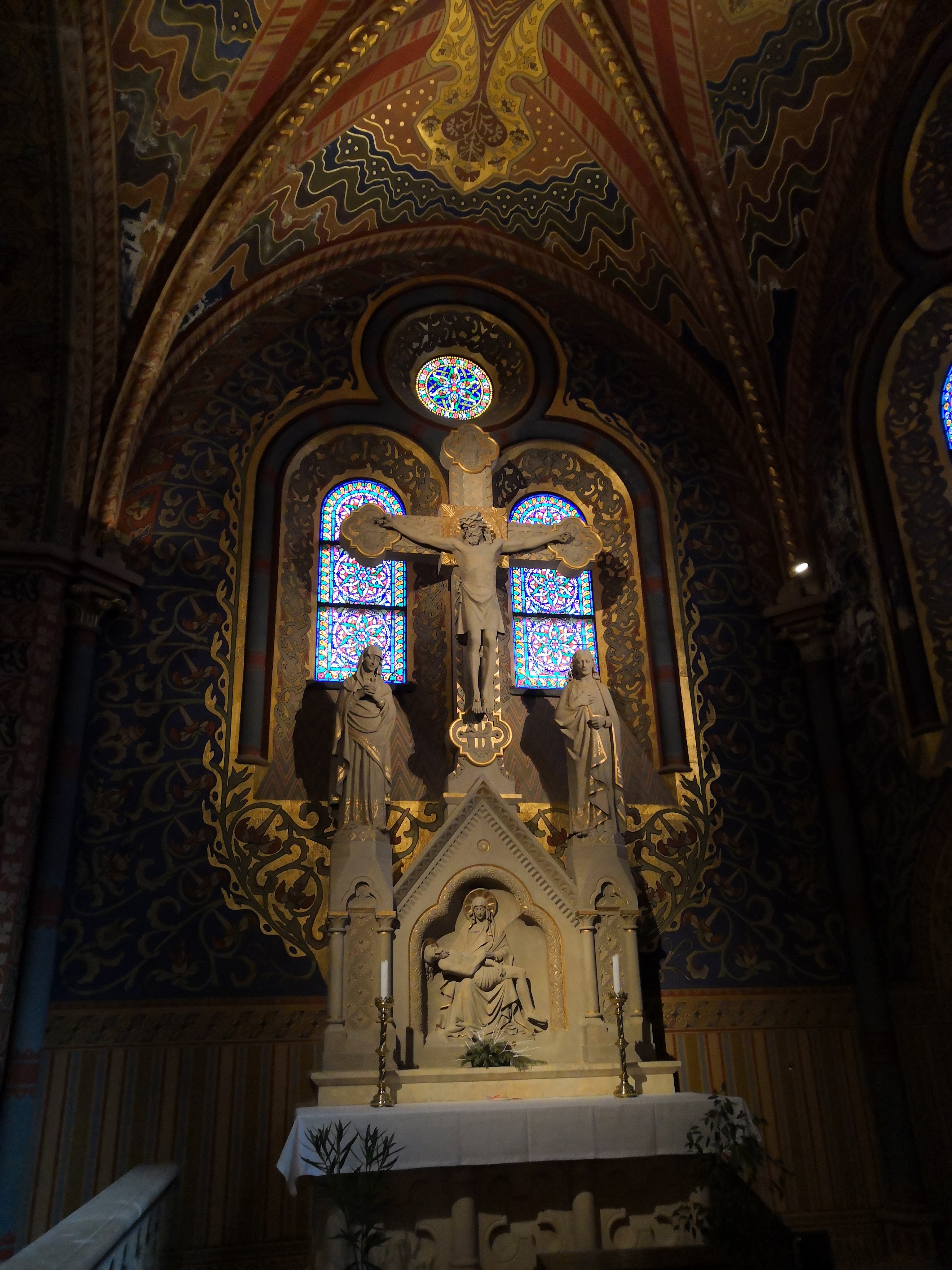
This is where the majority of Hungary’s kings were coronated. The inside of the church was unlike anything I’ve ever seen, with totally unique wall tiling, and beautiful decoration throughout.
Gellért Hill
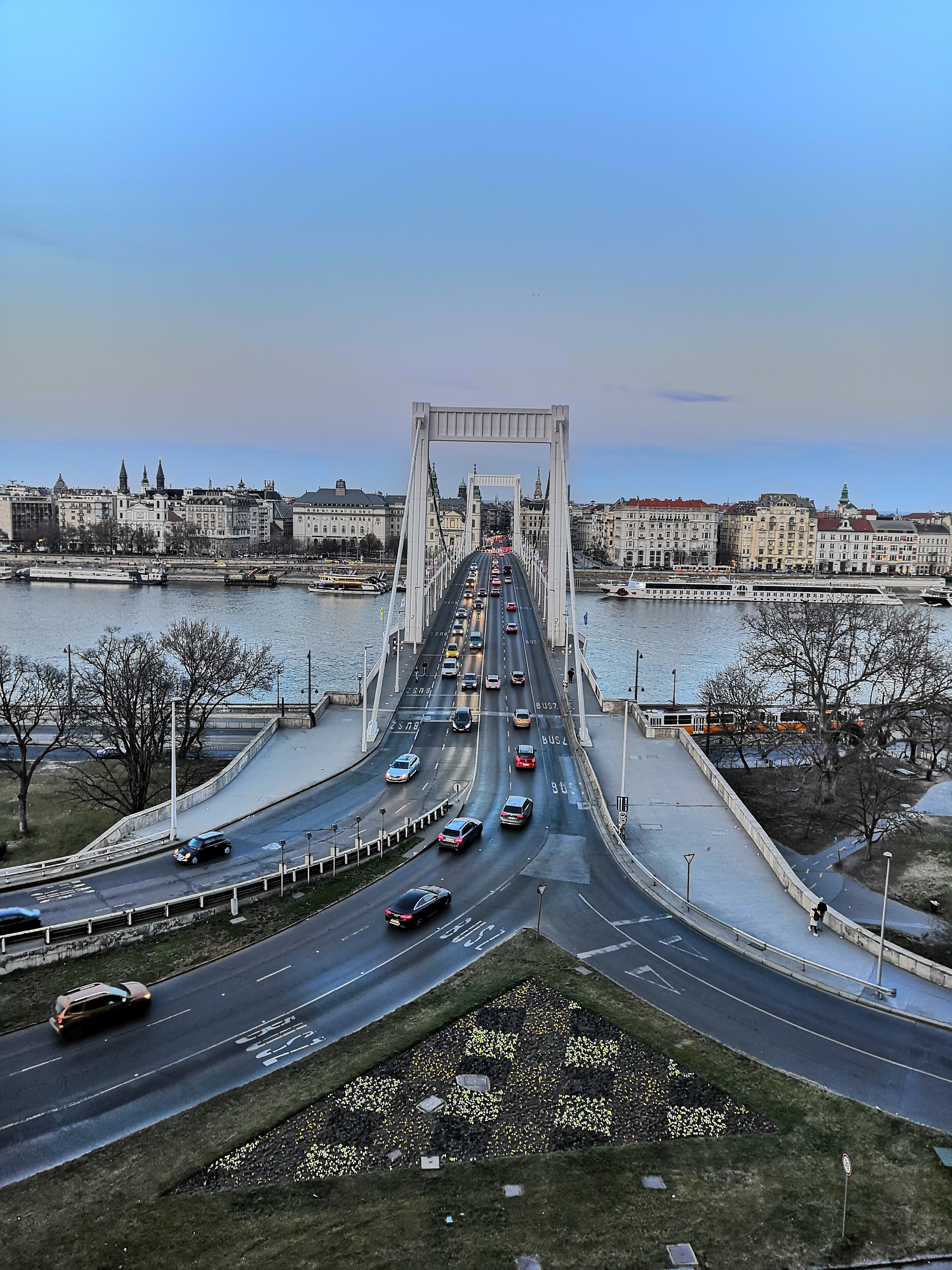
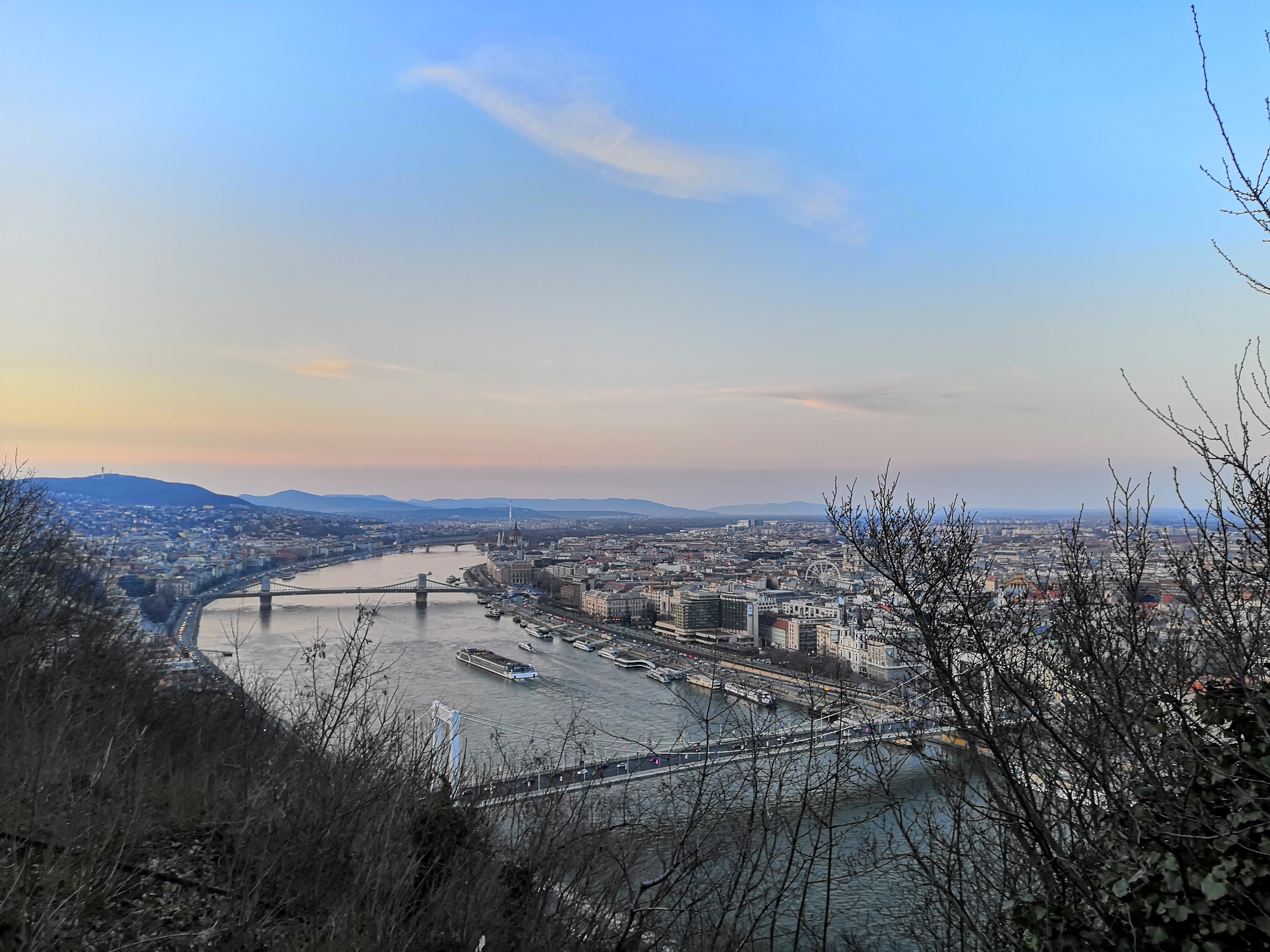
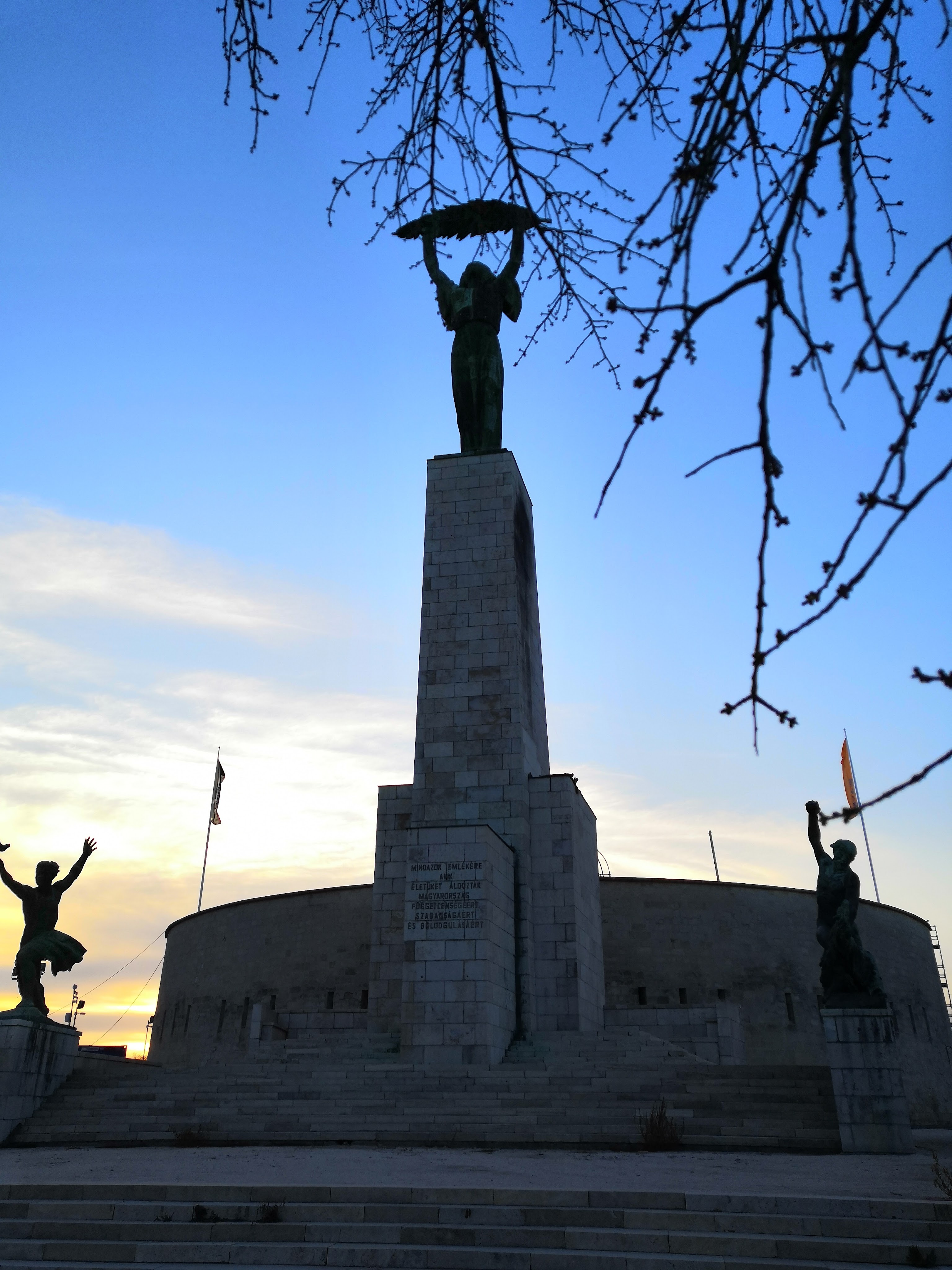
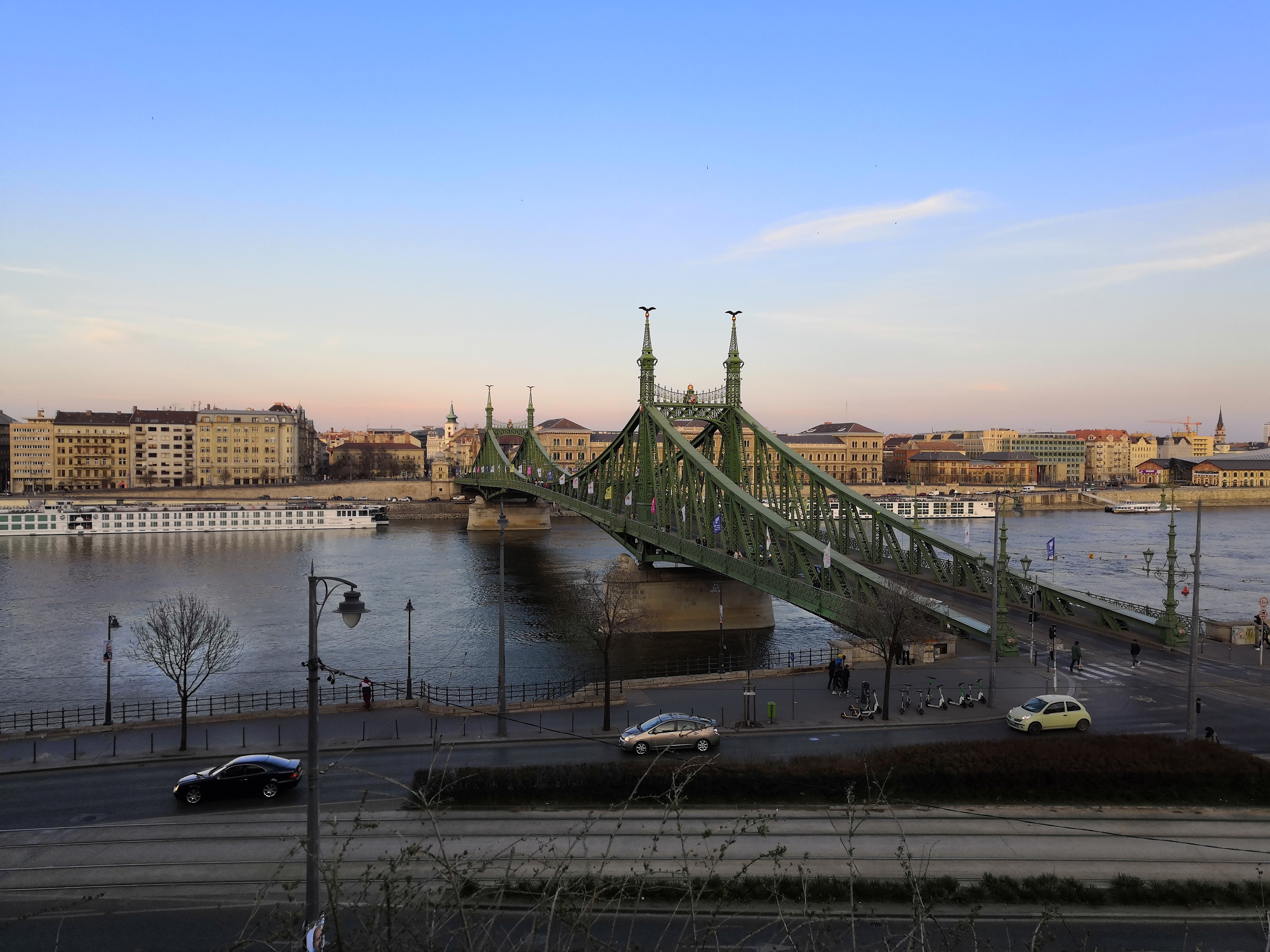
Located South of the castle’s hill, Gellért Hill is taller and provides stunning panoramas all over the city. There are also numerous monuments, parks, and hidden tidbits to be found all over the park. There is also a fortress at the top of the hill featuring a monument to the Red Army. The fortress was closed, unfortunately, when we were there, but that didn’t stop us from sneaking a few pictures of the aforementioned. After a good few hours of wandering around the hill, I recommend going to the baths of the same name to relax and recuperate.
Shoes on the Danube Bank
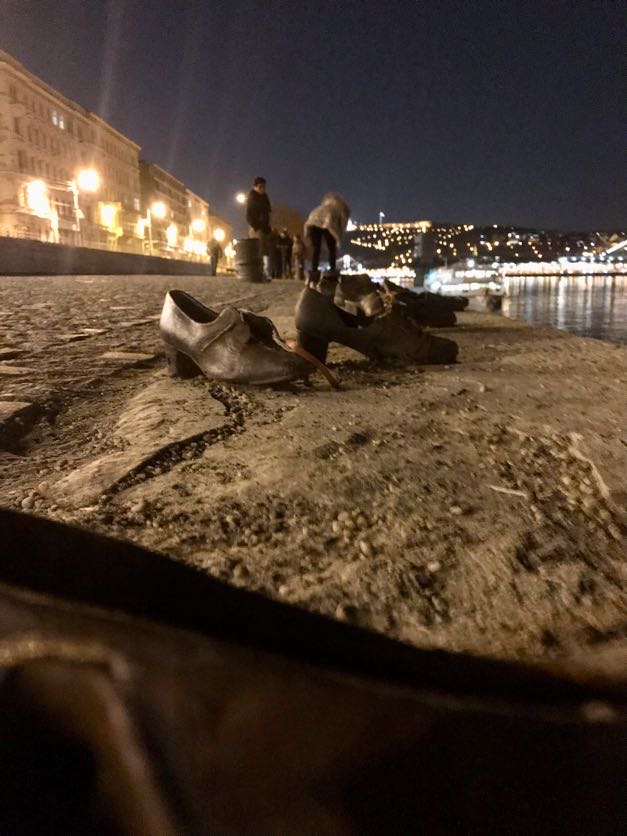
A sombre reminder of one of the darkest moment’s in Budapest’s (and, indeed, all of humanity’s) history, the Danube shoes stand as a monument to the victims of the Holocaust who were deported from Budapest during the Second World War, leading to their deaths in concentration camps such as Auschwitz. It’s located just outside the Budapest Parliament, on the bank of the Danube. I placed this spot on this list, as I believe it’s important to pay your respects to the victims, and perhaps reflect on why such a thing happened.
The House of Terror Museum
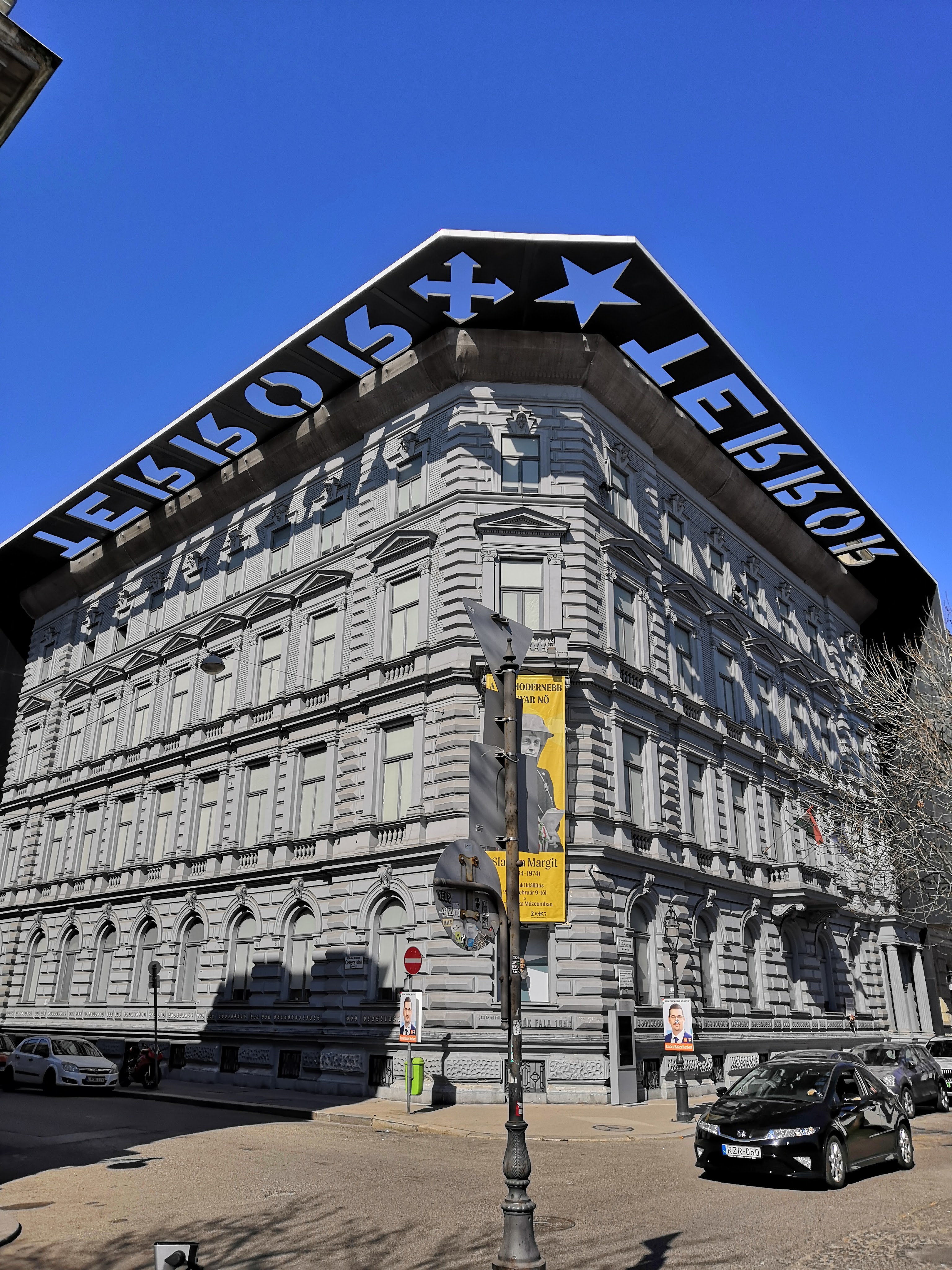
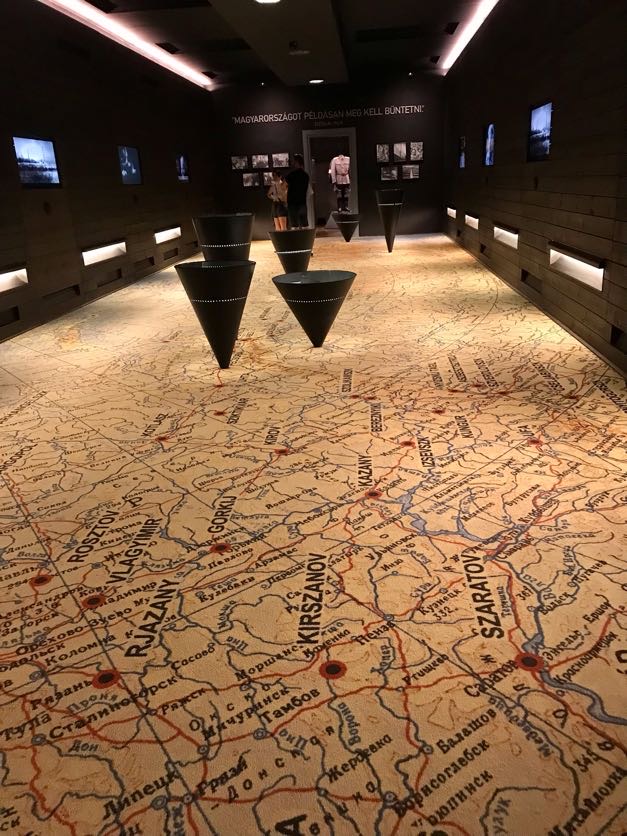
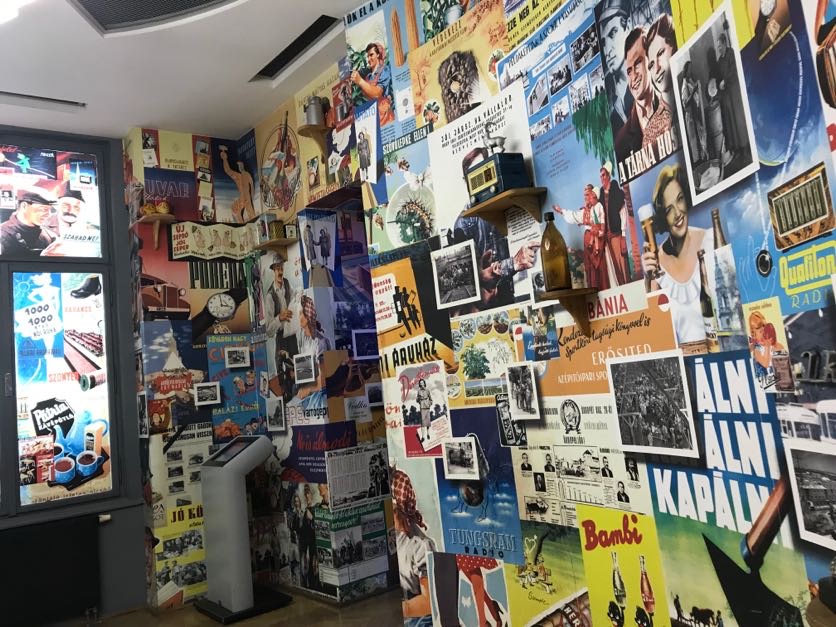
Located in ther former headquarters of various secret-police type organisations, the House of Terror museum focuses on retelling the stories of oppression under the Hungarian Fascist and Communist regimes (though the focus is very much on the latter). It’s a well constructed and modern museum, with all information being presented in Hungarian as well as English. My only complaint is that there is a significant lack of sources quoted for many claimed “facts”, which somewhat cheapens the value of this museum as a place of learning.
 We May Roam