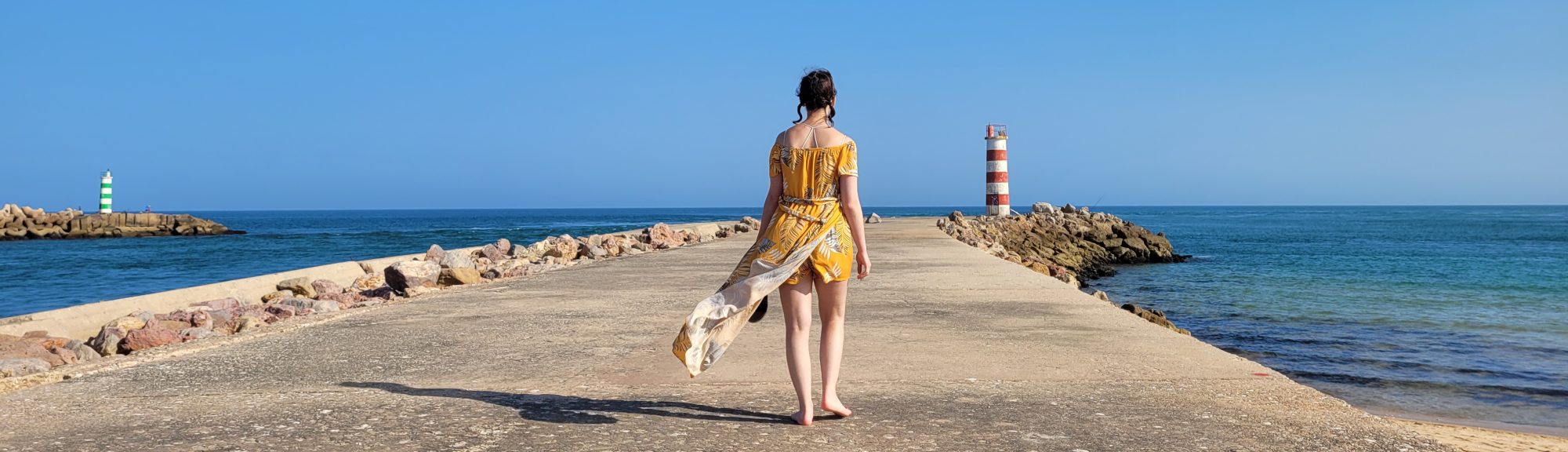

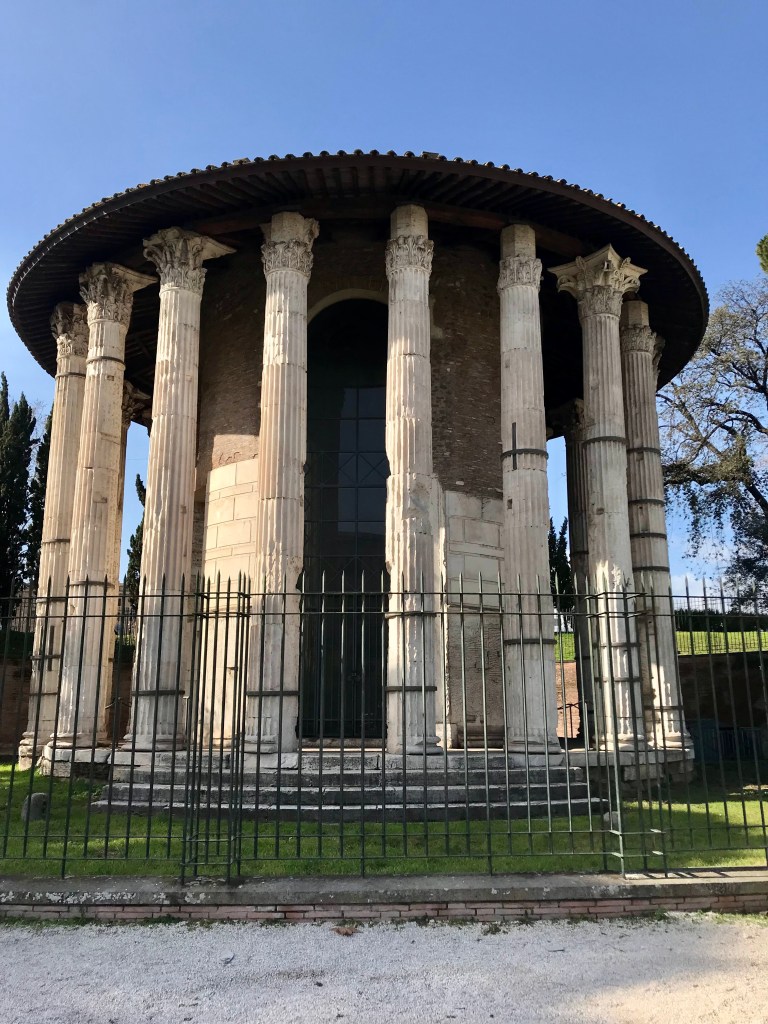
This was my third time visiting the Eternal City, and it was just as breath-taking as it was previously. Rome is a city dripping in culture and history, and seemingly every corner has something interesting to see, do, eat, or drink.
General Impressions
Romans expect you to adapt to their customs and speak their language, even if you are obviously a tourist. For a European capital, there are surprisingly few people who speak English, and so a basic knowledge of Italian is incredibly useful.
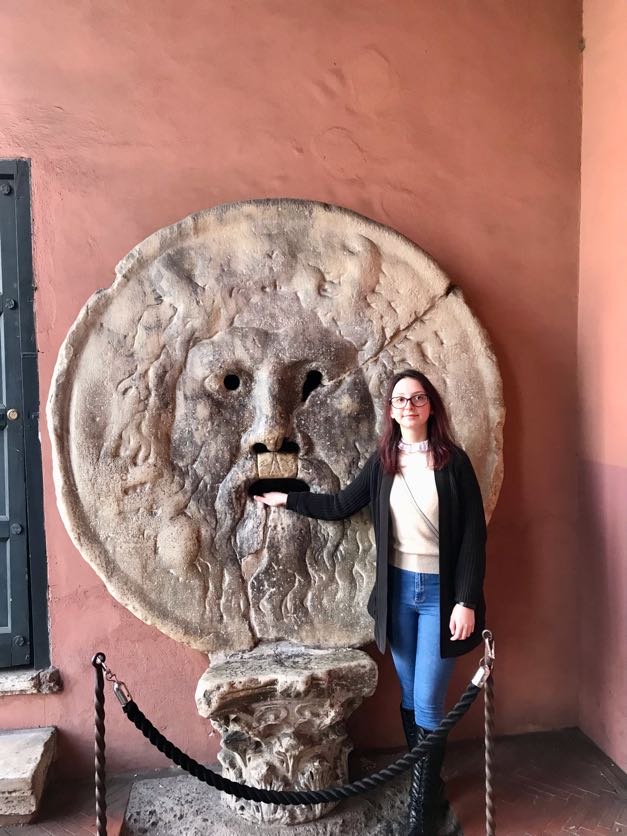

Rome is infamous for pickpockets, but aside from a single encounter (as soon as we arrived in our guesthouse, in fact), which resulted in nothing being stolen, we had no problems with theft. I don’t know if we were just lucky, or if it’s not as big a problem as people make it out to be. Also, the number of street sellers and various scam artists have drastically decreased since the last time I was there.
Food
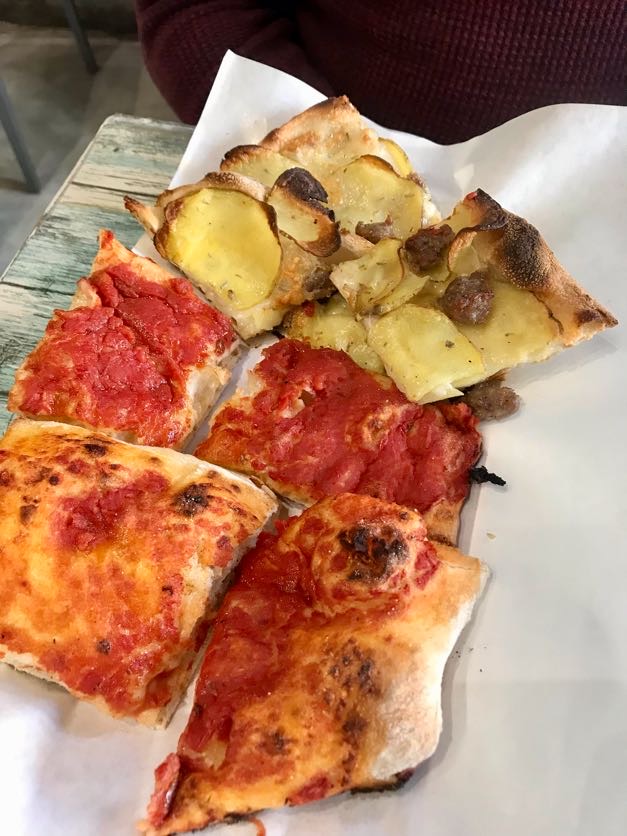
Italian is one of my favourite cuisines, and Rome is a treat for the taste buds. Some must-try Roman dished include Amatriciana, a tomato pasta sauce with cured pork cheek (guanciale), and Carbonara, a cheese and egg pasta sauce with the aforementioned guanciale.
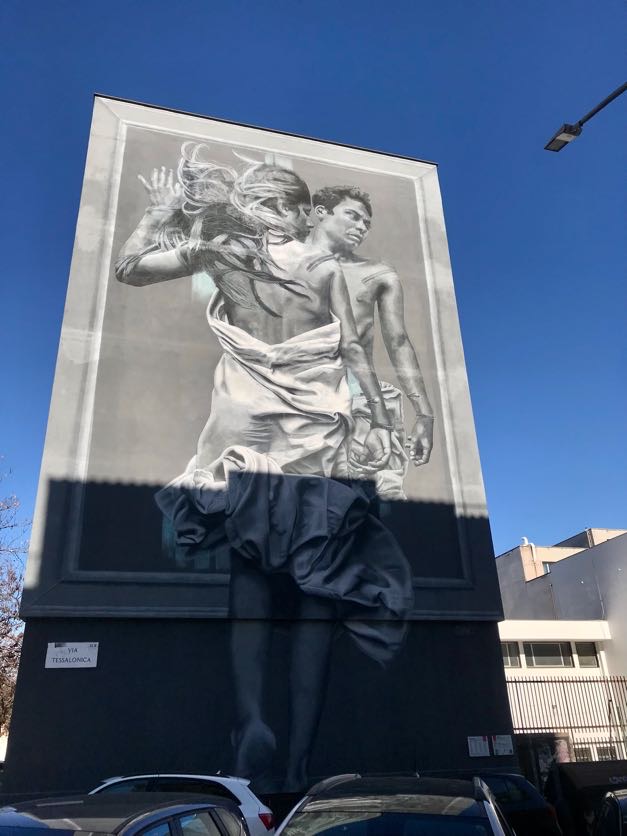
We mostly ate in the Trastevere district where we stayed. This district has very few tourists, and thus the restaurants cater to the locals. This does mean a little bit of Italian and Google Translate were necessary to order in a few of these restaurants, but the experience is well worth it. My favourite was L’Officina del Pesce Roma, a delicious seafood restaurant.
Drink
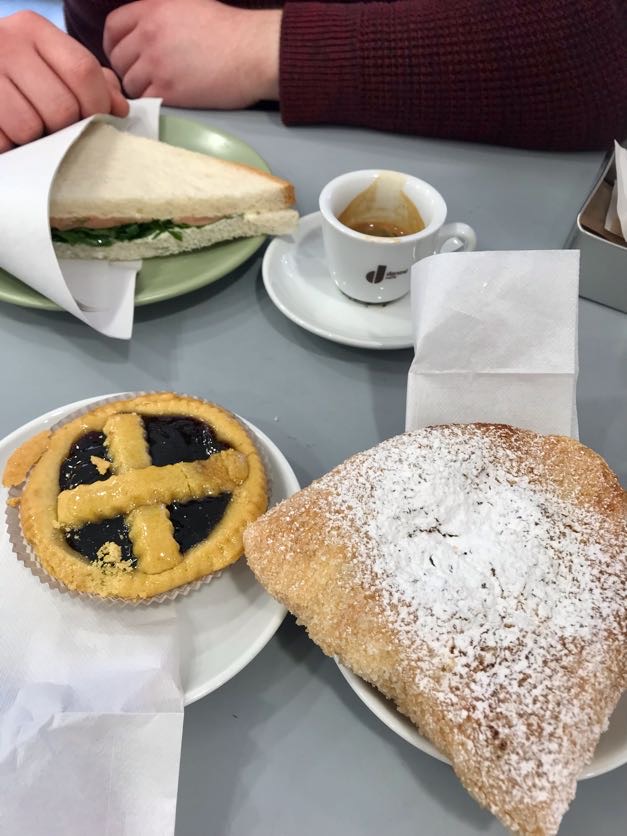
There are 2 drinks one must try when visiting Italy: coffee and wine. Italian café culture is amazing. You order a small cup of espresso or espresso-based drink, along with some small sweet bites, and eat it whilst standing and chatting to the barista (language permitting) and/or your companions. Every coffee I had tasted amazing, and they were incredibly affordable too, at just over a euro for a single espresso.
Wine is also fantastic. Ordering ‘vino di cassa’ (house wine) to go with your meal is practically a must. It’s the most affordable option, but you will not be disappointed in the taste. I recommend trying both red and white to sample both sides of the huge variety of Italian wines.
My Favourite Parts
The Appian Way Regional Park
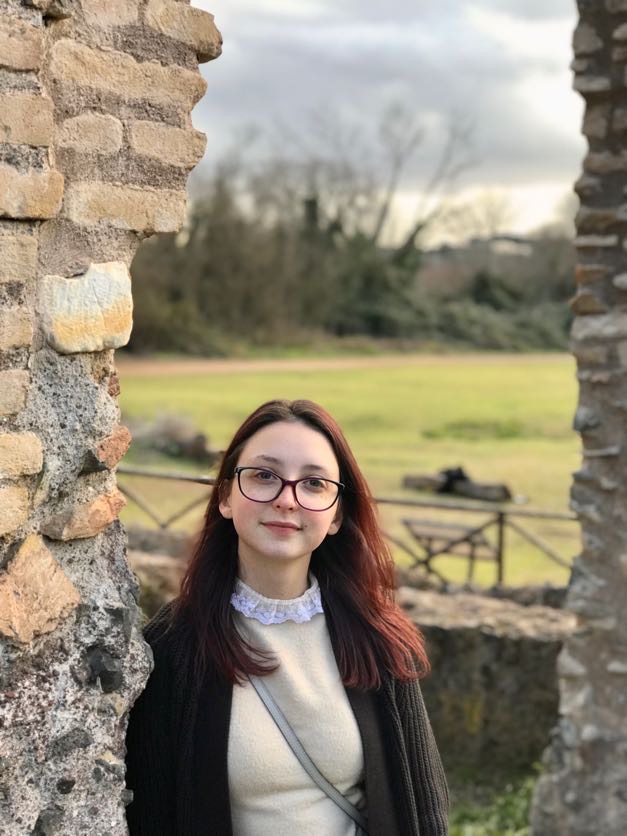
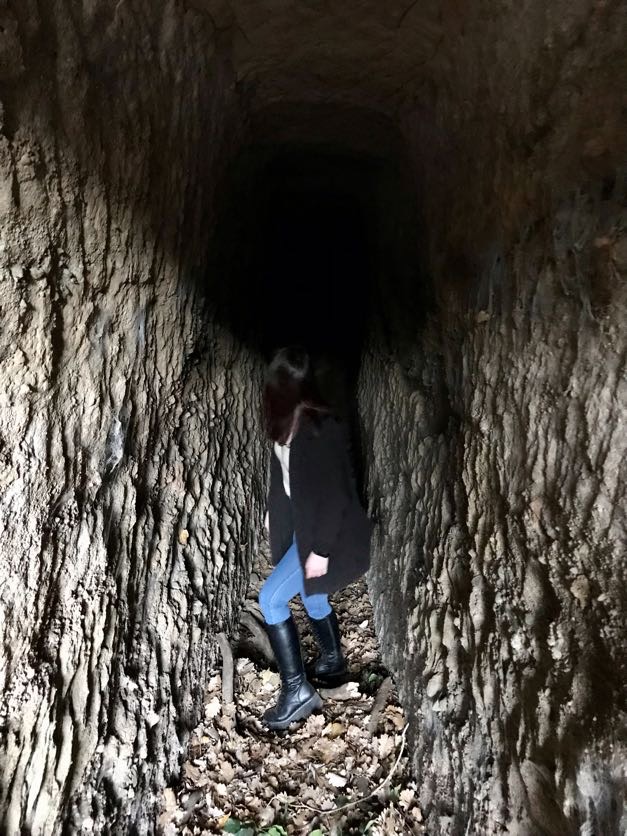
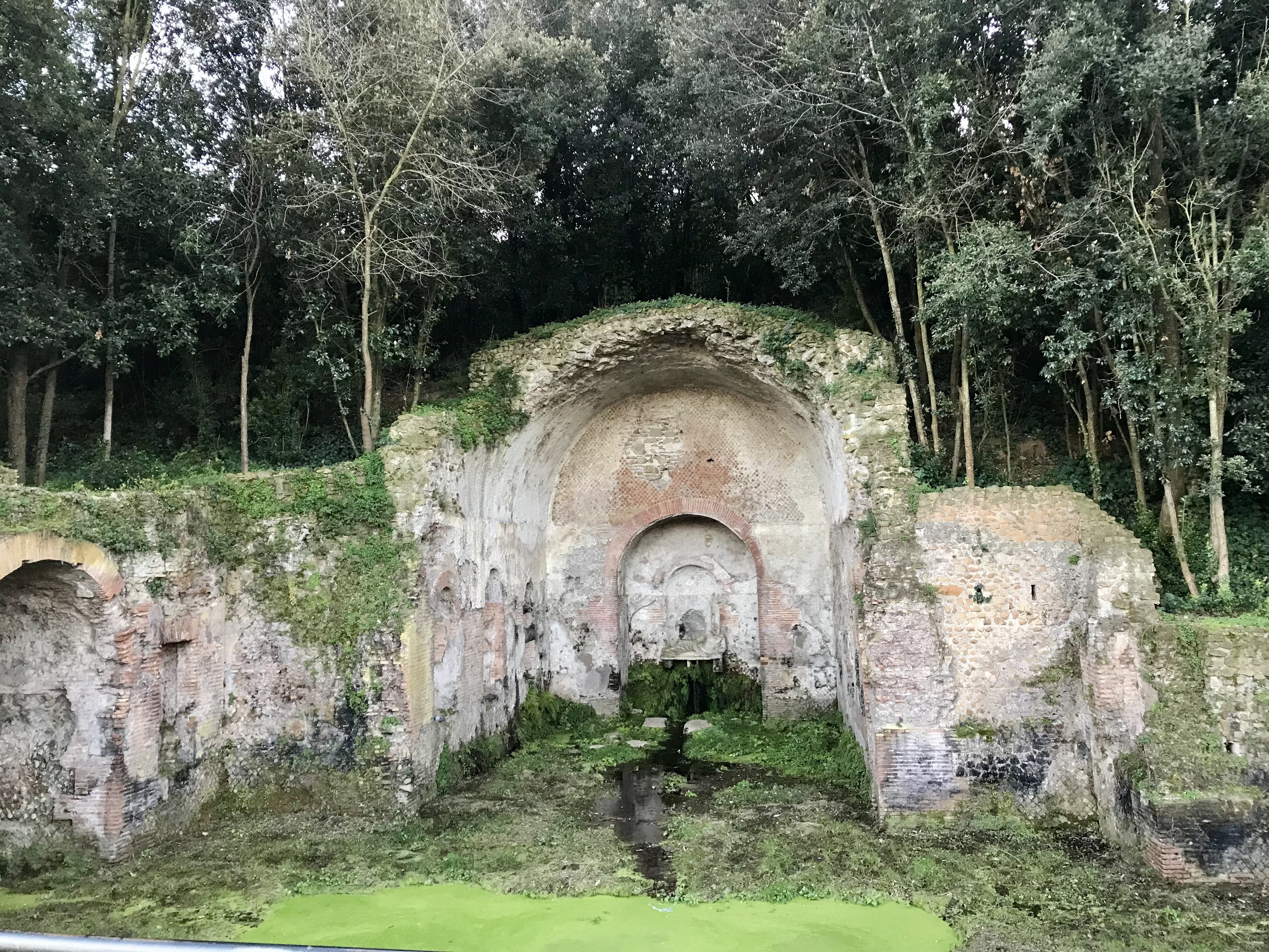
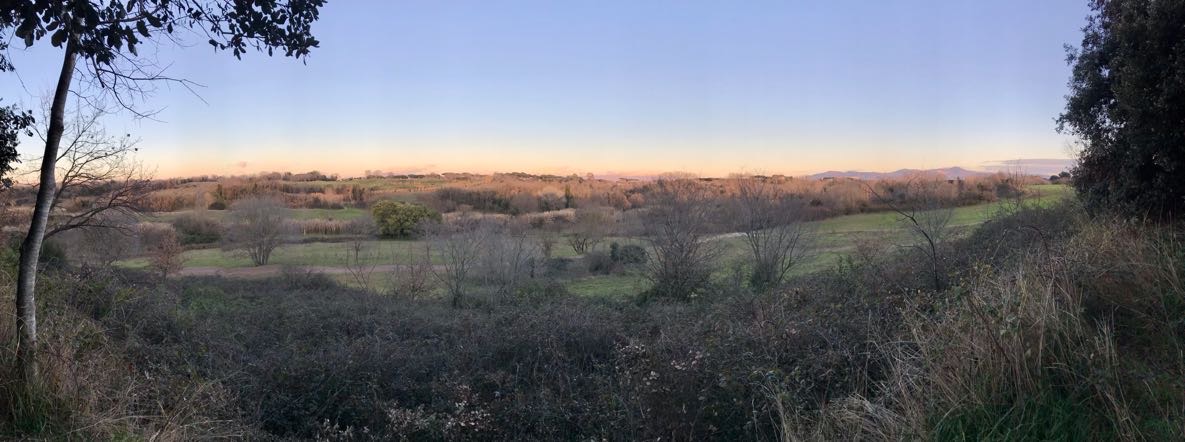
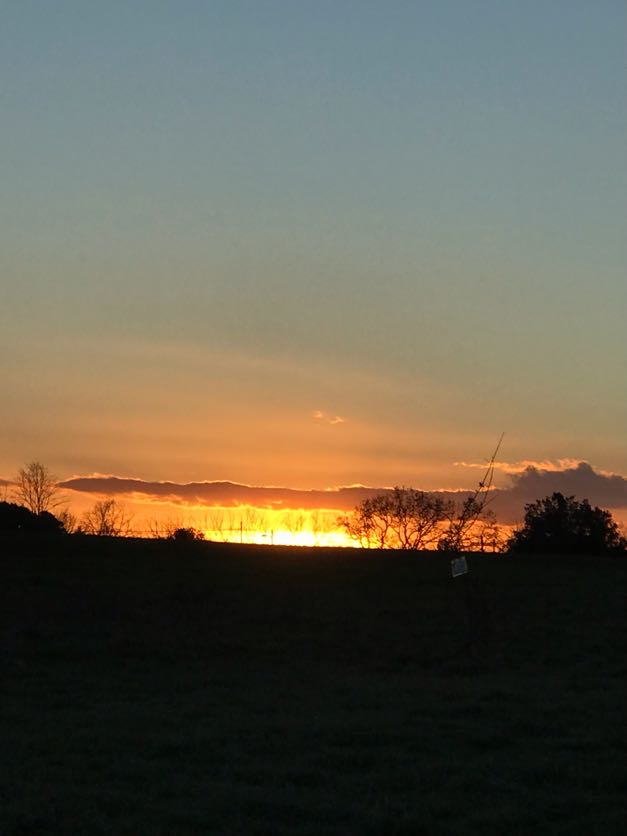
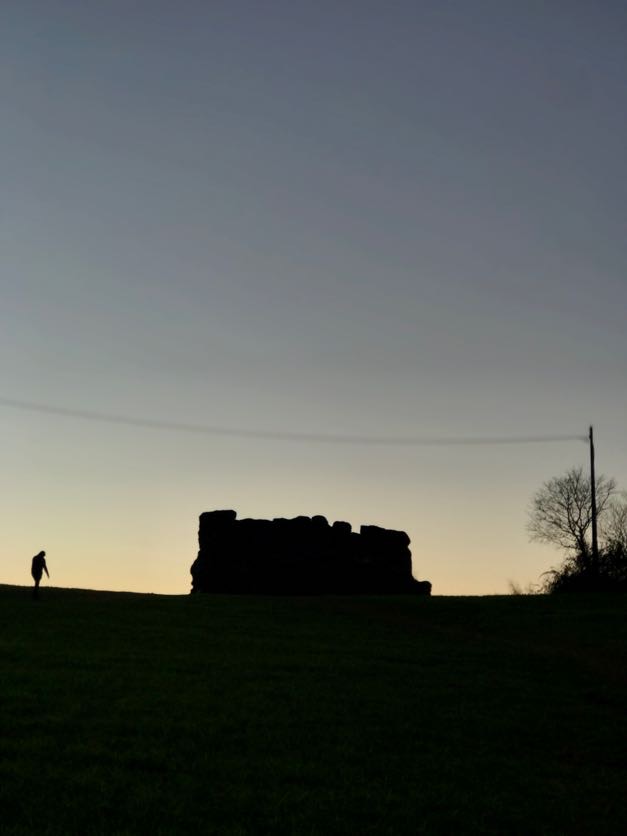
Brought by the promise of good Geocaching opportunities, we reached the Appian Way Regional Park. This is a rather large park filled with numerous archaeological ruins, like remains of sewers, and water cisterns. You’re pretty much free to walk around these and explore as much as you like.
St Paul’s Basilica Outside the Walls
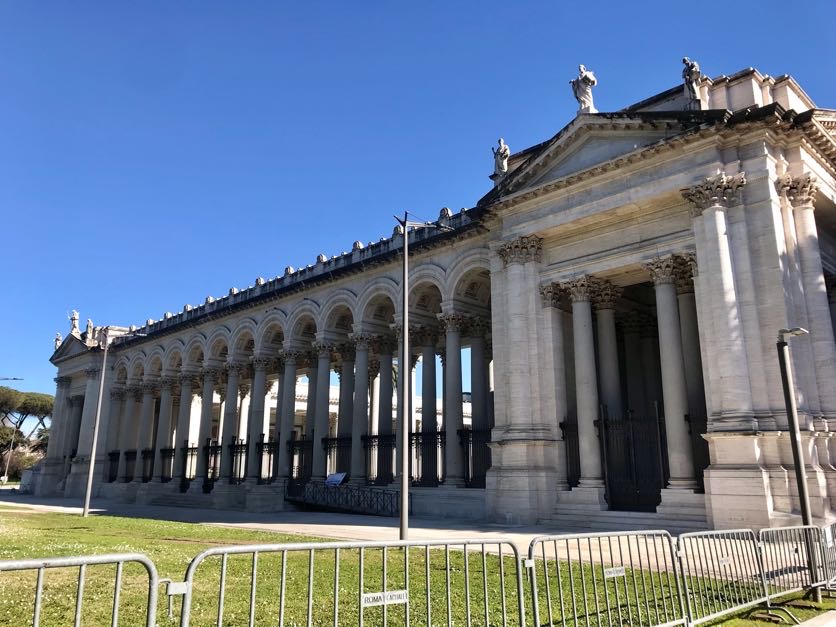

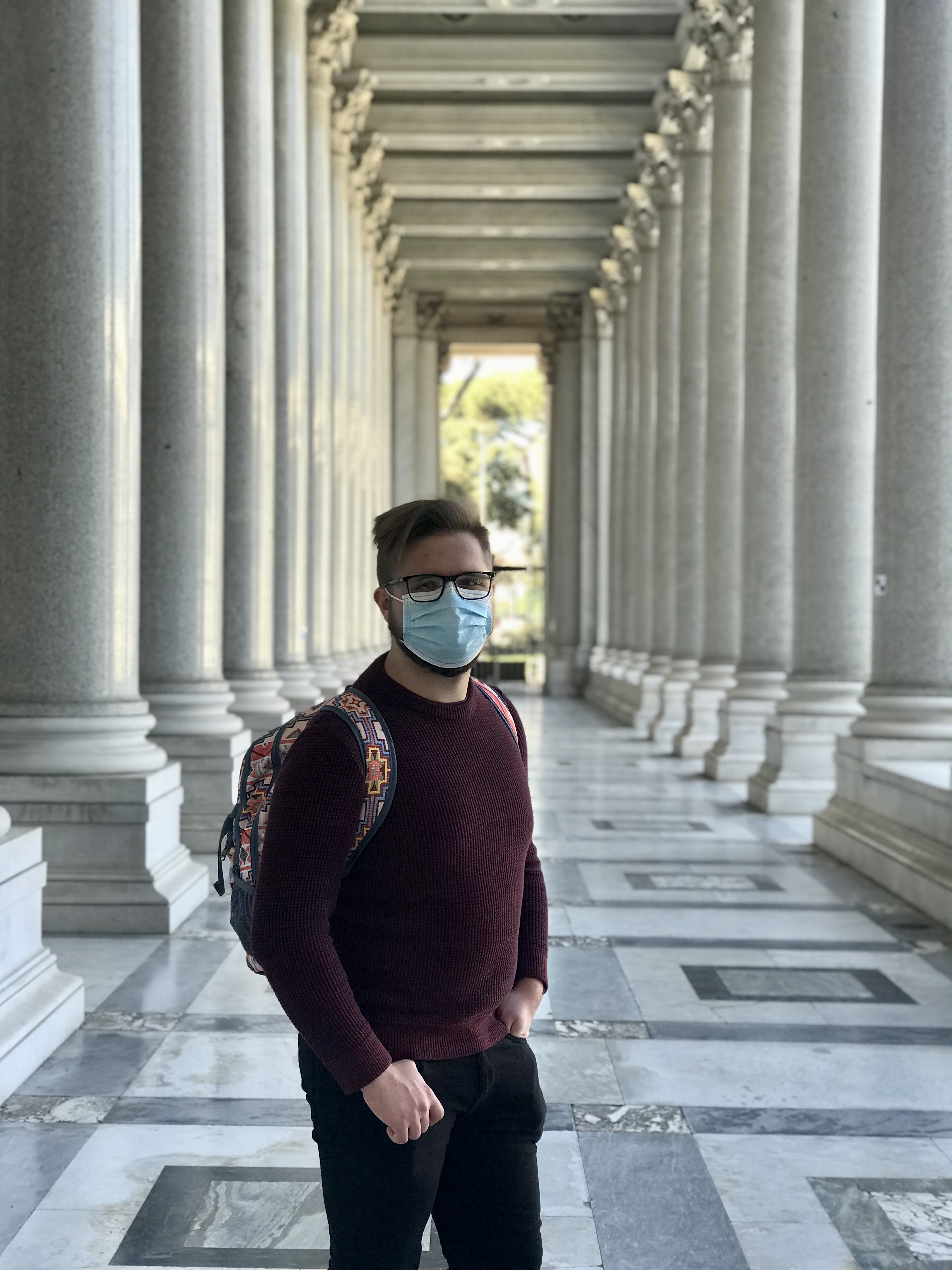

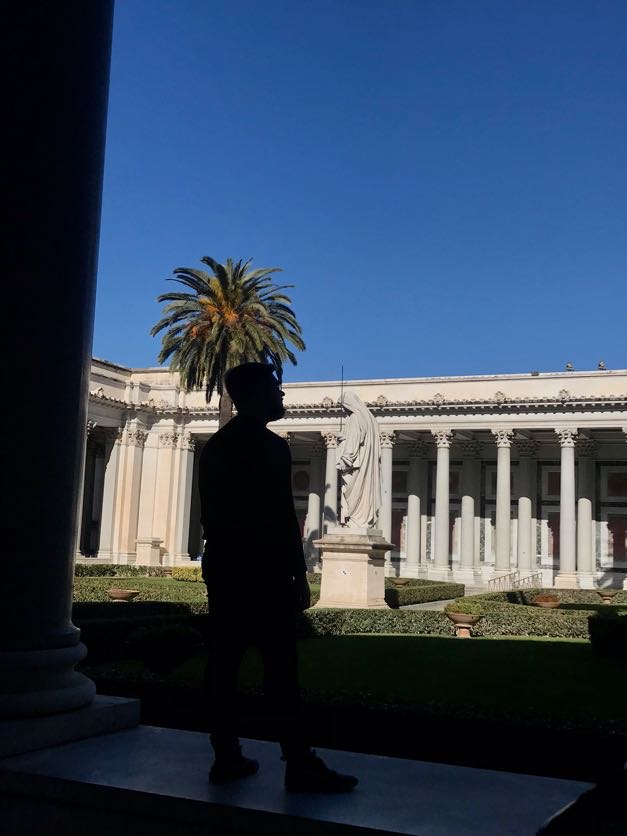
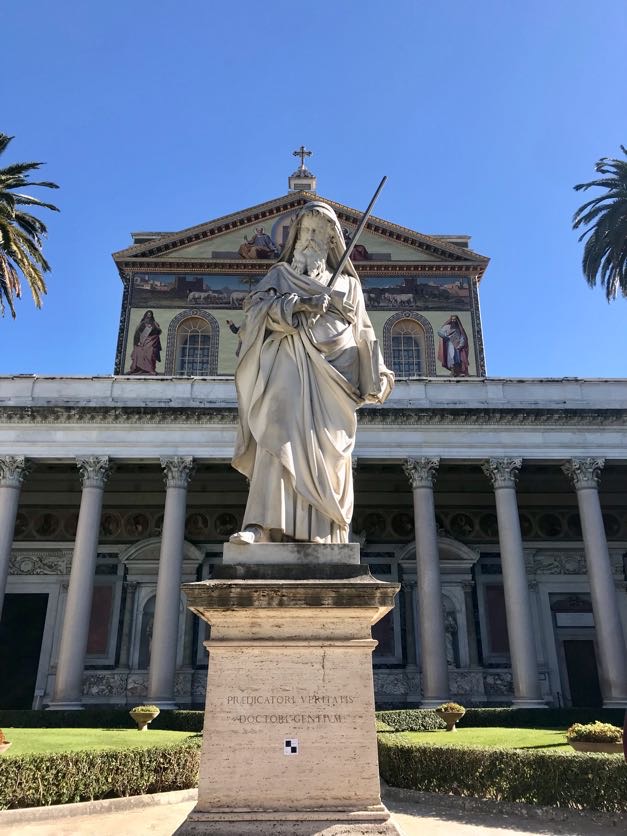
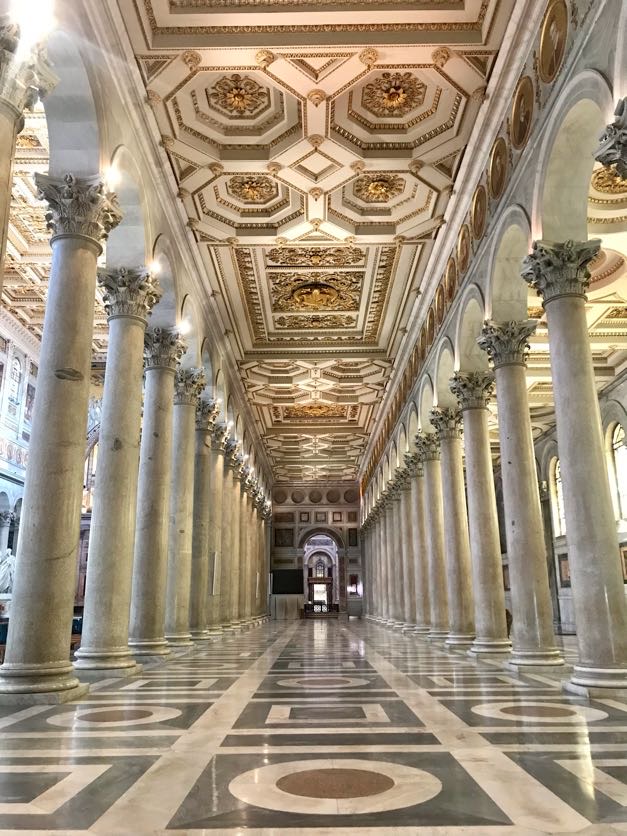
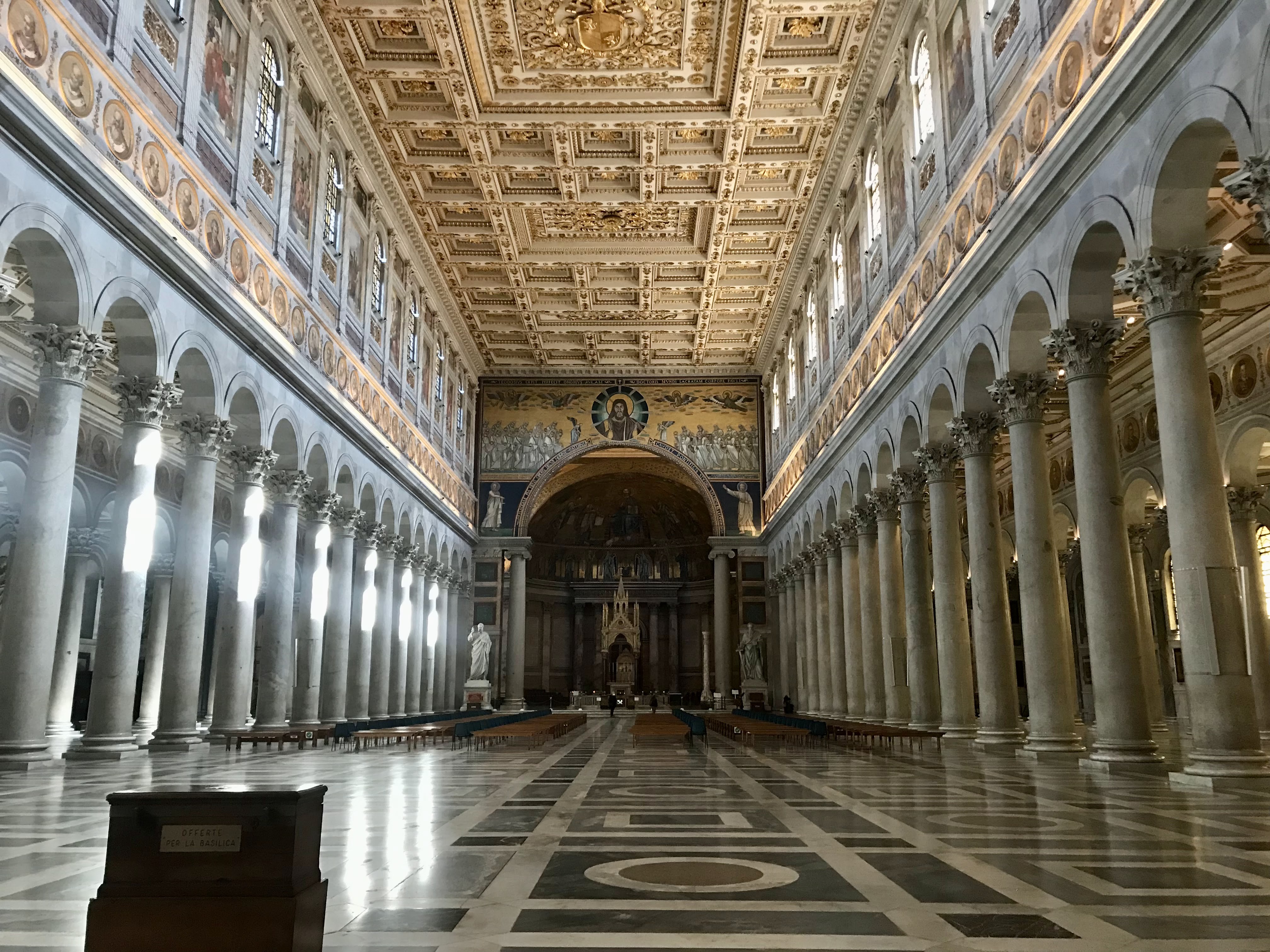
Following the recommendation of our host, we started our second day in Rome with a visit to this Basilica. It is not as famous as it’s Vatican counterparts, but is certainly just as, if not more, beautiful. It is littered with great artwork and fascinating architecture. The best part was that it was practically empty. We could take dozens of great pictures that weren’t marred by crowds like so many of Rome’s other attractions.
The Colosseum
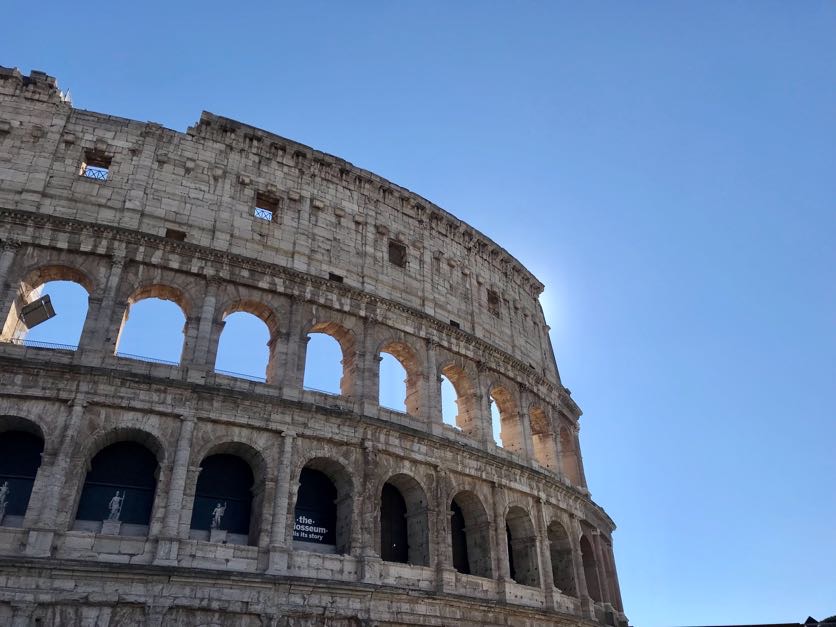
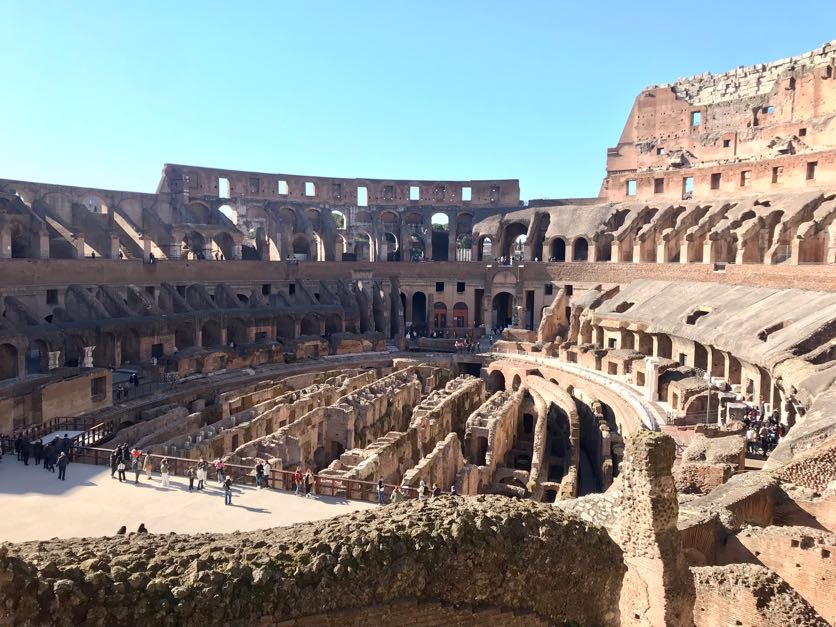
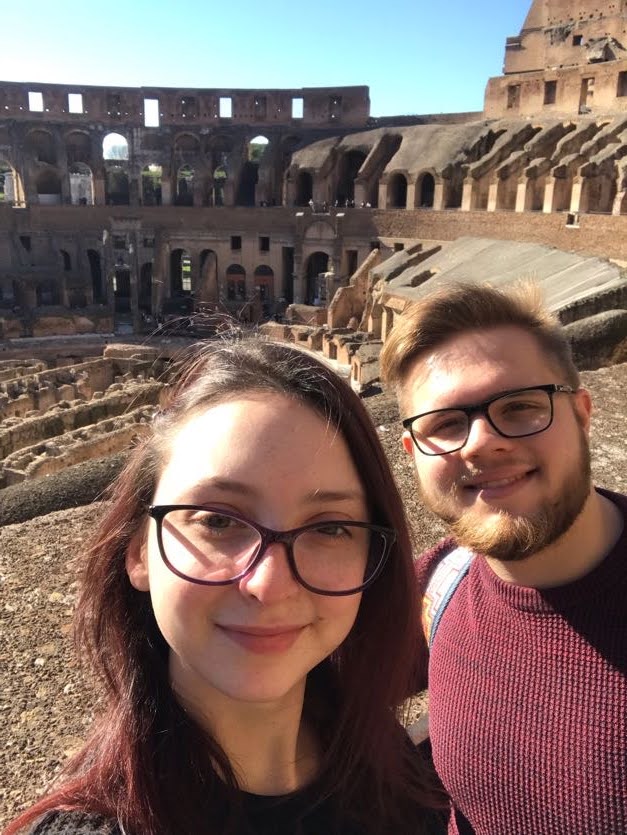
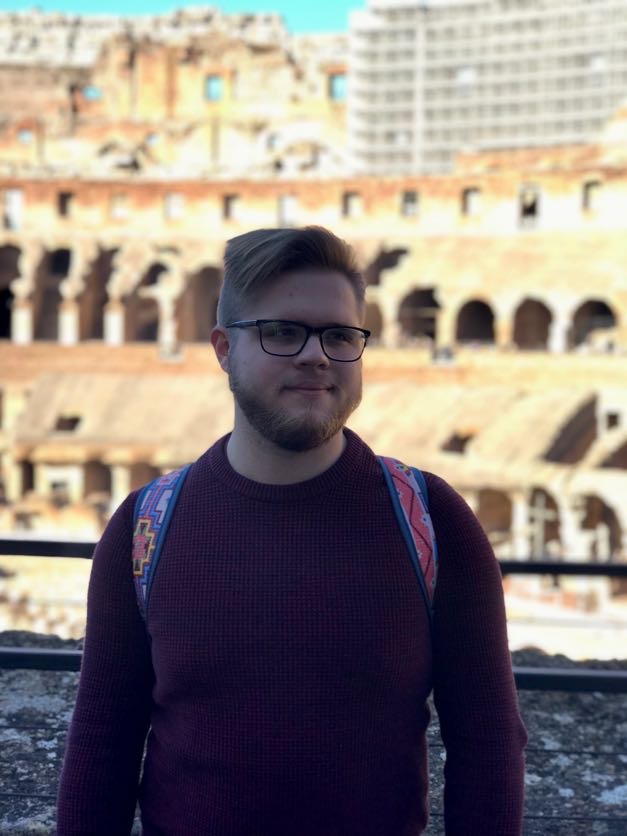
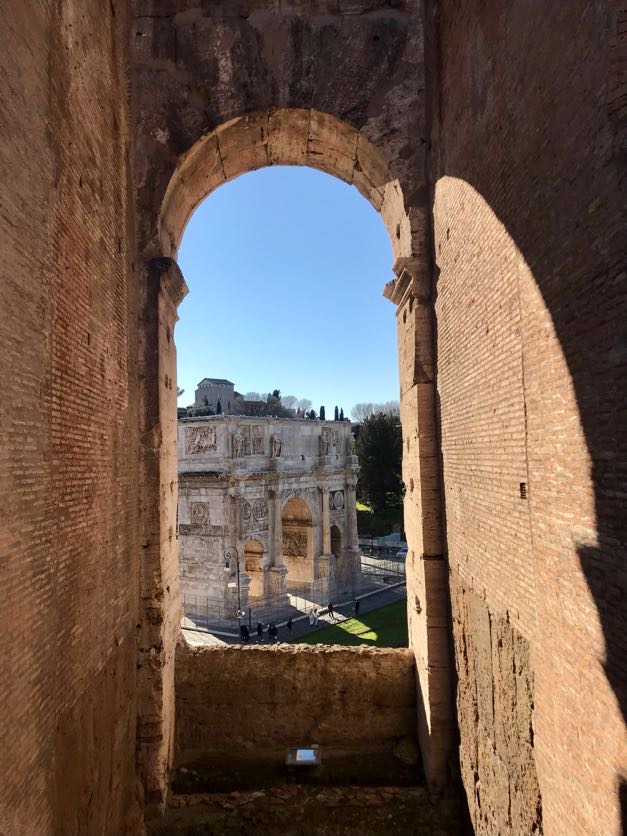
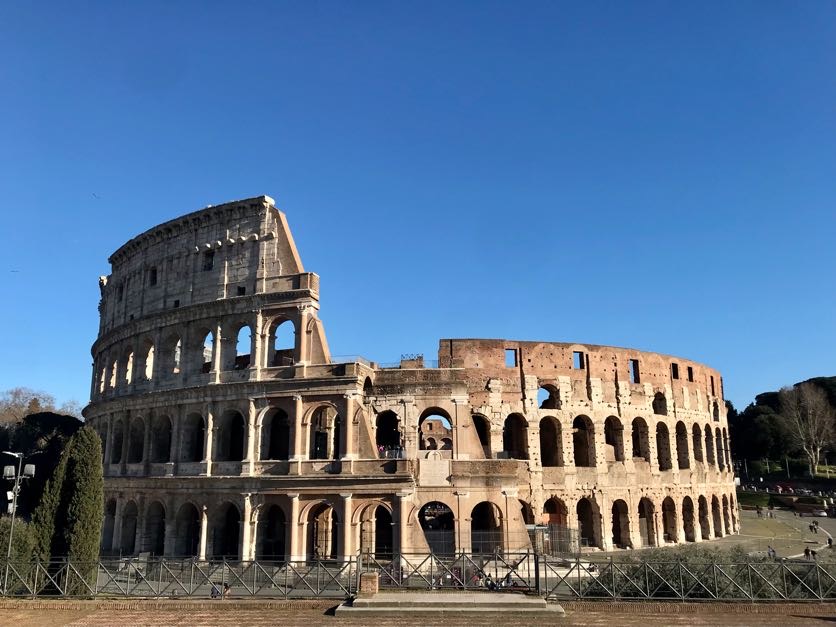
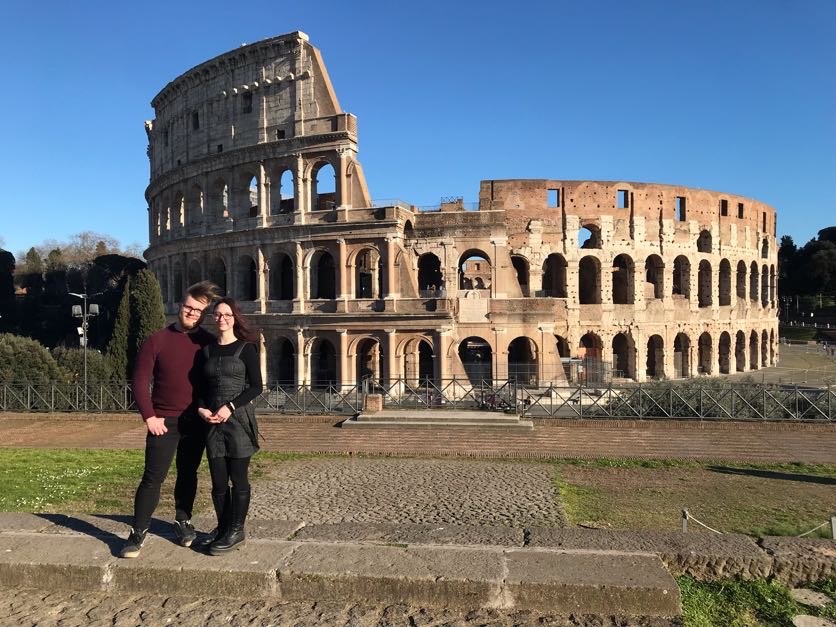
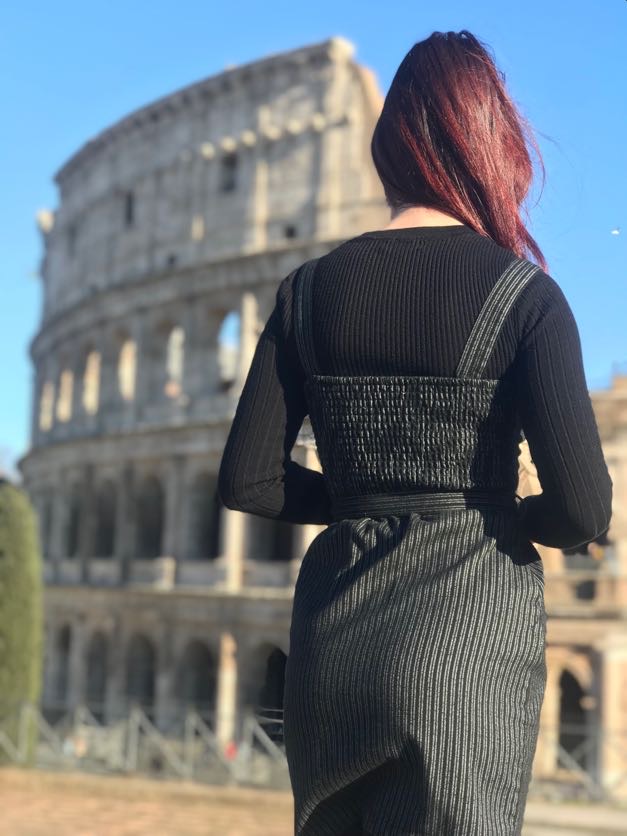
No trip to Rome would be complete without visiting the Colosseum. It is a huge structure that once could seat up to 80,000 spectators. Only parts of the outer shell and inner skeleton of the arena remain, but it is still amazing to see, and a testament to the ingenuity and longevity of Roman engineering. Admittedly, seeing the Colosseum from the outside is somewhat sufficient, as the inside is not as interesting. However, the Forum is amazing and the ticket covers both locations, so it would be a waste to not go inside.
The Forum Romanum
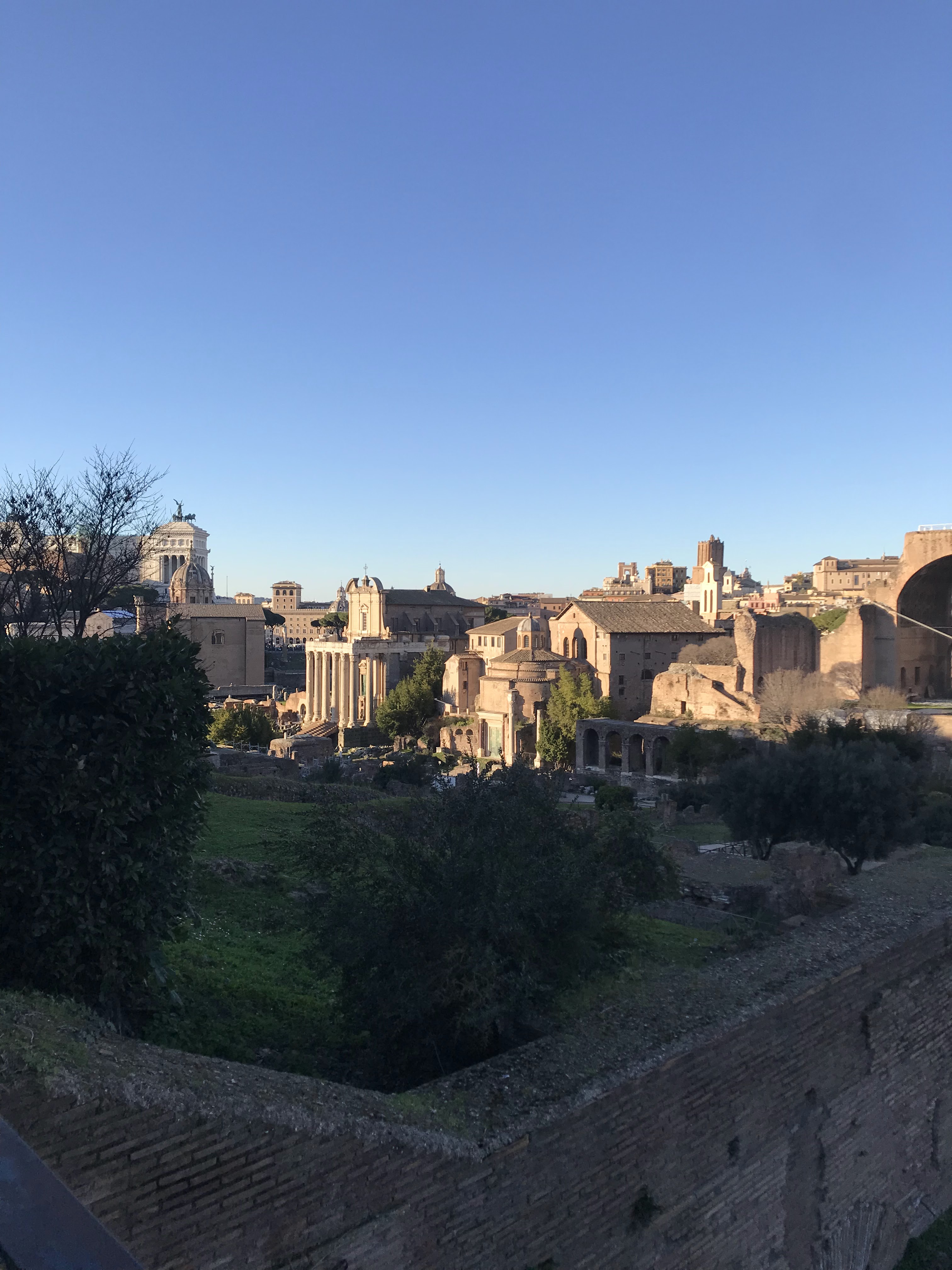
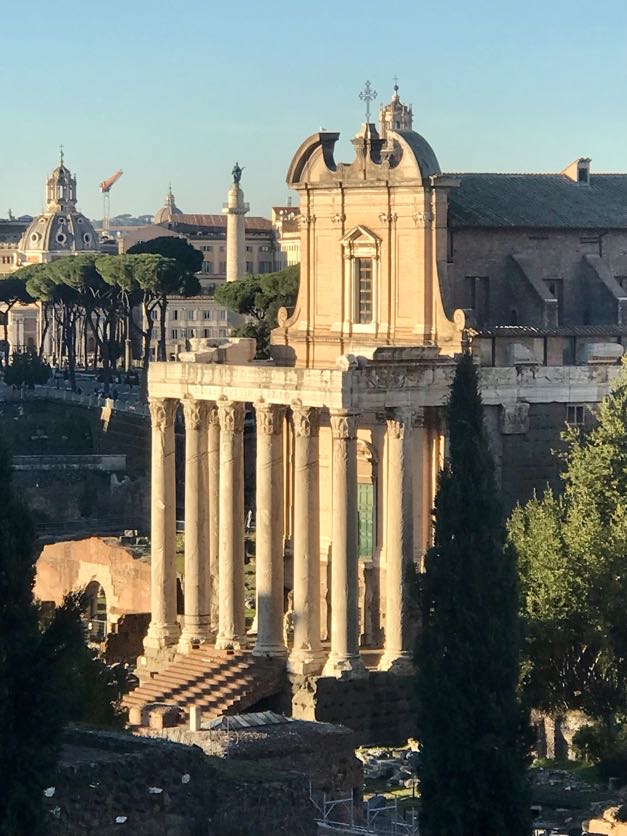
Once we left the Colosseum, we passed by a triumphal arch dedicated to the Emperor Constantine. Then, using the same ticket as for the Colosseum, we entered the huge archaeological site of the Forum Romanum. There were many things to see here, but we focused our time on the Palatine Hill, where Emperors built their palaces. Unfortunately, the Park closed before we got a chance to see the Forum proper. There is more to explore in the Forum Romanum, so I would recommend visiting there first, then finish up with a visit to the Colosseum.
The Piazza Venezia
We started to walk towards the somewhat more modern part of Rome once the Park closed. Along the way, there were many sunken areas, which were filled with Roman ruins – the remains of other forums and temples, which dotted the streets. The sites themselves were closed, but we could take a look at them from the street level.
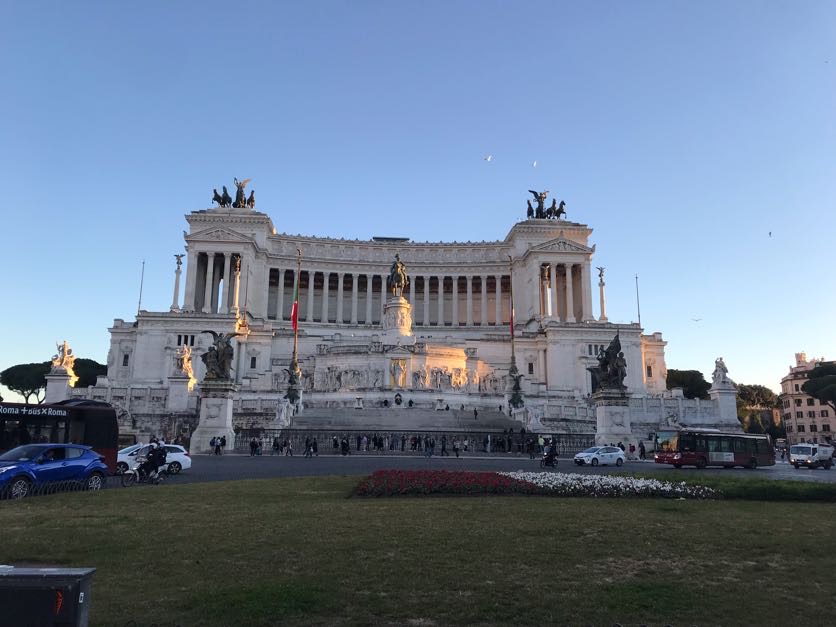
These eventually lead to the Piazza Venezia, one of Rome’s main city squares. There is a huge monument here, dedicated to Vittorio Emmanuelle II, the first King to rule a united Italy in the 19th Century. You can climb this monument to get a bird eye view over the city, but owing to our sore feet from a long day of walking, we chose to forego this.
Also along the Piazza, is Trajan’s Column. This is a fascinating monument dedicated to the Emperor Trajan, which showed on its large surface his many many victories. It once had a statue of the Emperor, but this has since been lost and replaced by a statue of St Peter the Apostle.
The Trevi Fountain
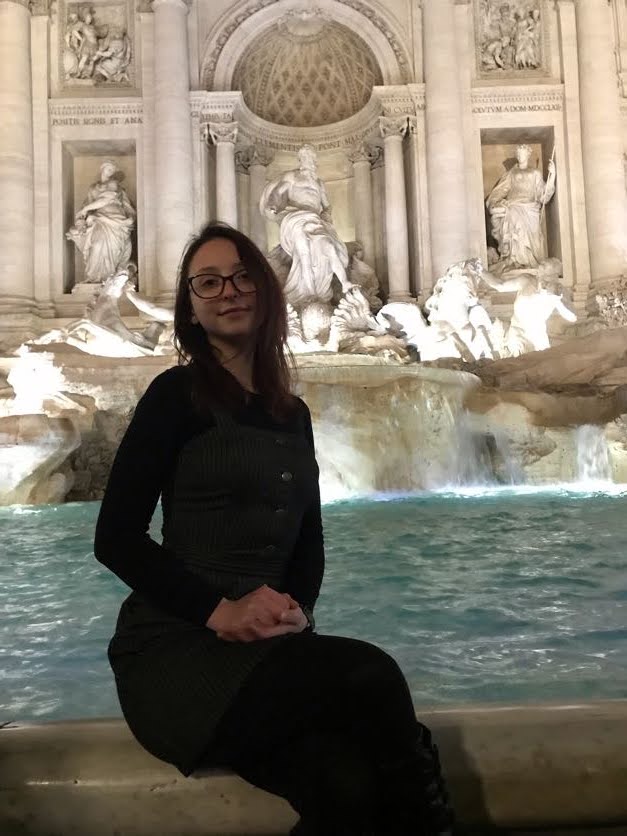
Nearby, is a monument to Rome’s later history. The Trevi Fountain was commissioned in 1730, though it was only completed 32 years later. It is the finest example of Baroque architecture in Rome, and a great place to take some pictures, especially at nigh time when the fountain is lit up beautifully. This was the conclusion of a long day of activities and discovering (or rediscovering in my case) the ‘must-see’ Rome.
St Peter’s Basilica
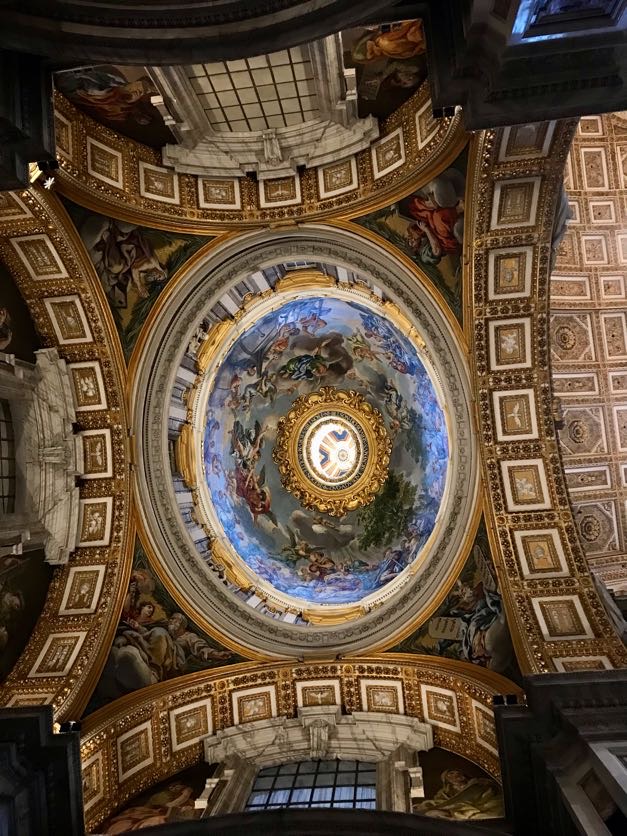
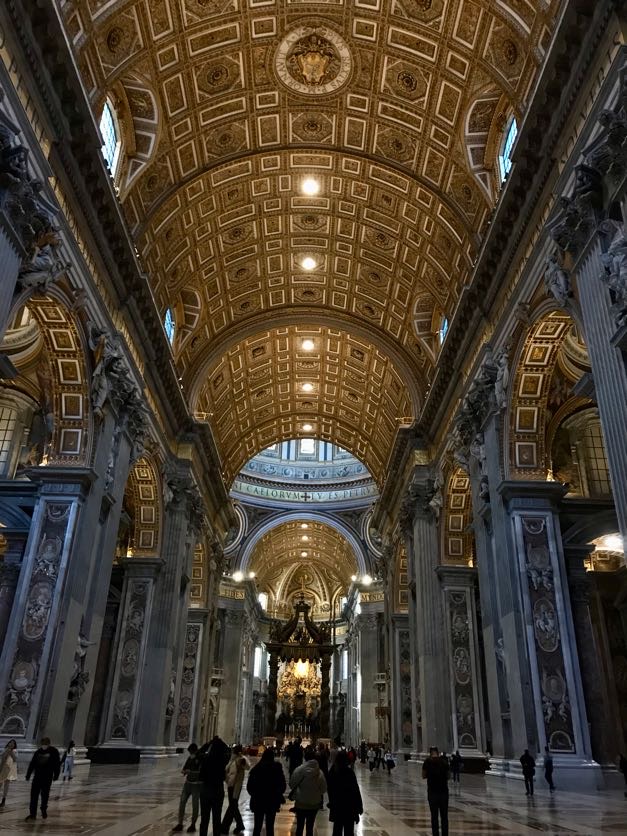
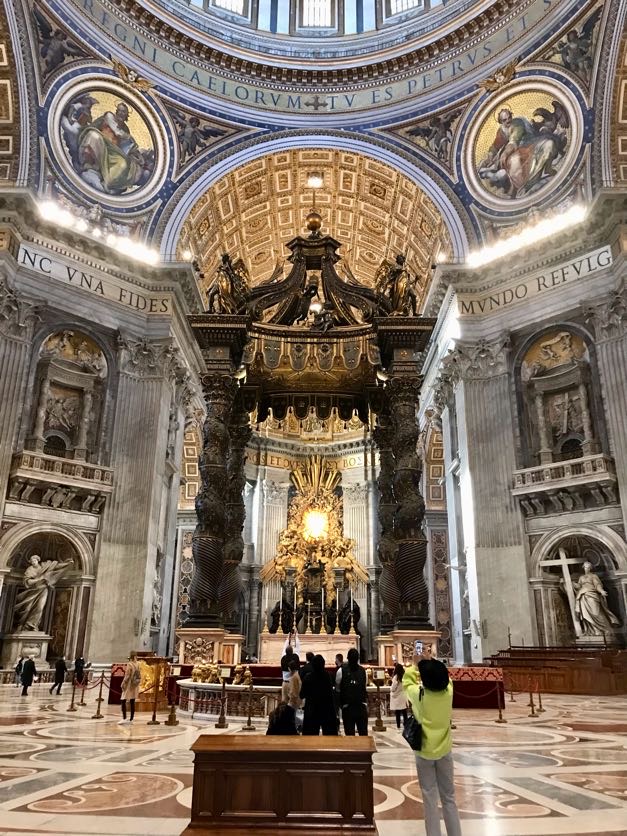
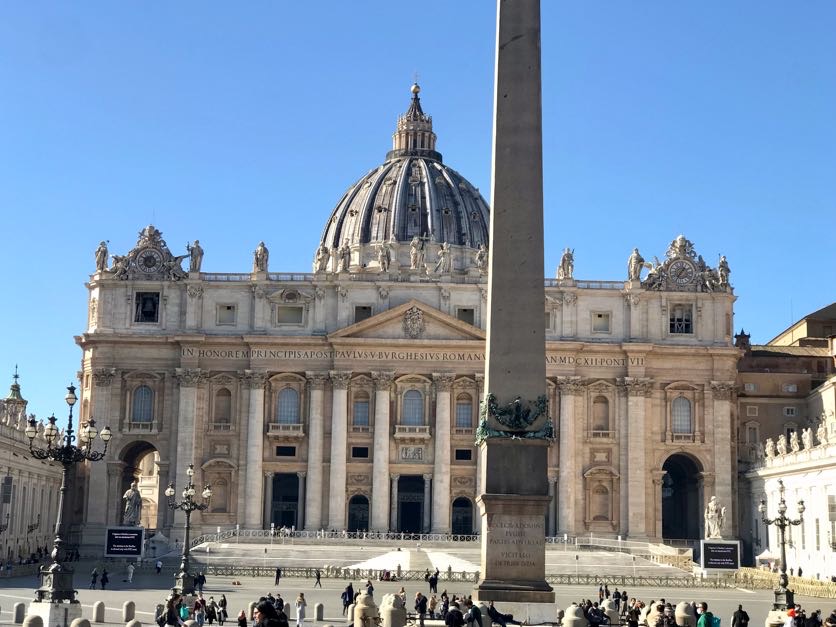
In the next day, we would visit the smallest country in the world – Vatican City, or as it is formally known, the Holy See. We started off by visiting the largest church in the world, St Peter’s Basilica. Entry to this is free, and well worth the trip. Fantastic artwork, statues, and architecture cover every inch of this colossal building. We considered climbing the dome, but at €8, the price did seem rather steep (as indeed, did the stairs).
Ostia Antica
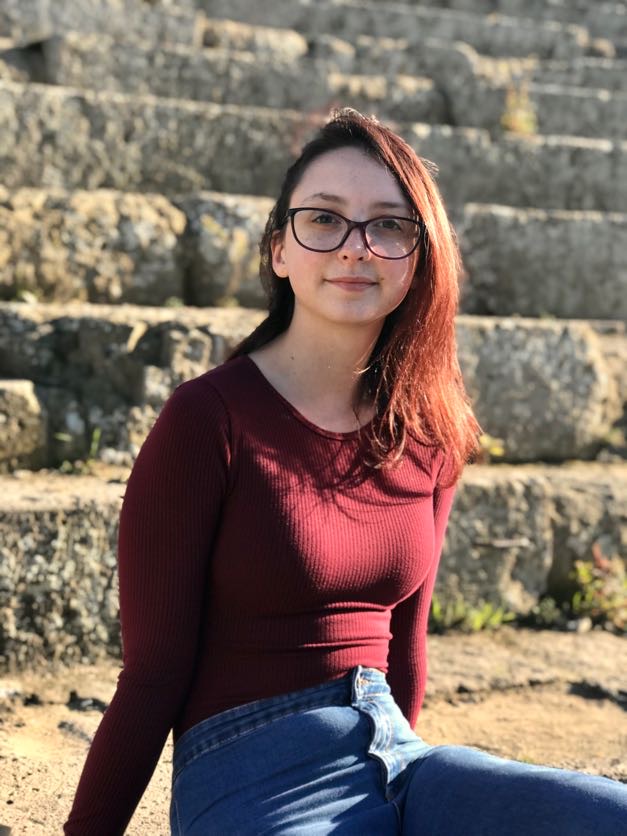
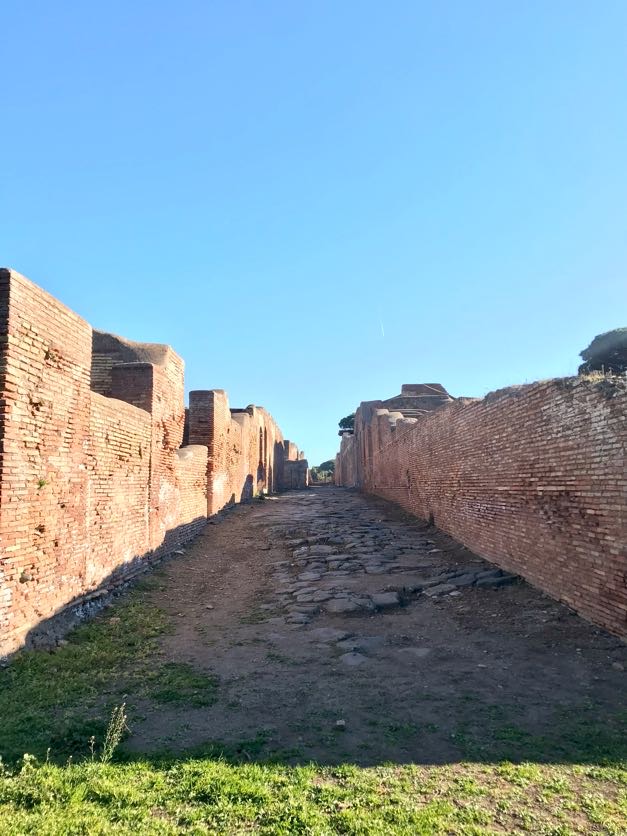
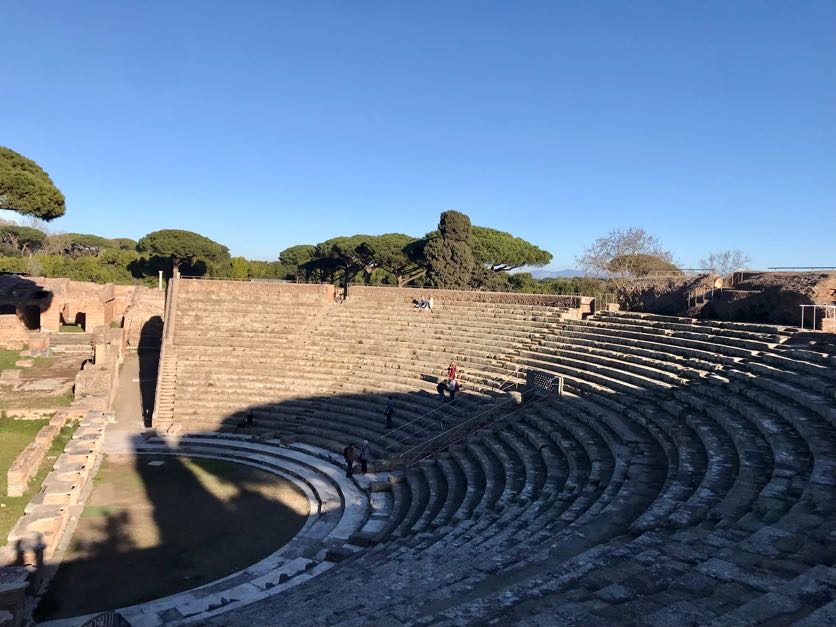
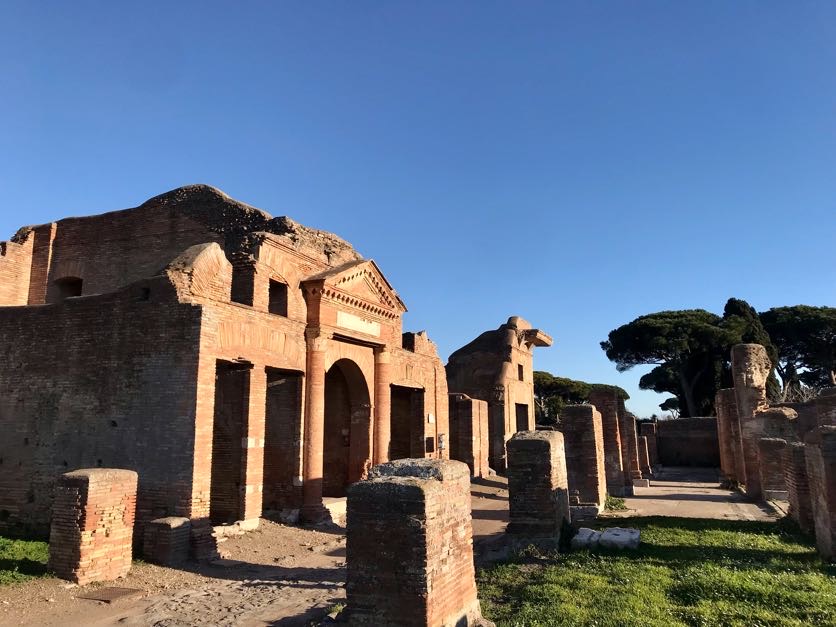
About half an hour outside of Rome are the ruins of Ostia Antica, Rome’s ancient port city. This is a remarkably well preserved Roman town, better than Pompeii in many ways. In fact, as someone who has been to Pompeii, Ostia Antica was by far the better choice, and it is an essential place to visit for anyone interested in Roman history.
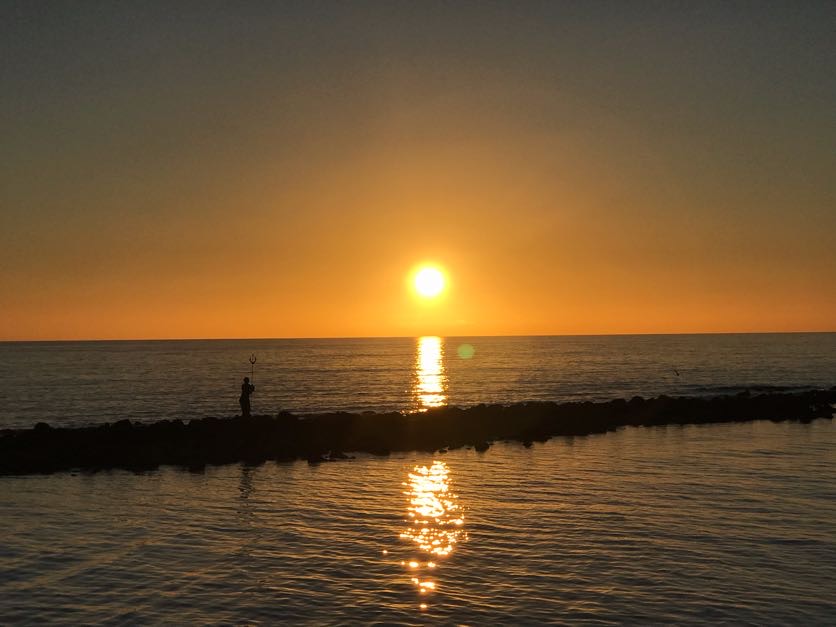
We ended the day by going to the actual modern town of Ostia, where we watched the sun set into the sea, bringing our whole journey to a close.
You can read more about my time in Ostia Antica right here.
Places I’d Avoid
The Vatican Museum
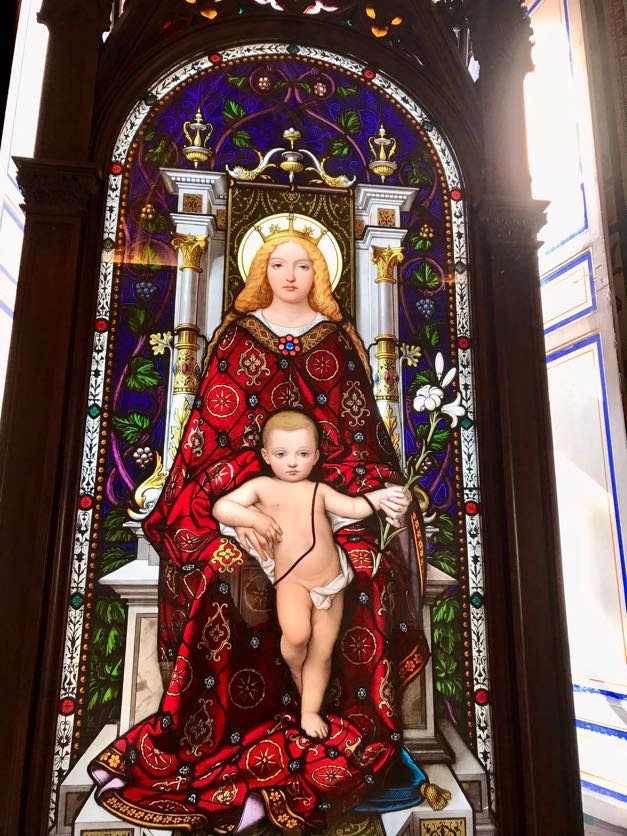
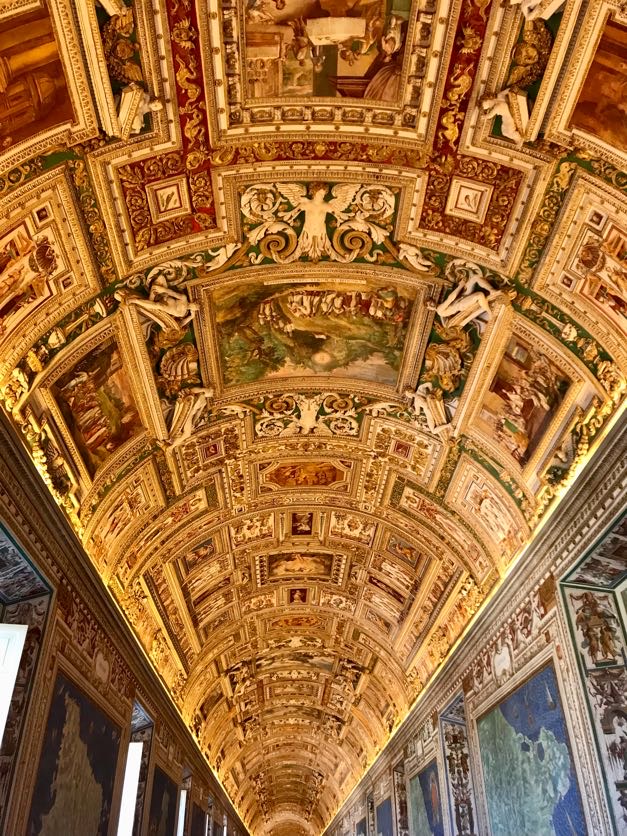
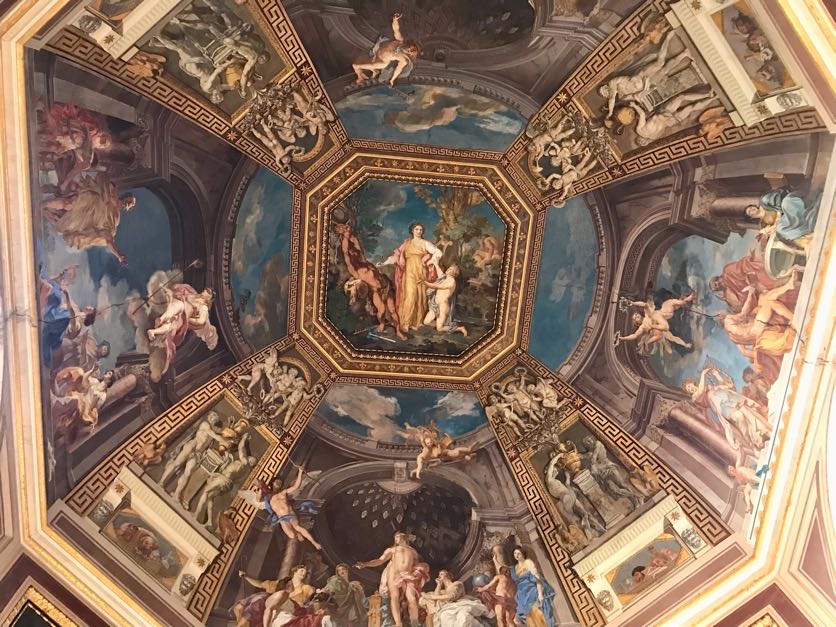
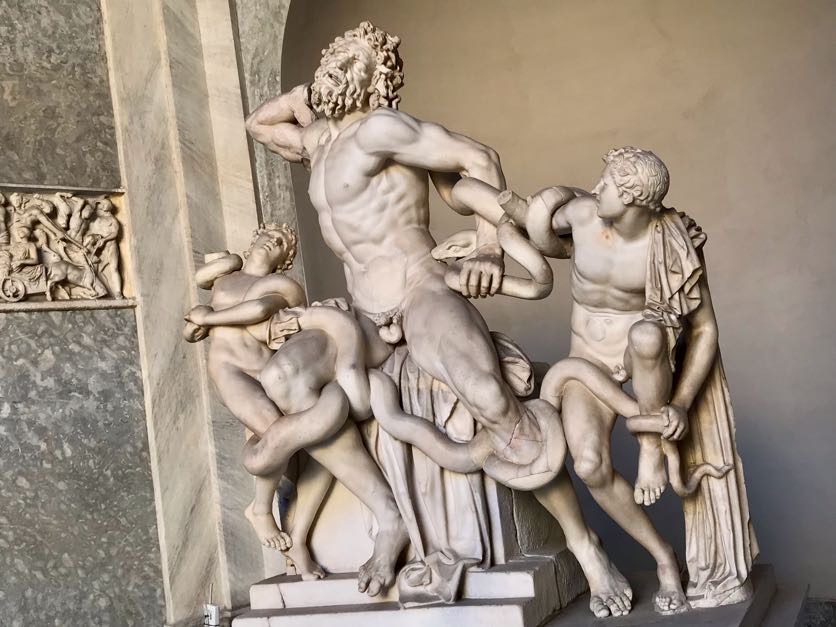
This was probably my biggest regret of the whole trip. At €17 each the price was very high, and the exhibitions were not entirely to my taste. It is undeniable that you will find priceless works of art, beautiful statues, and of course, the world famous Sistine Chapel, but these require a strong appreciation for the arts, which both Tayla and I lack. There was also some archaeological displays, but I couldn’t justify the incredibly high cost in this situation.
The Circus Maximus
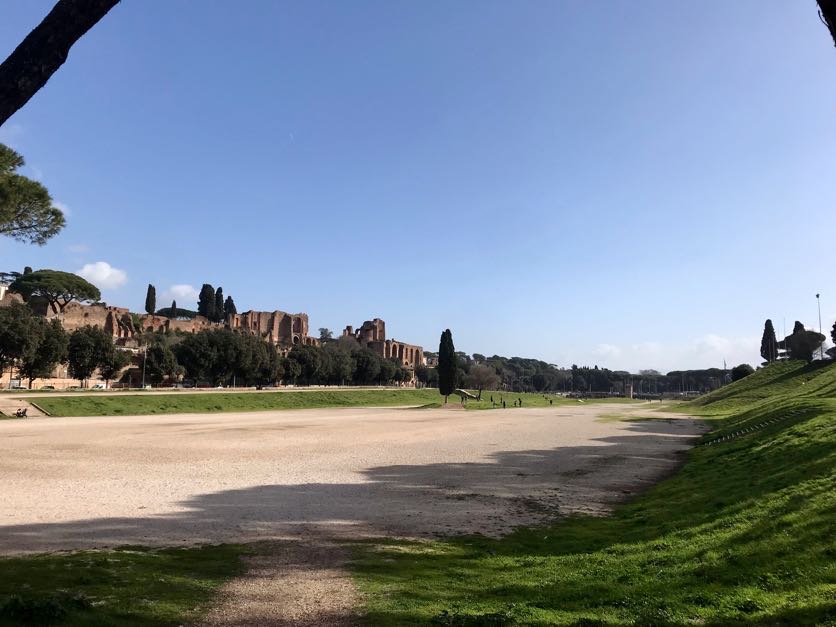
Unfortunately, there is not much left of what was once Rome’s most famous and largest stadium. The site is somewhat worth seeing for the historicity of it, but outside of it’s outline and a couple of buildings, there is almost nothing to see.
 We May Roam